






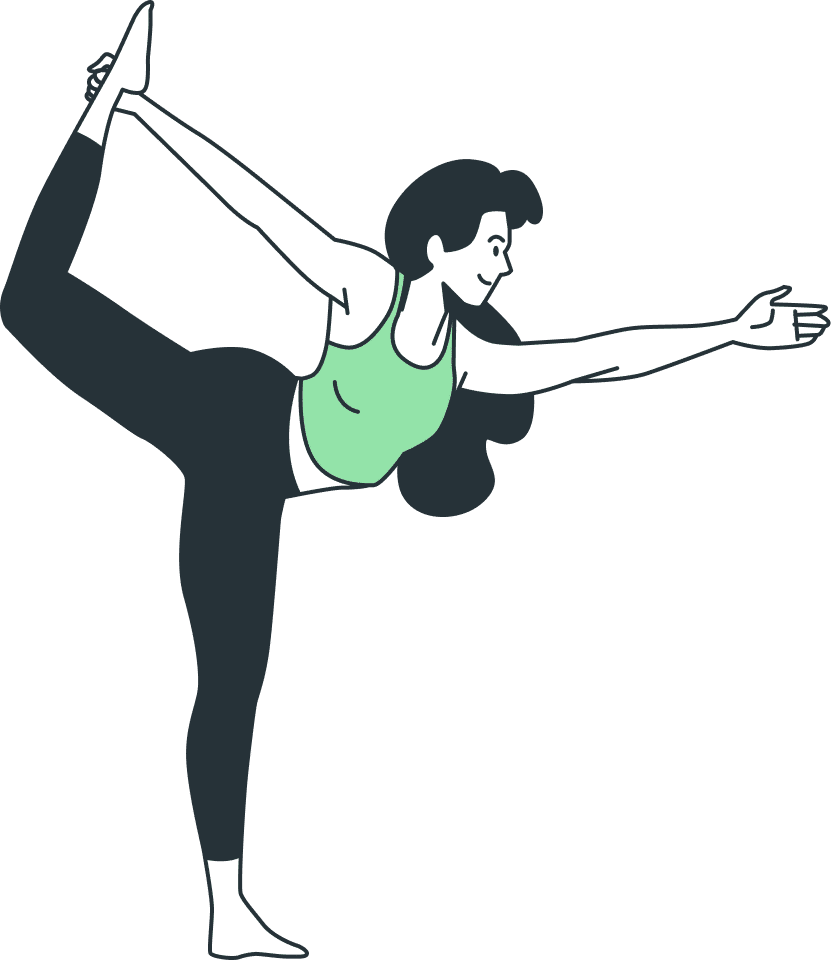




You might hear the word ‘yogi’ and picture someone doing yoga poses on a mat. In reality, the meaning goes much deeper than physical movement.
A yogi is traditionally someone who follows the broader path of yoga, which includes mindfulness, discipline, and self-awareness.
The feminine form of the word, ‘yogini’, holds equal standing in the tradition, though it is often overlooked in modern Western usage.
Through my years working in yoga therapy and holistic wellness, I’ve seen how this term reflects a lifestyle centered on balance between the body, mind, and spirit.
You’ll learn the true definition of a yogi, where the idea originated, and how yogic philosophy shaped this role over time. You’ll also discover the traits, lifestyle habits, and spiritual paths that define what being a yogi means today.
What is a Yogi?
A yogi is someone who practices yoga beyond just physical exercise. The term describes a person who follows the deeper teachings of yoga, focusing on balance between the body, mind, and inner awareness.
While many people today use the word to refer to anyone who attends yoga classes or practices postures regularly, its traditional meaning is broader.
Historically, a yogi refers to someone devoted to self-discipline, meditation, and personal growth through yogic philosophy.
The word comes from the Sanskrit term yogin, derived from the root yuj, meaning “to unite” or “to join.”
This idea of union reflects the core goal of yoga: bringing harmony between physical health, mental clarity, and spiritual understanding through consistent practice and mindful living.
The feminine equivalent, yogini, refers to women who follow the same path and appears throughout classical yogic texts.
It is not a lesser or secondary term; yoginis like Anandamayi Ma are counted among the most significant spiritual figures in the entire tradition.
It is also worth noting that in traditional Indian culture, the title of yogi was rarely self-declared.
It was recognized by a teacher or spiritual community after years, sometimes decades, of dedicated practice. That earned quality is central to understanding what the word truly means.
The Historical Origin of the Yogi Tradition
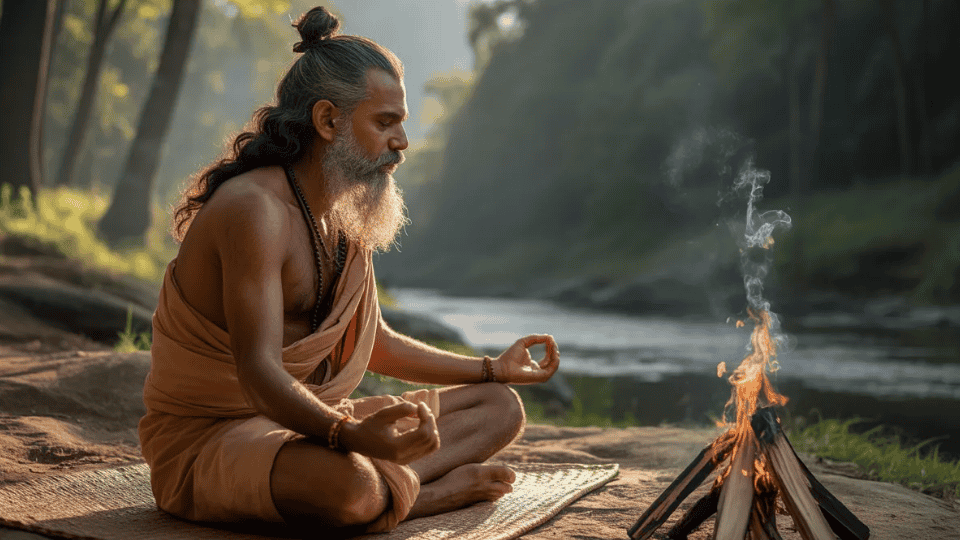
The idea of a yogi comes from ancient Indian spiritual traditions. Over time, philosophy, meditation, and discipline shaped the yogic path.
Roots in Ancient India
The concept of the yogi began in ancient India within early spiritual traditions recorded in the Vedas and Upanishads. These texts explored deep questions about consciousness, self-awareness, and the connection between the individual soul and the universe.
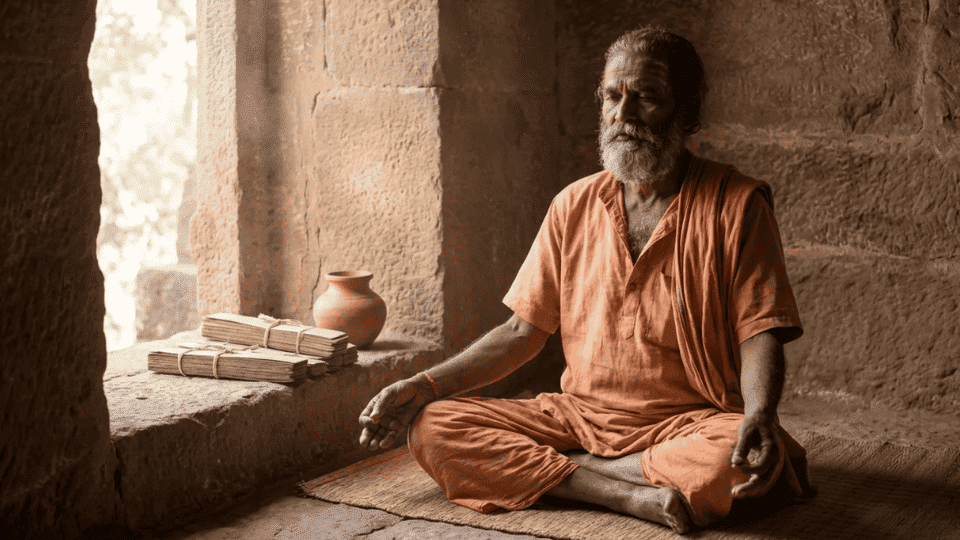
The earliest known reference to yogis appears in the Keśin hymn (10.136) of the Rigveda – one of the oldest sacred texts in human history. It describes these early figures as wandering sages who lived outside social conventions, grew their hair long, and entered deep meditative states.
The hymn characterizes them as beings who carried within themselves what it described as contrary forces, creativity and depression, spiritual bliss and earthly heaviness, and had mastered the transformation of all of it. These were not gym-goers. They were individuals who had restructured their entire existence around inner awareness.
Early yogis practiced meditation, breathing control, and disciplined living to understand the nature of the mind and reality.
Over thousands of years, these teachings gradually developed into the philosophical system known as yoga, guiding individuals toward inner balance, self-realization, and spiritual growth.
Notable Yogis Who Shaped the Modern World
While ancient yogis lived outside mainstream society, several key figures brought yogic philosophy to a global audience and directly shaped the tradition as we encounter it today:
- Swami Vivekananda (1863–1902) introduced yoga to the West through his landmark address at the Parliament of the World’s Religions in Chicago in 1893, emphasizing the universal principles of Vedanta and Raja Yoga.
- Paramahansa Yogananda (1893–1952) brought yogic philosophy to millions of Western readers through his widely read Autobiography of a Yogi, and founded the Self-Realization Fellowship to teach Kriya Yoga practices rooted in meditation and spiritual awakening.
- B.K.S. Iyengar (1918–2014) revolutionized the teaching of asana through his emphasis on precise anatomical alignment, making yoga physically accessible to people across all ages and ability levels, a contribution that directly informs modern yoga therapy.
- Anandamayi Ma (1896–1982) is considered one of the greatest yoginis of the 20th century, revered for her extraordinary spiritual depth and recognized as a major spiritual teacher in her own right, a reminder that the tradition’s most profound voices have not always been male.
Yogis in Classical Yoga Texts
Several classical texts shaped the understanding of yogis and the philosophy of yoga. One of the most influential works is The Yoga Sutras of Patanjali, which outlines the eight-limbed path of yoga and explains the discipline required for mental clarity and spiritual progress.
The Bhagavad Gita discusses different yogic paths, including devotion, knowledge, and action. The Upanishads also describe meditation and self-inquiry as ways to reach deeper awareness. Together, these texts present yoga as a lifelong path of discipline, reflection, and inner transformation.
The Philosophy Behind Being a Yogi
Being a yogi goes far beyond practicing physical yoga poses. In traditional yoga philosophy, the goal is to create harmony between the body, mind, and deeper consciousness.
Yoga is considered a path of self-awareness and inner transformation rather than only a form of exercise.
Patanjali’s Eight Limbs of Yoga outline a step-by-step path that guides yogis toward discipline, balance, self-awareness, and spiritual growth.
- Yama: Ethical principles that guide how a person behaves toward others with honesty, non-violence, and respect.
- Niyama: Personal disciplines that focus on self-control, cleanliness, gratitude, and commitment to personal growth.
- Asana: Physical yoga postures that strengthen the body while supporting stability and comfort during meditation.
- Pranayama: Breathing techniques that help regulate energy, calm the mind, and improve overall focus and awareness.
- Pratyahara: The practice of withdrawing attention from external distractions to turn awareness inward.
- Dharana: Focused concentration on a single object, thought, or breath to train the mind.
- Dhyana: A deeper state of meditation where awareness flows continuously without distraction.
- Samadhi: The final stage representing spiritual unity and profound inner peace.
In my yoga therapy practice, most clients arrive familiar with asana, the third limb, but have never encountered the other seven limbs.
When I introduce someone to Yama and Niyama, the ethical and personal disciplines that come before any physical posture, it often creates the most significant shifts in their well-being.
The eight limbs function as a system, not a menu. Skipping to asana and ignoring the rest is a bit like studying only one chapter of a course and expecting a full education.
Together, these eight practices create a structured path that helps yogis cultivate discipline, awareness, and lasting inner peace.
Characteristics of a Yogi
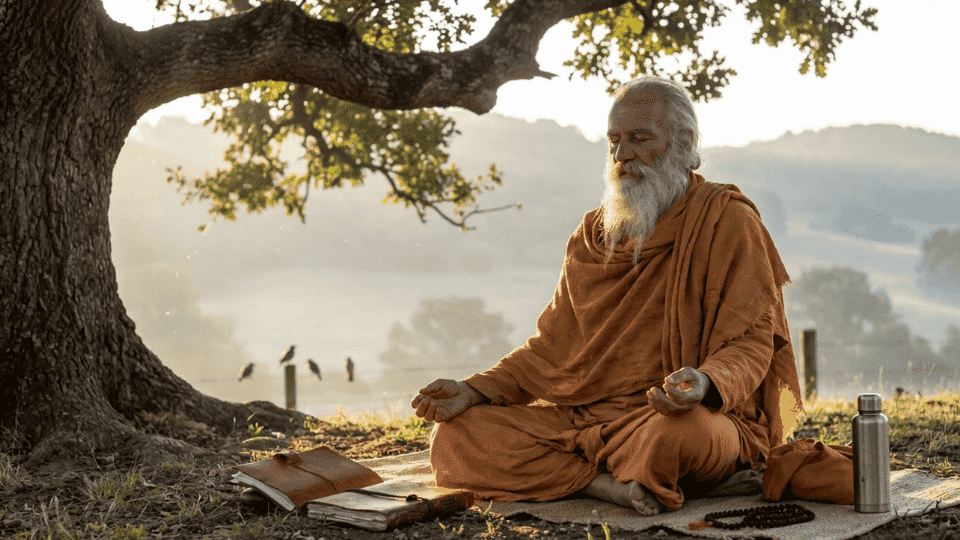
When people hear the word yogi, they often think of yoga poses. But the real meaning goes deeper, reflecting qualities that shape a yogi’s daily life.
- Self-discipline: A yogi practices steady self-control in daily habits, thoughts, and actions. This discipline helps them stay focused on growth, balance, and inner awareness.
- Mindfulness and awareness: Yogis try to stay present in each moment. They pay attention to their thoughts, breath, and surroundings with calm awareness.
- Simple living: Many yogis value simplicity in daily life. They avoid excess and focus on what truly supports health, clarity, and inner peace.
- Emotional balance: A yogi works to remain calm during both pleasant and difficult situations. This steady mindset helps them respond thoughtfully rather than react quickly.
- Commitment to growth: Yogis continue learning about themselves and their actions. They see personal growth as a lifelong process supported through reflection, practice, and patience.
A pattern I notice consistently in my practice is that students who begin integrating even two or three of these qualities, particularly emotional balance and self-discipline, report improvements in sleep quality, stress response, and relationships within weeks.
This often occurs well before any change in physical flexibility. The inner work surfaces first in daily life. That’s always been the most convincing argument I can offer someone who thinks yoga is just stretching.
These qualities show that being a yogi is more about mindset than poses. Anyone can begin building these habits through small, mindful choices each day.
The Lifestyle of a Yogi
Living as a yogi involves daily habits that support balance in body, mind, and spirit through mindful actions, discipline, and healthy choices.
Physical Practices
Physical practices form the foundation of a yogi’s daily routine. Many yogis begin the day with yoga postures (asanas) that help improve strength, flexibility, and body awareness.
These movements are often combined with breathing exercises (pranayama) to regulate energy and calm the nervous system.
Meditation is another important part of the routine, allowing the mind to slow down and focus inward. Together, these practices support physical health while helping the body and mind stay balanced throughout the day.
In my own morning practice, the movement portion rarely exceeds 20–30 minutes.
What actually anchors the day is five minutes of pranayama before I step off the mat, specifically, alternate nostril breathing (nadi shodhana), which I also prescribe to clients managing anxiety.
It sounds almost too simple to be meaningful. But over the years, it’s the single practice I’ve seen produce the most consistent results for nervous system regulation, both in myself and in the people I work with.
Mental and Spiritual Practices
A yogi’s lifestyle also emphasizes mental clarity and inner awareness. Practices such as mindfulness help individuals stay present and attentive to their thoughts, actions, and surroundings.
Self-reflection allows yogis to observe their behaviors and learn from daily experiences. Many also cultivate gratitude, appreciate small moments, and maintain a positive outlook on life.
These habits strengthen emotional balance and self-understanding, helping yogis develop a deeper connection with themselves and the world around them.
Diet and Wellness
Diet and wellness choices often reflect the mindful principles of yoga. Many yogis prefer plant-based or vegetarian diets, focusing on foods that feel nourishing and light for the body.
Meals often include natural and minimally processed ingredients such as fruits, vegetables, grains, and legumes.
Another important habit is mindful eating, in which individuals pay attention to how food tastes, how it affects their bodies, and when they feel satisfied. This balanced approach helps support both physical health and mental clarity.
That said, yogic dietary guidance is more nuanced than a blanket rule. At the Ayurvedic wellness retreat, one of the most grounding teachings was that what nourishes one person may not serve another – a principle deeply embedded in Ayurvedic thought.
The yogic value of ahimsa (non-harm) guides food choices, but the spirit of that principle is one of awareness and intention, not rigid prescription.
I’ve worked with clients who thrived on sattvic plant-based eating and others for whom a different approach was more therapeutic. The mindfulness behind the meal matters as much as what’s on the plate.
Yogi vs. Yoga Practitioner: What’s the Difference?
Many people use the words yogi and yoga practitioner the same way. In practice, they often describe different levels of involvement with yoga philosophy and lifestyle.
| Aspect | Yoga Practitioner | Yogi |
|---|---|---|
| Main focus | Practices yoga mainly for fitness, flexibility, or relaxation. Yoga sessions may happen a few times a week. | Follows yoga as a full lifestyle that shapes daily habits, thoughts, and personal growth. |
| Approach to practice | Focuses mostly on physical poses, stretching, and body movement during yoga classes or personal workouts. | Practices yoga through meditation, self-discipline, breath control, and awareness beyond physical poses. |
| Daily lifestyle | Yoga is one activity within a normal routine that includes work, hobbies, and other interests. | Yoga principles influence daily choices, behavior, and mindset in many areas of life. |
| Spiritual connection | May or may not include spiritual ideas, depending on personal goals and teaching style. | Often studies yoga philosophy and reflects on inner awareness, purpose, and personal understanding. |
Understanding this difference helps you see that yoga can be both a practice and a lifestyle, depending on how deeply someone chooses to follow it.
Modern Meaning of a Yogi
Today, the meaning of a yogi has expanded beyond its traditional spiritual roots. In many modern settings, the word is often used to describe someone who regularly practices yoga, especially in studios focused on physical postures and fitness.
Social media has also shaped the image of a yogi, where yoga is sometimes associated with flexible poses, wellness routines, and aesthetic lifestyles.
In addition, lifestyle branding has turned yoga into a broader identity connected with clothing, wellness products, and healthy living. While these modern interpretations highlight fitness and mindfulness, the traditional meaning of a yogi is deeper.
Historically, a yogi followed a spiritual path focused on self-discipline, meditation, and inner awareness rather than simply practicing physical yoga poses.
It is also worth acknowledging an important cultural dimension: many South Asian educators and practitioners raised within the yogic tradition find the casual Western use of the title reductive.
In its original context, the word yogi carried a weight of lifelong sacrifice and spiritual commitment that is genuinely difficult to claim in a studio setting.
Being honest about that gap doesn’t diminish your practice as it deepens your respect for what the tradition actually represents. The most authentic modern practitioners I’ve encountered are typically the ones least eager to claim the title.
Can You Call Yourself a Yogi?
It depends on which definition you’re using.
In casual modern usage, calling yourself a yogi simply means yoga has become a meaningful, integrated part of your daily life. There is nothing wrong with that framing; it reflects a genuine relationship with the practice.
In its traditional context, however, the title was rarely self-declared. It was recognized by a teacher or spiritual community after years of dedicated study, ethical living, and adherence to the full path, not just the physical component.
My own approach, both personally and with clients, is to hold the word loosely. You don’t need the title to walk the path.
What matters is whether you’re genuinely engaging with more than the postures, whether you’re sitting with your breath, examining your reactions, and making room for something beyond the physical.
When that happens consistently, the label tends to become irrelevant anyway.
Types of Yogis
Different yogis follow distinct paths, each emphasizing a unique aspect of practice, as explained in the Bhagavad Gita.
1. Karma Yogi (Path of Action)
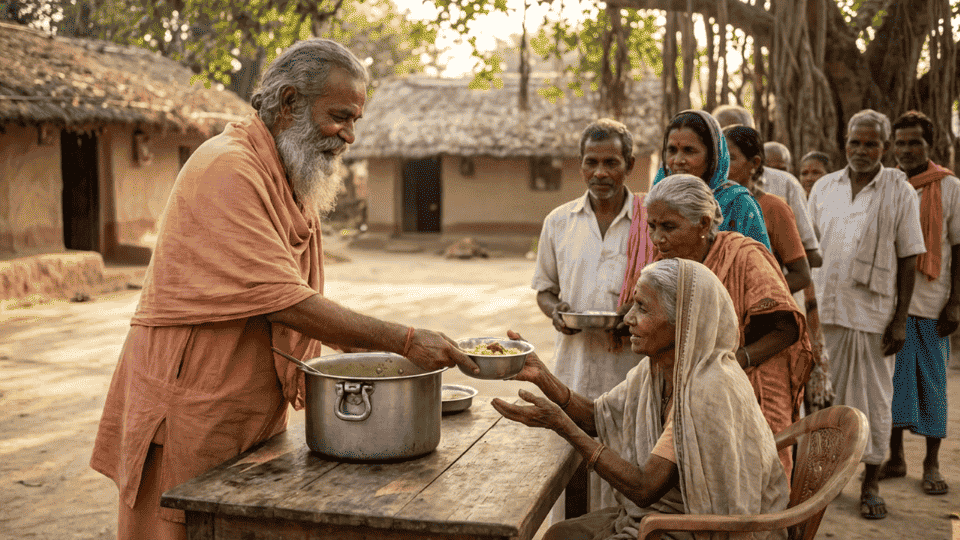
Karma yogis focus on selfless action, performing duties without attachment to outcomes. They serve others, their community, or society with mindfulness and dedication.
By acting without expecting rewards, they reduce ego influence and cultivate humility. This path teaches that daily work itself can become a spiritual practice.
Modern practitioners may include volunteering, helping family, or contributing professionally, approaching every task as an opportunity to grow in awareness and compassion.
In my experience, this path resonates most deeply with clients who struggle with guilt around self-care.
Reframing their caregiving, as a parent, partner, or professional, as a form of yoga: intentional, present, and ego-examined, can be a genuinely useful therapeutic reframe.
It doesn’t ask them to stop what they’re doing. It asks them to bring awareness to it.
2. Bhakti Yogi (Path of Devotion)
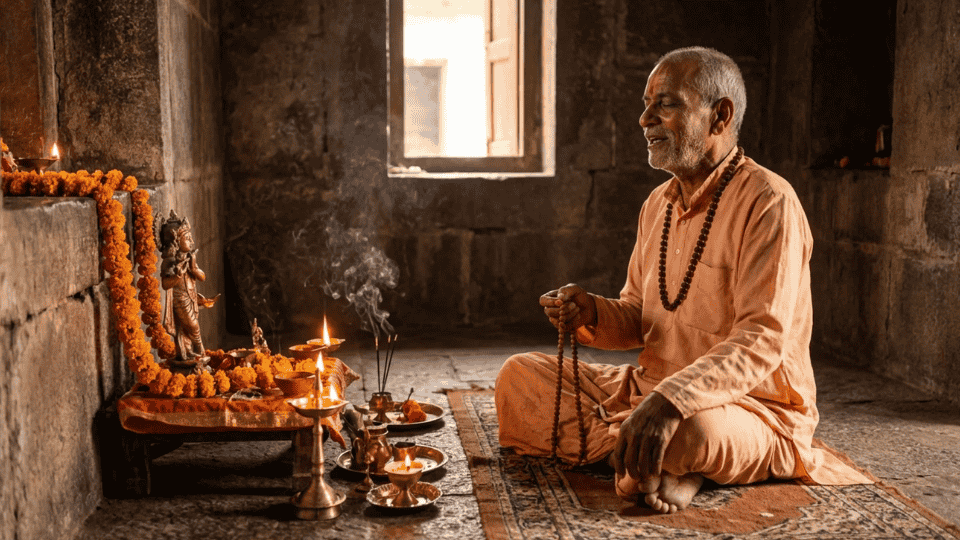
Bhakti yogis emphasize devotion and love for a higher power. Their practice involves prayer, chanting, singing hymns, and surrendering personal desires to the divine.
Through devotion, they cultivate emotional connection, trust, and compassion. The path focuses on heartfelt practices rather than intellectual reasoning. Devotees aim to dissolve ego-driven impulses by centering their lives around spiritual love.
Modern bhakti yogis may blend devotional rituals with daily activities, expressing reverence through mindful living, gratitude, and service to others.
3. Jnana Yogi (Path of Knowledge)
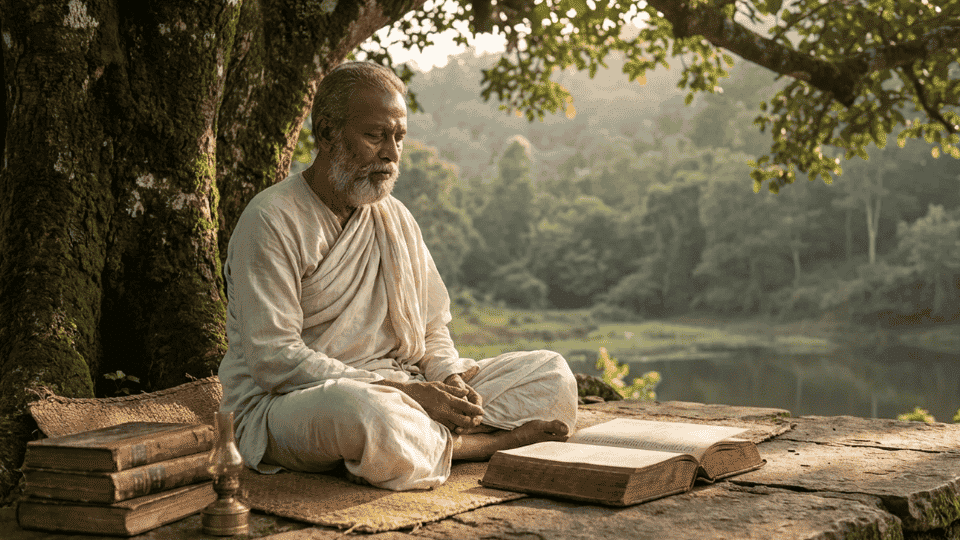
Jnana yogis pursue wisdom and self-inquiry, seeking to understand the nature of the self and reality. They study sacred texts, question assumptions, and reflect deeply on philosophical principles.
The goal is to distinguish between temporary experiences and true, unchanging awareness. This path emphasizes understanding over ritual, guiding practitioners to recognize their inner essence.
Modern jnana yogis may combine study with meditation, applying insights to everyday decisions. Intellectual clarity and discernment are cultivated alongside ethical living.
Clients who are analytically minded or skeptical of anything that feels “spiritual” often find their most natural entry point here.
Giving them an accessible commentary on the Yoga Sutras, or even a solid introduction to yogic philosophy through a text like Georg Feuerstein’s writing, tends to open the door more effectively than asking them to sit still and chant.
4. Raja Yogi (Path of Meditation)
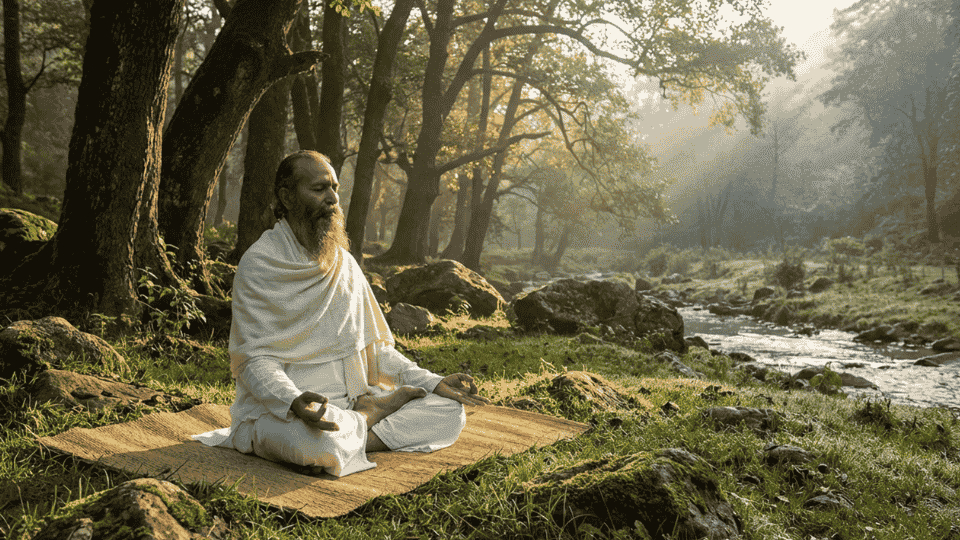
Raja yogis prioritize meditation, mind mastery, and inner stillness. Their practice involves concentration, breath control, and disciplined routines to cultivate focus and mental clarity.
The aim is to quiet distractions, understand the mind, and experience deep states of awareness. Through sustained practice, raja yogis develop self-discipline, emotional balance, and insight into the nature of consciousness.
Modern raja yogis often blend meditation with yoga postures, mindful awareness, and lifestyle practices, integrating calmness and clarity into daily life.
Common Misconceptions About Yogis
Many people have misunderstandings about what a yogi truly is.
Myth 1: A yogi must be extremely flexible.
Flexibility is a byproduct for some practitioners, but it was never the point. Asana was developed to prepare the body for extended seated meditation, not to display the physical range of motion.
In my clinical work, I’ve seen clients in their 60s and 70s with significant physical limitations practice the yogic path more sincerely than many physically capable students half their age. The body is the starting point, not the destination.
Myth 2: Yogis must live alone or withdraw from society.
While some historical yogis lived as ascetics, the Bhagavad Gita is largely structured around the path of the householder yogi, someone with responsibilities, relationships, and a life fully embedded in the world.
The teaching is non-attachment within life, not escape from it.
Myth 3: Yoga is only physical exercise.
Asana corresponds to just one of the eight limbs Patanjali described. The other seven, including ethical principles, breath regulation, and meditation, constitute the larger structure.
The physical practice is the entry point for many Westerners, but it represents a single branch of a much larger tree.
Myth 4: The yogi tradition is only for men.
The term yogini for female practitioners has existed from the earliest texts. Historical figures like Anandamayi Ma are counted among the most significant teachers the tradition has produced.
The perception that yoga’s spiritual lineage is male-dominated is largely a product of how the tradition was filtered through a Western lens, not an accurate reflection of the source material.
Wrap Up
You now have a clearer understanding of what a yogi truly represents beyond the idea of yoga poses or physical exercise.
Throughout this guide, you found the historical roots of yogis, the philosophy that shapes their path, and the daily habits that support a balanced lifestyle.
You also learned about the different types of yogis and how modern interpretations of the term continue to evolve today.
From my experience working with yoga and holistic wellness practices, I’ve seen how even small steps like mindful breathing, reflection, or simple movement can help you connect more deeply with yourself.
If this explanation helped you understand yogic living, share your thoughts below or try adding one mindful habit to your daily routine.