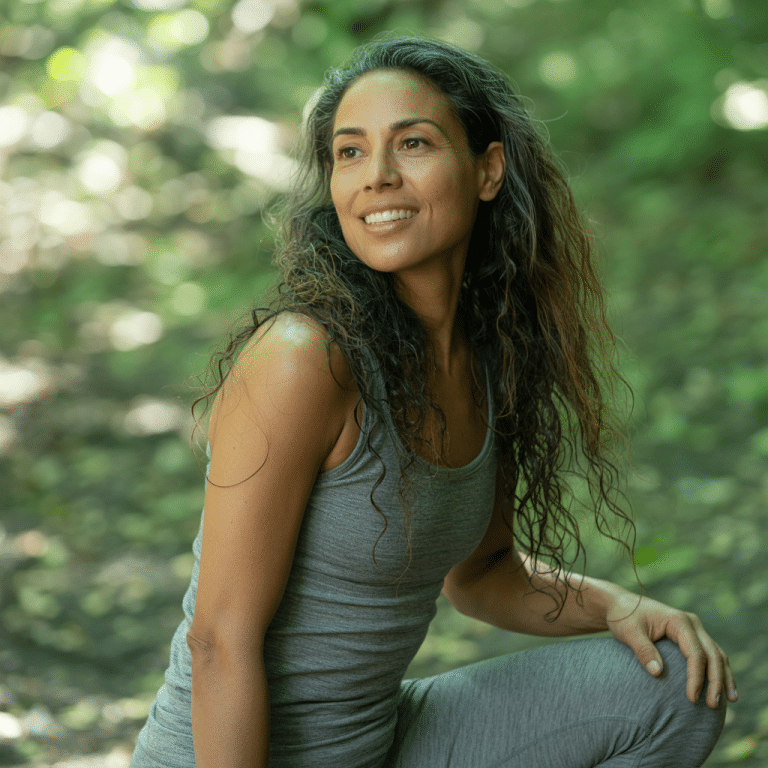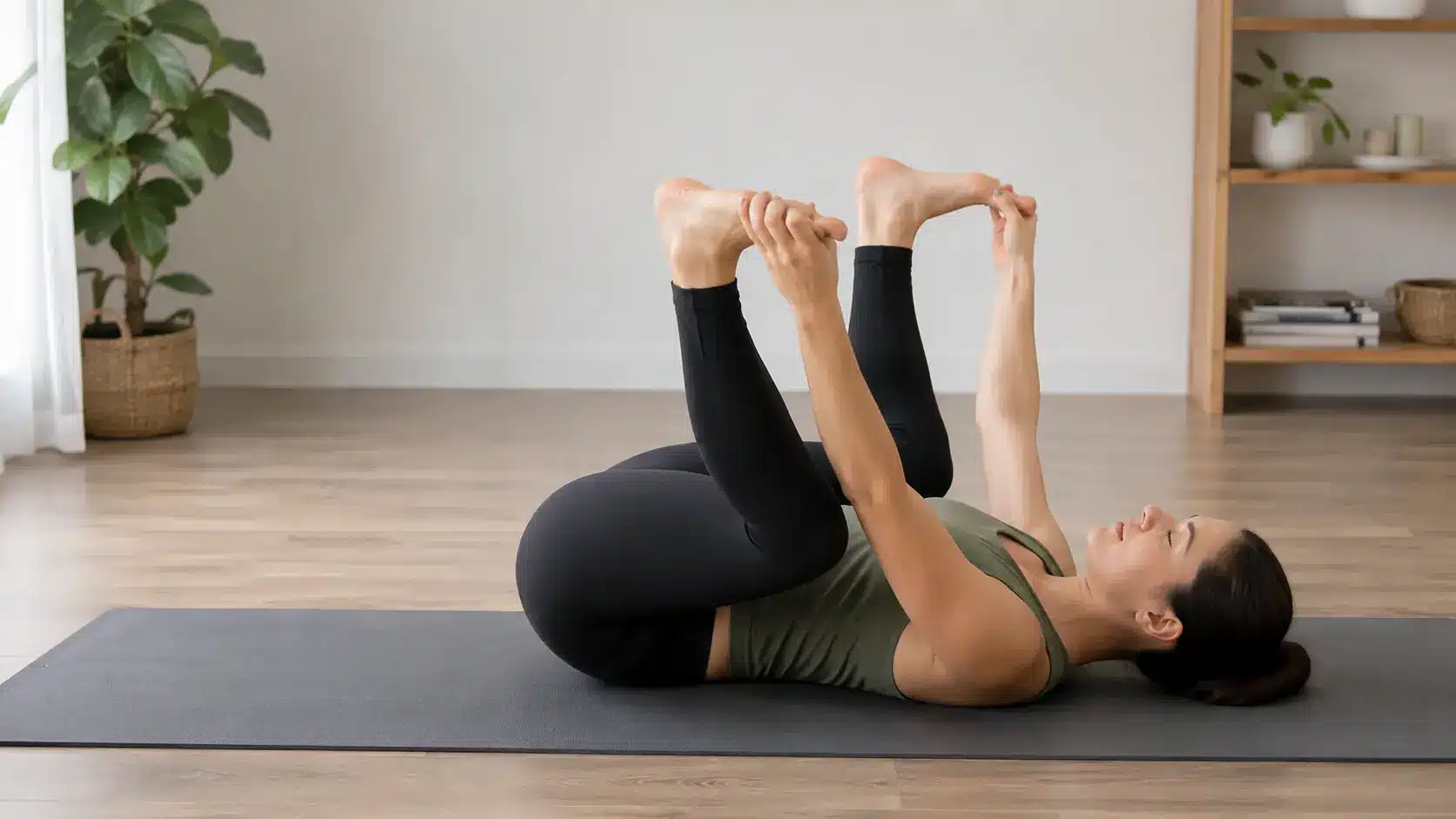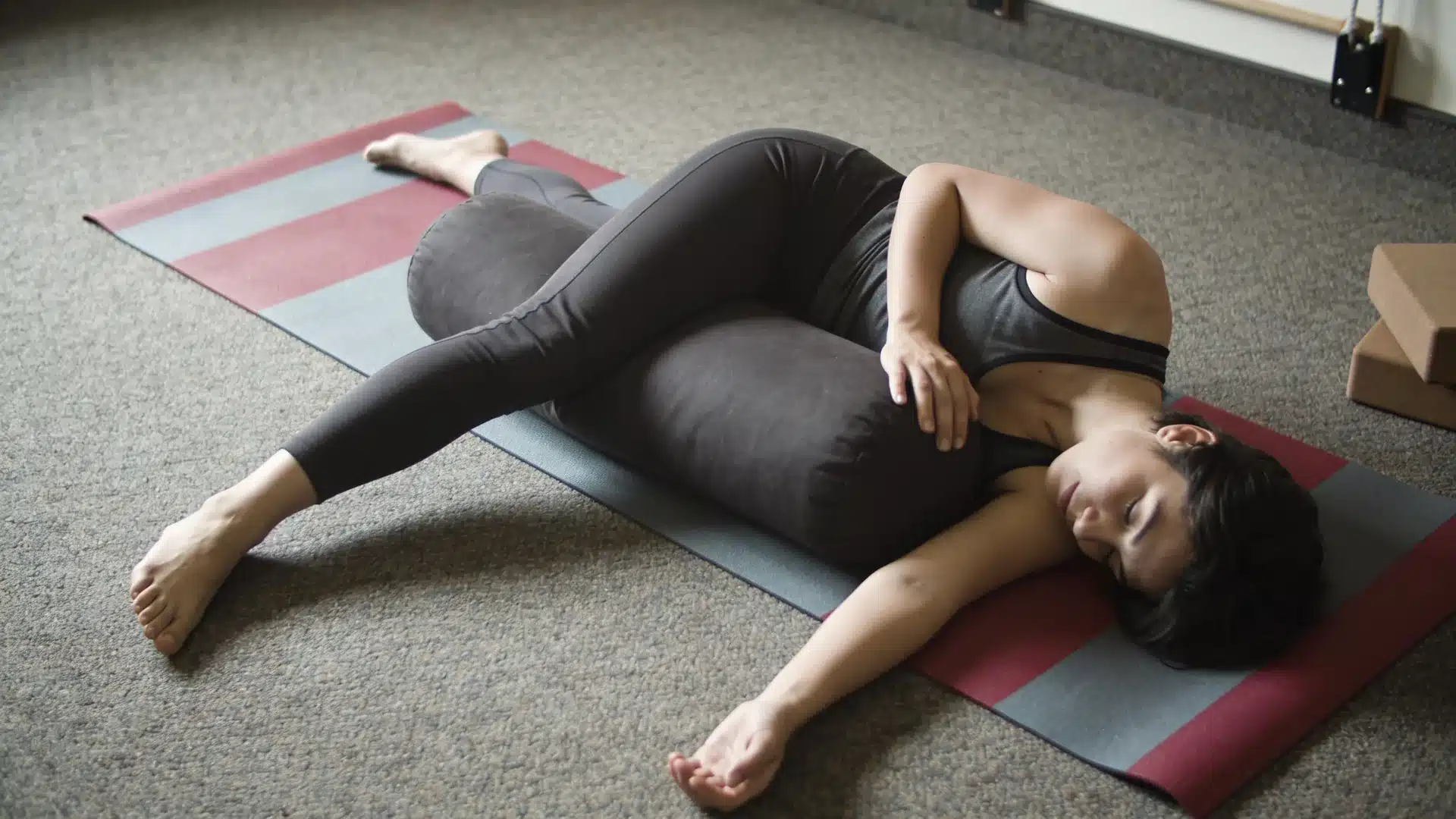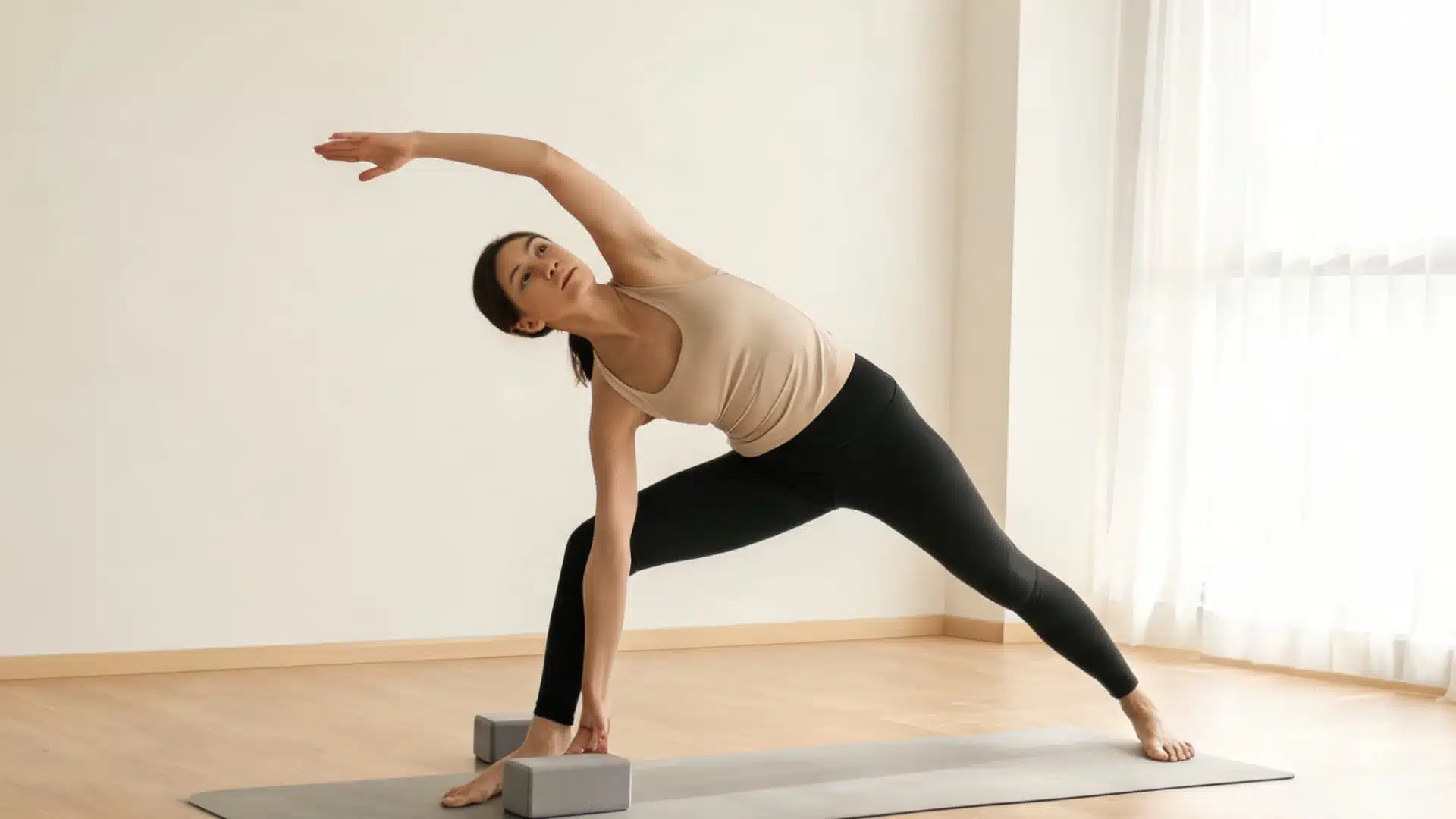







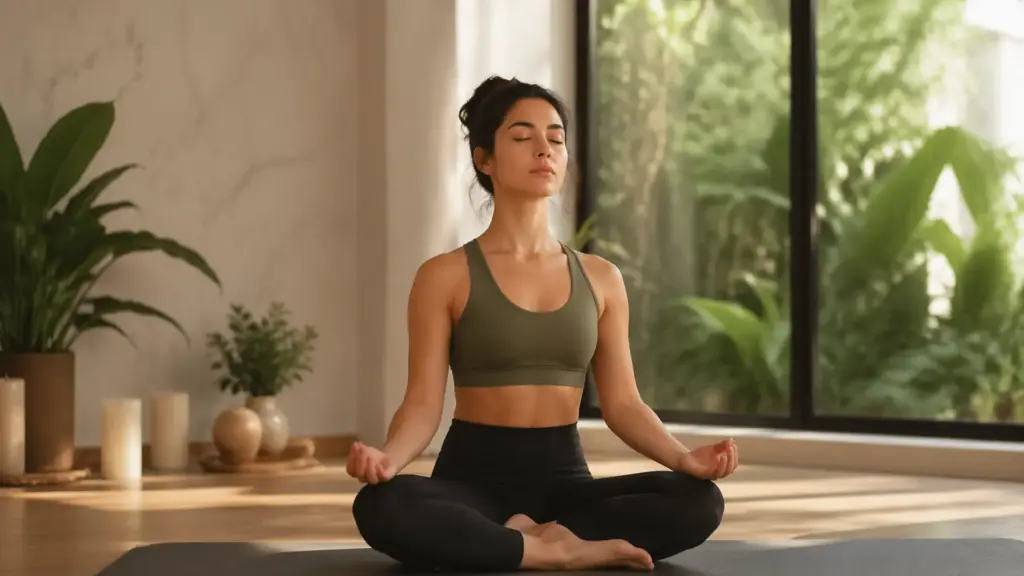

One small decision to roll out a mat can genuinely change everything about how you feel. Yoga for health is not about touching your toes or looking good in poses.
I have seen it quietly change people in the most unexpected and beautiful ways. You do not need a special skill or a perfect body to begin.
All you need is a little curiosity and a willingness to show up for yourself. Yoga works differently for every single person, and that is exactly what makes it so powerful and personal.
It stretches you, strengthens you, and calms you all at the same time. And every single benefit you gain on the mat stays with you long after you roll it back up.
What Yoga Does for Your Everyday Life
Yoga is not just a workout; it is a simple daily habit that can change how you feel. It helps your body move better and teaches you how to breathe the right way.
When you practice regularly, your stress levels drop, and you start feeling more in control of your day. Even spending just 15 minutes on the mat each morning can make a real difference.
Yoga also helps you sleep more deeply and keeps your mind calm when life feels overwhelming. You do not need to be flexible or fit to begin. Anyone can start yoga at any age and slowly build strength, focus, and inner peace.
Core Benefits of Yoga for Your Body, Mind, and Health

Yoga has worked on my whole body and mind at the same time. Here is a look at the key benefits I noticed once I made it a habit:
1. Flexibility and Strength
Most people think yoga is just stretching. But it also builds real strength over time. Every pose works your muscles in a deep and steady way. You get longer, leaner muscles without lifting heavy weights.
Your joints feel looser, and your posture improves, too. Flexibility and strength grow together the more you practice.
2. Stress Relief and Hormone Balance
Yoga tells your nervous system to calm down. It lowers cortisol, the hormone your body produces when you are stressed. High cortisol causes weight gain, mood swings, and poor sleep.
Regular yoga brings those levels back to normal. You feel less anxious and steadier throughout your day. It works like a reset button for your body.
3. Better Sleep
Struggling to fall asleep is very common today. Yoga helps your body wind down before bed. It slows your breathing and relaxes tight muscles you did not know were tense. Your mind stops racing so much at night.
Even a short evening yoga session makes a big difference. Better sleep means better energy, mood, and focus the next day.
4. Heart Health and Immunity
Yoga is good for your heart in ways most people overlook. It lowers blood pressure and improves blood flow through your whole body.
A calmer body also fights off sickness more effectively. Stress weakens your immune system, and yoga directly tackles that. Practicing a few times a week keeps your heart and immune system working better.
5. Mental Health and Mindfulness
Yoga is one of the best natural tools for your mental health. It reduces symptoms of anxiety and depression over time. You become more aware of your thoughts without feeling controlled by them.
That awareness is called mindfulness, and yoga naturally cultivates it. You feel more grounded, patient, and positive. It is like therapy for your mind, without the complicated steps.
What You Need to Start Yoga?
You do not need a lot of gear to start yoga. Here is a quick look at the basic equipment that will make your practice easier and more comfortable:
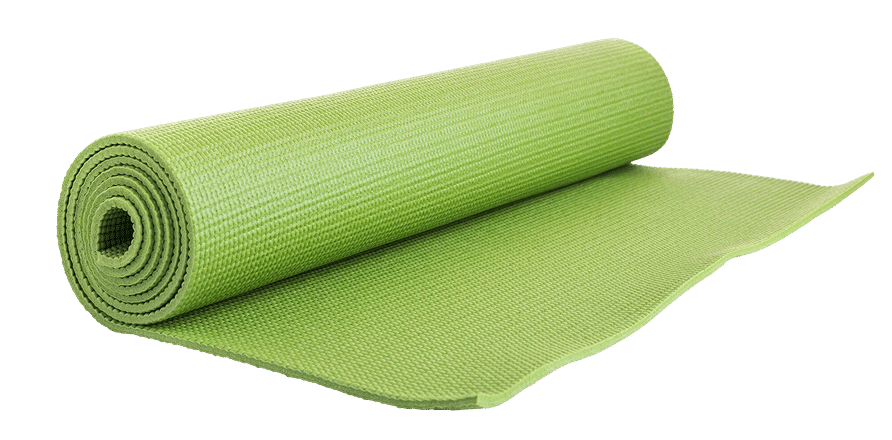
- Yoga Mat: This is the one thing you truly need. It gives you grip, cushion, and a personal space to practice.
- Yoga Blocks: These help you reach the floor when you are not fully flexible yet. They make poses safer and more accessible for beginners.
- Yoga Strap: A strap helps you stretch deeper without straining your muscles. It is especially useful for tight hamstrings and shoulders.
- Bolster: A bolster is a firm cushion that supports your body in restorative poses. It helps you relax fully without any tension or discomfort.
- Comfortable Clothing: Wear something stretchy and breathable. You want to move freely without your clothes getting in the way.
You do not need to buy everything at once. Start with just a good mat and add the rest as your practice grows.
How to Build a Weekly Yoga Routine
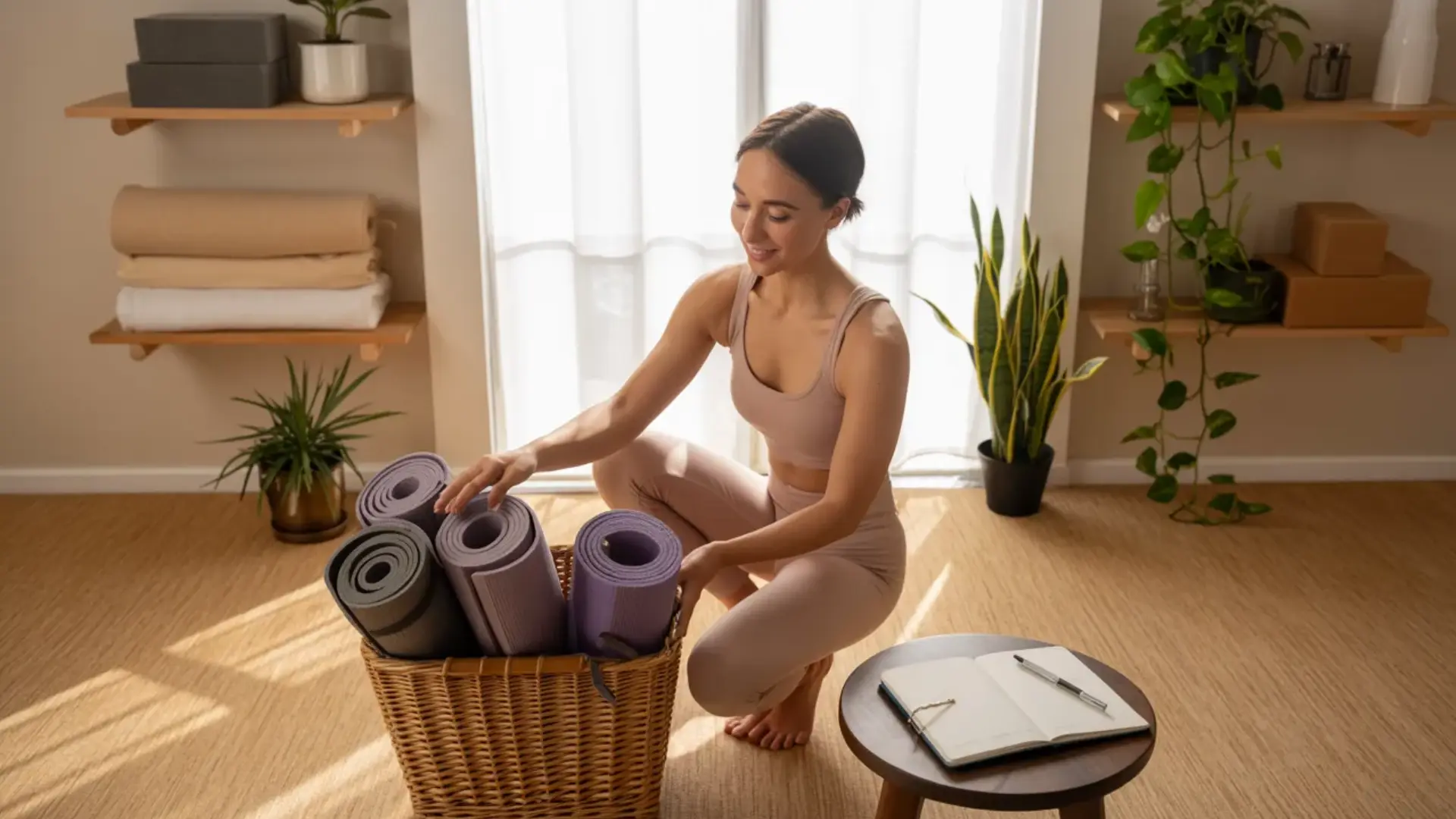
Building a consistent yoga routine was one of the best decisions I ever made for my health. Here is everything I learned about structuring a weekly practice that actually sticks:
Days Per Week That Work Best for Most People
You do not need to practice every day to make progress. Three to four focused sessions a week are all you need:
| Experience Level | Days Per Week | Session Length | Best Time to Practice |
|---|---|---|---|
| Beginner | 3 days | 20 – 30 minutes | Morning or evening |
| Intermediate | 4 – 5 days | 30 – 45 minutes | Morning for energy |
| Advanced | 5 – 6 days | 45 – 60 minutes | Based on your schedule |
| Rest Days | 1 – 2 days | Light stretching only | Anytime |
Three to four days a week is a great place to start for most beginners. You do not need to practice every single day to see real results, and finding the best time to do yoga, if in the morning for energy or in the evening to unwind, can make your routine even more effective.
Mixing Styles and Progressing Over Time
Not all yoga styles are the same, and mixing them keeps things interesting and effective. Here is how to build your practice step by step:
- Start with Hatha Yoga: It is slow, simple, and perfect for learning the basic poses without feeling overwhelmed. Great for your first few weeks on the mat.
- Add Vinyasa Once You Feel Ready: Vinyasa flows connect movement with breath. It brings more energy and keeps your sessions feeling fresh and engaging.
- Try Yin Yoga on Rest Days: Yin is slow and deeply relaxing. It stretches your connective tissue and helps your body recover between stronger sessions.
- Move to Power Yoga After 2 to 3 Months: Once your body feels stronger and more flexible, Power yoga adds the challenge you need to keep growing.
- Track Your Progress Every Week: Notice how your body feels after each session. Small improvements every week add up to big changes over time.
You do not have to follow every step in order. Pick what works for your body and build your own rhythm over time.
Yoga for Specific Health Goals
Different goals need different approaches, and yoga has something for everyone. Here is a simple matrix to help you find the right practice for your specific health goal:
| Health Goal | Best Yoga Style | Key Poses to Try | How Often |
|---|---|---|---|
| Better Sleep | Yin Yoga / Restorative | Reclined Twist, Forward Fold, Savasana | Every night before bed |
| Weight Loss | Vinyasa / Power Yoga | Sun Salutations, Warrior Series, Boat Pose | 4 – 5 days a week |
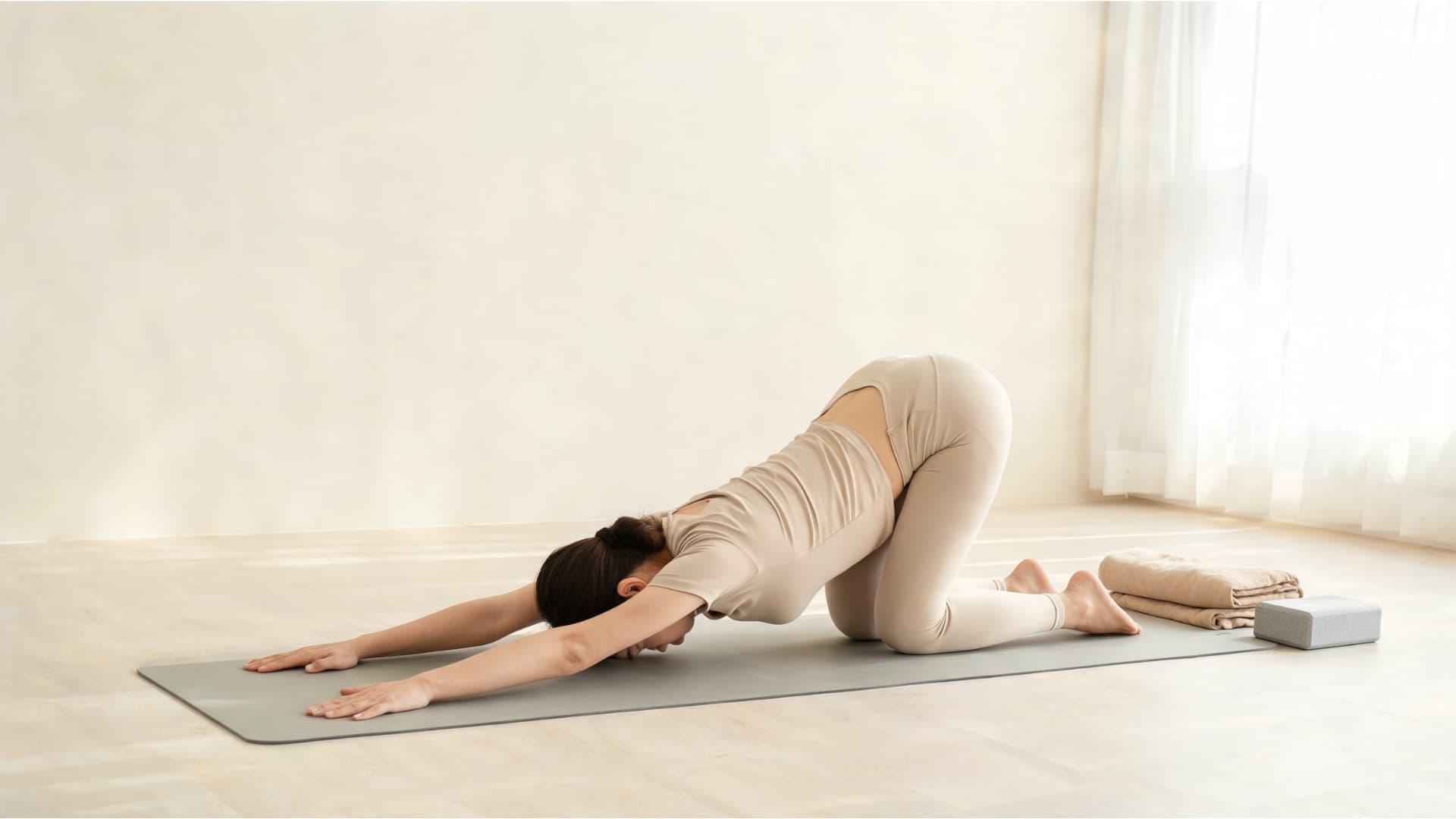
| Stress and Anxiety | Hatha / Restorative | Breathing exercises, Child’s Pose, Savasana | 3 – 4 days a week |
| Athletes | Power Yoga / Vinyasa | Warrior Poses, Hip Openers, Spinal Twists | 2 – 3 days a week |
| Back Pain | Hatha / Yin Yoga | Cat-Cow, Child’s Pose, Sphinx Pose | 3 – 4 days a week |
| Sciatica Pain | Yin Yoga / Gentle Hatha | Reclined Pigeon, Supine Figure four Supported Bridge | 3 – 4 days a week |
| Heart Health | Gentle Yoga / Hatha | Mountain Pose, Bridge Pose, Seated Twist | 3 – 4 days a week |
Use this table as a starting point and not a strict prescription. Even chair yoga counts for weight loss if high-intensity styles are not the right fit for you right now. Everybody is different, so take your time and find what feels right.
Breathing Techniques in Yoga (Pranayama Basics)
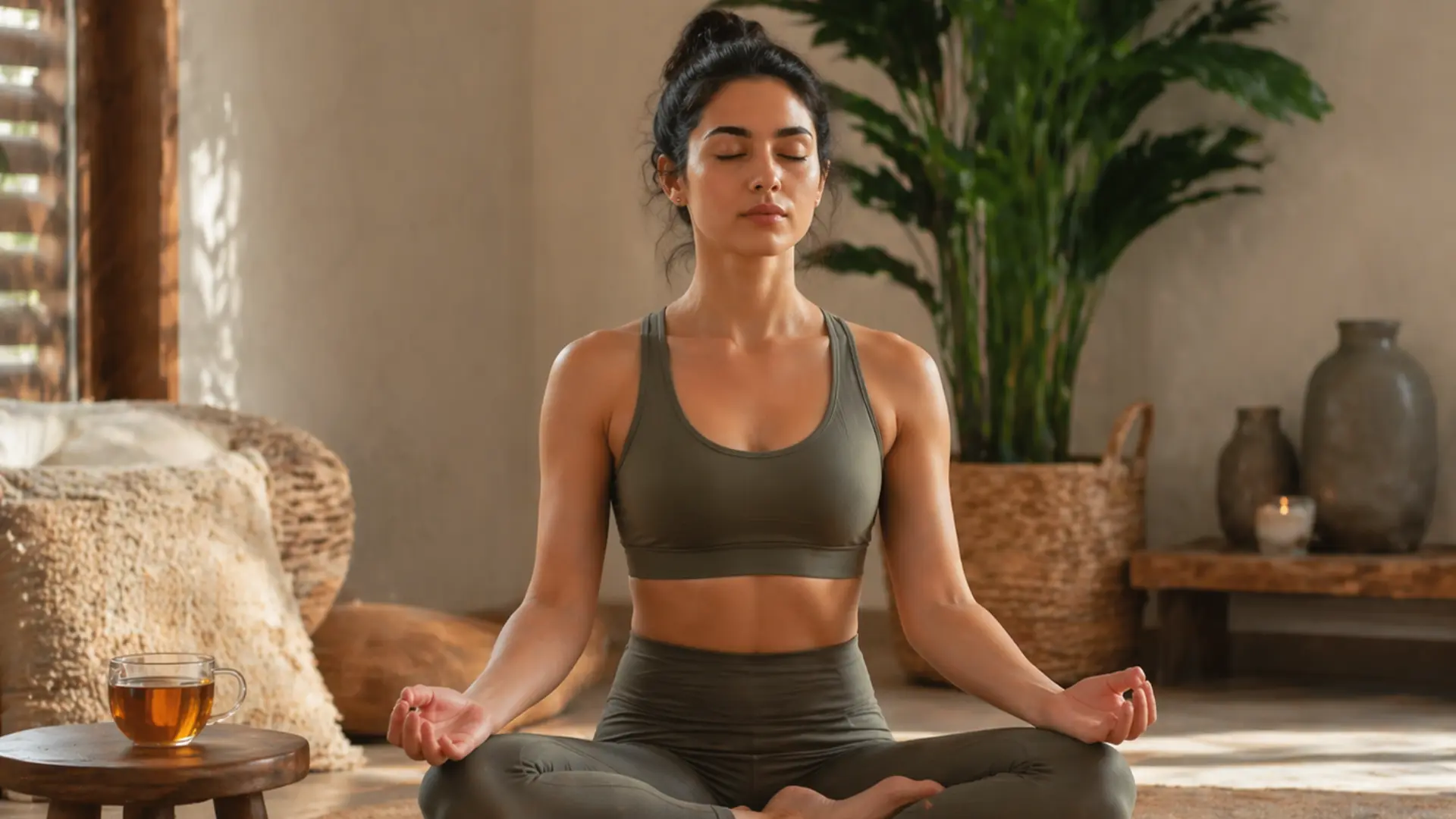
Most people focus on poses and forget about the breath. But breathing is actually the heart of any yoga practice.
Pranayama is the art of controlling your breath slowly and intentionally. It calms your nervous system almost instantly. When you breathe right, your body shifts from stress mode to rest mode.
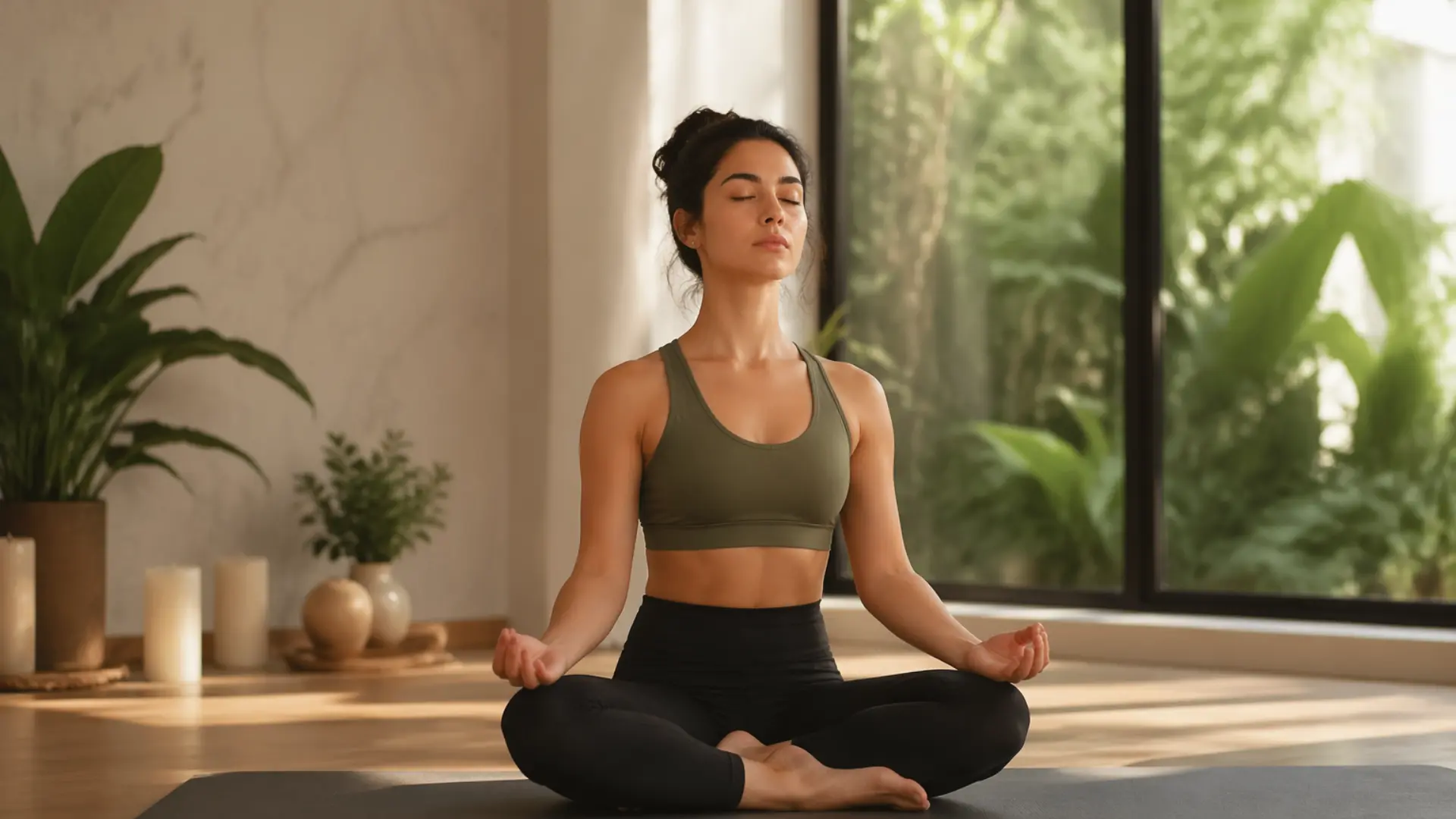
Your heart rate slows, and your mind grows quiet. Even five minutes of focused breathing can change how you feel. You can practice this in simple meditation poses or other gentle positions that keep your spine tall and body relaxed.
You do not need any equipment or experience to start. Just your breath and a quiet place to sit are more than enough.
Simple Breathing Techniques Every Beginner Should Try
You do not need to learn ten techniques all at once. Start with just one and practice it daily:
- Box Breathing: Breathe in for four counts, hold for four, and breathe out for four. It is great for calming anxiety quickly.
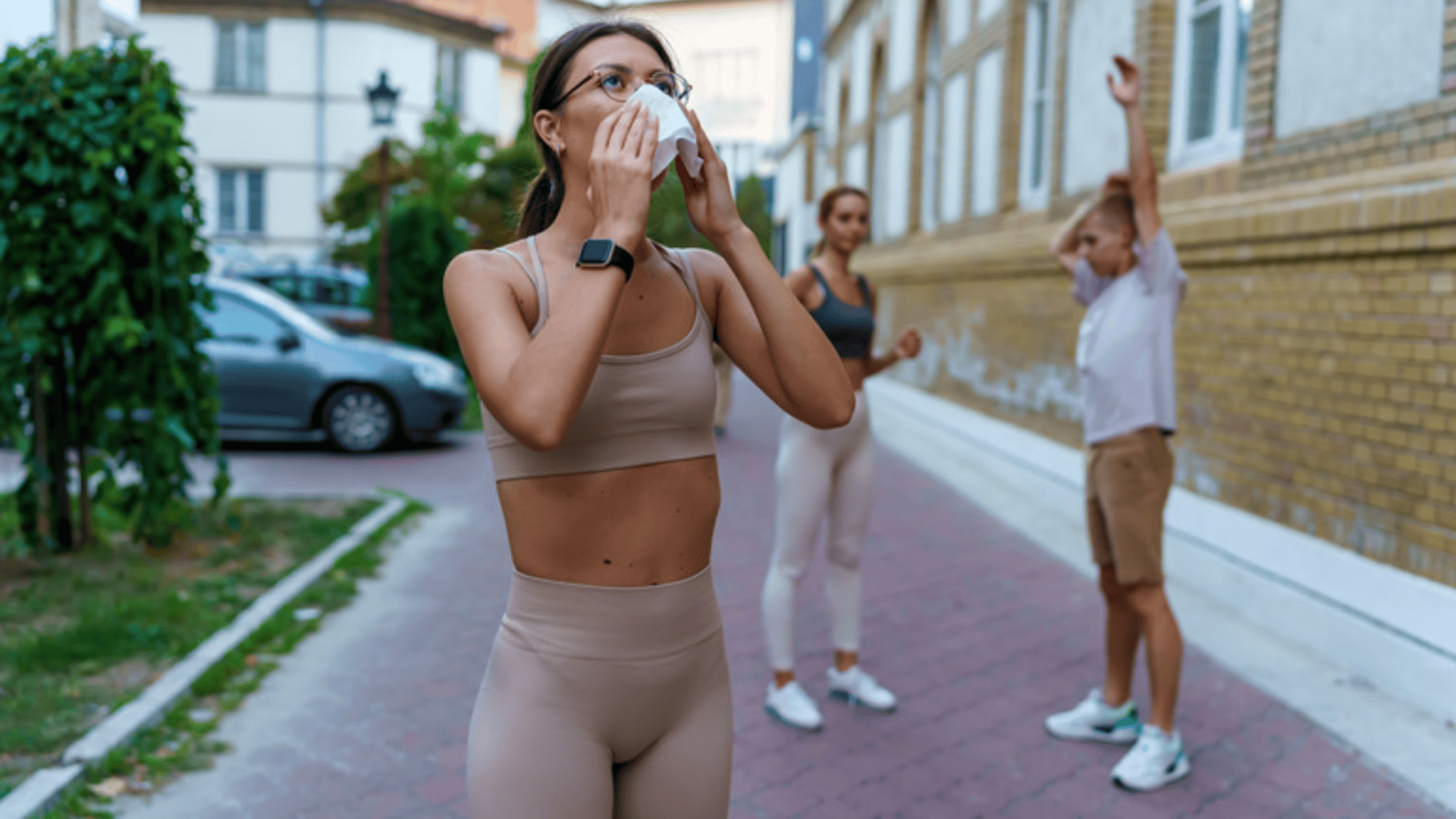
- Alternate Nostril Breathing: Close one nostril and breathe through the other. It balances your energy and sharpens your focus.
- Deep Belly Breathing: Place your hand on your belly and breathe deeply into it. It is the simplest technique and works for almost everyone.
- 4-7-8 Breathing: Inhale for four counts, hold for seven, and exhale for eight. It is especially helpful for winding down before bed.
Try one technique for a week before moving on to the next. Consistency with even one breathing exercise can make a real difference over time.
Common Yoga Mistakes Beginners Make
Starting yoga is exciting, but a few common mistakes can slow your progress or even cause injury. Here is a look at the most common mistakes beginners make and how to fix them:
- Skipping the Warm-Up: Always spend at least 5 minutes doing light stretching before jumping into any pose.
- Holding Your Breath: Make it a habit to breathe slowly and steadily through every single pose.
- Pushing Too Far Too Soon: Always work within your own range and progress at your own pace.
- Skipping Rest Days: Take at least 1 to 2 rest days every week so your body can recover properly.
- Using the Wrong Mat: Invest in a good non-slip mat right from the very start of your practice.
- Ignoring Pain Signals: Stop immediately if something feels sharp or deeply uncomfortable during a pose.
I have watched so many people give up on yoga simply because of these avoidable mistakes. Being aware of them from the start makes the whole experience so much easier, especially when trying challenging yoga poses that require strength, balance, or flexibility.
Yoga vs. Stretching vs. Pilates: What’s the Difference?
A lot of people confuse yoga, stretching, and Pilates because they all look similar from the outside. Here is a simple breakdown to help you understand what makes each one different:
| Factor | Yoga | Stretching | Pilates |
|---|---|---|---|
| Main Focus | Mind, body, and breath | Flexibility and mobility | Core strength and alignment |
| Difficulty Level | Beginner to advanced | Very beginner-friendly | Beginner to advanced |
| Equipment Needed | Mat, blocks, strap | None | Mat, reformer optional |
| Mental Benefits | High | Low | Moderate |
| Flexibility Benefits | High | Very high | Moderate |
| Strength Benefits | Moderate to high | Low | Very high |
| Best For | Overall health and wellness | Recovery and mobility | Core and posture |
| Spiritual Element | Yes | No | No |
| Session Length | 20 – 60 minutes | 5 – 20 minutes | 30 – 60 minutes |
| Calories Burned | Moderate to high | Low | Moderate |
All three have their own strengths, and none is better than the other. The best one is simply the one that fits your goals and body.
The Bottom Line
Yoga for health is the kind of practice that gives back more than you put in. I truly believe that because I have seen it quietly change how people feel, move, and think day after day.
You do not have to commit to a perfect routine right away. Start small, stay curious, and let the practice grow naturally with you.
Your body already knows how to heal; yoga just helps it along the way. Every single breath you take on the mat is a step toward a better and calmer version of yourself.
Go ahead and take that first step; drop your biggest yoga question in the comments below.