



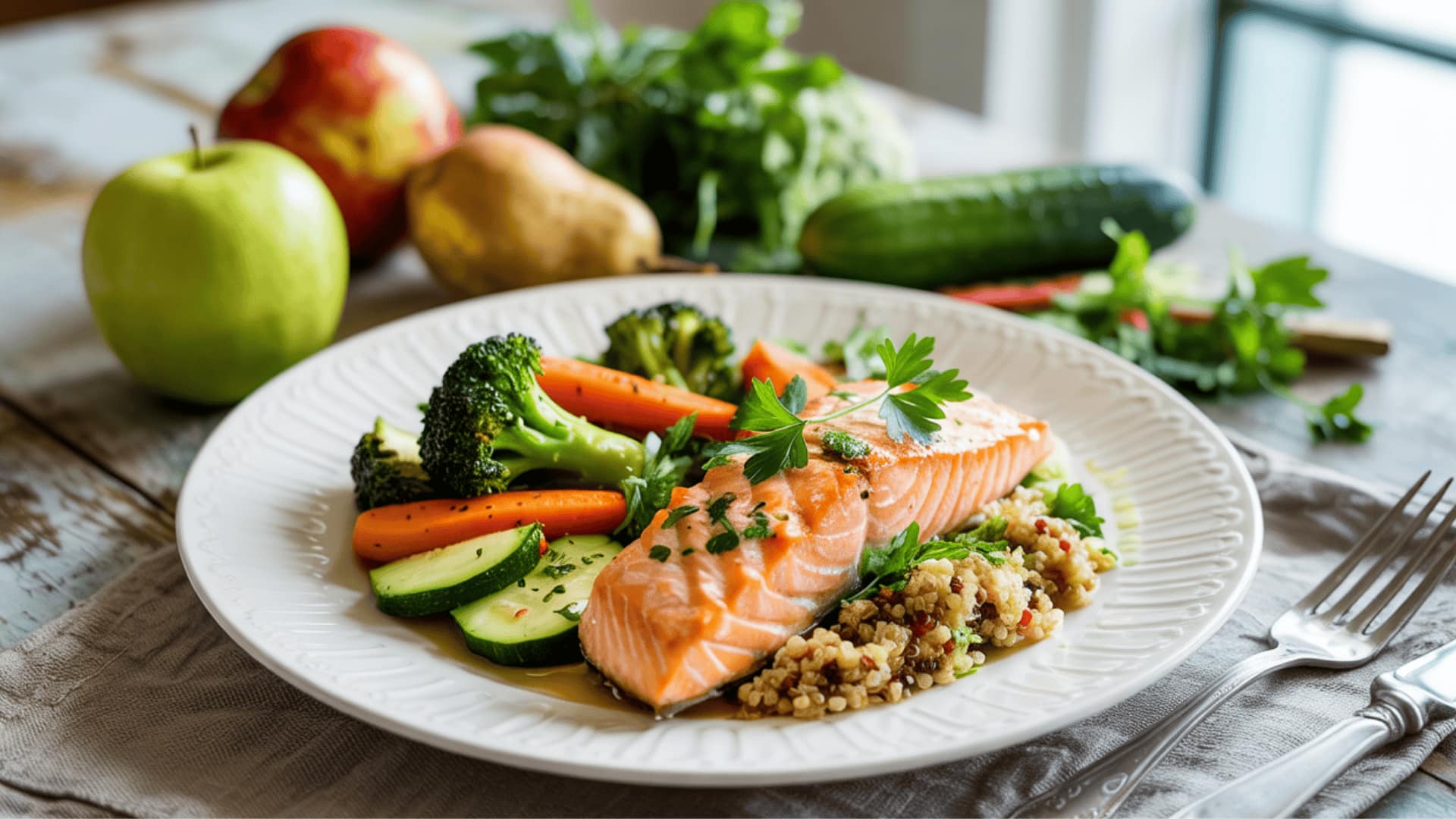









Nobody tells you that the food you eat every day could be quietly working against you. The headaches you brush off, the bloating that shows up without warning, the skin that flares for no clear reason.
I’ve worked with people who had seen gastroenterologists, allergists, and dermatologists before anyone suggested histamine.
The pattern was almost always the same: multiple symptoms, multiple diagnoses, and nothing that fully explained why they felt the way they did. A low histamine diet was often where the answers finally started appearing.
I will walk you through what it actually means, which foods are triggering your reactions, and how to build a low-histamine diet plan that finally works in your favor.
What is Histamine Intolerance?
Histamine is a vital chemical that aids digestion and immune defense. Histamine intolerance occurs when the body struggles to break it down properly.
This can cause symptoms such as skin rashes, headaches, bloating, nausea, and persistent fatigue. These symptoms often mimic other conditions, making histamine intolerance difficult to diagnose.
The DAO Enzyme: Why Your Body Struggles to Break Down Histamine
The primary enzyme responsible for breaking down histamine in the digestive tract is called diamine oxidase (DAO). When DAO activity is insufficient, histamine accumulates rather than being cleared, and that is when symptoms appear.
DAO can be depleted or inhibited by several common factors: alcohol, certain medications (including NSAIDs and some antidepressants), gut inflammation, and intestinal damage from conditions like celiac disease or Crohn’s.
A 2019 pilot study published in Food Science and Biotechnology found that DAO supplementation significantly reduced all histamine intolerance-related symptoms, including bloating, abdominal pain, skin reactions, and headaches, with symptoms returning when supplementation was stopped.
Understanding this mechanism matters because a low histamine diet works by reducing the histamine load coming in through food, giving your depleted DAO enzyme a more manageable workload.
The diet is not a cure. It is a way to stay under your personal threshold while you address the root cause.
Histamine intolerance is frequently linked to Mast Cell Activation Syndrome (MCAS), Irritable Bowel Syndrome (IBS), and Ehlers-Danlos Syndrome (EDS).
It also affects women disproportionately. Estrogen both stimulates mast cells to release more histamine and suppresses DAO activity.
This is why many women experience a significant worsening of histamine intolerance symptoms in the days before their period, when estrogen peaks.
Recognizing this connection is crucial for addressing the root cause of the issue, rather than just managing symptoms in isolation.
High-Histamine Foods vs Histamine Liberators
Not all trigger foods work the same way. Understanding the difference between these two categories will help you make better decisions during the elimination phase:
| Category | How It Affects You | Common Examples |
|---|---|---|
| High-histamine foods | Contain significant amounts of histamine directly | Aged cheeses, wine, fermented foods, canned fish, processed meats |
| Histamine liberators | Trigger your body to release its own stored histamine | Citrus fruits, tomatoes, strawberries, spinach, chocolate, pineapple, bananas |
| DAO blockers | Inhibit the enzyme that breaks histamine down | Alcohol, energy drinks, certain teas, fermented beverages |
This distinction matters because a histamine liberator like a strawberry may test low for histamine content but still trigger a full reaction.
When people tell me they “tried the diet and it didn’t work,” this is often why. They cut the high-histamine foods but kept eating liberators.
The Three Phases of a Low-Histamine Diet
A low-histamine diet works in phases, each with a specific purpose and timeframe. Here is a simple breakdown of how each phase works:
| Phase | Duration | What You Do | Goal |
|---|---|---|---|
| Elimination Phase | 2–4 weeks | Remove all high-histamine foods from your diet completely | Allow the body to reset and reduce symptoms |
| Reintroduction Phase | Gradual | Slowly add one food back at a time | Identify specific trigger foods |
| Maintenance Phase | Long-term | Build a balanced diet around your personal tolerance level | Create a sustainable and manageable eating routine |
It is not about cutting histamine out completely. The goal is to find a balance that works for your body while minimizing discomfort.
How to Get Diagnosed
A formal diagnosis typically involves completing the elimination diet and observing symptom improvement, then confirming through structured reintroduction.
A serum DAO test is available, but its reliability as a standalone diagnostic marker is currently debated. Working with a gastroenterologist or GI-focused registered dietitian is the most reliable path to an accurate diagnosis.
Foods to Eat on a Low Histamine Diet
A low histamine diet focuses on fresh, minimally processed foods that are gentle on the body. Here’s what you can enjoy safely.
1. Fresh Meats and Fish
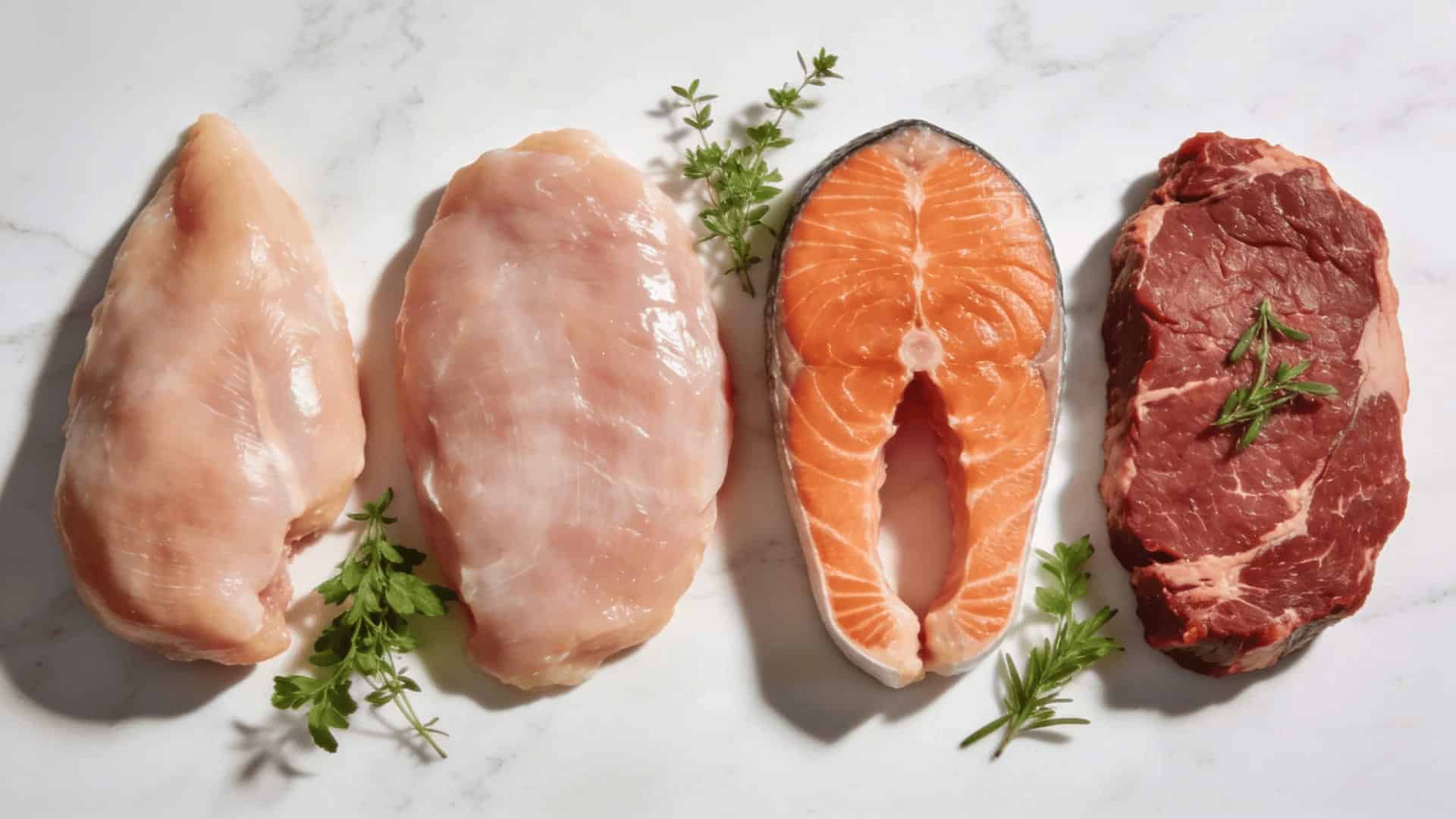
Fresh protein sources are always better than aged or processed options because they contain significantly lower histamine levels. The fresher the meat or fish, the less time histamine has to build up.
- Chicken and turkey: Lean, versatile proteins that work for any meal.
- Fresh beef: Choose cuts without aging and cook within 1-2 days of purchase.
- Fresh fish: Salmon, cod, and trout are excellent choices when eaten shortly after buying.
Freeze immediately after purchase to lock in freshness and prevent histamine formation. Avoid anything aged, cured, or sitting in the fridge too long.
Storage is critical: Histamine forms rapidly in protein foods left at room temperature or slowly thawing in the refrigerator. Fish is particularly high-risk. Always freeze fresh fish immediately after purchase if not cooking it the same day. Thaw only in the refrigerator and cook within 24 hours of thawing. Never refreeze thawed meat or fish. Leftovers begin accumulating histamine within hours, so cooling and storing quickly matters.
2. Fresh Fruits and Vegetables
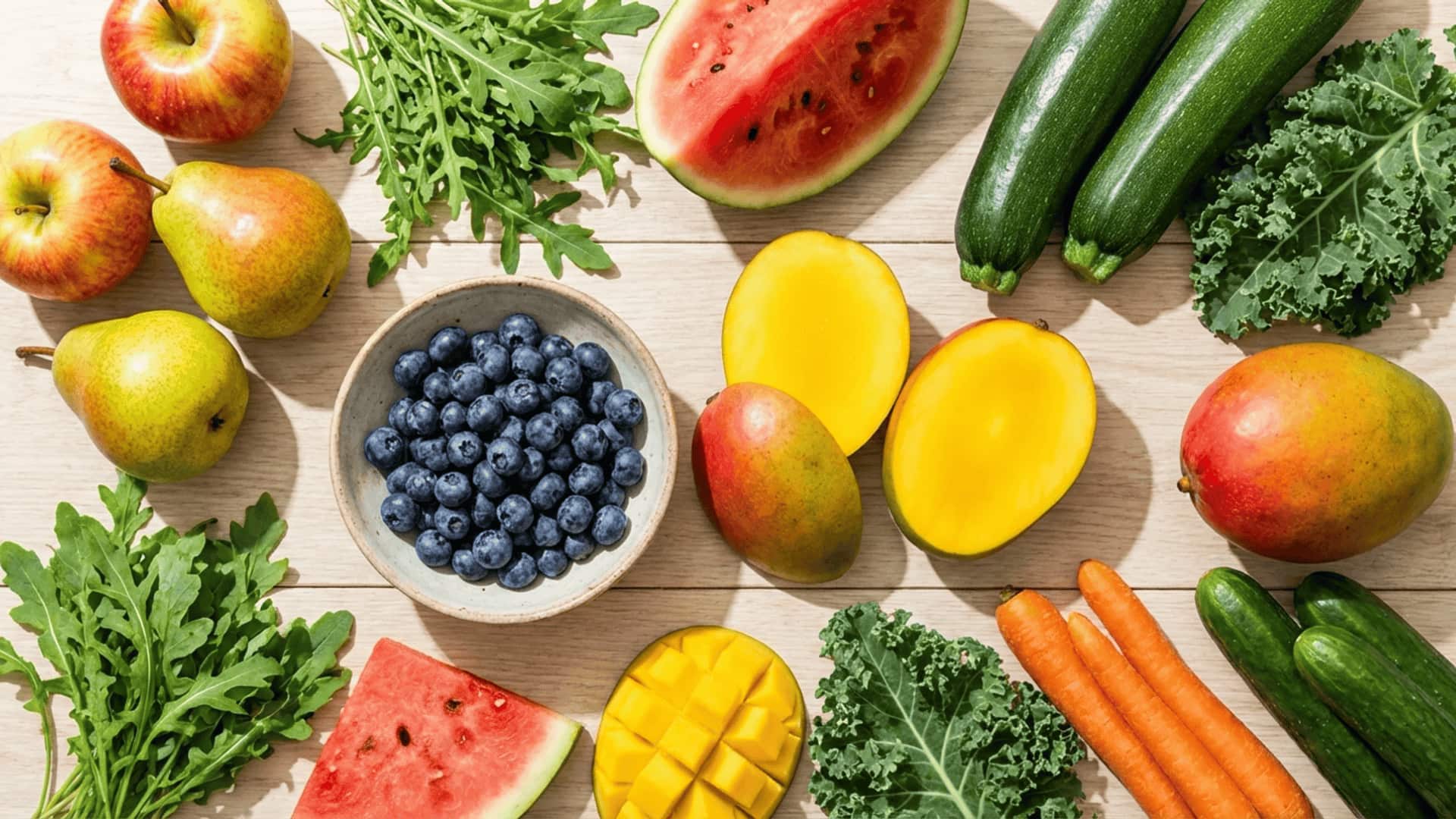
Not all produce is created equal when it comes to histamine levels. These options are naturally low in histamine and won’t cause reactions.
- Fruits: Apples, pears, watermelon, mangoes, and blueberries are all safe choices.
- Leafy greens: Lettuce, kale, and chard provide nutrients without histamine concerns. Note that spinach is excluded here despite its reputation as a superfood. Spinach is a known histamine liberator and should be avoided during the elimination phase.
- Other vegetables: Zucchini, carrots, and cucumbers are gentle and versatile.
Always choose fresh over frozen when possible, and wash thoroughly before eating.
3. Dairy Alternatives

Traditional dairy can be problematic for histamine intolerance, but alternatives work well.
- Almond milk: Creamy, versatile, and naturally low in histamine.
- Coconut milk: Rich texture perfect for cooking and smoothies.
- Rice milk: Light option for cereal and baking.
- Unprocessed goat cheese: A fresh dairy option if you tolerate it well.
Homemade yogurt made fresh gives you control over fermentation time. Store-bought yogurt is typically aged longer, which increases histamine content. Always check labels for additives and preservatives that might cause extra reactions.
4. Grains and Starches
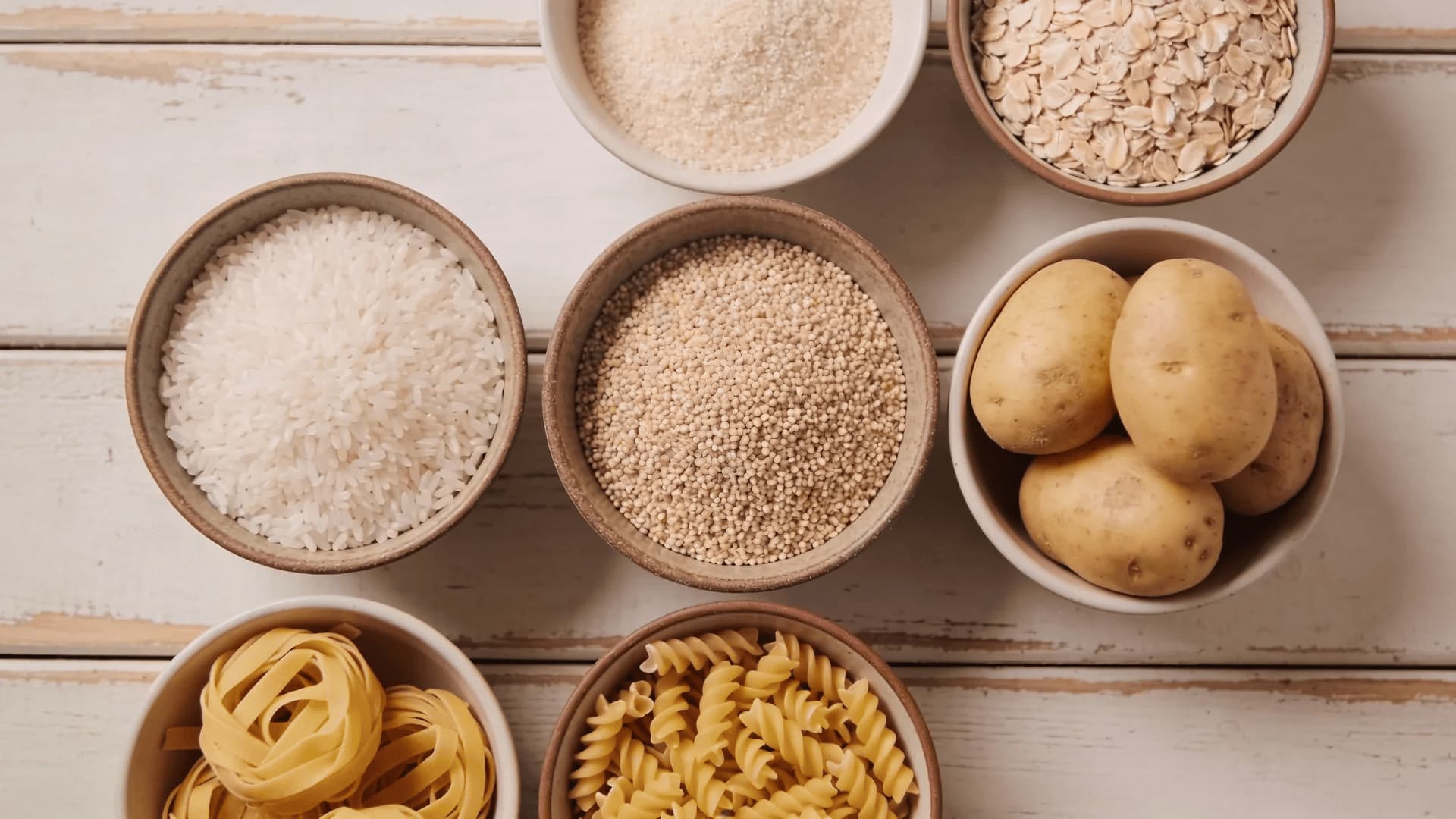
Whole grains provide essential fiber and energy without histamine concerns.
- Rice: White or brown rice works well as a base for meals.
- Quinoa: Protein-rich grain that’s naturally gluten-free.
- Oats: Steel-cut or rolled oats for breakfast or baking.
- Potatoes: Versatile starch for any meal, plus gluten-free pasta if needed.
Choose whole-grain options, but make sure they don’t contain added preservatives or artificial ingredients. These starches are versatile and easy to prepare in bulk for meal prep.
5. Herbs and Spices
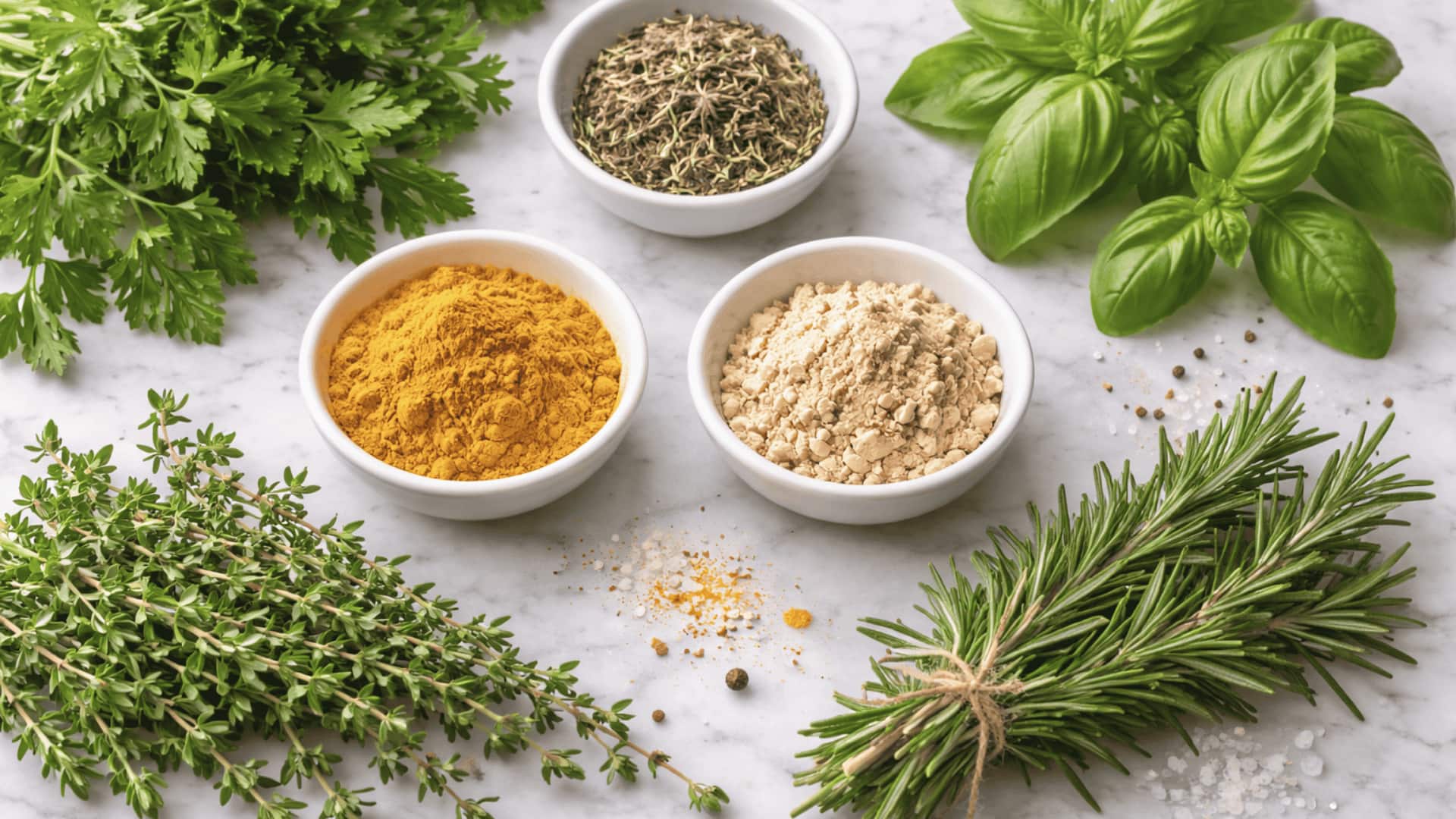
Fresh herbs add incredible flavor without causing histamine reactions.
- Parsley and thyme: Classic herbs that enhance any savory dish.
- Basil and rosemary: Aromatic options that pack a punch.
- Ginger: Anti-inflammatory benefits plus digestive support.
- Turmeric: Powerful anti-inflammatory properties and low in histamine.
Fresh is always better than dried when it comes to herbs. Avoid pre-mixed spice blends that might contain hidden additives or preservatives.
6. Cooking Oils and Fats
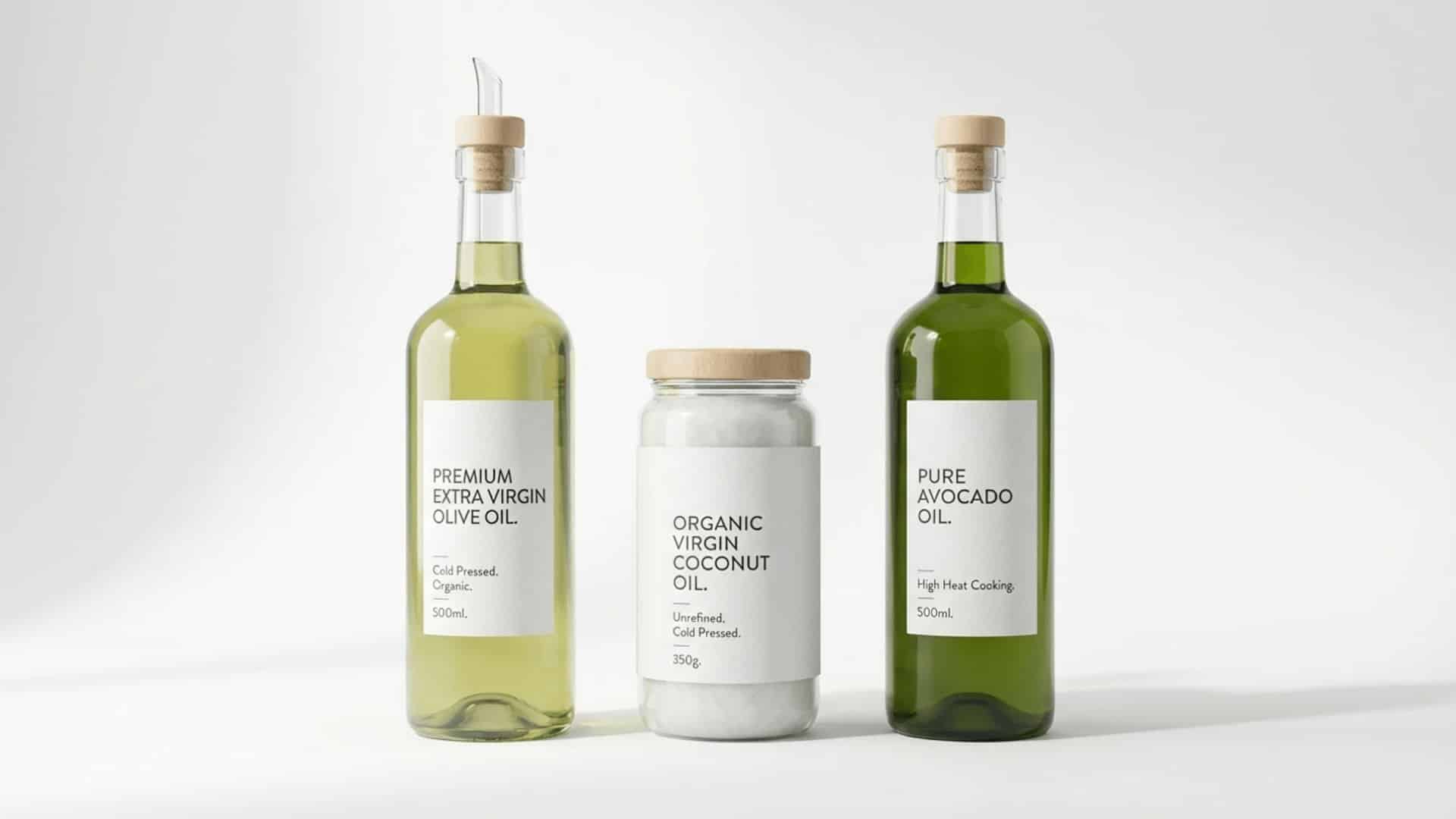
The right cooking oils make all the difference in maintaining a low-histamine diet.
- Olive oil: Perfect for salad dressings and light cooking.
- Coconut oil: High heat tolerance for sautéing and baking.
- Avocado oil: Neutral flavor with healthy fats for any cooking method.
These oils provide healthy fats without histamine or inflammatory compounds. Avoid processed oils and butter, which can contain additives or undergo processing that increases histamine.
Quick Meal Tip : A simple, low-histamine meal could include grilled chicken, quinoa, and steamed vegetables, all drizzled with olive oil for added flavor and nutrition.
Foods to Avoid on a Low Histamine Diet
To manage histamine intolerance effectively, you need to know which foods trigger symptoms. Here’s what to eliminate or limit.
1. Aged Cheeses and Dairy Products
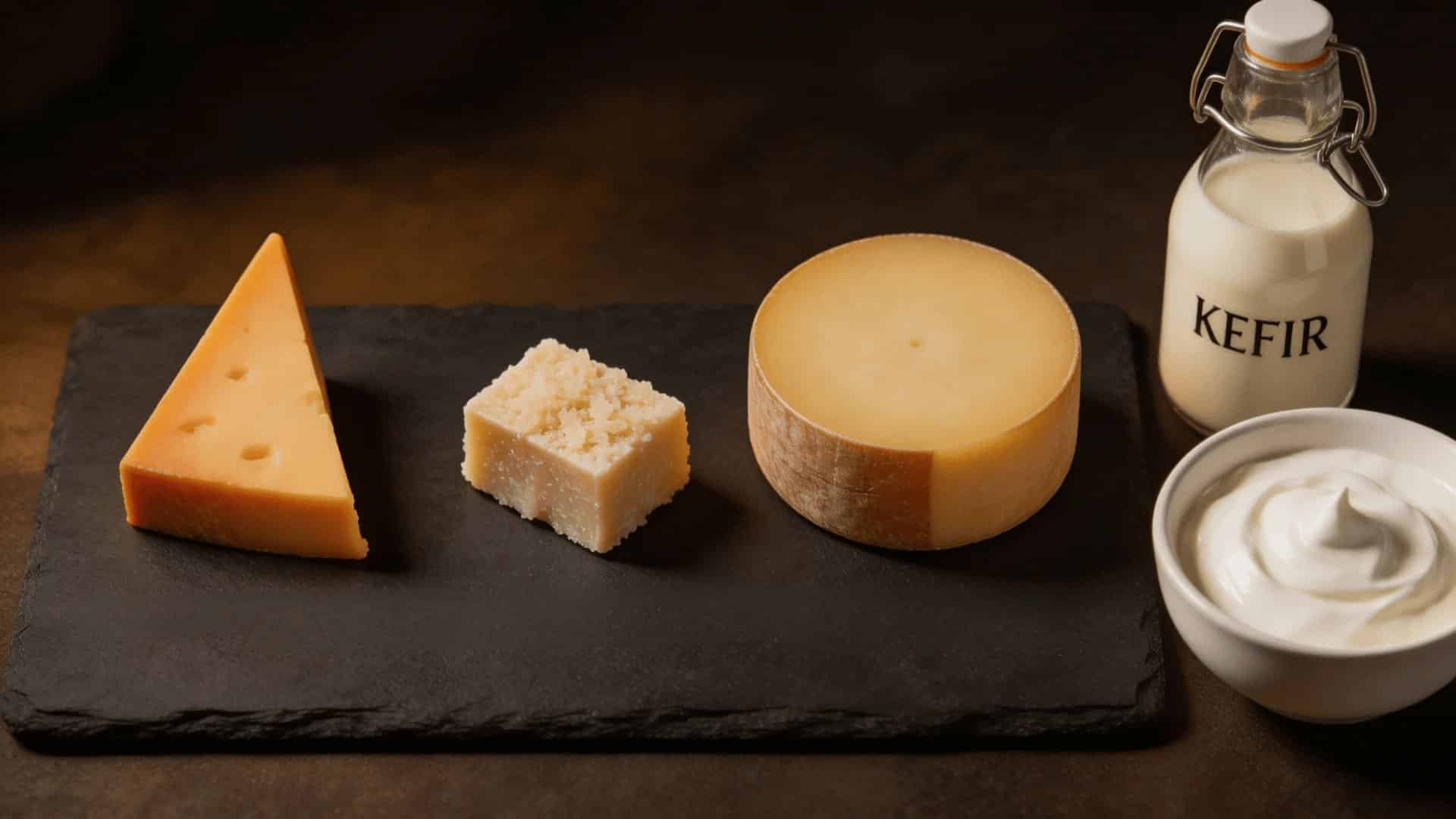
Aged and fermented dairy products are among the highest histamine offenders. Hard cheeses like cheddar, parmesan, and gouda accumulate histamine as they age. The longer the aging process, the higher the histamine content.
Fermented dairy products, such as yogurt and kefir, also contain elevated levels due to bacterial fermentation. Even though these are healthy for most people, they can trigger severe reactions in those with histamine intolerance. Stick to fresh options instead.
2. Processed Meats and Fish
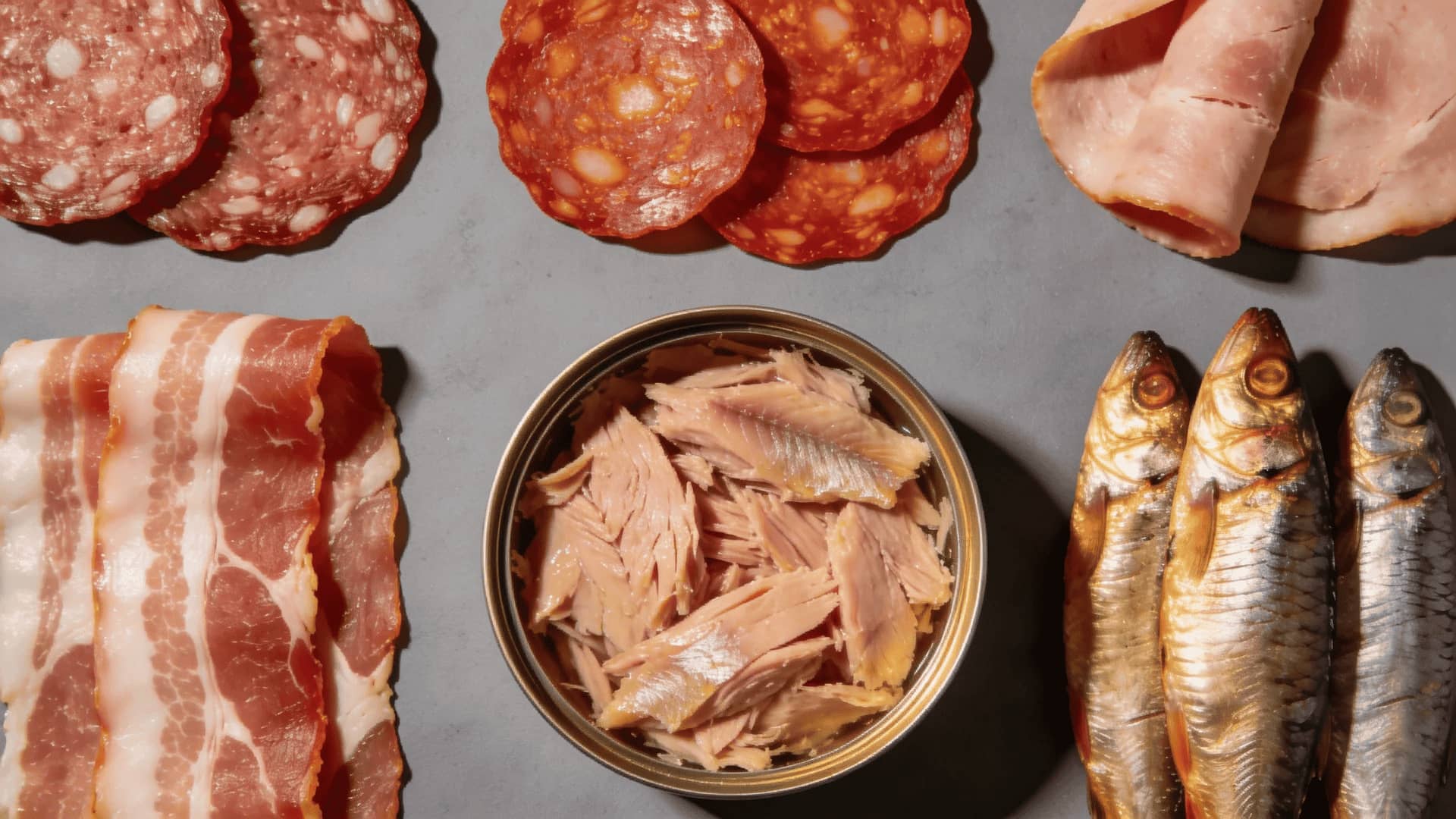
Processed meats are loaded with histamine from preservation methods. Salami, pepperoni, bacon, and any smoked or canned fish should be avoided completely. The curing, smoking, and preservation processes allow histamine to build up to problematic levels.
Even high-quality deli meats can be triggers. Canned tuna and sardines are especially high in histamine. Always choose fresh protein sources and cook them shortly after purchasing to keep histamine levels low and safe.
3. Fermented Foods and Beverages
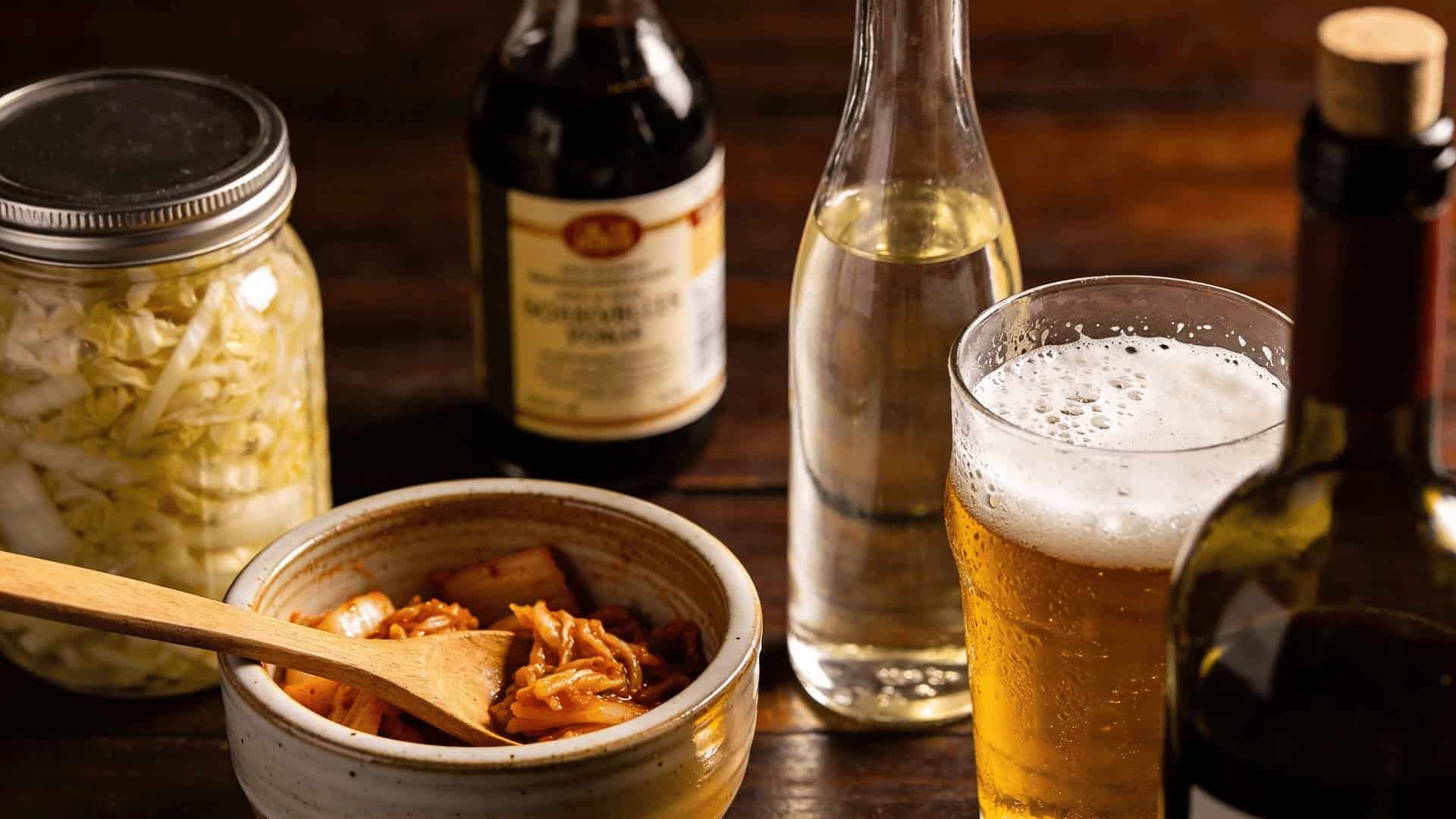
Fermentation dramatically increases histamine production in foods. Sauerkraut, kimchi, soy sauce, vinegar, beer, and wine are all major issues. While fermented foods provide probiotics for most people, they can be problematic for those with histamine intolerance.
The bacteria used in fermentation actively produce histamine as a byproduct. This makes even small amounts potentially reactive. Kombucha and pickled vegetables fall into this category, too.
Skip these completely during the elimination phase to reduce symptoms effectively.
Probiotics warning: Many probiotic supplements and fermented health foods that are marketed for gut health actually contain histamine-producing bacterial strains, particularly Lactobacillus casei, Lactobacillus bulgaricus, and Lactobacillus reuteri. If you are taking a probiotic while experiencing histamine symptoms, this could be worsening your condition. Look for histamine-neutral or histamine-degrading strains such as Lactobacillus rhamnosus or Bifidobacterium infantis. Always check strains, not just the brand name.
4. Certain Fruits and Vegetables
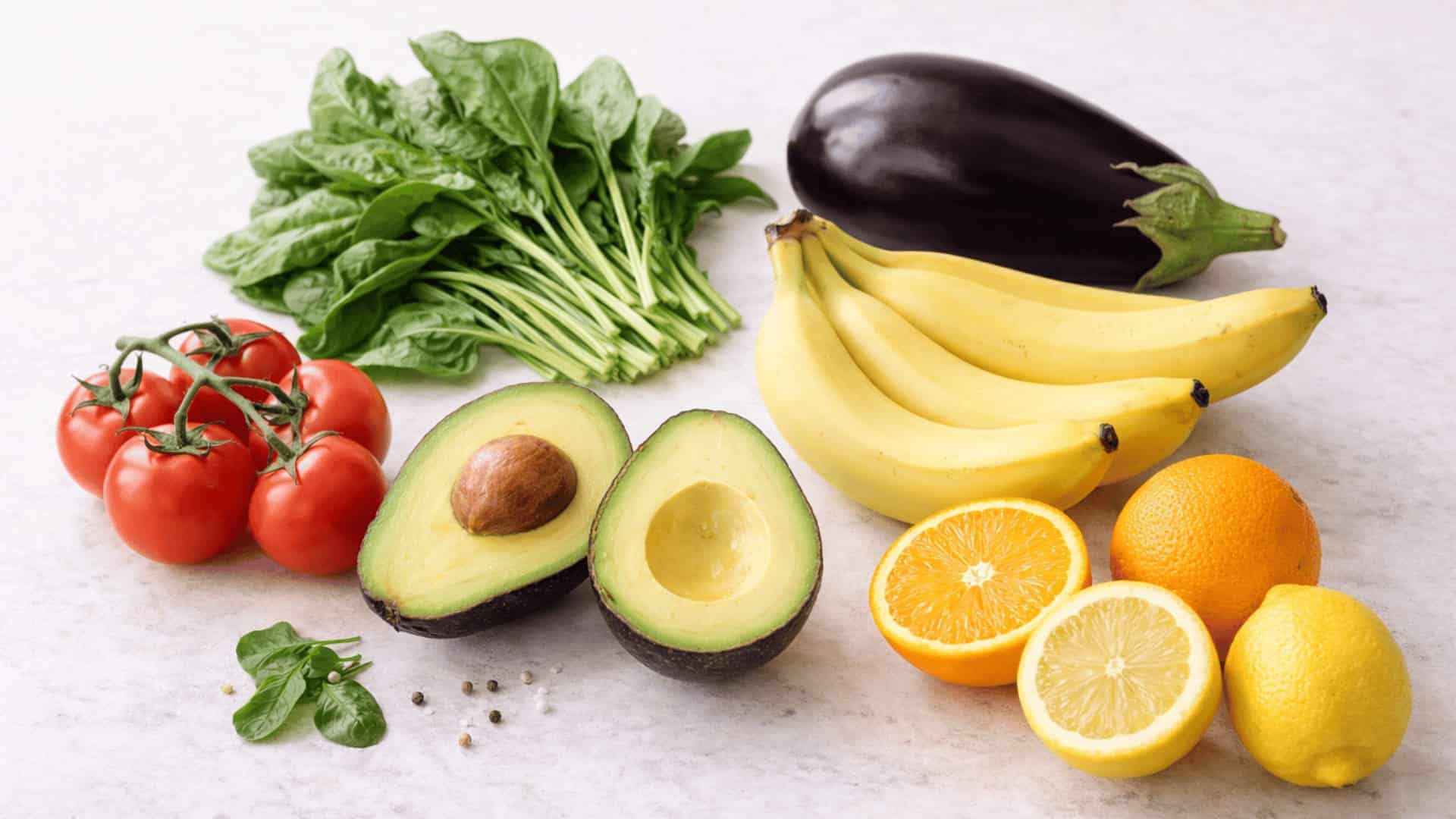
Not all produce is safe on a low-histamine diet. Tomatoes, spinach, avocados, eggplants, bananas, and citrus fruits like oranges and lemons should be avoided. Some of these contain naturally high histamine levels, while others trigger your body to release stored histamine.
Both scenarios cause the same uncomfortable symptoms. Strawberries and pineapple are also common culprits. Stick to the safe fruit and vegetable list to prevent unnecessary flare-ups and reactions.
5. Alcoholic Beverages

Alcohol is a double trigger for histamine intolerance. Beer, wine, and champagne not only contain histamine but also block the enzyme that breaks it down. This means histamine builds up faster and stays in your system longer.
Red wine is particularly high in histamine due to fermentation and aging. Even clear spirits can cause problems by inhibiting histamine breakdown. If you’re managing symptoms, cutting out alcohol completely often brings significant relief and clarity.
How to Start a Low-Histamine Diet
Beginning a low-histamine diet requires careful planning and attention to food choices. Here’s a simple guide to help you get started:
- Eliminate high-histamine foods for 2–4 weeks: Remove aged cheeses, processed meats, and fermented products to let your body reset.
- Track symptoms: Keep a food journal to monitor meals and reactions, identifying problems for later reintroduction.
- Shopping tips: Stick to unprocessed, whole foods and read labels carefully to avoid hidden preservatives or additives.
- Meal prep: Prepare bulk meals like quinoa, roasted vegetables, or grilled chicken for easy low-histamine options all week.
By following these steps, you can start the diet confidently and reduce symptoms more effectively.
Watch for Nutrient Gaps During Elimination
The elimination phase removes several nutrient-dense foods, including spinach, tomatoes, fermented foods, and avocados. As a registered dietitian, this is the first thing I flag with clients starting this diet.
Without conscious substitution, the elimination phase can create shortfalls in magnesium, folate, potassium, and beneficial gut bacteria.
Prioritize magnesium from safe sources, such as pumpkin seeds and dark chocolate-free options. Replace fermented food probiotics with histamine-safe strains.
Use a whole-food multivitamin to fill gaps if needed, and consider working with a dietitian to audit your nutrition during weeks two and three of elimination.
3-Day Sample Low-Histamine Meal Plan
| Day | Breakfast | Lunch | Dinner | Snack |
|---|---|---|---|---|
| Day 1 | Scrambled eggs, sautéed zucchini, oat toast with coconut oil | Quinoa bowl with grilled chicken, cucumber, shredded carrot, olive oil dressing | Baked cod with sweet potato mash and steamed green beans | Apple slices with almond butter |
| Day 2 | Rolled oats with blueberries, coconut milk, and a drizzle of maple syrup | Turkey and cucumber wrap in a gluten-free tortilla with lettuce and olive oil | Roast chicken thighs with roasted carrots, parsnips, and fresh herbs | Rice cakes with almond butter |
| Day 3 | Chia pudding made with coconut milk and topped with fresh mango | Grilled salmon (cooked fresh, not leftover) with steamed broccoli and white rice | Ground turkey stir-fry with zucchini, carrot, bok choy, and coconut aminos | Watermelon slices or a pear |
Note on the salmon: Fish is one of the fastest histamine-accumulating proteins. Cook salmon fresh and eat it within the same sitting. Never use leftover fish on a low-histamine diet.
Low Histamine Recipes and Meal Ideas
Starting a low-histamine diet doesn’t mean you have to sacrifice flavor. Here are some meal ideas that are easy to prepare, delicious, and gentle on your body.
Breakfast ideas: Start your day with scrambled eggs and spinach, oatmeal topped with freshly bought berries, or a satisfying chia pudding. These options are filling and free from histamine triggers.
Lunch ideas: Try a quinoa salad with cucumber, chicken, and olive oil, or a wrap with turkey and avocado. Hold the avocado. It is a histamine liberator regardless of freshness. These meals are light yet nutritious, helping you stay energized.
Dinner ideas: Enjoy grilled fish with steamed vegetables, or a chicken stir-fry with low-histamine veggies. Both meals are balanced and satisfying.
Snack ideas: Fresh fruit, rice cakes with almond butter, or cucumber slices with hummus. These snacks are quick and easy, offering healthy energy without histamine concerns. Hummus contains chickpeas, which some people with histamine intolerance react to as a liberator. Introduce it during the reintroduction phase rather than the elimination phase.
Dessert: Satisfy your sweet tooth with simple fruit sorbets or coconut yogurt with freshly bought berries. These desserts are naturally sweet and free from histamine triggers.
By incorporating these meal ideas into your routine, you can follow a low-histamine diet without feeling restricted.
How to Combine Low Histamine with Other Diets
When following a low-histamine diet, it’s possible to combine it with other dietary needs.
For those following a vegetarian or vegan diet, opt for plant-based proteins such as lentils, tofu, and chickpeas, while avoiding high-histamine foods such as fermented soy products like miso and tempeh.
Note for vegan and vegetarian readers: Many high-protein plant foods are also histamine liberators or fermented, including tempeh, miso, soy sauce, and some legumes. Getting adequate protein on a strict low-histamine vegan diet requires careful planning. Focus on fresh tofu, lentils, quinoa, and pumpkin seeds, and work with a dietitian to ensure you are meeting protein and B12 needs.
If you’re also gluten-free, choose grains like quinoa, rice, and millet that align with the low-histamine approach.
Combining a low-histamine diet with other restrictions, such as a low-FODMAP or dairy-free diet, is achievable with careful planning.
Long-Term Maintenance: How to Keep the Diet Manageable
Maintaining a low-histamine diet over the long term requires consistency and careful adjustments. Here’s how to stay on track:
- Track progress: Regularly monitor symptoms and assess whether the diet is helping. Keep a journal to track your food intake and any changes in your health.
- Incorporate variety: To prevent meal fatigue, gradually introduce new low-histamine foods and explore fresh recipes. This keeps your diet enjoyable and balanced.
- Consult a doctor: If symptoms persist or worsen, seek professional advice. A healthcare provider can offer personalized guidance or tests to identify underlying issues, helping ensure long-term success.
By following these steps, you can make the low-histamine diet a sustainable part of your life.
DAO Supplementation
Over-the-counter DAO enzyme supplements (taken before meals) are available and have been shown in clinical studies to reduce histamine intolerance symptoms.
They are not a replacement for the elimination diet, but they can be a useful short-term support tool, particularly when eating out or in social situations where strict avoidance is difficult. Discuss this with your doctor or dietitian before starting.
Common Mistakes and Easy Fixes
Here’s a table that outlines common mistakes people make when following a low-histamine diet and simple fixes to avoid them.
|
Mistake |
Fix |
|
Over-restricting |
Avoid eliminating too many foods. This can cause nutritional deficiencies. Focus on balance and use a dietitian to audit gaps. |
|
Not reintroducing foods properly |
Reintroduce one high-histamine food at a time, waiting 3–5 days between additions. This gives your body time to show a clear reaction. |
|
Ignoring hidden histamine sources |
Be mindful of hidden triggers such as preservatives, food coloring, and additives in packaged foods. |
|
Keeping histamine liberators while cutting high-histamine foods |
Citrus, tomatoes, spinach, and strawberries must go during elimination too, even if they test low for histamine content. Liberators trigger the same symptoms. |
|
Using the wrong probiotics |
Many probiotic brands contain histamine-producing strains. Switch to Lactobacillus rhamnosus or Bifidobacterium infantis during elimination. |
|
Eating leftovers |
Histamine builds up in cooked proteins even when refrigerated. Cook fresh daily during the elimination phase and avoid reheating protein-rich dishes that are more than one day old. |
By understanding and avoiding these common mistakes, you can maintain a balanced, sustainable low-histamine diet while achieving long-term success.
The Bottom Line
Managing histamine intolerance doesn’t have to feel impossible once you understand the fundamentals. A low histamine diet helps you identify triggers, reduce uncomfortable symptoms, and regain control over your health.
Focus on fresh proteins, safe fruits and vegetables, and whole grains while eliminating aged cheeses, processed meats, and fermented foods. The elimination phase resets your system, and careful reintroduction reveals your personal reactions.
Track everything, meal prep for convenience, and don’t rush the process. Remember that everyone’s tolerance differs, so what works for others might not work for you.
Stay patient, listen to your body, and adjust as needed. If you’ve found relief or discovered helpful strategies, drop a comment below and share your experiences.