











Starting the keto diet with good intentions and a confusing grocery list is more common than you’d think. The idea sounds simple: eat fewer carbs, burn more fat.
But the moment you start looking at actual foods, the questions pile up fast. Is this vegetable okay? What about this snack? Can I still have fruit?
I’ve helped a lot of people guide through exactly this. The confusion around the keto usually comes down to the same handful of foods and the same misunderstood rules.
I have tried to give all the information one might need to support their ketone production on keto.
What the Keto Diet Actually Is
Keto is a way of eating that pushes your body to burn fat instead of sugar for fuel. Originally developed in the 1920s as a medical treatment for epilepsy, the keto diet was used by doctors long before it became a mainstream nutrition approach.
Normally, your body runs on glucose from carbohydrates. When you cut carbs low enough, glucose runs out, and your body switches to burning fat, producing molecules called ketones for energy. That state is called ketosis.
To get there, you need to keep daily carbs between 20 and 50 grams, a tight window. Fat becomes your main fuel. Protein stays moderate.
Some people follow this framework closely, while others explore adjacent approaches, such as keto and carnivore, to find what works best for their bodies. Every food decision flows from that one framework.
The Number That Actually Matters: Net Carbs vs. Total Carbs
The carb count on a food label isn’t the one you should be tracking on keto. What you want is the net carb count. Net carbs are total carbs minus fiber.
Fiber passes through your body without spiking blood sugar or affecting ketosis, so it doesn’t count toward your daily limit. Once you start subtracting fiber, a lot of foods that look carb-heavy suddenly look very different.
Here’s how the math works on a few common foods:
| Food | Total Carbs | Fiber | Net Carbs |
|---|---|---|---|
| 1 cup broccoli | 11g | 5g | 6g |
| 1 medium avocado | 17g | 13g | 4g |
| 1 slice whole wheat bread | 20g | 2g | 18g |
| ½ cup cooked lentils | 20g | 8g | 12g |
The label number and the number that actually matters can be very different. Always subtract fiber first.
Foods That Work Well on Keto
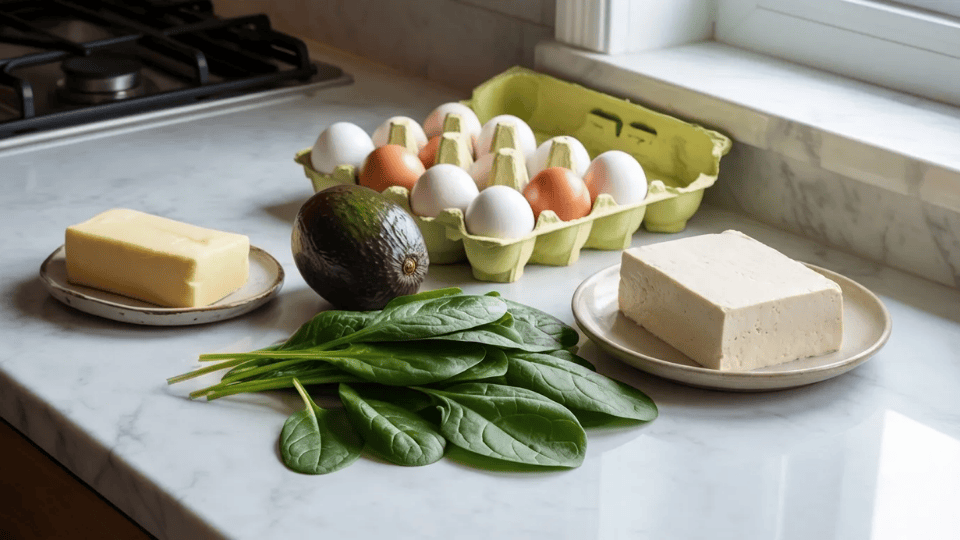
Keto works best when you build meals around foods that are naturally low in carbs and high in fat or protein. Some of these are obvious. A few will genuinely surprise you.
1. Healthy Fats and Oils
The foundation of any keto diet, these foods carry zero or near-zero carbs and keep you full and satisfied for hours.
- Avocado: Loaded with healthy fat and fiber, it delivers very low net carbs and keeps hunger away between meals.
- Olive oil & Coconut oil: Pure fat with zero carbs, both work well for everyday cooking, roasting, and salad dressings.
- Butter & Ghee: Rich in saturated fat and virtually carb-free, both add deep flavor to almost any keto dish.
- Almonds & macadamia nuts: Excellent sources of healthy fat and crunch, though portions need watching since they’re easy to overeat.
- Chia Seeds & Flaxseeds: High in fat and soluble fiber, both help keep net carbs low while supporting better digestion.
- Walnut & Avocado Oil: Light, mild oils that work especially well in cold dressings, dips, and low-heat cooking.
- MCT Oil: Derived from coconut oil, it converts to ketones quickly and is a widely used keto energy supplement.
2. Meat, Fish, and Eggs
Naturally carb-free and protein-rich, these are the most straightforward building blocks for any well-structured keto meal plan.
- Beef, Chicken, Pork & Lamb: All are completely carb-free and easy to prepare across a wide variety of keto meals.
- Fatty Fish (salmon, sardines, mackerel): Naturally rich in fat and omega-3s, making them one of the best keto protein choices.
- Eggs: Under 1g net carbs each, they deliver a strong balance of fat and protein in every single serving.
- Bacon & Sausage: Keto-friendly in most cases, but always check labels for hidden sugars in cured or processed varieties.
- Organ Meats (liver, kidney): Extremely nutrient-dense, virtually carb-free, and one of the most underrated proteins on the keto diet.
- Shellfish (shrimp, crab, mussels): Generally low in carbs and high in protein, though portion size matters with certain varieties.
- Deli Meats (turkey, ham, salami): Convenient and usually keto-friendly, but worth checking labels for added starch or fillers.
3. Low-Carb Vegetables
Above-ground vegetables are your safest picks here: root vegetables like potatoes and carrots carry significantly higher carb counts per serving.
- Leafy Greens (spinach, kale, arugula): Nearly carb-free across the board, these can be eaten freely without worrying about hitting your limit.
- Broccoli & Cauliflower: Filling, versatile, and comfortably within keto limits, even when eaten in generous portions throughout the day.
- Zucchini & Yellow Squash: Both are low in carbs and work especially well as a substitute for pasta in keto meals.
- Bell Peppers & Cucumber: Easy ways to add color, crunch, and variety to meals without meaningfully adding to your carb count.
- Asparagus & Green Beans: Both sit comfortably within daily keto limits and pair naturally with fatty proteins like salmon or butter.
- Mushrooms: Low in carbs, satisfyingly meaty in texture, and excellent at absorbing flavors during cooking or sautéing.
- Cabbage & Brussels sprouts: Two underrated keto vegetables that hold up well when roasted, sautéed, or added to stir-fries.
- Celery: Almost zero net carbs per stalk, making it one of the most practical and reliable pairing options for dips.
4. Dairy and Dairy-Based Foods
Full-fat versions always work better on keto; low-fat alternatives are often reformulated with added sugars to compensate for flavor.
- Hard Cheeses (cheddar, gouda, parmesan): Low in carbs, high in fat, and versatile enough to work across a wide range of keto meals.
- Soft Cheeses (brie, camembert): Slightly higher in fat than hard varieties and still comfortably within acceptable carb limits for most people.
- Heavy Cream: Much lower in carbs than regular milk and adds rich texture to sauces, soups, and keto-friendly desserts.
- Cream Cheese: Works well in both savory and sweet keto recipes; always avoid flavored varieties that contain added sugar.
- Sour Cream: A reliable low-carb topping and an easy base for building creamy dips and sauces on the keto diet.
- Greek Yogurt (full-fat, plain): Manageable in small portions, but flavored versions almost always carry too much sugar for keto.
- Milk: Naturally higher in carbs due to lactose content, so most people following the keto diet limit or avoid it entirely.
5. Plant-Based Proteins
A practical choice for anyone who wants reliable protein on keto without depending entirely on meat at every single meal.
- Firm Tofu: Surprisingly low in net carbs and works well whether it’s pan-fried, baked, or crumbled into keto-friendly dishes.
- Tempeh: Fermented soy that offers more protein than tofu with a slightly higher but still manageable carb count per serving.
- Edamame: Higher in protein than most plant foods and moderate enough in net carbs when you keep portions in check.
- Hemp Seeds: One of the most complete plant proteins available, naturally high in fat and very low in total carbs.
- Pumpkin Seeds (pepitas): A satisfying keto snack that packs a solid combination of protein, healthy fat, and important minerals.
- Watch Your Sauces: Marinades and flavored sauces can quietly add significant carbs to otherwise perfectly keto-friendly plant-based meals.
6. Dips and Condiments
The right condiments add flavor without adding carbs, but the wrong pairings can quietly blow your daily carb budget fast.
- Guacamole: Low in net carbs thanks to avocado’s high fiber content; always pair t with cucumber or celery instead of chips.
- Mayonnaise: High in fat and near-zero in carbs, making it one of the most reliably keto-friendly condiments you can use.
- Sour Cream-Based Dips: Rich, filling, and generally low in carbs, but always worth checking labels for added starch or sugar.
- Mustard: Almost completely carb-free and a far safer flavoring choice than ketchup, barbecue sauce, or any sweet condiment.
- Hot Sauce & Sriracha: Most plain hot sauces contain minimal carbs; just steer clear of sweet chili or honey-based varieties.
- Pesto: Made with olive oil, basil, and nuts, it fits the keto diet well and brings strong flavor to many dishes.
- Tahini: Ground from sesame seeds and naturally rich in fat, it works well in keto dressings and dips in moderate amounts.
The Gray Zone: Foods That Depend on Portion Size
These aren’t flat-out nos on keto, but portion size is everything, and cottage cheese on keto is a perfect example of that.
| Food | Why It’s Tricky | Safe Portion |
|---|---|---|
| Cottage Cheese | Has more carbs than most dairy options. Low-fat versions make it worse; they strip the fat and add sugar. | ½ cup full-fat only |
| Onions | A whole onion blows your carb budget. Cooking them also concentrates the sugars, making caramelized onions especially risky. | 2 tbsp chopped raw |
| Popcorn | Air-popped is the only version that even comes close to fitting. Butter, salt, and flavored varieties add carbs on top. | 1 cup air-popped |
These foods range from fine to problematic, entirely based on how much you eat. Treat them as controlled additions, never foods you eat freely. Even though generally popcorn is keto-safe, one should also be mindful of their overall carb intake.
Foods to Avoid on Keto
Some healthy foods still don’t fit keto; lentils on low-carb diets are a good example of exactly that.
- Grains and Bread: Rice, pasta, oats, and bread are among the highest-carb foods in most diets and need to be entirely eliminated on keto.
- Starchy Vegetables: Potatoes, sweet potatoes, corn, and peas are nutritious but far too carb-dense to fit a keto carb budget.
- Legumes and Lentils: Beans, chickpeas, and lentils are high in carbs even after accounting for fiber. A single serving can eat up most of your daily limit.
- Most Fruits: Bananas, mangoes, grapes, and pineapple are loaded with natural sugar that affects ketosis just like any other sugar does. Berries are the one exception.
- Sugary Foods and Drinks: Candy, juice, sweetened yogurt, sports drinks, and most bottled sauces all carry hidden sugars that add up fast.
Reading labels on everything is a habit that will save you a lot of frustration. Most people don’t realize how much sugar hides in everyday, common high-carb fruits until they actually check.
What to Expect in the First Week: Keto Flu and Electrolytes
People feel worse before they feel better when starting keto. In the first three to five days, headaches, fatigue, brain fog, and muscle cramps are common. This is the keto flu; not a sign something is wrong, but the body adapting to a new fuel source.
The main driver is electrolyte loss. When carbs drop, insulin falls, and the kidneys excrete more sodium, pulling potassium and magnesium with it.
Salting food generously, drinking bone broth, and eating leafy greens or pumpkin seeds helps considerably. Symptoms typically resolve within one to two weeks. If they persist or worsen, especially with heart palpitations or severe fatigue, speak with a doctor.
What a Day of Keto Eating Actually Looks Like
Knowing which foods work is one thing. Seeing how they come together into a real day of eating makes it much easier to get started and stay consistent.
| Meal | Foods | Approx Fat | Approx Net Carbs |
|---|---|---|---|
| Breakfast | 3 scrambled eggs in butter, half an avocado, black coffee with heavy cream | 40–45g | 3–5g |
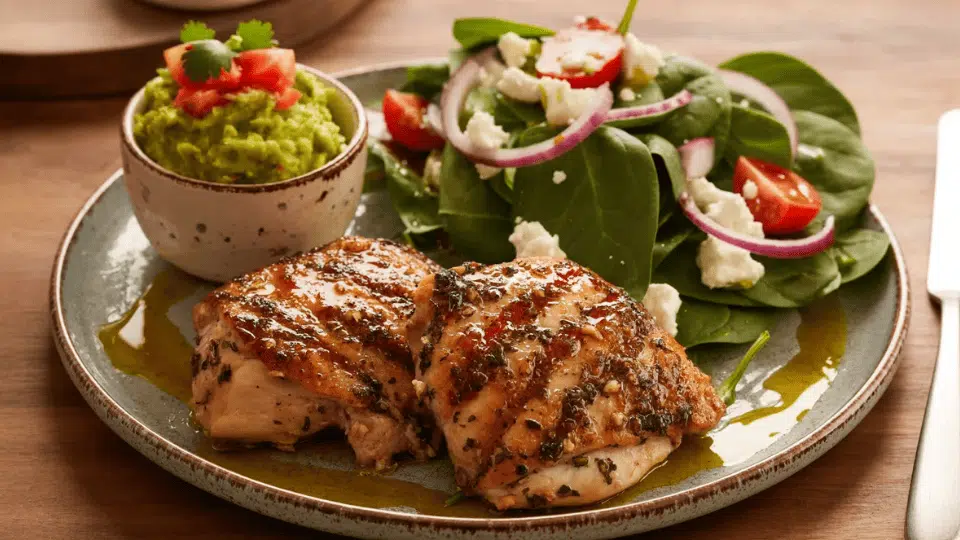
| Lunch | Grilled chicken thighs, large spinach salad with feta, olive oil dressing, and guacamole on the side | 35–40g | 5–7g |
| Dinner | Pan-seared salmon with garlic butter, roasted broccoli, and cauliflower in olive oil | 35–40g | 6–8g |
| Snack | Celery with cream cheese, a small handful of macadamia nuts | 20–25g | 3–5g |
A day like this sits comfortably under 25 grams of net carbs and around 130-150 grams of fat, well within the keto range for most people.
It’s filling, straightforward, and built entirely from foods you can find in any grocery store. Keto doesn’t have to be complicated once you stop second-guessing every ingredient.
Mistakes That Knock People Off Keto
Most keto mistakes aren’t dramatic. They’re small, quiet, and repeated every day until progress stalls.
- Tracking total carbs is the most common one. You end up cutting out foods that would have been fine once you subtract the fiber.
- Restaurant food catches people out constantly. Marinades and dressings are full of hidden sugar.
- Eating gray zone foods without measuring, like onions, can stall ketosis even when they’re technically following the diet.
- Not eating enough fat is a mindset issue. Fat is your fuel on keto; skimping on it leaves you tired and hungry. Packaged keto products aren’t always safe. The ingredients list is the truth, not the front of the package.
Once you know where hidden carbs live and how to read labels properly, the keto diet becomes far less frustrating and far more sustainable.
Easy Swaps for the Foods You Miss Most
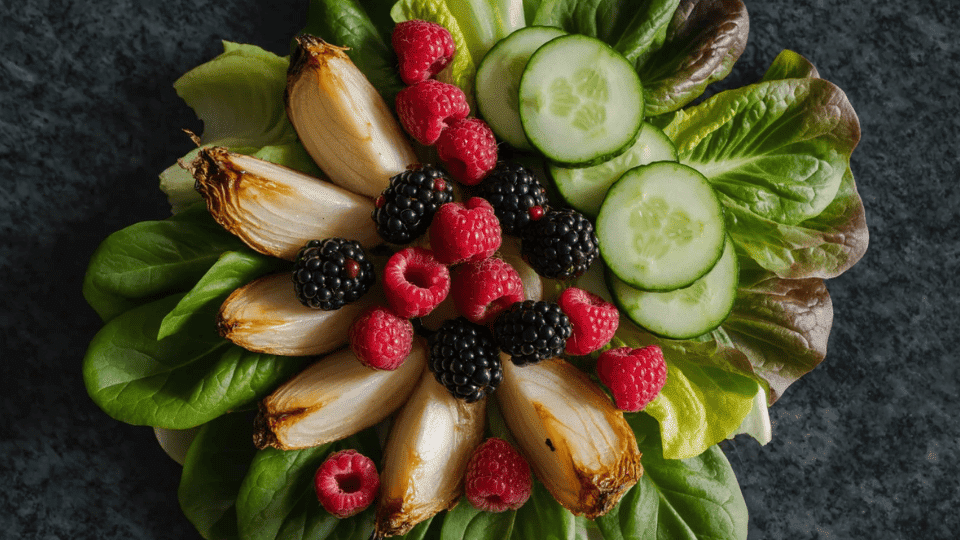
Keto gets easier when you stop trying to go without and start finding things that actually scratch the same itch. Here are swaps that work by craving type:
| Craving Type | What to Swap Out | What to Swap In |
|---|---|---|
| Sweet cravings | Sugar, desserts, candy | Raspberries, full-fat Greek yogurt with walnuts, dark chocolate at 85%, vanilla cream cheese |
| Starchy sides | White rice, mashed potatoes, pasta | Cauliflower rice, mashed cauliflower with butter, roasted turnips, shirataki noodles |
| Snacks and munchies | Chips, crackers, crunchy snacks | Pork rinds, baked cheese crisps, cucumber or celery with cream cheese or guacamole |
| Bread and wraps | Sandwich bread, burger buns, tortillas | Lettuce wraps, cloud bread, portobello mushroom caps, thin egg omelet wraps |
| Drinks | Juice, sodas, sugary beverages | Sparkling water with citrus, black coffee with heavy cream, herbal teas, sugar-free electrolytes |
Most of these feel like a compromise for the first week or two. After that, your palate adjusts more than you would expect, and the cravings for the originals fade considerably.
Frequently Asked Questions
How long does it take to get into ketosis?
Most people reach ketosis within two to four days of keeping net carbs under 20 to 50 grams. Exercise speeds the process. Early signs include reduced hunger, increased thirst, and a mild change in breath.
Is keto safe long-term?
Research is still developing. Keto shows strong evidence for weight loss and blood sugar management. Long-term concerns include nutrient deficiencies and cardiovascular impact. Periodic bloodwork and attention to fat quality are worth discussing with a doctor or dietitian.
Do I need to count calories on keto?
Strict calorie counting is not required. High fat and protein naturally suppress appetite. However, if fat loss stalls, total intake is worth examining. Nuts, cheese, and heavy cream are low in carbs but easy to overeat.
Putting It All Together
The keto diet is not about being perfect, and that realization tends to take a lot of pressure off. It is about understanding what your body is doing and making choices that support it.
Once the net carb concept clicks, everything becomes less stressful. Some foods are clearly in, some are clearly out, and the ones in the middle just need a quick label check.
I recommend tracking net carbs for the first few weeks; most people find it becomes second nature faster than they expect. Build meals around what you know works, and if a gray zone food comes up, measure it, fit it in, and move on.