










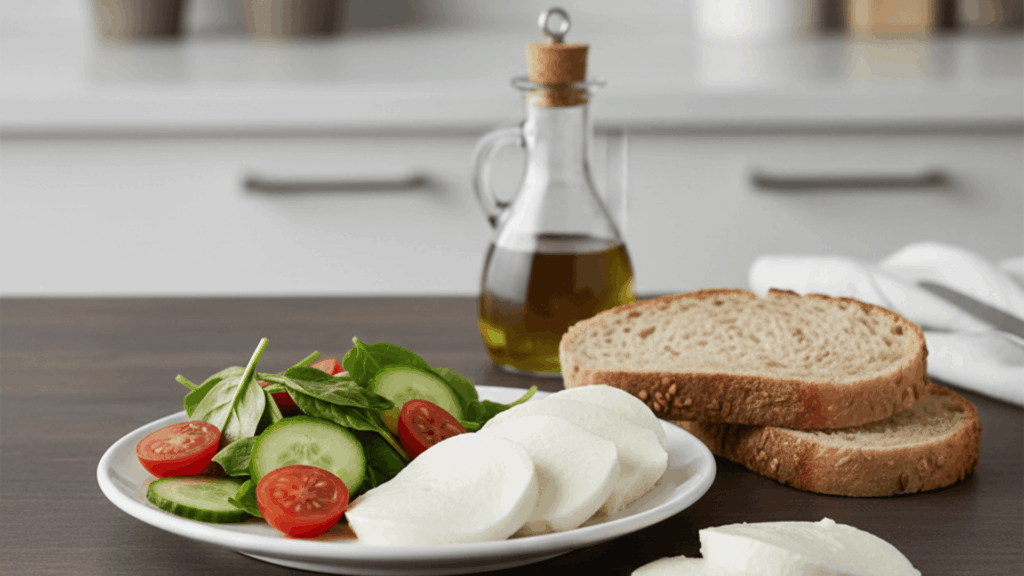

I hear this question often: Is mozzarella cheese good for you, or is it just another food you should limit? Cheese is tasty, but it comes with mixed opinions.
Some say it’s healthy, while others ask, Is mozzarella cheese good for you, and worry about fat and calories. Here, I break it down simply. I’ll explain what mozzarella cheese is, what nutrients it gives your body, and how it compares to other popular cheeses.
I’ll also talk about weight loss, portion sizes, and the healthiest ways to eat it. By the end, you’ll know exactly when mozzarella fits into a healthy diet and when it’s best to slow down.
Is Mozzarella Cheese Good for You?
Yes, mozzarella cheese is good for you when eaten in reasonable portions. It delivers protein, calcium, and essential vitamins at a lower calorie and sodium load than most popular cheeses.
The type you choose, fresh, part-skim, or processed, and how much you eat, make the biggest difference.
Mozzarella Cheese: More than Just a Pizza Topping
Mozzarella Cheese Is One of The Few Cheeses that Feels Light While Still Adding Taste to Your Meals. Instead of Being Strong or Salty Like Many Aged Cheeses, It Has a Clean, Mild Flavor that Works Well with Both Fresh and Cooked Foods.
It Was First Made in Southern Italy Using Water Buffalo Milk, but Most Versions Today Use Cow’s Milk. The name “mozzarella” Comes from The Italian Word Mozzare, Meaning “to cut”, a Reference to The Hand-Cutting Technique Used to shape the Curd During Production.
What Makes It Different Is the Way It Is Stretched During Preparation, Which Gives It that Soft, Pull-Apart Texture.
You’ll Notice Fresh Mozzarella Feels Soft and Moist, While Low-Moisture Types Melt Better. This Balance Makes Mozzarella Easy to Include in Meals without Making Them Feel Too Heavy.
Mozzarella Cheese Nutrition Facts
Mozzarella Cheese Provides Several Important Nutrients that Help Support Your Daily Diet. It Offers a Good Balance of Protein, Minerals, and Vitamins Your Body Needs for Energy, Bone, and Muscle Health.
| Nutrient | Amount (per 1 Oz / 28 G) |
|---|---|
| Calories | 80–85 Kcal |
| Protein | 6–7 G |
| Total Fat | 6–7 G |
| Saturated Fat | 3–4 G |
| Carbohydrates | 1 G |
| Calcium | 140–200 Mg |
| Phosphorus | 130–150 Mg |
| Vitamin B12 | 0.5–0.7 Mcg |
| Zinc | 0.8–1 Mg |
| Sodium | 170–200 Mg |
When You Look at Its Nutrient Profile, Mozzarella Stands out For Its Protein and Calcium. These Nutrients Support Muscle Strength, Bone Health, and Normal Body Functions when Eaten in Reasonable Portions.
Part-skim vs. whole-milk mozzarella: Part-skim mozzarella typically contains around 72 calories, 4.5 g of fat, and 2.9 g of saturated fat per ounce, meaningfully less than whole-milk versions.
The protein and calcium remain nearly identical. In my experience working with clients on heart-healthy or weight-management plans, switching to part-skim mozzarella is one of the easiest substitutions that doesn’t feel like a sacrifice.
Health Benefits of Mozzarella Cheese
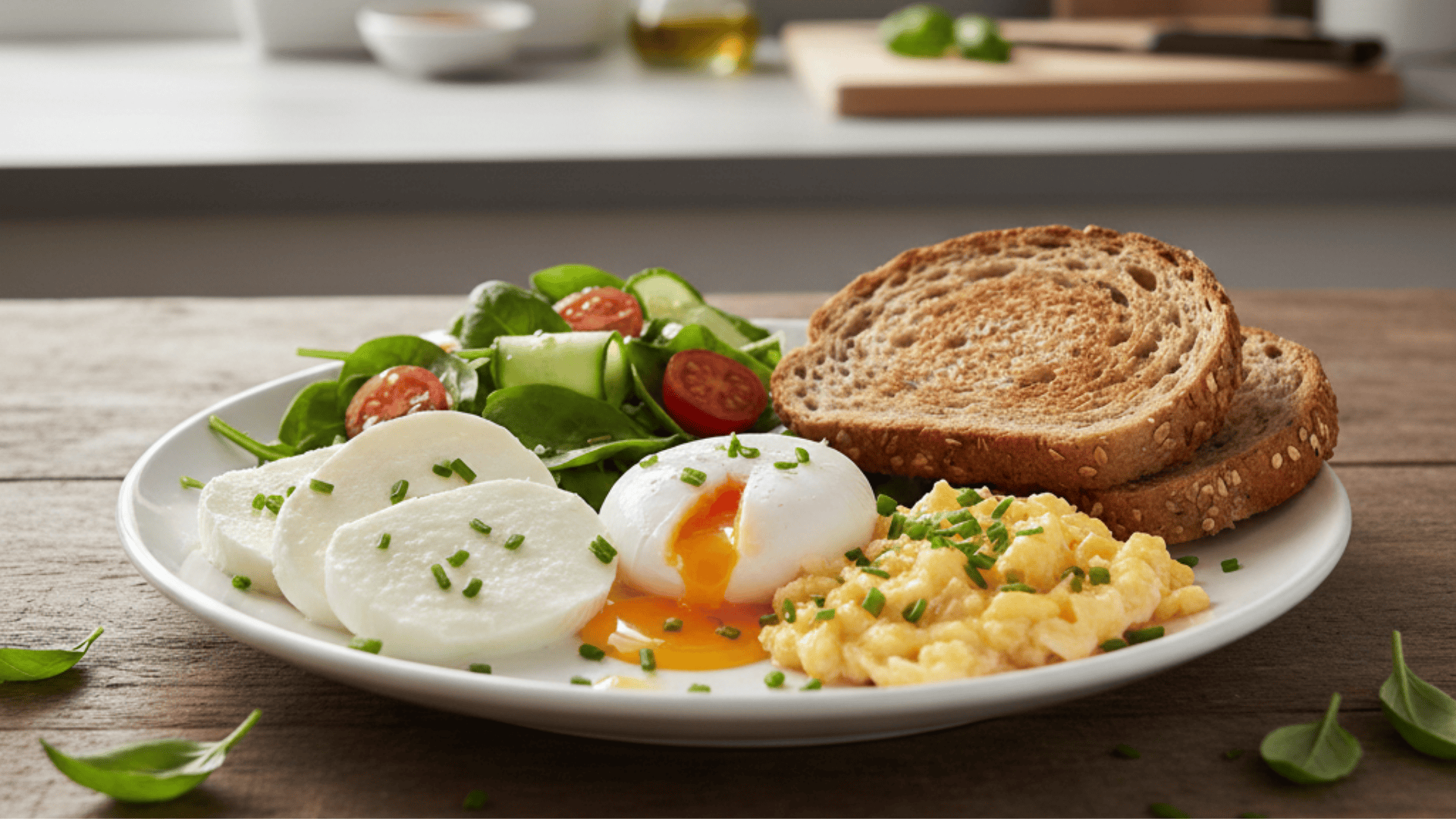
Mozzarella Cheese Offers Several Helpful Nutrients that Support Your Body in Many Ways. when You Include Moderate Portions in Meals, You Get Protein, Minerals, and Vitamins that Help Keep Bones, Muscles, and Overall Health in Good Shape.
1. Good Source of Protein
Mozzarella Provides a Solid Amount of Protein in Each Serving, Which Helps Support Muscle Growth and Repair. Your Body Uses Protein to Maintain Tissues and Stay Strong.
It Also Helps You Feel Full After Eating, Which Can Support Better Portion Control and Help Manage Hunger Throughout the Day.
2. High in Calcium
Mozzarella Contains a Good Amount of Calcium, a Mineral Your Body Needs to Keep Bones and Teeth Strong. Calcium Also Helps Muscles Contract and Supports Normal Nerve Signals.
One ounce of mozzarella provides roughly 14–18% of the recommended daily calcium intake for adults, according to the National Institutes of Health Office of Dietary Supplements. Eating Foods Rich in Calcium May Help Lower the Risk of Bone Loss as You Grow Older.
3. Lower Fat than Many Other Cheeses
Compared with Many Aged Cheeses, Such as Cheddar, Mozzarella Often Contains Less Fat per Serving. This Makes It a Lighter Option for People Who Enjoy Cheese but Want to Watch Fat Intake.
Choosing Part-Skim Mozzarella Can Further Reduce Fat Intake While Still Providing Protein and Calcium.
4. Contains Probiotics (in Fresh Mozzarella)
Fresh Mozzarella Sometimes Contains Helpful Bacteria Known as Probiotics. These Bacteria Support Gut Health by Helping Maintain a Balanced Digestive System.
A Healthy Gut Plays a Role in Digestion and Immune Support, Which Makes Foods with Natural Probiotics Useful in A Balanced Diet. That said, the probiotic content in fresh mozzarella varies by producer and is generally lower than in fermented dairy products like yogurt or kefir.
If gut health is your primary goal, treat fresh mozzarella as a supporting food rather than a dedicated probiotic source.
5. Provides Important Vitamins
Mozzarella Also Supplies Several Vitamins Your Body Needs Each Day. B Vitamins, Such as Vitamin B12, Help with Energy Production and Support Healthy Nerves and Blood Cells.
Unlike getting these from vitamin water daily vitamins, mozzarella delivers them naturally through whole food.
It Also Contains Small Amounts of Fat-Soluble Vitamins that Help Your Body Absorb Nutrients and Support Normal Body Functions.
Potential Downsides of Mozzarella Cheese
Mozzarella Cheese Can Fit Into a Balanced Diet, but There Are a Few Points to Keep in Mind. Understanding These Helps You Enjoy It While Managing Overall Health.
- Sodium Content: Mozzarella Contains Sodium, Which Helps Enhance Flavor and Preserve It. If you’re also curious about saltwater intake risks, the same principle applies, too much sodium in any form may raise blood pressure in some people, so portion control is important.
- Saturated Fat: like Many Dairy Products, Mozzarella Includes Saturated Fat. High Intake of Saturated Fat May Affect Heart Health Over Time, so It Is Better to Consume It in Moderation.
- Lactose Sensitivity: mozzarella Has Less Lactose than Many Dairy Foods, so Some Lactose-Intolerant People Tolerate It Better. Still, Sensitivity Levels Vary, and Some Individuals May Notice Mild Digestive Discomfort.
- Calories in Large Portions: mozzarella Is Not Particularly High in Calories, but Large Portions Can Quickly Add up And Increase Daily Calorie Intake. Eating Moderate Amounts Helps Maintain Balanced Nutrition.
- Processed Varieties: Some Packaged Mozzarella Products May Include Added Salt or Preservatives. Choosing Simpler, Minimally Processed Versions Can Help You Keep Sodium and Additives Lower in Everyday Meals.
- Not appropriate for all medical conditions: People on a low-sodium diet for kidney disease or hypertension should account for mozzarella’s sodium carefully.
Those with a true dairy allergy (not just lactose intolerance) need to avoid it entirely. If you have been advised to follow a specific dairy restriction, consult your doctor or dietitian before adding mozzarella regularly.
When You Keep Portions Reasonable and Choose High-Quality Products, Mozzarella Can Still Be Part of A Healthy, Balanced Eating Pattern.
Mozzarella vs Other Cheeses: Which Is Healthier?
Mozzarella Often Appears in Many Meals, but You May Wonder how It Compares with Other Popular Cheeses. Looking at Nutrition Differences Helps You Choose the Option that Fits Your Diet.
| Cheese | Calories (per 1 oz) | Fat Level | Sodium Level | What You Should Know |
|---|---|---|---|---|
| Mozzarella | 80–85 Kcal | Low–moderate | Low | Light, Mild Taste, Good for Lower-Calorie and Lower-Salt Meals |
| Cheddar | 110–115 Kcal | High | Moderate | Strong Taste, More Fat, Adds Richness to Dishes |
| Parmesan | ~110 Kcal | Moderate–high | Very High | High in Protein, but Very Salty, Use in Small Amounts |
| Feta | ~75 Kcal | Moderate | Very High | Crumbly, Tangy, Adds Salt Quickly to Meals |
| Cream Cheese | 95–100 Kcal | High | Moderate | Smooth and Rich, but Lower in Protein |
| Ricotta | ~50 Kcal | low | Low | Very Low in Calories and Sodium; Higher in Water Content |
| Buffalo Mozzarella | ~100 kcal | Moderate–high | Low–moderate | Richer flavor and creamier texture than cow’s milk mozzarella; higher fat but no added salt in traditional preparations |
When You Compare These Cheeses, Mozzarella Often Stands out For Balanced Nutrition. It Usually Contains Moderate Calories, Good Protein, and Lower Sodium than Many Other Cheeses.
Is Mozzarella Cheese Good for Specific Diets?
Mozzarella Can Fit Into Many Eating Plans when You Keep Portions in Check. It Gives You Protein, Calcium, and Steady Energy without Going Too Heavy.
- Weight Loss Diets: Mozzarella Can Support Weight Loss when Portions Are Kept Moderate. Its Protein Helps You Stay Full Longer and May Reduce Extra Snacking.
- High-Protein Diets: Mozzarella Adds a Good Amount of Protein to Meals. You Can Include It in Eggs, Salads, or Wraps to Support Muscle Repair and Daily Needs.
- Keto Diets: Mozzarella works well in Keto Eating Since It Is Low in Carbs. You Can Use It in Low-Carb Recipes, Such as Pizza Bases or Baked Dishes.
- Heart-Healthy Diets: Mozzarella Can Fit Into Heart-Friendly Plans when Eaten in Moderation. Part-Skim Options Help Reduce Saturated Fat While Still Giving Calcium and Protein.
- Balanced Diets: Mozzarella Fits Into Everyday Meals when You Focus on Variety and Portion Control. It Adds Taste and Nutrition without Making Meals Too Heavy.
- Mediterranean Diet: Mozzarella Fits Naturally Into Mediterranean Eating, Pairing Well with Tomatoes, Basil, Olive Oil, Vegetables, and Whole Grains.
- Gluten-Free Diets: Plain Mozzarella Is Naturally Gluten-Free, Making It a Safe Protein and Calcium Source for Gluten-Sensitive Individuals.
- Diabetes-Friendly Diets: Mozzarella has essentially zero net carbohydrates and a negligible glycemic impact, making it suitable for people managing blood sugar.
It pairs well with non-starchy vegetables and lean proteins for meals that won’t spike glucose. The key is monitoring total calories and sodium, particularly with processed varieties. - High Blood Pressure Diets (DASH): The DASH diet recommends two to three servings of low-fat dairy daily.
Part-skim mozzarella qualifies and contributes both calcium and potassium, two minerals that support healthy blood pressure. Stick to unsalted or low-sodium versions when following DASH guidelines.
Mozzarella Works Well Across Many Diets when You Focus on Balance and Portion Size. You Get Both Nutrition and Flexibility without Making Meals Feel Too Heavy.
Healthy Ways to Eat Mozzarella Cheese
Mozzarella Is Easy to Incorporate Into Everyday Meals when Paired with Fresh, Simple Ingredients. You Can Keep Your Meals Balanced without Making Them Feel Too Heavy.
| Way to Eat | How You Can Use It | What You Get |
|---|---|---|
| Caprese Salad | Combine Mozzarella with Tomatoes, Basil, and A Light Drizzle of Olive Oil | A Light, Fresh Meal with Protein, Healthy Fats, and Vitamins |
| Vegetable Salads | Add Small Mozzarella Pieces to Salads with Greens and Raw Vegetables | More Protein and Better Fullness without Making Your Salad Too Heavy |
| Whole-Grain Sandwiches | Use Mozzarella with Veggies Like Spinach, Cucumber, or Roasted Peppers | A Balanced Meal with Fiber, Protein, and Steady Energy |
| Baked Dishes | Add Mozzarella to Casseroles, Baked Pasta, or Stuffed Peppers | Warm Meals that Stay Lighter While Still Giving Flavor and Nutrition |
| Simple Snacks | Pair Mozzarella with Fruits or Nuts for A Quick Snack | A Quick Protein Boost that Helps Keep You Full Between Meals |
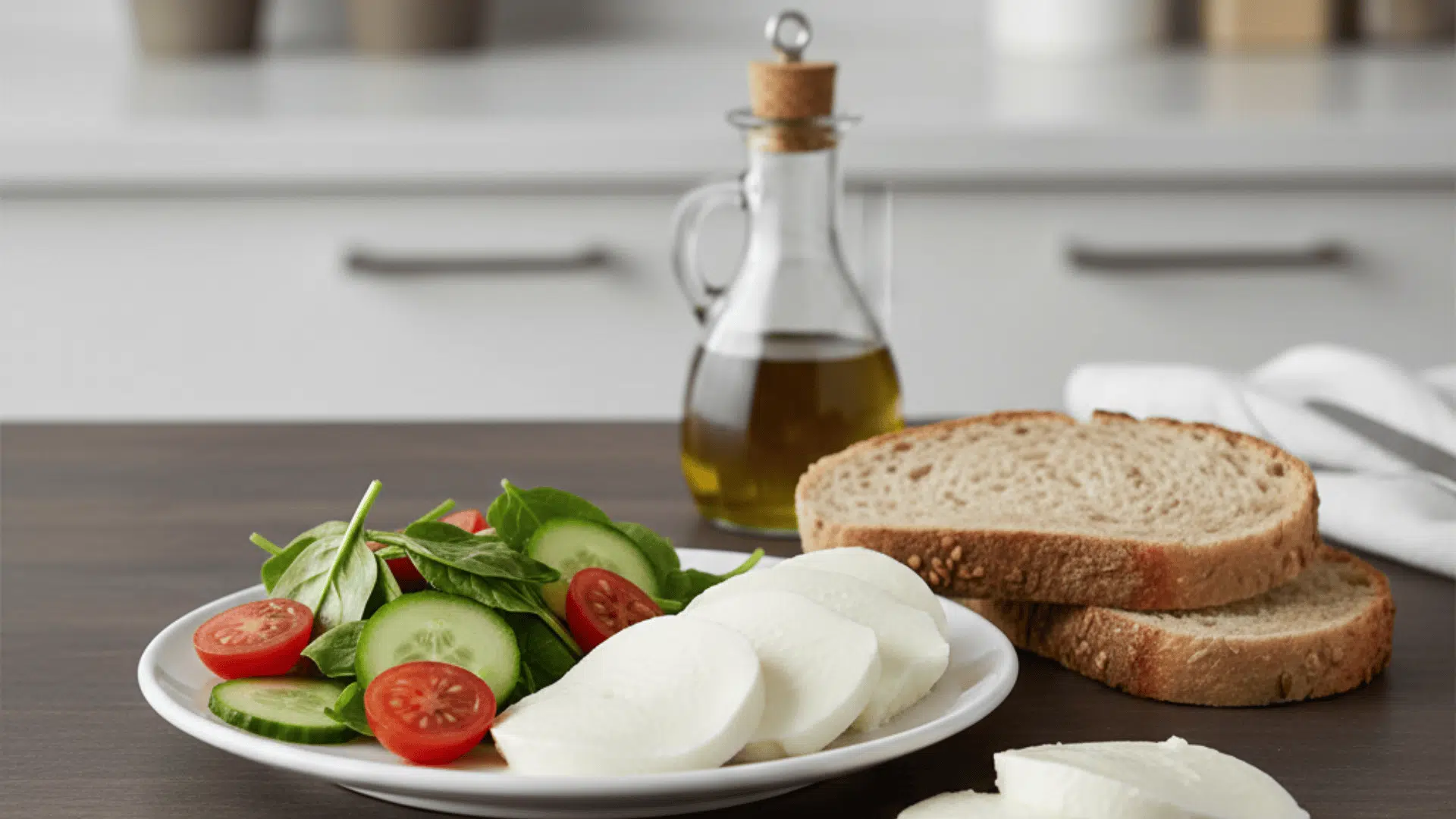
One pairing I often suggest to clients: a one-ounce portion of part-skim mozzarella with a handful of cherry tomatoes and a drizzle of extra-virgin olive oil.
It takes under two minutes and delivers protein, lycopene, and healthy monounsaturated fat in one compact snack. The fat from the mozzarella and olive oil also helps your body absorb the lycopene from the tomatoes more efficiently.
You Can Enjoy Mozzarella in Many Ways without Overcomplicating Your Meals. Focus on Simple Pairings and Portion Control to Keep Your Food Both Satisfying and Balanced.
How Much Mozzarella Cheese Should You Eat?
Mozzarella Cheese Can Be Part of A Balanced Diet when portions are kept reasonable. A Common Serving Size Is About 1 Ounce, Which Equals a Small Slice or A Few Small Cubes.
This Amount Provides Protein and Calcium without Adding Too Many Calories. Most Dietary Guidelines Suggest Two to Three Servings of Dairy per Day, Depending on Age and Activity Level.
Mozzarella Can Count as One of Those Servings. to Keep Your Diet Balanced, Pair It with Foods Like Vegetables, Whole Grains, or Lean Proteins.
Using Mozzarella as A Topping or Ingredient Instead of The Main Portion Helps Control Intake While Still Adding Flavor and Nutrients.
Tips for Choosing Healthier Mozzarella
Choosing the Right Mozzarella Can Make a Difference in Your Daily Diet. a Few Simple Checks Help You Pick Options with Better Nutrition and Fewer Unnecessary Ingredients.
- Choose Part-Skim Varieties: Part-Skim Mozzarella Contains Less Fat than Full-Fat Versions While Still Providing Good Protein and Calcium. It Works Well if You Want a Lighter Cheese Option.
- Look for Lower-Sodium Options: Some Mozzarella Products Contain Added Salt for Flavor and Preservation. Checking Sodium Levels on The Label Helps You Pick Varieties that Support Better Blood Pressure Balance.
- Fresh vs Processed Mozzarella: Fresh Mozzarella Often Contains Fewer Additives and A Shorter Ingredient List. Processed Versions May Last Longer but Sometimes Include Extra Salt or Stabilizers.
- Check Ingredient Labels: A Simple Ingredient List Usually Means Fewer Additives. Good Mozzarella Typically Contains Milk, Cultures, Salt, and Enzymes without Unnecessary Fillers or Preservatives.
- Watch Portion Size: Even Healthier Mozzarella Options Contain Calories and Fat. Using Moderate Amounts Helps You Enjoy the Taste While Keeping Your Daily Nutrition Balanced.
When You Check Labels and Pick Simpler Varieties, Mozzarella Can Remain a Tasty and Balanced Part of Everyday Meals.
Final Verdict
After Looking at The Nutrition, Benefits, and Comparisons, I Can Honestly Say that Mozzarella Cheese Is Good for You. It Can Be a Smart Choice when Eaten the Right Way.
It’s Lower in Sodium than Many Cheeses, Gives Your Body Protein and Calcium, and Works Well in Balanced Meals. That said, Portion Size Still Matters, and Choosing Fresh or part-skim versions can make a Big Difference.
I always remind myself that no single food makes or breaks a diet; it’s about how everything fits together. If you enjoy mozzarella, there’s no need to avoid it. Use it wisely, pair it with whole foods, and enjoy it without guilt.
Frequently Asked Questions
Is it okay to eat mozzarella cheese every day?
Eating mozzarella daily is fine in moderate portions for most healthy adults. Keep an eye on sodium levels and total dairy intake. People with medical conditions should consult a healthcare professional before regular consumption.
Is mozzarella healthier than cheddar?
Mozzarella is usually lower in calories, fat, and sodium compared to cheddar. This makes it a lighter option. However, portion size matters, and both cheeses can fit into a balanced diet.
Can mozzarella cheese help with weight loss?
Mozzarella can support weight management when eaten in controlled portions. Its protein content helps you feel full, which may reduce overeating. Choose part-skim options for better calorie control within a balanced diet.
Does mozzarella cheese have a lot of lactose?
Mozzarella contains less lactose than many dairy products. Most people with mild lactose intolerance can tolerate it in small servings. Those with severe intolerance or allergies should limit intake or choose alternatives.
Is fresh mozzarella more nutritious than packaged mozzarella?
Fresh mozzarella has fewer calories and fat due to higher moisture content. Packaged versions provide more protein and calcium per ounce. The better option depends on how you plan to use it.