












Your kidneys and liver are the two hardest-working organs in your body, and the most ignored. Between them, they filter blood, process everything you eat, flush out waste, and keep your internal environment stable.
Most people only start paying attention when something feels off. But by then, things have usually been quietly building for a while.
This kidney and liver health discussion covers warning signs worth knowing, conditions most people overlook, what to eat and avoid, and lifestyle habits that genuinely make a difference.
Small things, done consistently, change a lot more than any detox ever could.
Two Organs That Quietly Run Your Body’s Cleaning System
Your kidneys are two fist-sized organs sitting just below your ribcage. Every single day, they filter about 200 liters of blood. They pull out waste, balance your fluid levels, and keep your blood pressure in check.
Your liver sits just above them on the right side. It processes everything you eat, drink, or absorb, breaking down toxins, producing bile for digestion, and regulating your metabolism.
These two don’t work separately. The liver handles the first round; it breaks down harmful substances and sends the waste into your bloodstream.
Your kidneys then catch that waste and push it out through urine. When your liver is overwhelmed, your kidneys feel it too. They are deeply connected, and supporting one almost always supports the other.
Signs These Organs Are Asking for Help
Most people don’t feel anything until things have been off for a while. That’s what makes kidney and liver issues tricky, they’re quiet until they’re not. Here are some signals worth paying attention to, broken down by organ.
Kidney Warning Signs
Your kidneys are pretty patient. But when they start struggling, a few things show up consistently.
- Swollen ankles or feet: Fluid starts building up when the kidneys can’t filter properly. It usually appears first in the lower body.
- Foamy or dark urine: Foam can signal protein in the urine. Dark color often means you’re dehydrated or your kidneys are under stress.
- Frequent urination at night: Waking up multiple times to urinate is a sign your kidneys are working overtime.
- Persistent fatigue: When waste builds up in the blood, it makes you feel heavy and tired in a way sleep doesn’t fix.
- Lower back pain: A dull ache near the middle of your back, not from a workout, can point to kidney strain or stones.
Liver Warning Signs
Liver symptoms tend to creep up slowly. By the time they’re obvious, something has usually been going on for a while.
- Yellowing of skin or eyes: This is called jaundice. It happens when bilirubin, a waste product, builds up in the blood.
- Bloating and digestive discomfort: The liver produces bile for digestion. When it’s not working well, your stomach notices.
- Itchy skin: Bile salts accumulating under the skin cause persistent itching with no visible rash.
- Nausea or loss of appetite: The liver processes nutrients. When it’s inflamed, eating can feel uncomfortable or unappealing.
- Brain fog: Toxins that aren’t being filtered properly affect mental clarity. It’s not just stress; sometimes it’s your liver.
Common Conditions That Affect the Kidneys and Liver

Understanding what can go wrong helps you make better choices before things escalate. These are the most common conditions people search for, explained simply.
1. Urinary Tract Infection (UTI)
A UTI happens when bacteria, usually E. coli, enter the urinary tract. It starts with burning, urgency, and discomfort. If it’s not caught early, the infection can spread to the kidneys and become far more serious.
Diet, hydration, and gut bacteria all play measurable roles in how often UTIs occur and how quickly the body recovers.
2. Kidney Stones
Kidney stones form when minerals like calcium or uric acid build up and crystallize inside the kidneys. They can sit undetected for a while and then cause intense pain when they start moving.
Staying consistently hydrated is the most practical prevention step. Reducing oxalate-heavy foods like spinach, nuts, and tea also helps lower the risk over time.
3. High Creatinine and Chronic Kidney Disease
Creatinine is a waste product produced by your muscles during normal activity. Healthy kidneys filter it out without any effort. When levels start rising in blood tests, it usually means the kidneys are losing filtering efficiency.
Chronic kidney disease builds slowly over the years and is closely connected to long-term diet patterns, blood pressure, and blood sugar control.
4. Fatty Liver Disease
Fatty liver happens when too much fat accumulates inside liver cells. Non-alcoholic fatty liver disease, or NAFLD, is now one of the most common liver conditions worldwide.
It’s closely tied to high sugar intake, refined carbs, and low physical activity. What makes it particularly tricky is that it’s mostly silent; many people have no symptoms until the condition has already progressed.
5. Liver Inflammation (Hepatitis)
Hepatitis means the liver is inflamed. It can be triggered by viral infections, heavy alcohol use, certain medications, or autoimmune responses where the body attacks its own liver tissue.
Acute cases can resolve, but chronic inflammation is more serious. Over time, repeated inflammation leads to scarring called fibrosis, which gradually reduces the liver’s function.
What to Eat and Drink for Kidney Health
The kidneys respond well to hydrating foods that are low in sodium and rich in antioxidants. Things like watermelon, red grapes, and garlic do quiet but consistent work. Even creatinine-reducing foods like cauliflower and lemon water are more practical than they sound.
| Kidney-Friendly Foods | Foods That Stress the Kidneys |
|---|---|
| Watermelon | Processed deli meats |
| Blueberries | Table salt and salty snacks |
| Cauliflower | Canned soups |
| Red grapes | Dark colas |
| Garlic | Excess red meat |
| Lemon water | High-phosphorus dairy |
| Olive oil | Packaged instant noodles |
Small changes here add up. Swapping one salty snack a day or adding a glass of lemon water to your morning can genuinely reduce the daily pressure on your kidneys over time.
What to Eat and Drink for Liver Health
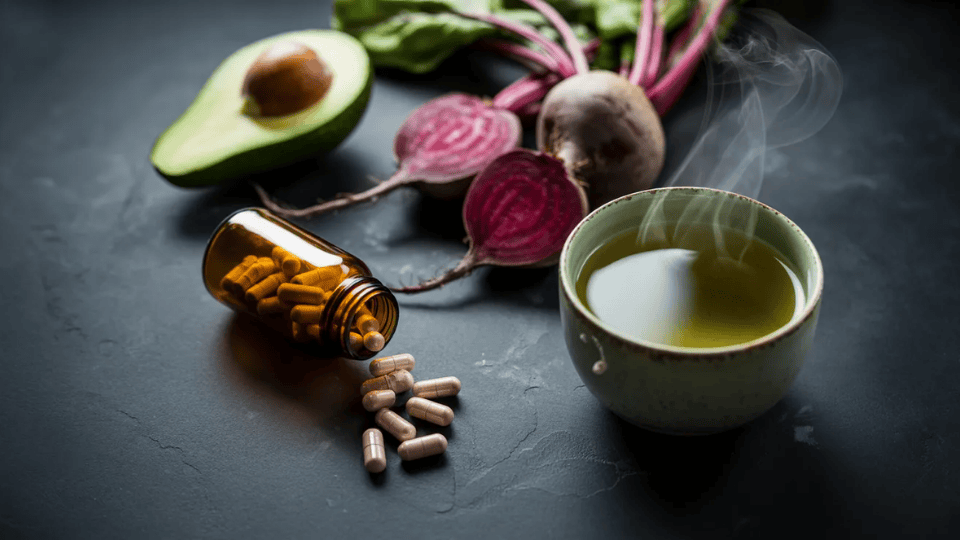
Your liver loves bitter, colorful, and antioxidant-dense foods. Beetroot, leafy greens, and turmeric reduce the burden rather than add to it. Even simple kidney and liver juices, like freshly pressed beet or citrus juice, can support both organs at once.
- Beetroot: Rich in betaine, which protects liver cells from fat accumulation and reduces inflammation.
- Leafy greens: Spinach and kale neutralize heavy metals and chemicals that the liver would otherwise have to process alone.
- Turmeric: Curcumin actively reduces liver inflammation. Even a small daily amount of food makes a difference.
- Citrus fruits: The vitamin C and antioxidants in oranges and lemons boost the liver’s natural detox enzymes.
- Green tea: Catechins in green tea have been shown to improve liver enzyme levels in people with fatty liver.
- Walnuts: High in glutathione and omega-3s, both of which the liver uses to clean the blood.
These aren’t superfoods in the marketing sense. They’re just foods your liver knows what to do with.
How Diet Plays a Bigger Role Than Most People Realize
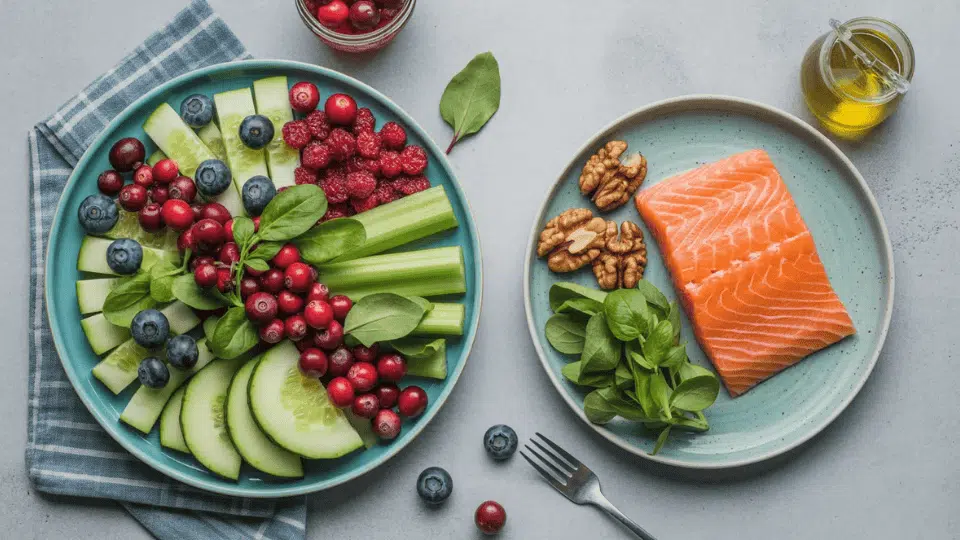
Food isn’t just fuel; it affects your kidneys and liver. Processed foods, sugar, and alcohol strain them, while antioxidants, hydration, and fiber lighten their load.
Small, steady diet tweaks can boost organ health. No need for detoxes or plans, just eat whole foods, stay hydrated, and cut junk for lasting health.
When You Have a UTI
UTIs need water first, above all else. Flushing bacteria out of the urinary tract is the most immediate thing you can do. Beyond hydration, a few foods actively help.
- Unsweetened cranberry juice: Contains compounds that stop bacteria from sticking to urinary tract walls. It’s one of the more researched UTI-flushing fruits out there.
- Blueberries and raspberries: Similar to cranberries, they carry anti-adhesion properties that work in your favor.
- Water-rich vegetables: Cucumber, celery, and leafy greens all support flushing without irritating the bladder.
- Avoid sugar and caffeine: Both concentrate urine and create a better environment for bacterial growth.
Changes in Diet for Fatty Liver
Fatty liver responds strongly to what you cut out, not just what you add in. Sugar, refined carbs, and alcohol are the three biggest drivers. Adding drinks that support fatty liver can complement recovery, but dietary shifts remain the foundation; they do not need to be extreme, just consistent.
| Add More | Why It Helps | Cut Back On |
|---|---|---|
| Leafy greens | Reduce oxidative stress in liver cells | White bread and rice |
| Oily fish like salmon | Omega-3s that support fatty liver repair and calm inflammation | Sugary drinks |
| Olive oil | Healthy fat that doesn’t burden the liver | Fried and fast food |
| Walnuts and seeds | High in glutathione, the liver’s own detox compound | Alcohol |
| Plain black coffee | Shown to lower liver enzyme levels in research | Packaged snacks |
Small, consistent swaps made daily add up to real change over time. Plain black coffee is one of the few beverages research supports for liver health; though if coffee and acid reflux are a concern for you, moderate amounts are generally well tolerated.
The Role of Probiotics and Gut Health
Your gut, liver, and kidneys are constantly communicating. This is sometimes called the gut-liver-kidney axis, and while it sounds complicated, the idea is simple.
An unhealthy gut produces more toxins. The liver then has to work harder to process them. That extra load spills over to the kidneys, too. Keeping your gut microbiome balanced reduces that chain reaction at the source.
- Plain yogurt with live cultures: One of the simplest probiotic sources for immunity , supports beneficial bacteria that reduce the toxic load reaching your liver.
- Kefir: A fermented drink that’s easier to digest than yogurt for some people, with a wider range of probiotic strains.
- Fermented vegetables: Kimchi and sauerkraut introduce diversity into your gut microbiome, which matters more than quantity alone.
A balanced gut is one of the most underrated ways to protect your liver and kidneys in the long term.
Foods and Habits That Quietly Damage Both Organs
Most damage to the kidneys and liver doesn’t happen suddenly. It builds up through daily habits that seem harmless individually. Here’s what to watch for most.
| Food / Habit | How It Damages | Better Alternative |
|---|---|---|
| Excess Salt | Forces the kidneys to work harder to maintain fluid balance | Herbs, spices, lemon juice |
| Alcohol | Directly toxic to liver cells and increases the kidney filtration burden | Sparkling water, mocktails |
| High Sugar Intake | Drives fatty liver development and raises blood pressure | Whole fruits, natural sweeteners |
| Processed Meats | High in sodium, phosphorus, and preservatives | Fresh lean meats, legumes |
| Overuse of Painkillers | NSAIDs reduce blood flow to the kidneys over time | Turmeric, physiotherapy, rest |
| Crash Dieting | Rapid fat breakdown floods the liver with fatty acids | Gradual calorie deficit, whole foods |
None of these is shocking on its own. But in combination, day after day, they add up to real organ stress.
Simple Habits and Tests That Actually Tell You Something
Sleep, movement, and stress management matter just as much as food. Both your kidneys and liver do significant repair work overnight.
A daily 20-minute walk, seven to eight hours of sleep, and keeping chronic stress in check reduce the pressure on both organs more than most people realize.
When it comes to testing, two panels cover most of what you need:
- KFT (Kidney Function Test): Measures creatinine, urea, and GFR to indicate how efficiently your kidneys are filtering.
- LFT (Liver Function Test): Covers ALT, AST, and bilirubin levels, flags inflammation, cell damage, or poor waste clearance in the liver.
- Urine routine test: Simple but often skipped, catches early signs of kidney stress, infection, or protein leakage.
- Ultrasound: Blood tests can miss structural changes. An abdominal ultrasound picks up fatty liver, kidney stones, or inflammation that numbers alone won’t show.
Both panels are routine, non-invasive, and worth asking for at your next check-up.
The Bottom Line
This kidney and liver health guide covers a lot, but the core message is simple. These two organs work harder than any other part of your body, and they rarely complain until something is genuinely wrong.
Eating whole foods, staying hydrated, moving regularly, and getting tested once in a while are not dramatic changes. They’re quiet, consistent habits that add up.
If any section of this resonated with you, whether it was the warning signs, the UTI section, or the fatty liver table, start there. One change at a time is enough. If you found this helpful, or have any suggestions for us, drop it in the comments.