




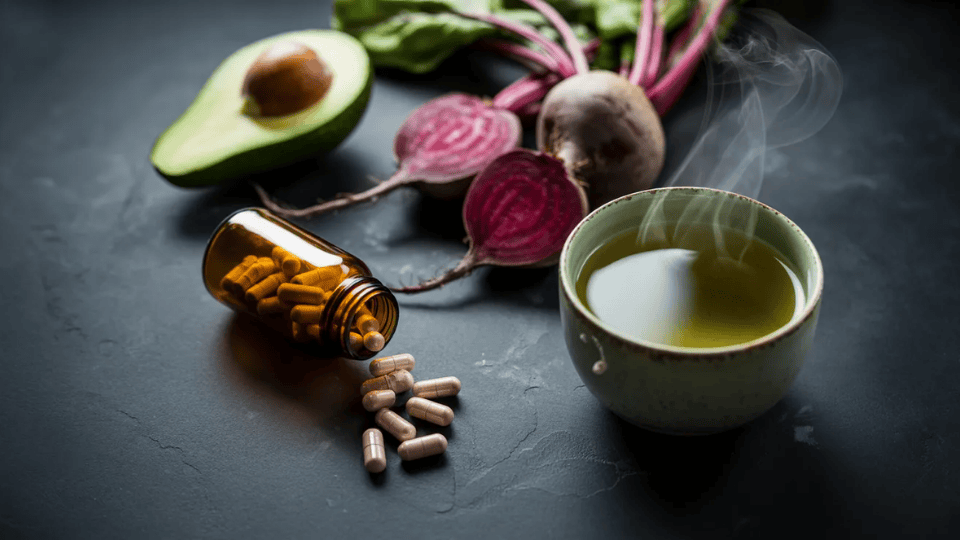








Your liver works quietly behind the scenes, doing more every day than most people ever stop to consider.
When it struggles, the signals show up fast: fatigue, bloating, brain fog, and skin that won’t clear.
After years of practicing herbal and wellness routines, I know a good liver detox does not need fasting.
No costly supplements or restrictive cleanses are required to see a real difference in how you feel.
Small, consistent habits make the biggest difference over time. Nutritious foods, hydration, supportive herbs, and quality sleep matter most.
Give your liver a little love, and it will give a lot back.
Liver Function and Working Capacity
Your liver handles over 500 functions every single day. It filters your blood, produces bile to break down fats, stores vitamins, and processes everything you eat or drink.
It runs two detox phases continuously. In phase one, it breaks harmful substances into smaller pieces. In phase two, it binds those pieces to molecules your body flushes out through urine or bile.
The liver doesn’t stop working when it’s under strain. It slows down. And when it slows down, you feel it in quiet, persistent ways, low energy, sluggish digestion, skin that won’t settle.
Alcohol, fried food, refined sugar, and poor sleep all pile onto that daily load. Your liver isn’t asking for a dramatic cleanse. It’s asking for a lighter load and better fuel. That’s really what a liver reset is about.
Detox vs. Cleanse: And What Either Can Actually Do
People use these two words like they mean the same thing. They don’t. Knowing the difference helps you make smarter choices and skip the products that don’t deliver.
| Factors | Detox | Cleanse |
|---|---|---|
| What it is | Your body’s built-in filtering process | A short-term dietary protocol |
| Who runs it | Your liver and kidneys, always | You, intentionally, for a set period |
| Can you switch it on | No, it runs continuously | Yes, through food and habit choices |
| What it does | Processes and removes harmful substances | Reduces liver’s workload temporarily |
| What helps it | Less burden, better nutrition, sleep | Same, minus processed food and alcohol |
A cleanse doesn’t speed up your liver’s detox process. It reduces the load so your liver can work more efficiently. Think of it as clearing the queue, not upgrading the machine.
Signs Your Liver Needs Support

Your liver rarely sends loud signals. Most of the time, it communicates through quiet, easy-to-miss signs that are simple to chalk up to stress or poor sleep. Here are the most common ones worth paying attention to:
- Persistent fatigue even after sleeping well
- Bloating or heaviness after fatty or rich meals
- Skin that breaks out frequently or looks consistently dull
- A coated or yellowish tongue in the morning
- Digestion that feels slow or uncomfortable most days
- A flat or foggy mood without a clear reason
- Strong cravings for sugar or heavy food, especially mid-afternoon
None of these alone means something is seriously wrong. But when several show up together and hang around, your liver is likely carrying more than it comfortably should.
People are often surprised that liver strain shows up in places they’d never connect to the liver, like their skin or their mood.
How to Do a Liver Reset
A liver reset works best when it’s simple and sustainable. The goal is to reduce your liver’s workload, give it better fuel, and let it catch up. Here’s how to approach it based on how much time you have.
1. The 3-Day Approach
Three days is enough to feel a real shift: better digestion, less bloating, and steadier energy throughout the day. The focus is on clean, whole food, no alcohol, good hydration, and proper sleep. Here is what this reset is built around:
- Day 1: Cut out alcohol, processed foods, and refined sugar to remove the heaviest burden on your liver and give it room to begin clearing the backlog.
- Day 2: Shift focus to whole, clean foods; vegetables, lean proteins, and whole grains; that nourish the body without adding unnecessary digestive load.
- Day 3: Prioritize hydration and rest to give the liver the conditions it needs to finish the process and work more efficiently going forward.
What makes a three-day reset work isn’t restriction, it’s removing the things your liver spends the most energy processing, even just temporarily.
2. Going Deeper with 7 Days
Seven days lets you work in phases, starting with hydration and elimination, building into cruciferous vegetables and anti-inflammatory foods, then finishing with herbal support.
The reason a week-long cleanse tends to produce more noticeable results is simply time; your body has longer to respond and adjust.
3. What to Cut Regardless of Duration
Give your liver a short break from the foods and drinks that demand the most work. Even a few days of lighter eating can support a gentle liver detox and help your body function more efficiently.
- Fried foods: heavy and difficult to break down
- Refined sugar: increases metabolic stress
- Packaged snacks: loaded with additives and oils
- Sugary drinks: add unnecessary strain to the liver
You do not need to cut these out permanently to notice a difference. Even a short break gives your liver the breathing room it needs to catch up and work more effectively.
4. Sleep and Movement
Most people focus entirely on food and forget these two completely. Your liver does significant repair work during deep sleep; short nights consistently raise liver enzyme levels over time.
Movement helps too. A 30-minute daily walk has been shown to reduce liver fat and improve metabolic health. These aren’t optional additions to a reset. They’re half of what makes it work.
What to Eat, Drink, and Take for Your Liver
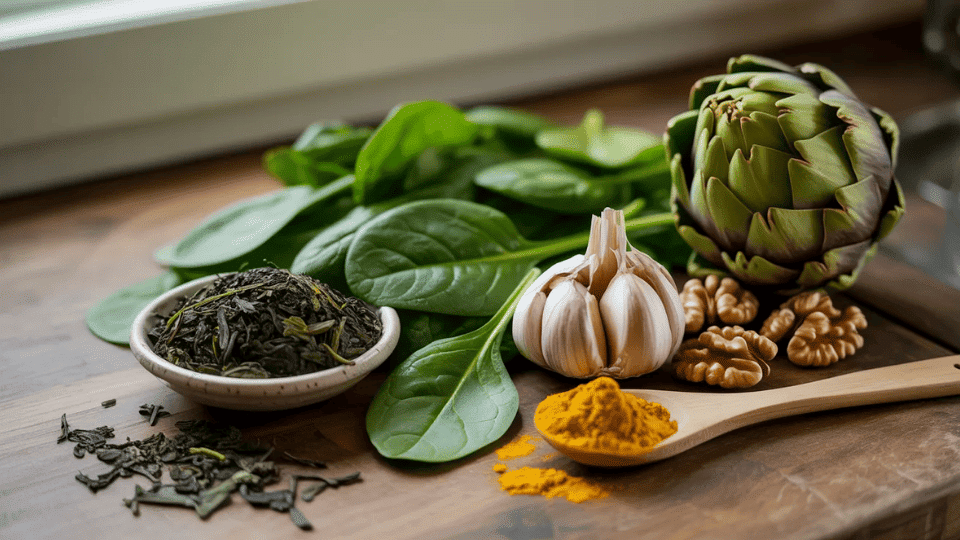
What you put into your body daily either adds to your liver’s load or helps it run better. The right drinks, foods, and herbs give your liver the specific compounds it needs to keep both detox phases moving properly.
1. Drinks Worth Making
Certain drinks can gently support your liver without extreme cleanses or restrictive routines. Adding a few simple liver detox drink options to your daily routine may help support digestion, hydration, and natural liver detoxification over time.
- Warm lemon water: Stimulates bile production and gently supports morning digestion and hydration.
- Beet and carrot juice: Provides antioxidants and nutrients supporting natural liver detoxification processes daily.
- Green tea: Rich in catechins linked to lower liver inflammation and fat.
- Green juice: An easy, nutrient-rich habit supporting hydration, digestion, and overall liver health naturally.
None of these requires a blender full of ingredients or a complicated morning routine. Picking even one or two and staying consistent with them is enough to make a noticeable difference over time.
2. Foods that Reduce Liver Load
The right foods give your liver the raw materials that both detox phases depend on. These are worth rotating through your meals consistently, not just during a reset.
- Leafy greens: Spinach, rocket, and watercress are high in chlorophyll and help neutralize toxins in the blood
- Cruciferous vegetables: Broccoli, cauliflower, Brussels sprouts, directly activate phase two detox enzymes
- Garlic: Contains allicin and selenium, both of which support liver enzyme function
- Walnuts: Rich in arginine and glutathione, key compounds your liver uses in its detox pathways
- Avocado: Provides glutathione precursors that support liver cell repair and regeneration
- Olive oil: Reduces liver fat and oxidative stress, especially useful in early-stage fatty liver
- Beetroot: Betalain pigments support phase two detox and reduce fat accumulation in liver cells
3. Herbs That Promise to Help
Hundreds of plants are marketed for liver health. Most have very little research to back them up. These three have sufficient evidence and traditional use to warrant serious consideration. People often think saffron tops the list for liver health, but the reality is a lot more complicated than that.
- Milk thistle: silymarin, its active compound, is the most studied liver herb in existence. It protects liver cells from damage and supports tissue regeneration
- Artichoke leaf: clinical studies show it improves liver enzyme levels and supports bile flow, particularly useful for fatty liver and sluggish digestion
- Turmeric: curcumin reduces chronic, low-grade inflammation, one of the main drivers of ongoing liver stress. Always pair it with black pepper to improve absorption
Lifestyle Habits That Actually Move the Needle
Food and herbs get most of the attention. But these three habits affect your liver more directly than any dietary change.
- Alcohol puts your liver into override mode. When it’s in your system, everything else gets paused. One drink occasionally is a very different load from two or three most evenings. During a reset, it needs to go completely.
- Sleep is when your liver does its most important repair work. Consistently under seven hours raises liver enzyme levels and increases fat accumulation in liver tissue. In my experience, this is the one thing quietly undermining everything else people are doing right.
- Movement doesn’t need to be intense. Thirty minutes of walking most days reduces liver fat, improves insulin sensitivity, and lowers the inflammatory markers that place ongoing strain on your liver. Your metabolic health and your liver health are directly connected.
Small daily habits shape liver health more than quick cleanses, helping your body repair, recover, and function efficiently over time.
How Long Before You Feel a Difference
The honest answer is it depends entirely on where you’re starting from. A generally healthy person doing a three-day reset will usually notice something within the first week.
Someone with years of accumulated strain will take longer, but the liver’s regenerative capacity is genuinely remarkable when given the right conditions. Here’s a realistic general timeline:
| Timeframe | What you might notice |
|---|---|
| Days 1–3 | Mild headache or fatigue as your body adjusts is completely normal |
| Days 3–5 | Digestion starts to ease. Less bloating after meals. Appetite settles. |
| Days 5–7 | Energy begins to lift. Skin may look clearer. Sleep often improves first. |
| Weeks 2–4 | More consistent energy. Fewer sugar cravings. Digestion feels more regular. |
| Months 2–3+ | Meaningful shifts in liver enzyme levels, if they were raised |
A reset is a good starting point. It shows you what’s possible when your liver isn’t fighting a heavy daily load. But this timeline only holds if the habits continue after the reset ends.
Who Should Not Do a Liver Cleanse
A food-based liver reset is safe for most healthy people. But it isn’t right for everyone, and this matters more than the protocol itself. Do not attempt a liver cleanse without speaking to your doctor first if you:
- Have a diagnosed liver condition, fatty liver, hepatitis, cirrhosis, or NAFLD
- Having kidney disease, many cleanse protocols involve high-oxalate ingredients that can stress the kidneys
- Having diabetes, significant dietary changes affect blood sugar in ways that need monitoring
- Are you pregnant or breastfeeding
- Take regular prescription medications; certain herbs interact with blood thinners, antidepressants, and statins
- Have a history of disordered eating
If you have fatty liver specifically, the approach needs to be carefully tailored; fatty liver repair juices are something you should try to include in your diet.
One more important distinction: dizziness, severe fatigue, nausea that doesn’t pass, or pain under your right ribs are not detox reactions. They are signals to stop and see a doctor.
Frequently Asked Questions
Can a liver detox help with hormonal imbalances?
Yes. The liver plays a direct role in metabolizing and clearing excess hormones from the body. When it is overburdened, hormones like estrogen can build up, contributing to mood shifts, irregular cycles, and persistent skin issues.
Is it safe to do a liver reset more than once a year?
A food-based liver reset done two to four times a year is generally considered safe for healthy individuals. Spacing them out gives your body time to stabilize and allows you to assess results before repeating the process again.
Does liver health affect weight loss or make it harder?
Directly, yes. A sluggish liver struggles to metabolize fat efficiently, which can slow weight loss progress even when diet and exercise are consistent. Supporting liver function often makes the body more responsive to other healthy lifestyle changes you are already making.
Does liver health have any connection to mental clarity or focus?
There is a growing body of research linking liver health to brain function through the gut-liver-brain axis. When the liver processes toxins less efficiently, inflammatory compounds can circulate longer, contributing to cognitive sluggishness and difficulty concentrating throughout the day.
The Bottom Line
Your liver is remarkably resilient when given the right conditions to recover and function properly. A successful liver detox is not about harsh cleanses, restrictive fasting, or expensive supplements.
It starts with reducing the daily overload from alcohol, processed foods, chronic stress, and poor sleep while supporting your body with hydration, movement, and nutrient-dense meals.
I believe the goal is not perfection but consistency. Small habits repeated daily create lasting changes in energy, digestion, and overall wellness.
A short reset can show you how much better your body feels, but the real change comes from the routines you continue long after the liver detox ends.