















You pull on your thickest socks, curl up under a blanket, and your feet are still freezing. Sound familiar?
In my work with mental health and daily wellness habits, I’ve seen how often people brush off small body signals like this. Many of these signals are tied to your overall health, including hydration and diet, which you can better understand through kidney health drinks.
If you keep asking, “why are my feet always cold,” your body may be giving you a clue. Sometimes the reason is simple, like cold weather, tight shoes, stress, or sitting too long.
Other times, cold feet can point to circulation problems, low iron, thyroid issues, nerve concerns, or Raynaud’s disease.
Here, you’ll learn the most common reasons behind cold feet, what symptoms to watch for, and when your feet may need medical attention. You’ll also get simple ways to warm your feet and support better blood flow.
Why Are Your Feet Always Cold? Is it Normal?
Cold feet once in a while are usually nothing to worry about. Your feet naturally lose heat faster because they are farthest from your heart. If your feet feel cold during winter, after sitting too long, or in an air-conditioned room, that is often a normal response.
If your feet warm up quickly after moving around, wearing socks, or getting under a blanket, your circulation is likely working as it should.
But if your feet stay cold even in warm environments, or if the coldness is accompanied by numbness, tingling, pain, or skin color changes, your body may be signaling something deeper.
Persistent cold feet can sometimes point to conditions that affect blood flow, nerve function, hormone levels, or oxygen delivery throughout the body.
Poor circulation, anemia, hypothyroidism, Raynaud’s disease, and peripheral artery disease are some of the more common examples.
Common Medical Causes of Cold Feet

Cold feet usually have a reason. In my clinical experience, these are the causes I come across most often. Many of these conditions also connect with your daily habits, and improving your physical health routine can support better circulation and overall body function.
1. Poor Circulation
When blood does not flow freely through your body, your feet are the first to suffer for it. Think of it like water pressure in a pipe: if something is slowing the flow, the rooms farthest from the source get the least water.
Your feet, being the farthest point from your heart, tend to feel that deficit as persistent coldness.
2. Raynaud’s Disease
This one surprises a lot of my patients. Raynaud’s causes the small blood vessels in your extremities to overreact to cold temperatures or even emotional stress, temporarily cutting off blood flow to your fingers and feet.
When that happens, the skin can turn white, then blue, and then red as blood flow returns. It is not dangerous for most people, but it is uncomfortable and worth knowing about.
3. Hypothyroidism
Your thyroid controls how fast your body runs. When it is underactive, everything slows down, including your metabolism and circulation. People with hypothyroidism often feel cold in general, not just in their feet.
If you are always reaching for an extra blanket while everyone else is comfortable, it may be worth getting your thyroid levels checked.
4. Anemia
When your iron levels are low, your blood cannot carry oxygen as efficiently as it should. Less oxygen reaching your extremities means less warmth. Many of my patients who deal with anemia describe their feet and hands as chronically cold, even when the rest of their body feels fine.
5. Peripheral Artery Disease (PAD)
PAD occurs when the arteries that carry blood to your legs and feet become narrowed, usually due to plaque buildup over time.
It is more common than people realize, particularly in those over 50 or with a history of smoking or diabetes. Chronic cold feet and leg cramping during activity are among the earliest signs of arterial blood flow issues.
Environmental Factors That Contribute to Cold Feet
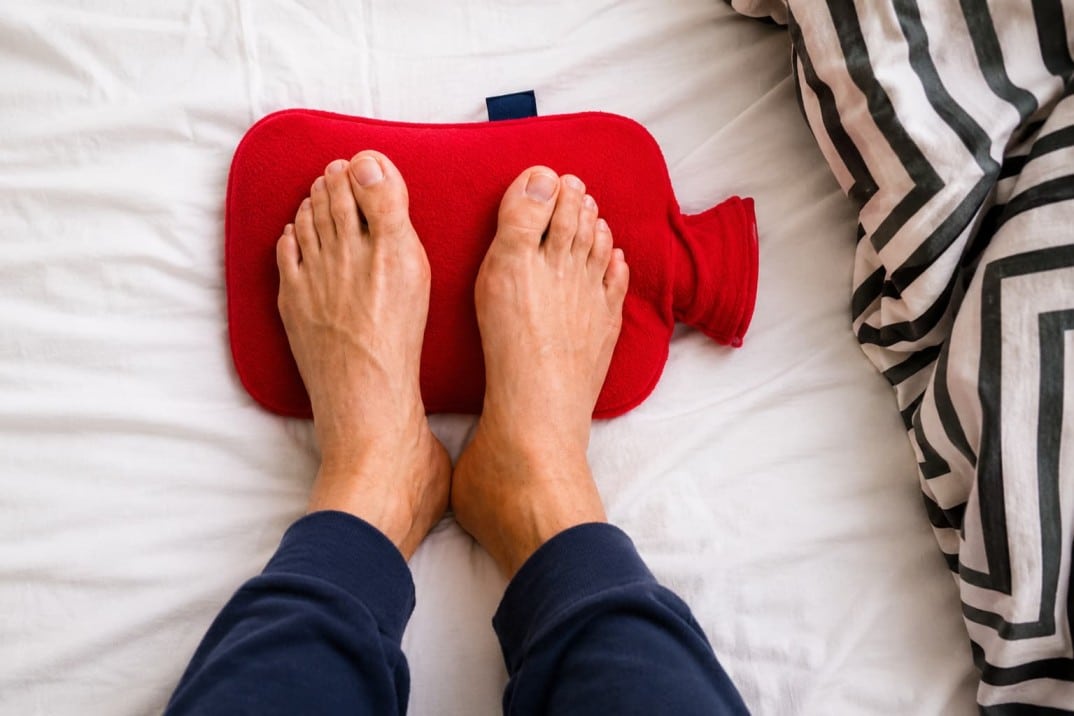
Not every case of cold feet points to a medical condition. Sometimes the culprit is much closer to home, your environment, your habits, or even the shoes you wear every day.
1. Cold Climates
This one is straightforward. If you live somewhere with long winters or consistently low temperatures, your body is constantly working harder to conserve heat.
It does that by pulling blood toward your core and away from your extremities. Your feet bear the brunt of that trade-off. For people already prone to poor circulation, cold weather makes it worse.
2. Lifestyle Factors
Three things I bring up regularly with patients: smoking, sitting too much, and wearing shoes that are too tight.
Smoking constricts blood vessels over time, making it harder for blood to reach your feet. A sedentary lifestyle means your circulation does not get the stimulation it needs, since movement is one of the most natural ways to keep blood flowing.
And tight footwear? It physically compresses the vessels in your feet, restricting flow even when everything else is working fine. Sometimes the fix is as simple as changing your shoes.
3. Foot Structure
This one tends to catch people off guard. If you have flat feet or very high arches, the way your weight is distributed across your foot can put pressure on certain areas and interfere with normal blood flow.
It is not that the circulation itself is damaged; it is that the structure of the foot creates tension in all the wrong places. Over time, this can contribute to persistent coldness, especially after prolonged standing or walking.
Symptoms That Accompany Cold Feet
Cold feet by themselves are not always concerning. But when other symptoms appear with them, they can give you helpful clues about what may be causing the problem.
In my work with wellness routines, I’ve noticed that people often ignore cold feet until another symptom appears. That second symptom can matter, because it may point toward circulation, nerve, thyroid, or blood sugar concerns.
| Symptom | Possible Cause |
|---|---|
| Cold feet + numbness or tingling | Neuropathy, peripheral artery disease (PAD), nerve damage |
| Cold feet + skin color changes | Raynaud’s disease or circulation problems |
| Cold feet + fatigue + weight gain | Hypothyroidism |
| Cold feet + swelling in the legs or ankles | Heart disease, kidney problems, poor circulation |
| Cold feet + leg pain while walking | Peripheral artery disease (PAD) |
| Cold feet + slow-healing wounds or ulcers | Advanced PAD or diabetes |
| Cold feet + pale or bluish skin | Reduced blood flow or oxygen levels |
| Cold feet + burning sensation | Nerve-related conditions like diabetic neuropathy |
| Cold feet + dizziness or weakness | Anemia or low blood pressure |
| Cold feet mainly during stress or cold weather | Raynaud’s phenomenon |
If these symptoms keep happening or worsen over time, speak with a healthcare provider. Small warning signs can sometimes point to circulation or nerve problems that are easier to manage early.
When to See a Doctor for Cold Feet
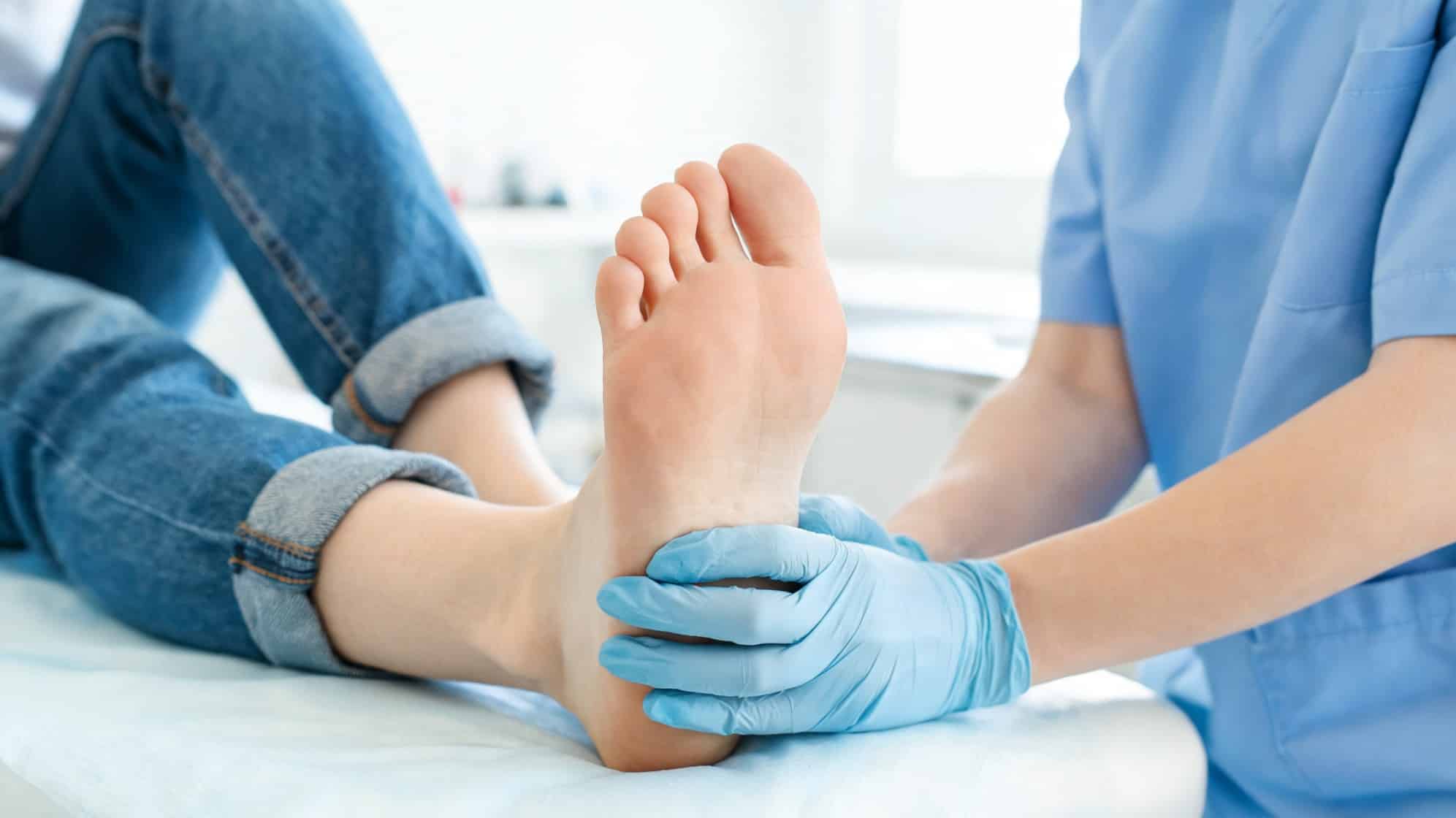
Cold feet on their own are not usually cause for alarm. But if they keep happening no matter what you do, it is worth paying attention to what else is going on with them.
If your cold feet come with any of the following, book an appointment:
- Numbness, tingling, or a burning feeling that does not go away
- Skin that turns blue, white, or red with temperature or stress changes
- Sores or wounds on your feet that are slow to heal
- Pain in your legs or feet during walking that eases with rest
- Persistent coldness that does not improve with warmer clothing or lifestyle changes
Tests Doctor May Recommend
Your doctor may suggest a few basic tests to find the cause of your ongoing cold feet.
- ABI test (Ankle-Brachial Index): checks blood pressure differences between your arms and ankles to screen for PAD.
- Blood panel: checks iron levels, red blood cell count, and thyroid function to rule out anemia or hypothyroidism.
- Doppler ultrasound: checks blood flow through the arteries and veins in your legs.
If you have made real lifestyle changes and your feet are still cold, your body may need a closer check. Cold feet are often manageable, but only once you know the cause.
Medical Treatments
If an underlying condition is causing your cold feet, treating that condition is usually the first step.
- Hypothyroidism may improve with thyroid hormone medication that helps regulate metabolism and body temperature.
- Anemia is often treated with iron supplements and iron-rich foods to improve oxygen delivery through the blood.
- Diabetes management focuses on keeping blood sugar levels stable to reduce nerve and circulation damage.
- People with Raynaud’s disease may be prescribed calcium channel blockers, which help relax and widen blood vessels.
- Peripheral artery disease (PAD) sometimes requires vascular treatments such as medications, angioplasty, or surgery to improve blood flow to the legs and feet.
A healthcare provider can decide which treatment best fits your symptoms and medical history.
At-Home Remedies
Small daily habits can help keep your feet warmer and support healthier circulation over time. These remedies work best when used consistently, especially if cold feet are linked to inactivity, stress, cold weather, or tight footwear.
- Wear thermal or wool socks to hold in body heat.
- Exercise regularly to keep blood moving through your legs and feet.
- Quit smoking to help blood vessels stay open and support circulation.
- Stay hydrated so blood can move more efficiently through the body.
- Try warm foot soaks to relax muscles and warm cold feet.
- Practice mindfulness or yoga to lower stress that may tighten blood vessels.
- Avoid sitting for long periods and take short breaks to move around during the day.
- Eat iron-rich foods like leafy greens, beans, and nuts to support healthy blood flow.
- Add foods like ginger to meals, since they may help support circulation naturally.
Even short movement breaks during the day can help. I often tell people that circulation responds well to consistency. Small habits repeated daily usually work better than quick fixes.
Frequently Asked Questions
What are four signs of poor circulation?
Four common signs are cold feet, numbness or tingling, leg pain while walking, and slow-healing sores. Skin may also look pale, blue, or unusually shiny.
Does a cold foot mean diabetes?
Cold feet do not always mean diabetes. But diabetes can damage nerves and blood vessels, which may cause coldness, numbness, burning, or slow-healing wounds in the feet.
Are cold feet related to heart problems?
Cold feet can sometimes be related to heart or blood vessel problems. If your heart or arteries cannot move blood well, your feet may often feel cold.
What vitamins help with cold feet?
Iron, vitamin B12, folate, and vitamin D may help if deficiencies are causing poor blood flow, anemia, or nerve issues. Ask your doctor before taking supplements.
Can high cholesterol cause cold feet?
Yes, high cholesterol can raise the risk of plaque buildup in arteries. This can reduce blood flow to your legs and feet, causing coldness or cramping.
Final Words
Cold feet are common, but they should not be ignored when they happen all the time. In my work around mental and physical wellness, I’ve noticed people often dismiss ongoing symptoms until they begin affecting daily comfort or sleep.
If you have been thinking about “why are my feet always cold,” take a closer look at the symptoms and causes covered here. Simple habits, circulation issues, thyroid problems, anemia, or nerve conditions can all play a part.
Pay attention to patterns such as numbness, pain, swelling, or changes in skin color. Those signs matter more than most people realize.
Speak with your doctor if your cold feet are persistent, painful, or accompanied by other symptoms.