



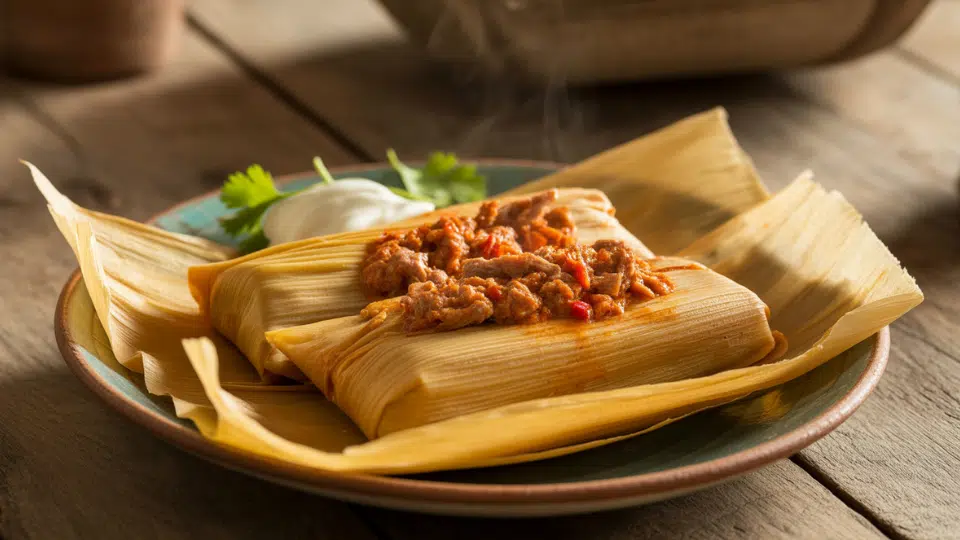









Ever wonder if tamales are actually healthy or just another high-calorie comfort food? I’ve had the same question, especially when trying to balance taste with better eating habits.
The truth is, tamales’ nutrition facts can feel confusing because calories, fat, and ingredients vary so much, much like rice paper nutrition facts, where the numbers often surprise people. You want clear answers, not guesswork. That’s exactly what you’ll get here.
I’ll break down calories, nutrients, health benefits, and what really matters when you eat them. By the end, you’ll know how tamales fit into your diet, how to make smarter choices, and how to enjoy them without overthinking every bite.
Tamales Nutrition Facts (Full Breakdown Per Tamale)
The numbers below are based on a medium tamale of about 150 grams with a mixed filling.
| Nutrient | Per Tamale (~150 g) | % Daily Value |
|---|---|---|
| Carbohydrates | 20–25g | 7–9% |
| Protein | 8–12g | 16–24% |
| Total Fat | 10–15g | 13–19% |
| Saturated Fat | 3–6g | 15–30% |
| Dietary Fiber | 2–5g | 7–18% |
| Sodium | 300–500mg | 13–22% |
| Iron | ~1.1mg | ~6–15% |
| Calcium | ~35–70mg | 3–7% |
| Vitamin B3 (Niacin) | ~1.5–2mg | ~10–13% |
A key detail here is calcium. Homemade tamales made with freshly nixtamalized masa can contain more bioavailable calcium than versions made with commercial masa harina.
The traditional lime-soaking process pulls calcium into the corn itself, which changes the nutrition profile in a meaningful way.
Glycemic Index Note: Traditional tamales have a lower glycemic index than most bread and white rice.
Research confirms that nixtamalization and the formation of resistant starch during cooking measurably reduce the glycemic response compared to other corn-based foods. This matters for anyone monitoring blood sugar.
What are Tamales Made Of?

Tamales are made from a few simple components, and each one plays a role in nutrition, texture, and flavor.
- Masa (Corn Dough): Masa forms the base and is made from nixtamalized corn. This process boosts calcium, improves niacin absorption, and creates resistant starch that supports digestion and blood sugar control.
-
Fillings (Meat, Cheese, Beans, Vegetables): Fillings determine protein, fat, and fiber. Lean meats add protein, cheese increases fat and calcium from dairy sources, while beans and vegetables improve fiber and overall nutrient balance.
- Lard or Oil: Fat is mixed into the masa for texture. Lard contains saturated fat, as well as some monounsaturated fat. Oils or shortening change fat type, but not always calories.
- Corn Husk or Banana Leaf: The wrapper helps steam the tamale, keeping the cooking low in added fat.
- Chiles, Spices, and Aromatics: Many fillings include tomato-based salsas, dried chiles, garlic, and cumin. These add antioxidants, vitamin C, and flavor without significantly increasing calories.
How Many Calories Are in a Tamale?
A single tamale usually contains 200 to 350 calories , but the exact number depends on the filling, size, and how much fat is used in the masa.
| Type | Calories | Protein | Carbs | Fat | Notes |
|---|---|---|---|---|---|
| Chicken tamale | 220–250 | 12–15g | 18–22g | 8–11g | Lowest fat option and strongest protein-to-calorie ratio |
| Pork tamale | 240–280 | 10–14g | 20–25g | 12–17g | Higher saturated fat and usually more sodium |
| Cheese tamale | 270–320 | 8–12g | 20–24g | 14–20g | Highest saturated fat, but more calcium from dairy |
| Sweet tamale | 200–280 | 3–6g | 28–38g | 6–12g | More sugar, better treated like a dessert than a meal |
| Corn (no filling) | 150–200 | 3–6g | 21–28g | 4–8g | Lowest protein, best paired with beans |
| Bean and cheese tamale | 230–270 | 9–13g | 22–28g | 10–15g | Good fiber source; moderate fat from cheese |
| Vegan tamale (bean/veggie) | 180–220 | 6–10g | 22–28g | 5–9g | Lowest saturated fat; best for cholesterol management |
Size matters more than most people think. A small street-style tamale may land around 150 to 180 calories, while a large restaurant tamale can easily reach 350 calories or more before toppings.
Store-bought tamales often list about 250 calories per tamale, but they also tend to be higher in sodium and more processed than homemade versions.
Note: One of the most common things I hear from clients is the assumption that tamales are heavier than burritos. In reality, a tamale comes with a built-in portion limit because of the husk.
Burritos usually don’t. A standard burrito can run 500 to 700 calories before you add sides. That context changes how you think about tamales entirely.
Are Tamales Healthy or Unhealthy?
The honest answer is that it depends on how they are made and how many you eat.
On the positive side, tamales are built from nixtamalized corn, which is a genuinely nutritious base. They can provide fiber, B vitamins, iron, calcium, and protein, depending on the filling. They are also naturally gluten-free. Since they are steamed, the cooking method itself does not add extra fat.
On the other side, traditional tamales can be calorie-dense, moderately high in sodium, and high in saturated fat if made with a lot of lard. Portion size is where things often get off track, especially at family gatherings, where two or three tamales can turn into much more.
A single well-made tamale with a lean filling can fit easily into a balanced diet. Three tamales with rice, beans, and heavy sides are a very different meal.
I always remind my clients, the question isn’t “is this food healthy?” It’s “how does this food fit into the rest of my day?” For most people, eating tamales as part of a varied, whole-foods diet presents no issue. The trouble usually starts with the plate around the tamale, not the tamale itself.
Health Benefits of Tamales
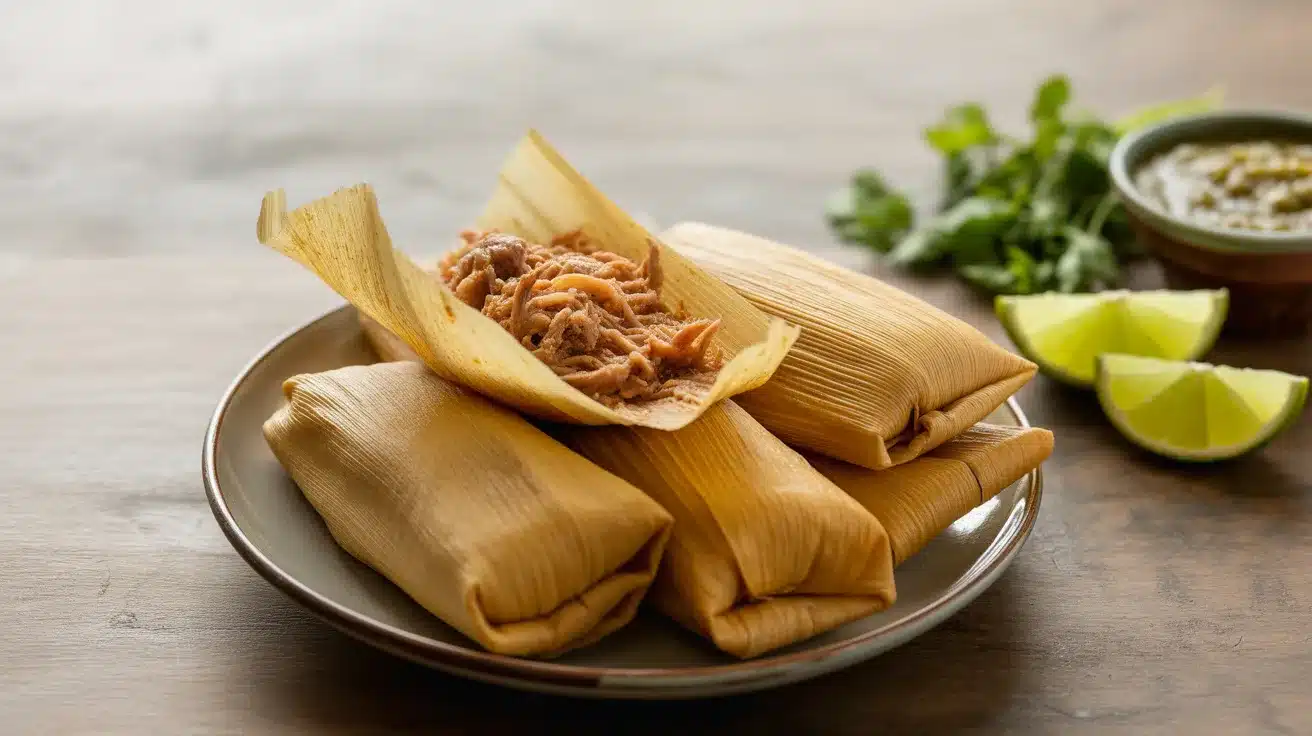
Tamales offer more than just flavor. Their ingredients and traditional preparation provide steady energy, key nutrients, and benefits that support digestion, overall health, and cultural connection.
1. Sustained Energy from Complex Carbohydrates
The masa used in tamales is rich in complex carbohydrates, which break down more slowly than simple sugars. This slower digestion helps provide steady energy instead of quick spikes and crashes.
It makes tamales a practical option for meals that need to keep you full and active for longer periods. I’ve seen that when you eat foods with slower-digesting carbs, you feel more stable throughout the day, especially compared to highly refined options that digest too quickly.
In my practice, I’ve seen that clients who swap refined carbs like white bread or instant noodles for whole-grain or nixtamalized options like tamales tend to feel more stable energy throughout the afternoon. It’s a small shift that makes a real difference.
2. Resistant Starch for Gut and Blood Sugar Health
Tamales contain resistant starch created during nixtamalization and cooking. This type of starch is not fully digested and instead feeds healthy gut bacteria. A 2017 study published in the Journal of Food Science found that resistant starch in tamales increased 1.6 to 3.7 times compared to raw maize, depending on the nixtamalization process used. The researchers found that ecological and classic nixtamalization methods produced tamales with the highest resistant starch content and the lowest glycemic index
Compared to regular starch, resistant starch acts more like fiber in the body. That makes tamales more beneficial than many other corn-based foods, especially when prepared using traditional methods that preserve this nutritional advantage.
3. Protein from Fillings
The filling inside a tamale plays a big role in its nutritional value. Meat-based fillings like chicken or pork can provide around 10 to 15 grams of protein per serving. Protein helps keep you full longer and supports muscle repair and daily body functions.
In my practice, I’ve found that tamales with a meat or bean filling are often more satisfying than people expect, largely because of this protein contribution. Clients who were previously snacking excessively after lunch found that a protein-rich tamale helped reduce that pattern.
Choosing lean protein options can make tamales more balanced and suitable for regular meals rather than just occasional treats.
4. Naturally Gluten-Free
Tamales are naturally gluten-free because they are made from corn instead of wheat. This makes them a safe and satisfying option for people with celiac disease or gluten sensitivity.
Unlike many gluten-free alternatives, tamales do not require substitutions or special processing to fit dietary needs. They are a traditional food that already meets these requirements. This makes them a reliable choice when you want something filling and familiar without worrying about hidden gluten ingredients.
One caveat worth flagging: store-bought tamales can occasionally be processed in facilities that also handle wheat. Always check the label if celiac disease is the concern.
5. Micronutrients: Iron, Niacin, and Calcium
Tamales provide important nutrients like iron, niacin, and calcium. Iron supports oxygen transport in the body, while niacin helps with energy production and cell function. The nixtamalization process makes niacin more available for absorption.
It also increases calcium levels in the masa. This process played a key role historically in preventing nutrient deficiencies. A single tamale can contribute a meaningful portion of daily nutrient needs, especially when made using traditional methods.
6. Antioxidants from Chiles and Spices
Traditional tamale fillings rely heavily on dried chiles, tomatoes, garlic, and cumin. These aren’t just flavor agents. Dried chiles like ancho and guajillo contain capsaicin compounds and carotenoids.
Tomato-based salsas contribute lycopene. Garlic provides allicin, which has been studied for cardiovascular and antimicrobial properties.
These micronutrient contributions are often overlooked in standard tamale nutrition tables, but they add up meaningfully in a well-made tamale.
7. Cultural and Psychological Value
Tamales are more than just a food item; they carry strong cultural meaning. They are often linked to family traditions, celebrations, and shared experiences. Research shows that foods connected to culture and memory can support emotional well-being.
I’ve noticed that meals tied to personal or cultural history often feel more satisfying than processed alternatives. Tamales offer both nutritional value and a sense of connection, which adds another layer of benefit beyond what standard nutrition labels can show.
Potential Downsides of Tamales
Tamales can fit into a balanced diet, but a few factors can impact their overall nutrition, especially when eaten often or in larger portions.
- High Calorie Density: Each tamale contains around 200 to 350 calories, which can add up quickly. Eating two or three at once may push your meal close to 900 calories before adding sides, making portion control important.
- Saturated Fat from Lard: Traditional recipes use lard, which increases saturated fat intake. A single tamale can provide a significant portion of your daily limit, especially if consumed frequently or in large servings.
- Sodium Content: Tamales often contain 300 to 500 mg of sodium each, and packaged versions may have even more. This can be a concern for people watching their blood pressure or overall sodium intake.
- Easy to Overeat: Tamales are usually served with sides like rice, beans, and sauces. This can increase total calories quickly without you realizing how much you’re consuming in one meal.
- The Nixtamalization Gap in Commercial Products: Store-bought tamales may lack the same resistant starch and nutrient benefits as traditional versions. Processing methods and added ingredients can reduce their overall nutritional value.
- Additives in Packaged Versions: Many commercial tamales contain preservatives like sodium benzoate and artificial flavor stabilizers that are not present in homemade versions. If you’re buying packaged tamales regularly, the ingredient label matters more than the nutrition panel.
Being aware of these points helps you enjoy tamales while keeping your meals balanced and aligned with your health goals.
Tamales vs Other Popular Foods
This comparison helps you clearly see how tamales compare with other popular meals in terms of calories, carbs, protein, and how filling they feel overall.
| Food | Calories | Fat | Carbs | Protein | Fullness Level |
|---|---|---|---|---|---|
| 1 Tamale (pork, medium) | ~250 | 12–15g | 20–25g | 10–14g | Moderate–High |
| 1 Burrito (standard) | ~500–700 | 18–28g | 60–80g | 20–30g | High |
| 2 Tacos (beef, corn tortilla) | ~300–360 | 14–18g | 28–36g | 14–18g | Moderate |
| 1 Deli Sandwich (turkey) | ~350–400 | 10–14g | 40–50g | 20–25g | Moderate–High |
A single tamale usually contains fewer calories and fewer carbs than a standard burrito, even though many people assume the opposite because tamales are more compact.
How to Make Tamales Healthier
Small adjustments in ingredients and cooking methods can make tamales more balanced while keeping their traditional taste and texture intact.
- Use lean meats. Chicken breast or turkey lowers saturated fat while keeping protein strong.
- Reduce or swap the lard. Replacing part of it with avocado oil or olive oil lowers saturated fat while keeping the masa workable.
- Add beans or vegetables. Black beans, pinto beans, peppers, onions, and spinach can improve fiber and micronutrients.
- Control portion size. One or two tamales with vegetables is very different from eating several with heavy sides.
- Steam, don’t fry. Pan-frying leftovers adds unnecessary fat.
- Use low-sodium broth. This is one of the easiest ways to cut sodium in homemade tamales.
- Use fresh nixtamal masa when possible. It offers more resistant starch and more bioavailable calcium than instant masa harina.
- Pair with fiber-rich sides. A small salad or roasted vegetables alongside one tamale creates a more complete nutritional profile and slows carbohydrate absorption further. This is a simple upgrade I recommend to clients who want the same meal with better blood sugar outcomes.
These simple changes help you enjoy tamales while keeping your meals more balanced, lighter, and better suited for everyday eating.
Who Should Eat Tamales (And Who Should Limit Them)
Tamales can fit different diets depending on ingredients, portion size, and health goals, so it helps to know where they work best.
- Active People and Athletes: The mix of carbohydrates and protein supports energy needs and recovery, making tamales a practical option around workouts or active days.
- People Eating Gluten-Free: Traditional tamales are naturally gluten-free, so they work well as a filling and familiar option without needing special substitutes.
- People Focused on Gut Health: Traditionally prepared tamales may contain resistant starch, which supports digestion and helps maintain a healthier gut environment.
- People on Low-Carb or Keto Diets: With 20 to 25 grams of carbs per tamale, they do not fit strict low-carb or ketogenic eating patterns.
- People Managing Cholesterol: Frequent intake of lard-based tamales can increase saturated fat, so choosing lean fillings or reduced-fat versions is a better approach.
- People with Hypertension: Store-bought tamales often contain higher sodium levels, which may need to be limited for better blood pressure control.
- People with Type 2 Diabetes: Tamales can still fit into meals, but pairing them with protein-rich fillings and vegetables helps manage blood sugar more effectively.
- Pregnant Women: Tamales can be a good source of iron and calcium during pregnancy, especially when made with traditional nixtamalized masa and lean protein. Avoid unpasteurized cheese fillings and watch sodium from packaged versions.
Understanding these differences helps you decide how tamales fit into your routine without overcomplicating your food choices.
How Many Tamales Can You Eat in a Day?
For most adults, one to two medium tamales per meal is a reasonable portion.
That usually adds up to about 400 to 600 calories, which fits a main meal more than a snack. Pairing tamales with salad or roasted vegetables keeps the meal better balanced than adding heavier sides.
People often ask if eating tamales every day is healthy. For most people, one lean tamale a day can fit into a balanced diet. The bigger issue is usually what comes with it, not the tamale itself.
When my friends ask me this, my answer is almost always the same: it depends on the rest of the plate. A chicken tamale paired with black beans and a vegetable side is a balanced, complete meal.
The same tamale served with rice, refried beans, sour cream, and cheese sauce is something else entirely. The tamale is not the problem in that second scenario.
Tips for Buying or Cooking Better Tamales
Small choices in ingredients and preparation can improve both the nutrition and overall quality of tamales without changing their traditional taste.
- Check Sodium (Store-Bought): Look at the label and try to stay under 500 mg per tamale, as higher amounts can quickly increase daily sodium intake.
- Check the Fat Source: Tamales made with vegetable oil often contain less saturated fat than traditional lard-based versions, making them a slightly lighter option.
- Avoid Long Ingredient Lists: Too many preservatives or additives can reduce overall quality and nutritional value compared to simpler, traditional recipes.
- Choose Smaller Tamales: Smaller sizes help with portion control and make it easier to manage calorie intake without overthinking your meal.
- Adjust Fat When Cooking at Home: Start with a moderate fat-to-masa ratio, then reduce slightly if you want a lighter texture without losing structure.
- Add Flavor to the Masa: Ingredients like roasted garlic or cumin can improve taste, allowing you to use less fat without sacrificing flavor.
- Use Fresh Nixtamal Masa: Fresh masa provides better calcium absorption and more resistant starch compared to instant options, improving nutrition.
- Freeze and Reheat Properly: Store tamales in their husks and reheat by steaming to maintain texture and avoid drying them out.
These simple steps help you get better taste, texture, and nutrition if you’re buying or making tamales at home.
Final Thoughts
Tamales can be a solid addition to your meals when you understand how they work nutritionally. I’ve seen that the difference comes down to ingredients, portion size, and what you pair them with.
Lean fillings, balanced sides, and mindful portions make a big impact without removing the foods you enjoy. When you look at tamales nutrition facts in a practical way, they stop feeling confusing and start becoming easier to manage.
You don’t need to avoid them, just adjust how you include them. Try a few of these simple changes in your next meal, and see what works best for your routine.
Frequently Asked Questions
Are tamales good for weight loss?
Tamales are not a weight-loss food on their own, but they can fit into a calorie-controlled diet. One chicken or bean tamale with vegetables is a reasonable, satisfying meal under 400 calories. The challenge is portion control when sides are involved.
Are tamales high in cholesterol?
Tamales made with lard contain saturated fat, which can raise LDL cholesterol with frequent, high-quantity intake. Switching to plant-based fats and lean fillings significantly reduces this concern. People with diagnosed high cholesterol should limit lard-heavy versions.
Can I eat tamales if I have diabetes?
Yes, in moderation. Traditional tamales have a lower glycemic response than many other carbohydrate-heavy foods due to resistant starch. Pair them with protein and fiber-rich sides and stick to one or two per meal to keep blood sugar stable.
Do tamales have a lot of sodium?
A single homemade tamale typically contains 300 to 500 mg of sodium. Store-bought versions can exceed 600 mg. For people managing hypertension or kidney function, homemade tamales with low-sodium broth are the better choice.
Are sweet tamales healthier than regular tamales?
Not exactly. Sweet tamales are lower in sodium and fat, but they contain more sugar and fewer nutrients from protein. They are better treated as an occasional dessert than a regular meal component.