
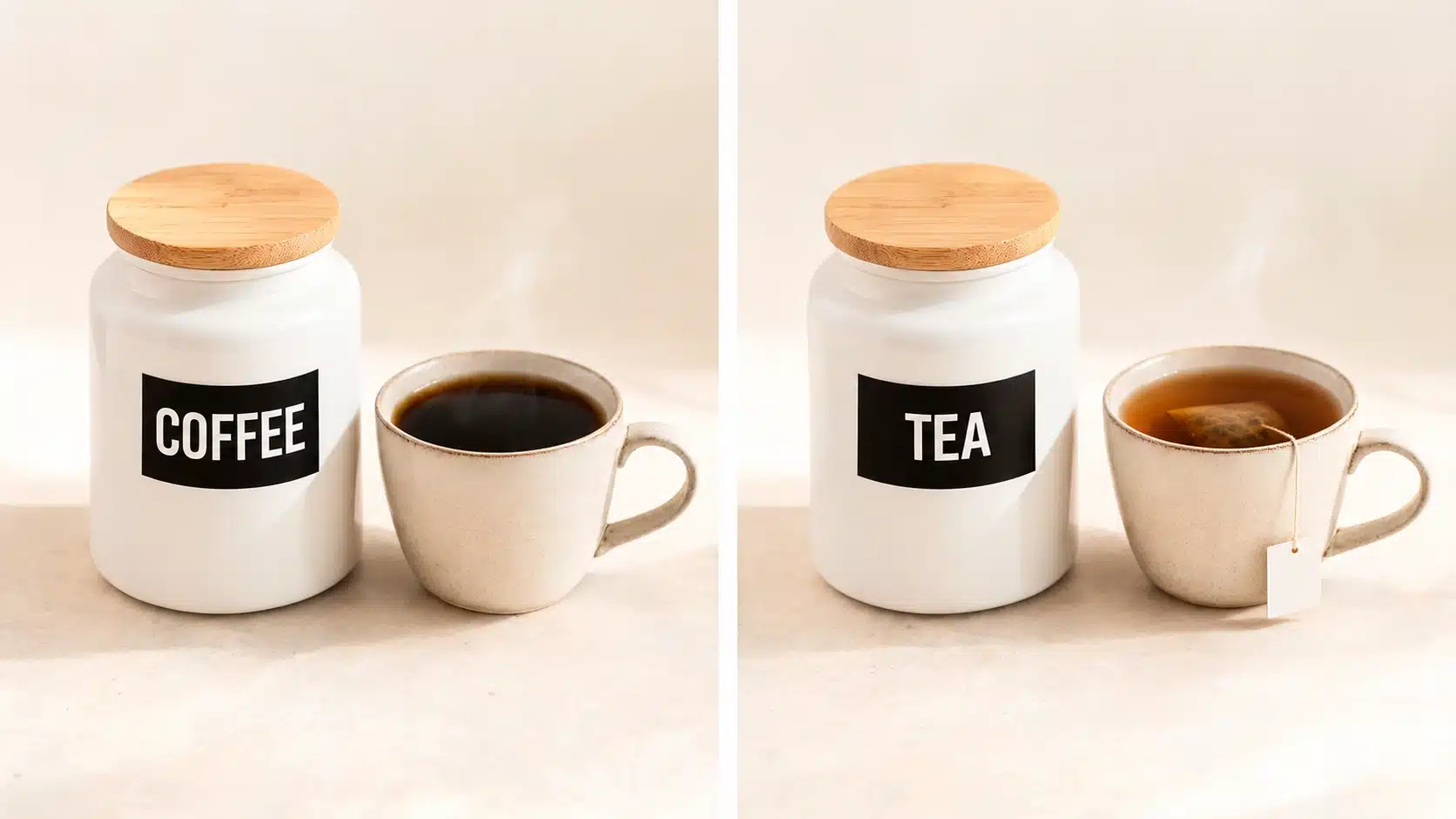



They say you can get addicted to caffeine. Most people would take this as a get-out-of-jail card to drink tea. Turns out you can get addicted to tea, too.
As a kid, I’d always assume that coffee means caffeine content and tea means no caffeine. After daily tea consumption showed signs of caffeine in my system, I realized: tea is a secret caffeine spy.
Tea leaves hold more caffeine per unit weight than coffee beans. So why does coffee hit harder? Most people never think past the cup in front of them.
The real answer lies in how each drink gets made; what goes into the cup matters far more than what’s in the leaf. Here’s a clear breakdown to help you make a smarter daily choice.
Which Has More Caffeine, Coffee or Tea?
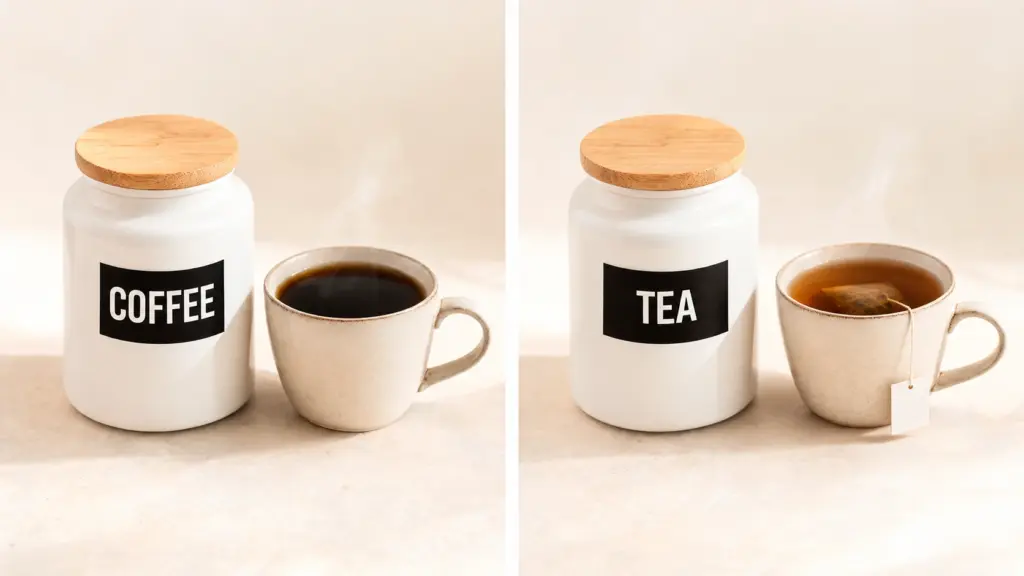
Before the comparison, it helps to set the right frame. A standard-brewed cup of coffee delivers roughly 95–200 mg of caffeine per 8-oz serving, while most teas contain 20–70 mg per cup, depending on type and preparation. On those numbers alone, coffee wins by a significant margin.
Before the comparison, it helps to set the right frame. Tea leaves actually carry more caffeine by dry weight than coffee beans do. On paper, tea should win. But the brewing process changes everything.
Coffee uses near-boiling water, a high ground-to-water ratio, and direct contact time to pull caffeine out quickly and efficiently. Tea steeps at lower temperatures with fewer leaves and shorter contact time.
Those differences in preparation are what flip the result entirely. The outcome is that a brewed cup of coffee delivers significantly more caffeine than a brewed cup of tea, regardless of what the dry leaves suggest.
The leaf and the cup are two very different things. A 2021 review published by the NLM (National Library of Medicine) confirms that brewing variables like water temperature, contact time, grind ratio, and pressure—not raw leaf composition are the primary drivers of caffeine content in the final cup.
Caffeine in Coffee vs Tea: A Full Comparison
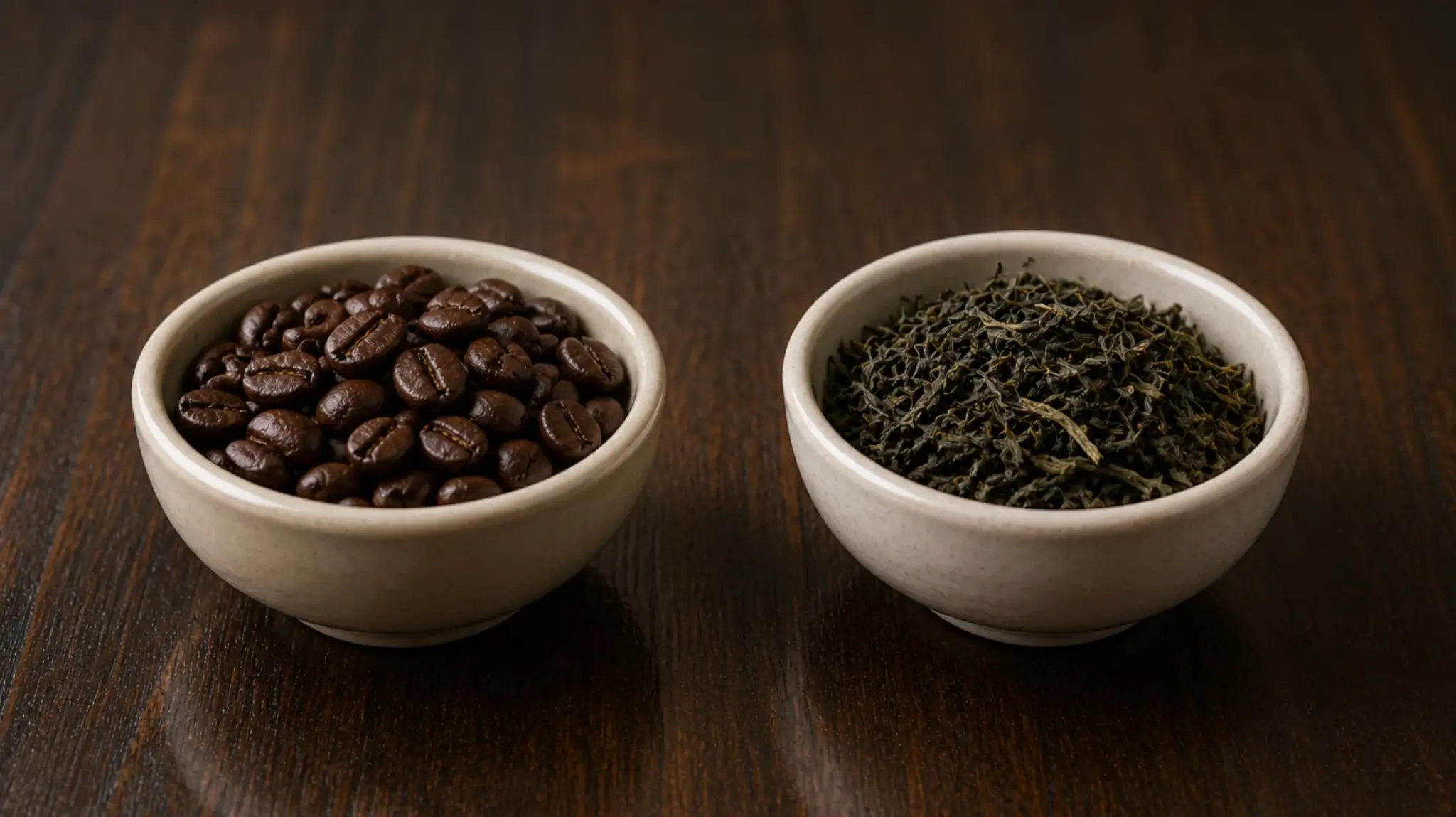
The numbers alone do not tell the full story. Caffeine content in both drinks shifts based on preparation, leaf type, roast, and brewing method, and each factor pulls the result in a different direction.
1. Base Caffeine Content
A standard cup of brewed coffee contains roughly 95–200 mg of caffeine depending on preparation. Drip coffee, French press, and pour-over all sit in this range, with cold brew pushing past 200 mg, something people tracking their daily energy from brews often underestimate.
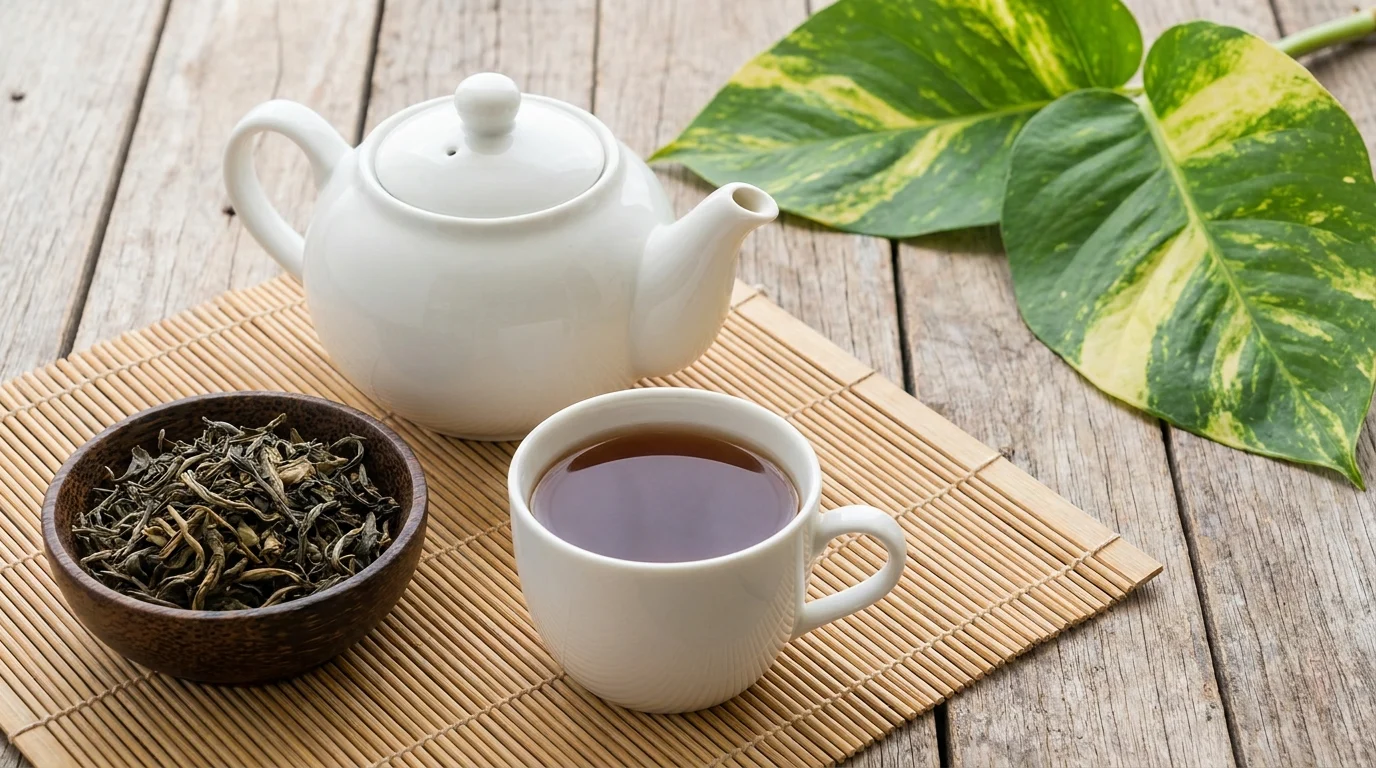
Most teas range from 20 to 70 mg per cup, putting even the strongest black tea or oolong well below the standard brewed coffee. Matcha is the exception, reaching 60–80 mg per serving by delivering the whole leaf rather than just an infusion.
2. Brewing Method
Brewing method shapes the final caffeine level more than the ingredient itself. Espresso uses high pressure and near-boiling water to extract quickly, while cold brew compensates for no heat with a steep time of 12–24 hours, resulting in high caffeine despite the lower temperature.
Tea brewed for five minutes delivers noticeably more caffeine than the same leaves steeped for one minute. Green tea steeped briefly stays mild, while a long-steeped black tea or strongly brewed chai can approach the lower end of instant coffee in total caffeine output.
3. Water Temperature
Hot water extracts caffeine from coffee grounds faster and more completely. Drip coffee and French press both use near-boiling water, which is why their caffeine output stays consistently high compared to cold brew, which needs extended time to compensate for the absence of heat.
For tea , water temperature plays a slightly different role. Green tea and white tea are typically steeped at lower temperatures, which naturally limits caffeine extraction.
Black tea and pu-erh use hotter water and produce more caffeine as a result, making temperature one of the simplest variables to control.
4. Grind Size and Leaf Form
Finer coffee grounds expose more surface area to water, pulling more caffeine into the cup. This is why espresso, despite its small serving size, extracts efficiently; the grind is fine, and the pressure is high, maximizing contact between water and coffee.
For tea , leaf form works the same way. Matcha delivers the entire ground leaf directly into the cup, which is why its caffeine content beats that of every other tea type.
Loose-leaf black tea and whole-leaf oolong extract more caffeine than tea bags filled with smaller broken leaves, simply because of how the water moves through the material.
Caffeine Content in Different Coffee Types
Coffee has more preparation variables than most people account for. The following ranges reflect standard serving sizes prepared by their typical method.
| Coffee Type | Serving Size | Caffeine Range | Key Variable |
| Drip / Brewed | 8 oz | 95–200 mg | Bean origin, grind coarseness |
| Cold Brew (concentrate) | 8 oz | 150–200+ mg | Dilution ratio used before serving |
| Espresso (single shot) | 1 oz | 63–75 mg | Small volume; most lattes use a double shot |
| Instant Coffee | 8 oz | 60–80 mg | Lower caffeine than brewed; varies by brand |
| French Press | 8 oz | 80–135 mg | 4-minute steep with coarse grind |
Cold brew is the most commonly underestimated source of caffeine in this list. Many retail versions are sold as concentrates and are intended to be diluted before drinking. Drinking them undiluted can push a single 8-oz serving to 300 mg or more.
Caffeine Content in Different Tea Types
Tea covers a wider caffeine range than most people expect. Variety, oxidation level, and steep time all shift the number significantly from one cup to the next.
| Tea Type | Serving Size | Caffeine Range | L-Theanine Level |
| Matcha | 8 oz | 60–80 mg | Very high |
| Black Tea | 8 oz | 40–70 mg | Moderate |
| Oolong Tea | 8 oz | 30–50 mg | Moderate |
| Green Tea | 8 oz | 20–45 mg | High |
| White Tea | 8 oz | 15–30 mg | Moderate to high |
| Pu-erh Tea | 8 oz | 30–70 mg | Low to moderate |
| Herbal Tea (e.g., chamomile, peppermint) | 8 oz | 0 mg | None |
Matcha sits at the top of the tea category specifically because the whole leaf is consumed, not just an infusion of it.
Herbal teas sit at zero caffeine because they do not come from the Camellia sinensis plant at all. True herbal blends containing chamomile, peppermint, rooibos, or hibiscus are caffeine-free unless they are blended with actual tea leaves.
Black Tea Varieties and Their Caffeine Levels
Black tea alone spans a wide caffeine range depending on origin and processing. Irish Breakfast and Assam sit at the top; Lapsang Souchong sits near the bottom. Here is the breakdown for the most common varieties.
| Type | Origin | Caffeine per 8 oz | Flavor Profile |
| Irish Breakfast | Blend | 60–90 mg | Strong, rich, higher caffeine than English Breakfast |
| Ceylon | Sri Lanka | 50–90 mg | Bright, brisk, slightly citrusy |
| Assam | India | 60–70 mg | Bold, malty, full-bodied |
| Darjeeling | India | 40–70 mg | Light, floral, muscatel notes |
| English Breakfast | Blend | 40–70 mg | Strong, robust, and works well with milk |
| Earl Grey | Blend | 40–60 mg | Bergamot-infused, aromatic, smooth |
| Keemun | China | 40–60 mg | Slightly smoky, wine-like, complex |
| Lapsang Souchong | China | 30–50 mg | Heavily smoked, distinctive, earthy |
If you are switching from coffee and want a black tea that delivers a comparable morning caffeine load, Irish Breakfast or Ceylon are the closest options. Darjeeling and Earl Grey are better suited to afternoon drinking, where a lower caffeine level is actually an advantage.
What Daily Caffeine Does to Your Body: Coffee vs Tea

What you drink daily shapes how your body responds to caffeine over time. Coffee and tea affect alertness, sleep, tolerance, and overall health in meaningfully different ways worth understanding before choosing your daily cup.
Effects of Caffeine in Coffee
Coffee caffeine hits fast and builds tolerance quickly. Over time, the higher per-cup load creates patterns in energy, sleep, and health that compound with consistent daily use.
- Alertness rises sharply within 15–45 minutes, often with a noticeable uptick in heart rate and a fast onset that makes jitteriness more likely on an empty stomach
- Crashes are common because caffeine enters the bloodstream rapidly with nothing slowing absorption, making the energy spike short-lived for many people
- Sleep disruption is a real risk with afternoon consumption, as rapid absorption means caffeine can remain active well into the evening hours
- Tolerance builds faster than with tea, often pushing daily intake upward over time just to maintain the same alertness effect
- Moderate long-term consumption has been linked to reduced risk of type 2 diabetes, Parkinson’s disease, and certain liver conditions across multiple research studies
- Anxiety and sleep sensitivity worsen with sustained high intake, particularly when consumption increases steadily without any reduction over months or years
Coffee works well for fast, strong alertness but comes with real trade-offs around sleep, anxiety, and tolerance over time. Monitoring intake before it quietly climbs is one of the more practical habits a regular coffee drinker can build into their routine.
Effects of Caffeine in Tea
Tea delivers caffeine more gradually. L-theanine, an amino acid present in most tea leaves, moderates how caffeine reaches the brain and alters both the short- and long-term experience.
- The lift comes on more slowly , usually over 30–60 minutes, producing less of a spike but a steadier, more sustained period of focus throughout the day
- Jitteriness is rare because L-theanine softens the stimulant effect without removing the alertness benefit, making tea more manageable for caffeine-sensitive people
- Cognitive effects can be stronger in some ways , with the caffeine and L-theanine combination showing measurable improvements in attention and memory that standalone caffeine does not replicate
- Afternoon tea is less likely to disrupt sleep than an equivalent coffee, largely because the slower absorption rate keeps caffeine from peaking too late in the day
- Tolerance develops more slowly because lower per-cup caffeine puts less pressure on the body’s adenosine receptors over repeated daily use
- Cardiovascular and cognitive support has been observed in long-term studies tracking habitual tea drinkers, particularly those consuming green tea consistently over several years
Tea suits anyone who wants steady focus without the crash or the tolerance climb that coffee brings. A 2019 meta-analysis in the European Journal of Preventive Cardiology found habitual tea consumption was associated with longer life expectancy and reduced cardiovascular risk, giving tea a measurable long-term edge for those watching their daily caffeine intake carefully.
How to Reduce Your Caffeine Intake?
Abrupt caffeine cessation reliably causes withdrawal symptoms in regular users. A gradual step-down approach avoids most of those symptoms as intake is reduced. Here are the methods I recommend to clients who want to cut back without disrupting daily function:
| Method | How to Do It | Expected Result |
|---|---|---|
| Replace one daily coffee with black tea | Swap one cup of coffee (≈150 mg) for black tea (≈50 mg), then a second for green tea (20–45 mg) after one week | Lowers total intake gradually while giving adenosine receptors time to recalibrate |
| Adjust steep time or grind ratio | Steep black tea for 2 minutes instead of 5, or reduce coffee grounds by 10% with a coarser grind | Cuts caffeine per cup by 30–40% without changing your preparation routine |
| Move your last cup earlier | Shift your final coffee or tea to before noon rather than mid-afternoon | Reduces circulating caffeine at bedtime and protects sleep quality |
Small adjustments compound quickly when applied consistently. Tracking your intake for just one week often reveals easy cuts you had not noticed before.
Healthier Alternatives to Caffeine
Not everyone wants to rely on coffee or tea for daily energy. Several options deliver a natural lift without the caffeine load, and most are widely available across the United States.
- Coconut water: Naturally hydrating with electrolytes that support steady energy without stimulants, making it a practical swap on low-caffeine days
- Golden milk: A warm blend of turmeric, ginger, and milk with anti-inflammatory properties that may support focus and calm without any caffeine involved
- Lemon water: A simple morning drink that supports hydration and may improve alertness naturally, particularly effective when consumed first thing after waking
- Ashwagandha drinks: An adaptogenic herb available in powder or ready-to-drink formats that may help reduce fatigue and support steady energy levels throughout the day
- Sparkling water with citrus: Provides the sensory experience of a cold drink with hydration benefits and zero caffeine, a straightforward option for afternoon energy dips
- Beetroot juice: Contains natural nitrates that support blood flow and oxygen delivery, with some research linking regular consumption to improved stamina and mental clarity
These options work best alongside consistent sleep, balanced meals, and regular movement. No drink replaces the basics, but having a few caffeine-free alternatives in your routine gives you more control over how you feel day to day.
Which One Works Better for You?
The right choice depends less on the numbers and more on how your body handles caffeine.
Coffee suits people who need strong, fast-acting alertness. The higher caffeine load hits quickly and lasts several hours.
For early mornings or long work sessions, it’s hard to argue against a well-brewed cup. Some people, though, find that coffee triggers anxiety, jitteriness, or poor sleep, especially with afternoon drinking.
Tea works better for those with caffeine sensitivity. Green tea in particular contains L-theanine , a compound that softens the stimulant effect and produces a calmer, more focused kind of energy.
It also tends to be gentler on the gut; a factor worth considering for anyone already managing digestive sensitivities through diet .
From my perspective, tea feels more manageable on days when steady focus matters more than a sharp jolt. Neither option wins across the board. It comes down to your tolerance, schedule, and daily routine.
Frequently Asked Questions
Which is healthier, tea or coffee?
Both offer real benefits. Coffee has higher antioxidant content per cup. Tea, especially green tea, has calming compounds that ease the stimulant effect. The better choice depends on your health goals and caffeine sensitivity.
What is the 2-hour coffee rule?
It suggests waiting two hours after waking before your first coffee, so your natural cortisol levels have a chance to drop, allowing caffeine to have a stronger, more effective effect.
Does steep time really affect tea’s caffeine content?
Yes, significantly. Steeping black tea for five minutes can nearly double its caffeine output compared to a one-minute steep. Time is one of the most controllable variables.
Final Thoughts
Coffee wins the caffeine comparison by a wide margin once you look at what ends up in the cup rather than what’s in the dry leaf. A standard cup of brewed coffee can contain three to five times the caffeine of most teas.
That said, the right drink for you depends on your tolerance, your daily routine, and what kind of energy you actually want. From my own experience, keeping both in rotation makes sense: coffee for high-demand mornings, tea for lighter days.
If you’re managing your caffeine intake, understanding these numbers gives you a practical starting point. Choose based on how you want to feel, not just how strong you want the drink to taste. Drop your preference in the comments below.