










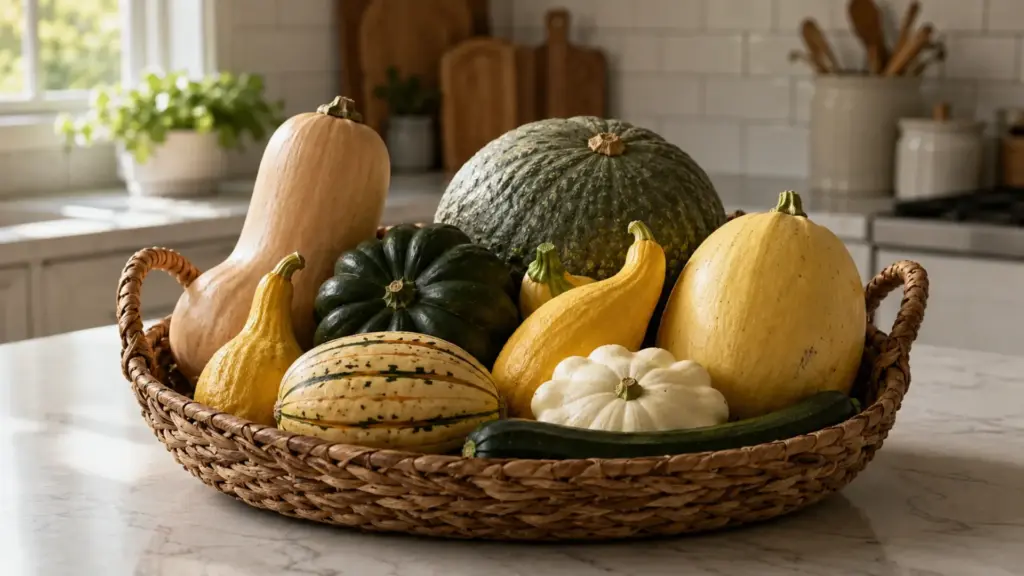

Squash looks like a safe vegetable pick until you check the nutrition label and realize the carb count depends entirely on which type you grabbed. Summer squash and winter squash are not the same thing nutritionally, and that difference is not small.
From my meal planning experience, picking the wrong variety can cost you 15 grams of carbs without realizing it.
If you are tracking macros, following a keto plan, or just trying to eat lower-carb without giving up satisfying meals, knowing exactly how many carbs are in squash, by type, makes a real difference. This breakdown covers a wide variety, so you have the full view in one place.
What Affects How Many Carbs in Squash You Get?
Summer squash typically contains 3 to 5 grams of carbs per cup (raw), while winter squash contains 14 to 21 grams of carbs per cup (cooked), due to its denser, starchier flesh.
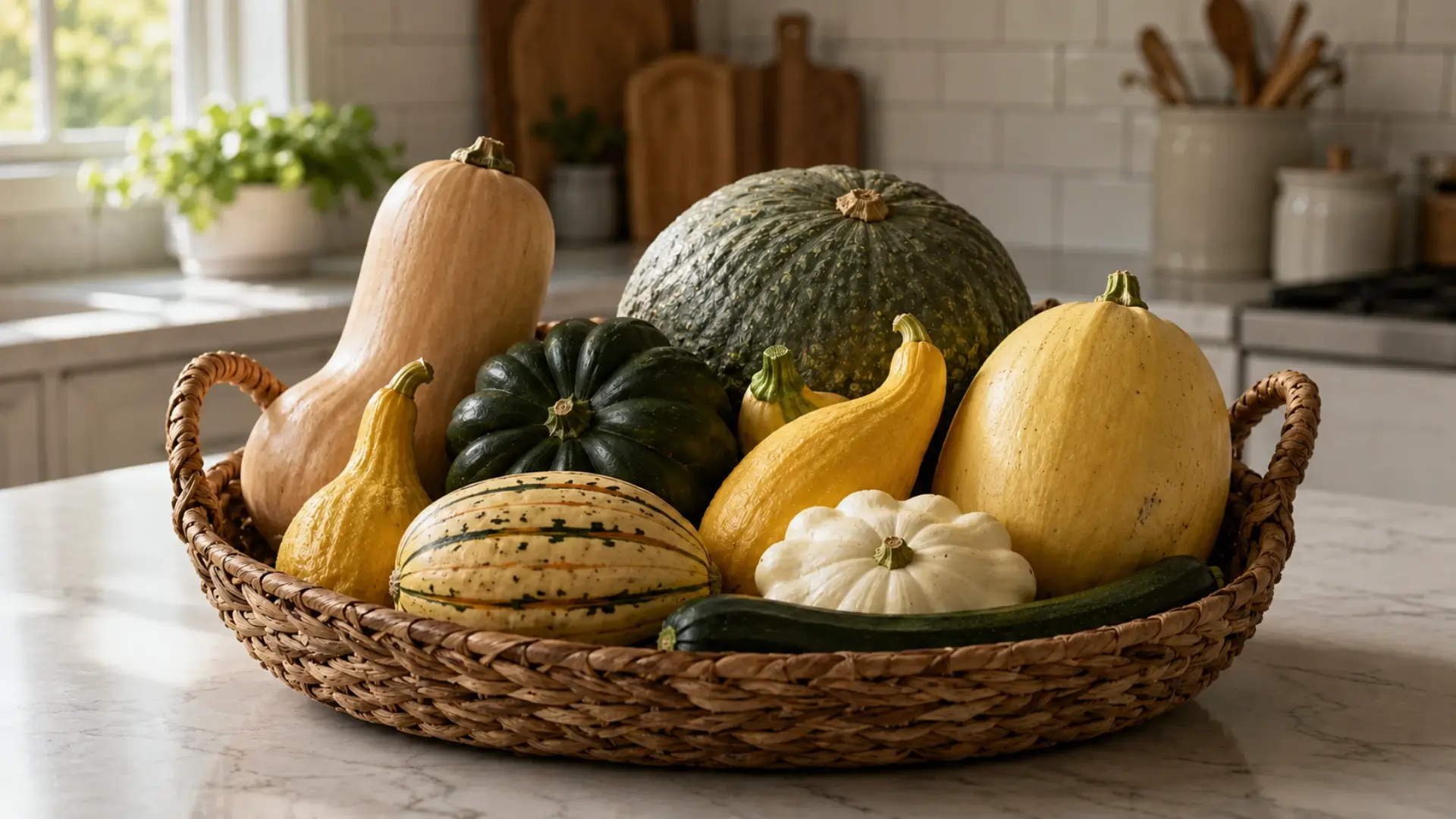
Squash belongs to the Cucurbita family and splits into two broad groups: summer squash and winter squash . Summer squash, including zucchini, yellow squash, and pattypan, is harvested young and has soft, edible skin that is packed with water.
That high water content is what keeps the net carb count low. Winter squash, which includes butternut, acorn, delicata, kabocha, Hubbard, and spaghetti squash, is harvested at full maturity. The flesh is denser and starchier.
Starch converts to glucose in the body, which is exactly why winter squash carbs run so much higher on a label. The two groups share a name but behave differently on your plate.
Knowing which group a squash falls into tells you most of what you need to know before you even look at a nutrition panel.
Squash Varieties and Their Carb Counts
Summer squash is in the low-carb category. Every variety in this group sits comfortably under 10 grams of total carbs per serving, and most come in well below that. They are also high in water and fiber, which further lowers net carbs. For anyone eating low-carb, these are the go-to options.
1. Yellow Squash
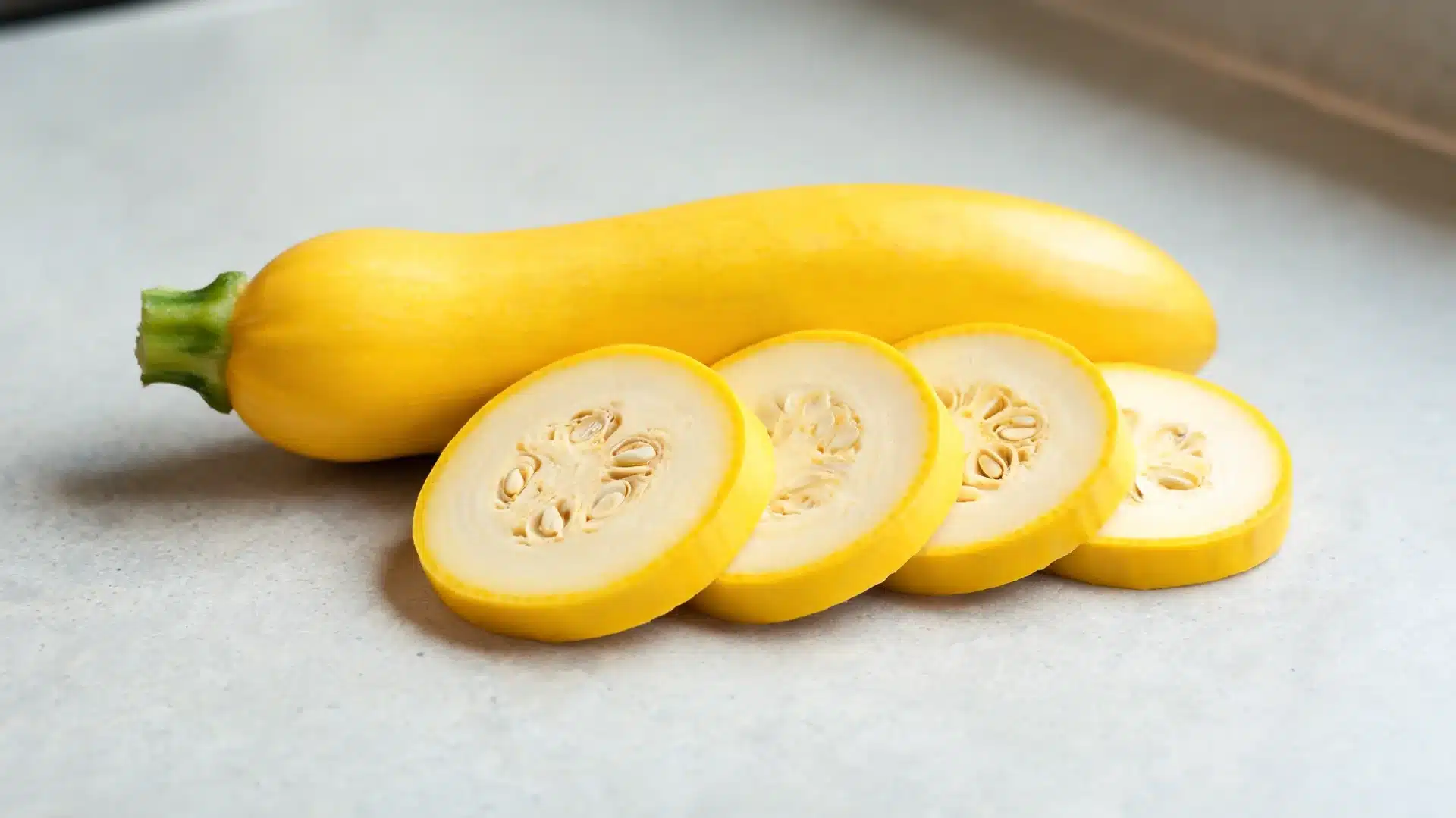
- Carbs: About 3.8g total carbs and 2.5g net carbs per cup raw
- Nutrients: Provides vitamin C, potassium, fiber, and antioxidants
Yellow squash has a slightly sweeter taste than zucchini while still keeping carb content fairly low. It cooks quickly, works well with many side dishes, and adds extra texture to meals without adding large amounts of starch.
Yellow squash works well for roasting, sautéing, or simple side dishes because it softens quickly and integrates well into many meals. Its lowernet carbs and light texture help keep meals balanced without feeling overly heavy.
2. Pattypan Squash
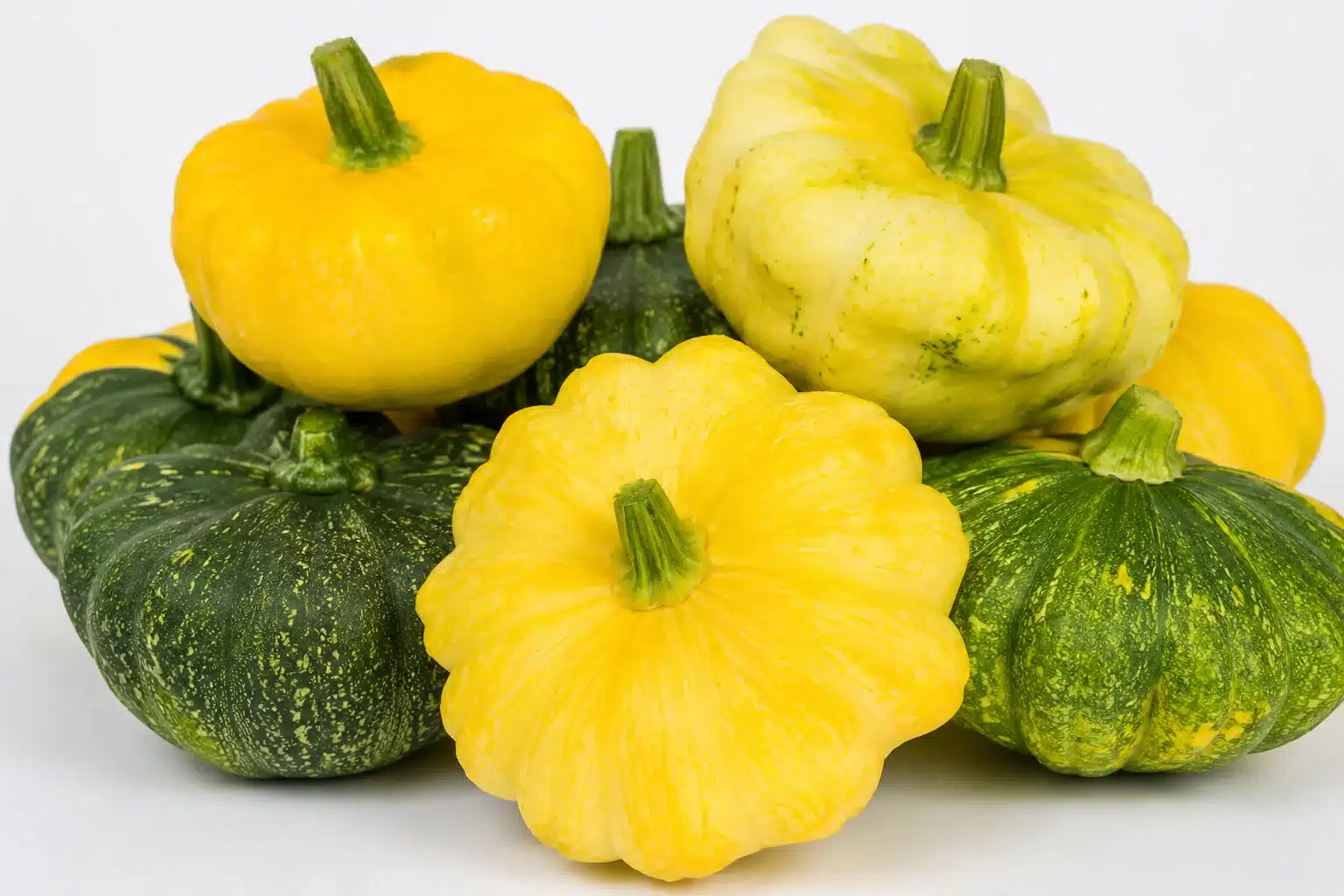
- Carbs: Around 4–5g total carbs per cup raw
- Nutrients: Contains fiber, vitamin C, magnesium, and water
Pattypan squash adds variety to low-carb meals while maintaining nutritional values similar to those of zucchini and yellow squash. Its round shape and mild flavor work especially well for roasting, stuffing, and lighter vegetable dishes.
Pattypan squash stays practical for lower-carb eating because its carb content remains moderate even in generous portions. The combination of fiber and water content may help meals feel more satisfying without relying on heavier ingredients.
3. Crookneck Squash
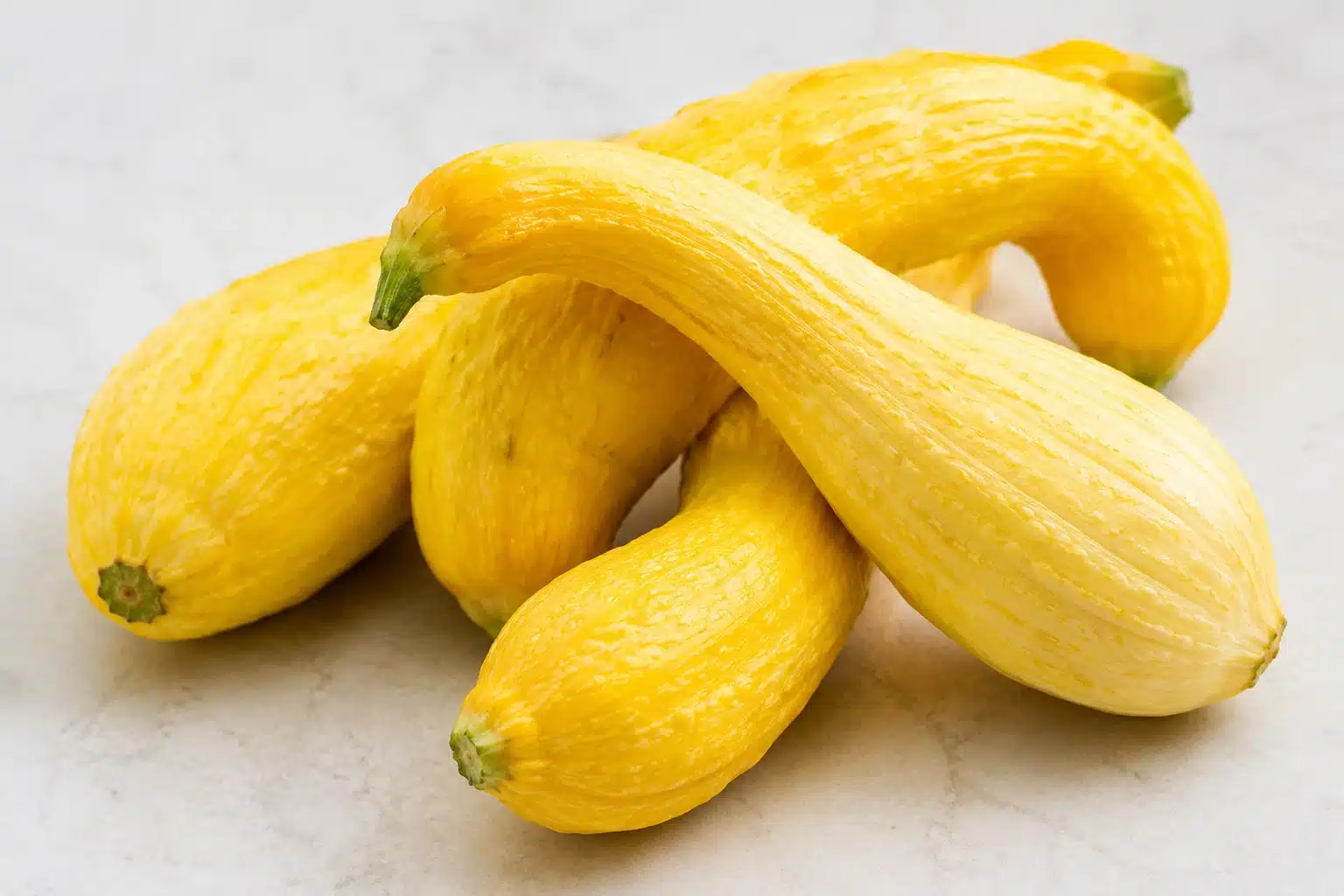
- Carbs: Roughly 3.5–4.5g total carbs per cup raw
- Nutrients: Provides vitamin C, fiber, potassium, and antioxidants
Crookneck squash has a soft texture that works well in soups, stews, and quick-cooked meals. Its carb content remains low enough for many low-carb eating plans while still adding useful nutrients.
Crookneck squash cooks quickly and pairs easily with proteins, grains, or other vegetables during busy weekdays. Its lower carb content and softer texture make it a simple option for balanced low-carb meals throughout the week.
4. Straightneck Squash
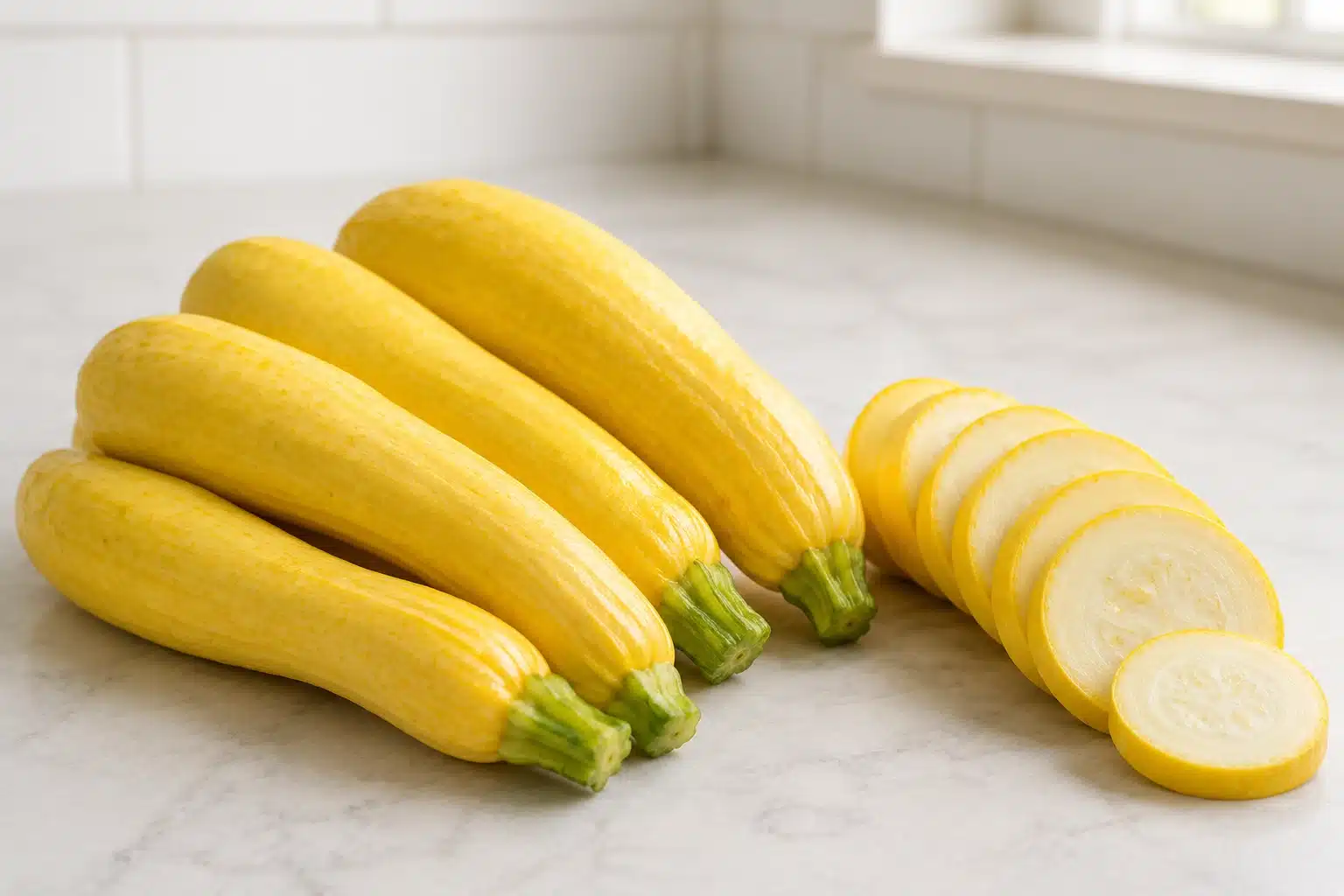
- Carbs: Around 3.5–4g total carbs per cup raw
- Nutrients: Contains vitamin C, fiber, potassium, and water
Straightneck squash has a firmer texture than crookneck squash, which helps it hold shape during roasting or grilling. It keeps carbohydrates low while still adding nutrients and flexibility to meals.
Straightneck squash works well for meal prep because it stays firm in roasted dishes and grilled recipes. Its moderate fiber content and lower carbohydrate levels help support lighter meals during low-carb eating plans.
5. Butternut Squash
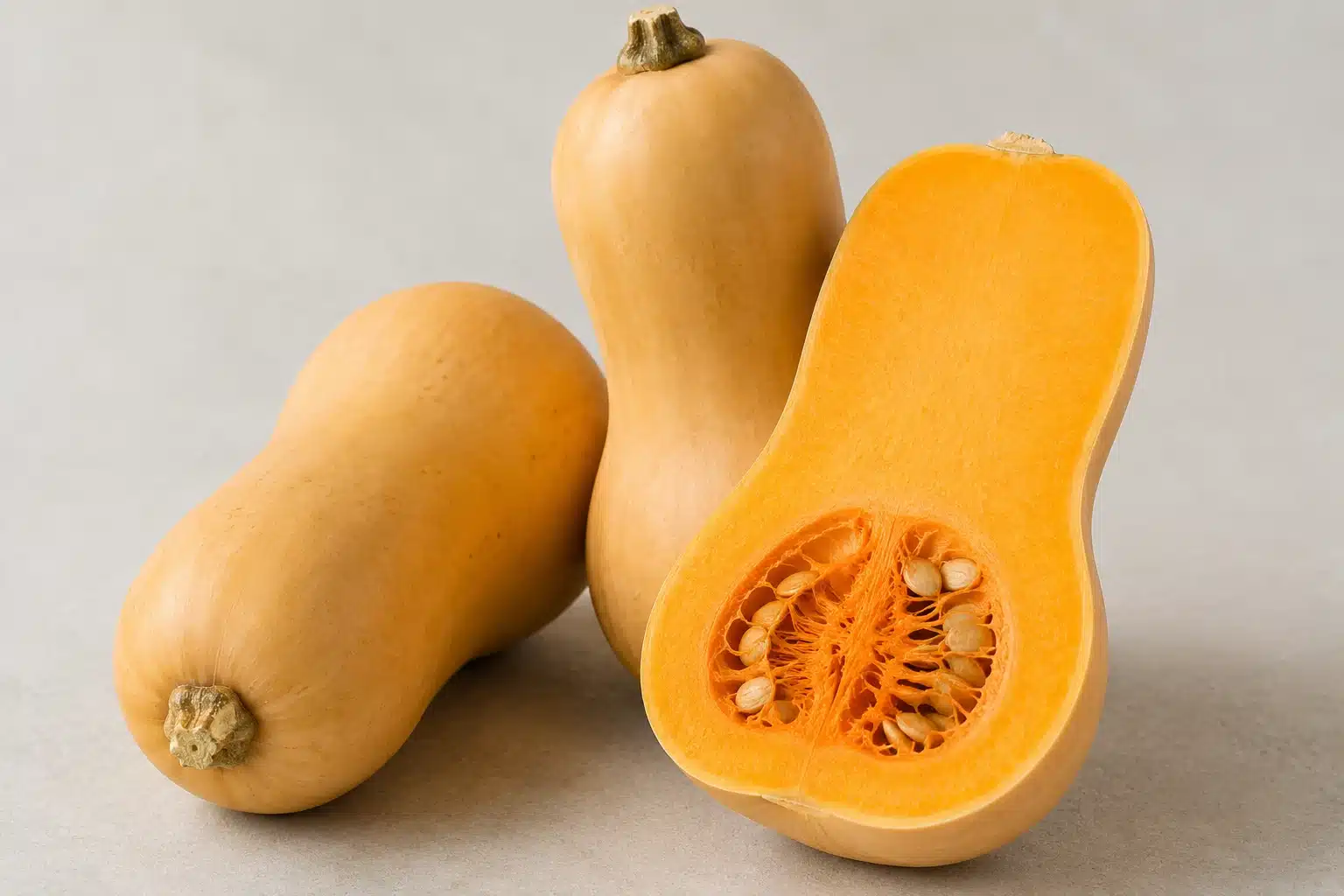
- Carbs: About 21g total carbs and 17g net carbs per cup cooked
- Nutrients: Rich in vitamin A, potassium, beta-carotene, and fiber
Butternut squash contains more carbohydrates than summer squash varieties, but it also provides several nutrients that support balanced eating. Portion size matters more when adding it to lower-carb meal plans.
Butternut squash works better for moderate-carb eating than cream cheese on keto because carbohydrate levels rise quickly in larger servings. Its strong vitamin A content and fiber still make it useful in balanced meal planning.
6. Acorn Squash
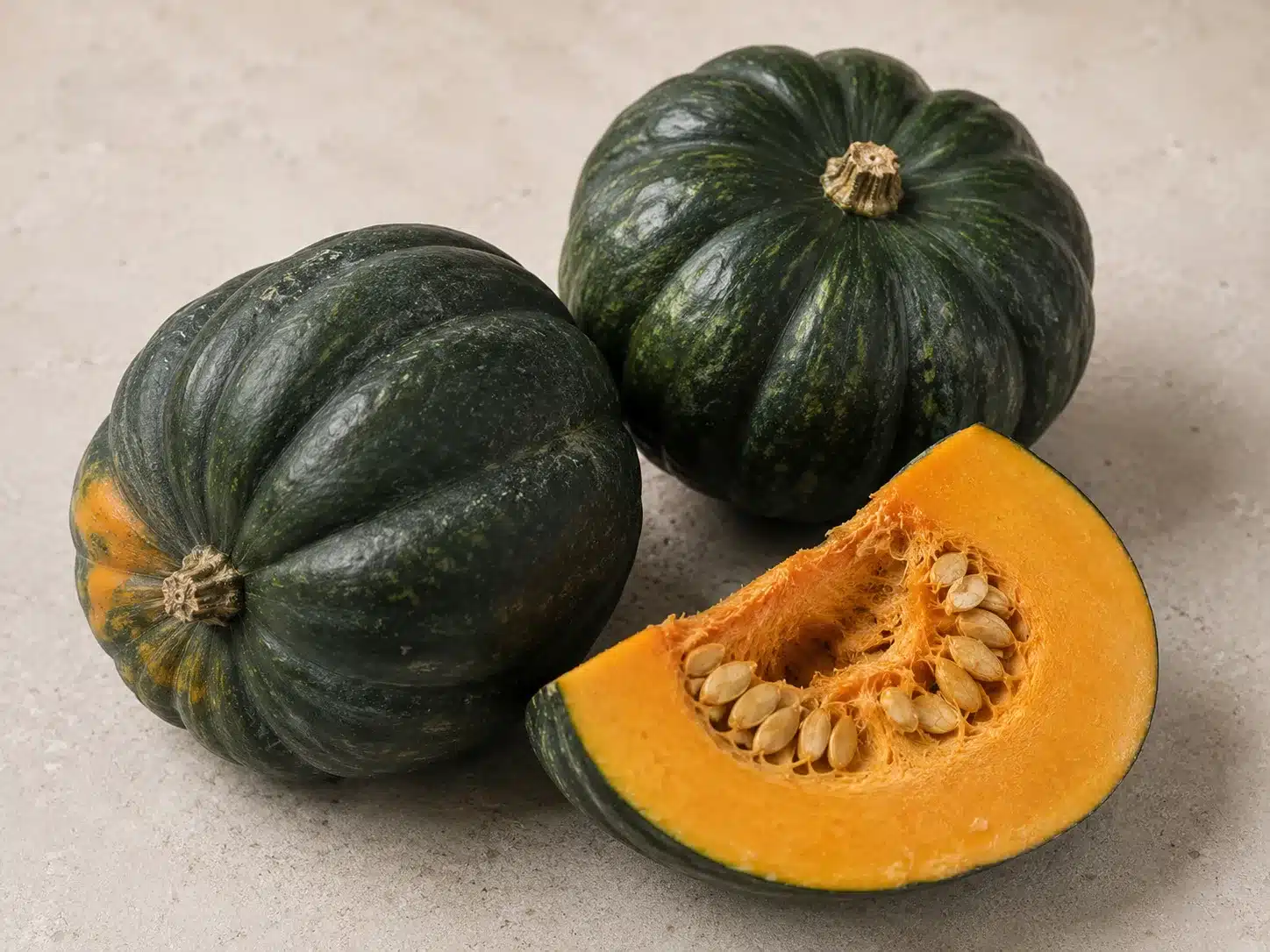
- Carbs: Around 15g total carbs per cup cooked
- Nutrients: Contains fiber, potassium, magnesium, and vitamin C
Acorn squash has a mildly sweet, nutty flavor that pairs well with baked dishes and stuffed vegetable recipes. While higher in carbohydrates, it can still fit into a moderate-carb diet with careful portion control.
Acorn squash feels hearty and satisfying while still providing useful nutrients for balanced meals. Keeping portions moderate helps manage overall carbohydrate intake while still allowing room for variety in weekly meal planning.
7. Hubbard Squash
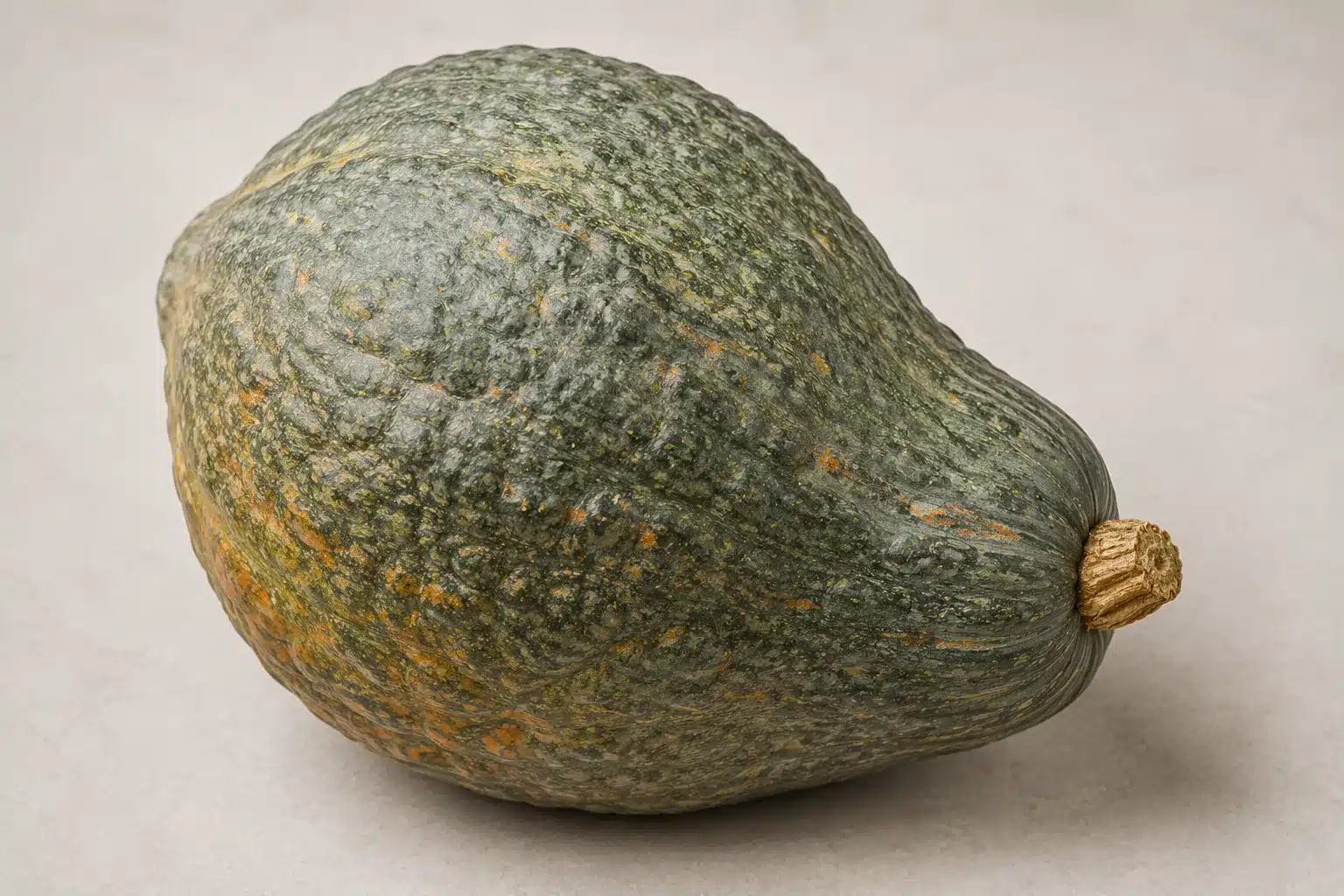
- Carbs: Roughly 15–16g total carbs per cup cooked
- Nutrients: Provides vitamin A, fiber, potassium, and antioxidants
Hubbard squash has dense flesh and a slightly savory flavor that works well in roasted dishes and as a mashed vegetable side. Its carbohydrate content is closer to that of other winter squash varieties.
Hubbard squash supports balanced meals when eaten in smaller portions alongside lower-carb foods. Its combination of fiber and nutrients helps meals feel more satisfying while adding variety beyond standard vegetable options.
8. Delicata Squash
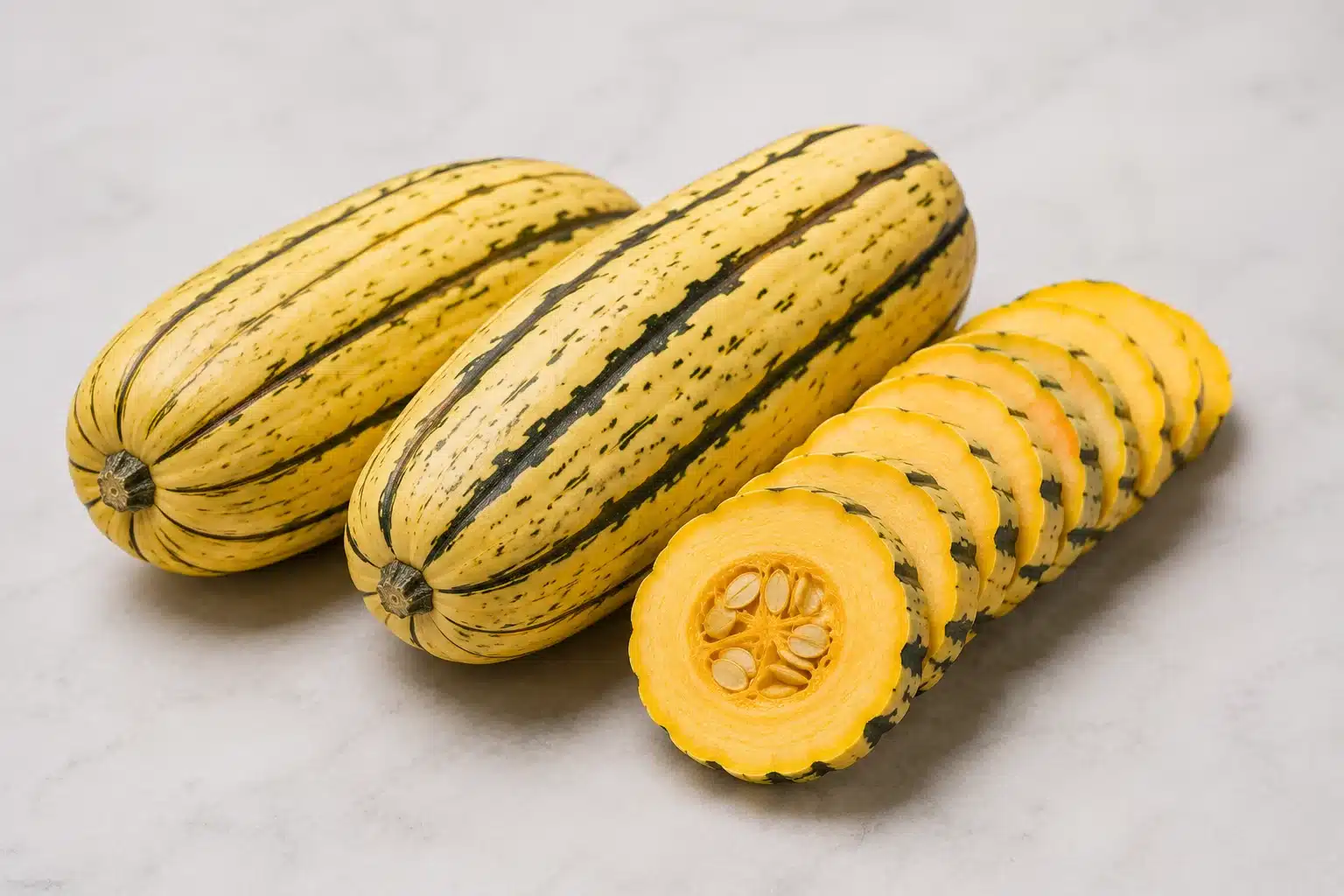
- Carbs: About 14g total carbs per cup cooked
- Nutrients: Contains fiber, vitamin A, potassium, and vitamin C
Delicata squash offers a middle-ground option for people who want winter squash without the highest carbohydrate levels. Its edible skin also makes preparation faster and easier during busy schedules.
Delicata squash roasts evenly and works well in balanced meals where portions are managed carefully. Its moderate carb levels make it more flexible than several other winter squash varieties during moderate-carb eating.
9. Spaghetti Squash
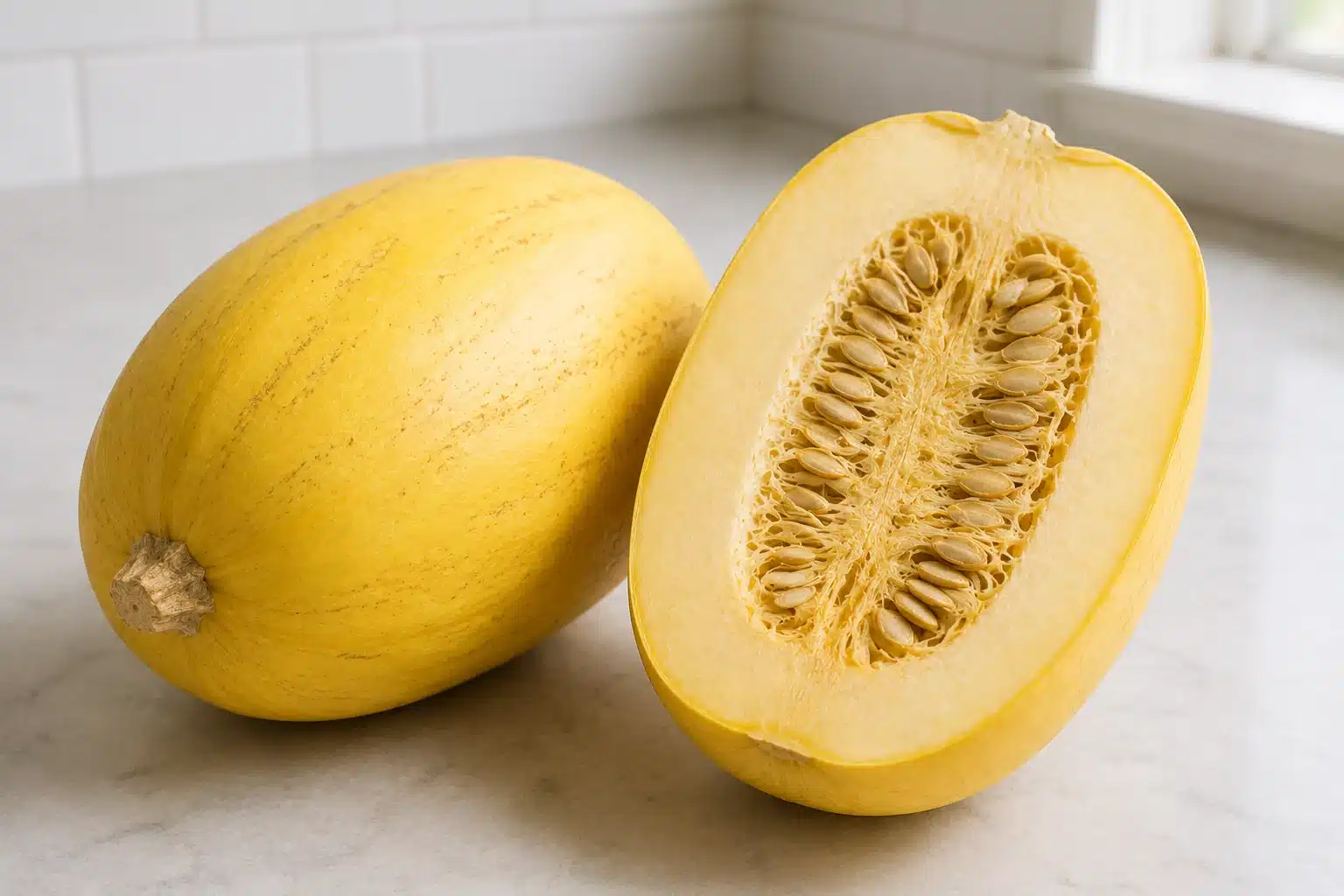
- Carbs: Around 7–10g total carbs and 5–8g net carbs per cup cooked
- Nutrients: Provides fiber, vitamin C, potassium, and water
Spaghetti squash became popular because its texture separates into strands that resemble noodles after cooking. It has much lower carbohydrate content than many winter squash varieties, while still feeling filling.
Spaghetti squash helps create lighter pasta-style meals without relying on refined noodles or heavier starches. Its lower netcarbs and satisfying texture make it one of the more practical winter squash choices.
10. Kabocha Squash
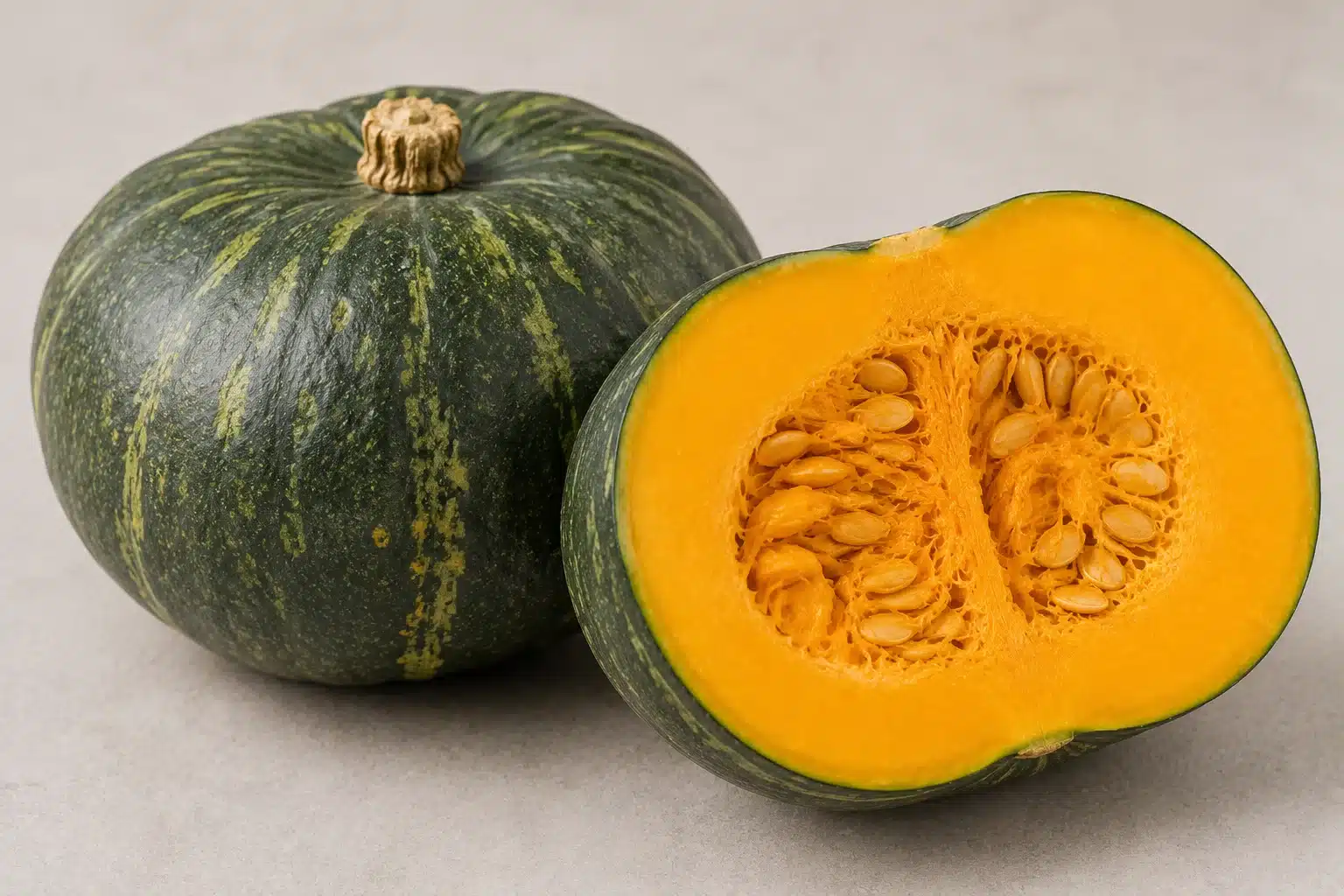
- Carbs: Roughly 5.4g carbs per 100g raw
- Nutrients: Contains fiber, vitamin A, potassium, and antioxidants
Kabocha squash stands out because its carb content stays lower than that of most winter squash varieties while still offering a dense texture similar to sweet potato. It works well in roasted and savory dishes.
Kabocha squash fits better into lower-carb eating plans than many winter squash varieties because its carbohydrate levels remain more manageable. Its rich texture and balanced nutrients make it useful for filling meals without excessive starch.
11. Zucchini
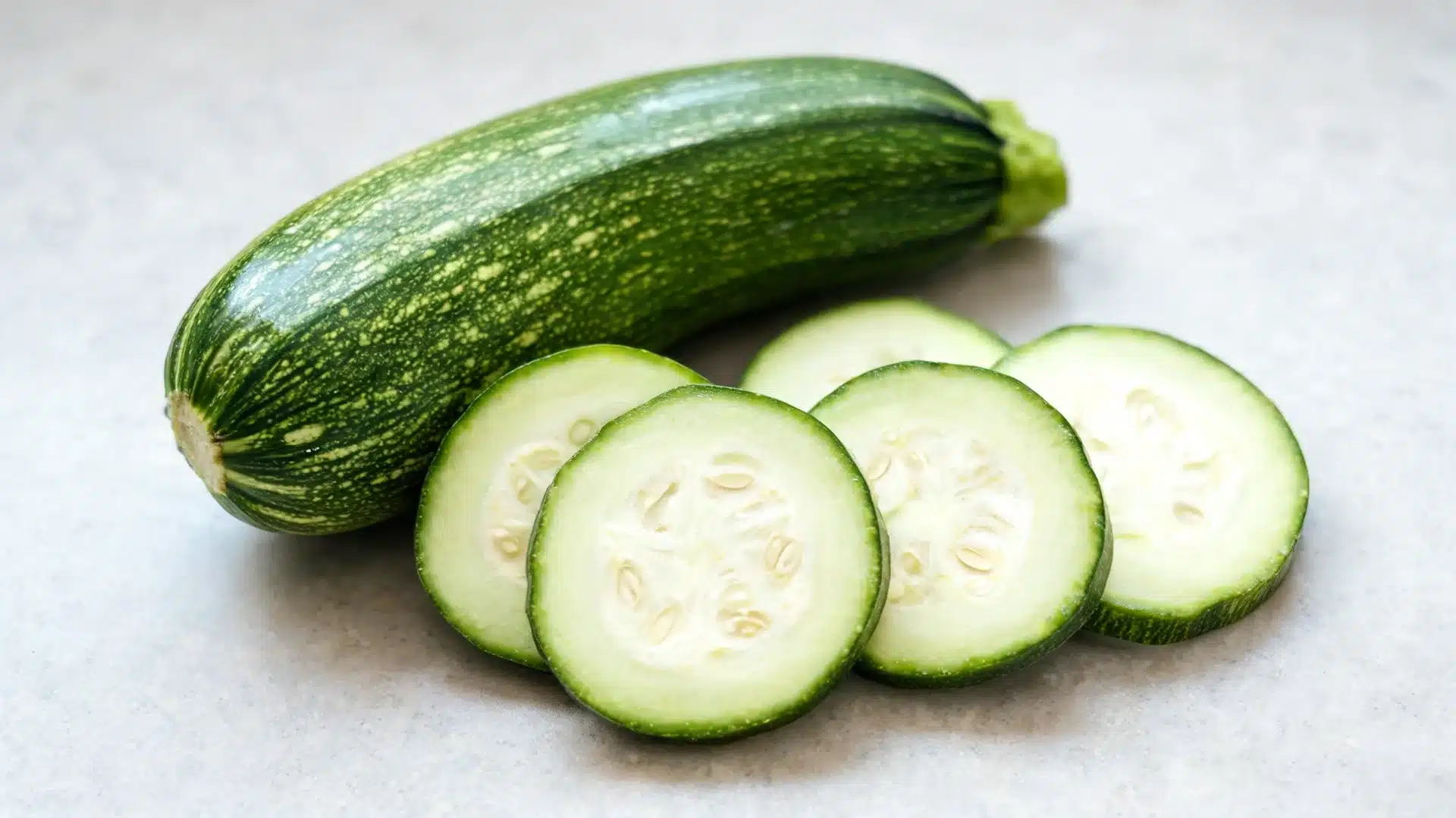
- Carbs: Around 6–7g total carbs and 4–5g net carbs per medium zucchini
- Nutrients: Contains fiber, vitamin C, potassium, and water for hydration support
Zucchini remains one of the easier squash options for low-carb meals because it works in many recipes without adding a lot of carbs. Its mild taste, soft texture, and flexible cooking options make it practical for everyday meals while still adding useful nutrients.
Zucchini fits well into low-carb meal plans because portions stay manageable even in larger servings. Its fiber , water content, and flexible cooking use make meals feel filling without adding excessive carbohydrates during the day.
Squash Carb Content at a Glance
Yellow squash works well for roasting, sautéing, or simple side dishes because it softens quickly and integrates well into many meals. Its lower net carbs and light texture help keep meals balanced without feeling overly heavy.
| Squash Type | Serving | Total Carbs | Net Carbs | Low-Carb? |
| Yellow Squash | 1 cup raw | 3.8g | ~2.5g | Yes |
| Crookneck / Straightneck | 1 cup raw | 3.5 to 4.5g | ~2.5 to 3g | Yes |
| Pattypan Squash | 1 cup raw | 4 to 5g | ~3 to 4g | Yes |
| Zucchini | 1 medium (196g) | 6 to 7g | 4 to 5g | Yes |
| Kabocha Squash | 100g raw | 5.4g | ~4g | Moderate |
| Spaghetti Squash | 1 cup cooked | 7 to 10g | ~5 to 8g | Moderate |
| Delicata Squash | 1 cup cooked | ~14g | ~11g | Moderate |
| Acorn Squash | 1 cup cooked | 15g | ~12g | No |
| Hubbard Squash | 1 cup cooked | ~15 to 16g | ~12 to 13g | No |
| Butternut Squash | 1 cup cooked | 21g | ~17g | No |
When choosing squash for a low-carb diet, it’s important to consider the carb content, as some varieties are lower in carbs than others. While certain squashes offer moderate carb levels, others are higher and may not fit into strict low-carb plans.
Does Cooking Change the Carb Count?
Yes, but the carbohydrates themselves do not increase. What changes is the water content. As heat removes moisture from the flesh, the squash becomes denser, which means the same cup measurement now holds more squash and therefore more carbs than it would raw.
As moisture cooks away, the squash becomes denser, which makes the carb content seem higher per cup after cooking. The carbohydrates do not increase, but the serving size decreases and becomes more concentrated.
This is why one cup of cooked squash usually contains more carbohydrates than one cup measured raw. The difference matters more with winter squash because carbohydrate levels are already higher before cooking starts.
Roasting often removes more moisture than boiling, which may slightly raise the carb concentration further. Boiled squash keeps more water, so values can vary depending on cooking method and time.
When tracking net carbs or total carbohydrates closely, it helps to measure squash in the same form listed on the nutrition label, especially for cooked portions used in meal planning.
Nutritional Benefits Beyond Carbs
Squash offers more than just carbohydrate values. Different varieties also provide vitamins, fiber, hydration, and minerals that support balanced eating plans while keeping calories fairly moderate across most serving sizes.
| Squash Type | Vitamins | Minerals | Fiber & Water | Calories & Protein | Main Benefit |
| Zucchini | Vitamin C, B vitamins | Potassium | Fiber, high water content | 31–36 calories, 1–2g protein | Lower-carb meal option |
| Yellow Squash | Vitamin C | Potassium | Fiber, hydration | Low calories, minimal fat | Light side dish choice |
| Butternut Squash | Vitamin A, beta-carotene | Potassium | Fiber | Higher calories, low protein | Strong vitamin A source |
| Kabocha Squash | Beta-carotene | Iron | Fiber | Moderate calories, low fat | Nutrient-rich winter squash |
| Spaghetti Squash | Vitamin C, B6 | Potassium | Fiber, water | Lower calories, 1–2g protein | Pasta replacement option |
| All Squash Types | Mixed vitamins | Mixed minerals | Water and fiber | Very low fat overall | Supports balanced meals |
Looking beyond carbcontent provides a clearer image of how squash fits into a balanced diet. Most varieties stay low in fat and protein while providing useful amounts of fiber , hydration, vitamins, and minerals that support practical everyday meals.
Which Squash Works Best for Low-Carb and Keto Diets?
Different squash varieties fit differently into low-carb eating depending on your daily carbohydrate target. Some types stay very low in net carbs, while others work better with moderate portions or less restrictive eating plans.
- Strict Keto Choices: Zucchini, yellow squash, pattypan, crookneck, and straightneck squash usually have 5g or fewer net carbs per serving.
- Moderate Low-Carb Choices: Spaghetti squash, kabocha, and delicata squash may fit with portion control and balanced daily carbohydrate intake.
- Higher-Carb Winter Squash: Butternut, acorn, and Hubbard squash contain more carbohydrates and work better in moderate-carb eating plans.
- Main Nutritional Benefits: Many squash varieties provide fiber, potassium, beta-carotene, hydration, and vitamin A while staying fairly low in fat.
Summer squash usually works best for strict keto plans, and pairs well with tofu on keto when building out a full meal, while several winter squash varieties may still fit moderate-carb eating with careful serving control.
Frequently Asked Questions
Can You Freeze Squash for Later Use?
Yes. Zucchini, yellow squash, and spaghetti squash freeze fairly well after cooking or light steaming. Freezing may soften the texture slightly, but the carbohydrate content and most nutrients stay mostly unchanged after storage and reheating.
Does Squash Work in Air Fryer Recipes?
Yes. Summer squash and spaghetti squash work especially well in air fryers because they cook quickly and use very little oil. Air frying also helps keep meals lighter compared to deep frying or heavily breaded vegetable dishes.
Which Squash Has the Mildest Flavor?
Zucchini and yellow squash are usually among the mildest-flavored of common squash varieties. Their softer taste makes them easier to mix into pasta dishes, soups, casseroles, and side dishes without changing the overall meal flavor too strongly.
Is Squash Better Cooked or Raw?
Both forms work well depending on the variety and recipe. Raw zucchini and yellow squash keep a firmer texture, while cooking softens the squash and may make larger portions feel easier to digest during regular meals.
Final Takeaway
Squash covers a wide range of carbohydrate levels, and knowing how many carbs are in a squash before meal planning makes a real difference.
Summer varieties like zucchini, yellow squash, pattypan, crookneck, and straightneck fit easily into low-carb and keto plans.
Winter squash contains more starch, though spaghetti squash and kabocha stay more manageable than butternut or acorn.
The simplest approach is to keep summer squash as a regular option and use winter squash in smaller portions when your daily intake allows.
Every eating plan looks different, so portion size and personal goals still matter most. Drop a comment before these carb numbers squash your dinner plans.