



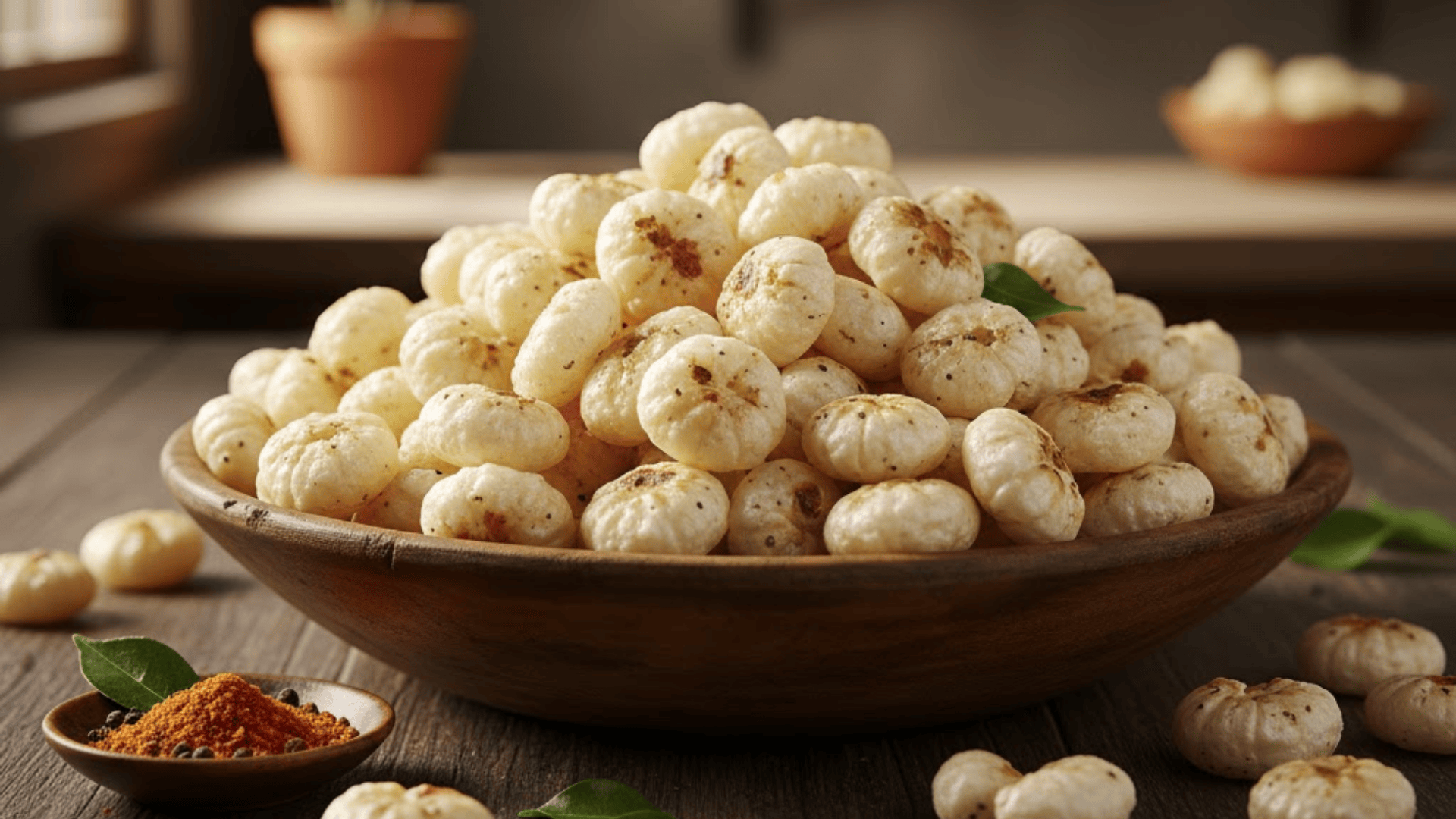










You may have seen foxnuts or makhana in a snack bowl and wondered if they are actually good for you. I get it. You want something crunchy that still fits your day.
In this guide, I’ll walk you through fox nuts nutrition in plain terms. You’ll learn what fox nuts are, how they are made, and how many calories they can have. You’ll also see the main macros, key minerals, and the health upsides people talk about.
I’ll share simple ways you can roast and season them, plus smart tips for buying and storing. You’ll also learn who should be careful and why portion size matters. You’ll learn label tips so flavored packs don’t add extra salt.
What are Fox Nuts (Makhana)?
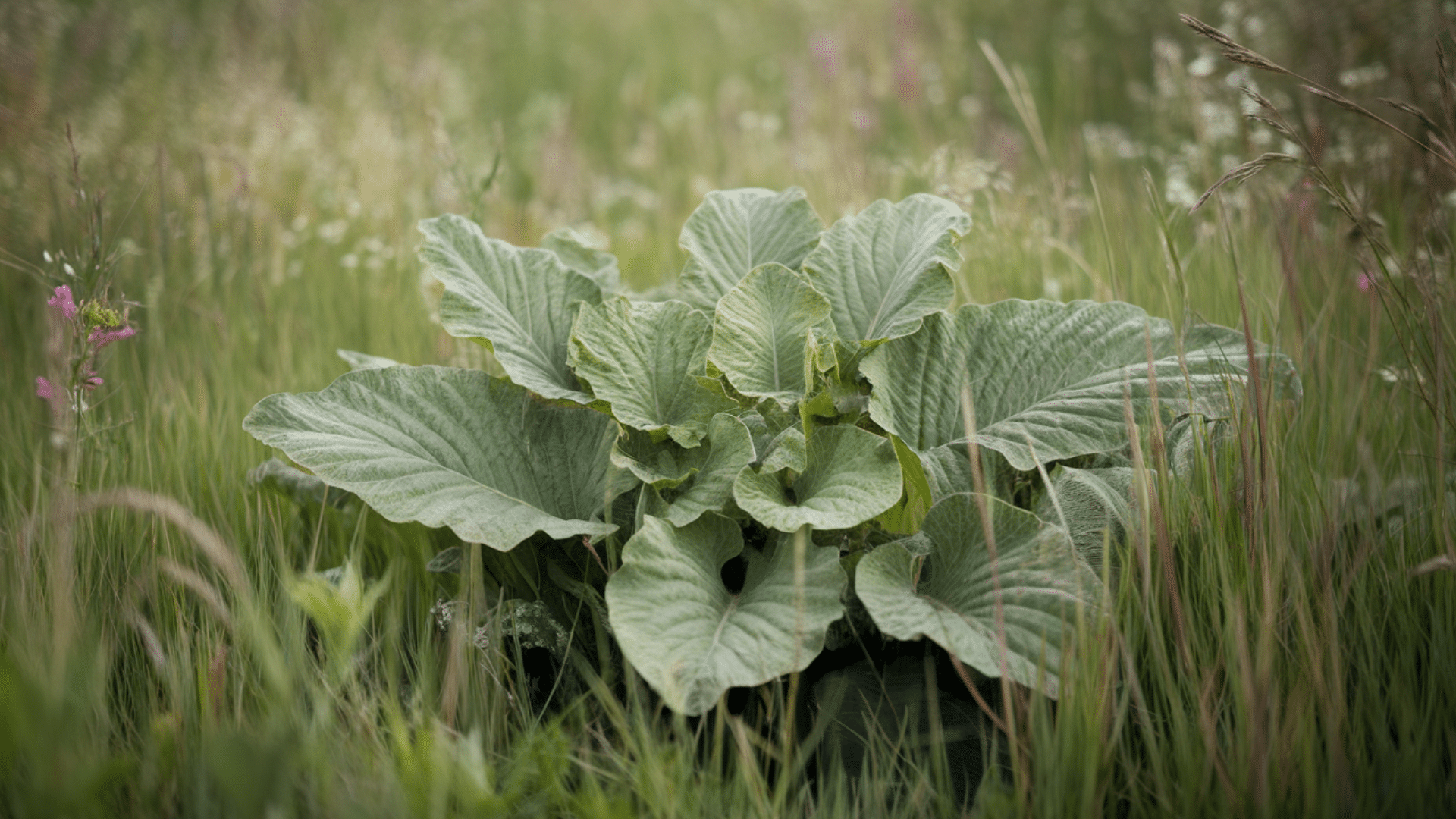
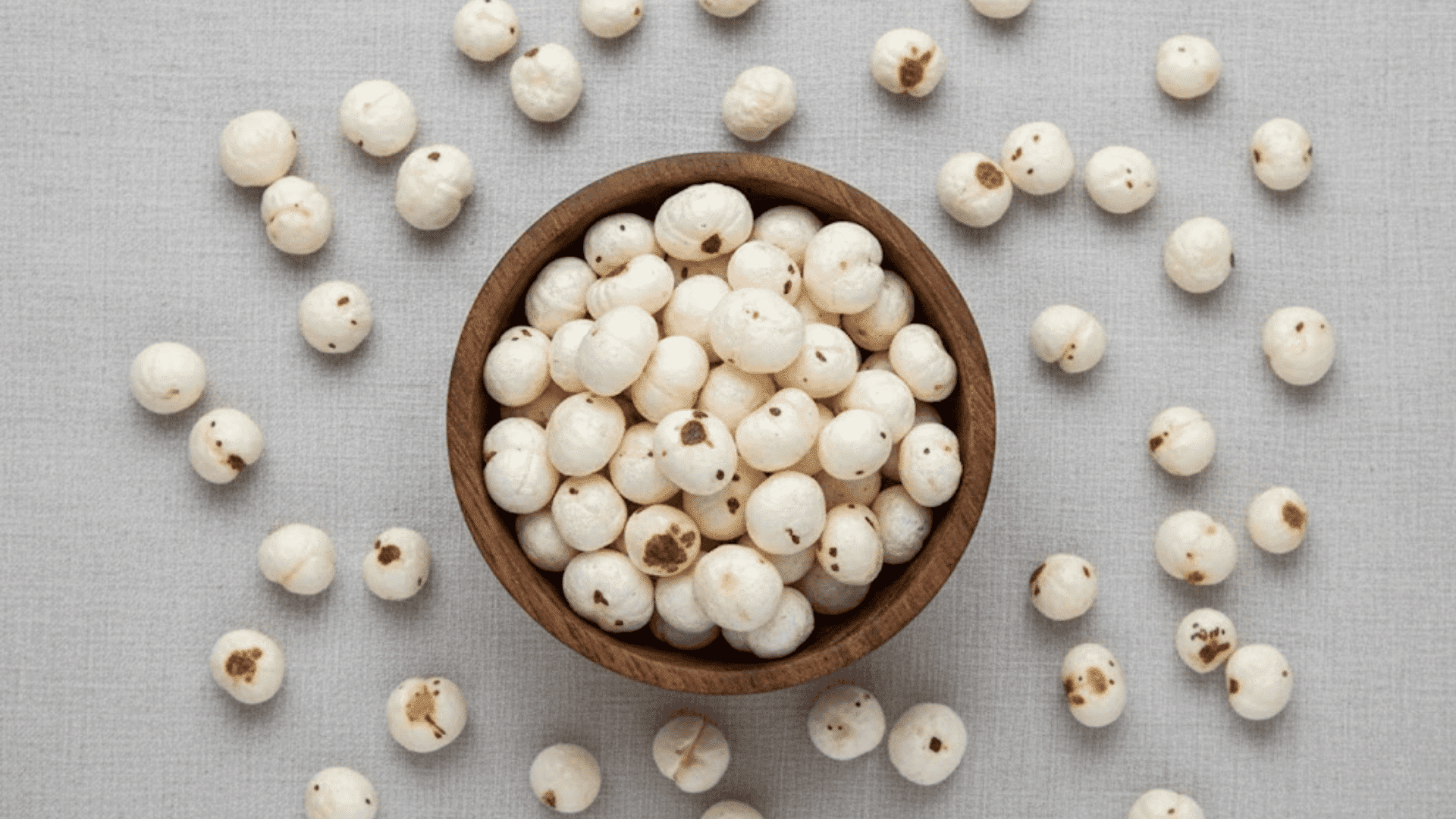
Fox nuts, also called makhana, are seeds, not true nuts. They come from a water plant. The seeds are collected, dried, and then “popped” with heat. That’s why they turn into the white, puffy snack you see in stores.
You may also see makhana labeled as “lotus seeds.” This is where people get confused.
Some brands use both names for the same snack. But true lotus seeds can come from a different plant. So, it’s best to check the label and the nutrition facts for the exact product you’re buying.
Most fox nuts you eat are puffed first. Heat turns the water inside the seed into steam, and the seed puffs up a bit like popcorn. After that, many brands roast them to make them crisp. Some also add oil, salt, or spices for extra taste.
Fox Nuts Nutrition Facts
Fox nuts can fit many eating styles. But nutrition numbers can change based on:
- plain vs flavored
- dry roasted vs roasted with oil or ghee
- sweet coatings (sugar, jaggery, caramel)
Here are calorie numbers you’ll see often in nutrition guides:
| Serving size | Calories | Notes |
|---|---|---|
| 1 cup (about 32 g) | ~106 | Common snack bowl portion |
| 1 oz (28 g) | ~94 | Handy for label comparisons |
| 100 g | ~332 | Useful for big-pack math |
A quick way to use this:
- If you eat about 1 cup, you’re close to ~100 calories for plain makhana.
- If you eat large handfuls from a big pack, calories add up faster, especially with added oils or sugar.
Macronutrients in Makhana
Fox nuts are mostly carbs, with very little fat when plain.If you are looking for soft foods that bring protein to the table, here is a quick snapshot of what they offer:
- Carbs: the main part (energy)
- Protein: moderate (helps you feel full)
- Fat: low (plain versions)
- Fiber: can support digestion and fullness
Key minerals
Fox nuts can add important minerals to your day. The most talked-about ones include:
- Magnesium: supports normal nerve and muscle work
- Potassium: helps with fluid balance and normal blood pressure
- Phosphorus: supports bones and teeth
- Calcium: supports bones
- Iron: helps move oxygen in the body
Health Benefits of Fox Nuts (Makhana)
Fox nuts are not a “cure” for anything. But they can be a helpful food choice in a balanced diet. Many benefits people talk about come from their fiber, minerals, and antioxidants.
1. May Support Weight Management
Fox nuts can help with snack control, especially when eaten plain. Plain makhana is low in fat and has some protein, which may help you feel full.
A simple way to avoid overeating is to measure once. Start with about 1 cup, then adjust based on hunger.
2. May Help With Blood Sugar Control
Makhana is often called a “low GI” snack. GI (glycemic index) is a scale that shows how fast carbohydrate foods can raise blood sugar.
For steadier snacking, pick plain or lightly salted makhana and skip sugar coatings. Pairing it with a protein-rich food works well,much like a peanut butter-and-apple combo keeps things balanced without spiking blood sugar.
3. May Support Heart Health
Plain fox nuts are low in fat and can add minerals like potassium and magnesium to your diet. These are often linked with normal blood pressure support in daily eating habits.
The biggest concern is seasoning. Many flavored packs are high in sodium. If you manage blood pressure, read labels and keep salt low.
4. Supports Digestion
Fiber helps your gut move waste through the body and can help you feel full after a snack. Fox nuts can add fiber, but too much at once may cause gas, bloating, or constipation.
If your diet is low in fiber, start with a smaller portion and drink water to help your stomach handle it.
5. Antioxidants and Inflammation Support
Antioxidants are compounds that help protect your cells from damage caused by stress in the body. Fox nuts are often described as a source of antioxidants.
Still, one food will not do everything. The best results usually come from steady eating habits, plus fruits, vegetables, and enough sleep.
6. Skin and Aging Support
Some people link makhana to skin support because it contains antioxidants and amino acids.
These nutrients are part of many body functions, including skin repair. But strong human research on makhana
Puffed vs Roasted Fox Nuts (Which is Better?)

Both puffed and roasted fox nuts can work well. The better choice depends on the crunch you want, the flavor you like, and what gets added during cooking.
Puffed fox nuts (plain) are very light, easy to portion, and usually low in fat. The downside is that they can taste bland, and they may turn soft if they are not stored in an airtight container.
Roasted fox nuts are crunchier, hold spices well, and often feel more like a “real snack.” But if they are roasted with oil, the calories can go up. Flavored packs can also add extra sodium or sugar, so checking the label helps.
Label-Reading Tips for Calories
Use this quick checklist when you buy:
- Serving size: is it 25 g, 28 g, or 30 g?
- Added oil: look for added fat
- Sodium: check salty flavors
- Added sugar: check sweet flavors
How to Eat Fox Nuts
Fox nuts are mild, so they work with many flavors. You can keep it simple and still enjoy them as a quick snack or as a crunchy add-on to meals.
After dry roasting, try seasonings like:
- Salt + black pepper
- Turmeric + salt
- Chili powder + a pinch of salt
- Cinnamon + a tiny pinch of salt (sweet style, no sugar needed)
To make them fast, heat a pan on low to medium, add the fox nuts, and stir for 5 to 8 minutes until they turn crisp.
Add your spices at the end so they coat well and do not burn. You can also toss roasted makhana into salads, soups, trail mix, or curries (add it near the end for texture).
3 Easy Ways to Make Flavor Makhana
These quick recipes keep makhana tasty without making things complicated. Use the table below to pick a flavor and get it done fast.
| Recipe | What you need | Quick steps | Best tips |
|---|---|---|---|
| 1) Simple spicy roasted makhana | 2 cups makhana, salt, chili powder, turmeric | Dry roast makhana in a pan until crisp. Add salt, chili, and a little turmeric. Mix well. Cool fully before storing. | Keep the heat low so spices don’t burn. Store in an airtight jar to keep crunch. |
| 2) Cinnamon crunch makhana | 2 cups makhana, cinnamon, a tiny pinch of salt, and optional powdered jaggery | Dry roast makhana until crisp. Add cinnamon and a tiny pinch of salt. Add a small amount of powdered jaggery only if needed. | Add jaggery after cooling a bit so it doesn’t melt and turn sticky. |
| 3) Curry topper makhana | 1 bowl makhana, optional pinch of salt or pepper | Dry roast makhana until crisp. Sprinkle on curry right before eating for crunch. | Add at the end only. If mixed in early, it turns soft fast. |
Once you try these three, it becomes easy to mix and match spices based on what you like.
How Much Makhana Can You Eat in a Day?
How much makhana you can eat in a day depends on your calorie needs and how your stomach handles fiber.
For many people, a practical range is about 1 to 2 cups of roasted makhana, split into two snack times.
Start with 1 cup, see how you feel, then adjust up or down. It often works best as a mid-day snack, an evening snack when cravings hit, or after school or after work, before dinner.
Side Effects, Allergies, and Who Should Be Careful
Fox nuts are usually safe in normal portions, but a few issues can show up if you overeat them or choose heavily flavored packs.
Possible side effects (mainly from overeating):
- Gas
- Bloating
- Constipation
Allergies are not common, but they can happen. If you notice itching, swelling, or breathing trouble, stop eating makhana and get medical help.
If you have a health condition, keep it simple. Watch sodium if you manage blood pressure, treat makhana as a snack choice if you have diabetes, and ask your doctor if it fits your plan if you limit minerals like potassium or phosphorus.
Tips for Buying and Storing Fox Nuts
Buying and storing makhana the right way helps it taste better and stay crunchy for longer.
Buying tips:
- Choose packs with mostly whole pieces, not lots of powder
- Look for a clean white color (not yellow or spotted)
- Pick airtight packaging
- Check for a clear expiry date
- If buying loose, smell the pack and avoid any musty smell
Storing tips:
- Store in an airtight jar
- Keep it in a cool, dry place
- Don’t leave the jar open for long
- If it turns soft, dry roast it for a few minutes to make it crisp again
With these simple steps, you’ll get better crunch, better taste, and fewer stale batches.
Wrap Up
Now you know the basics of fox nuts nutrition and how makhana can fit into your day.
I covered what fox nuts are, how puffed and roasted types differ, and why labels matter. You also saw the main calories, macros, and minerals, plus the common benefits people mention.
On top of that, you’ve got simple ways to roast, season, and use makhana in meals, along with easy tips for storage so it stays crisp.
If you try it, start with a small bowl and keep flavors simple at first. If you have a health concern, check with your doctor. For more snack and food ideas, take a look at the other posts on this blog.