












Have you ever noticed how some foods seem to have magical powers in the kitchen? The benefits of ghee go far beyond just cooking, making it a true superfood treasure.
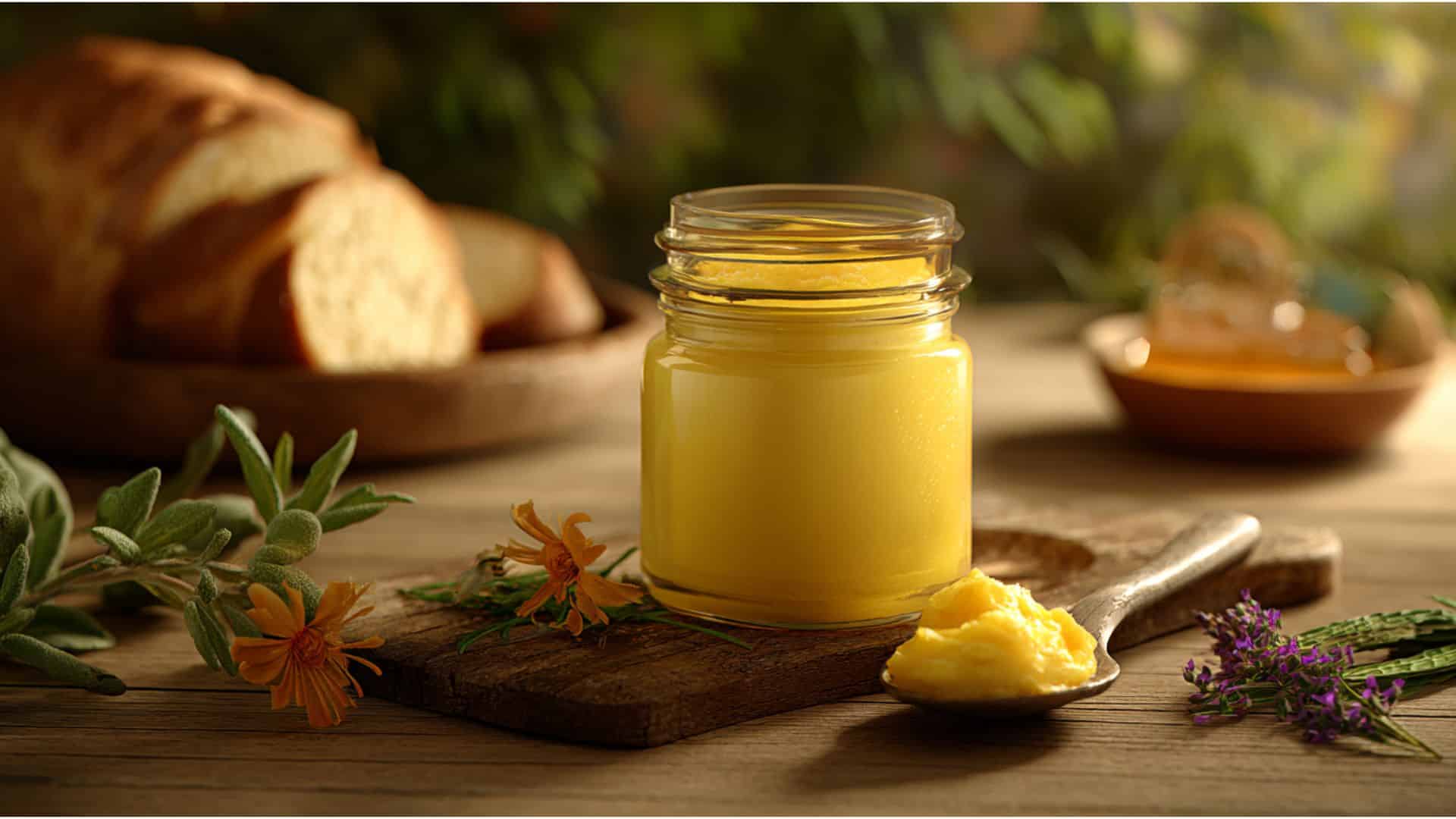
Ghee is clarified butter made by simmering regular butter until all the water and milk solids have completely disappeared. This ancient process creates a pure, golden fat that has nourished families for thousands of years.
Indian and Middle Eastern kitchens have relied on ghee as their cooking secret for generations now. Ayurvedic medicine also celebrates ghee as a healing food that supports wellness from head to toe.
Get ready to discover ghee’s health benefits and see why it deserves a special place on your table!
How is Ghee Better Than Butter
Ghee is butter that has been cooked for a longer period to remove all the milk solids and water from it. This process significantly extends the shelf life of ghee, allowing it to last longer than regular butter without requiring refrigeration.
Ghee can withstand high cooking temperatures without burning or producing smoke, unlike butter, which often does when heated.
People who struggle to digest dairy products often find ghee easier on their stomach than butter. The nutty flavor of ghee adds a rich taste to food that many people prefer over butter.
Nutritional Profile of Ghee
Understanding ghee’s nutritional composition helps you make informed dietary choices.
Here’s what you get in one tablespoon (14g) of ghee:
| Nutrient | Amount per Tablespoon |
|---|---|
| Calories | 120-130 kcal |
| Total Fat | 14g |
| Saturated Fat | 9g |
| Monounsaturated Fat | 4g |
| Polyunsaturated Fat | 0.5g |
| Omega-3 Fatty Acids | 40-100mg |
| Omega-6 Fatty Acids | 200-400mg |
| Cholesterol | 30-40mg |
| Vitamin A | 400-500 IU |
| Vitamin E | 0.4mg |
| Vitamin K | 1.1mcg |
| Butyric Acid | 400-500mg |
Top Health Benefits of Ghee
Ghee offers many health benefits that support your body from immunity to brain function naturally. These traditional benefits are now supported by modern scientific research and studies from around the world.
1. Boosts Immunity
Ghee contains butyric acid, which helps your body produce more T-cells that effectively fight off infections.
A study published in Nature (2013) demonstrated that butyrate promotes the differentiation of regulatory T cells in the colon, crucial for immune function. The antioxidants in ghee help your body absorb nutrients better.
Your immune system gets stronger when you include small amounts of ghee in your diet. These natural compounds work together to keep your body’s defense system running at its best.
2. Supports Digestive Health
The butyrate in ghee has natural anti-inflammatory properties that reduce swelling throughout your body while nourishing gut bacteria.
Research published in Nutrients (2023) demonstrated that butyrate acts as a primary energy source for colon cells and reduces inflammation markers in the digestive tract.
People have used ghee for centuries to treat burns and digestive problems with great success. Many folks eat a small spoonful before meals to prevent stomach issues and reduce joint pain naturally.
3. Improves Heart Health
Ghee contains omega-3 fatty acids that can help lower bad cholesterol levels in your blood naturally.
A review published in the Journal of Ayurveda and Integrative Medicine (2024) found that moderate ghee consumption did not adversely affect cardiovascular risk markers in healthy adults.
The healthy fats in ghee support your heart when used as part of a balanced diet. Moderation is the key to getting heart benefits without creating new health risks for yourself.
4. Promotes Skin and Hair Health
The fatty acids and antioxidants in ghee help keep your skin soft and moisturized from the inside.
Ghee can help heal small cuts and reduce the appearance of scars when applied to the skin.
Many people use ghee as a natural moisturizer because it absorbs easily into the skin layers. Your hair also benefits from ghee’s nourishing properties when used as a conditioning treatment regularly.
5. Aids in Weight Management
Ghee contains special fats called MCTs that your body burns quickly for energy instead of storing.
A 2015 meta-analysis in the Journal of the Academy of Nutrition and Dietetics found MCTs are metabolized differently than long-chain fatty acids, potentially aiding weight management in calorie-controlled diets.
These healthy fats raise good cholesterol and support your metabolism. Ghee is processed differently, making it easier to use as fuel. Its quick-burning fats may keep you full longer between meals.
6. Improves Brain Function
Traditional medicine believes ghee helps improve memory and thinking skills when eaten in small amounts regularly.
A study published in Neurology (2022) found that omega-3 fatty acids (DHA and EPA) were associated with larger hippocampal volumes and better cognitive function in middle-aged adults.
While more studies are needed, ghee’s nutrients support brain health. The healthy fats improve communication between brain cells, potentially improving concentration and mental clarity when included in a healthy diet.
Ghee vs. Butter vs. Coconut Oil: A Complete Comparison
Choosing the right cooking fat can be confusing.
Here’s how ghee stacks up against two popular alternatives:
| Feature | Ghee | Butter | Coconut Oil |
|---|---|---|---|
| Smoke Point | 450°F (232°C) | 350°F (177°C) | 350-400°F (177-204°C) |
| Lactose/Casein | Trace to none | Contains both | None (dairy-free) |
| Saturated Fat (per tbsp) | 9g | 7g | 12g |
| Shelf Life (room temp) | 3-12 months | 1-2 weeks | 2-3 years |
| Butyric Acid | High | Moderate | None |
| Omega-3 (grass-fed) | 40-100mg | 30-80mg | Minimal |
| Flavor | Rich, nutty | Creamy, mild | Sweet, tropical |
| Best For | High-heat cooking | Baking, spreading | Vegan cooking |
| Digestibility | Excellent | Moderate | Excellent |
Making Ghee at Home
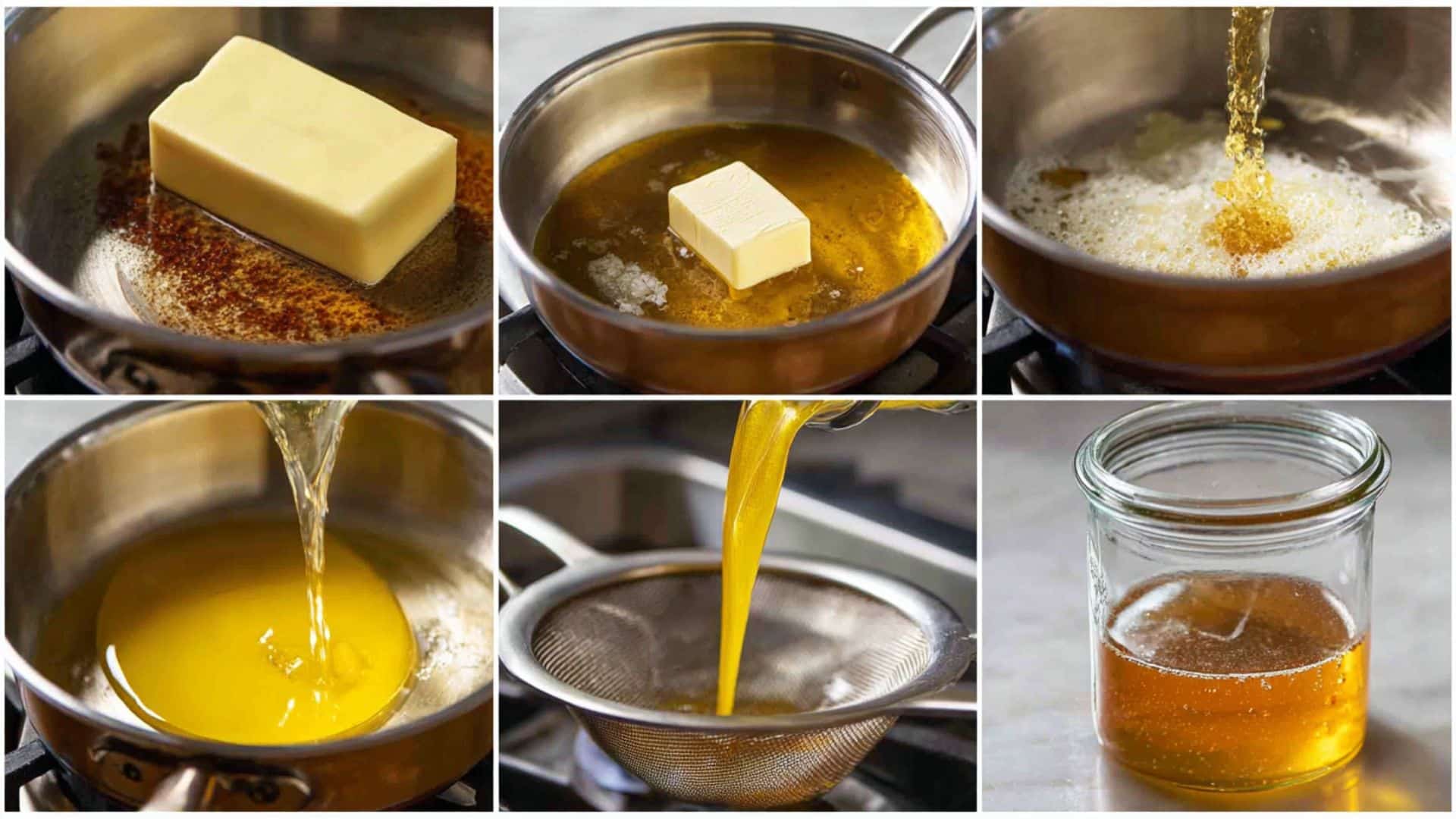
Making ghee at home is easier than you might think, with just butter and patience. These five simple steps will help you create fresh ghee in your kitchen today.
- Start with one pound of unsalted butter and place it in a heavy-bottomed pan for cooking.
- Turn the heat to low and let the butter melt slowly without stirring or moving it around.
- Keep simmering the melted butter until you see brown bits forming at the bottom of the pan.
- Strain the golden liquid through a fine mesh strainer to remove all the brown milk solids completely.
- Pour your fresh ghee into a clean glass jar and store it at room temperature safely.
Your homemade ghee will stay fresh for weeks without refrigeration when stored in a sealed glass container.
The entire process takes approximately thirty minutes and fills your kitchen with a fabulous, nutty aroma.
How to Incorporate Ghee into Your Diet
Start with small amounts of ghee daily and gradually increase as your taste buds adjust well.
| Way to Use Ghee | Description |
|---|---|
| High-Heat Cooking | Use ghee to cook vegetables, eggs, or meat — it resists burning and handles high heat better than butter or many oils. |
| Sautéing and Frying | Perfect for sautéing onions, frying fish, or roasting potatoes without producing smoke or a burnt flavor. |
| Baking Substitute | Replace butter with ghee in cookies, cakes, or bread to get a nutty, richer taste in your baked goods. |
| In Coffee or Tea | Stir 1 teaspoon into morning coffee or tea for added richness and energy. |
| Spread on Toast | Use ghee as a butter substitute on warm toast for a flavorful and satisfying breakfast twist. |
Recommended Daily Dosage Guidelines
The amount of ghee you should consume depends on your overall health goals and dietary needs.
Here are evidence-based recommendations:
- General Health: 1-2 teaspoons (5-10g) per day for most adults, divided across meals or used in a single serving.
- Weight Management: Limit to 1 teaspoon (5g) per day and account for ghee calories in your daily intake.
- Heart Health Concerns: Maximum 1 teaspoon (5g) per day with regular cholesterol monitoring by your doctor.
- Children (ages 2-12): ½ to 1 teaspoon (2.5-5g) per day, introduced gradually while monitoring for sensitivities.
- Athletes & Active Individuals: Up to 2 tablespoons (30g) per day to meet higher energy needs and caloric requirements.
These are general guidelines that vary based on age, activity level, metabolic health, and existing medical conditions. Start with smaller amounts and increase gradually while monitoring your body’s response.
Potential Risks and Considerations for Ghee
Like any food, ghee has some risks you should know about before adding it regularly. Understanding these points helps you make smart choices about how much ghee to eat daily.
- Ghee contains many calories in small amounts, so eating too much can cause unwanted weight gain.
- The saturated fats in ghee may be healthy in moderation, but harmful when consumed in large quantities.
- People with heart disease should talk to their doctor before adding ghee to their regular diet.
- Those with high cholesterol levels need medical advice before using ghee as a cooking fat regularly.
- Some people may have dairy sensitivities that make ghee difficult to digest despite the processing method.
These considerations do not mean you cannot enjoy ghee as part of a balanced eating plan. Start with small amounts and pay attention to how your body responds to this traditional fat.
Wrapping It Up
You now understand why the benefits of ghee make it such a valuable addition to any kitchen. I hope you feel inspired to try making your own fresh ghee using the simple steps.
The process takes just thirty minutes and fills your home with an amazing nutty smell throughout. Adding small amounts of ghee to your daily meals can boost nutrition and flavor together perfectly.
Start slowly with one teaspoon per day and let your body adjust to this traditional fat. Your taste buds will thank you for introducing them to such a rich and satisfying ingredient.
Making ghee at home connects you to centuries of cooking wisdom and healthy eating traditions worldwide. Comment below and share which benefit of ghee excites you most to try first!