




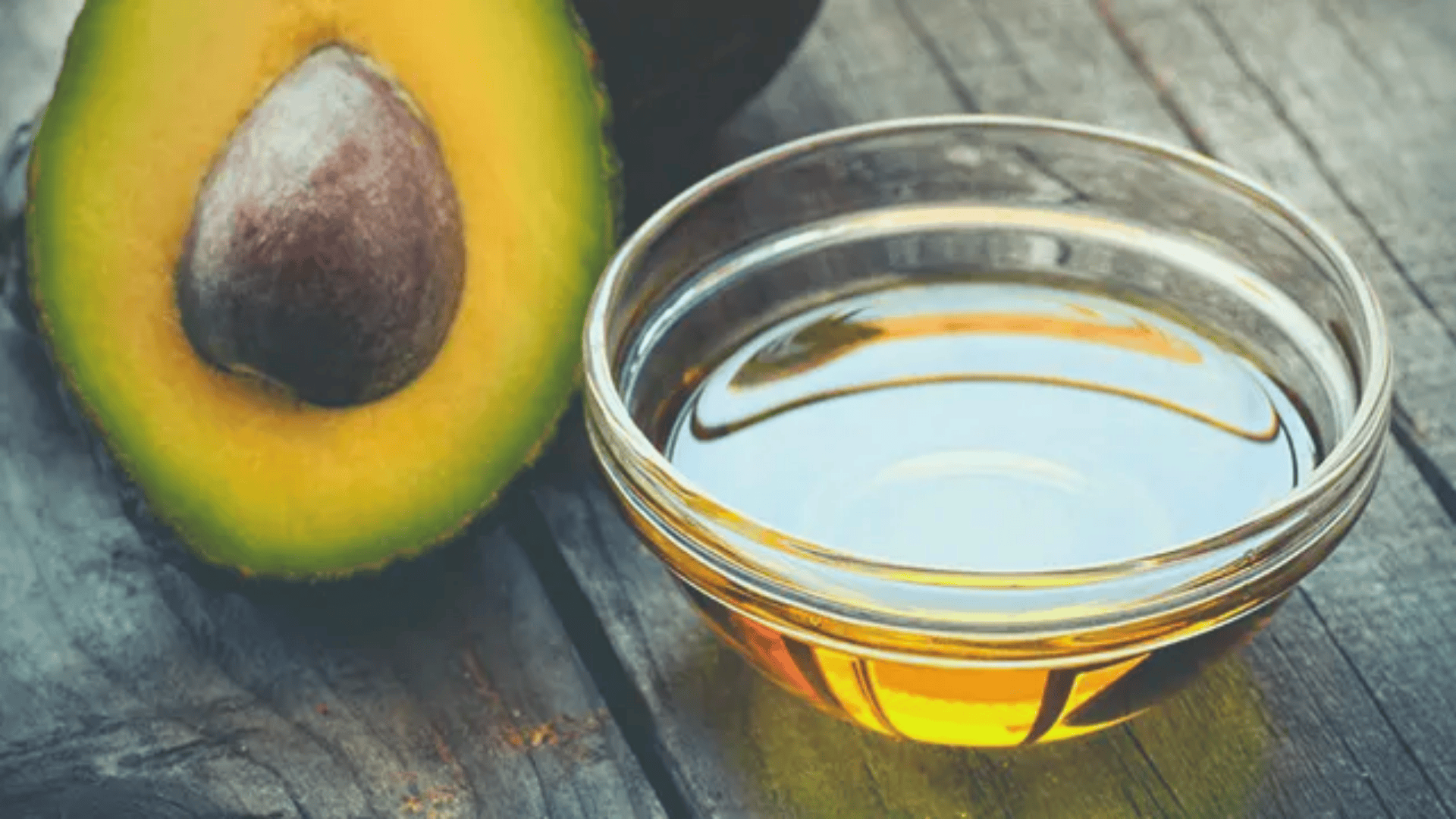









If you’re looking for a healthier cooking oil option, avocado oil is an excellent choice. It offers numerous health benefits, including support for heart health and skin care.
With its mild flavor and versatility, avocado oil is perfect for a wide range of cooking methods, from sauteing to baking.
In this blog, I will cover how you can substitute avocado oil for vegetable oil in both cooking and baking.
Additionally, I’ll highlight the unique advantages of avocado oil, such as its high smoke point and impressive nutrient profile.
Read on to know how avocado oil can change your meals and make a healthier choice in the kitchen.
What Makes Avocado Oil a Good Choice?
Renowned for its richness in oleic acid, a heart-friendly monounsaturated fat, avocado oil stands out among cooking oils.
Monounsaturated fats are recognized for their ability to lower levels of low-density lipoprotein (LDL) cholesterol, which can help reduce the risk of heart disease and stroke.
Additionally, avocado oil is rich in antioxidants, including vitamin E and lutein.
These benefits support cardiovascular health and contribute to long-term wellness while also improving overall wellness.
When comparing avocado oil vs vegetable oils (such as canola, soybean, or sunflower oil), several key differences in their nutrient profiles are notable.
| Nutrient | Avocado Oil | Vegetable Oil |
|---|---|---|
| Monounsaturated Fats | 70-80% | 20-30% |
| Polyunsaturated Fats | 10-15% | 50-60% |
| Omega-6 Fatty Acids | Low (approx. 10%) | High (approx. 50-60%) |
| Vitamin E | High (provides antioxidants) | Low to moderate |
| Lutein | Present (beneficial for eye health) | Absent |
By choosing avocado oil over vegetable oil, you’re not just improving the flavor of your meals but also making a healthier choice for your heart, skin, and overall health.
Can You Use Avocado Oil Instead of Vegetable Oil
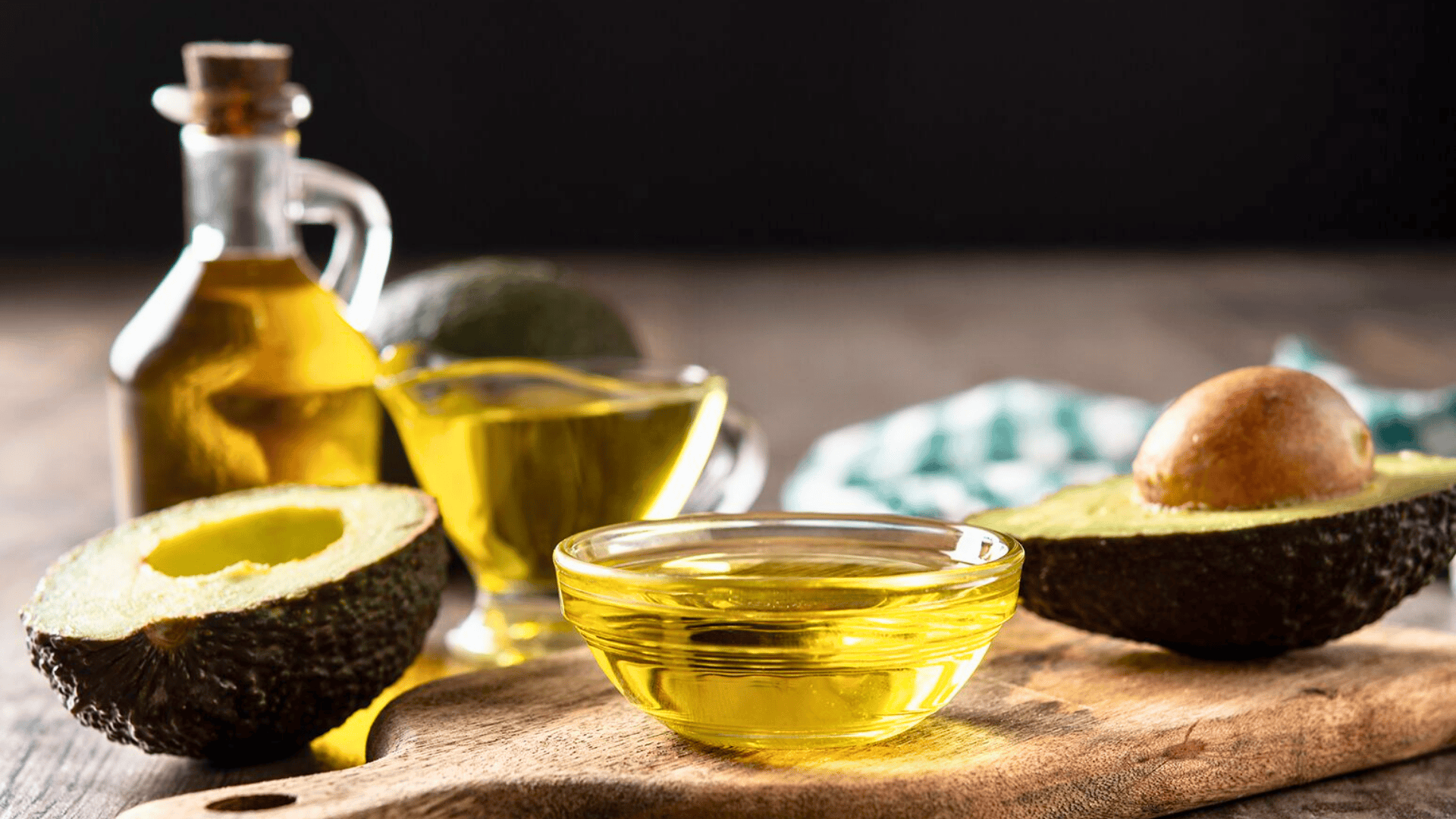
Avocado oil is a versatile and healthy alternative to vegetable oil in various cooking applications. Here’s how you can use it in your everyday cooking.
General Cooking
Avocado oil is a great 1:1 substitute for vegetable oil in most recipes. Its subtle, buttery notes elevate a dish without masking other ingredients, adding richness and smooth texture.
If sauteing, scrambling eggs, or stir-frying, it brings out natural flavors and improves mouthfeel, unlike vegetable oils, which can leave a greasy finish.
High-Heat Cooking
Avocado oil is ideal for searing, frying, and grilling at elevated temperatures. Avocado oil is ideal for high-heat methods such as stir-frying, grilling, and deep-frying.
It retains its integrity and flavor, unlike vegetable oils, which break down at high temperatures, making it an ideal choice for searing meats and creating crispy dishes.
Other Uses Beyond Baking
It’s equally effective in raw applications, such as dressings or smoothies, where its velvety texture enhances the mouthfeel, adding a smooth texture and nutritional value.
It can also be used as a natural moisturizer for skin and a nourishing hair treatment.
Incorporating avocado oil into your daily routine can enhance both your meals and overall health.
The Versatility of Avocado Oil in Different Cuisines
| Cuisine / Style | Common Uses | Flavor Benefits | Extra Tips |
|---|---|---|---|
| Mexican | Guacamole, grilled vegetables, sautéed meats | Adds a mild, buttery flavor that complements fresh herbs and chili | Use in place of olive oil for a richer texture |
| Italian | Pasta dishes, salad dressings, and dipping oils | Enhances herbs like basil, oregano, and rosemary | Drizzle over pasta after cooking to preserve flavor |
| Asian | Stir-fries, noodle dishes, and marinades | Pairs well with ginger, garlic, soy, and sesame | Withstands high heat for quick stir-fry cooking |
| Mediterranean | Roasted vegetables, grilled fish, and vinaigrettes | Light flavor works with lemon, thyme, and parsley | Great for both hot and cold dishes |
| General Cooking | Grilling, roasting, and baking | Helps crisp vegetables and meats while keeping them moist | Ideal for high-heat cooking due to high smoke point |
Avocado Oil vs Vegetable Oil: Environmental Concerns
Both avocado oil and vegetable oils have environmental concerns. Vegetable oil farming, such as for palm or soybean oil, causes deforestation, habitat loss, and high greenhouse gas emissions.
Avocado oil, while beneficial in many ways, is water-intensive, which can lead to water scarcity issues in drought-prone areas and potentially contribute to biodiversity loss if not managed sustainably.
| Aspect | Avocado Oil | Vegetable Oil |
|---|---|---|
| Land Use | It can affect biodiversity if not managed sustainably | Contributes to deforestation, especially with palm oil |
| Water Usage | High water consumption, especially in dry areas | Typically requires less water, depending on the crop |
| Pesticide Use | Reduced in organic farming | High pesticide use in non-organic farming |
| Sustainability | Sustainable practices are available with certifications | Often linked to resource-intensive farming practices |
Look for organic or fair trade certifications when buying avocado oil to support sustainable farming practices and minimize environmental impact.
Choosing sustainably sourced avocado oil can help reduce its environmental footprint while promoting eco-friendly practices.
Avocado Oil in Specific Diets
Avocado oil’s healthy fat profile makes it ideal for keto, paleo, and plant-based diets alike, which emphasize healthy fats and low-carb intake.
With its high content of monounsaturated fats, avocado oil supports ketosis in keto diets while offering a nutrient-rich fat source for paleo enthusiasts.
As a plant-based oil, avocado oil is perfect for vegan and dairy-free diets. It provides healthy fats, essential antioxidants, and vitamins, making it a versatile and nutrient-dense alternative to butter and other animal-based oils.
It complements plant-based recipes without compromising on health benefits or flavor.
Common Mistakes When Using Avocado Oil
While avocado oil is a versatile ingredient, there are a few common mistakes to be aware of. Here’s how to use it effectively:
- Flavor Missteps: Avoid using avocado oil in delicate dishes where its buttery flavor could overpower other ingredients, such as light dressings or mild-flavored baked goods.
- Not Adjusting for Smoke Point: Although avocado oil has a high smoke point, it is still essential to monitor the heat when using it for frying or grilling to prevent it from breaking down.
- Storage Issues: To keep avocado oil fresh and preserve its quality, store it away from light and heat, ideally in a pantry or cupboard, out of direct sunlight and away from heat sources, as these conditions can cause it to degrade.
- Overuse in Baking: While great for baking, excessive avocado oil can alter the texture of specific recipes. Stick to the recommended measurements.
- Not Using High-Quality Oil: Opt for cold-pressed, organic avocado oil to reap the maximum health benefits and enjoy the rich flavor.
By avoiding these mistakes, you can maximize the benefits of avocado oil in your cooking. Proper use and storage will make sure it remains a healthy addition to your meals.
Comparing Avocado Oil, Olive Oil, and Coconut Oil
| Oil Type | Flavor | Best Uses | Smoke Point | Cost | Money-Saving Tips |
|---|---|---|---|---|---|
| Olive Oil | Distinct, fruity | Salad dressings, drizzling, and low-heat cooking | Low — not ideal for high-heat frying | Moderate | Buy during supermarket sales; choose extra virgin for the best flavor |
| Coconut Oil | Rich, slightly sweet | Baking, adding crisp texture, and light sautéing | Low — avoid for high-heat frying | Moderate | Purchase jars in bulk; store in a cool place for freshness |
| Avocado Oil | Mild, neutral | Sautéing, grilling, roasting, and deep-frying | High — ideal for high-heat cooking | Higher | Buy in bulk, try smaller high-quality brands, and watch for health store discounts |
Conclusion
Switching from vegetable oil to avocado oil offers multiple benefits, including healthier fats, improved cooking performance, and enhanced flavor.
If you’re asking, can you substitute avocado oil for vegetable oil? The answer is yes, Avocado oil is not only great for heart health but also more versatile, making it perfect for high-heat cooking and baking.
Plus, it’s a more sustainable choice when sourced responsibly.
If you’re ready to try something new, share your experiences or learn more about avocado oil recipes. Visit my other blogs for additional tips on healthy cooking.