




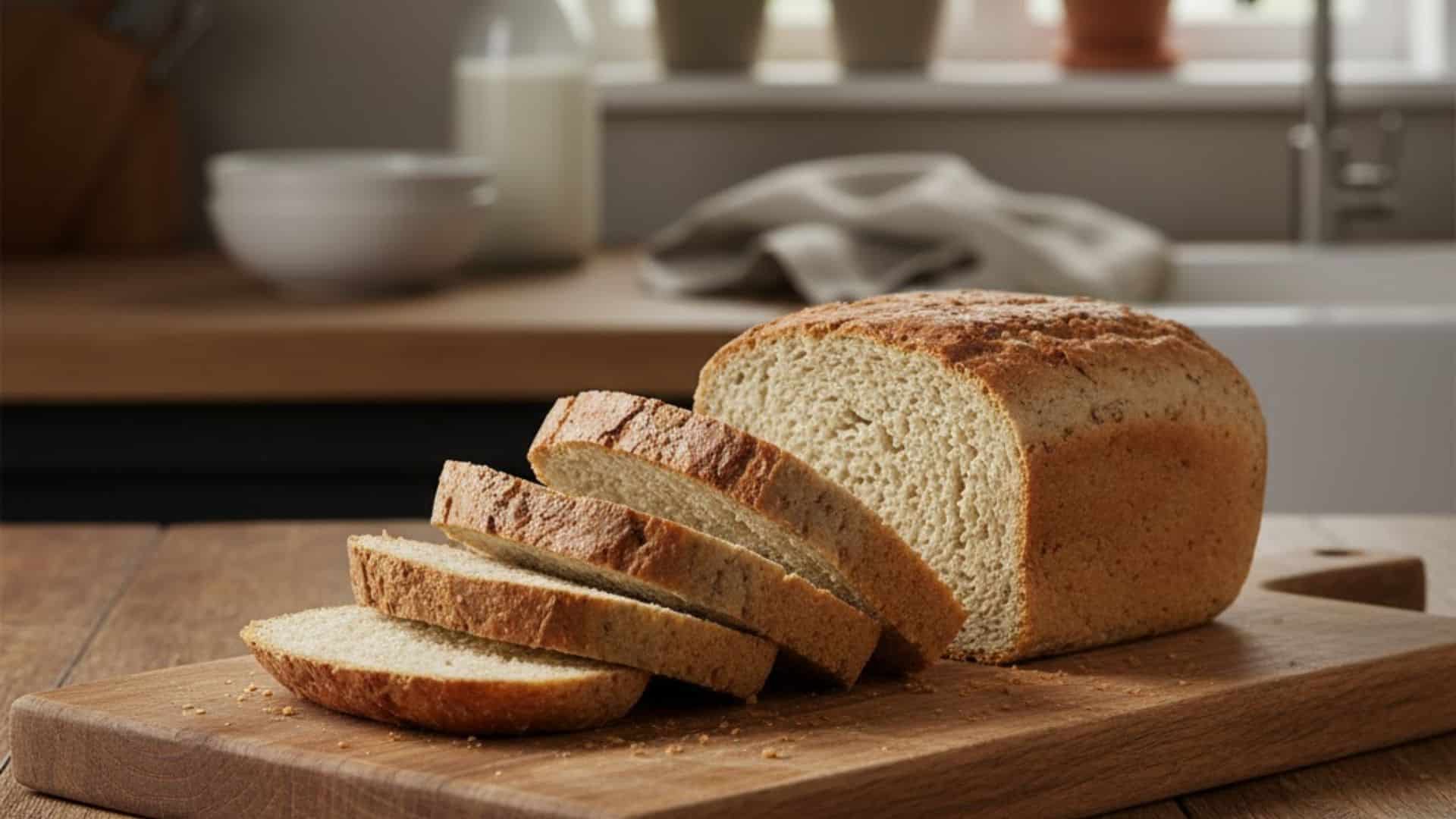







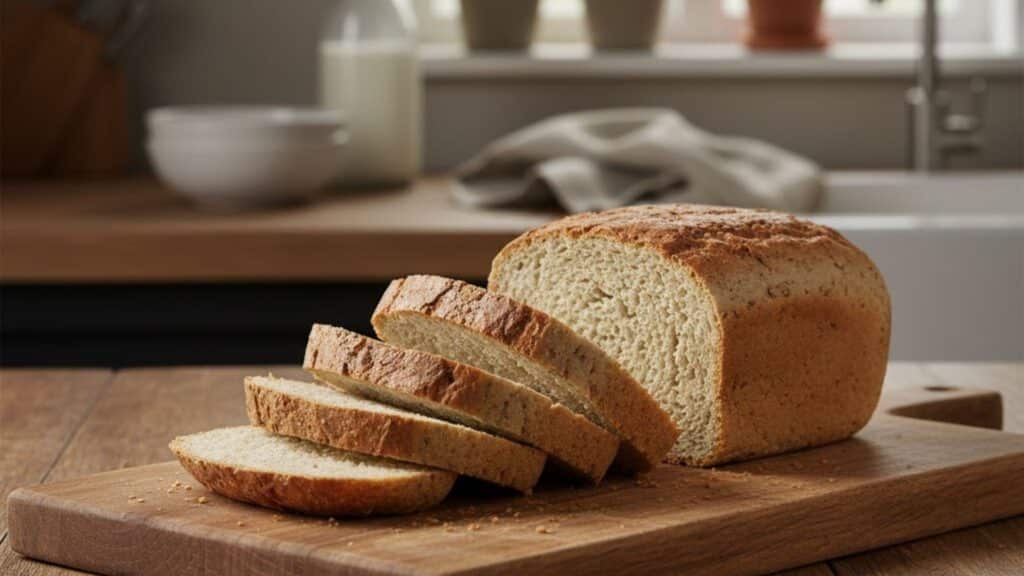

Does gluten-free bread have carbs, or can you eat it freely without worrying? I hear this question all the time from people trying to manage their carb intake carefully.
Many shoppers grab gluten-free bread thinking it’s automatically a healthier, lower-carb choice for their diet. The truth about if gluten-free bread has carbs often surprises people who assumed otherwise based on labels.
Marketing makes these products seem like the perfect solution for anyone who is watching their carbohydrate intake daily.
Your grocery store shelves are packed with gluten-free options that might not match your actual dietary goals.
I want to help you understand what you’re really getting when you buy gluten-free bread. Let’s find the truth about what’s hiding in those innocent-looking slices.
What Gluten-Free Bread Actually Means?
Gluten is a protein found in wheat, barley, and rye that gives regular bread its chewy texture. People with celiac disease must avoid gluten completely because it damages their intestines and causes serious health problems.
Others choose gluten-free bread because they have gluten sensitivity or simply prefer avoiding it for personal reasons. Gluten-free bread replaces wheat flour with alternatives such as rice flour, almond flour, or tapioca starch.
The “gluten-free” label only tells you that wheat, barley, and rye proteins are absent from the product. It doesn’t automatically indicate anything else about the bread’s nutritional content or other ingredients used.
Understanding this distinction helps you make better choices when shopping for bread that fits your specific dietary needs.
Does Gluten-Free Bread Have Carbs?
Yes, gluten-free bread absolutely contains carbohydrates, just like regular bread does in most cases. Most commercial gluten-free bread slices contain around 11 to 15 grams of carbs per slice.
However, some gluten-free breads can contain 20 to 30 grams of carbs per slice, depending on the recipe. The carb count varies widely based on which alternative flours and starches the manufacturer uses in production.
Rice flour, potato starch, and tapioca are common ingredients that naturally contain high amounts of carbohydrates. These substitutes replace wheat flour to remove gluten but still provide the structure bread needs for texture.
Understanding these carb counts helps you make informed choices when selecting bread that aligns with your dietary needs and goals.
Is Gluten-Free Bread Low-Carb?
No, most gluten-free bread is not considered low-carb by standard definitions used in dieting circles. Low-carb bread typically contains five to ten grams of net carbs per slice at most.
Regular gluten-free bread often packs fifteen to thirty grams per slice, which exceeds low-carb standards significantly.
The problem is that gluten-free bread isn’t designed with carb reduction in mind at all. It’s made to remove gluten, not to lower the overall carbohydrate content of each slice.
Special low-carb, gluten-free breads do exist, made with almond flour, coconut flour, or flaxseed meal. These specially formulated options contain only one to six grams of net carbs per slice, typically.
The ingredients make all the difference between regular and low-carb gluten-free bread varieties available today.
Comparing Gluten-Free vs Regular Bread for Nutrition
Understanding how gluten-free bread compares to regular bread helps you choose what works best for your diet. Here’s a complete breakdown of carbs and nutrition across different bread types:
| Bread Type | Carbs per Slice | Fiber | Protein | Common Ingredients | Glycemic Index | Glycemic Impact |
|---|---|---|---|---|---|---|
| Regular White Bread | 12-15g | 1-2g | 2-3g | Wheat flour, yeast, sugar | 70-75 | High |
| Regular Whole Wheat Bread | 15-20g | 2-4g | 4-5g | Whole wheat flour, seeds | 65-70 | Medium to High |
| Typical Gluten-Free Bread | 11-15g | 1-2g | 2-3g | Rice flour, potato starch, tapioca | 70-90 | High |
| Premium Gluten-Free Bread | 15-20g | 2-3g | 3-4g | Multiple flours, seeds, eggs | 65-75 | Medium to High |
| Low-Carb Gluten-Free Bread | 1-6g net carbs | 4-8g | 5-7g | Almond flour, coconut flour, psyllium | 35-45 | Low |
| Keto Gluten-Free Bread | 1-3g net carbs | 5-10g | 6-8g | Almond flour, flaxseed, egg whites | 25-35 | Very Low |
I’ve learned that the glycemic index measures how quickly foods raise blood sugar levels. Bread with a high GI can cause faster blood sugar spikes.
Nutritional values and glycemic index numbers may vary based on brand, recipe, specific ingredients used, serving size, and preparation methods employed.
How to Enjoy Gluten-Free Bread While Watching Carbs?
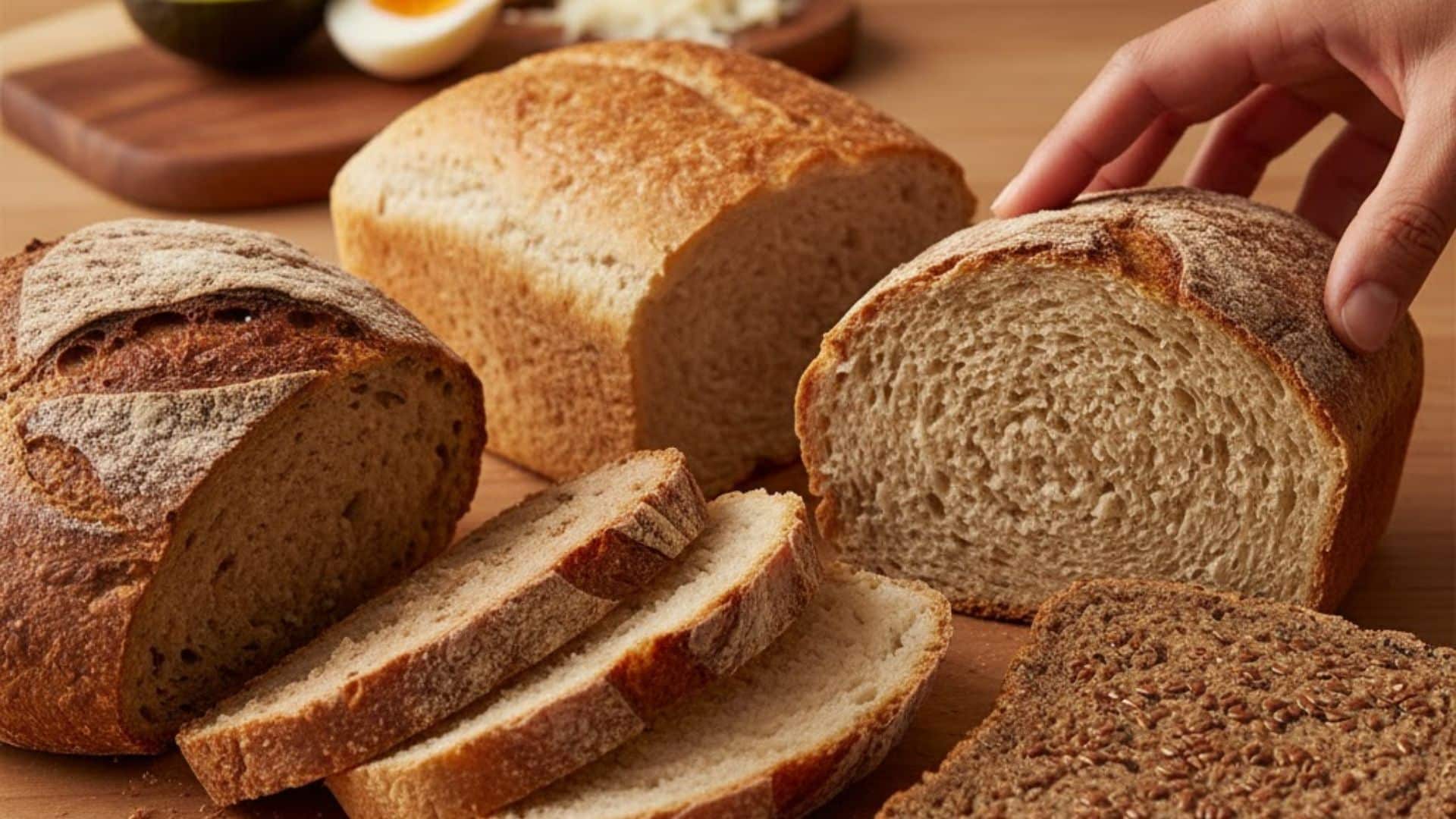
If You’re Trying to Watch Your Carbs but Still Want to Enjoy Gluten-Free Bread, There Are Simple Ways to Make It Work. Here’s What You Can Do:
- Choose Low-Carb Gluten-Free Breads when Available: Look for Brands Made with Almond Flour, Coconut Flour, or Flaxseed Meal Instead of Rice or Potato Flour.
- Use Smaller Portions: Have Half a Slice or Make Open-Faced Sandwiches to Cut Your Carb Intake without Skipping Bread.
- Pair It with Protein and Healthy Fat: Adding Eggs, Cheese, or Avocado Helps Slow down how Your Body Absorbs Carbs.
- Try Homemade Versions: I Like Using Almond or Coconut Flour when Baking at Home Because It Gives Me More Control over Carbs.
- Track Your Daily Carb Total: Keeping an Eye on The Rest of Your Meals Helps You Stay Within Your Carb Goal Easily.
I’ve learned that you don’t have to avoid gluten-free bread altogether; just make small swaps and stay aware of what’s in it. With these simple habits, you can enjoy bread while keeping your carbs under control.
What to Check when Buying Gluten‑free Bread?
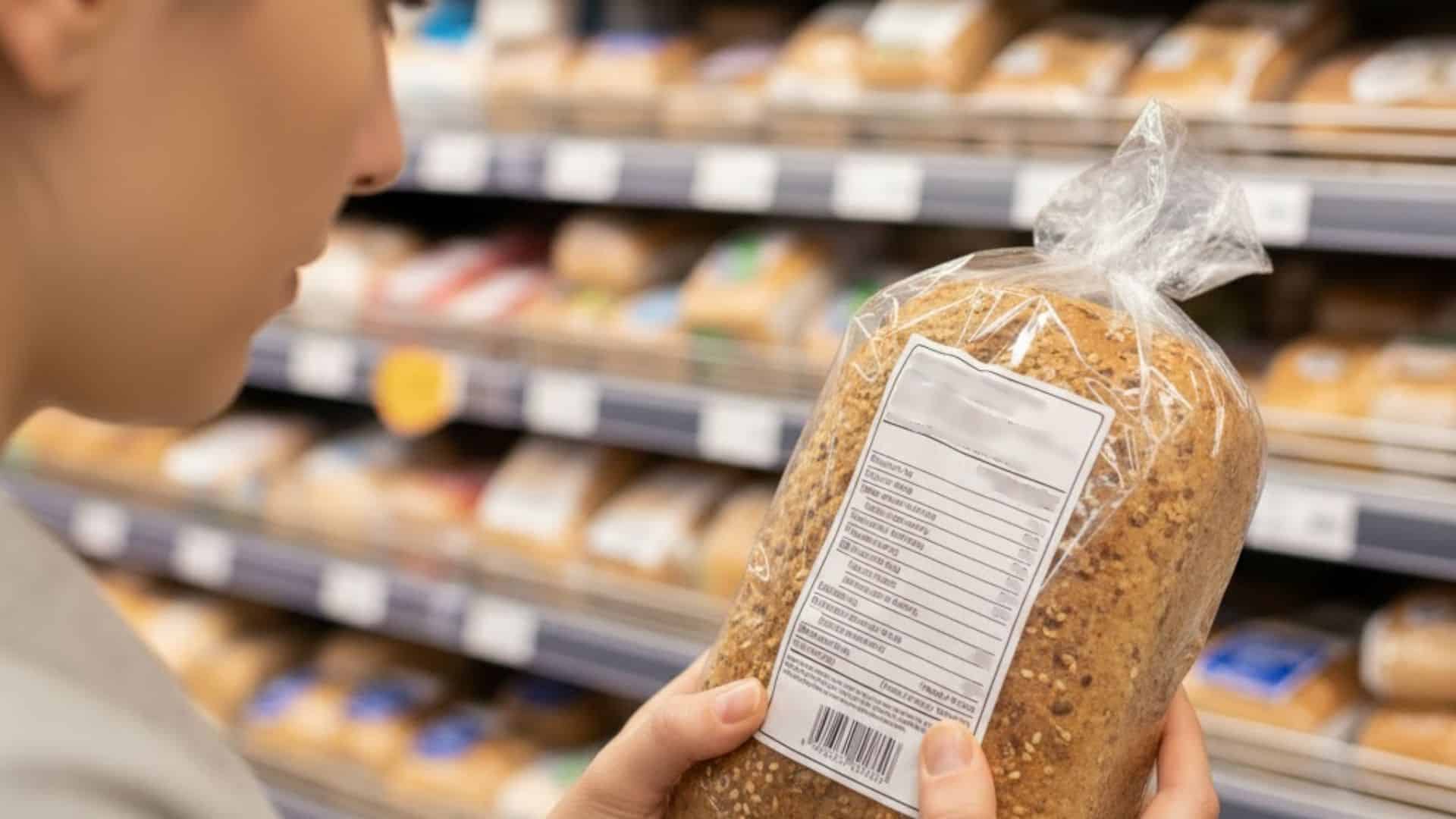
When buying gluten-free bread, I always make sure to check the labels closely to ensure it fits my dietary needs. Here are some tips to help you make the right choice:
- Check the “Total Carbohydrate” and “Dietary Fibre” to calculate the net carbs.
- Look at the ingredient list for rice flour, potato starch, or tapioca starch, as these are higher in carbs.
- Look for bread made with almond flour, coconut flour, flaxseed, or psyllium for low-carb options.
- Consider the serving size and the number of slices per loaf to understand the actual carb content.
By using these tips, you can make better choices when selecting gluten-free bread that fits your carb needs.
That’s a Wrap
Now you have all the facts about gluten-free bread and can shop with confidence moving forward. You’ve learned how to read labels, compare options, and spot truly low-carb varieties when needed.
I hope this information empowers you to make choices that effectively support your health goals. Your success depends on understanding food labels instead of relying on marketing buzzwords that mislead shoppers.
Gluten-free bread has its place, but only when you know exactly what you’re buying and eating. Take control of your diet by applying what you learned here every time you shop.
Smart choices happen when you always understand the real nutritional content of your food purchases. What surprised you most about gluten-free bread and its carb content? Drop your thoughts below.