










Age spots build up quietly for years, until one morning you look in the mirror and suddenly they are all you see.
I have had so many people bring this up, thinking about what changed and what they should do next. It can feel confusing with so many tips out there, but age spots are one of the more treatable skin concerns when approached the right way.
If they showed up on your hands, face, or shoulders, the path to fading them is clearer than most people think.
This breaks down everything worth knowing, from the ingredients that actually work to the habits that stop new spots from forming, so you can make confident decisions about your skin.
What Age Spots Are and What Causes Them
Age spots are flat, dark patches that develop on areas of your skin most exposed to the sun, like your face, hands, and shoulders. They occur when your skin produces excess melanin from prolonged sun exposure.
Over the years, as your skin’s natural repair process slows down, this extra pigment stays longer, leading to visible spots. These spots are more common as you age, but they can show up earlier depending on your sun exposure and genetics.
Tanning and other sun-related habits can also make them appear sooner or more pronounced. Unlike freckles, age spots do not fade with the changing seasons, which is why so many people look for ways to naturally clear face spots that actually deliver lasting results.
Fading Age Spots: Key Ingredients To Try
When it comes to fading age spots, the right ingredients can make a big difference. Let’s find the best ingredients and treatments that can help you get clear, even-toned skin.
1. Vitamin C: The Everyday Brightener
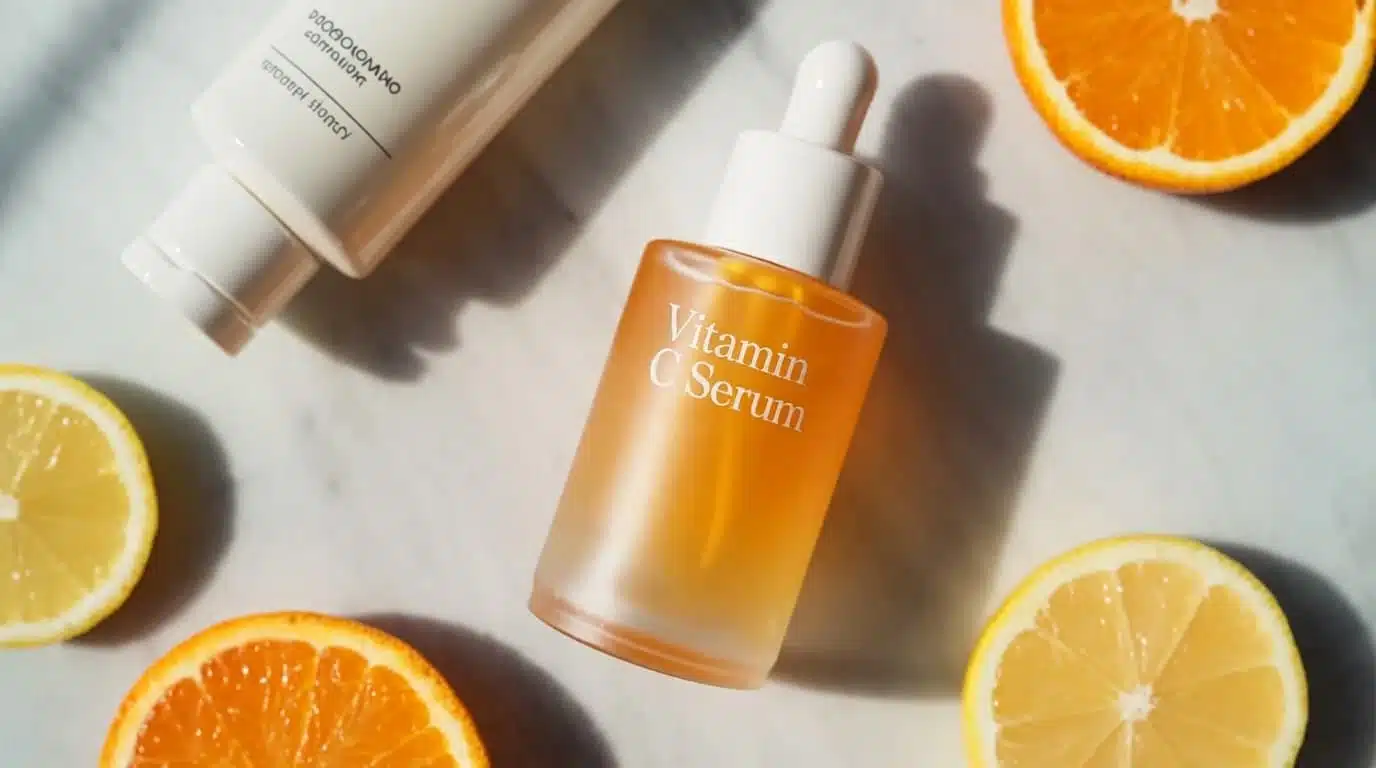
Vitamin C blocks the enzyme responsible for melanin production, fading existing spots while preventing new ones from forming.
It’s one of the most researched brightening ingredients available and a reliable daily staple for achieving a more even complexion over time.
How to use:
- Apply a 10 to 20 percent L-ascorbic acid serum every morning after cleansing and toning.
- Use only a few drops and press gently into the skin rather than rubbing.
- Always follow with SPF, as Vitamin C increases sun sensitivity.
- Store in a dark bottle away from direct light and heat, and replace it if it turns yellow or orange.
Best for: Most skin types | Intensity: Moderate
Product Recommendations: SkinCeuticals C E Ferulic, La Roche-Posay Pure Vitamin C Serum
2. Niacinamide: The Gentle Workhorse
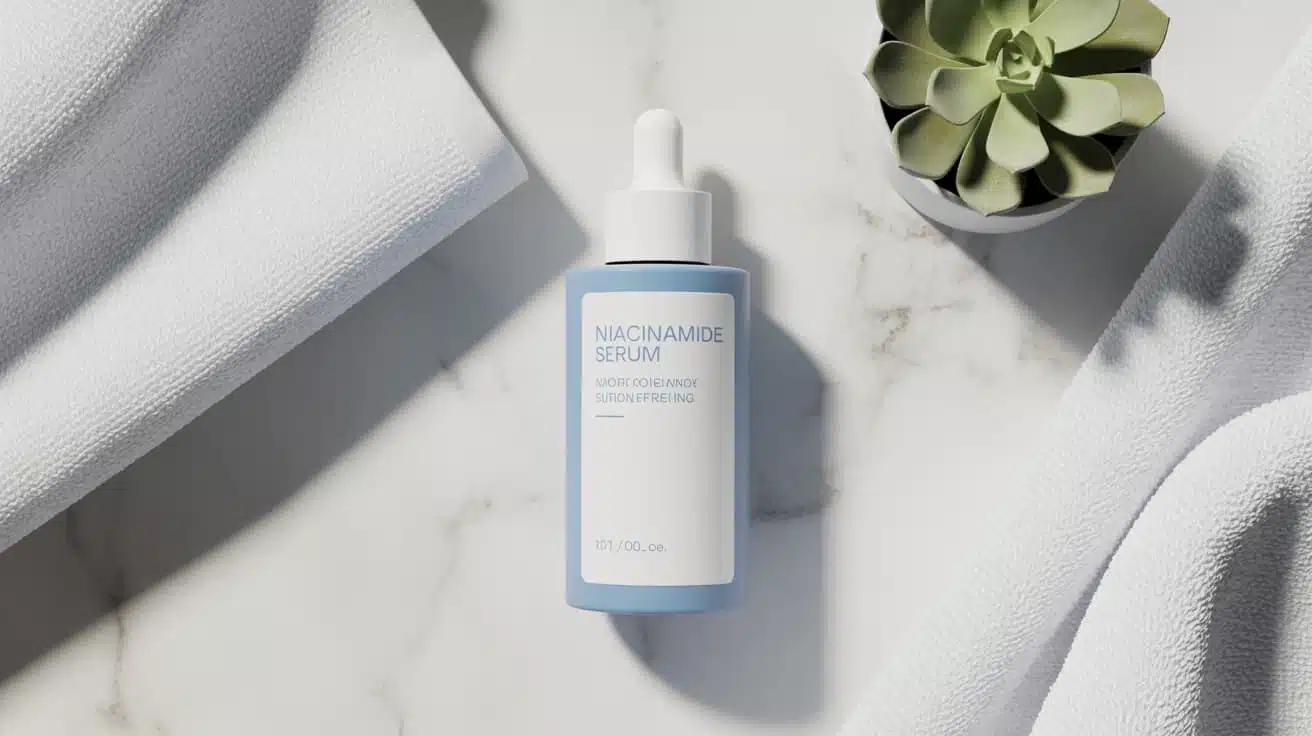
Niacinamide (Vitamin B3) blocks pigment transfer to skin cells rather than stopping melanin production entirely, making it effective yet virtually irritation-free.
For those looking to remove spots naturally, it’s one of the most versatile brightening ingredients and pairs flawlessly with almost every other active in your routine
How to use:
- Apply a 5 to 10 percent niacinamide serum morning and evening after cleansing.
- Press a few drops gently into the skin and allow it to fully absorb before layering other products.
- If using alongside Vitamin C, apply Vitamin C first and wait for it to absorb before layering niacinamide on top.
- Unlike stronger actives, it requires no dedicated buffer day or recovery time between uses.
Best for: All skin types |Intensity: Gentle
Product Recommendations: The Ordinary Niacinamide 10% + Zinc 1%, Good Molecules Niacinamide Serum
3. Alpha Arbutin: The Sensitive Skin Option
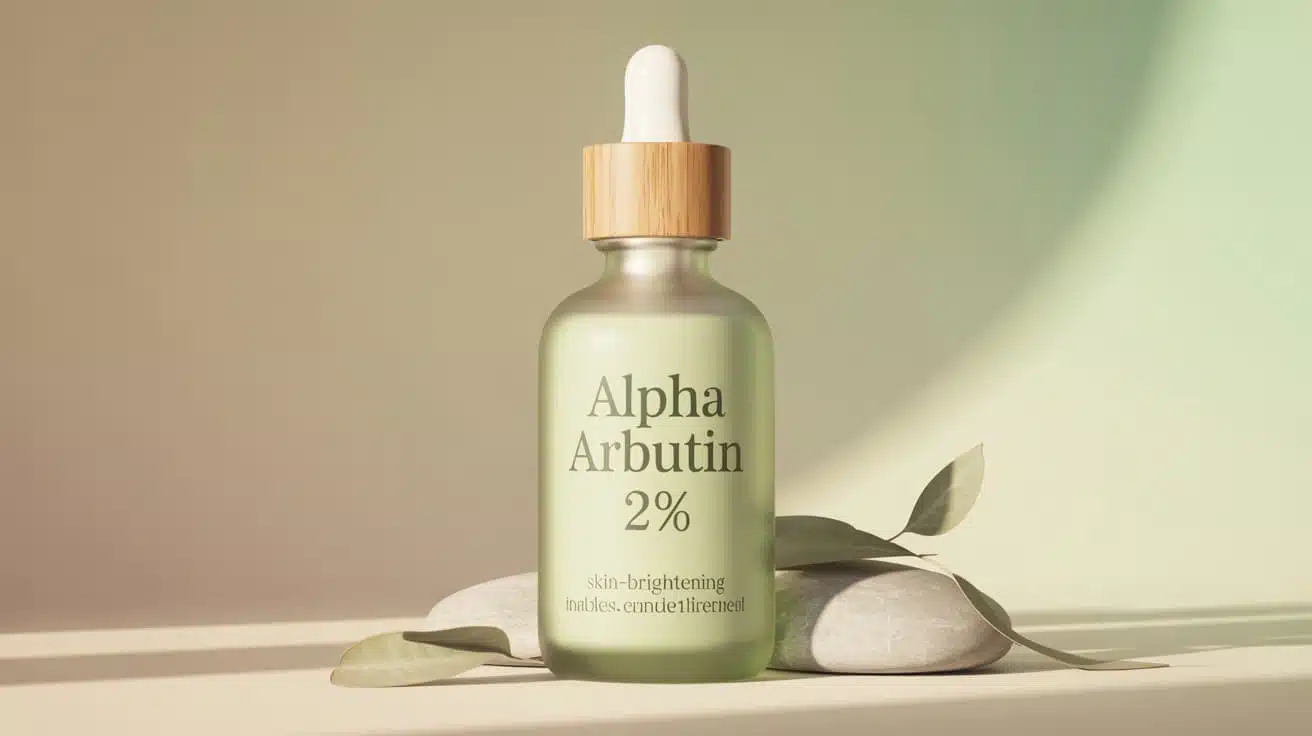
Derived from bearberry, alpha arbutin inhibits melanin production at the source, working similarly to hydroquinone but without the harsh side effects.
It’s gentle enough for daily use on even the most reactive skin types, making it a great entry point for brightening beginners.
How to use:
- Apply a few drops to clean skin morning and evening before moisturiser.
- Focus on targeted areas with dark spots or uneven tone rather than layering heavily.
- Allow it to fully absorb before applying other actives or moisturiser on top.
- Results are visible within four to eight weeks of consistent use.
Best for: Sensitive skin | Intensity: Gentle
Product Recommendations: The Ordinary Alpha Arbutin 2% + HA, Naturium Alpha Arbutin Serum 2%
4. Retinol: The Heavy Hitter
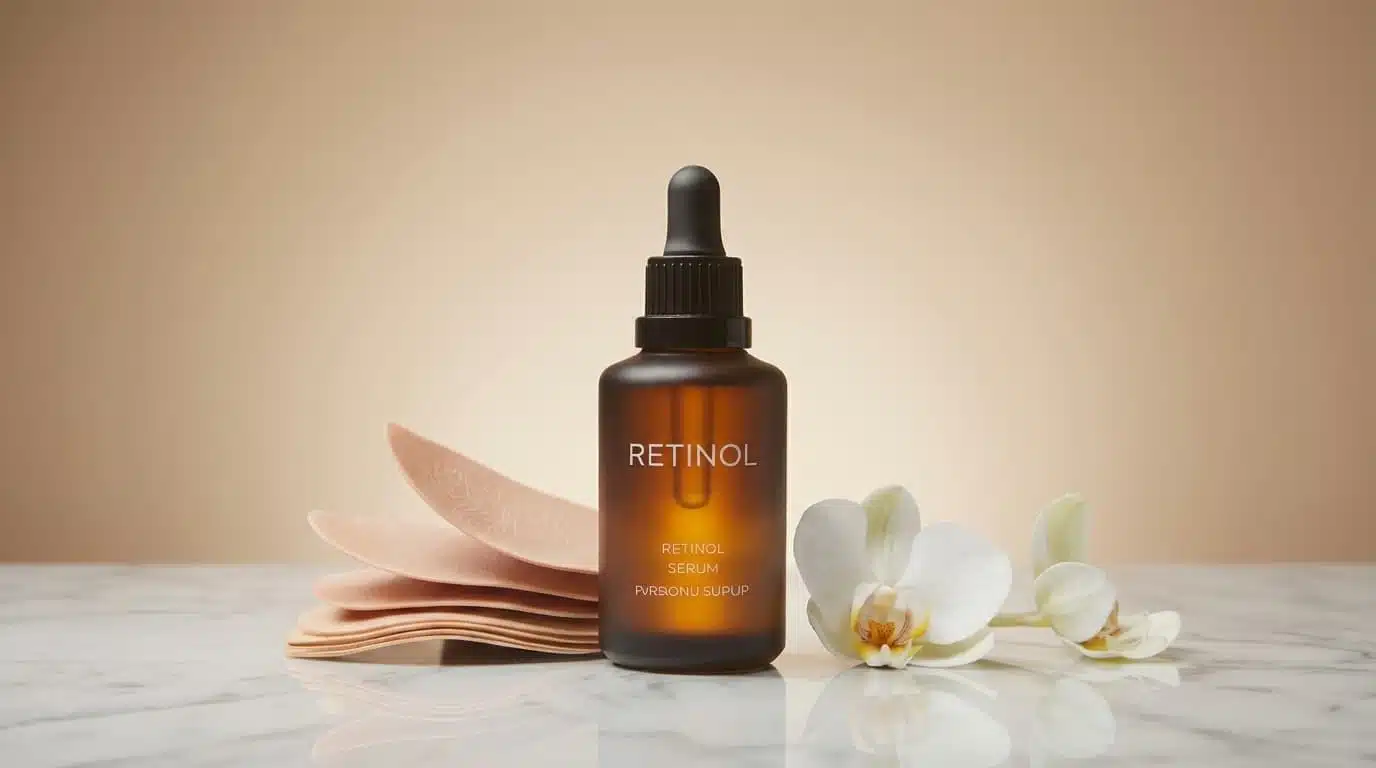
Retinol accelerates cell turnover, pushing older pigmented cells out and revealing fresher, more even-toned skin underneath.
It works differently from other brightening ingredients; rather than targeting pigment directly, it resets the skin’s renewal cycle. Because it’s potent, a slow and careful introduction is essential.
How to use:
- Start at 0.025 to 0.05 percent and apply two to three nights per week on clean, dry skin.
- Use only a pea-sized amount across the entire face to minimise irritation.
- Build frequency gradually as the skin adjusts, moving toward nightly use over several weeks.
- Always follow with SPF the next morning as retinol increases sun sensitivity significantly.
Best for: Normal to dry skin | Intensity: Strong
Product Recommendations: CeraVe Resurfacing Retinol Serum, The Ordinary Retinol 1% in Squalane
5. Azelaic Acid: For Reactive Skin Types
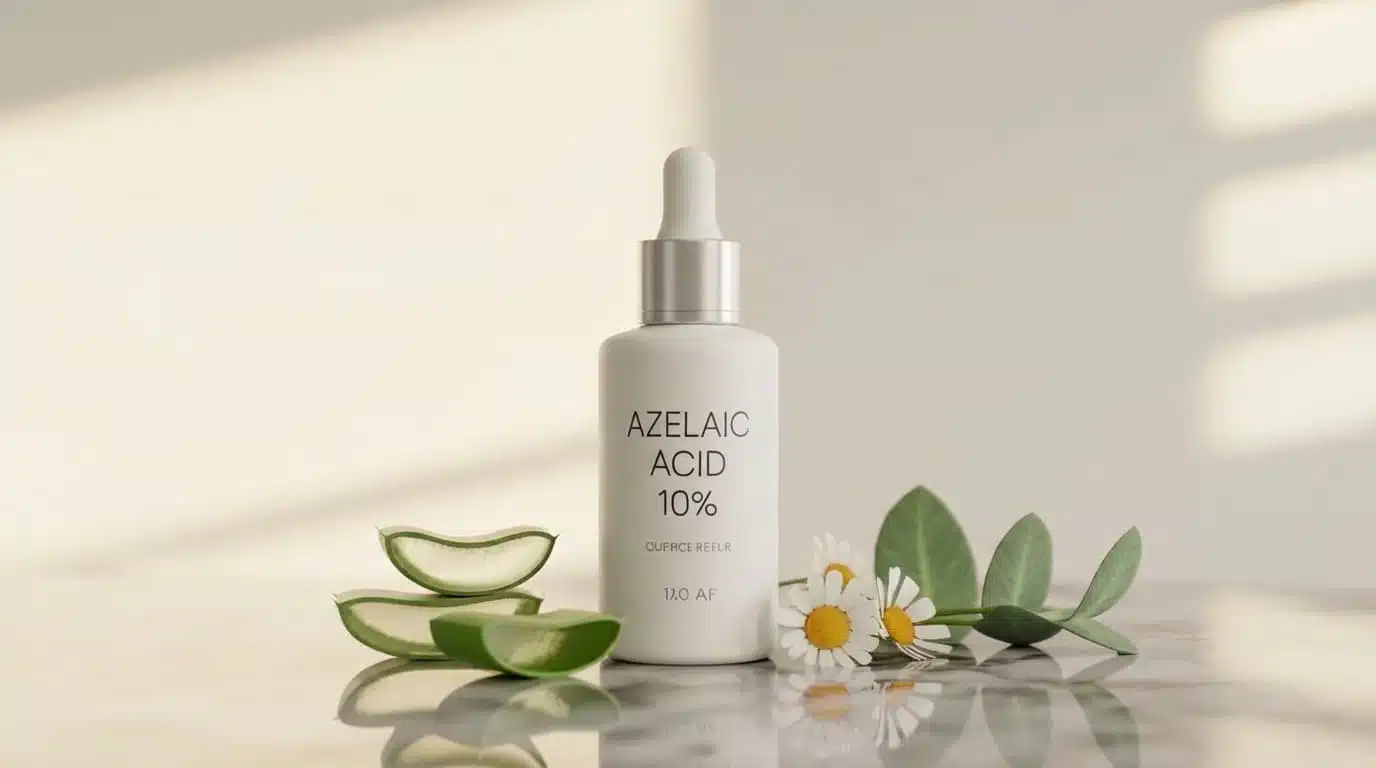
Azelaic acid inhibits melanin and reduces inflammation simultaneously, making it one of the few actives that tackle both pigmentation and redness at once.
It’s particularly useful for rosacea-prone skin that struggles to tolerate stronger brightening ingredients without flaring up.
How to use:
- Apply a 10 to 15 percent azelaic acid serum or suspension once or twice daily after cleansing.
- Use after water-based serums and before heavier creams or oils.
- It layers well with niacinamide, SPF, and most other actives without conflict.
- Unlike most acids, it does not increase sun sensitivity, making it safe for morning use.
Best for: Sensitive, rosacea-prone skin | Intensity: Gentle
Product Recommendations: Paula’s Choice 10% Azelaic Acid Booster, The Ordinary Azelaic Acid Suspension 10%
Key Active Ingredients You Shouldn’t Combine
Not every active plays well with others, and using the wrong combinations can cause more harm than good. Understanding which pairings to avoid is just as important as knowing which ingredients to use. Here are the combinations worth steering clear of:
| Combination to Avoid | Why It’s a Problem | What to Do Instead |
|---|---|---|
| Retinol + Vitamin C | Different pH levels destabilise each other and increase irritation risk | Use Vitamin C in the morning and retinol at night |
| Retinol + AHAs or BHAs | Over-accelerates cell turnover, leading to redness and a damaged skin barrier | Rotate on separate days rather than layering |
| Niacinamide + Direct Vitamin C | Can trigger flushing and reduce effectiveness of both | Leave at least a ten-minute gap between application |
| Multiple exfoliating acids at once | Strips skin faster than it can recover | Rotate glycolic, lactic, and salicylic acids across different days |
What I always tell people is that more actives at once rarely means faster results. From what I have seen, introducing one new active at a time and giving the skin at least two weeks to adjust makes the entire routine work considerably better.
Common Age Spot Remedies That Don’t Work
When fading age spots, not all methods are effective. Some popular remedies might even make things worse. Here’s what to avoid:
- Toothpaste: A common DIY hack that does more harm than good. The abrasive ingredients in toothpaste can strip the skin barrier, cause irritation, and leave the affected area more inflamed than before.
- Hydrogen Peroxide: DIY treatments with hydrogen peroxide are risky and not recommended for skin care.
- Miracle Brightening Creams: Many brightening creams with vague ingredient lists simply don’t penetrate deep enough to affect melanin production, wasting your time and money.
Stick to proven ingredients and professional treatments. If it sounds too good to be true, it probably won’t work.
Professional Treatments for Faster Results
If you want more dramatic, quicker results, these options are worth discussing with a dermatologist or aesthetician:
| Treatment | How It Works | Speed | Downtime | Key Consideration |
|---|---|---|---|---|
| Chemical Peels | Removes the top skin layer | Medium | Low–Medium | Multiple sessions needed |
| Laser / IPL | Targets pigment directly | Fast | Medium | Avoid sun post-treatment |
| Cryotherapy | Freezes the spot | Fast | Low | May leave light patches |
| Hydroquinone | Lightens pigment | Medium | Low | Max 3-month cycles |
| Microdermabrasion | Exfoliates skin mechanically | Medium | Low | Best for mild spots |
Each treatment varies in speed, downtime, and intensity; the right one depends on your skin type, budget, and how quickly you want results. Always consult a dermatologist before booking.
How Long Does It Take to Get Rid of Age Spots?
There is no single answer, and anyone who tells you otherwise is oversimplifying. Results depend on how dark the spots are, how long they have been there, and what you are using to treat them.
Over-the-counter ingredients like niacinamide and alpha arbutin typically take four to eight weeks of consistent use before a visible difference shows up.
Stronger actives like retinol and azelaic acid can take up to twelve weeks. Professional treatments like laser or chemical peels work faster, often showing results within two to four weeks.
Natural remedies take the longest and results are the least predictable. Whatever route you choose, consistency matters more than speed.
Prevention Tips to Avoid New Age Spots
From what I have seen, most people focus entirely on treatment and skip the one step that actually keeps new spots from forming. Here is what needs to become non-negotiable in your routine:
- Wear SPF 30 or higher every single day. UV exposure is the primary driver of new age spots, and broad-spectrum sunscreen applied every morning is the most effective tool for stopping them from forming.
- Avoid direct sun exposure between 10 AM and 4 PM. UV rays are at their strongest during this window, and planning outdoor activity outside these hours significantly reduces cumulative sun damage.
- Cover up with protective clothing, hats, and sunglasses. Physical barriers add a layer of protection that sunscreen alone cannot always provide, especially during prolonged time outdoors.
- Reapply sunscreen every two hours throughout the day. A single morning application does not last, and after swimming, sweating, or extended outdoor exposure, reapplication is what keeps the protection actually working.
Consistency with these habits is what separates people who maintain even skin tone long term from those who treat and retreat the same spots repeatedly.
Final Thoughts
Fading age spots is not about finding a miracle product. It is about understanding what your skin needs and consistently giving it the right tools.
If you start with a gentle niacinamide serum, work up to retinol, or book a professional treatment, the approach that works best is always the one you will stick to. Consistency beats intensity every time.
Be patient with the process. Even the strongest actives take weeks to show results, and your skin did not change overnight. Neither will the results.
If this helped, share it with someone who needs it and drop a comment below telling me which approach you are trying first.