











I used to walk through the store trying to figure out how tofu fit into my low-carb meals. You might do the same thing, especially when you’re watching your macros and want something simple.
The question is tofu keto comes up a lot, and I remember feeling unsure when I heard so many mixed opinions. Some people love it for the low carbs, while others say it needs more fat to work.
I’ve had those moments too, trying to keep my meals easy while staying on track. That’s why I put this guide together. I want you to see how tofu fits your routine, what to adjust, and how to make it work for you.
So, here’s where we start.
Is Tofu Keto Friendly or Not?
Tofu can work on a keto diet because it has very few carbs. Firm tofu has about 1.9 g net carbs per 100 g, which keeps you well inside the usual keto carb range.
The main thing you need to watch is the fat level. Tofu is low in fat, so you need to add oils or other fatty foods if you want your meal to stay keto-friendly.
When you add the right oils, is tofu keto-friendly? It becomes an easy yes, and it fits neatly into a balanced low-carb meal.
What Keto Communities and Forums Really Say About Tofu
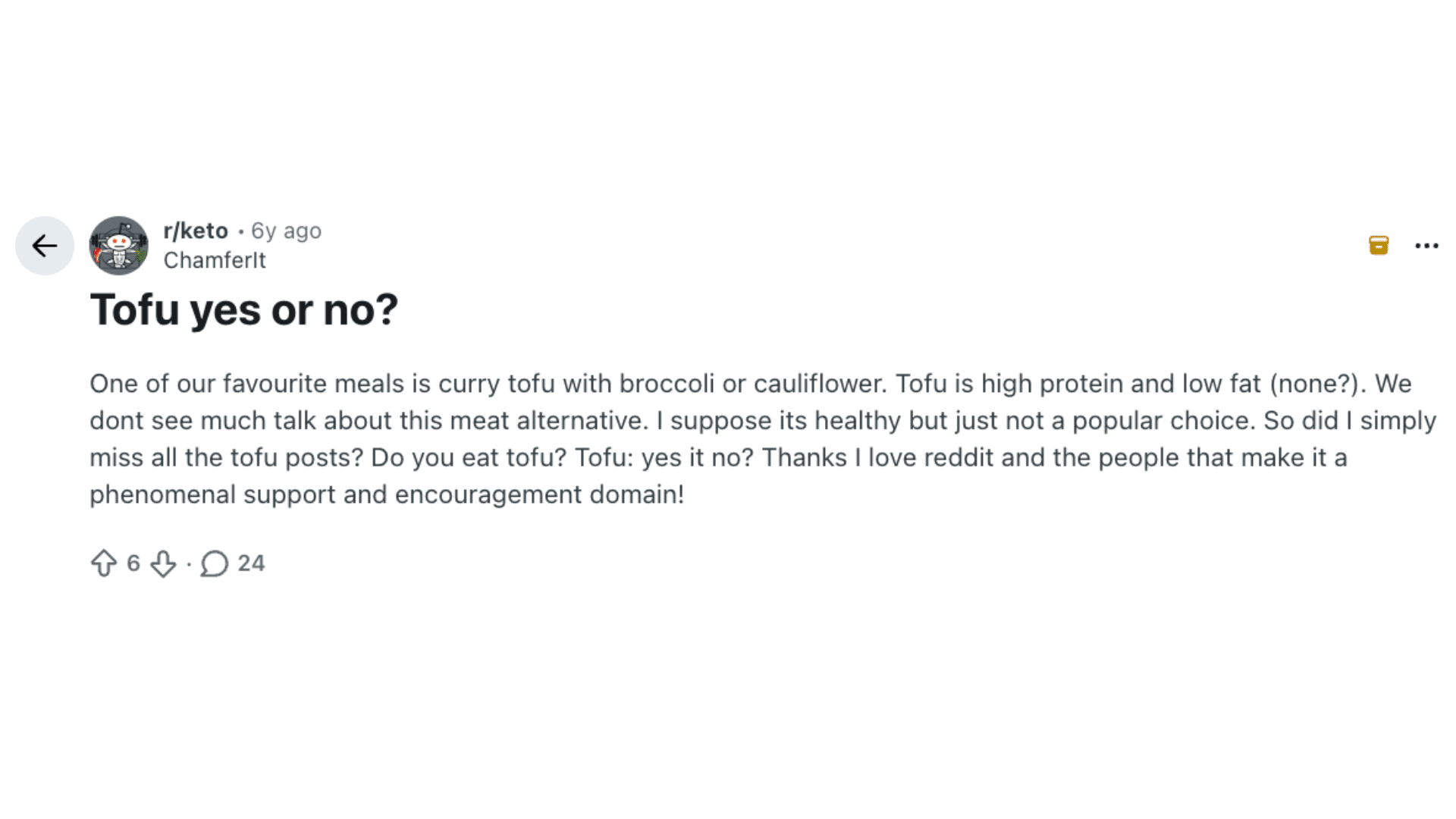
Online discussions on Reddit show a wide range of real tofu experiences from keto followers. Many r/keto users say tofu is easy to include because firm varieties are low in carbs, simple to cook, and crisp well when fried in oil to boost fat.
Others prefer meat for better taste and texture, saying it feels more filling and helps them save carbs for vegetables. Some users mention soy concerns, while many note that tofu brands vary in carbs and firmness, making label reading important.
In another r/keto discussion, users talk about whether someone can eat “too much tofu” on keto. Several vegan members say they eat tofu daily without issues and suggest adding hemp or pumpkin seeds to strengthen the amino acid profile.
Others report finding firm tofu with as low as 0.5 net carbs per 100 g, while some mention mild bloating depending on the brand. These broader experiences show that tofu works well for most keto eaters, though tolerance and cooking style vary
Is Tofu Keto From a Macro Perspective?
Tofu is naturally low in carbs, but macro balance depends on the type and how you prepare it.
Carbs in Different Types of Tofu
Different tofu textures contain slightly different carb amounts, so checking labels helps you stay within daily limits.
| Tofu Type (per 100g) | Net Carbs |
|---|---|
| Silken | ~1 g |
| Regular | ~1.2 g |
| Firm | ~1.9 g |
| Extra-firm | ~2.4 g |
| Super-firm | ~1 g |
These numbers show tofu stays low carb across textures, with firm and extra-firm typically the highest.
Why Low Carb Doesn’t Automatically Mean “Perfect Keto”
Tofu is low in carbs, but keto depends on eating enough fat, not just keeping carbs down.
Most tofu varieties are relatively lean, so you usually need to add fats like avocado oil, butter, sesame oil, or fatty meats to reach keto-friendly macro ratios.
Many tofu meals only become truly keto when cooked in added fat or paired with higher-fat ingredients.
Is Tofu Right for You?
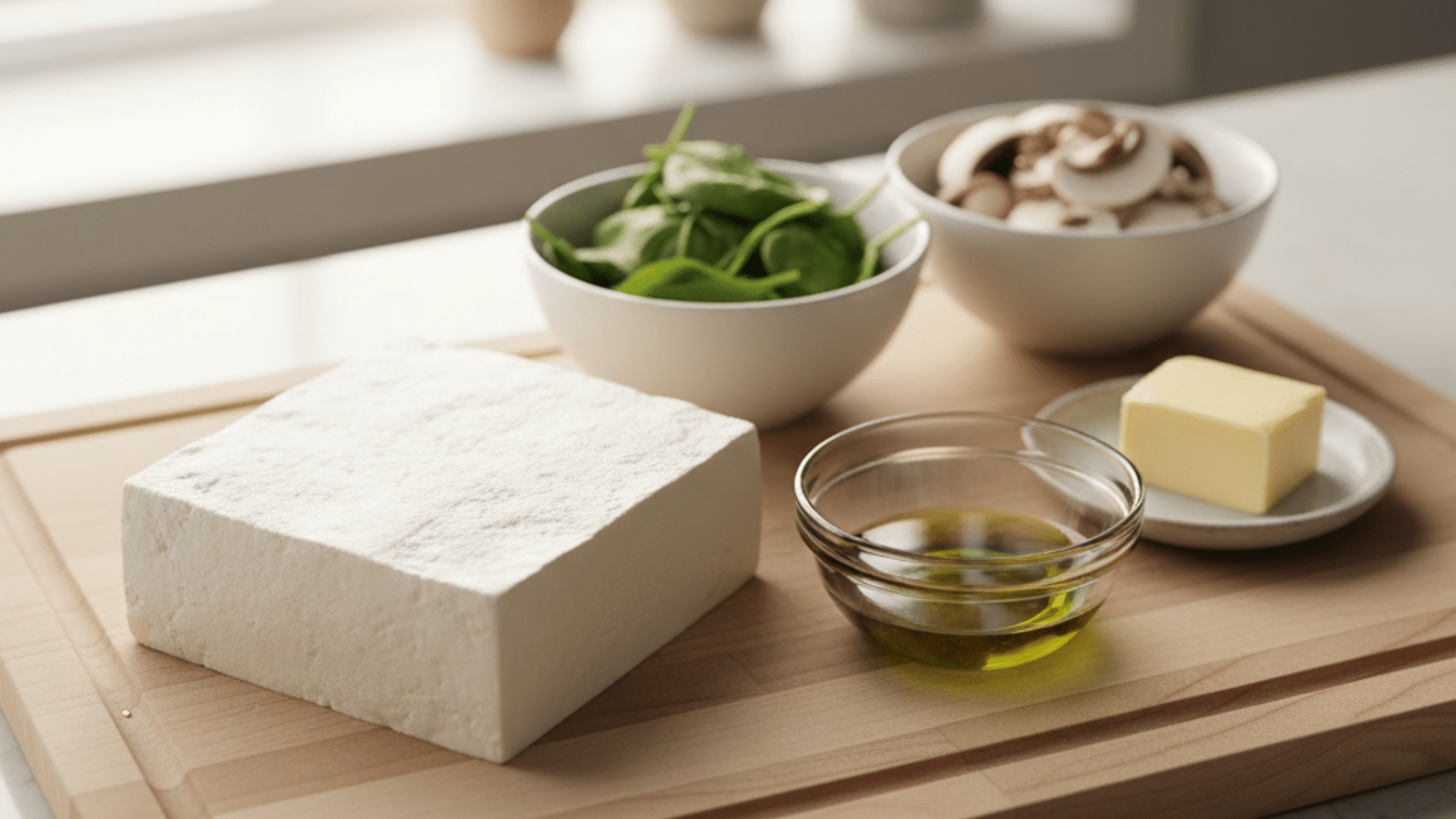
Tofu can fit your keto routine, but whether it works for you depends on your goals, your digestion, and the type of meals you enjoy.
Its carb count is low, which makes it easy to stay within daily limits, but the fat content is on the lighter side. That means you usually need to pair it with oil, butter, or other fatty ingredients to keep your macros balanced.
Some people handle tofu well and like having a plant-based option for variety, while others notice bloating or prefer the taste and texture of meat. Reading labels matters because different tofu styles vary in carbs and firmness.
Paying attention to how your body responds is the best way to decide if tofu deserves a regular place in your keto meals.
Soy Myths vs. Facts for Keto
Keto communities often debate soy, but much of the confusion comes from mixing myths with partial facts. This section clears up common claims.
What are Phytoestrogens Really?
Phytoestrogens are plant compounds found in soy that can interact with estrogen receptors, but they act much more weakly than human estrogen.
Phytoestrogens in tofu (soy isoflavones like genistein and daidzein) can bind estrogen receptors, but they’re far weaker than your body’s estradiol.
In humans, typical soy intake usually shows no meaningful “hormone replacement” effect, and any effects can be mild and vary by person. So tofu can fit keto without assuming hormone disruption.
Myths That Get Exaggerated Online
A common claim is that tofu raises estrogen the same way human estrogen does, but research does not support that. Another myth is that everyone reacts the same way to soy, yet responses vary widely depending on digestion, gut bacteria, and hormone status.
Some people notice no change at all. Online debates often take small study results and present them as a universal truth. For keto eaters, tofu can be part of meals without assuming broad hormone effects that apply equally to every person.
When Soy Might Actually Help
Some research shows that soy can have mild balancing effects in people with naturally lower estrogen levels.
According to Harvard T.H. Chan School of Public Health, soy isoflavones act as weak plant estrogens, meaning they can create either gentle estrogen-like or anti-estrogen effects depending on a person’s existing hormone levels. This is why some people may notice benefits while others may not.
Harvard also notes that population studies generally show neutral or beneficial outcomes for breast health, especially when whole soy foods like tofu are eaten instead of red or processed meat. These findings are not the same as hormone therapy and should not be treated as medical substitutes.
For keto eaters who enjoy tofu, this research suggests it can be part of a healthy, varied diet while keeping expectations realistic and evidence-based.
Safe Approach Most Experts Recommend
Most nutrition experts recommend eating soy in moderate portions instead of using it as your only protein source.
Based on the Frontiers in Nutrition review written by soy researcher Dr. Mark Messina, balanced intake is the approach most supported by current evidence.
Choosing organic or non-GMO tofu can help reduce exposure to additives, and reading labels makes it easier to avoid unwanted ingredients.
Skipping ultra-processed soy snacks and powders also keeps your meals more predictable nutritionally. For keto eaters, pairing tofu with healthy fats helps you keep your macros steady and supports better energy.
This practical approach lets you enjoy tofu without getting caught up in extreme claims, and it aligns with guidance from Dr. Messina and other researchers who emphasize moderation over restriction.
Keto Cooking Methods That Actually Work
Method 1: Pressing removes extra moisture and helps the tofu absorb added fats while giving you a firmer, crispier texture.
Method 2: Use high-fat oils like avocado, coconut, olive oil, or ghee to keep your macros steady and boost the richness of your tofu.
Method 3: Season with tamari, unsweetened coconut aminos, garlic powder, chili flakes, or curry paste to add flavor without raising carbs.
Method 4: Air frying, pan frying, baking with oil, or grilling extra-firm tofu all create crisp edges and help keep carbs under control.
Method 5: Coconut milk curry, peanut-free satay mixes, or olive oil herb blends add flavor and help raise the fat content for keto meals.
Common Tofu Keto Mistakes to Avoid
Small mistakes can throw off your macros, so knowing these issues helps you keep tofu keto-friendly and easy to manage.
- Not pressing the tofu: extra moisture weakens flavor and prevents fats from absorbing.
- Using low-fat cooking methods: tofu needs added oil to reach proper keto fat levels.
- Skipping the label check: brands vary in carbs, texture, and added ingredients.
- Adding sugary sauces: Many stir-fry sauces increase carbs quickly.
- Eating large portions: tofu is low-carb, but portion control still matters.
- Relying on tofu every day: rotating protein sources supports better digestion.
- Choosing ultra-processed soy: Avoid soy snacks and powders with fillers or hidden carbs.
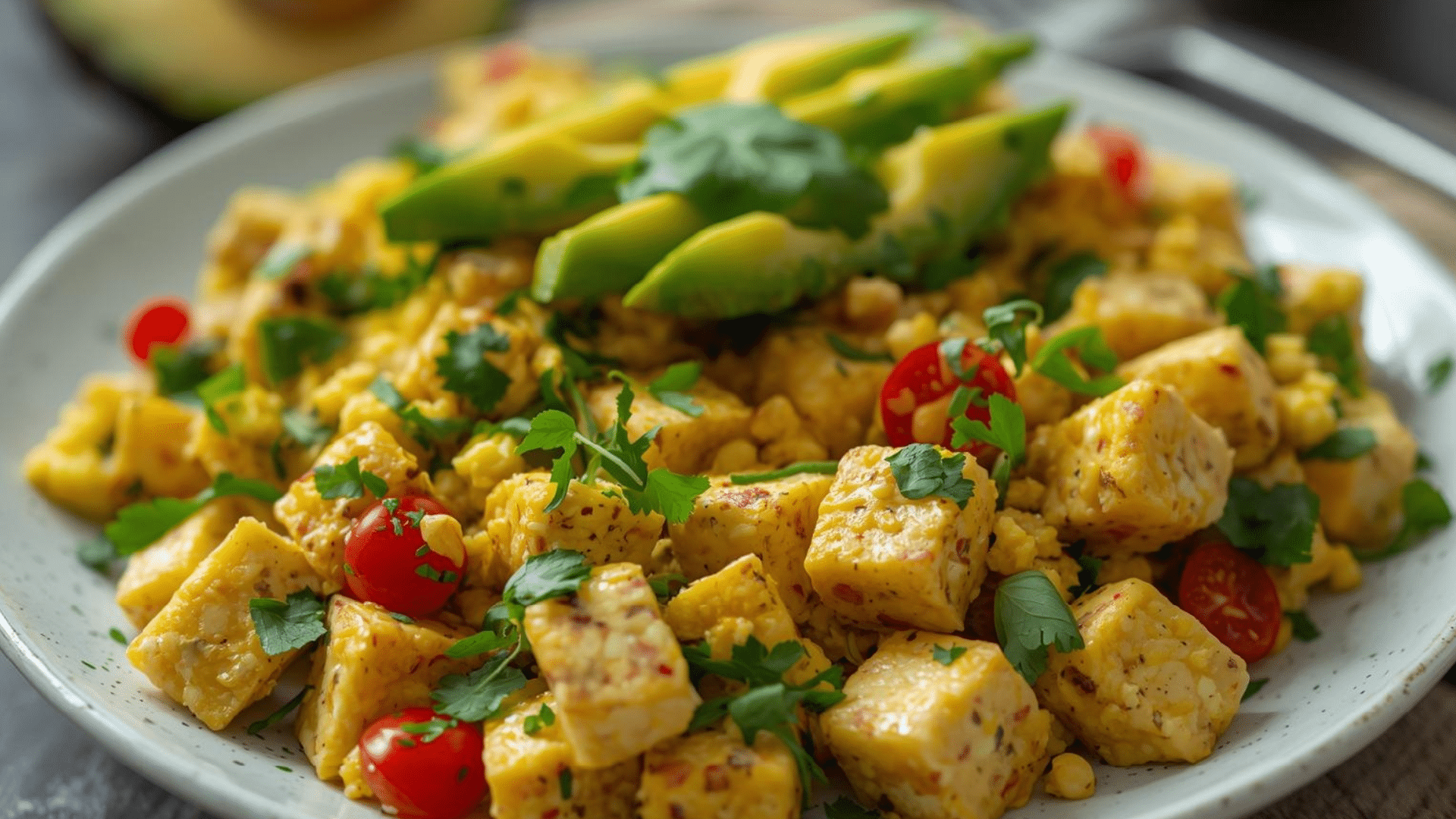
How to Make a Keto Tofu Meal
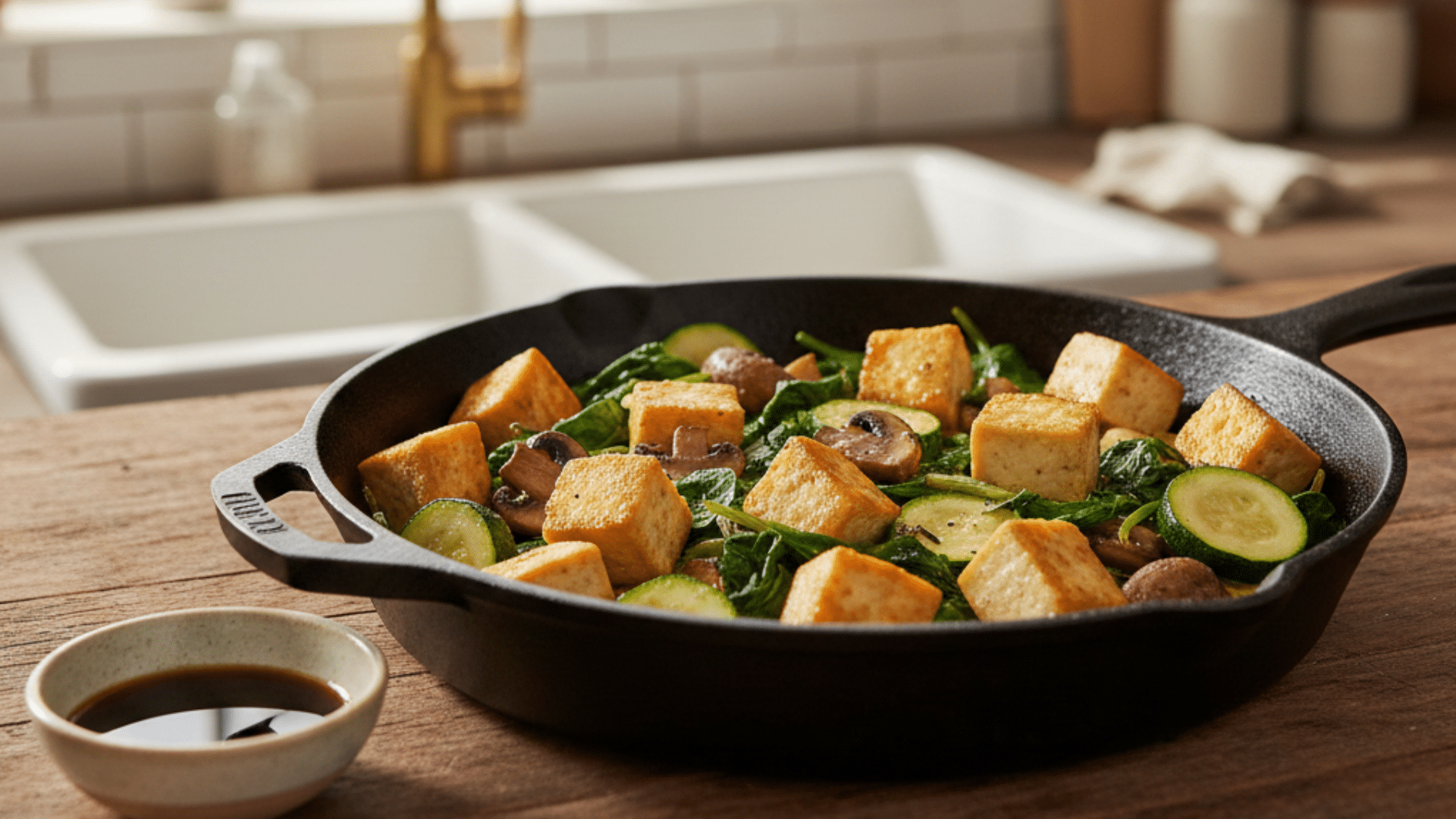
A simple way to prepare tofu that fits keto macros by adding healthy fats, low-carb vegetables, and smart seasoning choices.
Ingredients
- Firm or extra-firm tofu
- Avocado oil or olive oil
- Salt and pepper
- Garlic powder or chili flakes
- Tamari or unsweetened coconut aminos
- Low-carb vegetables: spinach, zucchini, mushrooms
- Optional: coconut milk, ghee, or sesame oil for extra fat
Step 1: Place the tofu between paper towels and add weight on top. Press for 15–20 minutes to remove moisture so it cooks better.
Step 2: Slice or cube the tofu so it cooks evenly and absorbs seasoning.
Step 3: Sprinkle salt, pepper, garlic powder, or chili flakes. Add a small splash of tamari or coconut aminos.
Step 4: Heat avocado oil, olive oil, or ghee in a pan. Tofu needs added fat to fit keto macros.
Step 5: Cook the tofu on medium-high heat until golden on each side. This improves texture and helps absorb the oil.
Step 6: Add spinach, mushrooms, or zucchini to the pan. Cook until tender while letting flavors blend.
Step 7: Stir in a spoon of coconut milk, sesame oil, or ghee for extra richness and better macro balance.
Step 8: Enjoy as a quick keto-friendly meal that’s filling, balanced, and adjustable to your taste.
Conclusion
I hope you can see now how tofu can fit into keto when you focus on carbs, fat, and simple cooking choices.
My goal is to help you make your meals easier, not more complicated, and tofu gives you another solid option on days when you want something quick and light.
As you think about bringing it into your routine, keep an eye on labels, textures, and how your body feels. That’s the easiest way to answer, is tofu keto for your own needs and preferences.
If you want more ideas for simple low-carb meals, take a look at my other posts and try a tofu recipe that feels right for you.