












A lot of people try a short no-carb diet hoping to drop weight fast, get blood sugar under control, or break free from constant sugar cravings.
I’ve worked with clients stuck in a cycle of energy crashes and carb dependence; cutting carbs, even briefly, has helped many of them reset.
But the questions come fast once they start. Even fruits cause confusion, especially blueberries and their carbs, and how they affect daily limits.
Here’s what a short no-carb diet actually involves, how it affects blood sugar and weight, and which foods make the cut.
What Happens Inside Your Body When You Eat Carbs?
Carbohydrates are the body’s preferred energy source. They break down into glucose, which fuels everything from brain function to muscle movement. Any excess glucose is stored as glycogen in the liver and muscles, ready to be used when energy levels run low.
They also play a direct role in maintaining stable blood sugar throughout the day. When you stop eating carbs, glycogen stores deplete within a day or two. The body then shifts to burning fat for fuel, a state called ketosis.
Fat gets converted into ketones, which the brain and muscles use in place of glucose. That shift is why the first few days feel so different; energy, hunger, and mood all change as the body finds its new normal.
What Happens During Two Weeks Without Carbs?
Each day on a no-carb diet brings something different. Here’s a closer look at what the body goes through, from the first glycogen drop to full fat-burning mode.
Day 1–2: Glycogen Depletion Begins
The first two days are all about glycogen. As carb intake drops, the body burns through stored glycogen fast. Water is stored alongside glycogen, so when it depletes, water weight drops too.
This is why increased urination is common early on. The body is simply flushing out stored fluid, and most people notice the scale moving within 48 hours of starting.
Day 3–5: The Keto Flu Sets In
Days three to five are usually the hardest. As the body shifts away from glucose, keto flu symptoms kick in, including fatigue, brain fog, and intense cravings. Most people need to stay under 20 grams of carbs daily to push through this window and reach ketosis.
The body hasn’t fully adapted to burning fat yet, so energy feels inconsistent. Staying hydrated and getting enough electrolytes can significantly ease this phase.
Day 6–10: Ketosis Begins
By day six, most people start entering ketosis. The body is now burning fat for fuel more consistently. Appetite naturally begins to drop, making it easier to stick to the plan. Energy starts to stabilize, too.
The sluggishness from earlier days lifts, and many people feel more even-keeled throughout the day than they expected.
Day 11–14: Fat Burning Peaks
The second week is where things start to click. Fat burning increases as ketosis deepens. Many people notice mental clarity improving, with focus feeling sharper and more consistent.
Cravings also decrease significantly by this point. The body has adjusted, and hunger feels much easier to manage than it did in week one. Most people find this the easiest stretch of the two weeks.
Does Cutting Carbs for 2 Weeks Lower Blood Sugar?
Removing carbs reduces the amount of glucose entering the bloodstream after meals, and the body responds quickly. Post-meal spikes drop within the first few days, insulin demand decreases, and energy between meals starts feeling more stable.
Many clients I’ve worked with notice fewer afternoon slumps by the end of week one. A1c won’t shift significantly in two weeks since it reflects a 3-month average, but a 2018 review in Diabetes Therapy found that low-carb diets produced meaningful HbA1c reductions over time.
Two weeks won’t complete the job, but they will lay a strong foundation for lasting improvements in blood sugar.
Foods You Can Eat vs. Foods to Avoid on a No-Carb Diet
| Eat This | Avoid This |
|---|---|
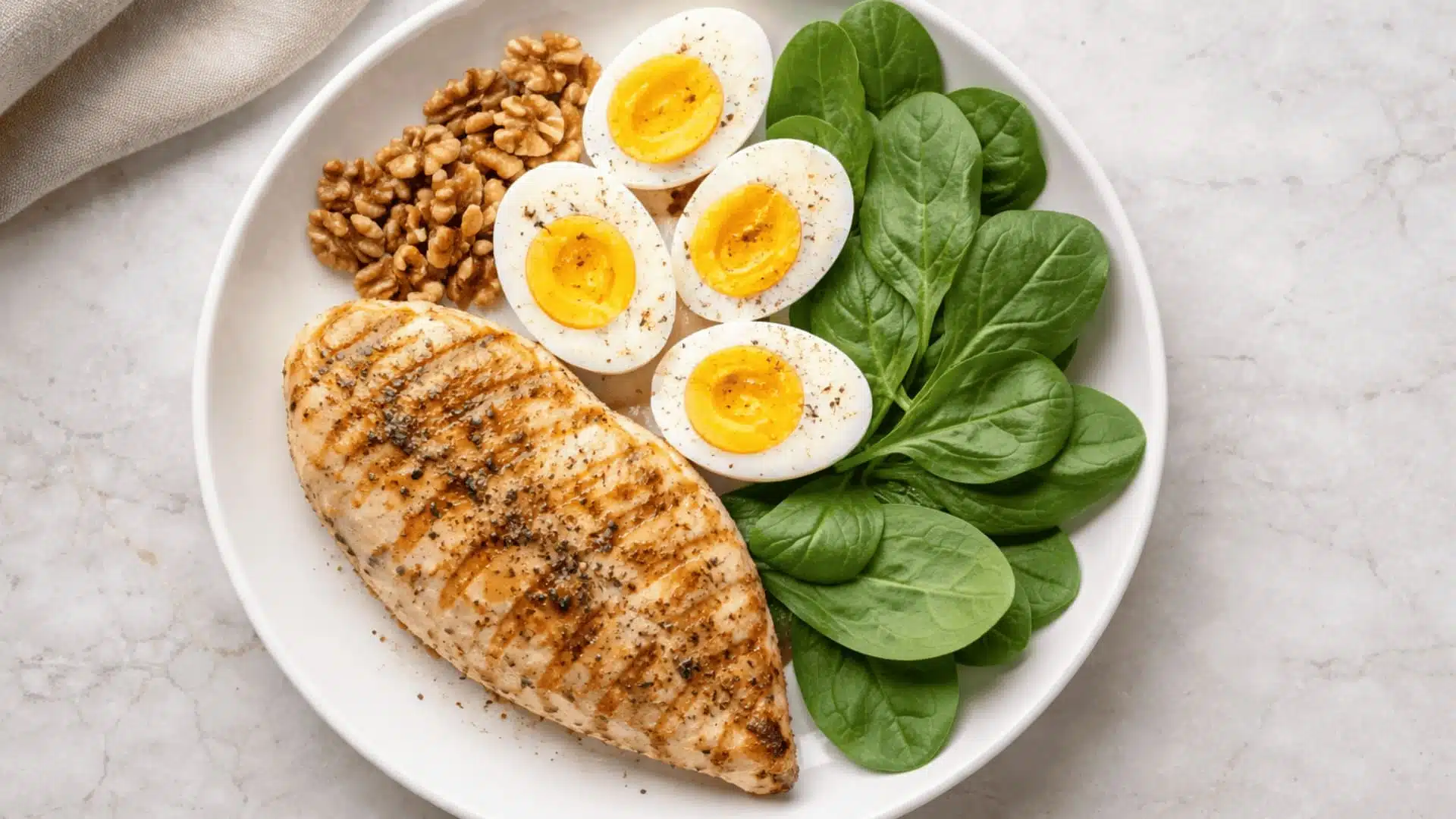
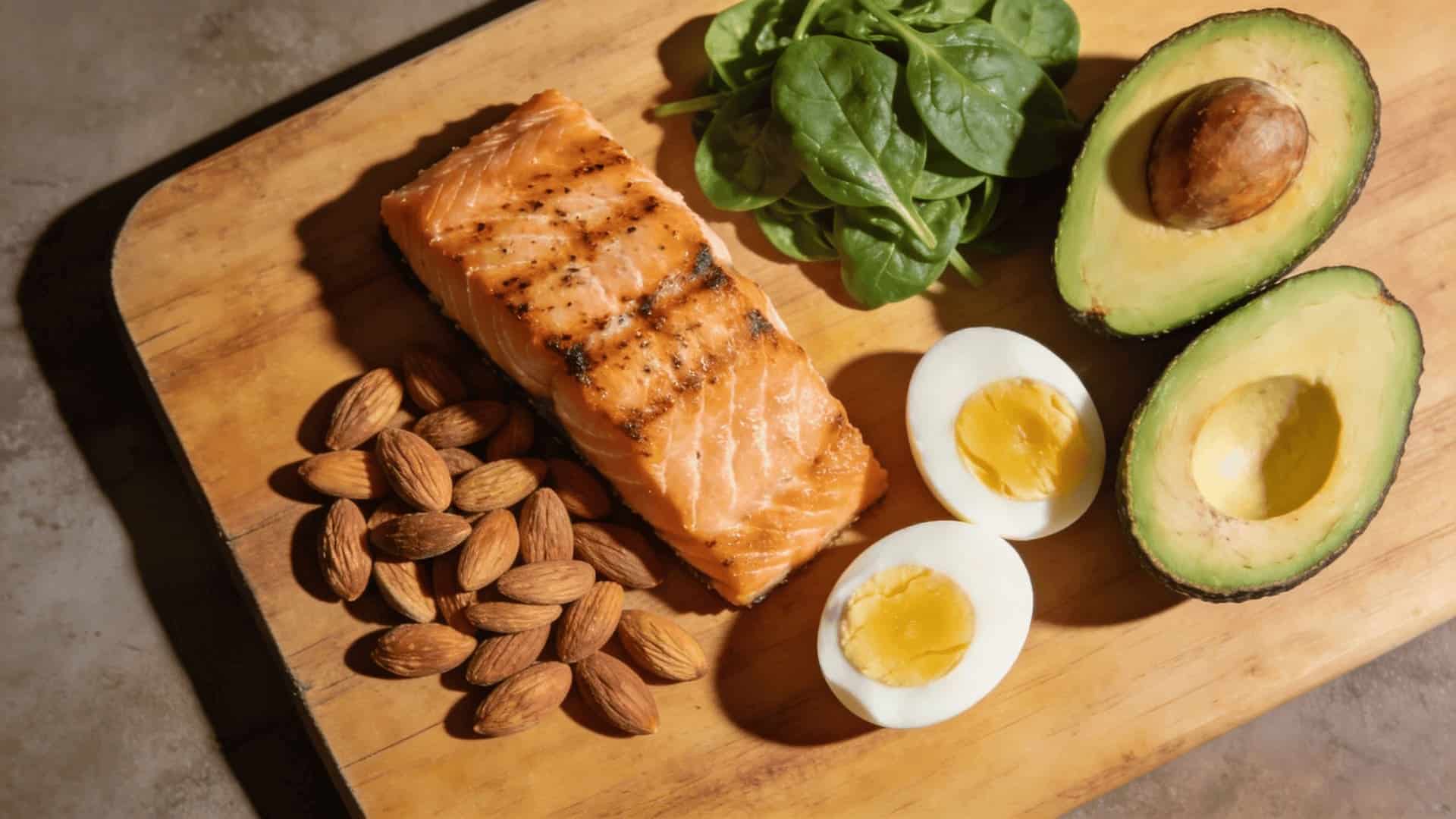
| Meat & fish, beef, chicken, salmon, tuna | Grains, bread, pasta, rice, oats, cereals |
| Whole eggs | Starchy vegetables, potatoes, corn, peas |
| Leafy greens, spinach, kale, zucchini | Most fruits, bananas, apples, grapes, mangoes |
| Healthy fats, olive oil, avocado, butter | Sugary drinks, soda, juice, sports drinks, and alcohol |
| Nuts & seeds, almonds, walnuts, chia | Sweeteners, sugar, honey, maple syrup, agave |
| Hard cheese | Packaged snacks, legumes, flavored yogurt |
Small portions of berries are the one fruit exception most people tolerate on a no-carb plan. But not all fruits behave the same way; understanding which fruits spike carbs helps you make smarter choices around the ones that can quietly push you over your daily limit.
Common Side Effects and Risks of a No-Carb Diet
Side effects are common in the first week as the body adjusts. Most are temporary, but a few risks carry into the longer term if ignored.
Headaches and Dizziness: Fluid loss from glycogen depletion pulls sodium and magnesium out of the body fast. These are the main triggers behind early headaches and lightheadedness, and both ease significantly once electrolyte intake improves.
Irritability and Mood Swings: Blood sugar fluctuations affect the neurotransmitters that regulate mood and emotional steadiness. Most people notice this peak around day three to five, then it settles as the body adapts to fat as fuel.
Low Energy and Brain Fog: The body hasn’t fully switched to ketones yet during the first few days, leaving energy feeling inconsistent and focus feeling scattered. This phase passes for most people by the end of day six.
Constipation: Cutting back on grains and fruit significantly reduces daily fiber intake. Digestion slows noticeably as a result. Adding low-carb vegetables like spinach, zucchini, and broccoli helps keep things moving without raising carb intake.
Nutrient Gaps: B vitamins, magnesium, and potassium can all drop without careful food planning. Prioritizing leafy greens, nuts, eggs, and fatty fish throughout the two weeks helps cover most of these gaps without supplementation.
Tips to Try a Two-Week No-Carb Diet Safely
A two-week no-carb diet works best with a little preparation. These practical steps make the process safer and more manageable from day one.
- Drink Enough Water: Glycogen loss pulls water out of the body; staying well hydrated prevents headaches, dizziness, and early fatigue.
- Increase Electrolytes: Add sodium, magnesium, and potassium through food or supplements to offset losses from the kidneys on a low-carb plan.
- Eat Enough Protein: Adequate protein preserves muscle mass during fat loss and keeps hunger levels steady throughout the day.
- Listen to Your Body: Extreme fatigue, dizziness, or heart palpitations are signs to reassess. The diet should feel challenging, not harmful.
Small adjustments go a long way. Paying attention to how the body responds makes the two weeks more effective and far easier to complete.
How to Transition Back to a Balanced Diet After Two Weeks
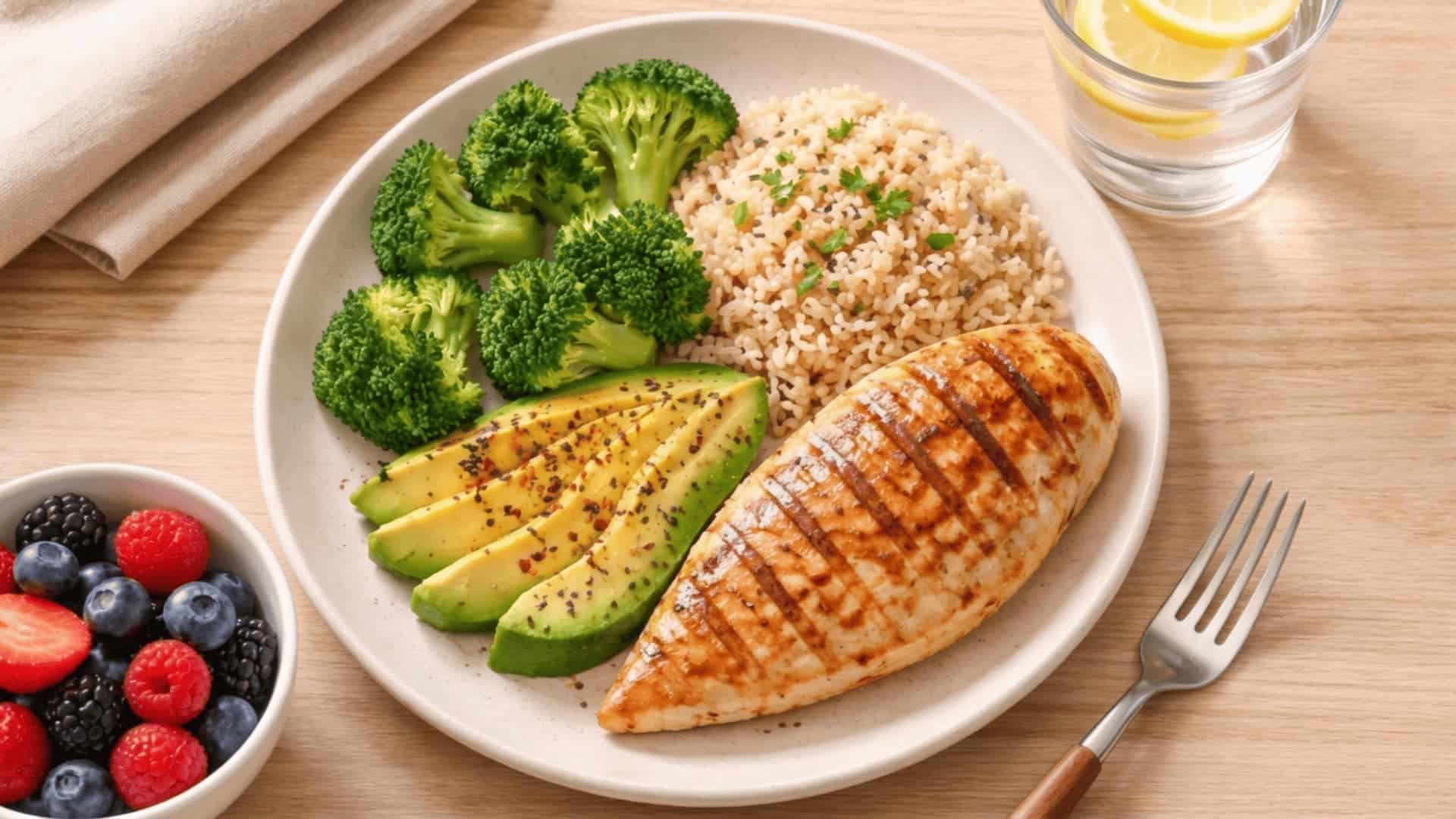
Coming off a no-carb diet needs just as much thought as starting one. The way you bring carbs back determines how much of your progress actually holds. Start with vegetables, then move to fruits, and gradually introduce whole grains before anything else.
Your body becomes more carb-sensitive after two weeks without them, so jumping into large portions too quickly leads to energy crashes and stored fat.
Processed carbs and sugary snacks are the hardest to moderate after a reset, so hold off on them for at least another week.
The habits that worked during those two weeks, hydration, mindful eating, and protein-first meals, are worth keeping long after the diet ends.
Final Word
Two weeks with no carbs can do a lot in a short amount of time, reducing bloating, stabilizing energy, improving blood sugar control, and triggering real fat loss once ketosis kicks in.
The side effects are real but manageable with the right preparation. Knowing what to eat and how the body responds day by day takes most of the guesswork out.
If this breakdown was helpful, drop a comment below. I’d love to hear how the two-week plan works out for you. And if fruit and carb counts are still on your mind, the full guide on a short no-carb diet is worth a read next.