












Fruit is not the problem. The type and amount you eat can be. Working with clients on keto, paleo, and low-carb plans, I’ve seen the same pattern repeat itself.
People cut processed food, stay consistent, and still stall, often because of the fruits they keep eating without a second thought.
This covers the high-carb fruits to skip on a low-carb diet, what each serving actually costs you in carbs, and the smarter swaps worth making instead.
I’ll also break down the carb count of blueberries, a fruit most people assume is always safe on a strict low-carb or keto plan.
What Low-Carb Diets Actually Do
Low-carb diets like keto, Atkins, and paleo work by reducing carb intake to control insulin levels and support fat burning. When carbs drop, the body switches from glucose to fat as a fuel source. That’s why every gram counts.
Fruit carries a healthy reputation, but not all of it fits a low-carb plan. Most fruit sugar comes from fructose and glucose, both of which count toward the daily carb limit and can slow or interrupt fat burning.
Dense fruits like bananas and mangoes pack far more sugar than high-water fruits like berries. The difference comes down to sugar density, not just serving size, and that’s what makes certain fruits a problem on any strict low-carb or keto plan.
High-Carb Fruits to Skip on a Low-Carb Diet
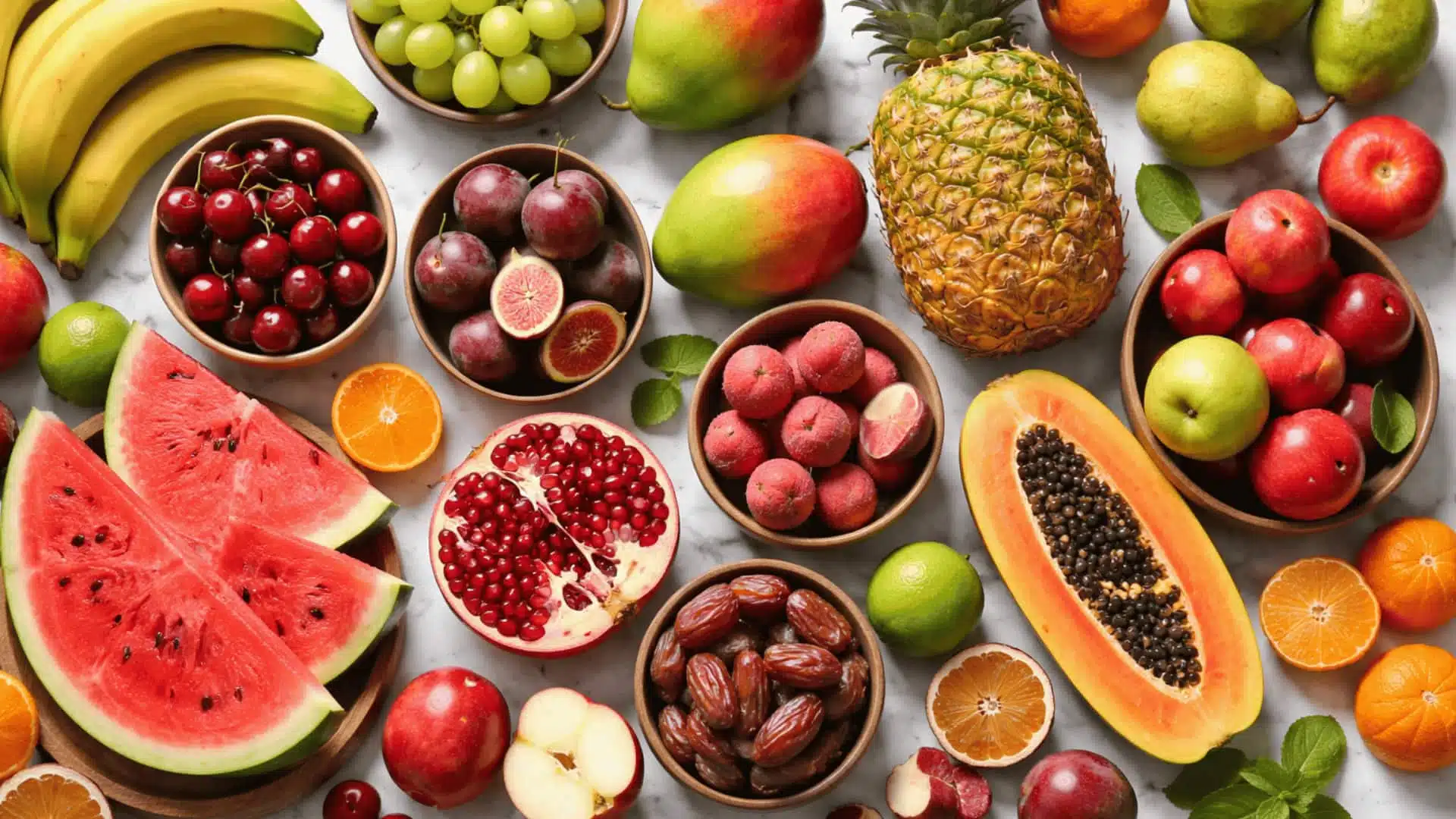
Not all fruit fits a low-carb plan. These fruits may be nutritious, but their carb counts make them ones to limit or avoid altogether.
1. Bananas
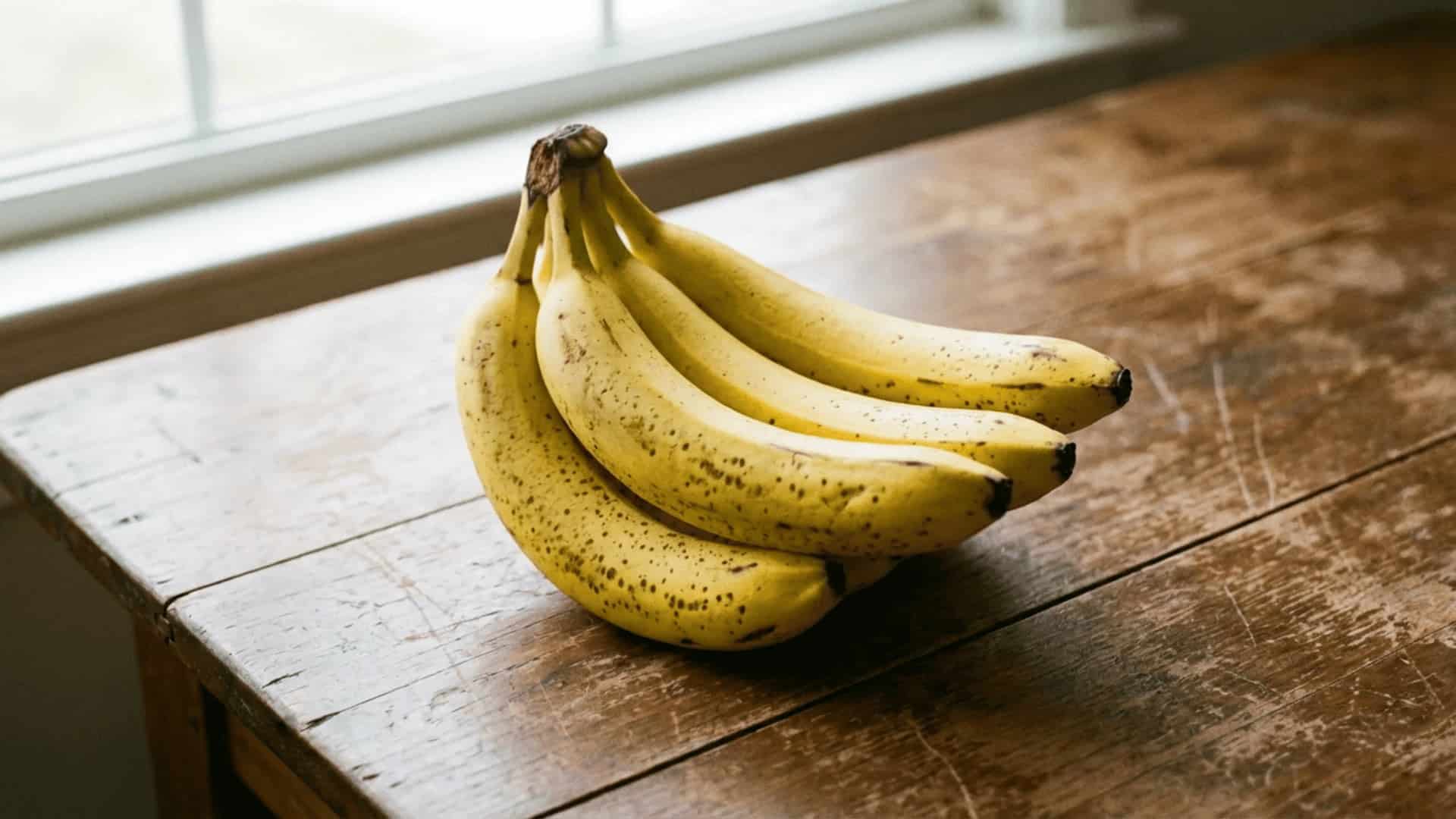
A medium banana carries around 27 grams of carbs, making it one of the starchiest fruits you can reach for. It digests quickly and raises blood sugar fast due to its naturally high starch content.
On a keto or strict low-carb plan, one banana can wipe out more than half your daily carb allowance in a single sitting, making it one of the first fruits most low-carb plans recommend cutting back on.
2. Plantains
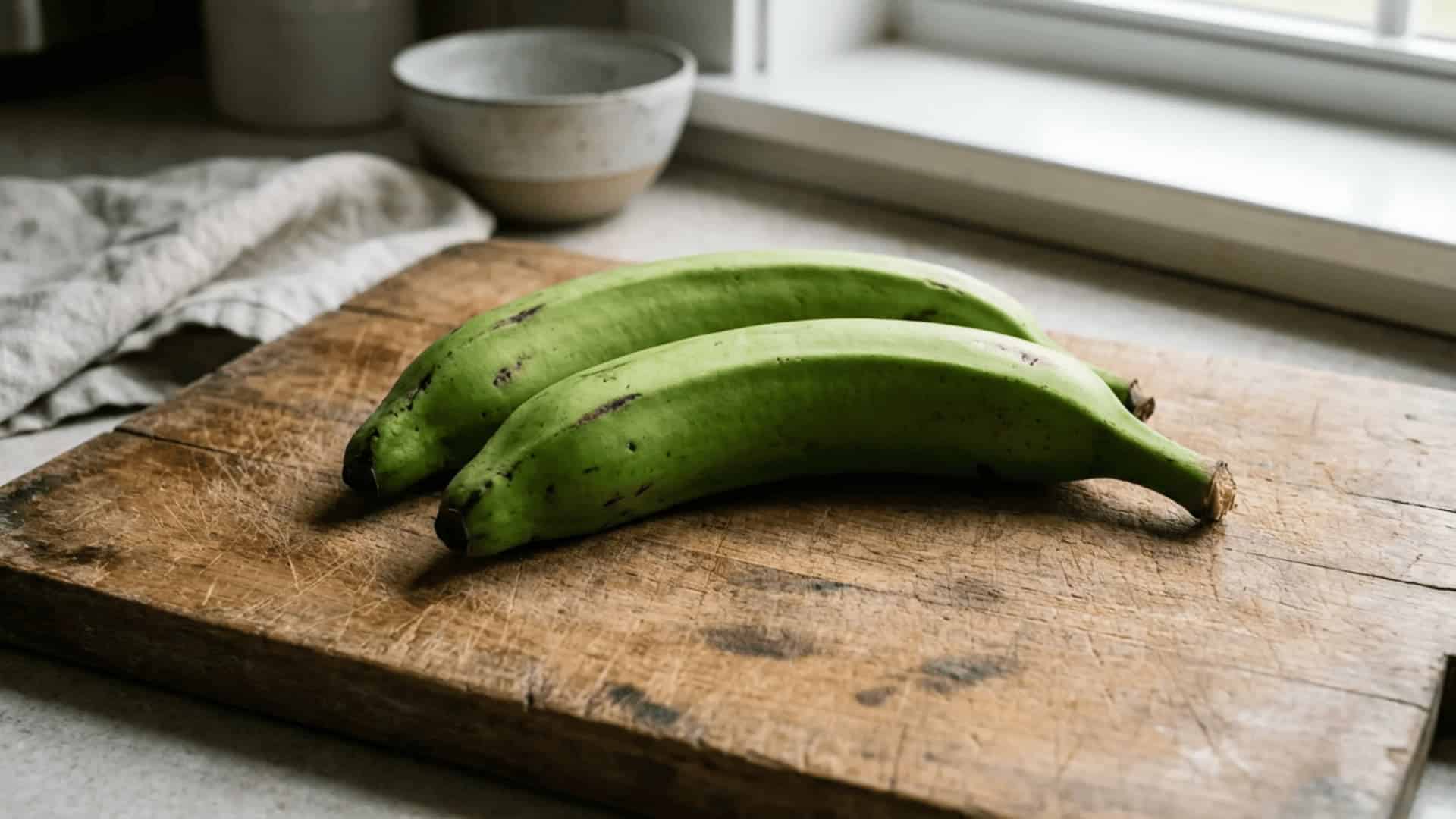
Plantains run even higher than bananas, with cooked plantains sitting close to 30 grams of carbs. They are naturally starchy and digest rapidly, causing a quick and significant spike in blood sugar levels.
Even a small portion makes them difficult to fit into a low-carb or keto meal plan. Cooking methods like frying or boiling do little to reduce their overall carb content in any meaningful way.
3. Grapes
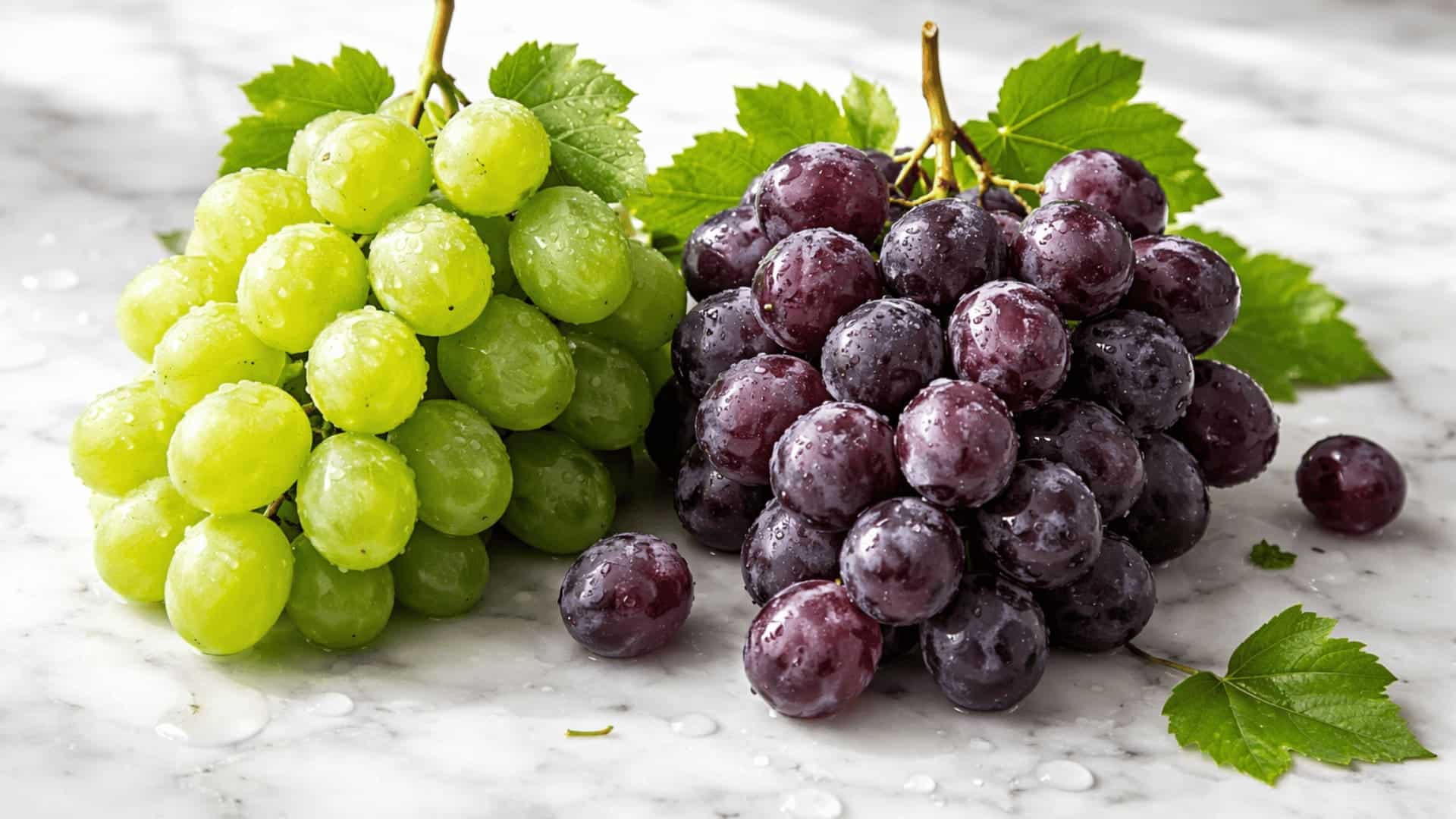
Grapes offer very little fiber, leaving most of their carbs as pure sugar at around 26 grams per cup. That high-fructose load makes portion control genuinely difficult, and blood sugar spikes are almost inevitable with larger servings.
On a low-carb plan, even a small handful adds up faster than most people expect. Their small size gives a false sense of having eaten very little when the carb count tells a different story.
4. Mangoes
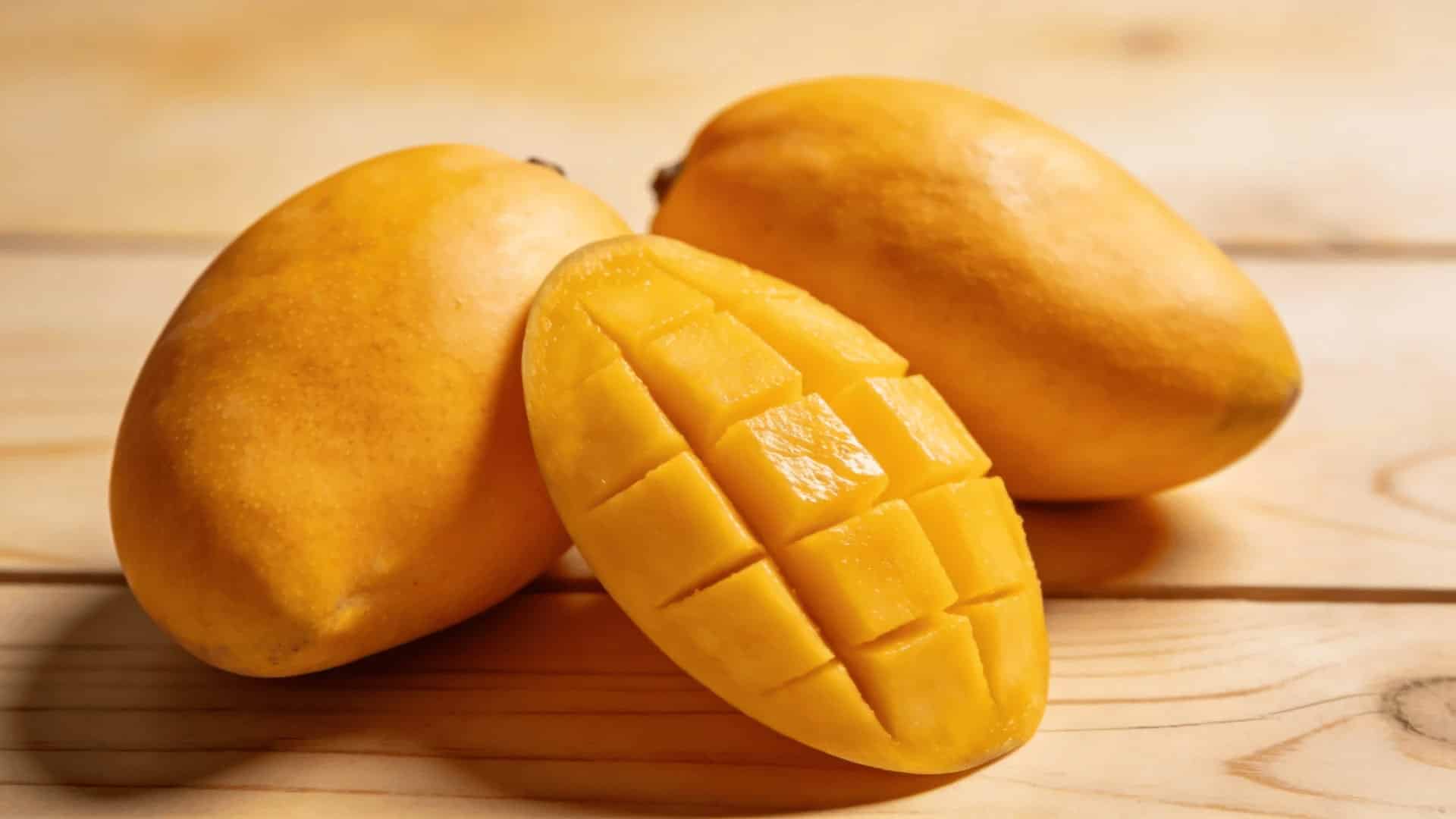
Mangoes sit close to grapes at roughly 25 grams of carbs per cup, with a sweetness that makes it easy to lose track of how much you have eaten. Their natural fructose content is high enough to cause noticeable blood sugar spikes in most people.
For anyone tracking net carbs closely, mango is one of the harder fruits to fit into a daily limit without disrupting overall carb goals for the day.
5. Pineapple
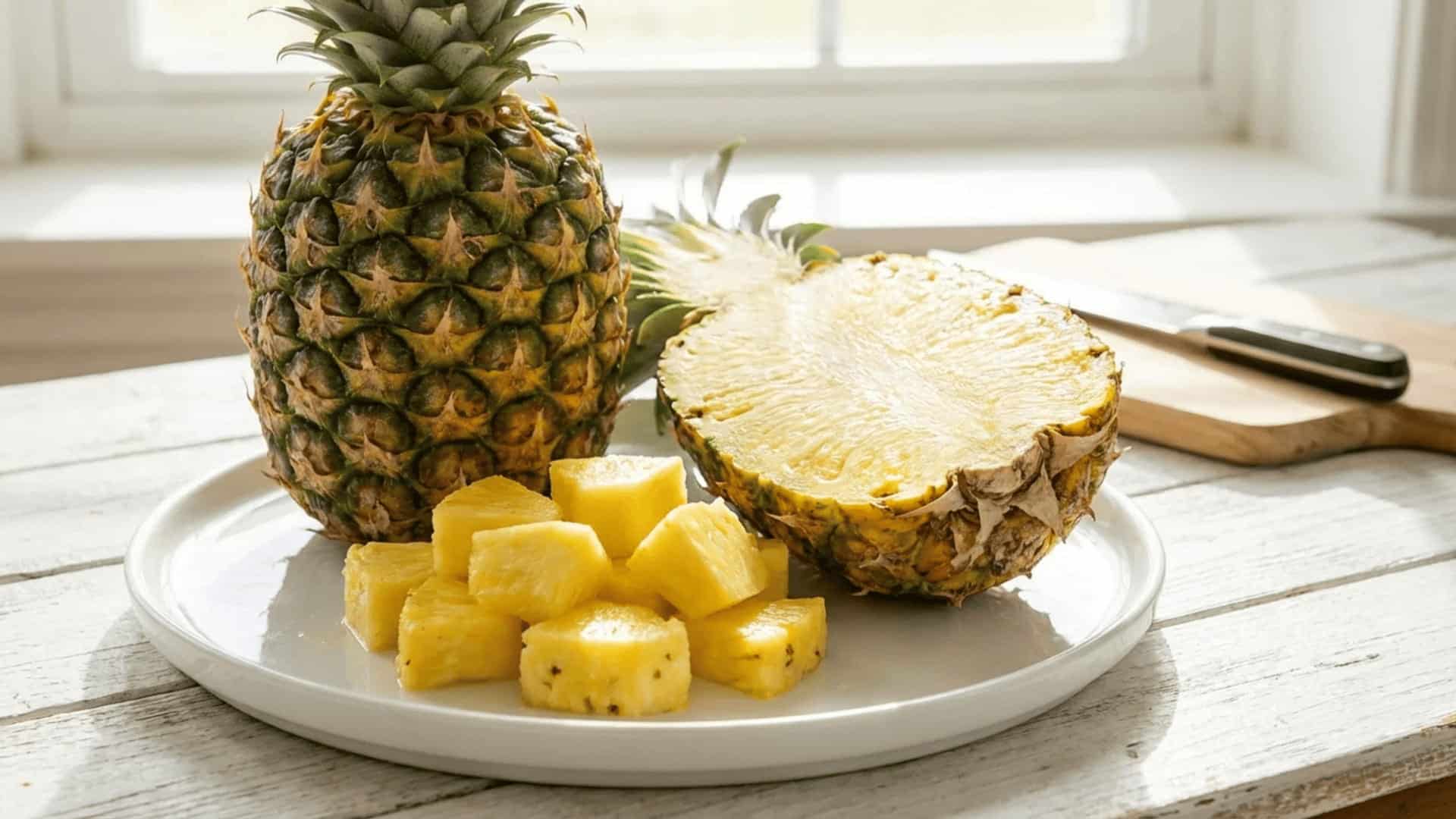
A cup of pineapple chunks holds about 22 grams of carbs with minimal fiber to slow down sugar absorption in the body.
It is often seen as a healthy and refreshing staple, and nutritionally, it does offer real value, but the carb count adds up quickly with even moderate portions. For anyone on a strict low-carb plan, even one serving can take up a significant portion of the daily carb allowance.
6. Apples

Apples sit around 25 grams of carbs each, making them a fruit to approach carefully on any low-carb eating plan. They are rich in fiber and nutrients, which gives them a healthier reputation, but their natural sugar content still adds up fast with regular consumption.
For someone who is monitoring net carbs closely, even half an apple can be a significant contribution to the daily limit and should be carefully accounted for.
7. Pears

One medium pear contains roughly 27 grams of carbs with only about 5 grams of fiber to offset the impact. That leaves a net carb count of around 22 grams, which is too high for most keto plans and many standard low-carb approaches.
Pears are genuinely nutrient-rich and offer real digestive benefits, but their natural sugar content and high net carb count make them a fruit to limit carefully when carb intake is being closely monitored.
8. Cherries

A cup of cherries carries about 22 grams of carbs with minimal fiber to slow the absorption of sugar into the bloodstream. Their small individual size makes them particularly easy to overeat without realizing how quickly the carbs are accumulating in a single sitting.
On a strict low-carb plan, what feels like a modest, reasonable handful can quietly push you past your entire daily carb limit before you finish snacking.
9. Figs
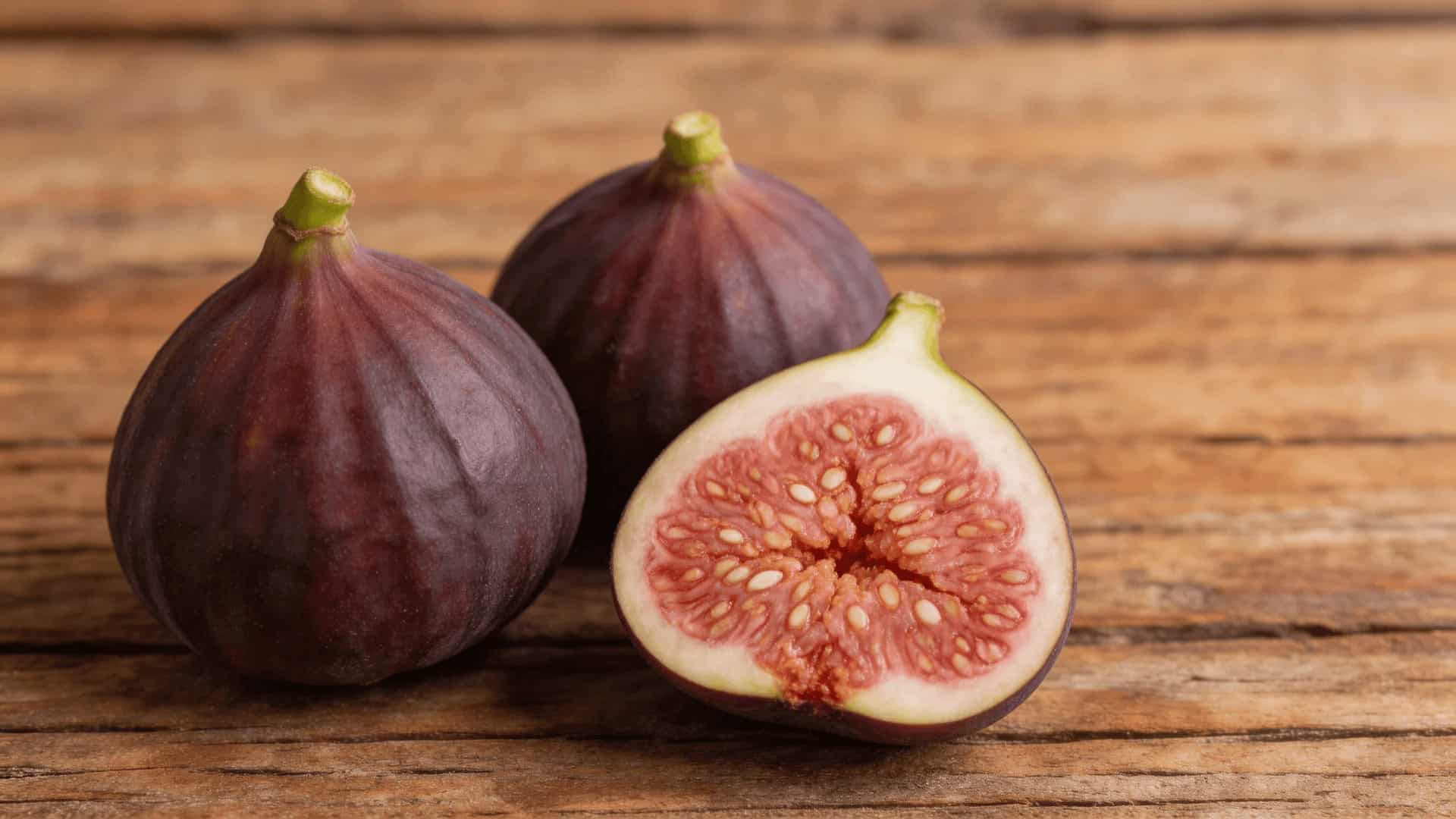
One medium fig contains around 10 grams of carbs, and most people rarely stop at eating just one at a time. Fresh figs spike blood sugar quickly due to their high natural sugar content and relatively low fiber levels.
Dried figs are significantly worse in this regard, concentrating the sugar into a much smaller serving size that is more deceptive. Even a small portion of dried figs can deliver a surprisingly large carb hit.
10. Lychee
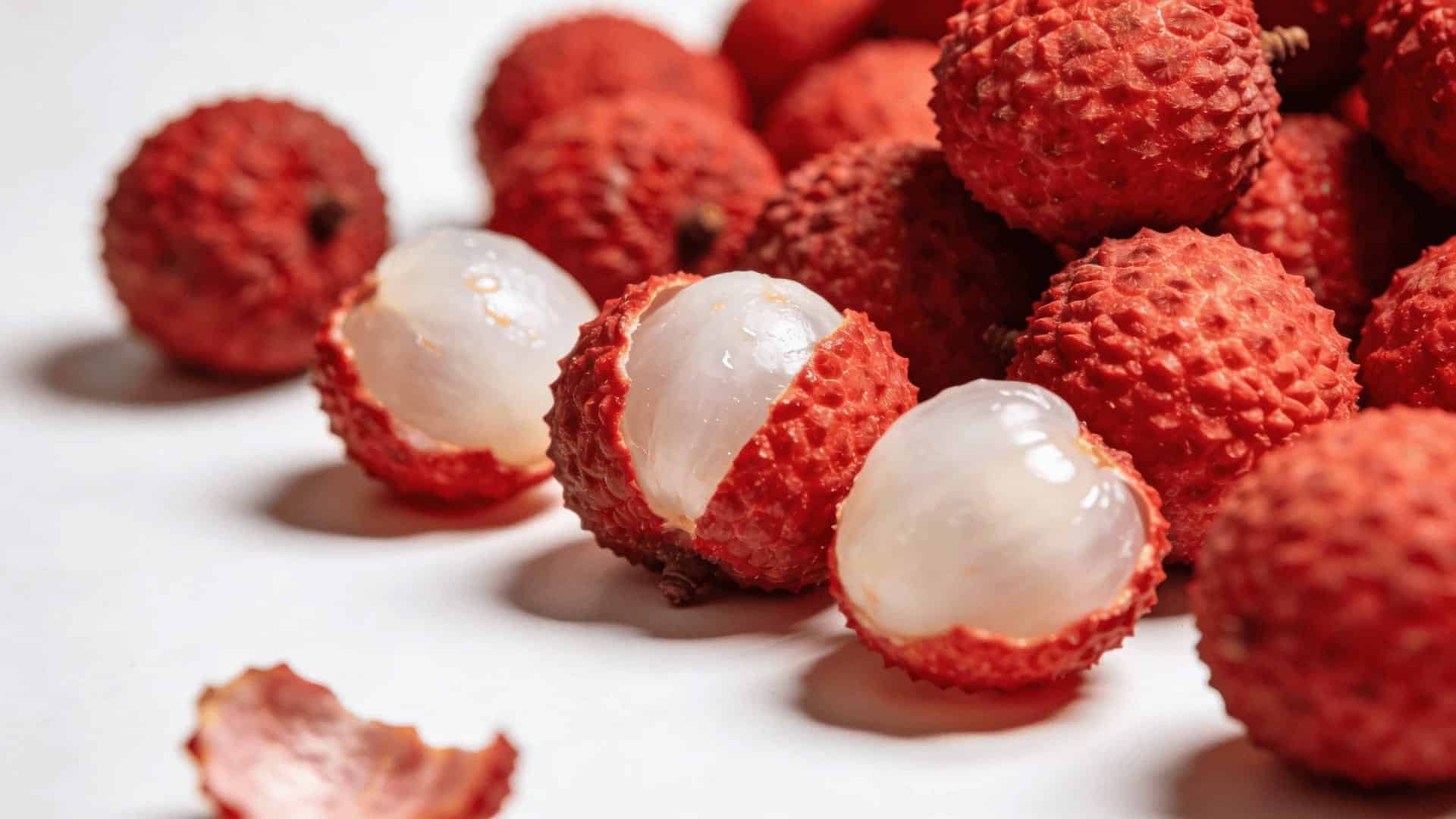
A cup of lychee packs roughly 29 grams of carbs with very little fiber available to slow down sugar absorption in the body. Their naturally sweet and juicy taste makes them particularly easy to overconsume without realizing just how many carbs are adding up.
Even a small serving can take up a significant and substantial portion of the daily carb allowance on both keto and standard low-carb eating plans.
11. Watermelon

A cup of watermelon contains about 11 grams of carbs, with very little fiber to slow digestion. It feels light and hydrating, which makes it easy to eat well beyond a single cup without realizing it.
That high water content gives it a false sense of being free food. A few extra slices can quietly push your carb count past your intended limit.
12. Pomegranate
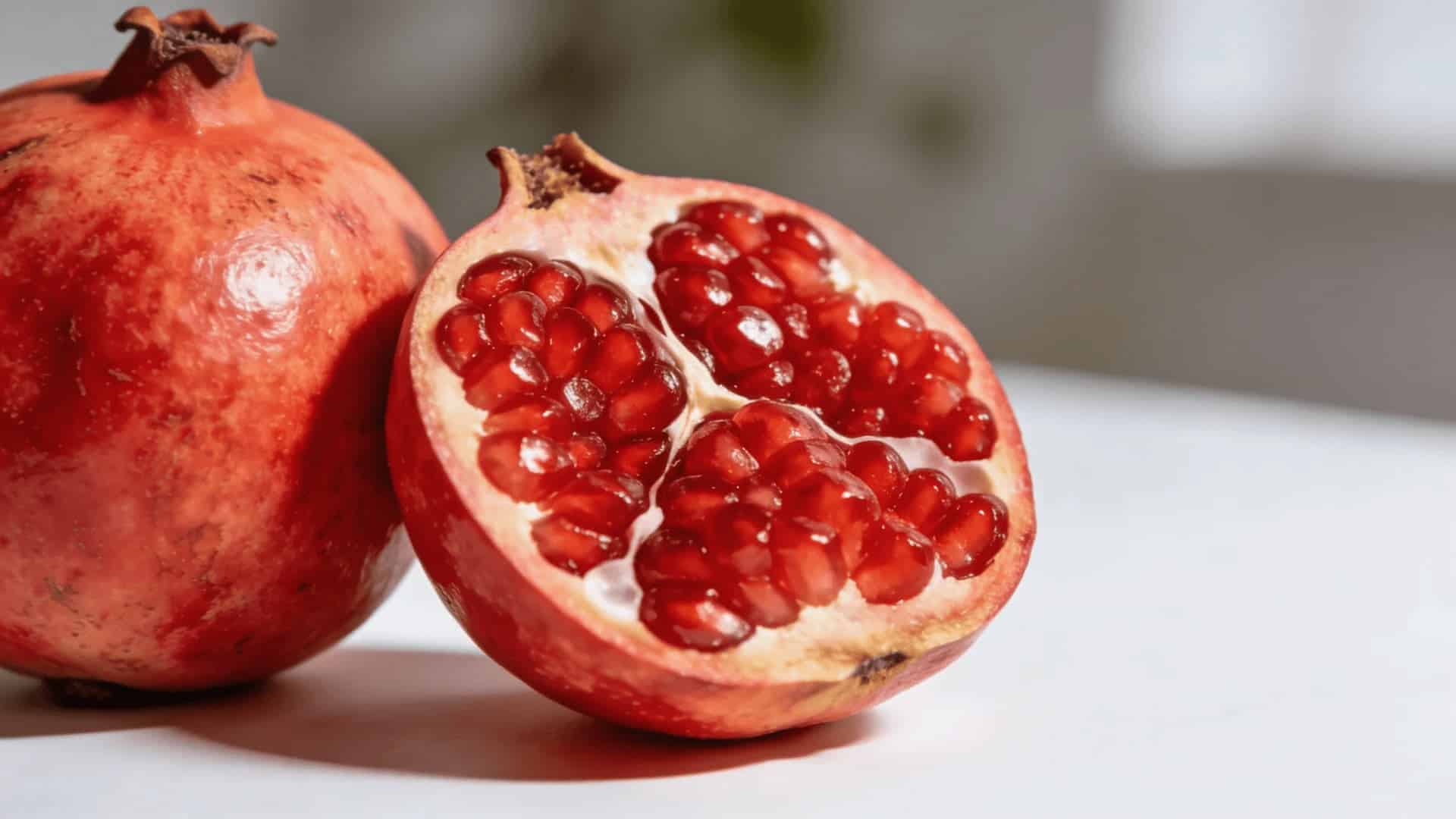
A half cup of pomegranate seeds carries around 18 grams of carbs, adding up fast despite the small serving size. The seeds are easy to sprinkle generously without measuring, which is where the carb count gets away from you.
Pomegranate is genuinely good for you in many ways, but the carb load makes it a fruit to portion carefully on any low-carb plan.
13. Tangerines
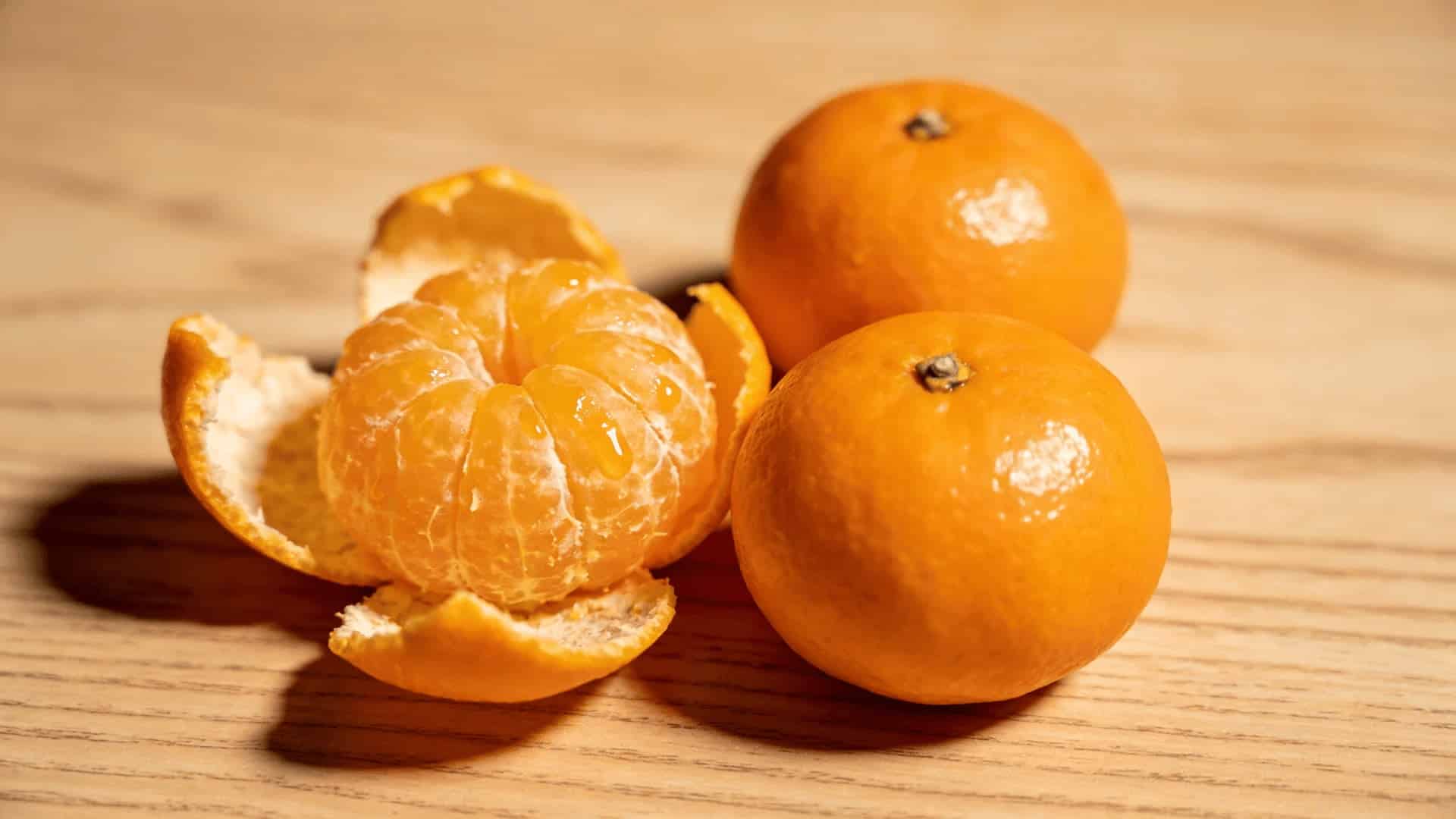
One medium tangerine contains about 15 grams of carbs with only around 2 grams of fiber. They are small enough that eating two or three feels completely normal, which is exactly where the problem starts.
Their easy-to-peel convenience makes them a popular snack, but a couple of tangerines can quietly add 30 grams of carbs before you sit down for a proper meal.
14. Papaya
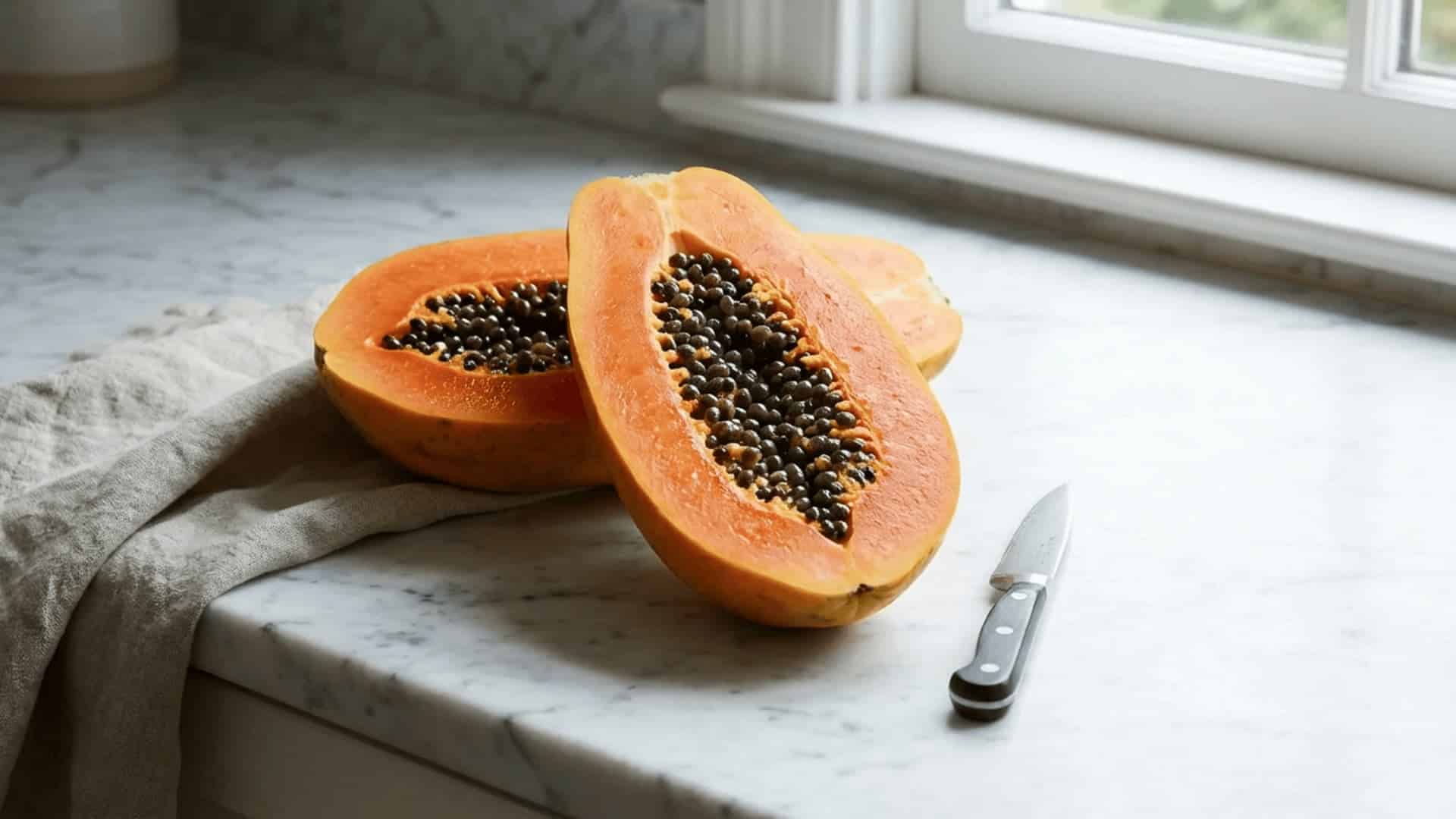
A cup of papaya contains roughly 15 grams of carbs with a mild sweetness that makes larger portions feel easy to justify. It is widely recommended as a health food, which has given it an undeserved reputation as a safe, low-carb choice.
While it offers real nutritional value, the carb content adds up quickly. Anyone on a strict low-carb or keto plan should treat papaya as a fruit to limit.
Lower-Carb Fruits You Can Eat Instead
Cutting high-carb fruits doesn’t mean cutting fruit entirely. These options are lower in sugar, higher in fiber, and easier to fit into a low-carb plan.
| Fruit | Serving | Net Carbs | Why It Works |
|---|---|---|---|
| Blackberries | 1 cup | ~6g | Highest fiber, lowest sugar load |
| Raspberries | 1 cup | ~7g | Fiber slows sugar absorption |
| Strawberries | 1 cup | ~8g | High in fiber and vitamin C |
| Blueberries | 1 cup | ~12g | Middle range; portion control matters |
| Avocado | ½ fruit | ~2g | Most low-carb-friendly fruit on any list |
| Watermelon | 1 cup | ~11g | Works in small portions with careful tracking |
Small portions and smart choices make fruit work on a low-carb diet without pushing past daily limits.
How Much Fruit Can You Eat on a Low-Carb Diet?
The answer depends on how strict the plan is. A moderate low-carb diet typically allows 50–100 grams of carbs per day, leaving room for small portions of fruit. A keto diet tightens that to just 20–30 grams, meaning even one medium banana covers the entire day’s limit.
Keeping portions small makes a real difference. I always recommend tracking daily carb intake, at least in the beginning, so nothing slips through unnoticed. Even safer fruits like blueberries carry risks of eating too many that most people tend to overlook
Pairing fruit with protein or healthy fats also helps slow sugar absorption and keeps blood sugar more stable throughout the day.
The Bottom Line
Not every fruit belongs on a low-carb plate. In my experience working with clients, bananas, mangoes, grapes, and lychee sit at the top of the high-carb fruits list, especially when you are tracking net carbs closely on keto or Atkins.
The good news is that cutting these fruits does not mean giving up fruit altogether. Berries, avocado, and careful portioning go a long way. I also always recommend pairing fruit with protein or healthy fat to help keep blood sugar steady after eating.
Small swaps and consistent tracking make a bigger difference than most people expect. If you found this helpful, drop a comment below or share it with someone working on their carb intake.