










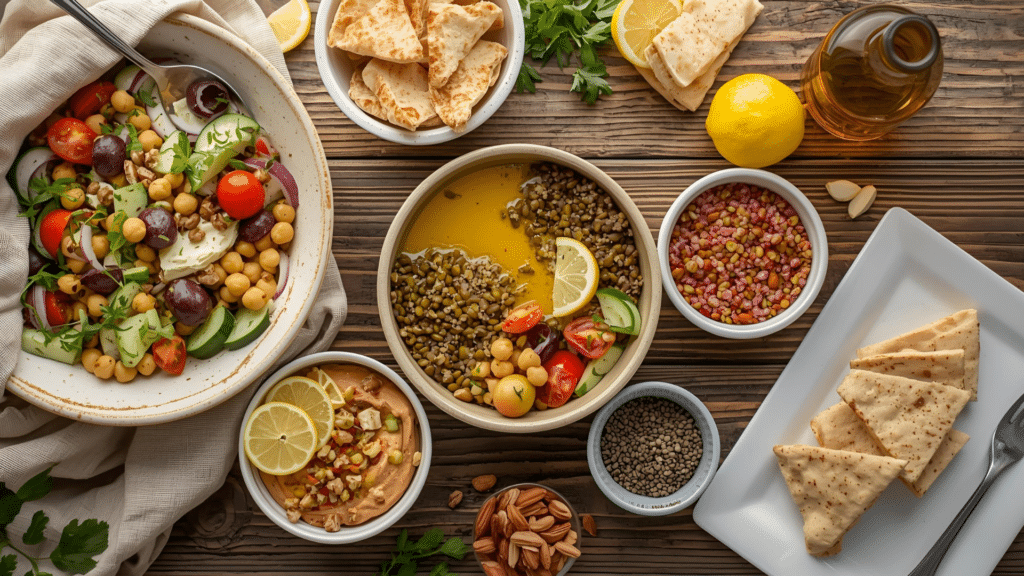
I used to think healthy eating meant long rules and boring meals. Then I tried the vegetarian Mediterranean diet, and it felt like normal food with a clear structure.
If you want to eat more plants but still feel full, the hardest part is often knowing what to cook and how to balance your plate. It can also get confusing when one plan says “more carbs,” and another says “avoid carbs.”
I will walk you through a simple way to choose foods, build meals, and keep protein steady without making it complicated.
You will also see an easy food list, a plate method you can use anywhere, and quick meal ideas that fit real life. The vegetarian Mediterranean diet can feel doable every day.
Understanding the Vegetarian Mediterranean Diet
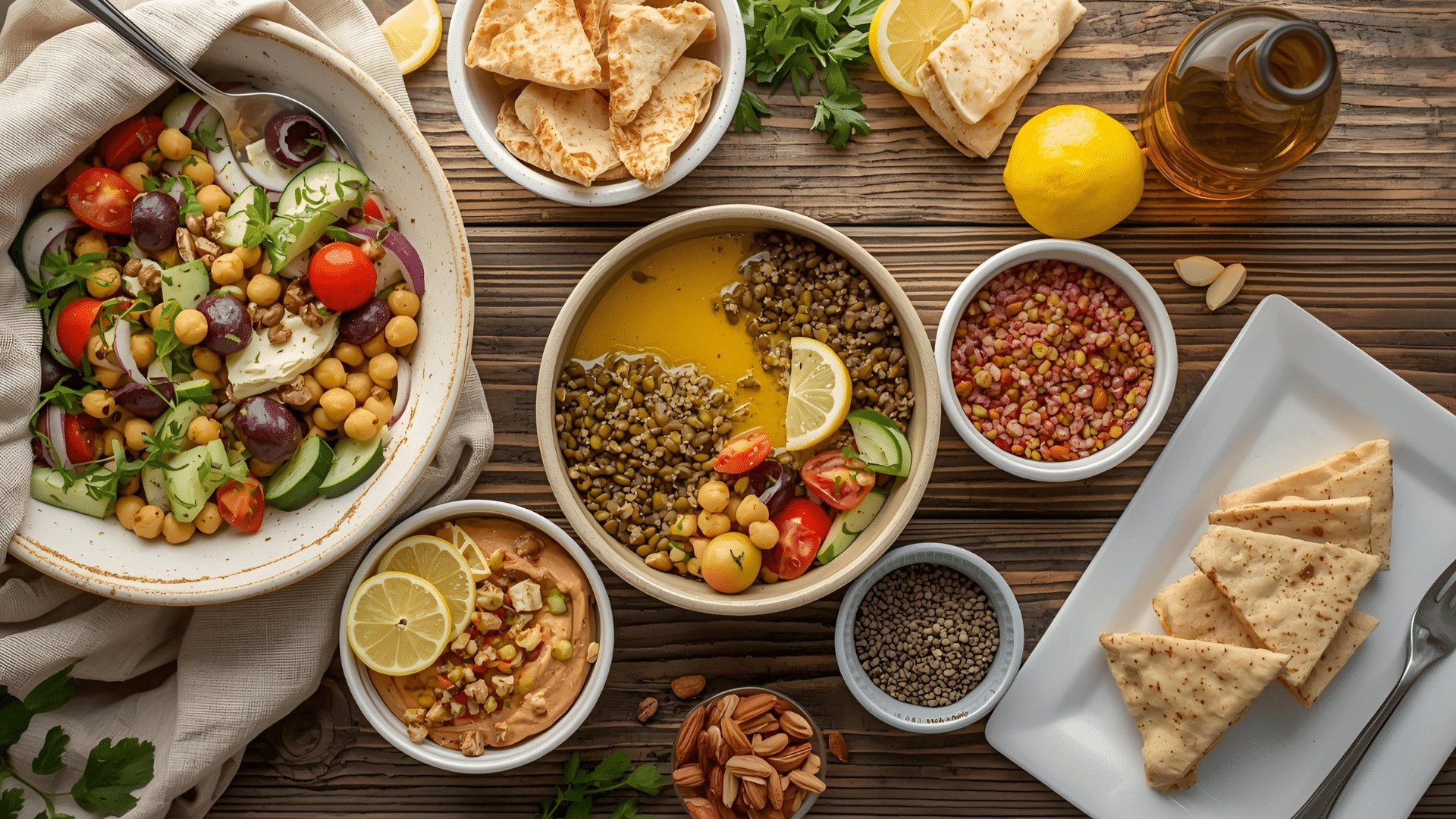
A vegetarian Mediterranean diet is a way of eating that follows Mediterranean basics while keeping meals meat-free. You focus on vegetables, fruit, beans, lentils, nuts, seeds, and whole grains.
Extra virgin olive oil is the main added fat. Meals stay simple: roast vegetables, simmer beans, toss salads, and use herbs, garlic, and lemon for flavor.
Instead of meat or fish, you rely on plant proteins, plus eggs or dairy if you eat them. The goal is balance and consistency, not strict rules.
Vegetarian types you can follow
- Lacto ovo vegetarian: Includes eggs and dairy, along with plant foods.
- Dairy-free vegetarian: Skips dairy, but can still include eggs.
- Vegan option: Uses only plant foods. You should plan for vitamin B12 through fortified foods or a supplement.
The Non-Confusing Rules (Your Foundation) for a Veg Mediterranean Diet
Use these seven simple rules to plan vegetarian Mediterranean meals, stay full, and keep your eating choices steady each day.
Rule 1: Plants are the Base
Most of your meals should start with plants, not side dishes. Fill your plate with vegetables at lunch and dinner, and add fruit throughout the day.
Use beans, lentils, and chickpeas often because they give you fiber and protein together. Keep whole grains in rotation, like oats, quinoa, and brown rice, so meals feel filling.
If you build meals this way, you naturally eat more nutrients and fewer processed foods. It also makes meal planning easier, because your base stays consistent.
Rule 2: Olive Oil is Your Main Added Fat
Use extra virgin olive oil as your default fat for cooking and flavor. Drizzle it on salads, roasted vegetables, soups, and grain bowls.
Use it for roasting and light sautéing, and add a little at the end for taste. Olive oil also helps you absorb vitamins found in vegetables.
Keep portions reasonable, but do not fear it. If you normally use butter or creamy sauces, swap them with olive oil, lemon, and herbs for a lighter finish.
Rule 3: Protein Shows Up At Every Meal
Make sure every meal has a clear protein source, so you stay full longer. Use beans, lentils, chickpeas, tofu, or tempeh as your main anchor. If you eat dairy, add Greek yogurt, cottage cheese, or a small amount of cheese as support.
If you eat eggs, they can work well in breakfast or quick lunches. Nuts and seeds also help, but they should not be your only protein source on most days. A simple check works well: ask, “Where is my protein?”
Rule 4: Whole Grains Most Days
Choose whole grains for most meals instead of refined grains. Whole grains give you fiber and steady energy, and they pair well with beans and vegetables.
Use oats for breakfast, quinoa or brown rice for bowls, bulgur for salads, and whole wheat pasta for quick dinners. Keep whole-grain bread on hand for simple meals like chickpea salad toast.
If you are new to whole grains, start with one swap per day. Over time, your meals will feel more filling and balanced.
Rule 5: Flavor Comes From Herbs and Spices
Rely on herbs, spices, garlic, and citrus to make vegetarian meals taste bold. Use garlic and lemon as your base for dressings, sauces, and roasted vegetables.
Add basil and oregano for Italian-style meals, and use cumin and paprika for warm, smoky flavor in beans and soups. Fresh herbs work well, but dried herbs are fine too. This rule helps you cut back on heavy sauces and extra salt.
When food tastes good, you stick with it longer.
Rule 6: Limit Sweets and Ultra-Processed Foods
Keep sweets and ultra-processed foods to an occasional, not daily, basis. Sugary drinks, packaged snacks, and frequent desserts can crowd out the foods that support your goals.
Refined grains like white bread and many bakery items also spike hunger faster. You do not need perfection, but you do need a clear default. Stock simple snacks like fruit, nuts, yogurt, and hummus with vegetables.
If you want something sweet, choose fruit first, then save desserts for planned moments instead of mindless eating.
Rule 7: Lifestyle Supports the Pattern
Food works better when your daily habits support it. Add regular movement you actually enjoy, like walking, cycling, or strength work. Try to eat meals with other people when you can, because it helps you slow down and feel satisfied.
Cook at home more often, even if it is simple, because it puts you in control of ingredients. You do not need long recipes. A salad, a pot of lentils, and roasted vegetables can cover several meals. Small habits done often matter most.
Vegetarian Mediterranean Food List
Use this simple food list to shop, plan meals, and balance your plate without overthinking choices during busy weekdays.
Eat Often
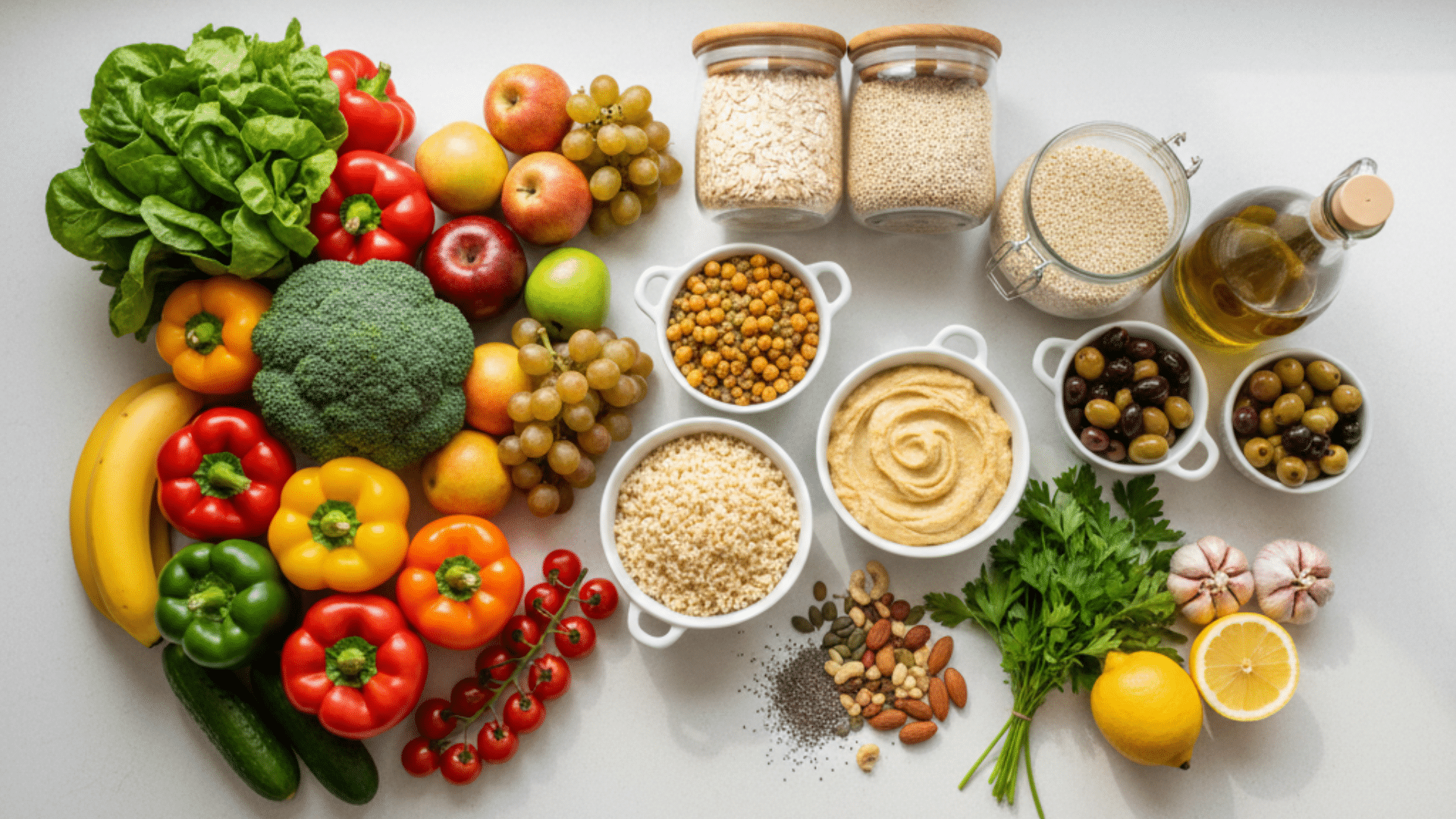
Build most meals from these foods, then mix and match them through the week for steady energy, fiber, and fullness.
- Vegetables (leafy greens, cruciferous, roasted vegetables)
- Fruits (seasonal options)
- Legumes (beans, lentils, chickpeas, hummus)
- Whole grains (oats, quinoa, brown rice, bulgur)
- Healthy fats (extra virgin olive oil, olives, nuts, seeds, avocado)
- Herbs, spices, garlic, lemon
If you keep these staples at home, you can throw together bowls, soups, salads, and wraps fast.
Eat Sometimes
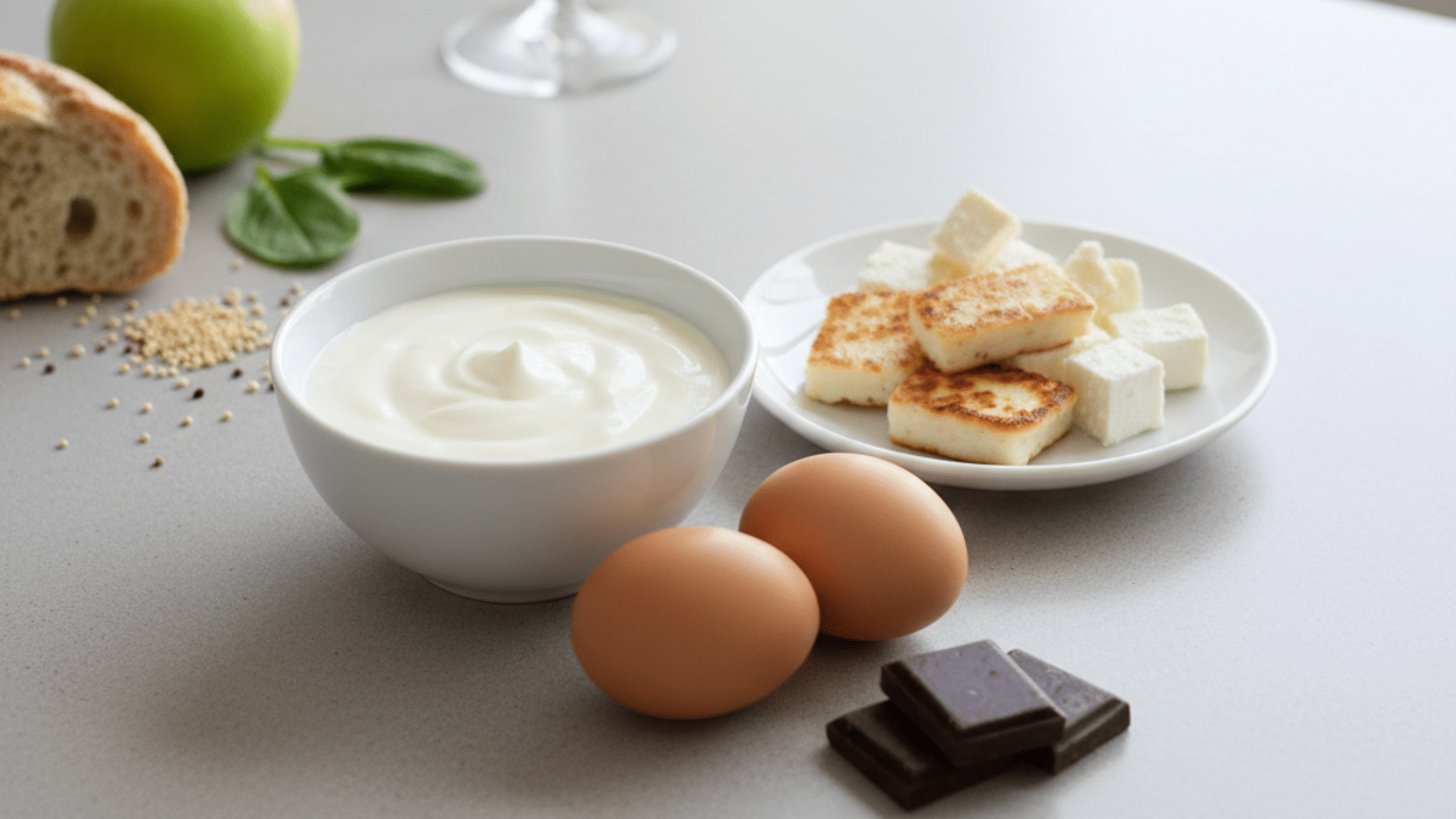
These foods still fit, but they work best as add-ons, not the main base of every meal you eat each day.
- Greek yogurt, feta, halloumi, and cheese as a topping
- Eggs
- Dark chocolate
- Wine (optional)
Use smaller portions and pair them with vegetables, legumes, and whole grains so meals stay balanced and not too heavy.
Limit These Foods

These choices can crowd out better foods and make it harder to stay consistent, so keep them occasional and not daily habits.
- Sugary drinks, sweets, and pastries
- Refined grains (white bread, white rice most days)
- Ultra-processed snack foods
- Heavy butter and cream-based foods
If you want treats, plan them. For everyday eating, keep your default foods simple and whole.
The Plate Method (How to Build Every Meal)
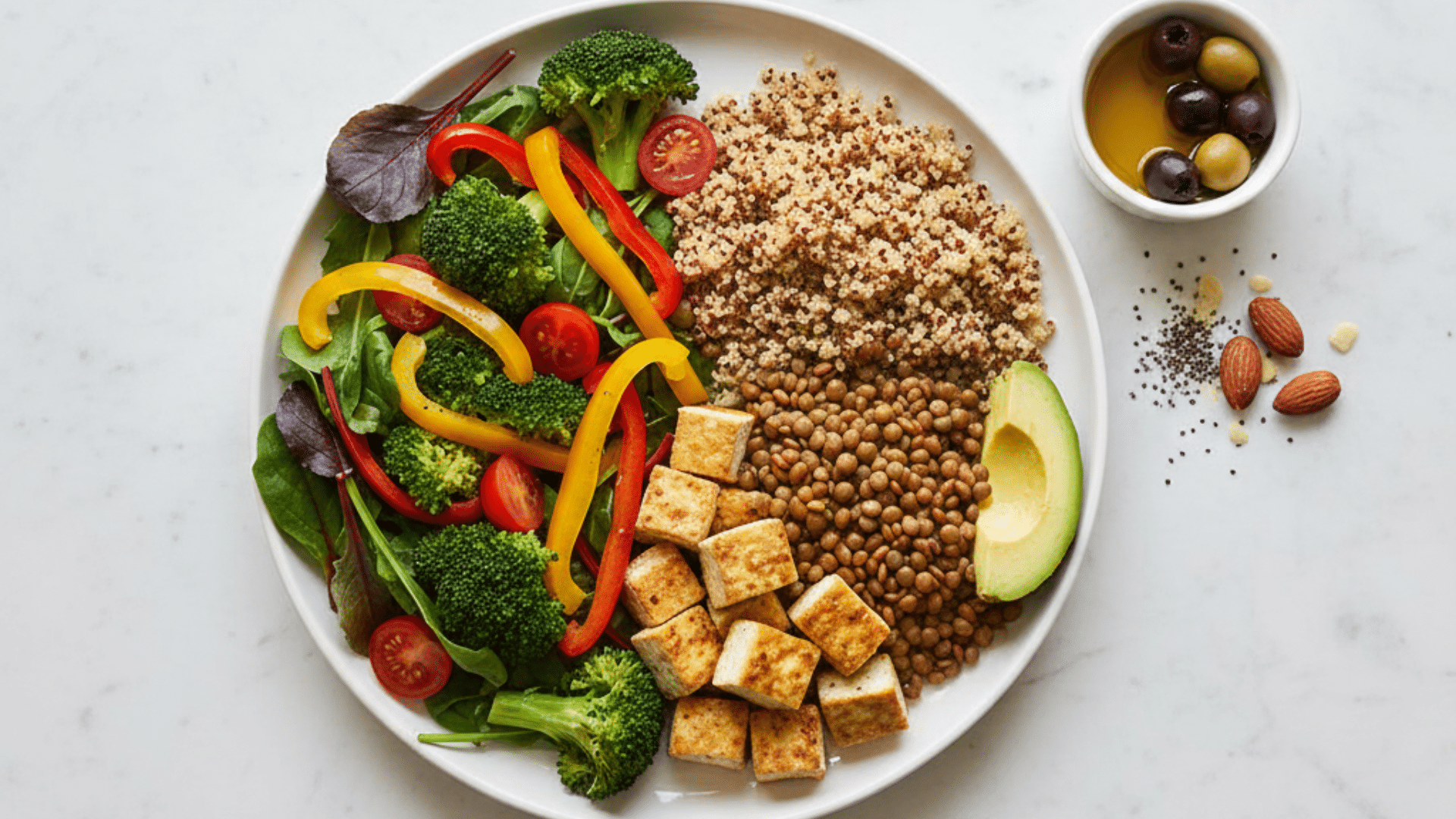
The plate method gives you a clear way to build vegetarian Mediterranean meals without measuring or tracking. Start with the 50 25 25 setup.
Make 50% of your plate non-starchy vegetables, such as leafy greens, broccoli, peppers, or roasted mixed vegetables. Then add 25% protein, like beans, lentils, chickpeas, tofu, tempeh, yogurt, or eggs, based on what you eat.
Next, add 25% whole grains or starchy vegetables, such as quinoa, brown rice, bulgur, oats, potatoes, or corn. Finish with a small amount of healthy fat, like extra virgin olive oil, olives, nuts, seeds, or avocado.
Use this method in fast meals like a salad with beans and whole grain bread, a grain bowl with lentils and roasted vegetables, veggie soup with chickpeas and salad, whole wheat pasta with white beans and spinach, or a wrap with hummus and tofu.
Protein Plan for Vegetarians
Use this simple protein plan to stay full, support muscle, and keep meals balanced without relying on cheese or constant snacking.
| When you eat | Protein goal | Easy vegetarian protein picks | Quick add-ons |
|---|---|---|---|
| Breakfast | Include 1 clear protein | Greek yogurt, eggs, tofu scramble, lentils | Nuts, seeds, milk, soy yogurt |
| Lunch | Build protein into the main dish | Chickpeas, beans, lentil salad, tofu bowl | Hummus, tahini, yogurt dip |
| Dinner | Make protein the anchor | Lentil stew, white bean pasta, tempeh stir fry | Olives, EVOO, seeds |
| Snacks (if needed) | Small protein + fiber | Hummus + veg, yogurt + fruit, nuts | Roasted chickpeas, chia pudding |
Keep your protein steady through the day, and you will feel fewer cravings, better energy, and more control over portions.
A Sample Day (Beginner Version)
Use this simple day plan to see how vegetarian Mediterranean meals fit together, with protein, fiber, and steady energy.
Breakfast
Start your day with a simple bowl that mixes fiber, protein, and healthy fat. Make oats, then top them with berries and chia for a filling option that takes minutes. If you prefer a colder breakfast, use yogurt with fruit and nuts instead.
Choose plain yogurt, then add sliced banana, berries, or chopped apples. Finish with walnuts or almonds for crunch. Both options work well because they are easy, balanced, and repeatable on busy mornings.
Lunch
For lunch, aim for a quick, portable, and still filling meal. A chickpea salad wrap is an excellent choice because it provides protein and fiber with minimal effort.
Mash chickpeas, add lemon, olive oil, salt, pepper, and chopped veggies, then wrap them in whole-grain bread. Another option is quinoa tabbouleh with beans. Mix cooked quinoa with parsley, tomatoes, cucumber, lemon, and olive oil, then add beans for extra protein.
Dinner
Dinner should feel warm and satisfying, with vegetables and protein doing most of the work. Lentil veggie soup is an easy go-to because you can cook a big pot and eat it for two or three days.
Add carrots, celery, onions, garlic, and greens to boost volume and nutrients. If you want something faster, try white beans with greens and whole wheat pasta. Sauté garlic, add beans and spinach, then toss with pasta, olive oil, and lemon for a quick meal.
Snacks
Keep snacks simple and based on whole foods, so you do not end up reaching for packaged items. Hummus and veggies are a strong option because they add protein and fiber without much sugar.
Fruit and nuts also work well when you want something sweet and filling. If you eat dairy, yogurt can be a good snack, especially with berries or chopped fruit. Olives are another easy choice that adds healthy fat and a savory bite between meals.
Fast Dinner Ideas for a Vegetarian Mediterranean Diet
Use these quick dinner categories to rotate meals all week, save time, and still hit vegetables, protein, and whole grains.
1. One-Pot Soup or Stew
This dinner type gives you a full meal in one pot with very little cleanup. Start with onion and garlic in olive oil, then add vegetables, beans or lentils, and broth. Let it simmer while you do other things.
Try lentil vegetable soup, chickpea spinach soup, or white bean tomato stew. Serve with whole-grain bread or brown rice if you want more carbs. Make a large batch, then store portions for busy nights, so you cook once and eat twice.
2. Sheet Pan Roasted Dinner
This is a hands-off dinner where the oven does most of the work. Chop vegetables like zucchini, peppers, onions, and broccoli. Add chickpeas or cubed tofu for protein. Toss everything with olive oil, garlic, paprika, salt, and lemon.
Roast until edges brown and crisp. Serve on quinoa, brown rice, or whole wheat couscous, then add a quick sauce like tahini, lemon, or yogurt herb. This method gives big flavor with minimal effort and makes leftovers that reheat well.
3. Fast Pasta with Beans and Greens
This option is quick, filling, and easy to balance with protein and vegetables. Cook whole wheat pasta, then build a fast sauce in the pan. Use olive oil, garlic, tomatoes or tomato paste, and a splash of pasta water.
Stir in white beans or chickpeas and add spinach or kale until it wilts. Finish with lemon and herbs. If you eat dairy, add a small amount of cheese on top. This meal is great for nights when you need pantry basics to carry dinner.
4. Grain Bowl Dinner
This is a flexible dinner that works best when you keep cooked grains in the fridge. Start with quinoa, brown rice, or bulgur. Add a protein like lentils, beans, tofu, or tempeh. Pile on vegetables, using a mix of raw and roasted for texture.
Add healthy fat with olive oil, olives, nuts, or seeds. Finish with a simple sauce like tahini, lemon, salsa, or yogurt herb. Grain bowls help you use leftovers and still keep your meal balanced.
5. Big Salad with a Protein Base
This is a full dinner salad that does not leave you hungry afterward. Use leafy greens as your base, then add tomatoes, cucumbers, peppers, onions, and any roasted vegetables you have.
For protein, add chickpeas, lentils, white beans, tofu, or eggs. Add olives, nuts, or seeds for fat and crunch. Dress with olive oil and lemon or vinegar. Serve with whole-grain bread or a small side of quinoa if you want more staying power.
6. Wraps and Pitas Night
This is a fast dinner you can assemble in minutes, with easy swaps for everyone. Use whole-grain wraps or pitas, then add hummus as your base. Fill with chopped vegetables, leafy greens, and a protein like chickpeas, beans, tofu, or tempeh.
Add olives or avocado for healthy fat. Finish with lemon, herbs, and a pinch of spices for more flavor. Serve with a side salad or roasted vegetables. This is also a good night to use leftovers, because wraps handle extra veggies well.
7. Stir-Fry Style Skillet Meal
This is a quick, hot dinner that cooks in one pan and fits many flavor styles. Use olive oil, garlic, and your preferred spices. Add vegetables like broccoli, peppers, mushrooms, and onions, then add tofu or tempeh, or toss in beans at the end.
Serve it over brown rice or quinoa. You can also add a quick sauce using lemon, tahini, and water, or yogurt and herbs if you eat dairy. This keeps dinner fast, warm, and filling without many ingredients.
8. Veggie Scramble and Bean Toast Plate
This is a quick dinner you can make when you want comfort food that still feels balanced. Start with a veggie scramble. If you eat eggs, whisk 2–3 eggs with a pinch of salt and pepper.
Cook the onion and bell pepper in extra virgin olive oil, then add the spinach and tomatoes. Pour in the eggs and cook until just set. If you do not eat eggs, crumble firm tofu and cook it the same way, then season with garlic, cumin, paprika, salt, and pepper.
Toast whole-grain bread and top it with mashed white beans or chickpeas, plus lemon and olive oil. Serve with a simple side salad.
9. Veggie and Hummus Dinner Board
This is a no-cook dinner that feels filling when you build it with a few smart parts. Start with a bowl of hummus in the center. If you want more flavor, stir in lemon juice, garlic, or paprika, then add a small drizzle of extra virgin olive oil.
Next, add a big mix of chopped vegetables like cucumbers, carrots, bell peppers, cherry tomatoes, and radishes. Include olives for a salty bite.
Add whole-grain pita, toast, or crackers for your grain. For protein support, add a small handful of nuts or seeds. Finish with fruit like grapes or orange slices. If you eat dairy, add plain yogurt or a small amount of cheese on the side.
Common Mistakes and Easy Fixes
These quick fixes help you stay consistent by solving the most common issues that make vegetarian Mediterranean eating feel hard.
- Not enough protein: Add beans, lentils, tofu, tempeh, eggs, or yogurt to every main meal.
- Too much cheese: Use cheese as a topping only, and lean on beans or tofu for the main protein.
- Too many refined carbs: Swap white bread and white rice for whole grains like oats, quinoa, and brown rice.
- Not enough veggies: Aim for half your plate as non-starchy vegetables at lunch and dinner.
- Getting bored: Rotate sauces and spices, and change your meal format, like bowls, soups, wraps, and salads.
- Bean digestion tips: Rinse canned beans, start with small portions, cook lentils well, and add cumin or ginger for comfort.
Conclusion
You now have a clear way to eat this style without guessing. You know what foods to eat often, what to limit, and how to use the plate method for balanced meals.
You also saw how to keep protein steady, plus quick dinner ideas and simple fixes for common issues. This works best when you keep it simple and repeat a few go-to meals each week.
If you want a practical next step, pick two breakfasts, two lunches, and three dinners to rotate for seven days.
What meal will you try first with the vegetarian Mediterranean diet? If you want more help, check out my other blogs for meal plans, grocery lists, and easy recipe ideas.