














Cloves are amazing for adding flavor and even helping with some health issues. I love using them in cooking and sometimes making clove water.
If you’re curious about clove water perks or just want to use cloves the smart way, this blog will help you do that without worry.
But I learned the hard way that cloves can react with certain foods and medicines. You might think it’s safe to mix them with anything, but that’s not always true.
Here, I’ll walk you through the main foods and drugs you should avoid combining with cloves. I’ll also explain the risks and side effects so you can enjoy cloves safely.
The Impact of Cloves on Health and Wellness
Cloves may be small, but they can support your health in many simple ways. You can use them to help with digestion, as they may ease gas and support gut comfort.
‘If you deal with tooth pain or bad breath, cloves can help, thanks to their natural compounds that fight bacteria. I’ve seen people use clove oil for quick relief from minor pain, especially in teeth and gums.
You can also add cloves to tea or food to support your immune system. With regular use, cloves may help your body feel more balanced while offering a natural way to handle everyday health concerns.
Foods You Shouldn’t Mix with Cloves
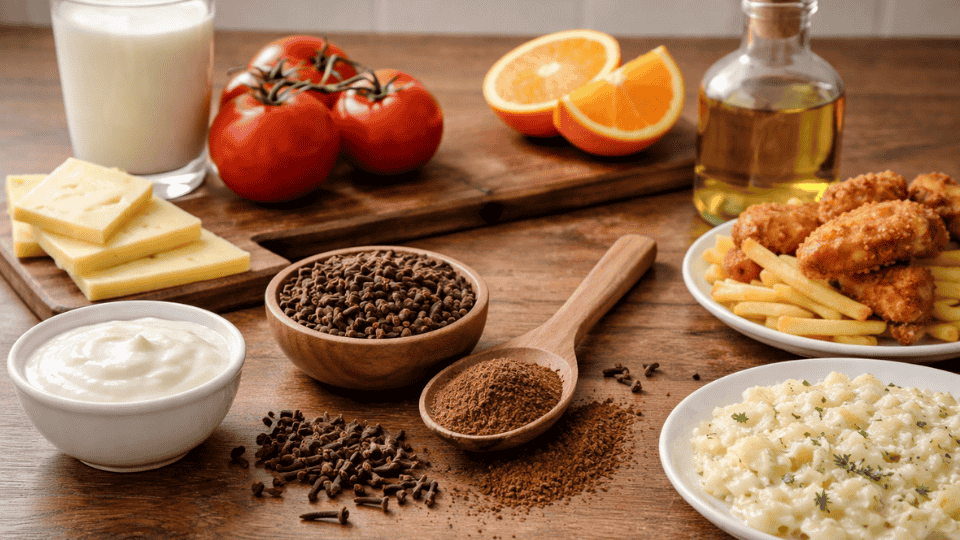
Not all foods work well with cloves. Some combinations can upset your stomach, reduce health benefits, or even cause discomfort when eaten together.
1. Dairy Products
Cloves can sometimes interfere with the digestion of dairy products like milk, cheese, or yogurt. Combining them may cause bloating or stomach upset for some people.
- Milk: Can cause discomfort when mixed with cloves and may upset digestion for some people.
- Cheese (especially soft cheeses like brie and ricotta): The rich, fatty nature may cause bloating when paired with cloves.
- Yogurt: While nutritious, it can cause stomach issues when combined with cloves.
- Ice cream: The dairy and sugar content can slow digestion when paired with cloves.
If you enjoy clove teas or cooking with cloves, it’s better to have dairy separately to avoid any discomfort and let your body process each ingredient easily.
2. Acidic Foods
Acidic foods such as oranges, tomatoes, or vinegar can irritate your stomach when eaten with cloves. The strong compounds in cloves may intensify acidity and cause heartburn or discomfort.
- Oranges: Their strong acidity can lead to heartburn or stomach discomfort when combined with cloves.
- Lemons: Similar to oranges, they can irritate your stomach when paired with cloves.
- Tomatoes: The acidity can intensify the effects of cloves, leading to digestive issues.
- Vinegar (including balsamic, apple cider, etc.): The high acidity can cause irritation when mixed with cloves.
To enjoy both safely, try consuming cloves at a different time than acidic meals. This helps prevent digestive issues and maintains the benefits.
3. High-Fat Foods
High-fat meals like fried foods or creamy sauces can slow digestion when combined with cloves. This may reduce the spice’s effectiveness, making you feel heavy or bloated.
- Fried foods (like fried chicken or fries): The high fat can slow digestion, causing bloating and discomfort when mixed with cloves.
- Creamy sauces (such as Alfredo or béchamel): Rich in fat, they may cause digestive issues when combined with cloves.
- Fatty cuts of meat (like ribeye steak or bacon): The heavy fat content may slow digestion when paired with cloves.
I usually separate clove consumption from rich, fatty meals, which allows your body to absorb nutrients better while still enjoying the flavor and potential health benefits of cloves.
Drugs and Medications to Avoid Mixing with Cloves
Cloves can affect how certain medicines work in your body. Mixing them without care may increase side effects or reduce the effectiveness of your treatment.
1. Blood Thinners
Cloves have natural blood-thinning properties that could improve the effects of medications such as warfarin, heparin, or aspirin.
When combined, this might increase the risk of excessive bleeding or bruising. It’s essential to monitor any signs of unusual bleeding and consult a healthcare professional before using cloves if you’re on blood thinners to prevent dangerous side effects.
2 Antidiabetic Drugs (Insulin, Metformin)
Cloves can lower blood sugar levels, potentially interfering with diabetes medications such as insulin or metformin. When used together, this may lead to dangerously low blood sugar, causing symptoms like dizziness, weakness, or even fainting.
If you’re taking these medications, it’s important to regularly monitor your blood glucose levels while consuming cloves to avoid hypoglycemia and other complications.
3. Antacids
Cloves may aggravate acid reflux or interact negatively with antacids that are used to neutralize stomach acid. Consuming large amounts of cloves, especially in concentrated forms, may cause irritation or discomfort.
If you’re taking antacids for heartburn or indigestion, it’s best to limit clove intake and avoid using them together to prevent digestive issues or worsening symptoms.
4. Sedatives and Anti-Anxiety Medications
Cloves can have a mild sedative effect, which might increase the drowsiness caused by sedative medications like Xanax, Valium, or Ativan.
This could lead to excessive drowsiness or even impaired motor skills and decision-making. If you’re using sedatives or anti-anxiety medications, be cautious when incorporating cloves into your routine and consult your doctor to ensure safe usage.
How to Safely Use Cloves
Using cloves safely means enjoying their benefits without discomfort. Stick to small amounts, combine with mild foods, and store properly for the best results.
- Moderate Usage: Stick to one or two cloves per day to enjoy their flavor and benefits without causing digestive issues or discomfort.
- Grind or Crush Slowly: Gradually release the flavor by crushing or grinding cloves to control intensity and avoid overpowering the dish.
- Combine with Mild Foods: Pair cloves with mild foods or warm beverages to make them easier on your stomach and reduce any potential irritation.
- Fresh Storage: Keep cloves in a cool, dry place to maintain their freshness and preserve the maximum flavor and health benefits.
- Avoid Excessive Intake: Too many cloves can cause digestive discomfort. Stick to small, controlled amounts to get the best results without side effects.
By following these simple guidelines, you can safely enjoy cloves’ unique flavor and health benefits while avoiding potential side effects.
Health Conditions and Clove Use: What to Watch Out For
Cloves are powerful, and that potency comes with considerations for certain health conditions. Here is a breakdown of the conditions that warrant extra caution before using cloves:
| Health Condition | Key Concern | Who Should Be Cautious |
|---|---|---|
| Liver disease | Cloves, especially in large doses or concentrated oils, carry potential liver toxicity risks | People with preexisting conditions such as hepatitis or cirrhosis |
| Gastrointestinal issues | Cloves may irritate the stomach lining and worsen symptoms of acid reflux and ulcers | Anyone with chronic GI conditions should consult a healthcare provider before regular use |
| Pregnancy | Large quantities may affect blood pressure and trigger uterine contractions | Pregnant individuals, particularly those in later stages or with high-risk pregnancies |
| Breastfeeding | Clove supplements and essential oils carry potential risks that are not yet fully understood | Breastfeeding mothers should avoid supplements and concentrated oils until more is known |
None of these conditions means cloves are completely off the table. Speaking with a healthcare provider before making them a regular part of your diet is always the safest step forward.
Wrap Up
I hope this makes it easier to enjoy cloves without any surprises. They are powerful little spices, and using them the right way adds real flavor and genuine health benefits to your day.
Staying mindful of risky food and medication combinations helps you get the most out of cloves. Personally, keeping it simple, whether a cup of clove tea or a small addition to a meal, works best and stays enjoyable.
Moderation is key, and checking labels or asking your doctor can prevent unwanted side effects before they occur. If you have questions or use cloves in your own routine, drop a comment below.