












Low-carb eating sounds straightforward until vegetables start causing confusion. Some of them are loaded with carbs, and swapping the wrong ones into meals can slow progress without any obvious reason.
Even foods that seem healthy on the surface can work against the plan. Lentils are a good example of this. The debate over whether lentils are low-carb shows how easily plant-based foods get misread.
A vegetable can be nutritious and still carry enough carbs to stall results. Knowing which ones actually fit a low-carb diet removes the guesswork and makes everyday eating a lot simpler.
The Impact of Carbs on Your Body and Energy
Carbohydrates are your body’s main fuel source. When you eat carbs, your body breaks them down into glucose, a simple sugar that powers your brain, muscles, and organs. Eating enough carbs keeps your energy steady throughout the day.
Too many carbs, especially sugary ones, can cause energy spikes and crashes. Too few carbs can leave you feeling tired and sluggish.
Some people cut carbs to lose weight or control blood sugar levels, especially those with diabetes. Finding the right carb balance helps your body run smoothly and keeps your energy levels feeling strong and consistent.
Full List of Vegetables with No Carbs
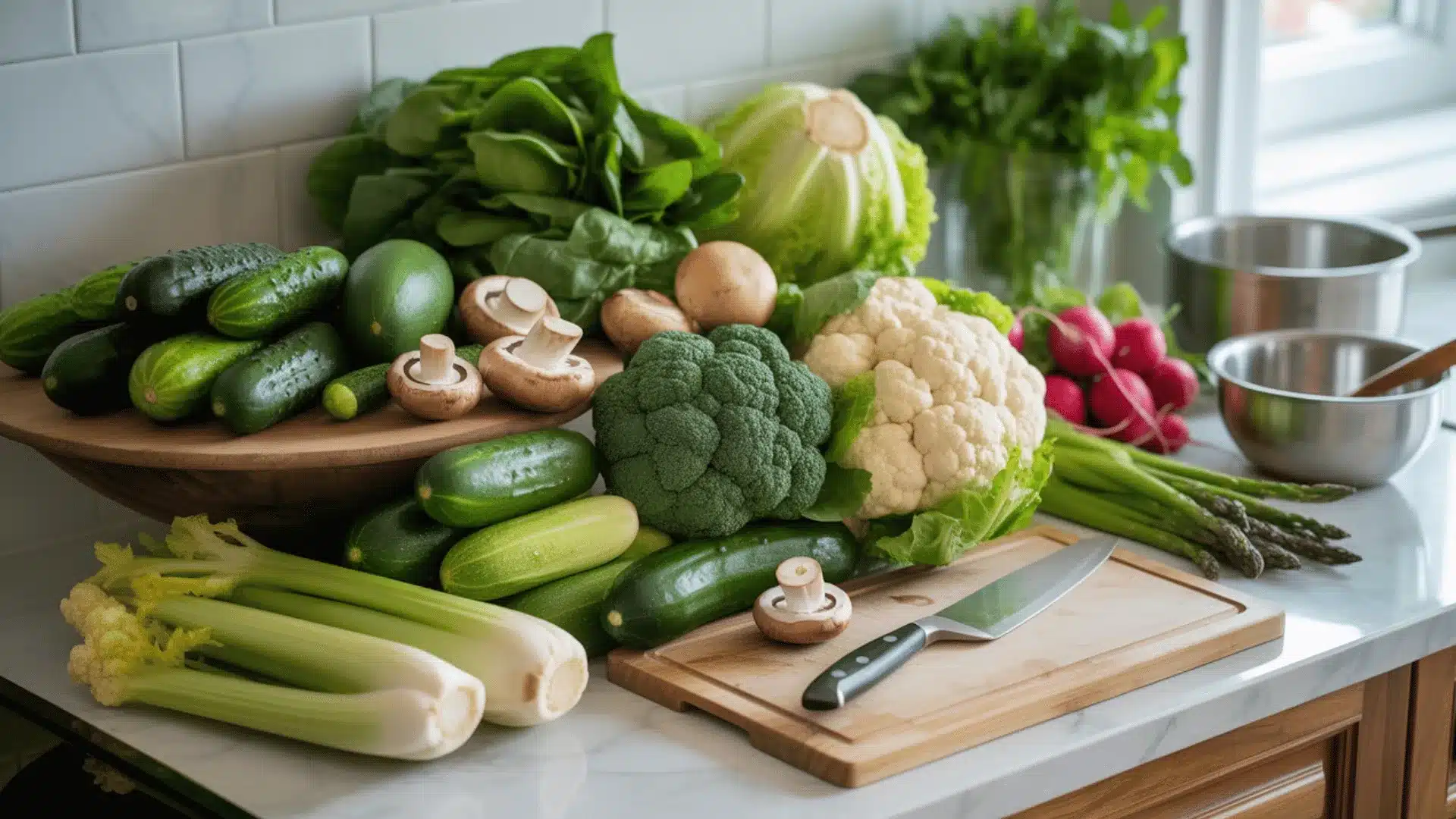
While no vegetable is completely carb-free, many come so close that they are widely considered carb-free. The vegetables below have trace amounts of carbs that have little effect on your body or blood sugar levels:
1. Cucumbers
Cucumbers are one of the most hydrating vegetables you can add to your daily routine. They are light, refreshing, and incredibly easy to add to almost any meal with little effort or preparation.
Their crisp texture and mild flavor make them a go-to choice for anyone following a low-carb eating plan. Here is a quick look at what makes them worth including:
- Carb Content: 1.9g net carbs per 100g
- Water Content: 95%
- Best Use: Great for salads, snacks, and detox water
2. Spinach
Spinach is a nutrient-packed leafy green loaded with powerful antioxidants that protect your body from oxidative stress while keeping carbohydrate intake extremely low.
It is one of the most versatile and widely available leafy greens, suitable for both raw and cooked preparations across countless recipes as:
- Carb Content: Less than 1 gram of net carbs per cup
- Water Content: 91%
- Best Use: Perfect for salads, smoothies, and cooked dishes
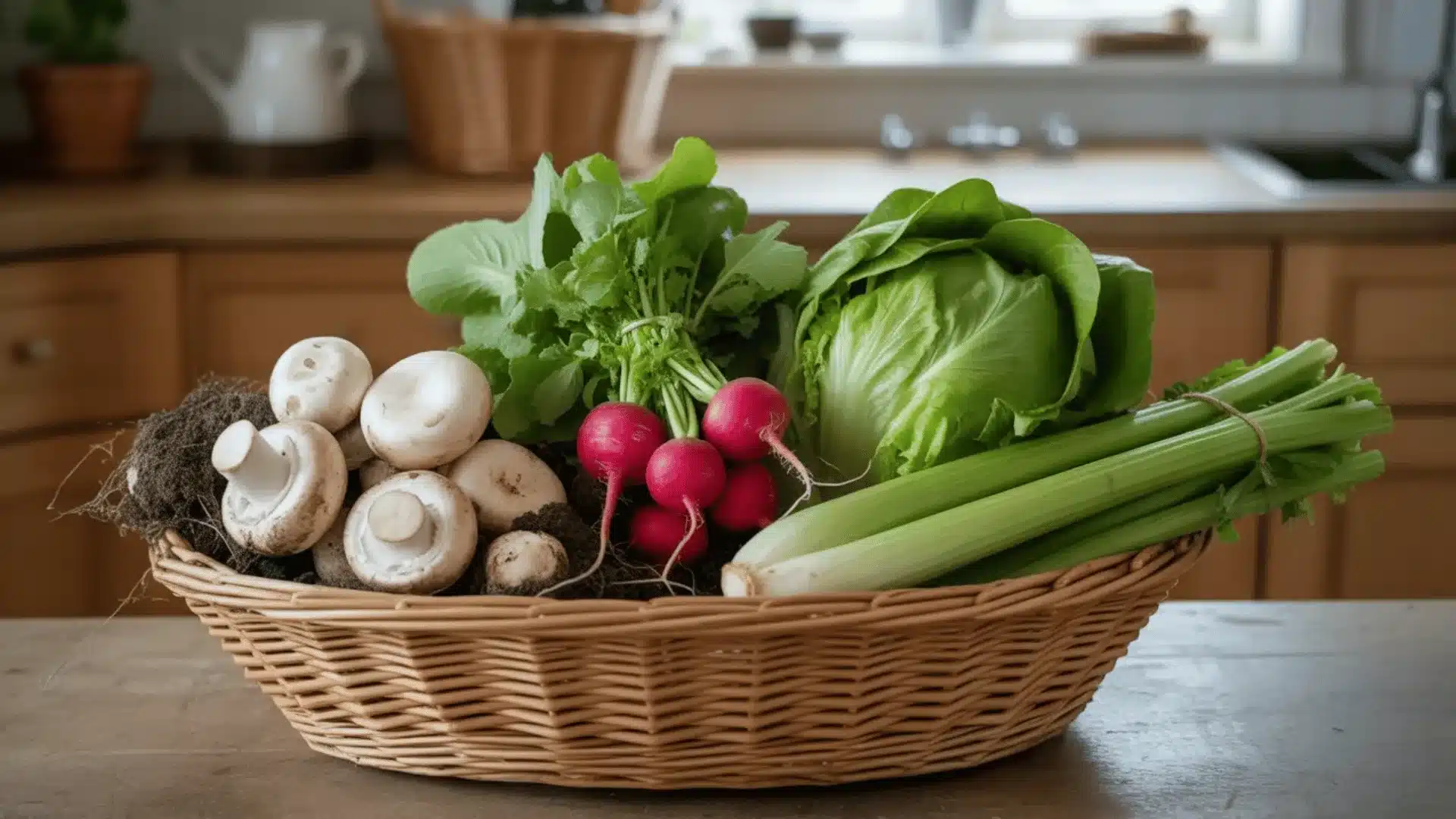
3. Lettuce
Lettuce is one of the lightest and most refreshing vegetables available, offering excellent hydration and a satisfying crunch with almost zero carbohydrates per serving.
It is widely accessible, affordable, and works beautifully as a base for countless meals, making it an effortless choice for anyone committed to a low-carb lifestyle.
- Carb Content: Almost zero carbs per serving, typically under 0.5 grams depending on the variety
- Water Content: 95–96%
- Best Use: Ideal for salads, wraps, and burger bases
4. Mushrooms
Mushrooms are a deeply flavorful and satisfying low-carb vegetable that actively supports immune health and gut function with every serving.
They bring a rich, earthy umami taste to any dish and are incredibly easy to cook in multiple ways, making them a reliable and exciting ingredient for anyone following a low-carb or ketogenic diet.
- Carb Content: Around 1–2 grams of net carbs per cup
- Water Content: 90–92%
- Best Use: Great for stir-fries, soups, and grilled dishes
5. Zucchini
Zucchini is a beloved keto-friendly vegetable that supports healthy digestion and weight management while also serving as a clever, satisfying replacement for high-carb foods like pasta and rice.
Its mild flavor and flexible texture allow it to absorb seasonings and sauces beautifully, making it a staple for anyone following a low-carb diet long-term.
- Carb Content: About 2–3 grams of net carbs per cup
- Water Content: 94%
- Best Use: Ideal for zoodles, baking, and grilling
6. Cauliflower
Cauliflower is a true low-carb superstar that supports heart health and actively helps reduce chronic inflammation while stepping in as a brilliant substitute for high-carb staples like rice, pizza crust, and mashed potatoes.
Its dense, neutral-tasting flesh makes it one of the most adaptable and widely used vegetables in the entire keto and low-carb community.
- Carb Content: Around 3 grams of net carbs per cup
- Water Content: 92%
- Best Use: Perfect as a rice substitute, pizza base, or mash
7. Celery
Celery is a satisfying, crunchy, and water-rich vegetable that actively supports daily hydration, promotes healthy digestion, and contributes barely any carbohydrates.
It is one of the most portable and convenient low-carb snacks available, pairing beautifully with dips or enjoyed on its own with no preparation needed.
- Carb Content: Less than 1 gram of net carbs per stalk
- Water Content: 95%
- Best Use: Great as a snack, in soups, and with dips
8. Radishes
Radishes are a bold, peppery, and satisfyingly crunchy vegetable that supports liver detoxification, promotes healthy digestion, and delivers exceptional flavor with very few carbohydrates.
They add a vibrant pop of color and a pleasantly sharp kick to salads and snack boards, making them both nutritionally valuable and visually appealing.
- Carb Content: About 1–2 grams of net carbs per half cup
- Water Content: 95%
- Best Use: Great in salads, pickled, or roasted
9. Asparagus
Asparagus is a fiber-rich and nutrient-dense vegetable that functions as a natural detox support for the kidneys while remaining nearly completely carb-free in every serving.
It contains powerful antioxidants and prebiotic fibers that feed beneficial gut bacteria, making it an exceptional choice for anyone who wants to stay healthy, lean, and well-nourished on a low-carb plan.
- Carb Content: Around 2 grams of net carbs per half cup
- Water Content: 93%
- Best Use: Best grilled, roasted, or steamed as a side dish
How to Incorporate Carb-Free Vegetables into Your Diet
Adding carb-free vegetables to your daily meals is easier than you think, and pairing them with lentils and other proteins makes every plate even more balanced and satisfying. Here are simple and practical ways to make these nutrient-rich veggies a regular part of your routine:
- Salads and Smoothies: Toss spinach, lettuce, and cucumbers into fresh salads or blend them into green smoothies for a quick, carb-free nutrition boost.
- Stir-Fries and Soups: Cook zucchini, mushrooms, and cauliflower into hearty stir-fries or low-carb soups that are filling, flavorful, and completely diet-friendly.
- Creative Meal Planning: Mix these veggies with proteins like chicken, eggs, or tofu for balanced low-carb meals. Plant-based eaters can also see a variety of protein-rich options to keep things interesting.
- Snack Ideas: Munch on cucumber slices, celery sticks, or radishes, paired with hummus, guacamole, or low-carb dips, for a clean, crunchy snack.
Carb-free vegetables are versatile enough to fit into any meal of the day. Start small, experiment with new combinations, and let these powerful veggies change the way you eat.
Final Call
From everything I have read and understood, carb-free vegetables are truly a benefit for anyone looking to eat healthier.
Vegetables like spinach, zucchini, cucumbers, and cauliflower deliver powerful nutrition without the carb overload, helping manage blood sugar, support weight loss, and keep energy levels steady.
Incorporating them into salads, soups, snacks, and stir-fries has made healthy eating feel simple and enjoyable.
If you have not started yet, now is the perfect time to experiment with these incredible vegetables. I would love to hear from you in the comments below how reducing carbs has affected your body and energy levels.