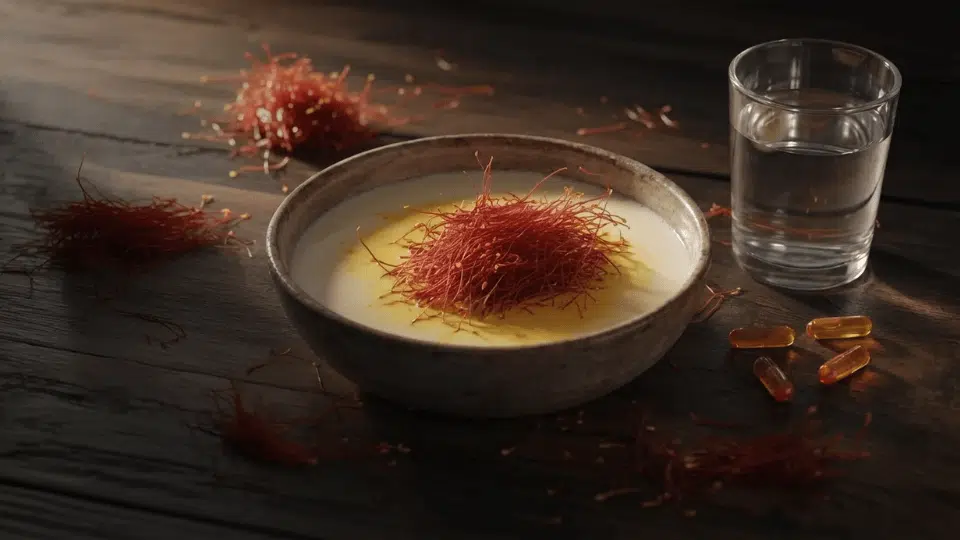

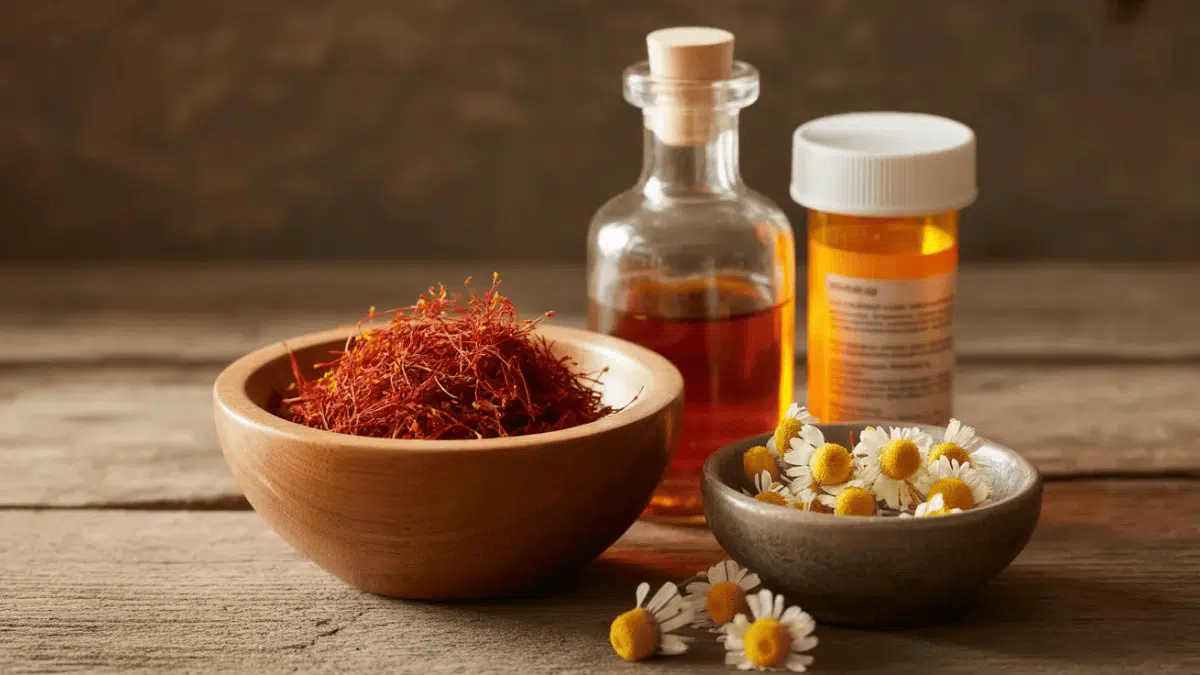


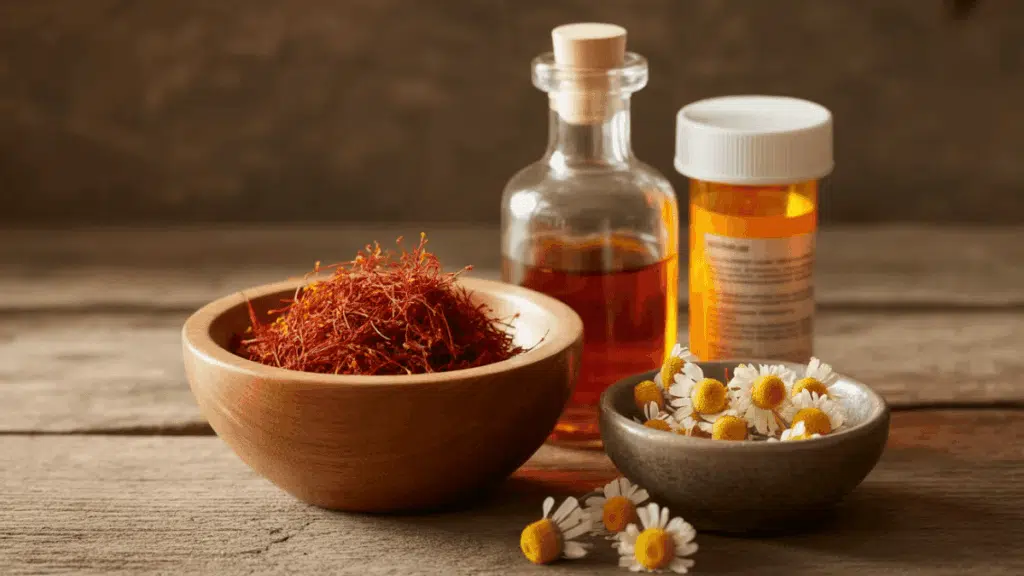
Saffron is one of the most studied botanicals in traditional and modern herbalism, celebrated for its mood-lifting properties, its role in blood sugar regulation, and its quietly powerful effect on the cardiovascular system.
But that same potency is exactly what makes it worth approaching with care. In my years of working with herbs, saffron is one that consistently surprises people, not because it’s dangerous, but because it’s far more active than most give it credit for.
Most people reach for it the same way they would a warm cup of saffron, casually, without a second thought. What follows covers interactions, dosage, warning signs, and who should avoid it altogether.
Why It’s Important to Be Cautious with Saffron Interactions?
Saffron contains active compounds called crocin, safranal, and picrocrocin that directly affect how your body works. These compounds influence mood, blood pressure, and circulation in ways that most people do not expect from a spice.
That is exactly why mixing saffron with certain medications or substances can cause problems. It does not take much for an interaction to tip from helpful to harmful. Some combinations can lower blood pressure too far or intensify the effects of certain drugs.
Starting with small amounts always makes sense. Talking to a healthcare professional before combining saffron with other substances is the safest and smartest step you can take.
What Not to Mix with Saffron?
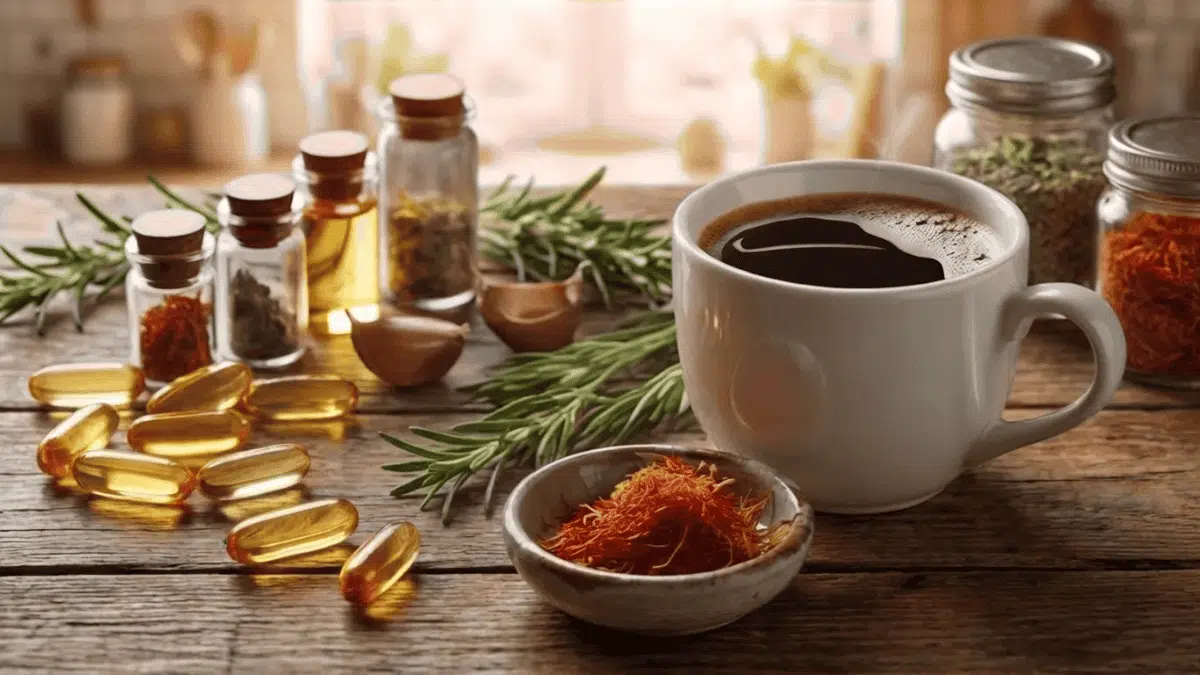
Saffron has genuine therapeutic value, but that same potency is exactly why combinations matter. Before you add it to your routine, these are the pairings worth knowing about:
Medicines to Avoid
Saffron is gentle by nature, but it’s far from passive in the body. With certain medications, even small amounts can create effects that are difficult to predict or manage:
1. Blood thinners: Saffron has mild anticoagulant properties that can amplify bleeding risk when combined with blood thinners.
2. Antidepressants: Both affect serotonin levels; together, they may push that balance too far.
3. BP and diabetes meds: Saffron lowers both blood pressure and blood sugar, doubling the effect of your medication.
4. Sleep medicines: It has a calming, sedative-like quality that can intensify drowsiness beyond what’s comfortable.
Herbs and Supplements to Avoid
Just because something comes from a plant doesn’t mean it combines freely with everything else that does. Some of the most popular supplements on the market overlap with saffron in ways that genuinely add up:
5. Garlic, ginkgo, and fish oil all thin the blood naturally; adding saffron puts you in over-cautious territory.
6. St. John’s Wort: Another serotonin influencer; mixing two of these is a recipe for overstimulation.
7. Valerian, chamomile: Both are calming herbs; layering them with saffron can tip relaxation into excessive sedation.
Foods and Drinks to Be Careful With
These aren’t hard stops, and you don’t need to overhaul your diet. But if you’re using saffron consistently, a few everyday choices are worth keeping a closer eye on:
8. Alcohol: Both have sedative qualities; the combination can leave you far more drowsy than expected.
9. Coffee (high amounts): Saffron steadies the nervous system; high caffeine works against that in an unhelpful push-pull.
10. Herbal teas: Depends entirely on the blend; teas with valerian, passionflower, or kava compound the sedative effect.
Safe Dosage and Mixing Tips
Saffron works beautifully within the right boundaries, but push past them, and those benefits can quietly start working against you:
- Stick to the studied range: Most research supports 20–100 mg per day for therapeutic use. More isn’t better here.
- Don’t stack supplements: Introducing multiple herbs or supplements at the same time makes it nearly impossible to know what’s doing what.
- Start low and pay attention: Begin with a smaller dose and give your body a week or two to respond before adjusting.
- Medication users, check first: If you’re on any regular prescription, a quick conversation with your doctor before adding saffron is always the right move.
Small, thoughtful adjustments go a long way. Saffron rewards careful use far more than generous use. Staying within the studied range also supports liver detox processes, which matters more for how well your body handles saffron over time than most people ever realise.
Signs You’re Reacting Badly to Saffron
Saffron suits most people well, but reactions do happen. Knowing what to watch for makes all the difference between a minor issue and a serious one:
| Sign | Who Is Most at Risk | What to Do |
|---|---|---|
| Dizziness and Nausea | First-time users and sensitive individuals | Lower the dose and take with food |
| Rapid Heartbeat | Those using antidepressants or stimulants | Consult a doctor before continuing |
| Excessive Drowsiness | People with low tolerance | Reassess dosage and timing |
| Unusual Bleeding | Those on blood-thinning medications | Stop use and seek medical advice |
| Uterine Contractions | Pregnant women | Avoid saffron during pregnancy |
| Mood Destabilization | Those with bipolar disorder | Speak with a healthcare provider |
| Allergic Reactions | People with known plant allergies | Discontinue use and monitor symptoms |
These are not reasons to fear saffron. There are reasons to approach it thoughtfully, and when in doubt, consult your doctor first.
The Bottom Line
Saffron rewards the people who take it seriously. The interactions covered here, from antidepressants to alcohol to everyday herbal teas, aren’t meant to overwhelm you; they’re meant to give you clarity that makes saffron actually work in your favour.
Safe saffron use comes down to three things: staying within a sensible dose, being honest about what else you’re taking, and listening when your body pushes back.
Most people never run into issues because they naturally fall within these boundaries without thinking about it. But awareness of saffron drug interactions puts you miles ahead. Found this useful, drop a comment below.