












I used to spend so much money on skincare products, hoping one of them would finally give me that glowing, healthy-looking skin I always wanted.
Nothing seemed to work until I stopped chasing quick fixes and started focusing on the basics. The truth is, glowing skin is not about using the most expensive products. It is about building simple, consistent habits that actually work for your skin.
I am sharing everything I know about how to make your skin glow, including a step-by-step daily routine, lifestyle habits, easy DIY remedies, quick glow tips, and the common mistakes you need to stop making right now.
Let’s get into it because glowing skin is closer than you think.
What Does “Glowing Skin” Actually Mean?
yGlowing skin is often described as smooth, hydrated, and naturally radiant, while healthy skin emphasizes proper function, balance, and overall skin strength.
In my experience, the two are closely connected, but glow is more about visible brightness and even tone that reflects light beautifully.
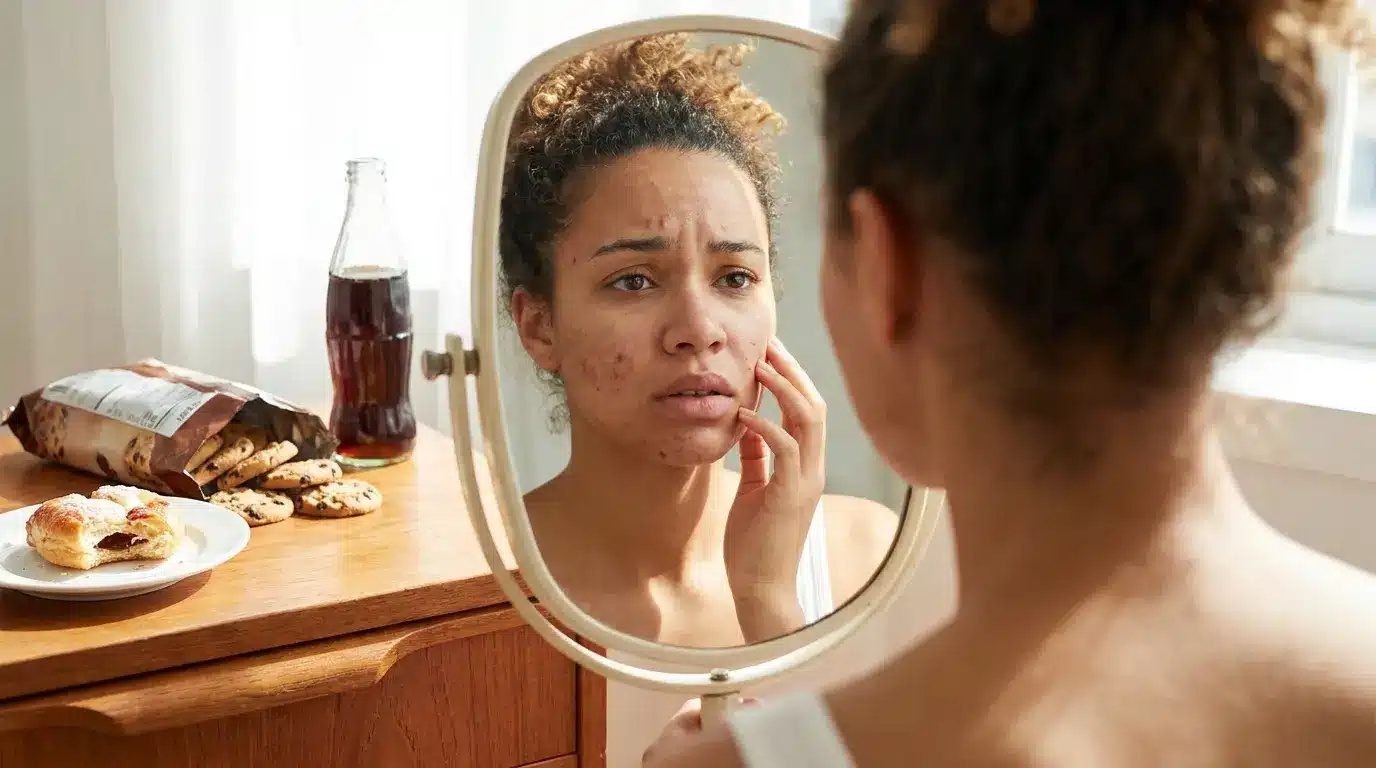
Skin usually loses its glow when everyday habits start working against it. Common causes of dullness include chronic stress, poor dietary choices, insufficient sleep, dehydration, and unprotected sun exposure.
Over time, these factors slow skin renewal and weaken the moisture barrier. When I consistently improved these basics, I noticed my skin looked fresher, clearer, and much more naturally luminous.
Step-by-Step: How to Make Your Skin Glow
A consistent daily routine is the foundation of glowing skin. Here are six simple steps to follow every day.
Step 1: Cleanse Twice Daily (Morning & Night)
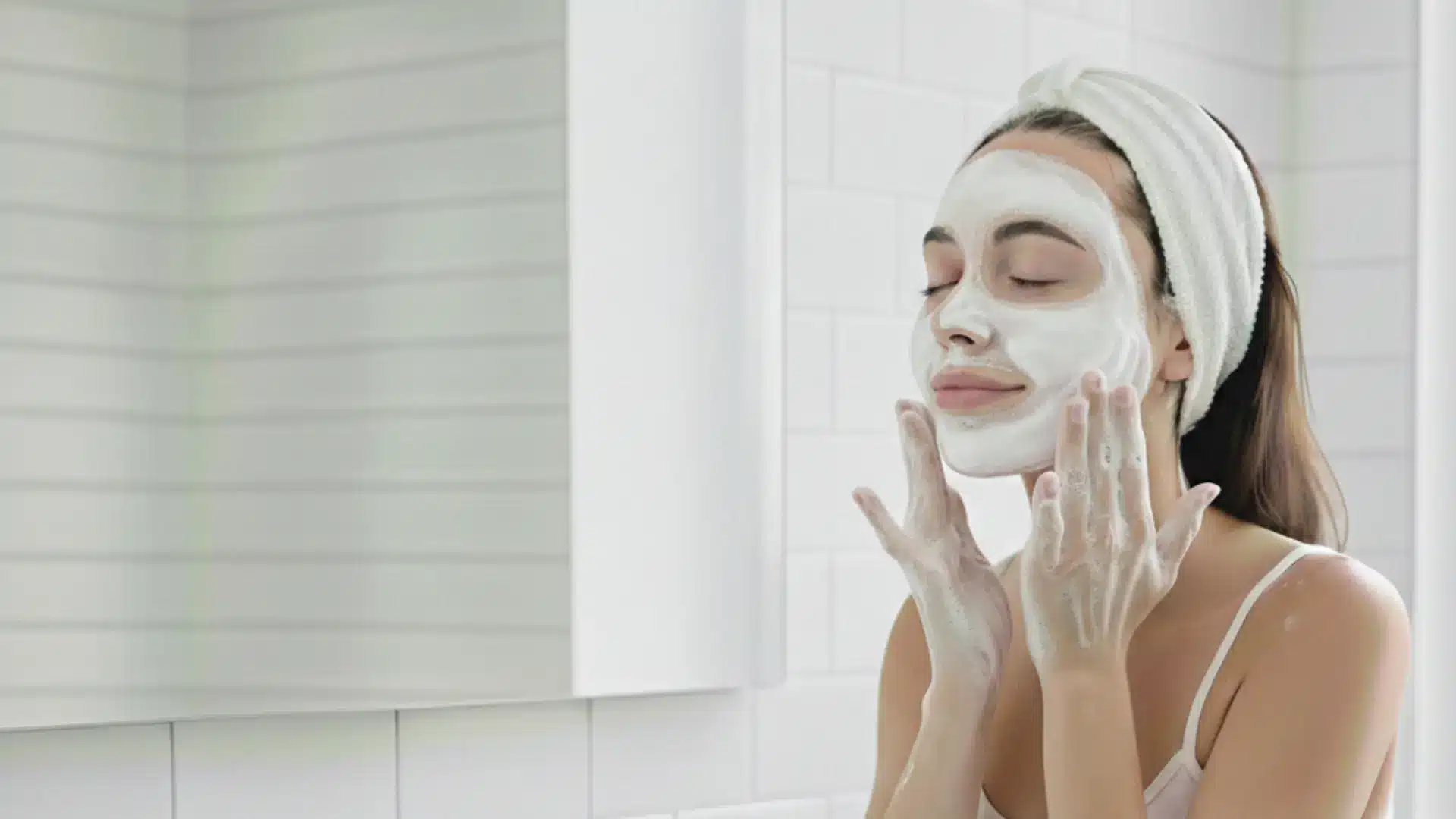
Cleansing is the most important step in any skincare routine. In the morning, it removes oil and sweat that built up overnight. At night, it clears away dirt, makeup, and pollution.
Skipping cleanser, even once, can clog your pores and make your skin look dull. Use a gentle, sulfate-free cleanser that suits your skin type. Don’t scrub too hard; soft, circular motions are enough to clean your skin without damaging it.
Step 2: Exfoliate 2–3 Times a Week
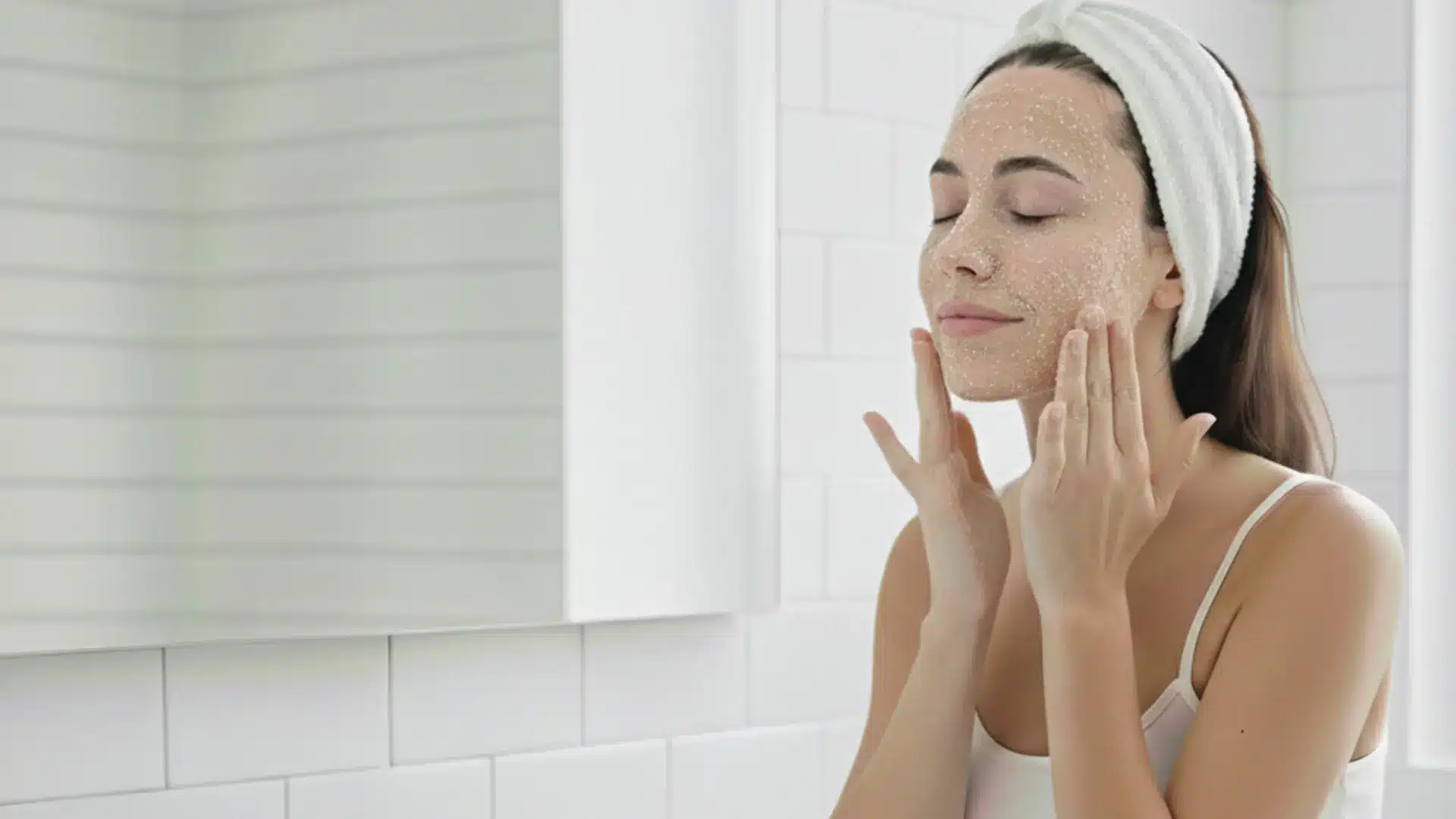
Exfoliation removes the dead skin cells on the surface of your skin, which is the main reason your face can look dull and uneven.
There are two types: chemical exfoliants (such as AHAs and BHAs) that gently dissolve dead cells, and physical exfoliants (such as scrubs) that buff them away manually.
Chemical exfoliants are generally gentler and more effective for most skin types. Stick to 2–3 times a week; over-exfoliating can weaken your skin barrier and cause irritation.
Step 3: Apply a Vitamin C Serum
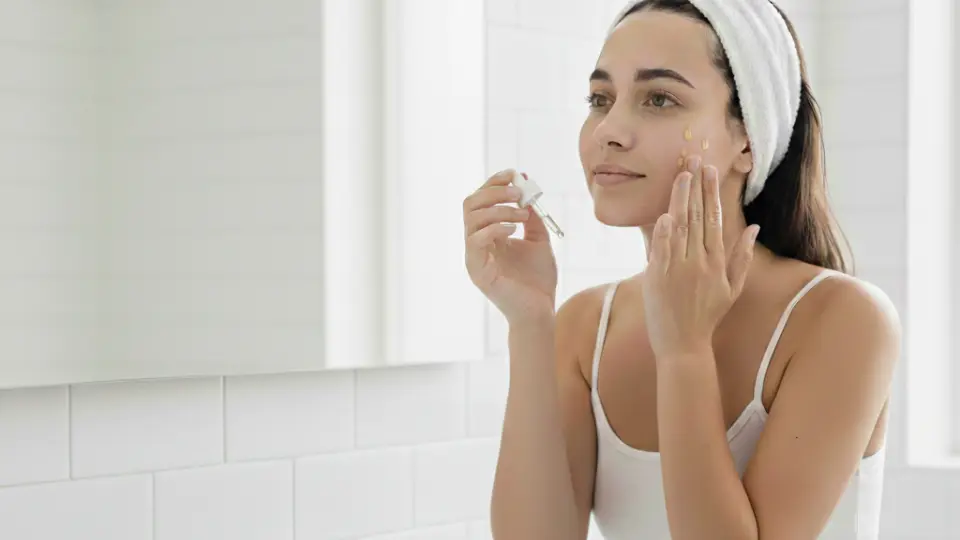
Vitamin C is one of the best ingredients you can use for glowing skin. It brightens dark spots, evens out your skin tone, and boosts collagen production, which keeps your skin firm and youthful.
Apply it every morning after cleansing and before moisturiser. It also acts as an antioxidant, protecting your skin from pollution and sun damage throughout the day. Look for a stable formula containing 10–15% L-ascorbic acid for the best results.
Step 4: Moisturise for Deep Hydration

Even oily skin needs moisturiser; skipping it can actually make your skin produce more oil. A good moisturiser locks in water and keeps your skin barrier strong.
Look for hyaluronic acid on the ingredient list; it’s a naturally occurring molecule that can hold up to 1,000 times its weight in water, drawing moisture deep into the skin. Apply your moisturiser while your skin is still slightly damp after cleansing to seal in even more hydration.
Step 5: Never Skip Sunscreen (SPF)
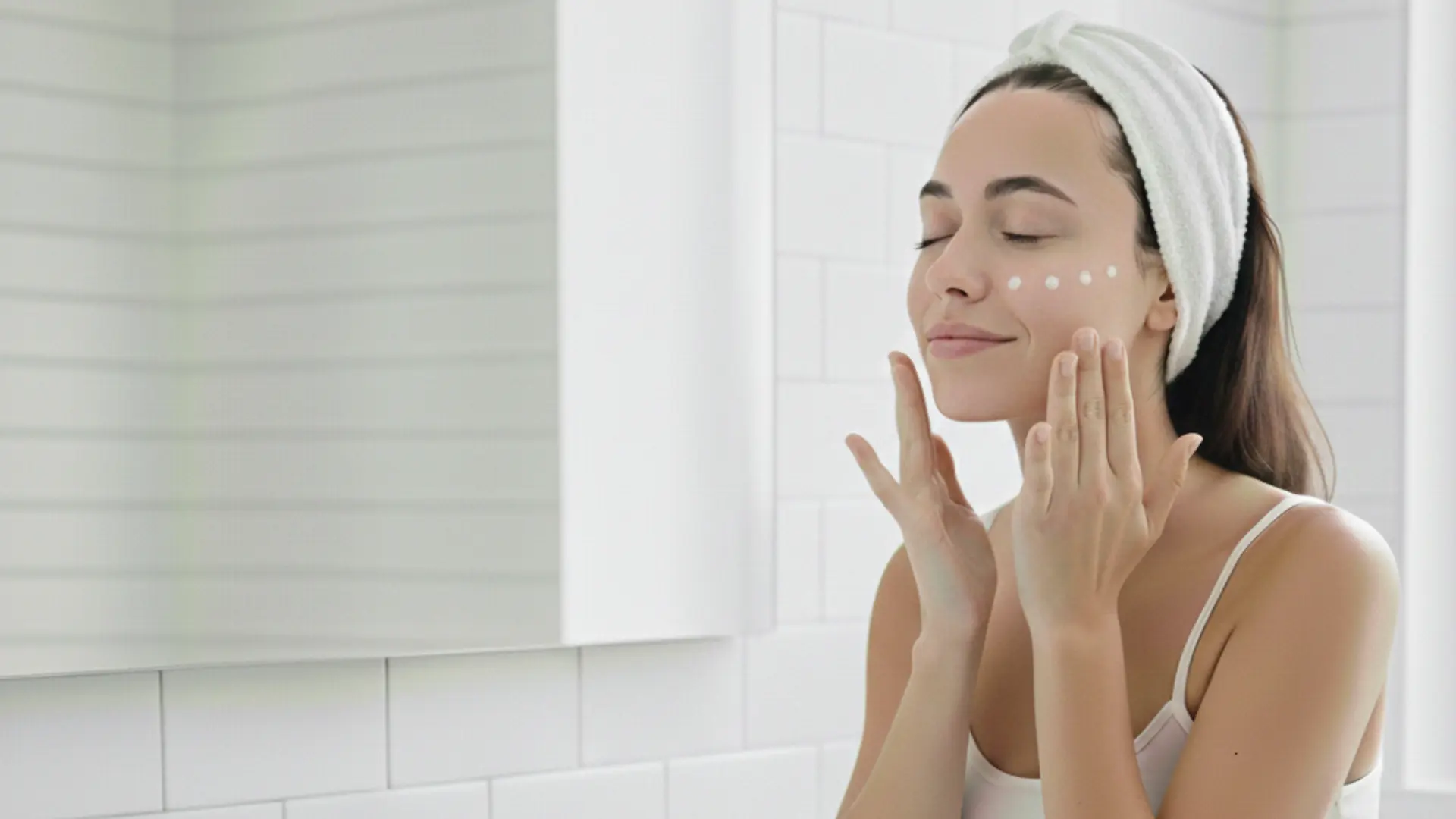
Sunscreen is non-negotiable if you want glowing skin. UV rays break down collagen, cause dark spots, and make skin look older and duller over time, even on cloudy days.
A broad-spectrum SPF 30 or higher, applied every morning as the last step of your routine, protects everything you’ve worked on. No vitamin C serum, no exfoliant, and no moisturiser will give you a lasting glow if you’re not protecting your skin from the sun every single day.
Step 6: Try a Facial Massage
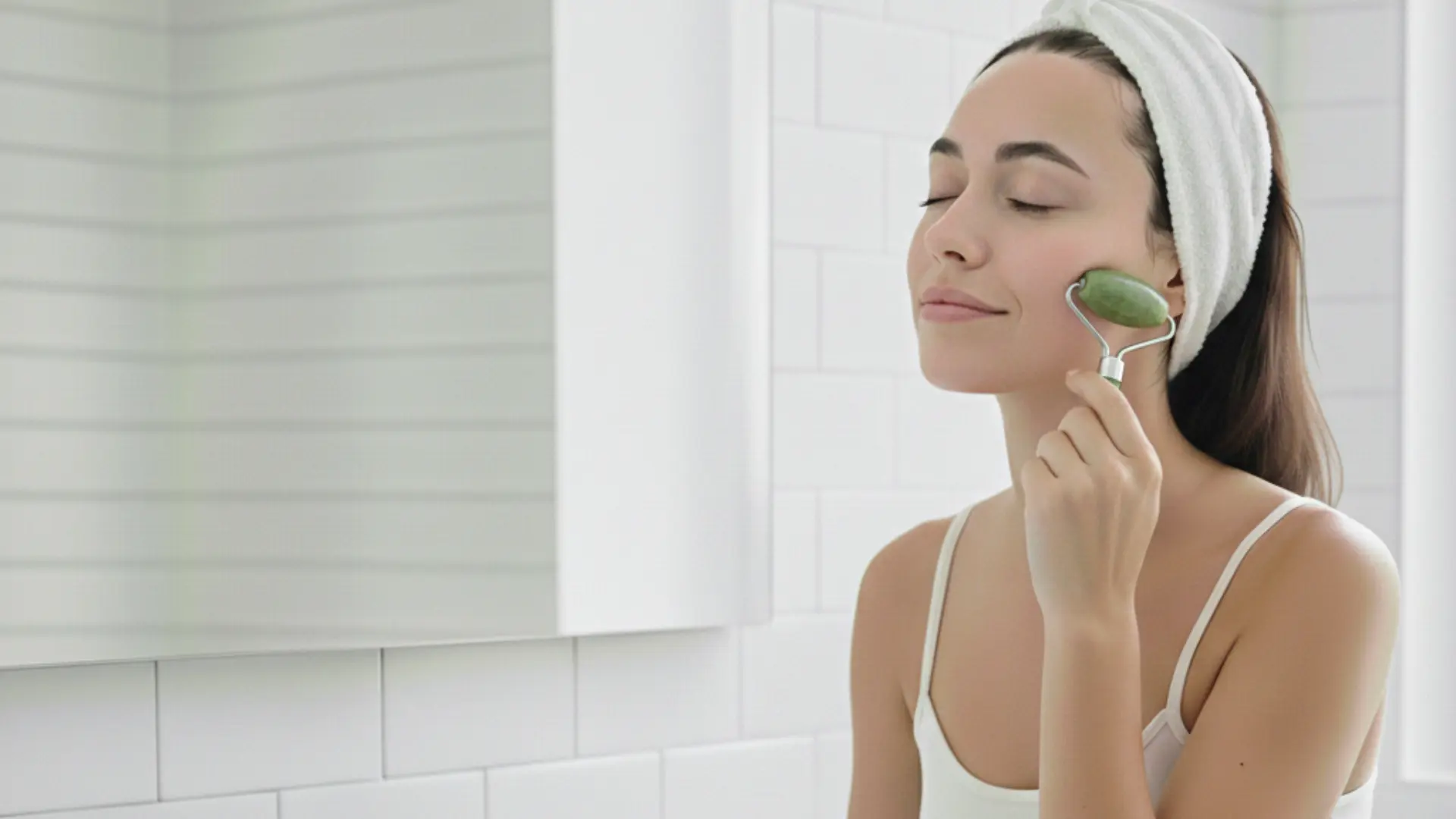
Facial massage is one of the most underrated steps for glowing skin. Spending just 2–3 minutes massaging your face while applying moisturiser boosts blood circulation, which delivers more oxygen and nutrients to your skin cells.
This gives you that natural, healthy flush. Use upward or outward strokes, or a jade roller, for best results. It also helps your products absorb better and reduces puffiness, especially around the eyes and jawline.
These six steps work together; skip one, and you’ll feel the difference. Stay consistent, and your skin will reward you.
Skincare Ingredients That Help Your Skin Glow
If you’re trying to figure out how to make your skin glow, the right ingredients can make a visible difference. Instead of chasing trends, focus on proven ingredients that support brightness, hydration, and smoother texture over time.
- Vitamin C for brightness: Vitamin C helps improve dullness and supports a more even-looking tone. It also works as an antioxidant, helping protect your skin from environmental stress that can make it look tired.
- Hyaluronic acid for hydration: Hyaluronic acid draws water into the skin, helping it look plumper and smoother. Well-hydrated skin naturally reflects light better, which creates a fresh, healthy glow.
- Niacinamide for smoothing tone: Niacinamide supports balanced oil production and improves uneven texture. Over time, it helps skin look calmer, clearer, and more refined without feeling heavy.
- Retinol for long-term renewal: Retinol encourages cell turnover, helping improve texture and reduce dullness gradually. With consistent use, skin can appear smoother and more radiant.
- AHAs for gentle resurfacing: AHAs gently exfoliate the surface of the skin, removing buildup that can make it look flat. Used properly, they help reveal brighter, smoother-looking skin.
Community Insights: What Reddit Users Say About Glowing Skin
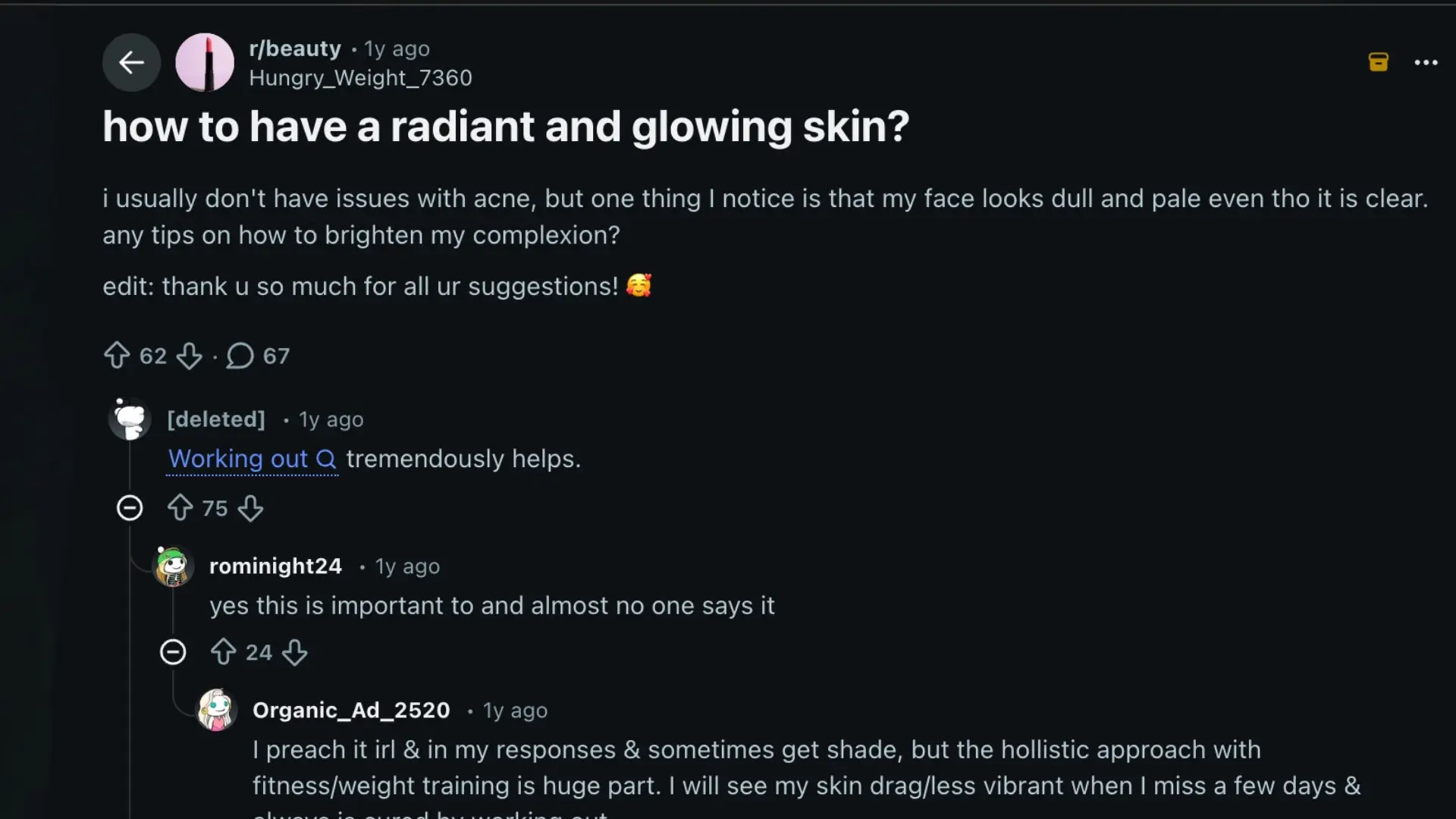
In a recent Reddit thread, the r/beauty shared that their skin was clear but still looked dull and pale, asking the community for glow-boosting tips. Many users recommended vitamin C, chemical exfoliation, and daily SPF as the core routine.
Others emphasized lifestyle habits like drinking plenty of water, eating antioxidant-rich foods, and working out regularly, with one user saying, “Working out tremendously helps.” Overall, the discussion leaned toward a holistic approach combining skincare and healthy living.
Personally, I agree with the community’s balanced view. Skincare products help, but consistent habits like hydration, sleep, and sunscreen are what truly create that lasting, natural glow.
Lifestyle Habits That Boost Glow
From my experience, skincare products help, but daily lifestyle habits play a huge role in creating that healthy, natural glow from within.
- Hydration: Drink 7–8 glasses of water daily to keep skin plump, smooth, and naturally radiant.
- Balanced Diet: Eat fruits, vegetables, and omega-3-rich foods to support clear, healthy-looking skin.
- Sleep: Get 7–8 hours of quality sleep so your skin can repair and look refreshed.
- Exercise: Do regular cardio or yoga to boost circulation and promote a natural glow.
- Stress Management: Practice meditation or mindfulness to reduce breakouts and prevent stress-related dullness.
These habits support healthy-looking skin from the inside. Moreover, taking ashwagandha for clear skin is also utterly beneficial since it helps in skin inflammation, breakout, and skin flare-ups.
Natural and DIY Remedies for a Glowing Skin
I love using simple kitchen ingredients for skincare because they are affordable, gentle, and surprisingly effective for boosting a natural, healthy-looking glow.
| Remedy | What You Need | How to Use | Best For |
|---|---|---|---|
| Honey & Milk Cleanser | 1 tbsp raw honey + 2 tbsp milk | Mix well, massage on face for 1 minute, then rinse with lukewarm water | Gentle cleansing and pigmentation |
| Aloe Vera & Almond Oil Moisturizer | 1 tbsp fresh aloe vera gel + 3–4 drops almond oil | Combine and apply a thin layer at night for deep hydration | Dry, dull skin |
| Green Tea & Rose Water Toner | Cooled green tea + equal rose water | Mix and apply with a cotton pad after cleansing | Refreshing and soothing |
| Turmeric & Yogurt Glow Mask | 1 tsp turmeric + 2 tbsp yogurt | Apply for 10 minutes, then rinse thoroughly | Brightening and calming |
| Oatmeal Gentle Exfoliating Mask | Ground oatmeal + milk or water | Massage lightly for 30 seconds, then rinse | Mild exfoliation |
I use these remedies consistently, and they always give my skin a soft, fresh, naturally radiant boost.
Makeup Tricks That Improve Use for Natural Glow
Makeup can improve your skin’s natural radiance when applied thoughtfully. The goal is to highlight healthy texture rather than cover it completely with heavy layers.
- Choose a light or skin-tint formula that evens out tone without masking your natural texture. Heavy coverage can look flat, while breathable formulas allow your skin’s natural light reflection to show through.
- Apply cream highlighter to the high points of your face, such as cheekbones and brow bones. This creates a soft sheen that mimics healthy skin instead of looking glittery or artificial.
- A dewy setting spray helps blend makeup layers and reduce powdery texture. It adds subtle moisture that makes the skin appear fresher and more luminous throughout the day.
- Too many matte products can absorb light and make skin appear dull. Balancing matte areas with soft, hydrated finishes keeps your complexion looking naturally bright.
Glowing Skin Routine by Skin Type
Your glow routine should match your skin type, since different needs require different care, textures, and ingredient choices.
1. Oily Skin

If you have oily skin, focus on lightweight hydration rather than skipping moisturizer. Gel-based or water-based products help maintain balance without feeling heavy.
Gentle exfoliation one to two times weekly can help prevent buildup that makes skin look dull. Avoid harsh scrubs or over-cleansing, as stripping natural oils can increase oil production and reduce that healthy-looking glow.
2. Dry Skin

Dry skin benefits from barrier-repair creams that contain ingredients like ceramides and nourishing lipids. These help seal in moisture and reduce flakiness that dulls the complexion.
Avoid stripping cleansers that leave your skin tight after washing. Instead, choose creamy or hydrating cleansers that protect moisture while still keeping the skin clean and comfortable.
3. Sensitive Skin

Sensitive skin responds best to a minimal routine with fewer active ingredients. Stick to gentle cleansers, simple moisturizers, and sunscreen. Fragrance-free products reduce irritation risk and help maintain calm, even-looking skin.
Introducing too many products at once can cause redness or dryness, which interferes with achieving a smooth, natural glow.
4. Acne-Prone Skin

Acne-prone skin still needs balanced hydration to maintain healthy function. Lightweight, non-comedogenic moisturizers help support the skin barrier without clogging pores.
Avoid over-drying products, as excessive dryness can trigger more oil production. A balanced routine that includes gentle cleansing and controlled treatment steps supports clearer, more radiant-looking skin over time.
Common Mistakes That Are Killing Your Glow
I used to focus only on adding new products, but avoiding a few common mistakes made the biggest difference in restoring my skin’s natural glow.
- Over-cleansing and stripping the skin barrier: Washing too often or using harsh cleansers removes natural oils, leaving skin dry and dull.
- Skipping SPF: Not wearing sunscreen daily can lead to sun damage, dark spots, uneven tone, and faster loss of radiance.
- Too much sugar and processed food: High sugar and processed foods can trigger inflammation, breakouts, and tired-looking skin.
- Not sleeping enough: Insufficient sleep impairs skin repair, making your complexion look dull and fatigued.
When I fixed these habits, my glow improved faster than with any single skincare product I tried.
How Long Does It Take to See Glowing Skin?
The timeline for glowing skin depends on what changes you are making and how consistent you stay. Short-term glow can appear quickly, often within a few days, especially when hydration improves.
Drinking more water, using a good moisturizer, and getting enough sleep can create a noticeable freshness almost immediately.
Texture improvement usually takes about 2 to 4 weeks, as skin cells naturally renew during this period. More visible tone changes, such as brighter or more even-looking skin, often take 6 to 8 weeks of steady care.
Patience matters because skin responds gradually, anda lasting glow comes from consistent habits rather than quick fixes.
Final Thoughts
If you’ve been considering ways to make your skin glow, the solution is simpler than you might expect: every small step you take adds up.
I have walked you through a daily skincare routine, lifestyle habits, natural remedies, quick glow tips, and mistakes to avoid, because real, lasting radiance comes from taking care of your skin both inside and out.
What I have learned from my own experience is this: consistency always beats perfection. You do not need to follow every single step at once. Start with one or two changes, stay patient, and trust the process.
Now you know exactly how to make your skin glow. Comment down below and let me know which tip you are trying first!