


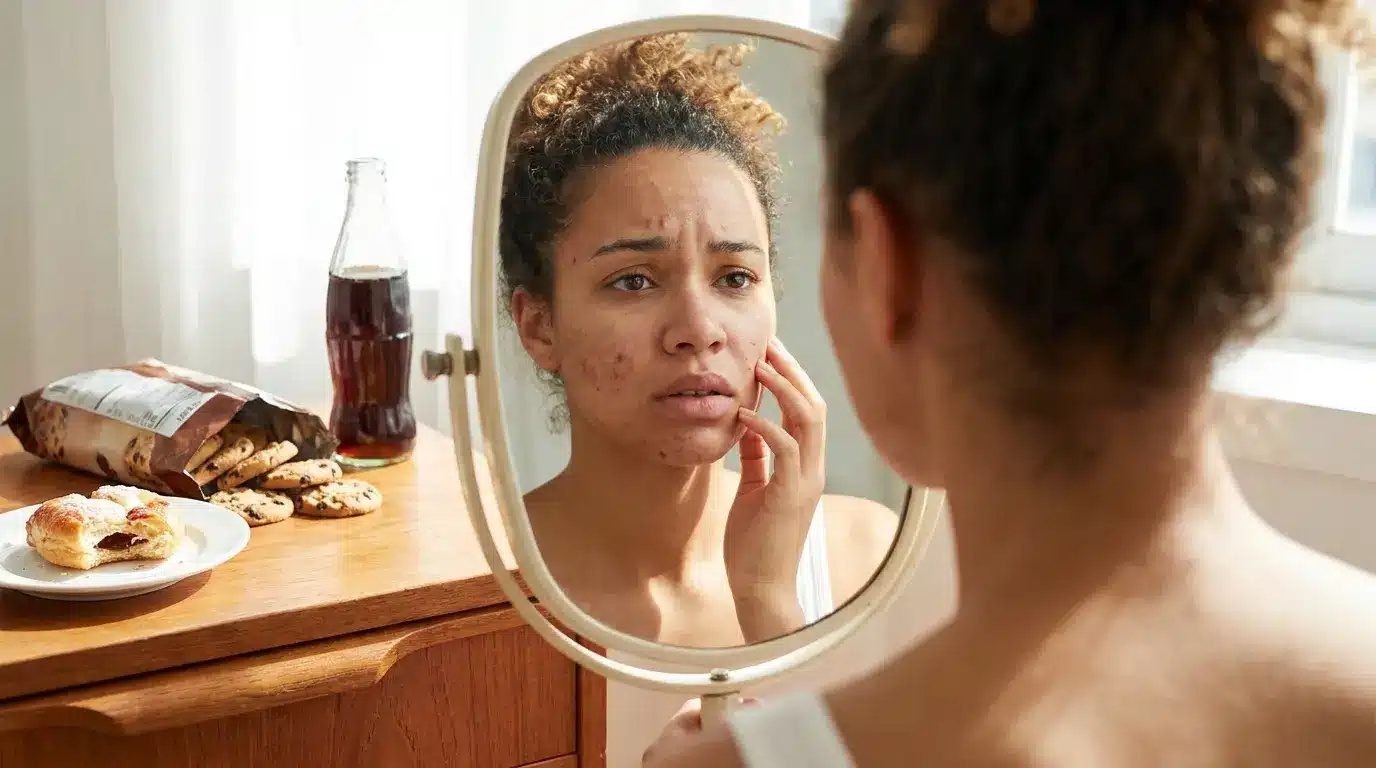









You’ve probably heard it countless times: “Sugar gives you pimples!” But is it really that simple? If you’ve ever finished a candy bar and noticed a breakout a few days later, you might have wondered if your sweet habit is secretly sabotaging your skin.
Does sugar cause acne, or is it just a myth floating around beauty forums and social media? I’ve been there, staring at the mirror after indulging in desserts, wondering if one treat could undo weeks of skincare effort.
Ahead in the blog, I will talk about sugar’s impact on acne, dig into what science actually says, and discuss ways to enjoy your favorite foods without worrying about breakouts. Let’s get into it.
| Medical Disclaimer: This is for informational purposes only and does not constitute medical advice, diagnosis, or treatment. If you have a medical condition, are taking medications, or are concerned about your skin health, consult a qualified healthcare provider or dermatologist before making dietary changes. Individual results vary. |
Does Sugar Really Cause Acne?
Yes, your daily soda or late-night chocolate binge could contribute to breakouts, but it depends on patterns rather than on single treats.
| Primary Driver | Insulin and IGF-1 elevation from high-glycemic foods |
| Skin Mechanism | Increased sebum production + low-grade inflammation |
| Evidence Level | Moderate: associative studies + small RCTs; no strong causal proof yet |
| Who It Affects Most | People already prone to acne, adolescents and young adults are most studied |
| Other Confirmed Triggers | Hormonal fluctuations, stress, dairy, poor sleep, and certain skincare products |
Paying attention to how your skin responds over several weeks is the best way to see whether sugar is genuinely influencing your routine.
The Science Behind Sugar and Acne
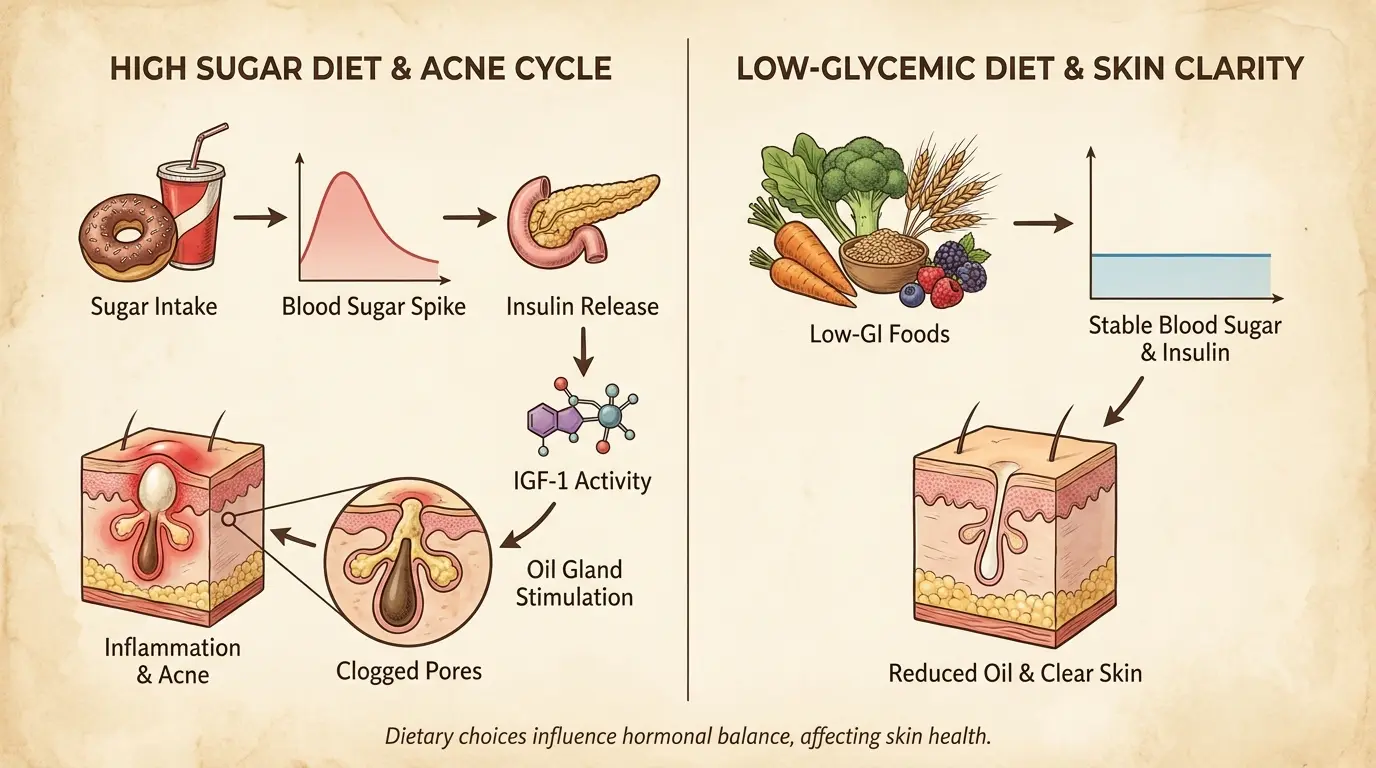
To understand the sugar-acne link, look beneath your skin. The connection begins with how your body processes sugar, affecting hormones, oil, and inflammation, which can worsen breakouts. Here’s how this chain reaction occurs before appearing on the skin.
1. Why IGF-1 Matters in Acne
IGF-1, short for insulin-like growth factor-1, is a hormone involved in growth and cell activity. In the skin, higher IGF-1 activity may encourage oil gland activity and changes in the way skin cells behave inside pores. That can increase the likelihood of clogged pores, especially in individuals already prone to acne.
This does not mean IGF-1 is “bad.” Your body needs it. The concern is that certain eating patterns may push insulin and IGF-1 pathways in ways that support acne triggers. A PubMed-listed study found that insulin and IGF-1 can activate pathways in sebocytes, which are oil-producing skin cells involved in acne development.
2. How Blood Sugar Swings May Affect Breakouts
A low-glycemic-load diet study linked this eating pattern to lower acne lesion counts in young males, but the bigger takeaway is how the timing of meals affects your skin.
Fast-digesting carbs can raise insulin quickly, which may push oil glands and pore activity in acne-prone skin. You do not need to remove every sweet food at once.
A steadier approach works better. Pair carbs with protein, choose oats or lentils more often, and notice whether fewer sugar spikes make your breakouts less angry over several weeks without harsh diet rules or fear.
3. Why Diet Changes Should Be Tracked Slowly
An 8-week glycemic index study showed improvements in both diet groups, underscoring the need for careful consideration. Better meals may support calmer skin, but they are not a stand-alone acne fix.
Breakouts can still be shaped by puberty, stress, sleep, products, medication, and how often you pick at spots. Use diet as one part of the routine, not a test you pass or fail. Take photos weekly, track changes in cycle or stress, and give your skin enough time before deciding what helped most, rather than making quick guesses later.
Foods That May Worsen Acne
Some foods may not directly cause acne, but they can still make breakouts harder to manage for certain people. The key is not fear-based cutting. It is learning which everyday foods show up often before your skin flares. Here’s how to look at common food groups without blaming everything on one meal.
1. Refined Sugar and Sweet Drinks
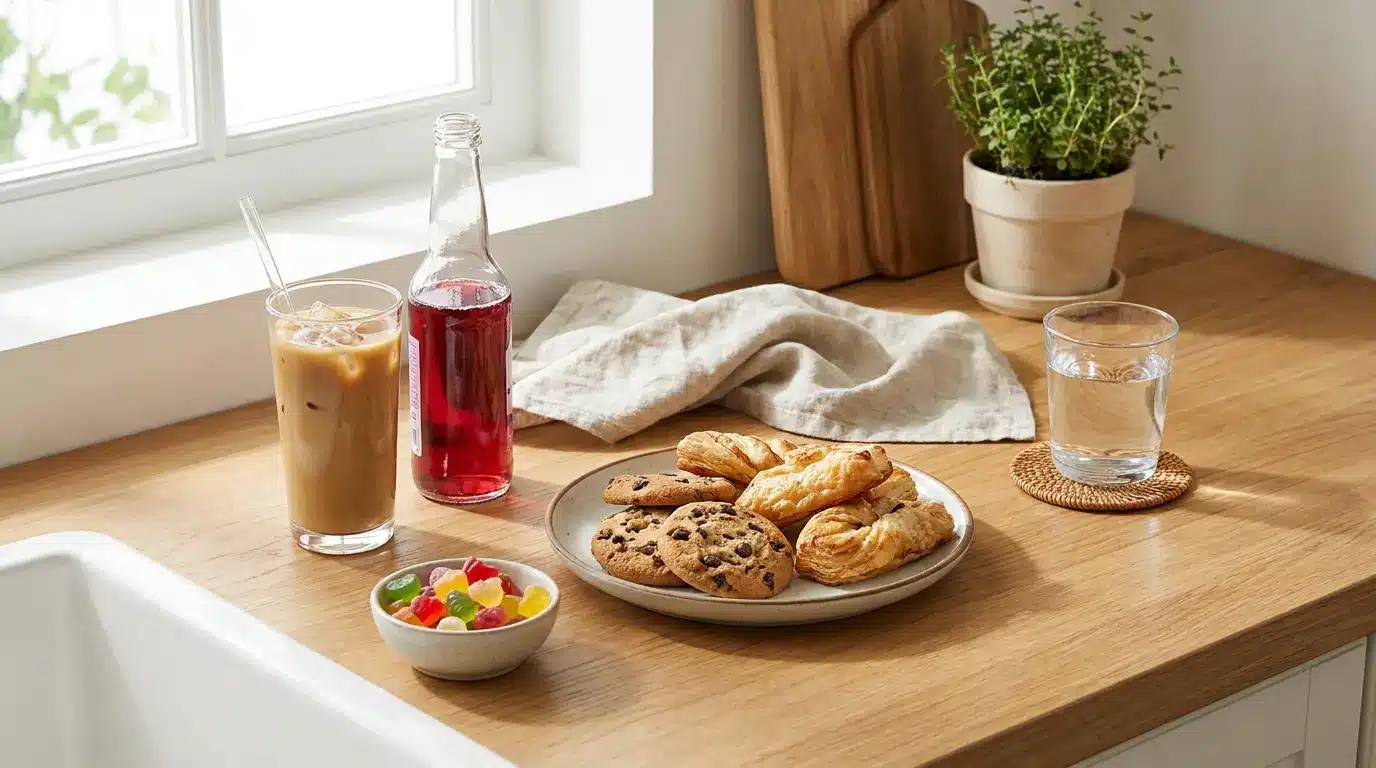
Refined sugar often appears in foods that are easy to eat quickly, like candy, cookies, sweet coffee, soda, energy drinks, sweet tea, pastries, and milkshakes.
These items can raise your total sugar intake before you realize it, especially when drinks are involved. Refined ingredients hiding in everyday meals are often the same ones quietly affecting your cholesterol and internal inflammation too. Liquid sugar is easy to miss because it does not always make you feel full.
For acne-prone skin, the goal is not to label every sweet food as harmful. A better approach is to notice patterns. If your breakouts often appear after several days of sugary drinks or desserts, start there. Cut back on one item at a time, not your whole diet.
You can also swap daily sweet drinks for water, unsweetened tea, or coffee with less added sugar. This keeps the change simple and easier to follow.
2. Refined Carbs and Processed Foods
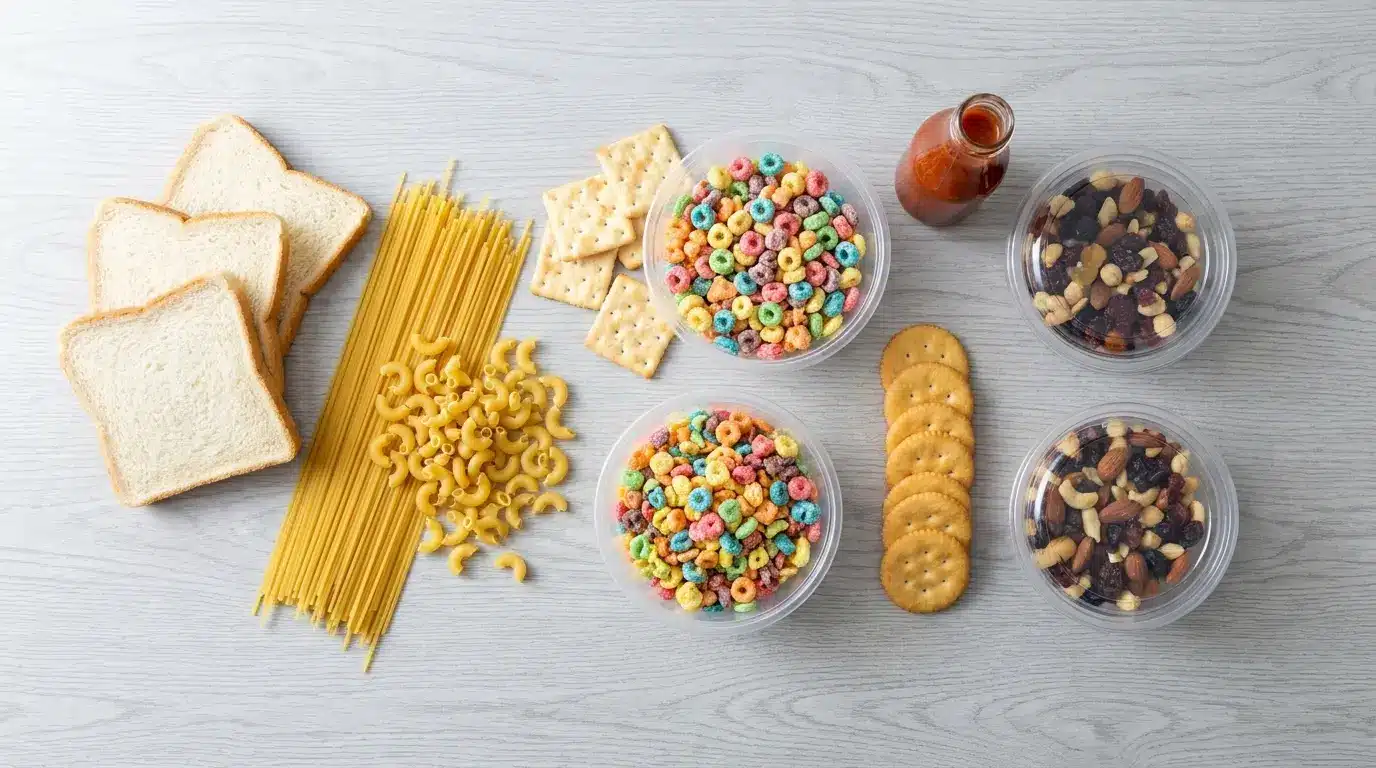
Refined carbs include foods like white bread, regular pasta, white rice, crackers, sugary cereals, and many packaged snacks. They usually have less fiber than whole-food options, so they may leave you hungry sooner. That can lead to more snacking, especially on foods that combine refined flour, sugar, salt, and added oils.
Processed foods deserve a separate mention because the trigger is not always a single ingredient; many of these same items also rank among the foods hardest on gut health, which matters because gut imbalance can surface on your skin.
A granola bar, flavored yogurt, bottled sauce, frozen snack, or packaged breakfast food can contain several acne-related suspects at once. This makes it harder to know what your skin is reacting to.
Start by reading labels instead of guessing from the front of the package. Look at added sugar, fiber, and serving size. Then track the foods you eat often, not the ones you eat once in a while. Repeated habits give you clearer clues.
3. Dairy, Chocolate, and Whey Protein
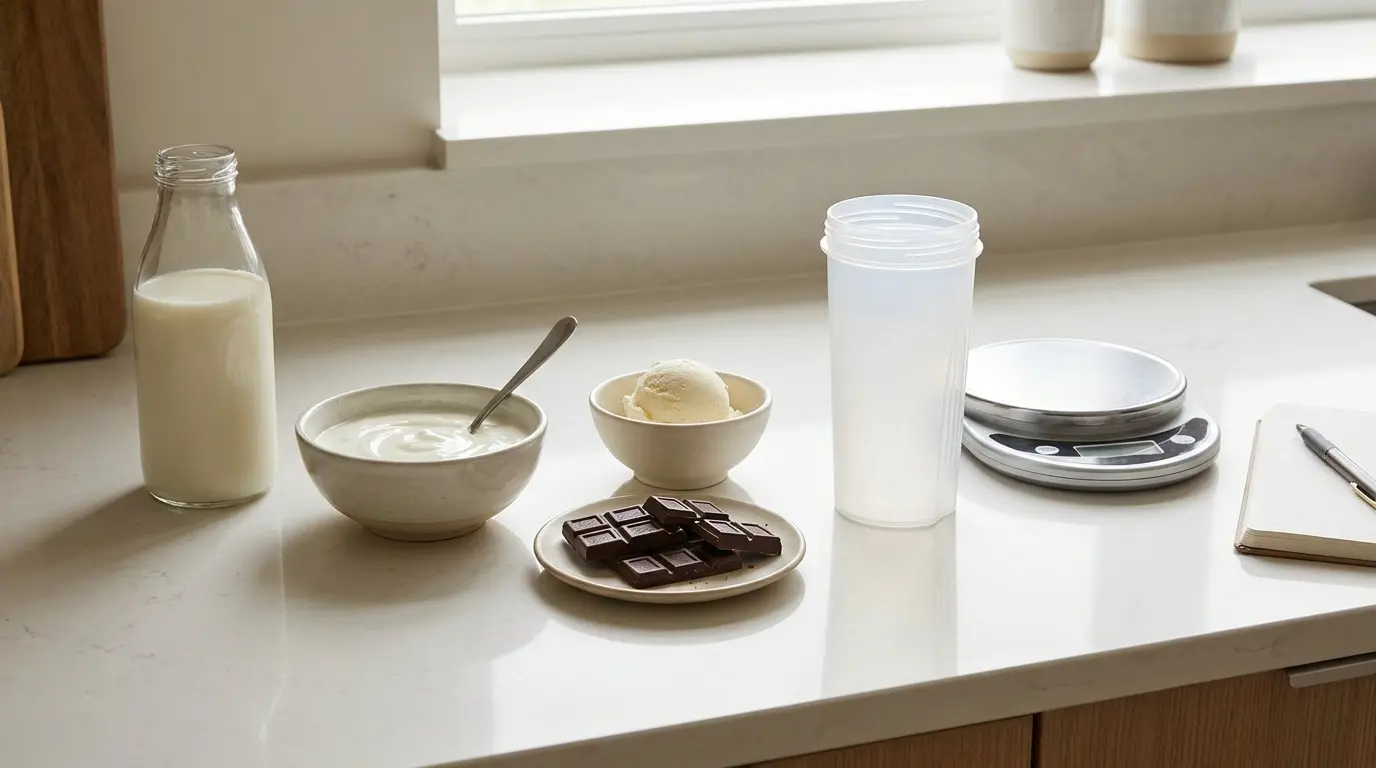
Dairy appears in evidence alongside sugar, but through a different mechanism. Milk (especially skim milk) contains insulin-stimulating compounds independent of its glycemic index.
Whey protein, derived from milk and commonly found in supplements, is highly insulinogenic. If managing acne, test whey separately before assuming diet has no effect.
Dark and milk chocolates should be tested separately. Milk chocolate’s dairy and sugar make it hard to determine the trigger. If chocolate is suspected, try 85%+ dark chocolate for two weeks instead of removing chocolate completely.
| Nutrition Tip: Pairing high-glycemic foods with protein, fat, or fiber significantly blunts the insulin spike. A bowl of white rice with chicken, olive oil, and vegetables produces a lower glycemic response than the same rice eaten alone. You don’t have to eliminate foods; combining them intelligently changes how your body processes them. |
How to Tell If Acne Is Linked to Sugar or Hormones
Your skin rarely points to one clear trigger, but patterns can help you read what may be happening. Sugar, hormones, stress, sleep, and skincare can all affect breakouts, so compare timing, location, and recurrence before changing your routine. Use these signs as clues, not proof, and check them across several weeks.
- Meal timing: If pimples often appear a day or two after sugary drinks, sweets, or refined carbs, sugar may be part of the pattern. One dessert does not prove anything, but repeated timing after similar foods is worth tracking.
- Tender bumps: Sugar-linked flare-ups may appear more noticeable when your skin is already irritated. If red, sore bumps appear after several sugar-heavy days, write them down along with your meals, stress level, and sleep quality.
- Energy dips: Strong cravings, frequent snacking, and afternoon tiredness can make food patterns harder to read. These signs do not confirm sugar-related acne, but they show your eating routine may need closer attention.
- Monthly rhythm: Hormonal acne often appears around the same time each month. If breakouts return before your period or during known hormone changes, food may not be the main reason behind the flare.
- Lower-face spots: Breakouts around the chin, jawline, or lower cheeks can sometimes point toward hormonal acne. These spots may feel deeper, last longer, and return in similar areas.
- Stress flares: Stress can affect hormones, sleep, cravings, and skincare habits at the same time. If acne appears during busy or emotional weeks, note the full situation before blaming sugar alone.
- Routine changes: New skincare, makeup, hair products, workouts, or medication can also trigger breakouts. If one of these changed recently, track it beside your food notes so you do not miss a more likely cause.
- Repeat patterns: The clearest clue is repetition. If the same type of breakout keeps showing up after the same trigger, your notes become more useful than guessing from one bad skin day
Read these signs as clues, not a diagnosis. The goal is to notice steady patterns, then compare them with sleep, stress, skincare, and hormones, so you are not blaming sugar when another factor is at work behind the scenes.
Practical Ways to Reduce Sugar-Related Breakouts
Reducing sugar does not mean removing every sweet food from your life. The better goal is to lower the habits that may keep breakouts active, while still eating in a way that feels normal and easy to follow.
Start with small changes that support your skin without turning food into a strict rule.
1. Smart Food Swaps
Small swaps can help you lower added sugar without making your meals feel boring. Focus on foods and drinks you have often, because those choices usually matter more than an occasional dessert.
- Drink choices: Replace soda, sweet tea, and sweet coffee with water, sparkling water, or herbal tea when you want something lighter between meals.
- Snack balance: Swap candy or cookies with fruit, nuts, or nut butter, leaning toward everyday picks that support your skin, making the habit easier to stick with long-term.
- Better grains: Choose whole-grain bread, brown rice, oats, or quinoa more often than white bread, sugary cereal, or regular crackers.
- Label checks: Look for added sugar in sauces, granola bars, flavored yogurt, and packaged snacks, since these can add sugar without tasting like dessert.
2. Blood Sugar Stabilizing Habits
The way you eat sweet foods can shape how your body responds to them. A few simple habits can make meals feel more filling and may help reduce the cycle of cravings, snacking, and sudden energy drops.
- Protein pairing: Eat sweet foods with eggs, yogurt, lentils, tofu, chicken, or nuts to make the meal more complete.
- Fiber support: Add vegetables, beans, chia seeds, oats, or fruit with the skin when you want food that keeps you full longer.
- On an empty stomach: Avoid sugary drinks first thing in the morning or during long gaps between meals.
- Meal rhythm: Try eating at regular times, because skipped meals can make quick sugar-heavy choices more tempting later.
3. Skincare Support
Food changes work better when your skin routine stays gentle. Acne-prone skin can react badly to harsh scrubbing, product switching, or trying too many treatments at the same time.
- Gentle cleanse: Wash your face with a mild cleanser after sweating, wearing heavy makeup, or spending time in greasy or polluted environments.
- Pore care: Salicylic acid may help with clogged pores, but start slowly and stop if your skin becomes too dry or irritated.
- No scrubbing: Avoid rough exfoliation during flare-ups, because it can make redness and soreness last longer.
- Simple routine: Stick with a basic cleanser, treatment, and moisturizer before adding new products.
When to See a Dermatologist
If your acne is painful, cystic, leaves scars, or just not improving despite careful diet and lifestyle changes, it’s a good sign to see a dermatologist. Professionals can help you combine the right medical treatments with healthy habits for faster, more reliable results.
They might suggest topical creams, oral medications, or a personalized skincare routine tailored to your skin type and acne severity. Seeing an expert isn’t about giving up; it’s about making sure your skin is treated safely and effectively.
Even if you’re cutting back on sugar or tweaking your diet, some breakouts need professional care. A dermatologist can guide you, prevent long-term scarring, and give you peace of mind while you continue your healthy routine.
Frequently Asked Questions
Can natural sugar from fruit cause acne?
Natural sugars in whole fruits are less likely to trigger acne than added sugars because fruit contains fiber, water, vitamins, and antioxidants that slow sugar absorption. Most people don’t need to avoid fruit, but large amounts of fruit juice, dried fruit, or smoothies may raise blood sugar and worsen breakouts
Can high-sugar diets affect acne scarring?
While sugar doesn’t directly create scars, high sugar intake may increase inflammation and slow skin healing, potentially worsening the appearance of existing acne scars over time. Managing overall diet can support skin recovery and scar prevention.
Does sugar impact the effectiveness of acne medications?
Excess sugar doesn’t stop topical or oral acne medications from working, but diets causing insulin spikes or inflammation might reduce overall skin response. Maintaining balanced meals supports medication effectiveness and overall skin health.
Can sugar influence oily vs. dry skin differently?
High-sugar intake may increase oil production in sebum-rich skin, potentially worsening breakouts, whereas dry skin is less affected. Individual skin type determines how sugar interacts with natural moisture and oil balance.
Does sugar affect hormonal acne differently in men and women?
Sugar may influence hormonal acne in both sexes, but women may notice stronger effects due to menstrual cycles and hormonal fluctuations. Men are less affected hormonally, though high-glycemic diets can still worsen breakouts.
Key Takeaways
Understanding sugar and acne can feel tricky, but it doesn’t have to be overwhelming. Sugar alone isn’t automatically harmful, yet consistently high-sugar diets and refined carbs may contribute to breakouts for some people.
Paying attention to patterns, making thoughtful food swaps, and balancing meals are practical steps you can start today. Remember, your skin responds to multiple factors, including hormones, genetics, lifestyle, and skincare routines, all of which influence acne.
Observing how your skin reacts allows you to enjoy treats in moderation without constant worry. If breakouts persist or worsen, consulting a dermatologist is the safest approach. For more tips on managing acne naturally and supporting healthy skin, explore our other blogs for actionable advice