










| Condition / Goal | Clearing and preventing blackheads on the nose |
| Primary Mechanism | Pore-clearing via chemical exfoliation, oil control, and consistent cleansing |
| Evidence Level | Well-studied (salicylic acid, retinoids); Moderate (clay, niacinamide, sulfur) |
| Who It’s For | Adults with oily T-zones, recurring blackheads, or clogged nose pores |
| Who Should Avoid | People with broken, sunburned, or actively irritated skin; retinoids are not for pregnancy |
Tiny black dots on the nose can get annoying fast because they never seem to fully leave. You wash your face, maybe use a pore strip, maybe squeeze a little, and a few days later, they look the same again. It can feel like you are doing something wrong, but most of the time, that is not the case.
The tricky part is that those dots are not always blackheads. Sometimes they are sebaceous filaments, which are normal oil channels in the skin. They can look like blackheads, but they do not behave the same way. That is why harsh scrubbing or squeezing often makes the nose red instead of clear.
I’ll keep this simple and practical: what is actually on your nose, what helps clear it, what can make it worse, and how deep-rooted blackhead removal at home can be done safely without hurting your skin.
What Are Blackheads on the Nose?
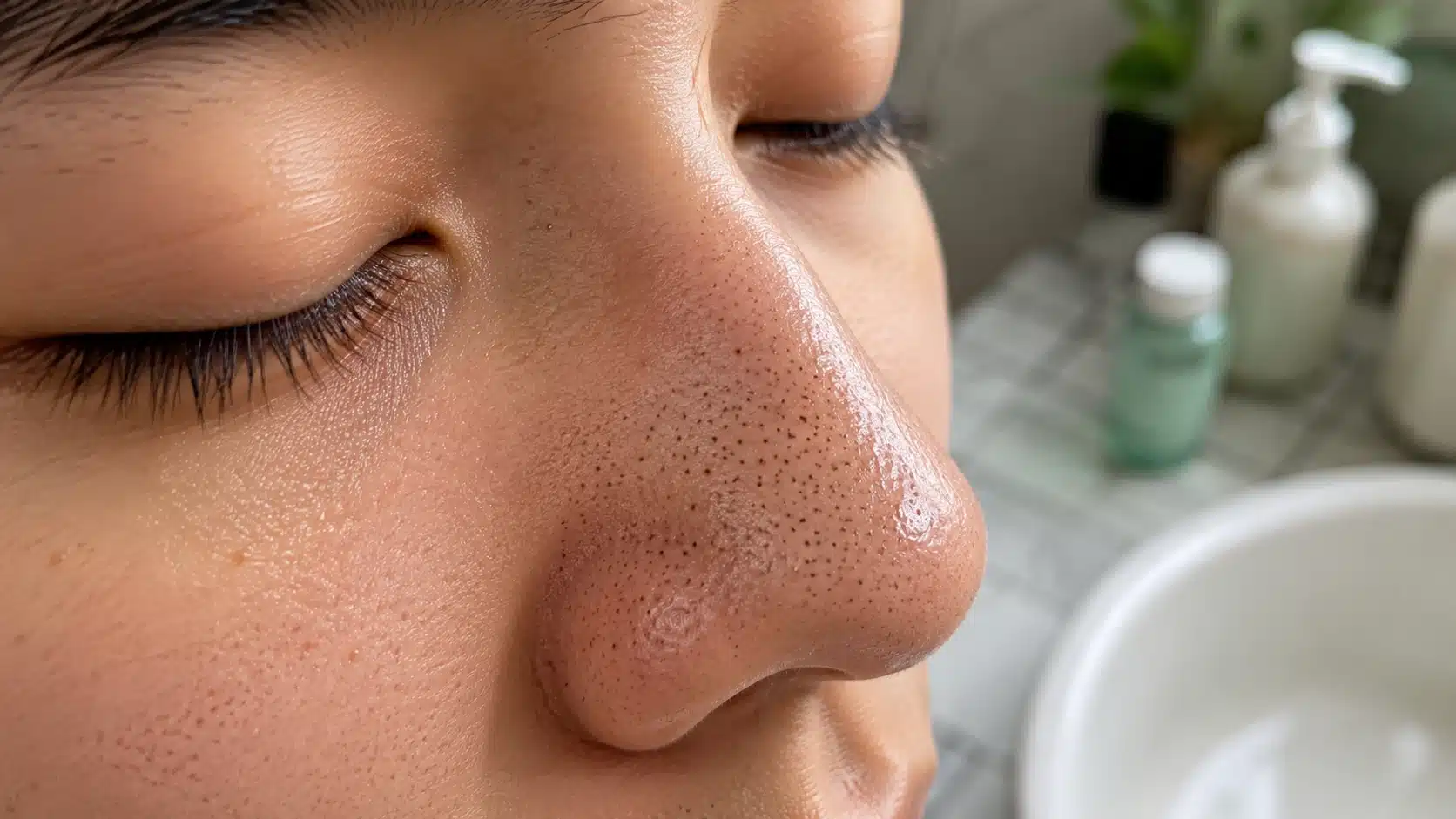
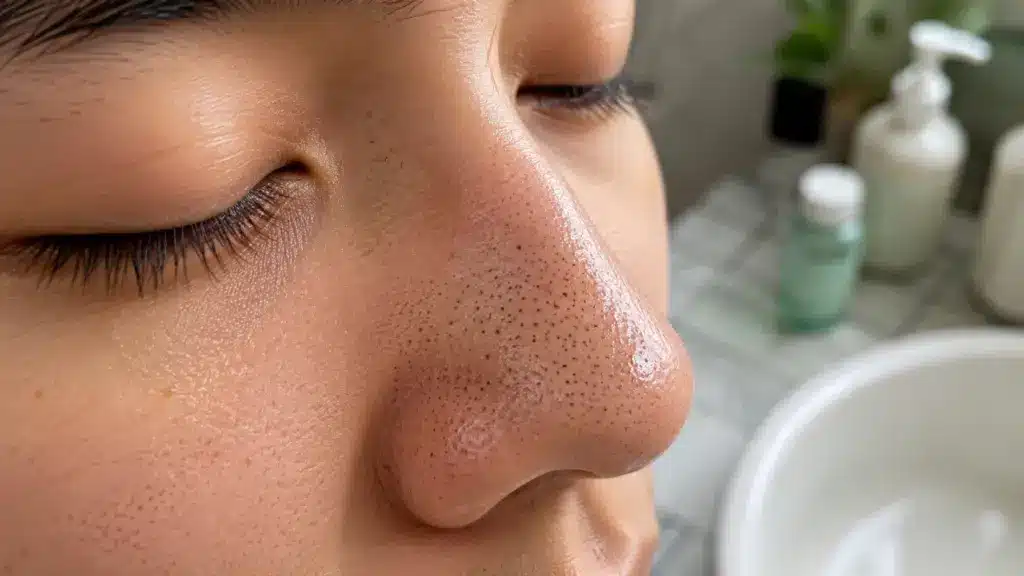
Blackheads are open, clogged pores. They form when oil, dead skin cells, and other buildup collect inside a pore. Because the top of the pore stays open, the clog reacts with air and turns dark.
That dark color is oxidation. It is not dirt. This is why scrubbing harder does not fix blackheads. In fact, too much scrubbing can make the nose red, dry, and irritated.
The nose often gets blackheads because it is part of the T-zone. This area usually produces more oil than the cheeks, so pores can clog faster. Sweat, sunscreen, makeup, and heavy skincare can also add to the buildup if they are not removed well.
Blackheads may look like:
- Small black or dark gray dots
- Slightly raised, clogged pores
- Rough texture on the nose
- Clogs that refill after strips or squeezing
A blackhead is a type of non-inflamed acne. It usually does not look red or swollen unless the skin has been picked, squeezed, or irritated. This matters because blackheads need gentle pore care, not harsh scrubbing.
Once you know what a blackhead is, the next step is understanding why it keeps coming back.
Blackheads vs Sebaceous Filaments: Know the Difference
Many people searching for how to get rid of blackheads on the nose are actually looking at sebaceous filaments, normal oil channels that exist inside every pore and are not a skin problem at all. Treating them like blackheads leads to unnecessary irritation.
| Feature | Blackheads | Sebaceous Filaments |
| What they are | Clogged pores | Normal oil channels |
| Color | Black or dark | Gray, tan, or yellowish |
| Texture | May feel raised | Usually flat or even |
| Can they be permanently removed? | They can be treated and cleared | No, only managed |
| Best care | BHA, retinoids, careful extraction | BHA, clay, oil control |
Sebaceous filaments are not a flaw. They help move oil to the skin surface. Using pore strips or squeezing them repeatedly only irritates the skin and gives no lasting result; they refill within days because the pore itself has not changed.
Why Do Blackheads Keep Coming Back on the Nose?
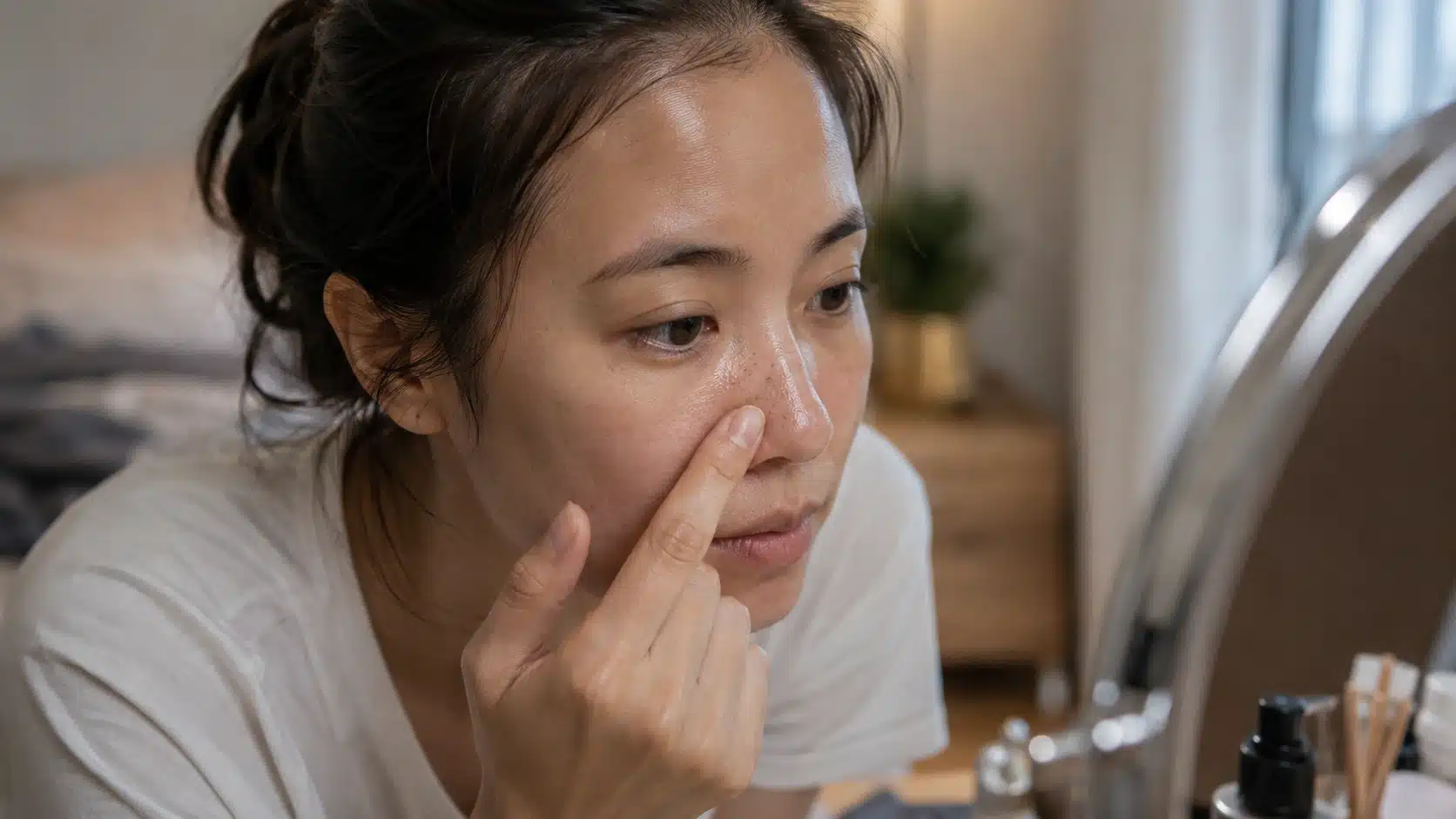
Blackheads come back because your skin keeps making oil, and dead skin keeps shedding inside the pore. If the pore lining does not shed cleanly, oil and cells can stick together, forming another clog.
The nose is also a high-oil area. Even if a pore strip pulls out the top of a clog, it does not change how the pore works. The same pore can refill again.
Common Causes of Nose Blackheads
- Extra oil production
- Dead skin buildup
- Heavy makeup or sunscreen not fully removed
- Comedogenic skincare products
- Sweat and pollution sit on the skin
- Hormonal oil changes
- Skipping gentle cleansing
- Using harsh scrubs that irritate the skin barrier
The cycle is simple: oil builds up, dead skin gets trapped, the pore stays open, the top darkens, and a blackhead forms. If you only remove the visible plug, the inside of the pore may still clog again.
What Actually Removes Blackheads from the Nose?
The most effective blackhead treatments work inside the pore, not just on the surface. They loosen oil, help dead skin shed more evenly, and reduce the conditions that allow clogs to form in the first place.
Learning how to shrink pores naturally is part of the same process; smaller-looking pores are almost always the result of better oil and exfoliation habits, not a single product.
The most evidence-supported options are:
- Salicylic acid (BHA): Oil-soluble, so it penetrates the pore lining and loosens the oil-and-dead-skin mixture from the inside out. This is the single most targeted ingredient for blackheads.
- Retinoids: Speed up cell turnover so dead skin sheds more evenly. With regular use, they reduce how often blackheads form, not just treat the ones already there.
- Clay: Absorbs excess surface oil and pulls some of the buildup out of the upper pore. Best used as a once- or twice-weekly mask, not a daily treatment.
- Sulfur: Reduces oil and rough, congested texture, useful for oily and acne-prone skin types.
- Niacinamide: Helps regulate oil production and supports the skin barrier. Works best as a supporting ingredient rather than the primary treatment.
- Oil cleansing: Dissolves sunscreen, makeup, and oily residue before a regular cleanser, removing the buildup that clogs pores before it has a chance to oxidize.
Quick fixes like pore strips, harsh scrubs, peel-off masks, and daily squeezing can temporarily remove surface buildup but do nothing to change the pore cycle. Over time, they often make things worse by weakening the skin barrier, causing the nose to produce more oil and feel tighter or more reactive.
10 Safe Ways to Remove Blackheads from Your Nose at Home
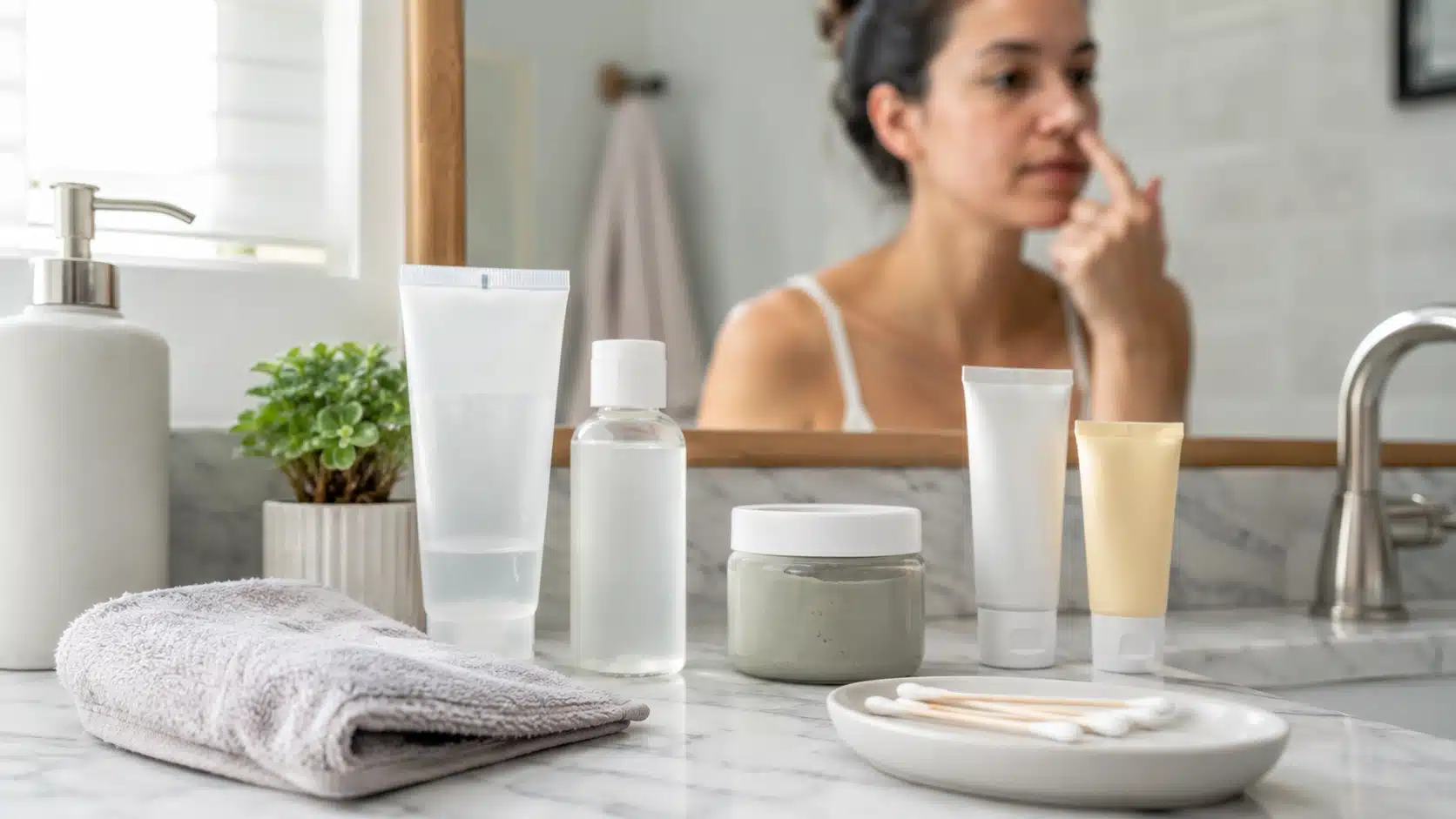
If you want to know how to get rid of blackheads on the nose without harming your skin, start with one or two methods. Do not use all 10 at once.
Too many products can cause peeling, burning, and more breakouts. Pick the method that fits your skin, give it time, and add slowly if needed.
1. Use a Salicylic Acid Cleanser or Leave-On BHA
Salicylic acid helps loosen oil and dead skin inside the pore. It is one of the most useful ingredients for blackheads.
What you need:
- Gentle cleanser
- 0.5% to 2% salicylic acid product
- Lightweight moisturizer
- Sunscreen for daytime
How to use it: Start two or three times weekly. If you use a salicylic acid cleanser, massage it on the nose for about 30 to 60 seconds, then rinse. If you use a leave-on BHA, apply a thin layer after cleansing. Do not use it with a scrub on the same night. If your skin stings or flakes, use it less often.
| Best for: Oily skin, clogged pores, and frequent blackheads. Use: 2–3 times weekly at first. Avoid if: Your skin is peeling, very dry, or irritated. Expect: Smoother-looking pores in 4–8 weeks with regular use. |
2. Try an OTC Retinoid at Night
Retinoids help prevent dead skin cells from becoming trapped in pores. They are useful for blackheads that keep coming back.
What you need:
- OTC adapalene or gentle retinol
- Moisturizer
- Sunscreen
How to use it: Apply a pea-sized amount for the whole face, or a very thin layer only where needed. Start two nights weekly. Use moisturizer before or after, depending on your skin’s sensitivity. Retinoids can cause dryness at first, so do not rush. Use sunscreen daily, as retinoids can make the skin more sensitive to the sun.
| Best for: Recurring blackheads, rough texture, and clogged pores. Use: 2 nights per week at first, then increase slowly if your skin tolerates it. Avoid if: You are pregnant, trying to conceive, breastfeeding, or have very irritated skin, unless a healthcare provider approves it. Expect: Fewer clogged pores in 8–12 weeks with steady use. |
3. Use a Clay Mask Once or Twice Weekly
Clay masks help absorb surface oil and make pores look cleaner. They are helpful when your nose gets shiny quickly.
What you need:
- Kaolin or bentonite clay mask
- Soft washcloth
- Moisturizer
How to use it: Apply a thin layer to the nose or T-zone after cleansing. Leave it on for 5 to 10 minutes, then rinse before it feels tight or cracked. Always follow with moisturizer. Clay can help with oil, but using it too often can dry the skin.
| Best for: Oily skin, shiny nose, and visible sebaceous filaments. Use: 1–2 times weekly. Avoid if: Your skin feels dry, tight, or flaky, or if it’s recently irritated. Expect: Less shine and cleaner-looking pores after use, with better results over time. |
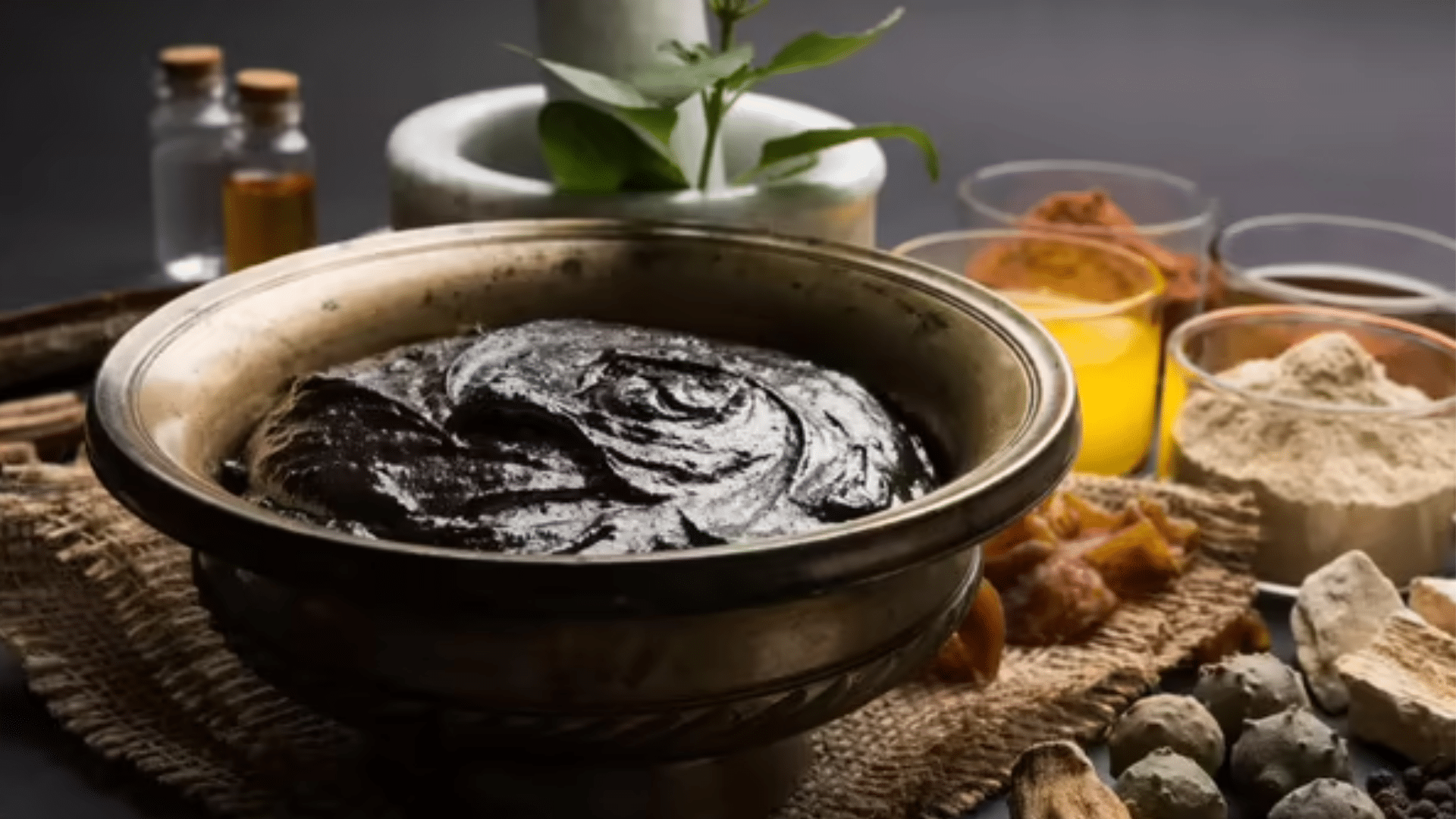
4. Use a Charcoal Mask Carefully
Charcoal masks may help lift surface oil and debris. Choose wash-off formulas instead of harsh peel-off masks.
What you need:
- Wash-off charcoal mask
- Gentle cleanser
- Moisturizer
How to use it: Use once weekly if your skin is oily. Apply only to the nose if your cheeks are dry. Rinse it off before the mask feels too tight. Avoid painful peel-off masks. If removing the mask hurts, it is too harsh for your skin.
| Best for: Oily skin and temporary pore cleanup. Use: Once weekly or less. Avoid if: You have sensitive, peeling, sunburned, or retinoid-dry skin. Expect: Short-term reduction in oil and surface buildup, not permanent blackhead removal. |
5. Try Sulfur for Oily, Clogged Areas
Sulfur can help reduce oil and clogged texture. It may be useful if your nose gets oily fast or your pores look congested.
What you need:
- Sulfur mask or spot product
- Moisturizer
How to use it: Apply sulfur only to the nose or clogged areas. Use it once or twice weekly, based on the product directions. Follow with moisturizer. If your skin is already dry from BHA or retinoids, skip sulfur until your barrier feels calm.
| Best for: Oily, acne-prone skin and clogged nose texture. Use: 1–2 times weekly. Avoid if: Your skin is dry, cracked, sensitive, or already irritated by other actives. Expect: Less oiliness and a smoother texture with regular, careful use. |
6. Add Niacinamide for Oil Balance
Niacinamide can support the skin barrier and help improve the look of oily pores over time. It is gentle enough for many skin types.
What you need:
- Niacinamide serum or moisturizer
- Sunscreen for morning use
How to use it: Use once daily, morning or night. Apply after cleansing and before moisturizer, unless your moisturizer already contains niacinamide. A 2% to 5% niacinamide product is enough for most people. Higher strength is not always better and may cause irritation.
| Best for: Oily skin, visible pores, and sensitive skin that cannot handle strong actives often. Use: Once daily. Avoid if: The product causes redness, itching, or stinging that does not settle. Expect: Better oil balance and calmer-looking skin over 4–8 weeks. |
7. Use Oil Cleansing Before Your Regular Cleanser
Oil cleansing removes the oily buildup that a water-based cleanser alone cannot fully dissolve, sunscreen residue, makeup, and excess sebum.
Removing that layer before cleansing means less material is available to oxidize inside the pore. Many skin care routines benefit from using a cleansing oil correctly as the first step of an evening routine rather than relying on a single cleanser to do both jobs.
What you need:
- Noncomedogenic cleansing oil or balm
- Gentle water-based cleanser
How to use it: Massage cleansing oil or balm on dry skin for 30 to 60 seconds. Add water so it turns milky, then rinse well. Follow with a gentle water-based cleanser. This is often called double cleansing.
| Best for: Sunscreen users, makeup wearers, and oily buildup around the nose. Use: At night, especially after sunscreen or makeup. Avoid if: The cleansing oil leaves a heavy film or causes new clogged pores. Expect: Cleaner-feeling skin and less leftover residue after cleansing. |
8. Use Pore Strips Sparingly for Temporary Results
Pore strips can remove the top part of a clog. They may make the nose look clearer for a short time, but they do not prevent blackheads from coming back.
What you need:
- Pore strip
- Water
- Moisturizer
How to use it: Wet the nose, apply the strip, and wait for the time listed on the package. Peel it off slowly and carefully. Apply moisturizer afterward. Do not use a pore strip right after retinoids, exfoliation, or sun exposure.
| Best for: Quick, short-term removal of surface buildup. Use: Rarely, not as a weekly habit. Avoid if: Your skin is sunburned, peeling, irritated, sensitive, or dry from retinoids. Expect: Temporary improvement only. Pores may refill within days. |
9. Use Gentle Manual Extraction Only If the Blackhead Is Ready
Manual extraction can damage skin if you press too hard. If a blackhead does not release with light pressure, stop.
What you need:
- Clean hands
- Warm compress
- Soft tissues or cotton swabs
- Gentle cleanser
How to use it: Apply a warm compress for a few minutes, then cleanse the skin. Wrap your fingers in soft tissue or use cotton swabs. Apply very light pressure around the blackhead. Stop if it hurts, bleeds, or does not come out quickly.
| Best for: A visible blackhead that is already near the surface. Use: Only once in a while, and only with very light pressure. Avoid if: The blackhead is deep, painful, swollen, or hard to remove. Expect: Possible removal of a ready clog, but also risk if you press too hard. |
10. Use a Warm Compress Before Cleansing
A warm compress will not pull blackheads out on its own, but it can soften surface buildup and make cleansing feel easier.
What you need:
- Clean soft washcloth
- Warm water
- Gentle cleanser
- Moisturizer
How to use it: Soak a clean washcloth in warm water, then press it gently against your nose for 3 to 5 minutes. Then cleanse your face as usual. You can follow up with BHA if it is part of your routine. Finish with moisturizer.
| Best for: Sensitive skin, mild congestion, and softening buildup before cleansing. Use: A few times weekly or before your blackhead routine. Avoid if: Your skin is very red, sunburned, inflamed, or heat-sensitive. Expect: Softer-feeling skin and easier cleansing, but not instant blackhead removal. |
What If the Blackhead Feels Deep or Stuck?
Deep-rooted blackhead removal at home should never mean digging, pressing hard, or using sharp tools.
If a clog feels hard, painful, or does not release with very gentle pressure, the skin underneath is not ready, and force at that point leads to redness, broken capillaries, post-inflammatory marks, and potential scarring.
For safer care on a stubborn clog: apply a warm compress for 3 to 5 minutes, cleanse gently, apply salicylic acid two to three nights per week, and keep the skin moisturized. Give it 6 to 8 weeks of consistent care before concluding it is not responding.
If the blackhead becomes painful, inflamed, or starts leaving marks, book an appointment with a dermatologist or licensed esthetician rather than escalating pressure at home.
| Safety Note: Squeezing a blackhead that is not ready can rupture the pore wall beneath the surface, causing swelling and post-inflammatory hyperpigmentation that takes far longer to clear than the original blackhead. Light pressure, once, if it does not move, stop. |
What Mistakes Make Nose Blackheads Worse?
When blackheads appear on your nose, doing more can feel like the fastest fix. But harsh scrubbing, daily squeezing, and layering strong treatments can irritate skin, weaken the barrier, and make pores look darker, oilier, and more inflamed over time, even when you mean well.
- Scrubbing Too Hard: Harsh scrubs can create tiny irritation points on the nose. Skin may look smoother briefly, then turn red or oily. Use salicylic acid or a soft washcloth instead.
- Using Too Many Actives at Once: Combining BHA, retinoids, sulfur, and masks too often can cause peeling, burning, and sensitivity. Start with one active, then add another only after the skin has felt stable for several weeks.
- Picking or Squeezing Daily: Daily squeezing can lead to swelling, scabs, broken capillaries, and dark marks. Treat the pore for weeks, or choose professional extraction if it remains clogged after consistent care.
- Skipping Moisturizer: Skipping moisturizer can make the nose feel rough and reactive. Dry, irritated skin may produce more oil. Choose a light, noncomedogenic moisturizer to keep skin balanced without heavy buildup throughout the day.
- Using Heavy Products on the Nose: Thick creams, heavy oils, and greasy balms can trap buildup around nose pores. Keep rich products in dry areas, and use lighter layers across the T-zone where pores clog easily.
- Trying Harsh DIY Hacks: Toothpaste, baking soda, lemon juice, glue masks, and sharp tools have no place in a blackhead routine. All of them either disrupt the skin’s pH, cause chemical irritation, or risk physical injury.
None of them is more effective than a well-formulated BHA, and all of them carry real risk of making the problem worse. For those checking natural options, neem oil for skin has antimicrobial properties and a much safer track record than DIY acid or abrasive hacks.
Blackheads improve best with steady care, not force. Keep your routine simple, give products time to work, and stop anything that causes burning, peeling, or pain. When your skin feels calm and supported, your nose usually looks clearer, with less irritation and fewer setbacks.
Daily Routine to Prevent Nose Blackheads
A simple routine helps you use blackhead treatments without irritating your skin. The goal is to keep pores clear, protect the skin barrier, and avoid overloading the skin with too many actives at once.
Morning Routine
| Step | What to Use |
| Cleanse | Gentle cleanser or water rinse |
| Treat | Niacinamide if your nose gets oily |
| Moisturize | Lightweight, noncomedogenic moisturizer |
| Protect | Broad-spectrum sunscreen |
If your skin feels dry in the morning, skip cleanser and rinse with water.
Night Routine
| Step | What to Use |
| Remove buildup | Cleansing oil if you wore sunscreen or makeup |
| Cleanse | Gentle cleanser |
| Treat | BHA or retinoid on alternate nights |
| Moisturize | Noncomedogenic moisturizer |
Do not use BHA and retinoid together at first. Alternating nights is safer for most skin types.
|
Weekly Add-Ons Use a clay mask once weekly if your nose gets oily. Use pore strips sparingly; they offer only short-term results. Keep the routine steady for a few weeks before changing products. |
Building an Ayurvedic skin care routine around dosha-specific oil balance can also complement this kind of consistent, low-irritation approach, particularly for people who find conventional actives too harsh or drying over time.
Is It Okay to Squeeze Blackheads on Your Nose?
It is better not to squeeze blackheads on your nose, especially if they feel deep, painful, or hard to remove. Too much pressure can cause redness, swelling, broken capillaries, scabbing, dark marks, pitted texture, and more irritation.
If you use gentle pressure and nothing comes out, stop. A blackhead that is ready usually releases easily.
A stuck clog needs time, salicylic acid, retinoid care, or help from a professional. Stop right away if it hurts, bleeds, turns very red, or feels inflamed. Clear skin is not worth a scar, so safe care is better than force.
I know squeezing feels satisfying. But clear skin is not worth a scar. If your main goal is learning how to get rid of blackheads on the nose, safe care beats force every time.
Frequently Asked Questions
Can blackheads on the nose turn into pimples?
Yes. A blackhead can progress to an inflamed pimple if bacteria build up around the clog or if picking and pressure introduce infection. Keeping the area calm, avoiding squeezing, and using non-irritating products reduces that risk significantly.
Do teenagers need a different blackhead routine?
Teenagers often experience more nose blackheads because oil production increases during puberty. A simple routine works best for this group: gentle cleansing twice daily, a light moisturizer, sunscreen, and one pore-clearing ingredient at a time. Strong actives should be introduced slowly to avoid the over-drying and irritation that commonly follow aggressive teenage skincare.
Can diet affect blackheads on the nose?
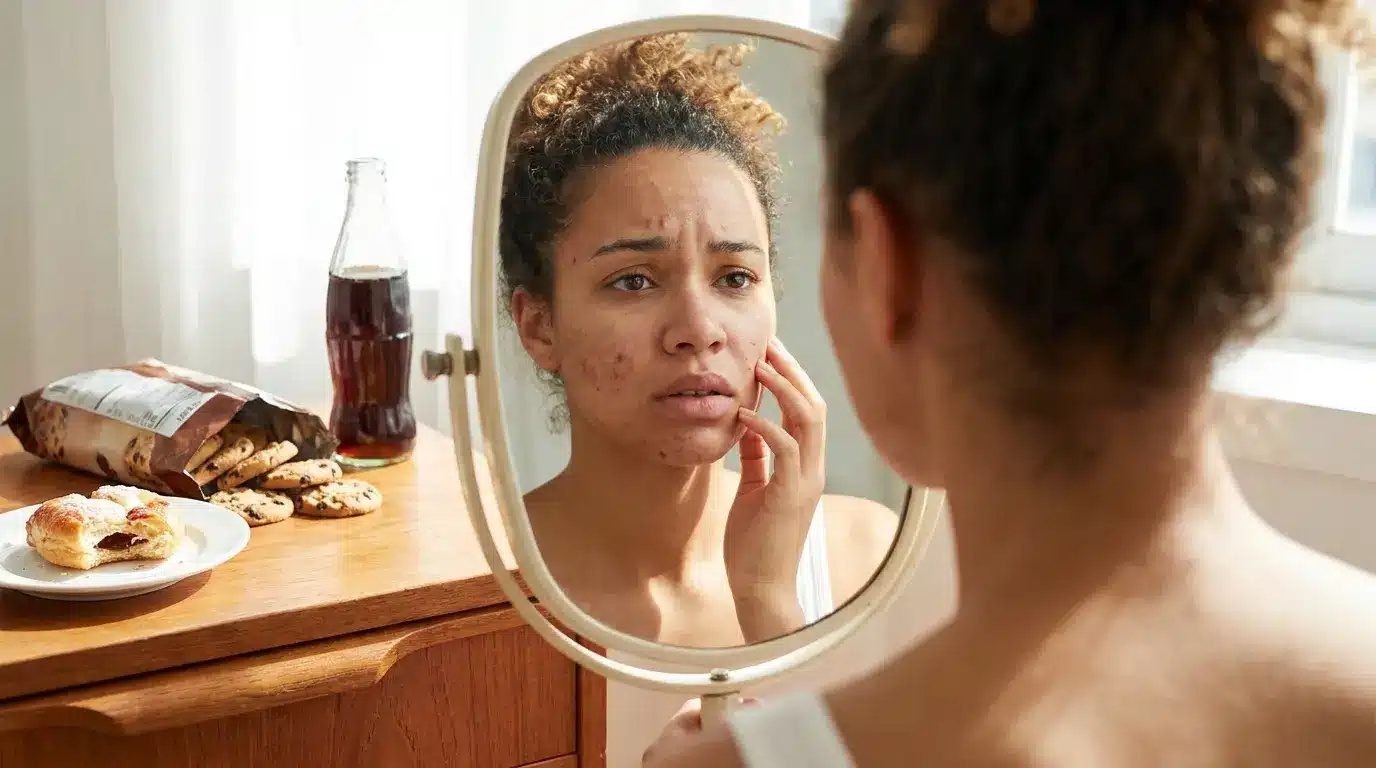
Diet does not cause blackheads for everyone, but high-sugar and high-glycemic foods can worsen acne in some people by increasing oil production. Dairy is another common trigger for a subset of people prone to clogged pores. Eating foods good for skin, particularly those high in zinc and antioxidants, can support the overall skin environment, though it does not replace a consistent topical routine.
Why do my pores look bigger after removing blackheads?
When a clog is removed, the pore opening that was stretched by the buildup becomes more visible until the skin settles. If the removal involved squeezing, any inflammation will also make pores look more prominent temporarily. The pore typically looks calmer within a few days. Long-term, consistent sunscreen use and gentle exfoliation are the most effective tools for reducing the appearance of pore size over time.
Should I stop wearing makeup if I have nose blackheads?
No. The issue is not makeup itself but comedogenic formulas and incomplete removal. Choose noncomedogenic foundations and concealers, use lighter coverage across the T-zone, and double-cleanse at night to remove every trace of product. With those habits in place, makeup does not need to stop; it just needs to come off properly.
Does drinking water help with blackheads?
Hydration supports overall skin health, but drinking more water will not directly clear a clogged pore. What it can do is help the skin barrier function better, which may reduce some of the oil reactivity that contributes to blackheads. For a closer look at what hydration does and does not change about skin, the evidence is more nuanced than the common claim suggests.
Final Thoughts
Blackheads on the nose do not need harsh treatment. They need steady pore care, gentle cleansing, and the right ingredients.
If you want a simple starting point, use salicylic acid two or three times weekly, moisturize well, and add sunscreen every morning. If blackheads keep coming back, consider a retinoid at night. If the clogs are deep, painful, or leave marks, book an appointment with a dermatologist or a licensed esthetician.
The best answer for how to get rid of blackheads on the nose, including deep-rooted blackhead removal at home, is not one painful strip or one hard squeeze.
Have you tried BHA, clay masks, or professional extraction for nose blackheads? Share your experience in the comments so other readers can learn what worked and what didn’t.