











Amla oil keeps coming up for stronger, thicker-looking hair, and it is easy to see why. If your strands feel dry, weak, frizzy, or quick to break, it can sound like the simple step your routine is missing.
Amla oil benefits for hair include softer lengths, smoother ends, better shine, less breakage, and scalp comfort. It may also help hair look fuller when dryness and snapping make the ends look thin. Still, its biggest value is in helping hair look and feel healthier, not treating serious hair loss.
Research on Emblica officinalis (amla) highlights antioxidant activity that may support skin and scalp health in general contexts.
I would treat it as a support step: useful for care, but best when you know what results are fair to expect before buying another bottle or changing your routine.
| Important Note: This content is for general informational purposes only and not medical advice. Hair and scalp responses vary among individuals, especially across different hair types, routines, and health conditions in the US. Consult a healthcare professional for persistent issues. |
What’s Inside Amla Oil and Why It Works for Hair
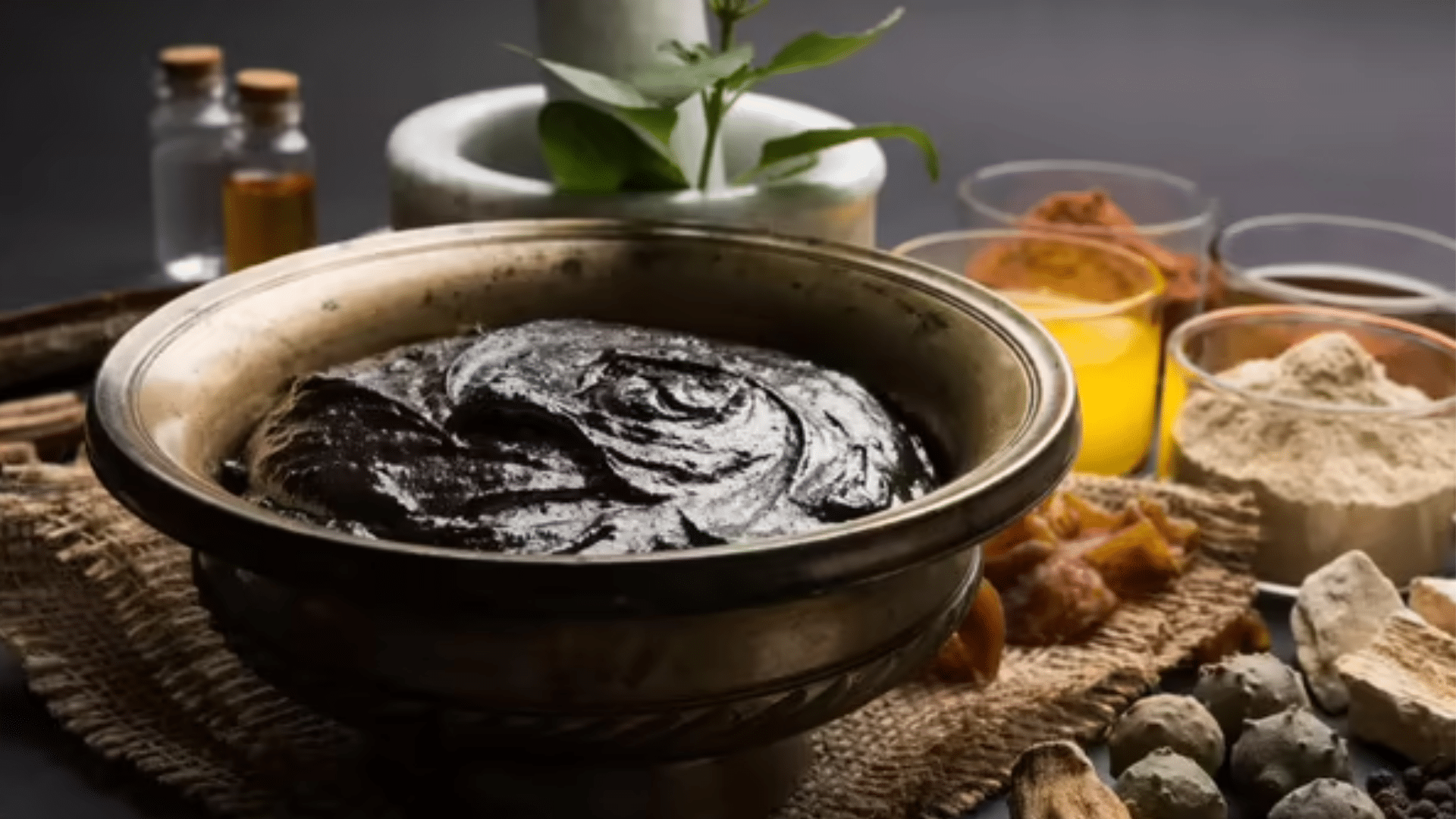
Amla oil is made by combining two key elements: the amla fruit and a carrier oil. Each one plays a different role in how the oil performs on hair and scalp.
Amla contains vitamin C, antioxidants, tannins, and polyphenols. These natural compounds are commonly associated with scalp support, conditioning, and protection against environmental stress.
The carrier oil shapes the texture and feel of the final product. Coconut, sesame, and almond are among the healthiest cooking oils too, and their fatty acid profiles are a big reason they work well as carrier bases in amla oil.
| Component | What It Brings to Amla Oil |
|---|---|
| Amla extract | Vitamin C, antioxidants, and tannins that support scalp and hair conditioning |
| Coconut oil base | Deep penetration and moisture retention for smoother strands |
| Sesame oil base | Dense fatty acids that coat and strengthen hair feel |
| Almond oil base | Lightweight nourishment and softness for dry hair |
| Mineral oil base | Strong surface sealing that helps reduce moisture loss |
The effectiveness of amla oil depends on the concentration of the amla infusion and the carrier oil used. Lighter bases work better for fine hair, while richer oils suit dry or coarse textures.
Amla Oil Benefits for Hair
I look at amla oil as a practical hair-care step rather than a quick fix. Its main value is in how it helps dry, rough, or breakage-prone hair look and feel healthier.
1. Supports a Healthier Scalp

Amla oil may help when your scalp feels dry, tight, or uncomfortable after washing. The oil adds a soft layer over the scalp, which can reduce that stretched or rough feeling many people notice with harsh shampoos, cold weather, or frequent washing.
A gentle scalp massage can also help spread the oil more evenly. This makes the scalp feel more cared for without needing a complex routine.
This matters because hair grows from the scalp. A scalp that feels dry or irritated can make your whole hair routine harder to manage, and what you eat daily plays into that too.
Amla oil does not force new hair to grow, but it may support better scalp comfort, which is a helpful part of healthy hair care.
2. Helps Reduce Breakage
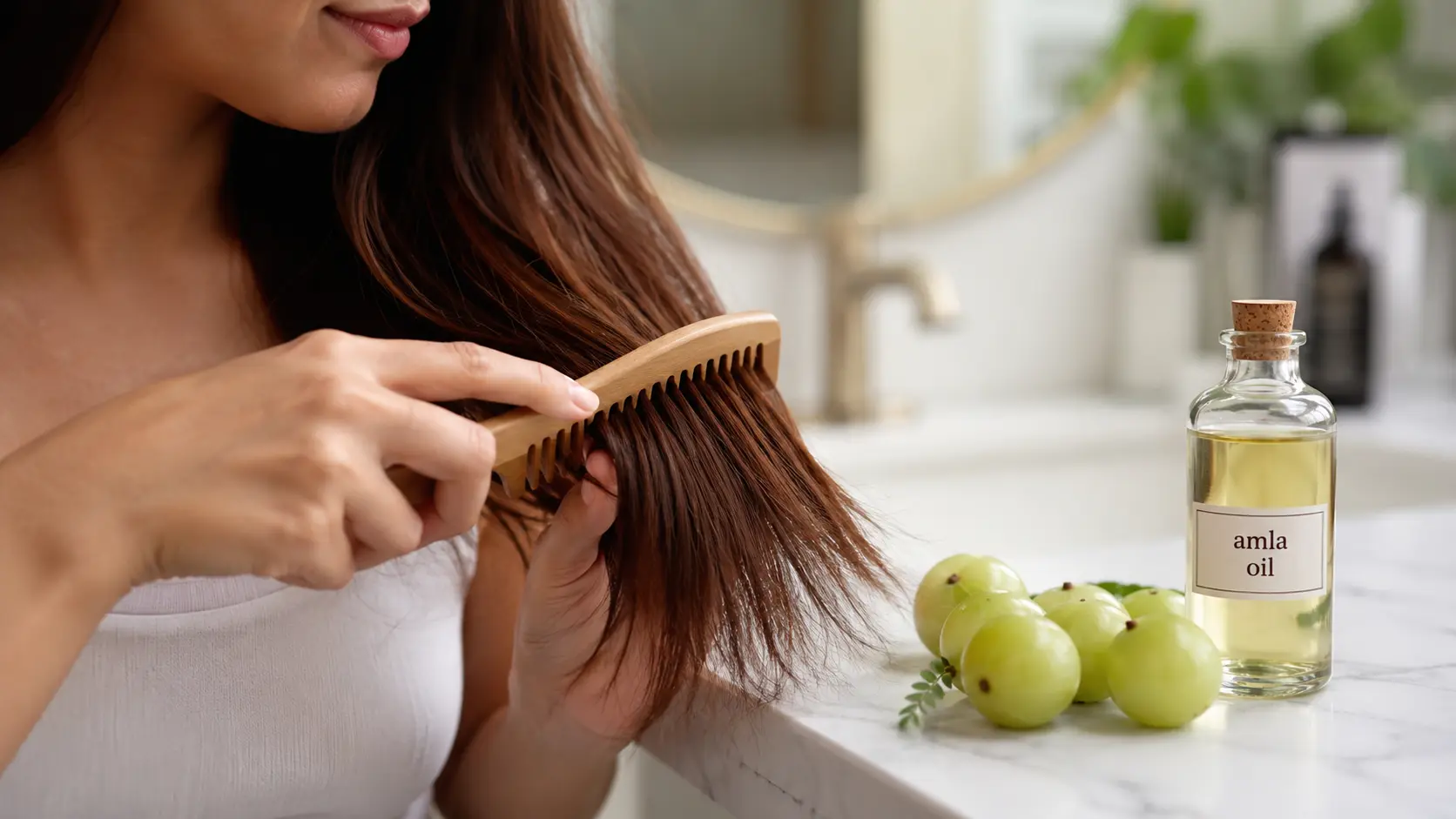
Breakage is one of the biggest reasons hair looks thin at the ends. It can also make your length feel stuck, even when your hair is growing from the roots.
Amla oil coats the hair strand and helps reduce friction during washing, brushing, and styling. This can be useful for hair that feels dry, rough, curly, color-treated, heat-damaged, or easy to snap.
When strands break less, the hair can hold on to more length. That is why some people feel their hair is growing faster after using amla oil. In many cases, the real change is better length retention, not faster growth from the scalp.
3. Makes Hair Look Thicker

Amla oil can make hair look thicker by improving the way strands sit together. Dry or frizzy hair often looks uneven, thin, or weak because the strands spread out and lose shape.
When oil smooths the strand surface, the hair can look fuller and more polished. This effect is mostly visual, but it can still make a clear difference, especially on dry ends.
This is mostly a visible thickness effect. Amla oil may help the hair you already have look fuller by reducing dryness, frizz, and breakage.
4. Softens Dry Strands
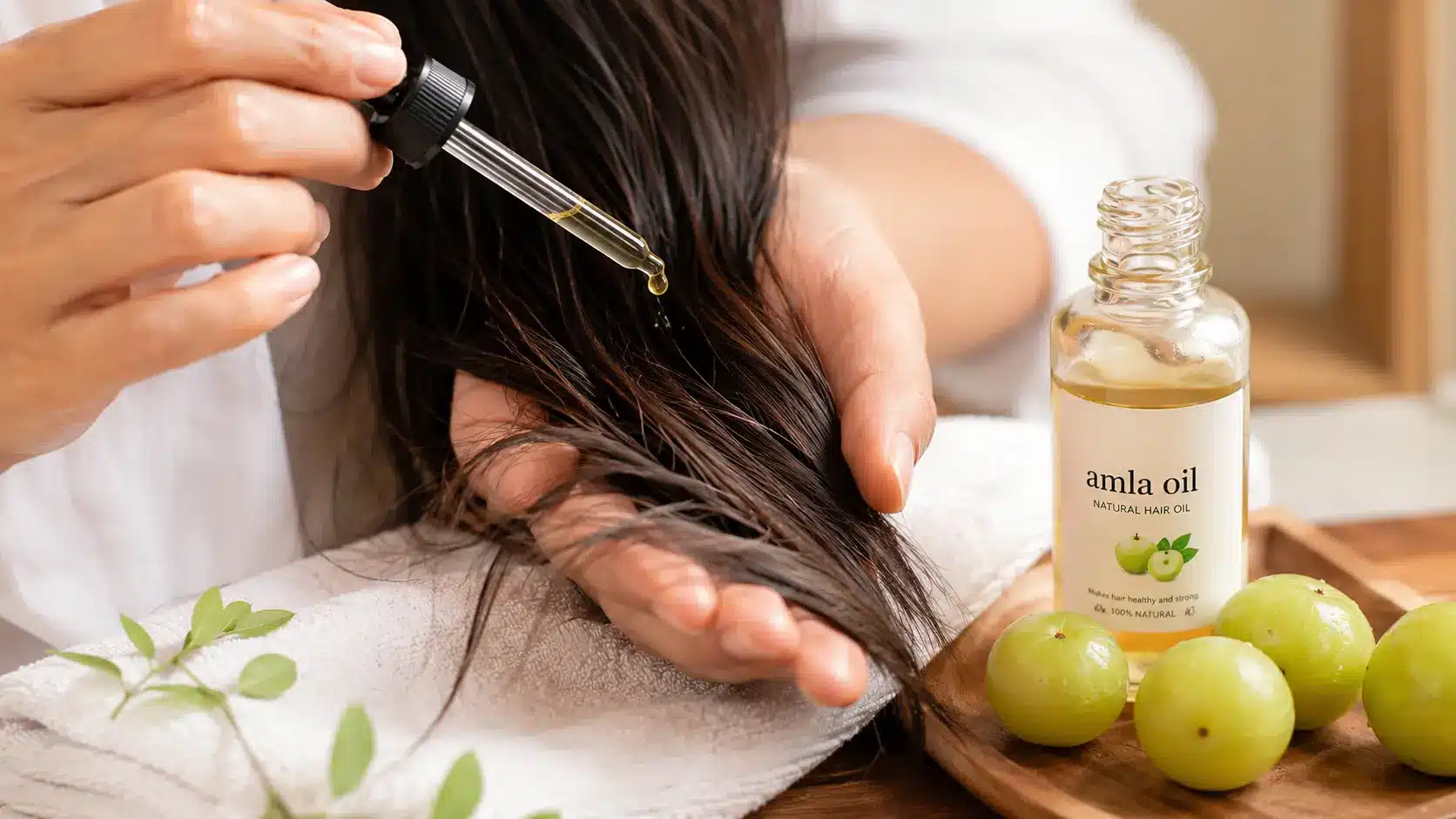
Dry hair can feel stiff, rough, and hard to style. It may tangle quickly, look dull, or feel brittle near the ends.
Amla oil can help soften dry strands before shampooing. This is especially helpful if your hair feels rough after heat styling, hair color, strong shampoo, sun exposure, or dry weather.
The ends usually need the most care because they are the oldest part of the hair. They have been through more washing, brushing, styling, and weather changes than the roots. Using amla oil on the lengths and ends can make the hair feel smoother and easier to manage.
5. Adds Shine
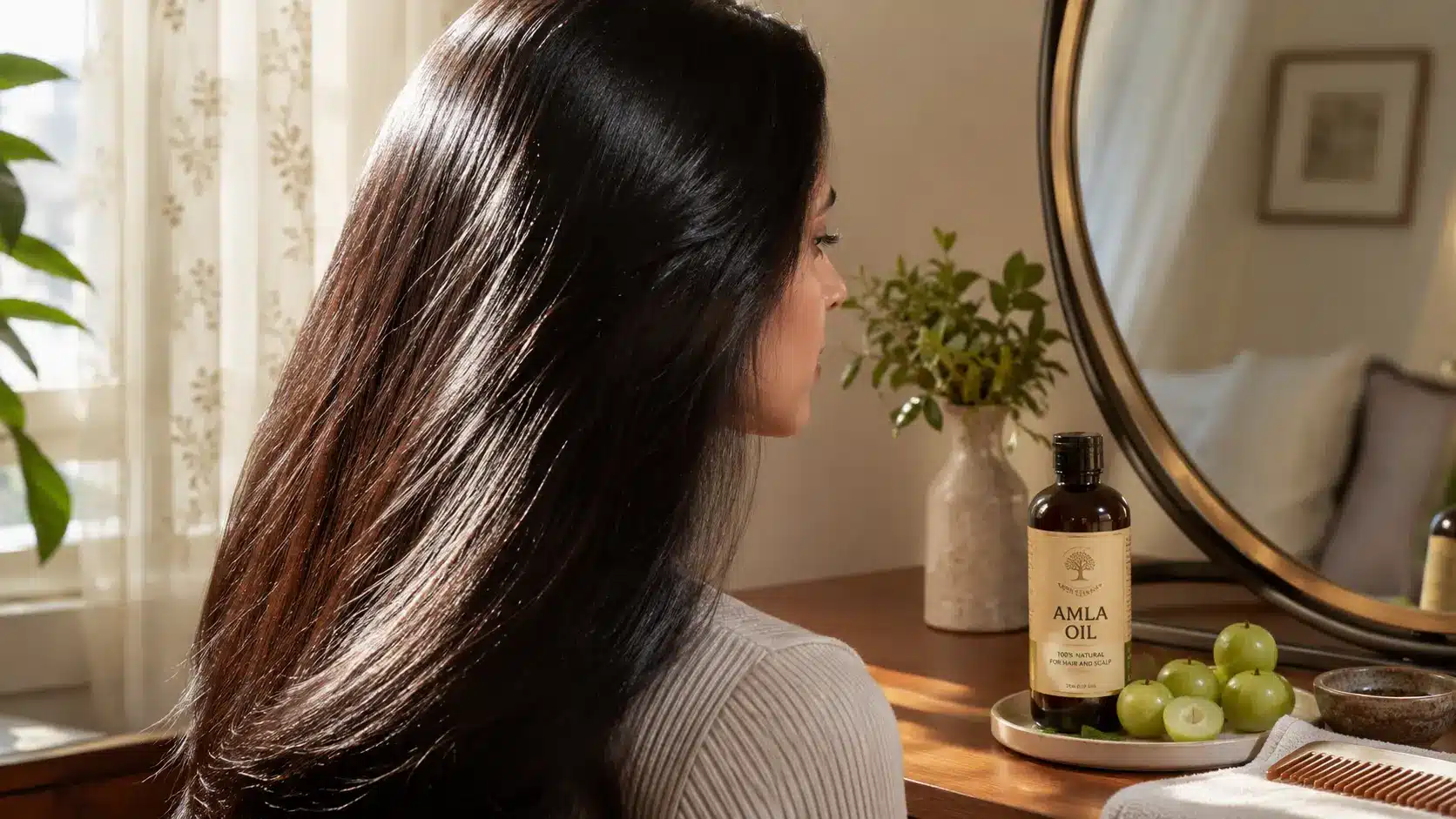
Amla oil can help dull hair look shinier by smoothing the outer surface of the strand. When the hair surface lies flatter, light reflects better, so the hair looks brighter and healthier.
This is one of the quickest benefits people may notice. Hair can look shinier after the first use, especially if it was dry, rough, or frizzy before.
The key is using a small amount. Too much oil can make the hair look greasy instead of glossy. A light layer is usually enough to make the hair look smoother without weighing it down.
6. Helps Control Frizz

Frizz often shows up when hair is dry, raised, damaged, or exposed to humidity. It can make the hair look puffy, rough, or hard to shape.
Amla oil can help by creating a light coating over the strand. This can smooth rough areas and make the hair look more controlled, especially around the mid-lengths and ends.
This benefit is useful for dry, coarse, curly, or textured hair, but fine hair can still use it in smaller amounts. The goal is to calm frizz without making the roots flat or oily.
7. May Help With Dry Flakes
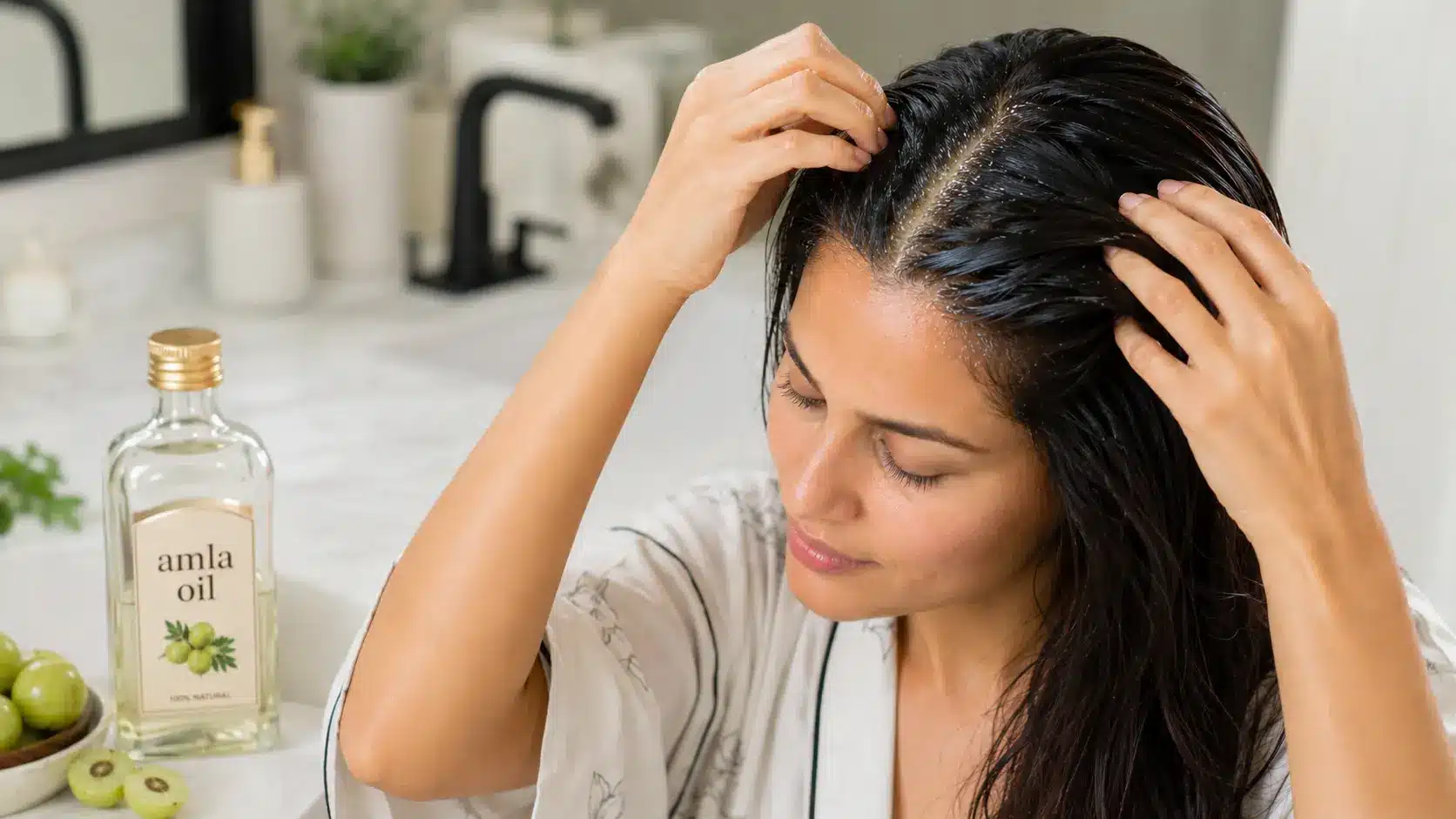
Amla oil may help if your flakes are due to scalp dryness. Dry flakes often appear when the scalp feels tight, rough, or uncomfortable after washing.
The oil can soften dry areas and make the scalp feel less rough. This may be useful during colder months or when your shampoo leaves your scalp feeling stripped.
Still, not all flakes are caused by dryness. If your flakes are oily, thick, red, itchy, painful, or keep coming back, amla oil may not be enough.
In that case, the issue may need a dandruff shampoo or advice from a dermatologist — the American Academy of Dermatology is a good starting point for understanding what type of flaking you are dealing with.
8. Makes Hair Easier to Manage
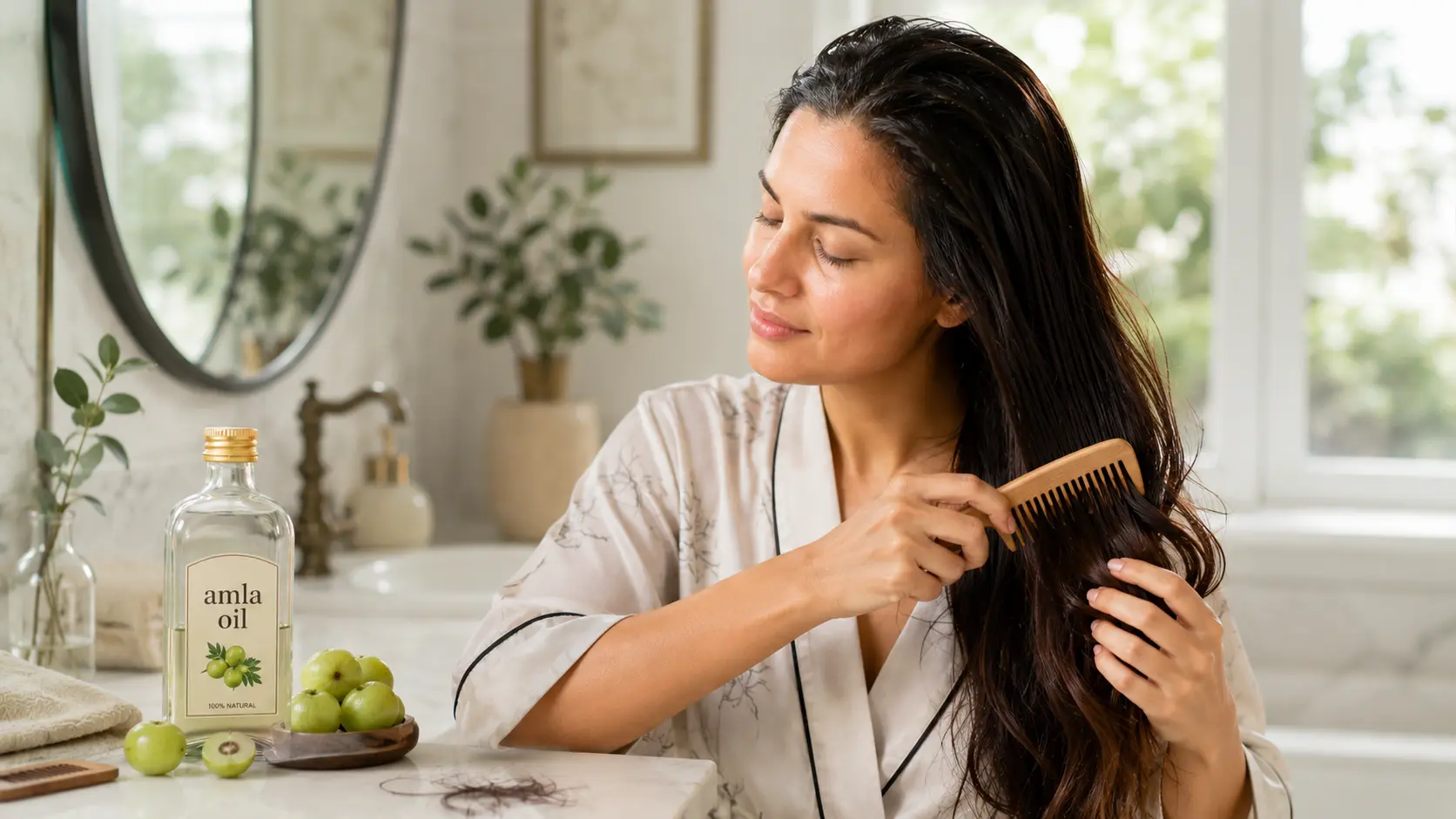
Amla oil can make hair easier to comb, style, and detangle. Dry strands often catch on each other, which leads to knots, rough brushing, and more breakage.
By adding slip to the hair, amla oil helps strands move past each other more smoothly. This can make wash days easier, especially if your hair is curly, coarse, long, dry, or prone to tangling.
Better manageability may not sound as exciting as growth claims, but it matters. Hair that is easier to handle often breaks less, looks neater, and feels healthier over time.
Who May Benefit Most From Amla Oil?
Amla oil is not necessary for everyone. It works best when your hair needs more softness, slip, and protection from dryness.
| May Be a Good Fit If | May Not Be the Best Fit If |
|---|---|
| Your hair feels dry or rough | Your scalp is very oily |
| Your ends look thin or weak | You have acne near the hairline |
| Your hair breaks easily | Your scalp is painful, red, or irritated |
| You deal with frizz or dullness | You have thick, oily, or painful flakes |
| Your hair is curly, coarse, or textured | You have sudden hair loss or bald patches |
If your concern looks medical, it is better to get the cause checked first. Next, here is how amla oil may affect growth, thickness, hair fall, and overall hair health.
How to Apply Amla Oil Properly
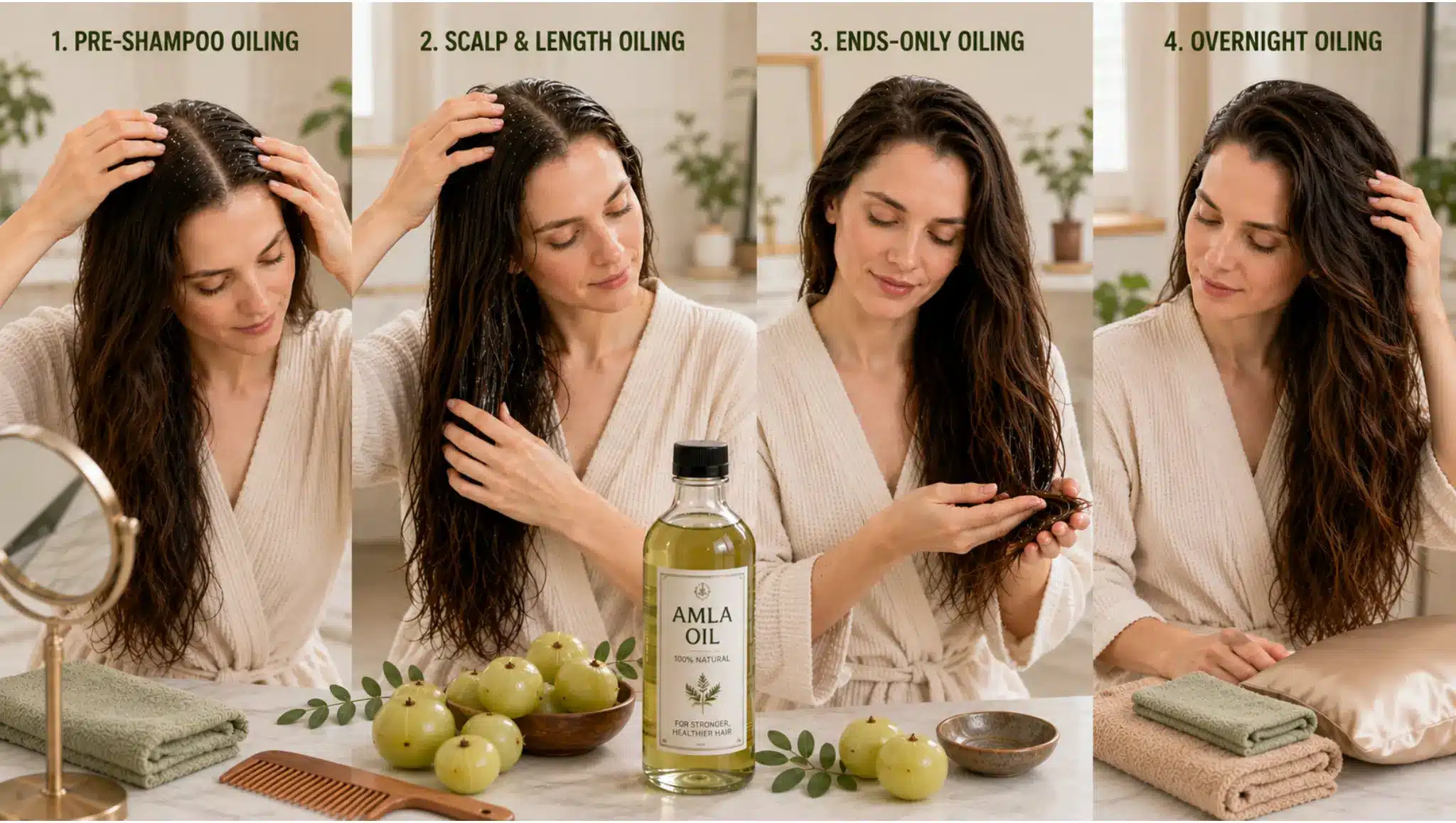
The best way to apply amla oil is to use just enough to coat the scalp, lengths, or ends without making the hair heavy. Start with a small amount because you can always add more if your hair needs it.
1. Pre-Shampoo Oiling
This is the easiest method for most people.
Step 1: Part your hair into a few sections.
Step 2: Apply a small amount of amla oil to the scalp, lengths, or ends.
Step 3: Massage gently with your fingertips for 2 to 3 minutes.
Step 4: Leave it on for 30 minutes to 2 hours.
Step 5: Shampoo well so no oily buildup stays behind.
This method works well if your hair feels dry, frizzy, rough, or easy to break.
2. Scalp and Length Oiling
Use this method if your scalp feels dry and your ends also need care.
Apply a small amount to the scalp first, then smooth the leftover oil through the mid-lengths and ends. Do not pour oil directly onto the scalp. Use your fingertips so the oil spreads evenly.
Keep the massage gentle. Hard rubbing can pull weak strands and make shedding look worse.
3. Ends-Only Oiling
This method works well if your scalp gets oily but your ends feel dry.
Rub 1 to 3 drops of amla oil between your palms, then smooth it over the ends only. Keep it away from the roots so your hair does not look flat or greasy.
You can use this after styling when your ends look rough, dry, or frizzy.
4. Overnight Oiling
Overnight oiling may suit thick, coarse, curly, or very dry hair. Use a small amount, cover your pillow with a towel, and wash your hair well the next morning.
Skip overnight oiling if your scalp is oily, itchy, flaky, acne-prone, or sensitive. Leaving oil on too long can make some scalp issues feel worse.
For most people, pre-shampoo oiling once a week is enough to start.
What Results Can You Expect?
Amla oil can give quick softness, but fuller-looking hair takes more time. Results depend on your hair type, how often you use it, and whether breakage is part of the problem.
Most people do not need daily use. Dry, coarse, or curly hair may do well with one to two uses per week. Fine hair or oily scalps may need less.
| Timeline | Possible Result |
|---|---|
| After 1 use | Softer strands and more shine |
| 2 to 4 weeks | Less dryness and easier detangling |
| 6 to 8 weeks | Less breakage with a gentle routine |
| 3 months | Better length retention if breakage improves |
Use this timeline as a guide, not a promise. If your hair feels heavy, itchy, or hard to wash, use less oil or apply it less often.
How to Use Amla Oil for Better Results
Amla oil works best when you use a small amount and wash it out well. The goal is to soften the hair and reduce friction without leaving the scalp greasy or heavy.
- Use it before shampoo: Apply it before washing and leave it on for 30 minutes to 2 hours.
- Focus on the right area: Apply more to the ends if your scalp gets oily quickly.
- Try overnight oiling carefully: Leave it overnight only if your hair is thick, coarse, curly, or very dry.
- Skip overnight use when needed: Avoid it if your scalp feels itchy, oily, flaky, or acne-prone.
- Use a few drops on dry ends: After styling, rub 1 to 3 drops between your palms and smooth them over the ends only.
- Patch test first: Test a small amount before using a new oil on your scalp.
- Check dark oils first: Test on one strand if your hair is gray, blonde, or color-treated.
Start with less than you think you need. If your hair feels soft, smooth, and easy to wash after using it, the amount is likely right.
Possible Side Effects of Amla Oil
Amla oil can suit many hair types, but it may cause problems if it is too heavy for your scalp, used too often, or not washed out properly.
- Greasy buildup: Too much oil can leave the scalp and roots heavy.
- Flat roots: Fine hair may lose volume if oil is applied too close to the scalp.
- Itching or discomfort: Fragrance, color, or a heavy base oil may bother sensitive skin.
- Clogged pores: Oil near the hairline may trigger bumps if your skin is acne-prone.
- Worse flakes: Some scalp flakes may feel worse if oil traps buildup.
- Staining: Dark oils may stain pillows, towels, clothes, or light hair.
- Scalp pain or rash: Burning, swelling, redness, or pain means you should stop using it.
- Sudden shedding: Stop using it if you notice unusual shedding after oiling or massage.
If your scalp is already painful, red, very flaky, or irritated, do not rely on oil alone. It is better to get the cause checked before adding more products to your routine.
Frequently Asked Questions
Can I use it every day?
Daily use is usually too much for most scalps. It can cause buildup, flat roots, and harder washing. A few drops on dry ends may be fine, but weekly use suits most people better.
How do I choose the right one?
Check the ingredient list, not just the front label. The first ingredient is usually the main base oil. Look for fruit, extract, or powder, and choose lighter oils for fine hair or richer oils for dry hair.
Should I apply it before washing?
Most people should apply it before washing. This gives softness and shine without leaving roots greasy. A tiny amount after styling can help dry ends, but keep it away from the scalp.
Can it help with flakes?
It may help if flakes come from dryness. If flakes are oily, thick, itchy, red, or painful, oil may not be enough. Using a dandruff shampoo or visiting a dermatologist may be a better choice.
How much should I apply?
Start with a small amount. Use a few drops on the ends or 1 to 2 teaspoons before shampoo. Thick or coarse hair may need more, but add slowly to avoid greasy buildup.
Final Verdict
Amla oil benefits for hair are most useful when dryness, frizz, dullness, and breakage make your hair look weaker than it is. It can help strands feel softer, look shinier, and hold length better when your routine is gentle.
For growth and thickness, keep the promise realistic. Amla hair oil may support scalp comfort and reduce breakage, but it cannot fix every type of shedding.
I would start with one pre-wash treatment each week, use a small amount, and watch how your scalp and ends respond. Try it for a few weeks, then choose a product that suits your hair type and routine.