











Have you ever craved a refreshing watermelon salad when summer hits? It’s one of those dishes that instantly brings back memories of warm days, backyard cookouts, and time spent with friends and family.
Do you remember the first time you made it? For me, it was just a simple mix of watermelon, feta, and mint. But what if I told you there are so many fun ways to change it up?
Looking for something light, savory, or even spicy? Watermelon salad is always the perfect choice. Want to stay hydrated on those hot summer days?
It’s easy to prepare, full of flavor, and refreshing. Let me show you how to make this summer favorite!
What Are Refried Beans, and Are Refried Beans Healthy?
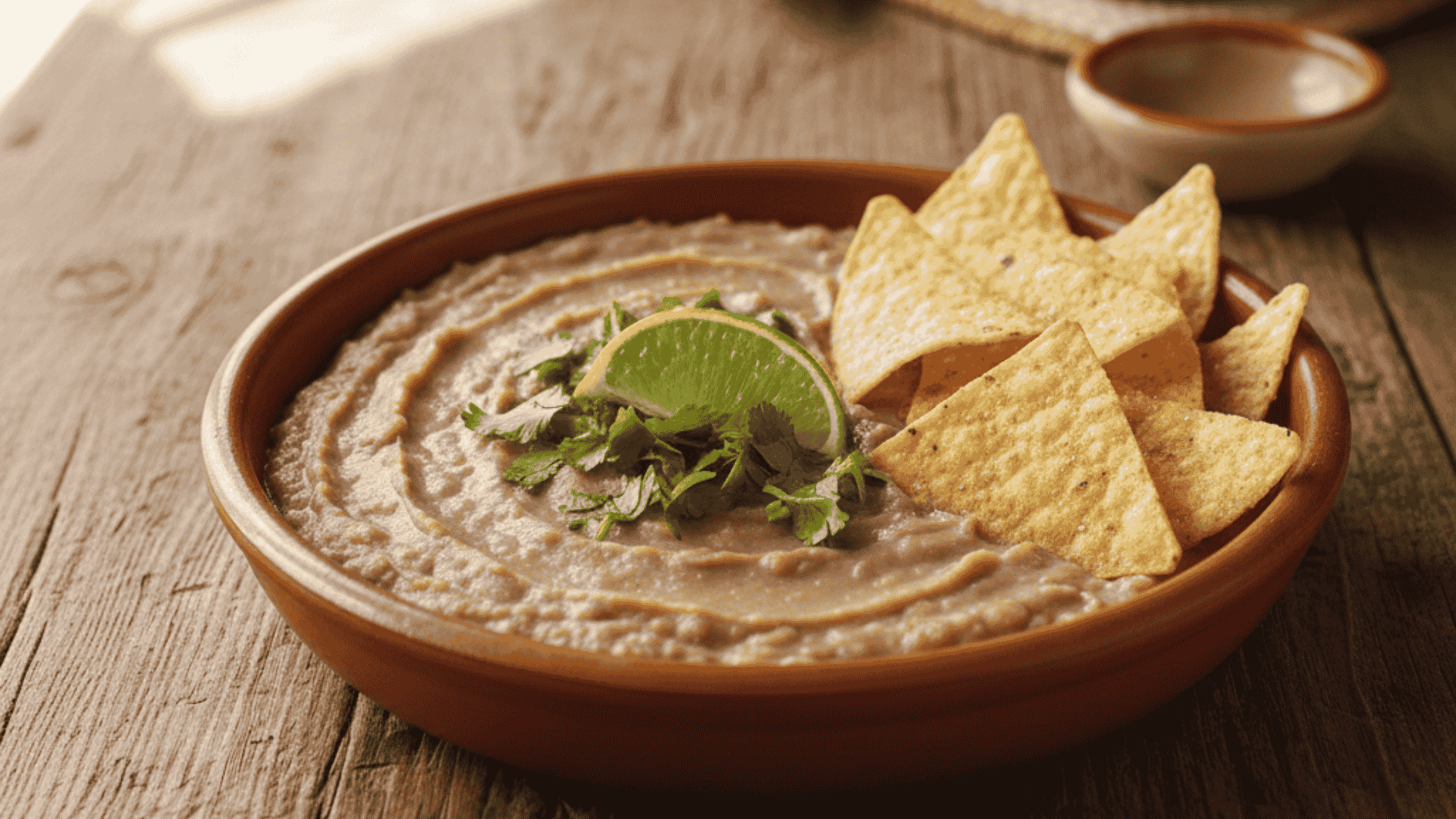
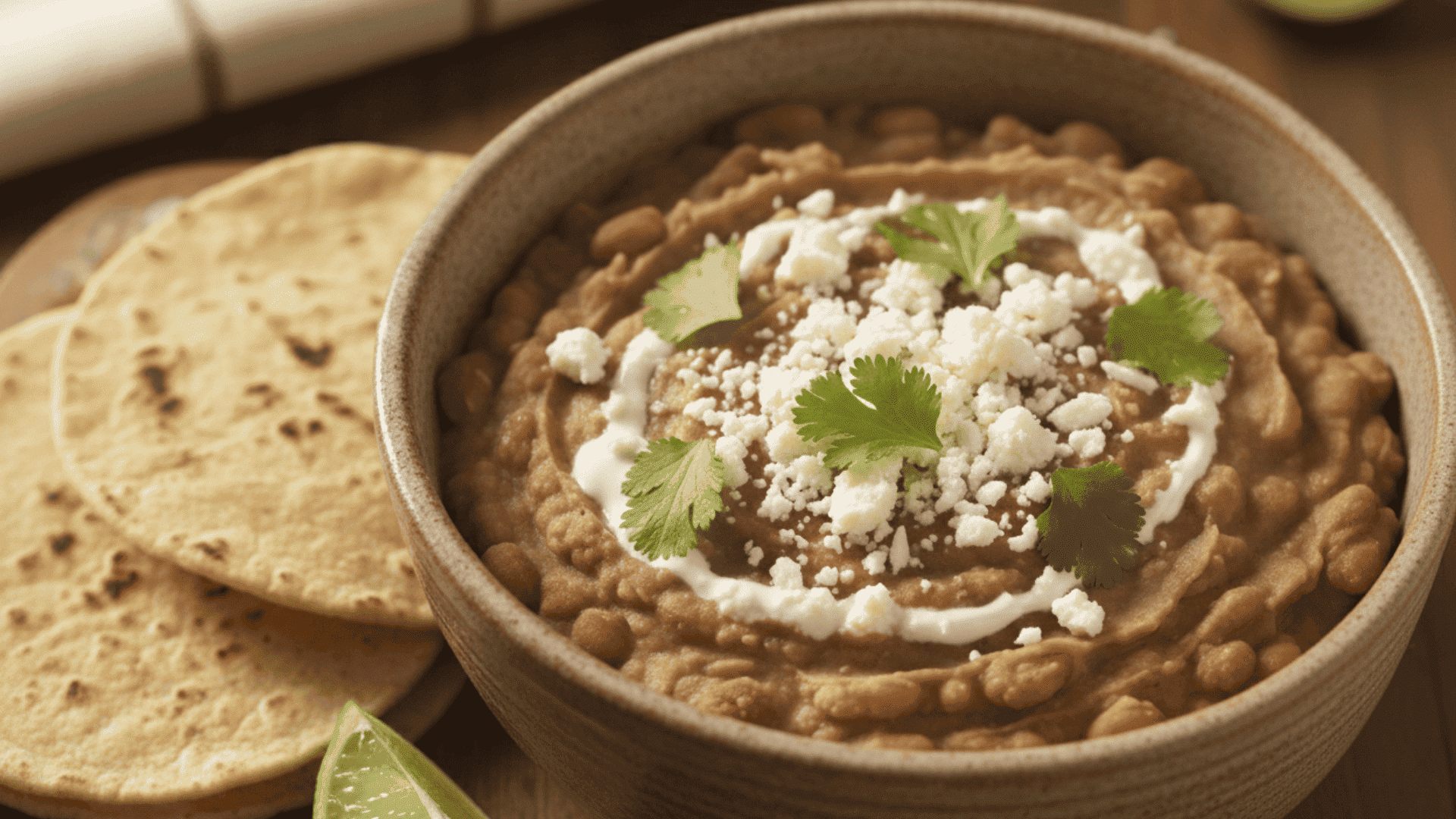
But are refried beans healthy? Yes, when prepared the right way. They’re loaded with fiber, which helps digestion, and plant-based protein that supports muscle health.
Refried beans are a popular Mexican dish made by cooking beans, usually pinto or black, then mashing and frying them in oil or lard.
This creates a smooth, creamy texture that’s full of flavor. They’re commonly used in tacos, burritos, tostadas, and as a side dish.
They also contain iron and magnesium, important nutrients your body needs. The key is choosing healthier cooking oils like olive or avocado oil and keeping sodium low.
Making them at home gives you complete control over ingredients, letting you skip unhealthy fats and preservatives. This makes refried beans a nutritious and delicious addition to your meals.
Nutritional Content of Refried Beans
When I first learned how nutritious refried beans are, I was surprised by the many benefits they offer. Packed with essential nutrients, they’re a great addition to a balanced meal.
Here’s a closer look at what you get in each serving:
| Nutrient | Per Serving (1/2 cup) | Key Insights |
|---|---|---|
| Calories | 100-120 kcal | Depending on ingredients and preparation method. |
| Carbohydrates | 20-25 g | Beans are a good source of healthy carbs. |
| Protein | 6-7 g | Helps with muscle building and repair. |
| Fat | 3-5 g | Mostly healthy fats from oil or lard. |
| Fiber | 5-6 g | Great for digestion and heart health. |
| Iron | 1.5-2 mg | Important for red blood cell production. |
| Magnesium | 30-35 mg | Supports muscle function and bone health. |
| Sodium | 300-800 mg (commercial) | Homemade options allow control of sodium intake. |
By making refried beans at home, you can easily control ingredients and sodium. They’re an excellent addition to any meal, giving you both taste and nutrients.
Health Benefits of Refried Beans
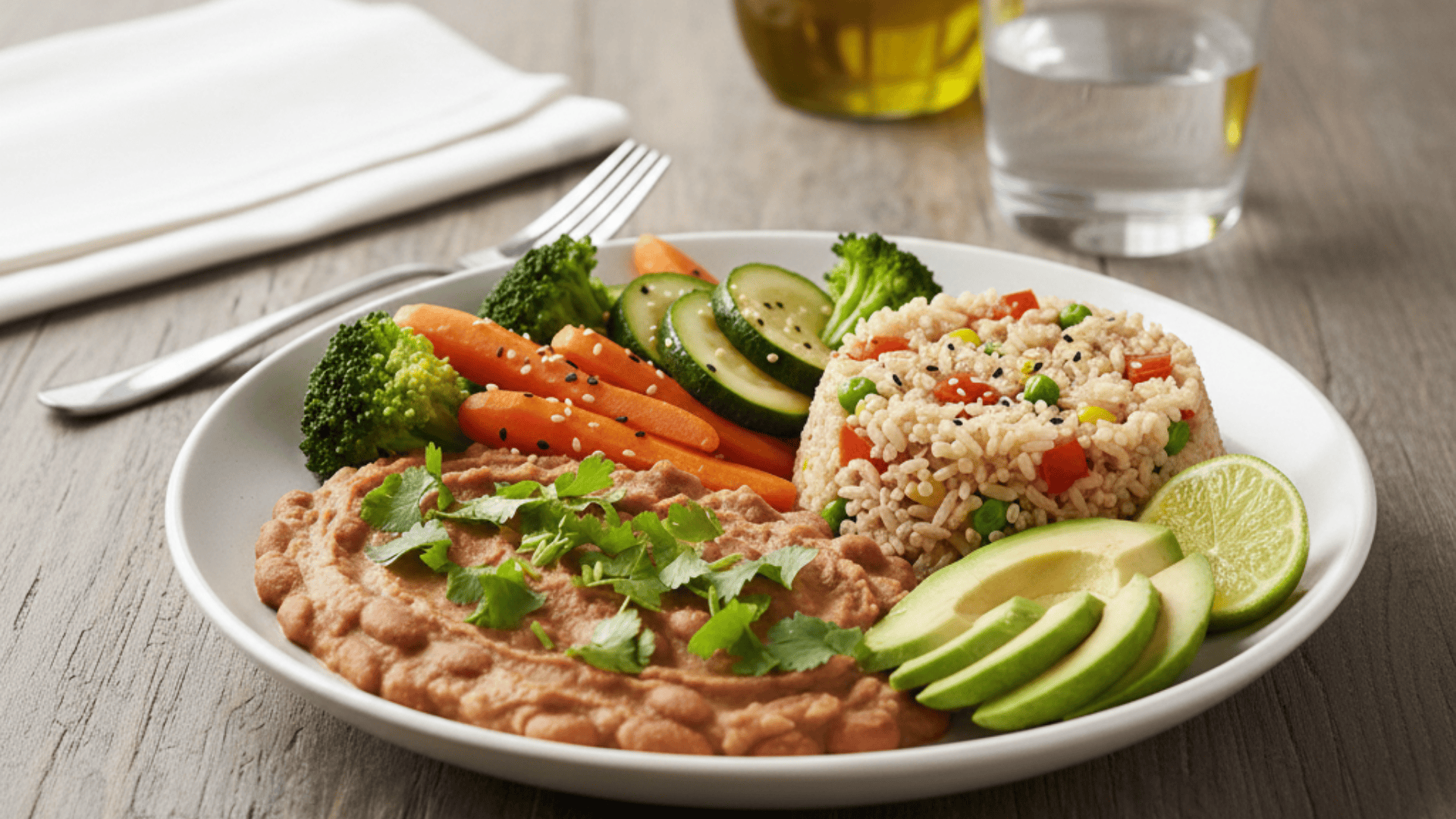
I didn’t realize how much refried beans could contribute to my health until I started adding them to my meals regularly. Here’s how they help your body:
1. Promote Digestive Health
These beans are rich in fiber, which is essential for digestive health. Fiber helps keep bowel movements regular and nourishes healthy gut bacteria.
Including fiber-packed beans in your meals can prevent constipation, bloating, and other digestive issues, ensuring a smoother digestion process. Adding them to your diet promotes a healthy and functioning digestive system.
2. Support Heart Health
Packed with fiber, magnesium, and potassium, beans support heart health by lowering cholesterol and managing blood pressure. These nutrients help improve circulation and reduce the risk of heart disease.
By regularly eating fiber-rich beans, you can protect your cardiovascular system, maintain healthy blood pressure, and improve circulation, keeping your heart in great shape over time.
3. Blood Sugar Control
These beans have a low glycemic index, making them ideal for blood sugar management. They release sugar slowly, which prevents sudden spikes and helps maintain stable levels.
This slow release also supports better insulin sensitivity, which is particularly beneficial for those managing diabetes. Including them in your meals helps regulate blood sugar and support overall control.
4. Aid in Weight Management
Rich in fiber and protein, beans help you feel fuller for longer, reducing the need for snacking. This makes them a great option for weight management.
By adding them to your meals, you can control your appetite and prevent overeating. They provide a nutritious, filling option that supports your weight goals while keeping you satisfied throughout the day.
5. Boost Immune Function
Iron and zinc are key nutrients found in beans, and they play a vital role in boosting immune function. These minerals support the production of immune cells that protect your body from infections.
Including beans in your diet helps strengthen your immune system, ensuring that your body is ready to fight off illness and keep you healthy year-round.
6. Prevent Iron Deficiency
Beans are an excellent source of plant-based iron, which is crucial for producing red blood cells. Iron helps prevent iron-deficiency anemia, which can cause tiredness, weakness, and difficulty focusing.
Including these beans in your meals helps ensure that you meet your iron needs, especially if you follow a vegetarian or plant-based diet, supporting your energy levels and vitality.
7. Support Bone Health
Packed with minerals like magnesium, phosphorus, and calcium, these beans help support bone health. These nutrients promote stronger bones and better bone density, reducing the risk of osteoporosis and bone-related issues.
Eating these beans regularly helps maintain bone strength as you age, ensuring long-term bone health and a resilient skeletal system for years to come.
Since learning about these benefits, refried beans have become a simple and nutritious part of my meals. Including them in your diet can be a helpful way to support your health!
The Role of Refried Beans in Plant-Based Diets
I find refried beans to be a nutritious and versatile addition to plant-based diets, offering essential nutrients that support overall health and wellness.
- Refried beans serve as an excellent source of plant-based protein, supporting muscle repair and growth for those following vegetarian or vegan diets.
- They provide important minerals like iron, which is essential for red blood cell production and preventing anemia in plant-based eaters.
- Their high fiber content promotes healthy digestion and supports overall gut health, helping maintain a balanced digestive system.
- Refried beans offer remarkable versatility in meal preparation, working well in tacos, burritos, salads, wraps, and countless other dishes.
- When prepared at home with minimal oil or healthier fats, refried beans remain low in fat and become a heart-healthy addition to any plant-based meal plan.
Incorporating refried beans into your meals offers a delicious, affordable, and nutrient-rich option that fits any plant-based lifestyle.
Other than the refried beans, consuming pinto beans is also a tasty and healthy way. Pinto beans are used in making various recipes and healthier snack options.
Potential Concerns About Refried Beans
When I started eating refried beans regularly, I realized there were some issues to watch for. Here’s what I found:
| Concern | Why It Matters | What to Do |
|---|---|---|
| High Sodium & Unhealthy Fats | Contains 400-700mg sodium and often uses lard, raising blood pressure and cholesterol | Choose low-sodium brands with olive oil or make your own |
| Calorie Density | Easy to overeat at 300-400 calories per serving | Measure 1/2 cup portions and add vegetables |
| Added Sugars & Preservatives | Sweeteners and additives spike blood sugar with no nutritional benefit | Read labels and pick brands with simple ingredients |
| Digestive Discomfort | Causes gas and bloating due to complex sugars | Soak beans overnight and increase intake gradually |
| Incomplete Protein | Lacks essential amino acids on its own | Pair with rice or corn for complete protein |
After dealing with these issues, I became more selective about brands and occasionally make refried beans at home to better control what goes into them.
How to Make Refried Beans Healthier
As I looked into ways to make refried beans healthier, I found that simple adjustments can make a big difference. Here are a few tips:
- Use homemade refried beans to control the amount of fat and sodium, avoiding excess added salt from canned versions.
- Swap lard or butter with healthier oils like olive oil or avocado oil for a heart-healthy option.
- Add vegetables like onions, garlic, or bell peppers to boost the nutritional value and enhance flavor.
- Watch portion sizes to keep calorie intake balanced and avoid overeating while enjoying this tasty dish.
- Reduce sodium by using herbs and spices to flavor the beans, instead of adding salt.
These small changes have made it easy for me to enjoy refried beans in a healthier way!
Takeaway
Now that you know the answer to “are refried beans healthy?” and the simple ways to make them healthier, you can confidently add them to your meals.
Whether it’s supporting digestion, heart health, or providing essential nutrients like fiber and protein, refried beans are a great choice when prepared thoughtfully.
I hope these tips help you enjoy them in a balanced way! If you’re looking for more ways to improve your meals and make them healthier, feel free to explore my other blogs.
I’m always sharing fresh tips and meal ideas that can help you live a healthier lifestyle.