



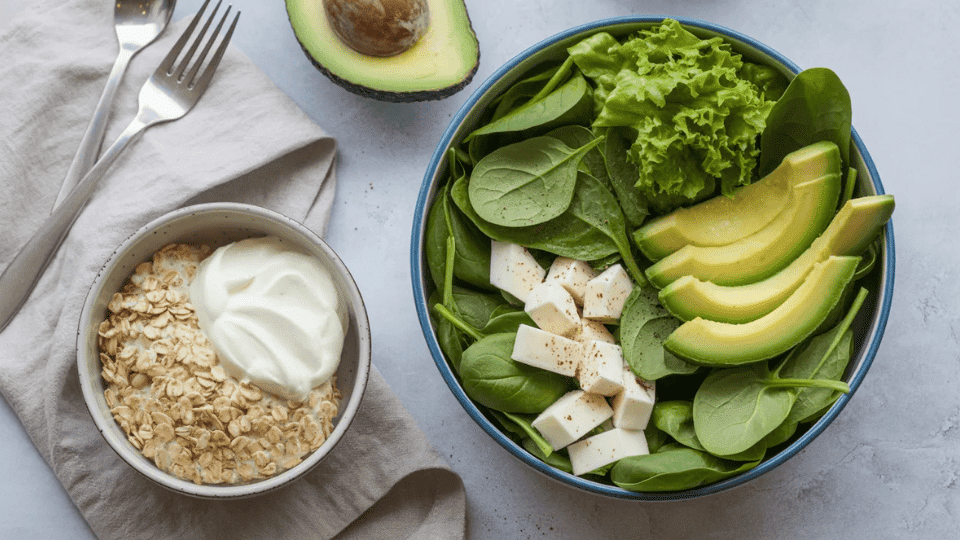









Your everyday food items have the most unexpected carb counts. A handful of grapes. A drizzle of BBQ sauce. That healthy gluten-free bread. The numbers are rarely what you would guess.
I have seen people track everything carefully and still wonder why their results stall, and it almost always comes down to the carbs they overlooked rather than the ones they counted.
What I cover here is everything from grains, dairy, and vegetables to fruit, condiments, and the gluten-free myth that catches almost everyone off guard.
The carb counts, the net carb math, how to read a label, and the swaps that actually work in real life.
Carbs and Their Types in Our Meals
Carbs are in almost everything you eat, from bread and fruit to beans and milk, but not all of them work the same way in your body. Sugars hit the bloodstream fast and produce a quick energy spike.
Starches take longer to break down and release energy more steadily. Fiber barely digests at all, which is actually a good thing.
Because fiber does not raise blood sugar, it gets subtracted from total carbs. What remains is your net carb count, and that number matters most on a low-carb or keto diet.
The type of carb matters far more than the number alone. Thirty grams of lentils hit your body very differently than thirty grams of white bread.
Carbs in Grains and Bread
Grains are where most people’s daily carbs come from, and where the biggest surprises tend to hide. Whole-grain versions contain more fiber, which lowers the net carb count noticeably.
That small difference adds up over a full day of eating. Here’s how the most common options compare.
| Food | Serving Size | Total Carbs | Fiber | Net Carbs |
|---|---|---|---|---|
| White bread | 1 slice (30g) | 14g | 0.6g | 13.4g |
| Whole wheat bread | 1 slice (30g) | 12g | 1.9g | 10.1g |
| Sourdough | 1 slice (35g) | 18g | 0.8g | 17.2g |
| White rice (cooked) | ½ cup (100g) | 28g | 0.4g | 27.6g |
| Brown rice (cooked) | ½ cup (100g) | 23g | 1.8g | 21.2g |
| White pasta (cooked) | ½ cup (70g) | 18g | 1.1g | 16.9g |
| Whole wheat pasta | ½ cup (70g) | 17g | 2.1g | 14.9g |
| Oats (cooked) | ½ cup (120g) | 14g | 2g | 12g |
| Rice paper | 1 sheet (22g) | 16g | 0.3g | 15.7g |
Switching from white to whole grain won’t cut your carbs in half, but the fiber difference is real and changes how your body processes each meal.
Carbs in Dairy
Dairy is one of the easiest food groups to overlook when tracking carbs. It doesn’t feel like a heavy-carb category, and for the most part, it isn’t. But flavored and sweetened versions carry more than most people expect.
| Food | Serving Size | Total Carbs | Fiber | Net Carbs |
|---|---|---|---|---|
| Whole milk | 1 cup (240ml) | 12g | 0g | 12g |
| Skim milk | 1 cup (240ml) | 12g | 0g | 12g |
| Cottage cheese | ½ cup (113g) | 5g | 0g | 5g |
| Cream cheese | 2 tbsp (29g) | 1.6g | 0g | 1.6g |
| Plain yogurt | ½ cup (123g) | 8g | 0g | 8g |
| Greek yogurt (plain) | ½ cup (113g) | 5g | 0g | 5g |
| Cheddar cheese | 1 slice (28g) | 0.4g | 0g | 0.4g |
Cottage cheese and cream cheese are both excellent low-carb options, but once flavorings or fruit are added, the carb count climbs quickly.
Carbs in Vegetables
Not all vegetables are low-carb. Some starchy ones can push you over your daily limit faster than a slice of bread. It depends heavily on which ones you’re eating, and how much.
Low-Carb Vegetables
These are the ones you can eat fairly freely. They’re mostly water and fiber with very little starch, and they come loaded with vitamins and minerals that make them worth keeping on every plate.
- Spinach, just 0.4g net carbs per cup, is rich in iron, vitamin K, and folate. One of the most nutrient-dense foods you can eat with almost zero carb impact.
- Romaine lettuce: about 1g net carbs per cup, a good source of vitamins A and C. Works as a base for salads or even as a wrap substitute.
- Cucumber: roughly 1.7g net carbs per half cup, high in water content, and contains small amounts of vitamin K. Keeps you hydrated and fills the plate without adding carbs.
- Zucchini: around 1.7g net carbs per half cup, contains vitamin C and potassium. Holds up well, cooked or raw, and is one of the best pasta substitutes out there.
- Tomatoes: about 3.5g net carbs per medium tomato, a good source of lycopene and vitamin C. The number shifts more than most people realize across different tomato varieties, from cherry to beefsteak.
- Onions: roughly 4g net carbs per quarter cup raw, contain quercetin and vitamin C. They add up faster in larger portions, especially when cooking. Onions on a keto diet sit closer to the limit than most people expect.
Higher-Carb Vegetables
These are starchier and digest more like grains than greens. Still nutritious, but portion size matters a lot here.
- Russet potato (baked): 30.6g net carbs per medium potato, high in potassium and vitamin B6. One of the highest-carb whole foods you can eat, even in a single serving.
- Sweet potato (baked): 22.2g net carbs per medium potato, rich in beta-carotene and vitamin A. Lower than a russet but still significant on a low-carb plan.
- Corn (cooked): 16g net carbs per half cup, contains lutein and zeaxanthin, which support eye health. Often underestimated because it looks like a vegetable but behaves like a grain.
- Green peas: 7g net carbs per half cup, thanks to strong fiber content, and a decent source of plant-based protein and vitamin K. One of the better starchy options because the fiber offsets the total carb number well.
- Lentils (cooked): 12g net carbs per half cup after subtracting 8g of fiber from 20g total carbs, packed with protein, iron, and folate. The fiber makes them far more diet-friendly than the total number suggests; net carbs in lentils are very different than just a rough estimate.
Carbs in Fruit
Fruit sits in a grey area for many people watching their carbs. Some options are fine in normal portions. Others add up much faster than expected, especially once you move into dried fruit or juice.
Lower-Carb Fruits
These fruits are lower in sugar and higher in fiber. They fit into most low-carb approaches without much adjustment.
- Raspberries: 6.7g net carbs per cup after 8g of fiber, rich in vitamin C and manganese. One of the most low-carb-friendly fruits you can eat in a generous portion.
- Strawberries: 8.7g net carbs per cup, a strong source of vitamin C and folate. Sweet enough to satisfy a craving without a significant blood sugar spike.
- Blueberries: 17.4g net carbs per cup, packed with antioxidants and vitamin K. Slightly higher than other berries, but the nutritional payoff is real and varies by portions of blueberries.
- Avocado: just 1.4g net carbs per half fruit after 4.6g of fiber, high in heart-healthy monounsaturated fats and potassium. One of the most keto-friendly whole foods available.
Higher-Carb Fruits to Watch
These fruits naturally contain more sugar. They’re not off-limits, but on a low-carb diet, even one serving can use up a significant chunk of your daily budget.
- Banana (medium): 23.9g net carbs per banana, contains potassium and vitamin B6, but very little fiber to offset the sugar. One of the fastest fruits to spike blood sugar.
- Grapes: 15.2g net carbs per cup with minimal fiber, a source of vitamin C and resveratrol. Easy to overeat because of their size, a cup goes faster than you think.
- Mango, 11.2g net carbs per half cup, rich in vitamins A and C. The natural sweetness makes it one of the hardest fruits to eat in small portions.
- Dried dates: 32.8g net carbs per two pieces, extremely concentrated in sugar with the water removed. Even a small amount adds up fast.
- Orange juice: 12.8g net carbs per half cup with almost no fiber, despite coming from fruit. Whole oranges are always the better choice over juice; the fiber slows absorption considerably. Fruit carbs stack up faster than most people plan for.
Carbs in Condiments and Dips
Condiments rarely make it onto anyone’s carb tracker. But they can quietly add 10 to 20 grams to a meal without a second thought, especially the ones with added sugar.
| Condiment | Serving Size | Total Carbs | Fiber | Net Carbs |
|---|---|---|---|---|
| Guacamole | 2 tbsp (30g) | 2.4g | 1.7g | 0.7g |
| Hummus | 2 tbsp (30g) | 4.9g | 1.4g | 3.5g |
| Ketchup | 1 tbsp (17g) | 4.8g | 0.1g | 4.7g |
| BBQ sauce | 2 tbsp (36g) | 12g | 0.2g | 11.8g |
| Soy sauce | 1 tbsp (16g) | 1g | 0g | 1g |
| Teriyaki sauce | 1 tbsp (18g) | 5g | 0g | 5g |
| Ranch dressing | 2 tbsp (30g) | 2.4g | 0g | 2.4g |
| Hot sauce | 1 tsp (5g) | 0.5g | 0g | 0.5g |
Guacamole, hot sauce, and soy sauce are the most diet-friendly options here. BBQ sauce and ketchup can be high, especially with large portions.
And if anyone is concerned about spices, then consider this: the carbs per teaspoon in cinnamon are low enough that most people can stop worrying about logging it.
What About Gluten-Free Foods: Are They Lower in Carbs?

This is one of the most common misconceptions I come across. Gluten-free does not mean low-carb, not even close. Gluten is a protein found in wheat.
Removing it has nothing to do with removing carbohydrates. Most gluten-free bread carbs sit just as high as regular bread. sometimes higher. Some GF breads actually carry more carbs per slice than regular white bread.
The confusion comes largely from marketing. Gluten-free products are often shelved near health foods, and the label feels like a health claim. But it only tells you something about a protein; it says nothing about carb content.
The two are not connected; GF and low carb are completely separate things.
Low-Carb Swaps for Everyday Foods
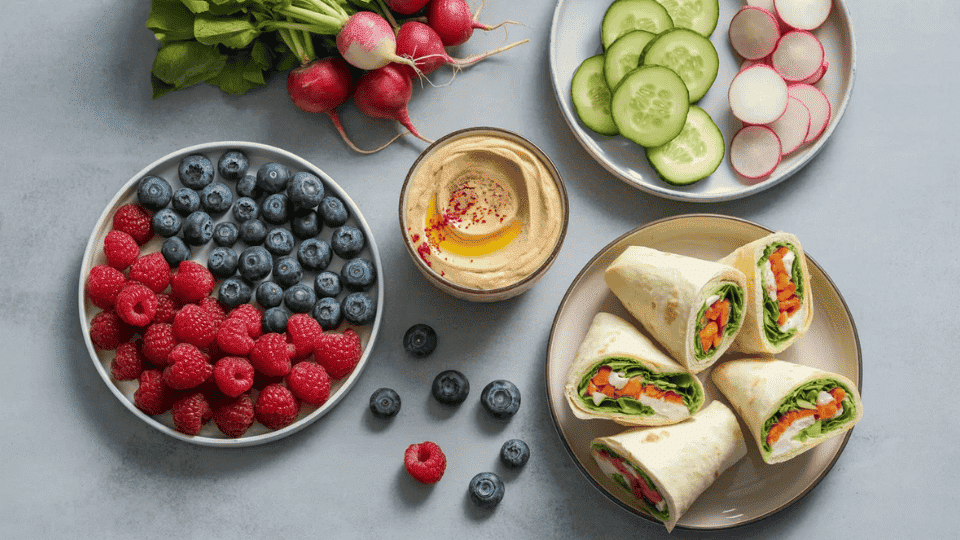
Cutting carbs doesn’t mean you have to eat food you don’t enjoy. Most cravings have a swap that actually satisfies them; you just need to know what to reach for.
| Swap | Sweet Cravings | Starchy Sides | Crunchy Snacks | Bread and Wraps |
|---|---|---|---|---|
| Option 1 | Raspberries or blackberries (~6-7g) | Cauliflower rice (~3g) | Cucumber slices with hummus (~5g) | Lettuce wraps (~1g) |
| Option 2 | Greek yogurt with walnuts (~5g) | Mashed cauliflower (~4g) | Celery with almond butter (~2g) | Portobello mushroom bun (~2g) |
| Option 3 | Dark chocolate 85% (~3g) | Roasted turnips or radishes (~4g) | Roasted pumpkin seeds (~4g) | Almond flour flatbread (~6g) |
| Option 4 | Cream cheese with vanilla (~2g) | Shirataki noodles (~1g) | Parmesan crisps (~1g) | Egg wraps (~1g) |
How Many Carbs Should You Actually Eat Per Day?
The actual answer depends entirely on what you’re trying to do. For most healthy adults on a 2,000-calorie diet, the general recommendation sits between 225 and 325 grams per day, enough to fuel the body comfortably without any restriction.
For a low-carb approach, most people aim for 50 to 100 grams per day. Low enough to reduce blood sugar spikes without the strictness keto demands.
For keto, the target is usually under 50 grams of net carbs. It works, but it needs consistent tracking to actually hold. No single number fits everyone.
Activity level, health conditions, and goals all shift what’s right for you. I always tell people to track honestly for three days first, without judging, just to see the baseline. Most are genuinely surprised.
Frequently Asked Questions
What is the difference between total carbs and net carbs?
Total carbs include everything on the label: sugars, starches, and fiber. Net carbs subtract fiber and some sugar alcohols. For low-carb and ketogenic diets, net carbs are the number that actually matters for tracking your intake.
Are all carbs bad for you?
No. Carbs are the body’s primary energy source, and fiber actively supports digestive and heart health. Research shows quality matters more than quantity; whole-food carbs behave very differently in the body than refined or ultra-processed ones.
How do I calculate net carbs from a nutrition label?
Subtract dietary fiber from total carbohydrates. For sugar alcohols, erythritol can be fully subtracted, while maltitol and sorbitol should only be partially subtracted. Ignore front-of-pack net carb claims; they are unregulated and often inaccurate.
Final Thoughts
Carbs are everywhere, and that’s not a problem. The problem is not knowing what’s in the foods you already eat every day.
Once you do, you stop guessing and start making choices that actually match your goals. The most important thing to take away is simple: type matters more than total.
A fiber-rich carb and a refined one can look identical on paper but hit your body in completely different ways. The numbers are just the starting point; what you do with them is what counts.