












Hair loss is personal. It shows up in your brush, in the shower drain, and sometimes in the mirror at the worst moment. So when a simple kitchen ingredient like onion juice starts trending as a natural fix, it makes sense to pause and actually look at what is behind the claim, not just copy a routine from a short video.
Onion juice for hair growth has picked up real attention, and some of it is backed by science. Onions contain sulfur compounds, antioxidants, and natural antimicrobial properties that may support scalp health. The keyword is may.
It can genuinely help some people, particularly when scalp buildup, flaking, or breakage is part of the problem. It is unlikely that hair loss rooted in genetics, hormones, illness, or stress can be reversed on its own.
This piece breaks down how onion juice may work, what the research actually shows, how to use it without burning your scalp, and when a dermatologist is the smarter call.
When Onion Juice Might Help and When It Won’t
Hair loss can be stressful and personal, showing up in your brush, in the shower, or in the mirror when you least expect it. Onion juice has become a popular home remedy because it may support scalp health, strengthen strands, and reduce breakage. It is not a guaranteed solution for regrowth, but it can create conditions that help your existing hair stay healthier.
This treatment is most effective when hair thinning or shedding is linked to scalp buildup, mild irritation, or breakage. Its natural compounds, including sulfur and antioxidants, support stronger-looking strands and a healthier scalp environment.
On the other hand, onion juice is unlikely to help with genetic hair loss, hormonal shedding, stress-related thinning, or certain medical conditions. Knowing when it might help and when it will not helps set realistic expectations and prevents unnecessary frustration.
Starting with this understanding provides context before exploring the science of what is inside onion juice and how it can support hair growth.
What Is in Onion Juice That Matters for Hair

Onion juice is not popular only because it is easy to find. The interest comes from a specific set of natural compounds. These are not miracle ingredients, but they are worth understanding before you apply anything to your scalp.
| Compound or Property | What It Does | What to Expect Realistically |
| Sulfur compounds | Linked to keratin structure, the main protein in hair | Support stronger-looking strands, not instant regrowth |
| Organosulfur compounds | Part of onion’s natural chemistry with possible scalp benefits | Support scalp condition, limited hair-specific research available |
| Quercetin | A plant antioxidant found in onions | Reduce oxidative stress at the follicle level |
| Antimicrobial activity | May limit certain microbes on the scalp | Useful when scalp imbalance contributes to shedding |
| Water content | Makes the juice spreadable for scalp application | Does not moisturize hair lengths on its own |
According to research published by the National Institutes of Health, topical onion juice showed promising results in a small clinical study for a specific type of hair loss. That study will be covered in more detail ahead.
One thing to keep in mind before starting: raw onion juice can still be harsh, even though every ingredient listed above is plant-based. People with sensitive scalps should dilute the juice with water or aloe vera gel before applying. That small step matters more than most tutorials mention.
What Are the Benefits of Onion Juice for Hair Growth
The benefits of onion juice are primarily associated with scalp support, reduced breakage, and improved hair appearance. These are meaningful outcomes, but they are not the same as guaranteed new hair growth. Understanding the difference helps you track real progress instead of guessing.
1. Support a Healthier Scalp
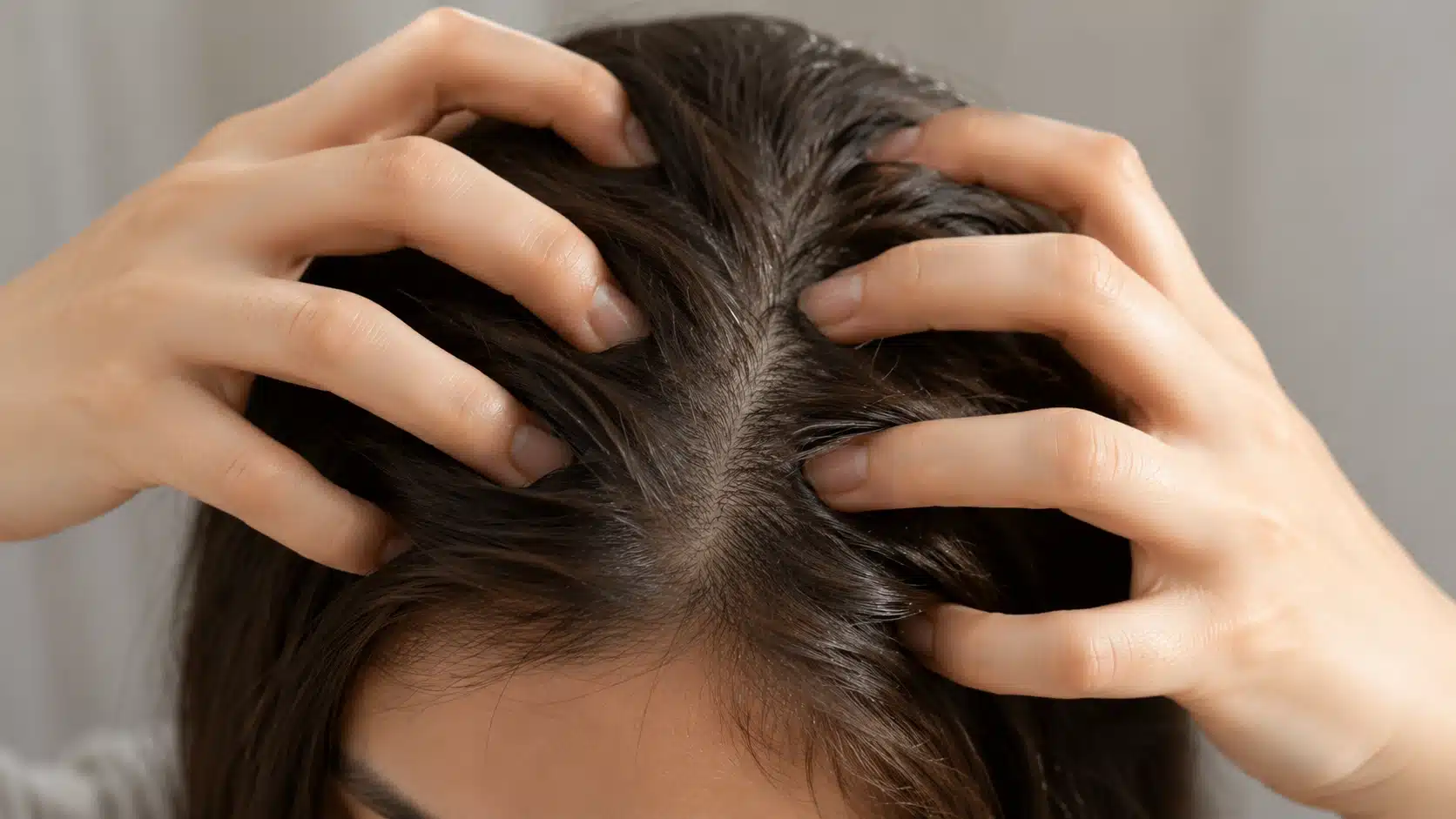
Onion juice contains natural compounds with antimicrobial properties that may help when flakes, buildup, or mild scalp imbalance are making hair feel weak and lifeless. A calmer scalp creates a better base for normal follicle function.
That said, it should never be used on broken, infected, or highly inflamed skin. A scalp that hurts, oozes, or bleeds is a medical situation, not a home remedy situation.
2. Reduce Breakage Over Time
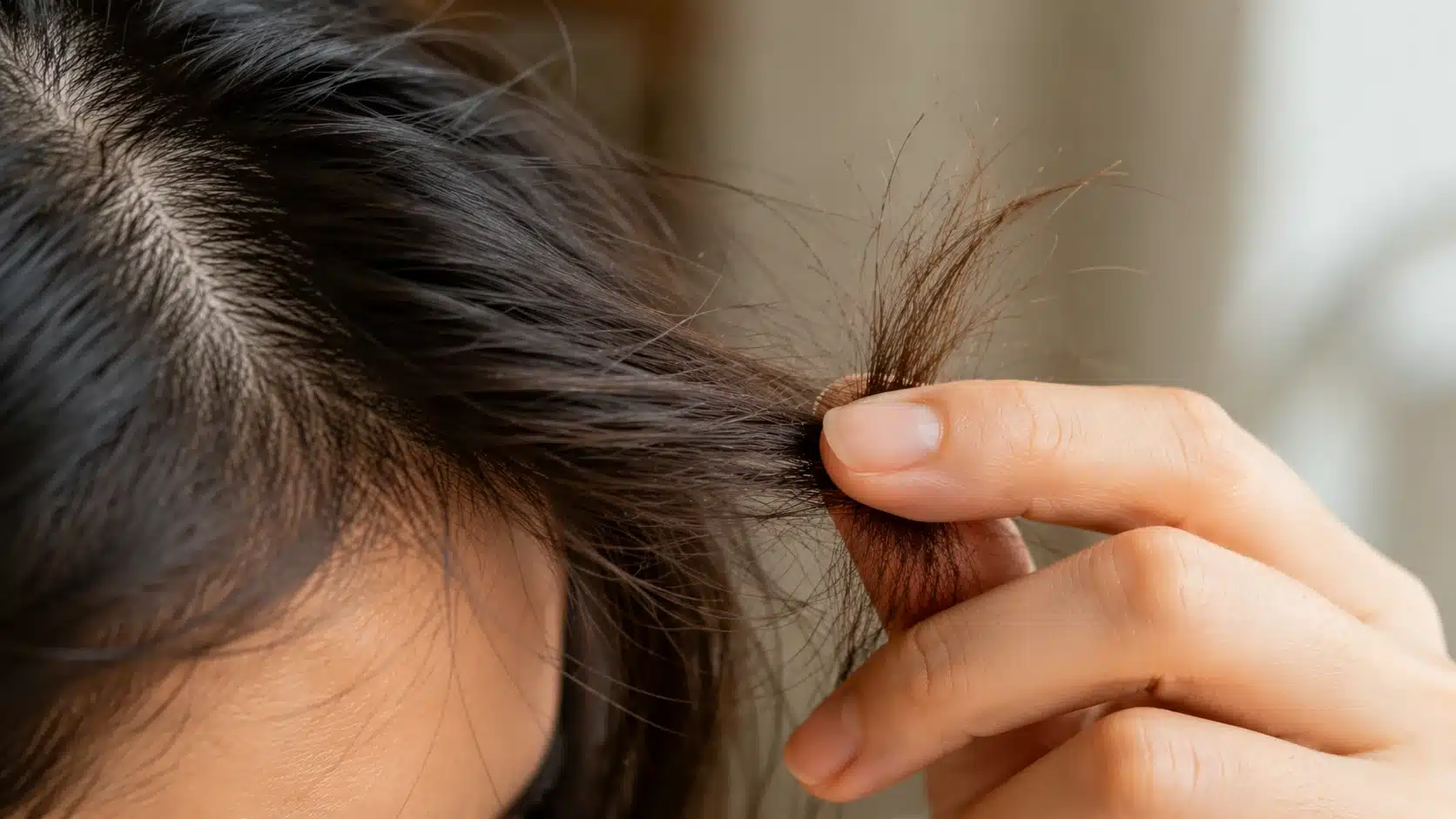
Many people confuse breakage with hair loss. When strands snap easily, hair looks thinner even when follicles are still active and producing growth.
Onion juice may help strengthen the hair shaft because sulfur supports the keratin protein structure. This is not the same as repairing split ends. The benefit shows most when paired with gentle washing, reduced heat, and less tight styling that pulls at roots.
3. Help in Some Patchy Hair Loss Cases
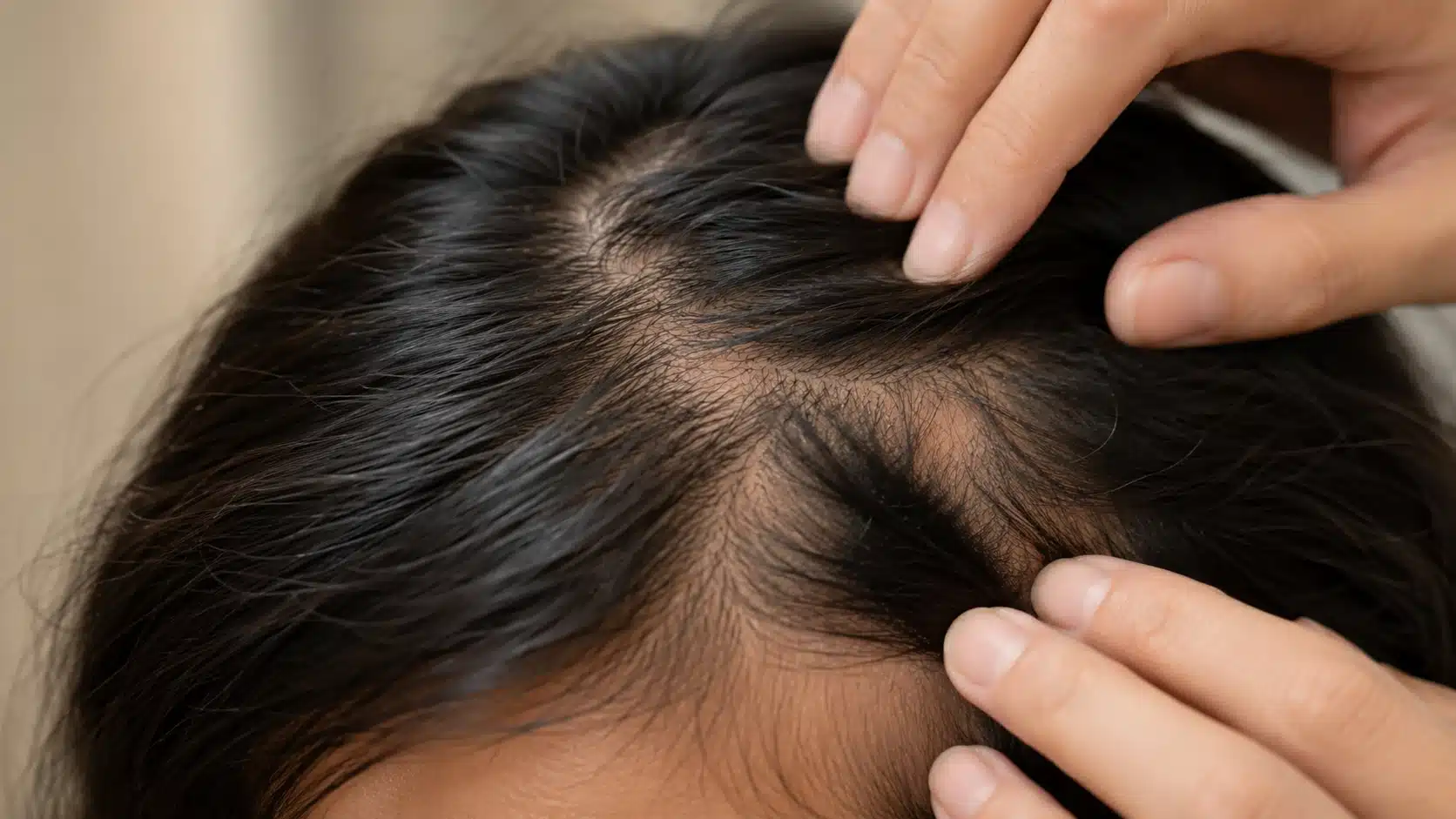
The most cited study on onion juice focused on alopecia areata, which is a specific autoimmune condition that causes patchy hair loss. That detail is important. The results from that small study cannot be applied to every type of hair loss.
Onion juice may have some promise for scalp-related shedding, but the evidence is limited and very condition-specific. Sudden, unexplained patches should be checked by a dermatologist before trying any home remedy.
4. Boost Follicle Stimulation Through Mild Irritation
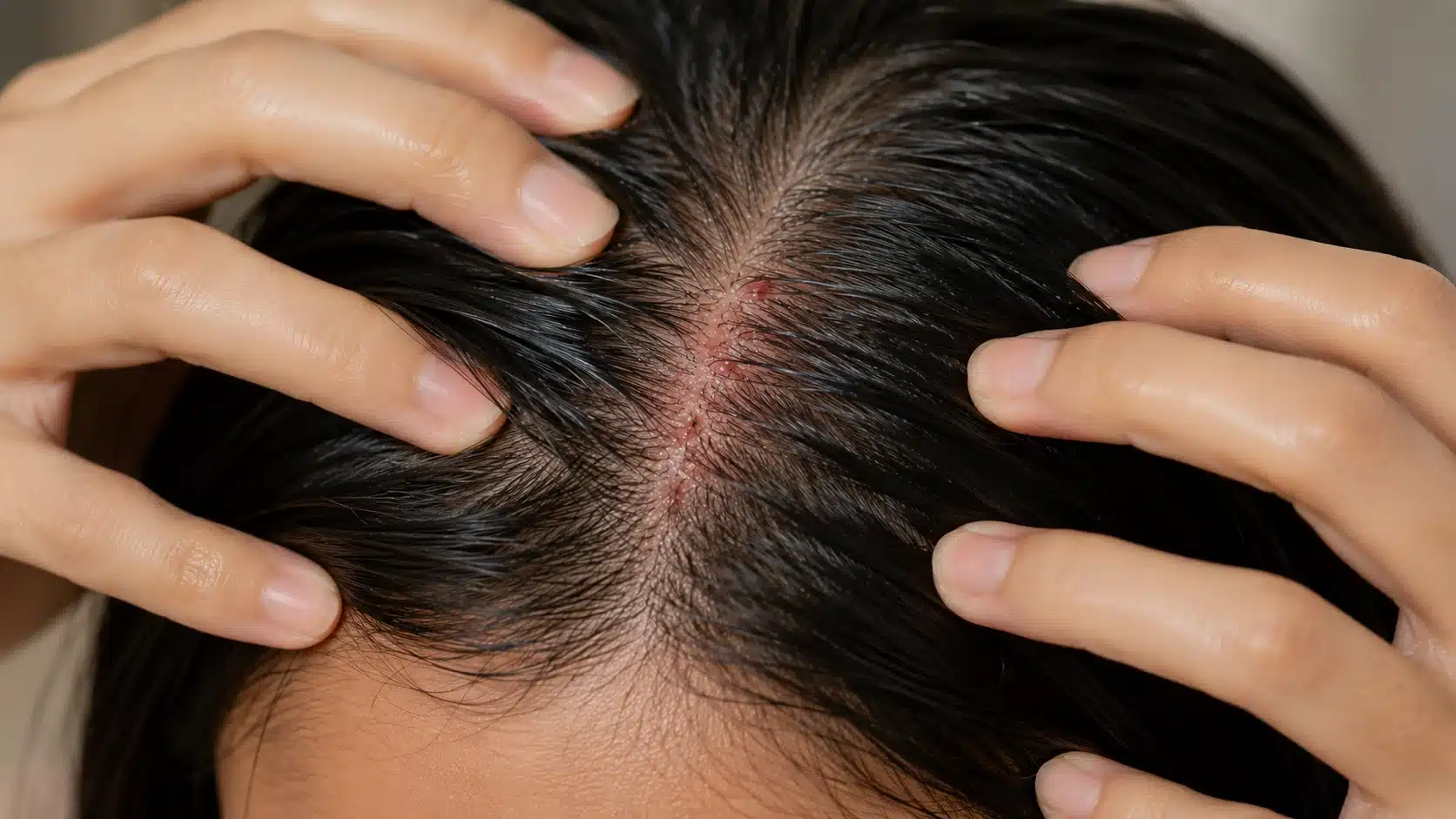
Sulfur compounds in onion juice act as a mild topical irritant, creating a subtle reaction on the scalp. This irritation may trigger a localized response that redirects autoimmune attacks away from hair follicles in conditions like alopecia areata.
While not guaranteed, this mechanism can allow dormant follicles to resume limited growth. Consistent, gentle application ensures the reaction is controlled and supports scalp health without causing excessive inflammation.
5. Reduce Oxidative Stress Around Follicles

Onions contain quercetin and other antioxidant compounds that can neutralize free radicals near hair follicles. Oxidative stress from pollution, UV exposure, and everyday environmental toxins can weaken follicles, contributing to breakage or shedding.
Regular use of onion juice may protect follicles by reducing this oxidative damage, maintaining a healthier environment for hair growth. It acts as a supportive measure rather than a standalone regrowth treatment.
6. Minimize Scalp Microbial Imbalance
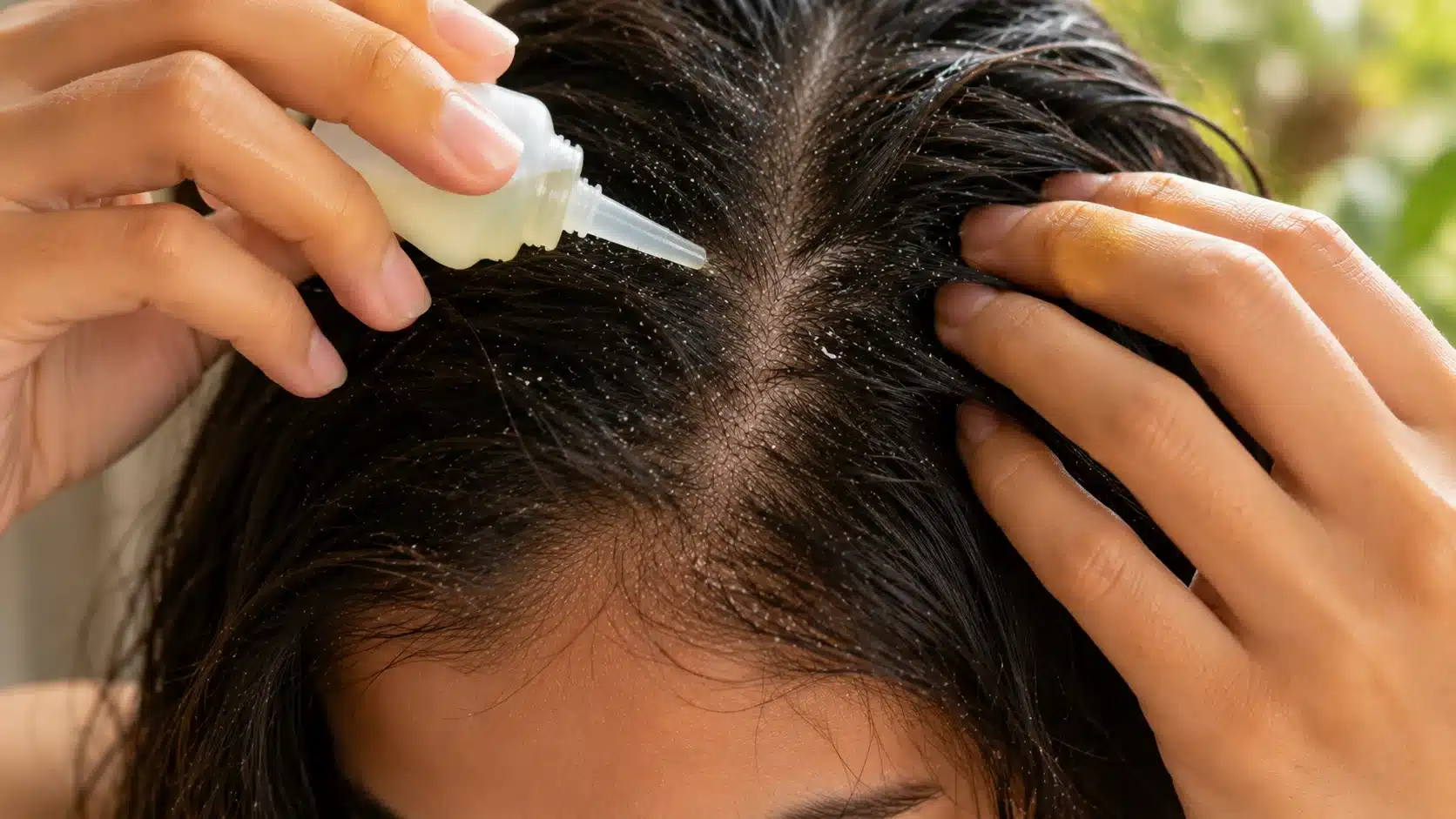
The natural antimicrobial properties of onion juice may help reduce certain bacteria and fungi on the scalp that contribute to dandruff, itchiness, or minor irritation. By maintaining a balanced microbial environment, the scalp stays healthier, and follicles are less stressed. This indirect support can improve hair retention and reduce breakage. While not a replacement for medicated treatments, it serves as a natural, preventive step in a hair care routine.
These benefits show that onion juice works quietly in the background, supporting scalp health, strengthening strands, and creating a healthier environment for your hair to thrive. Consistency and care are key, results won’t be instant, but over time, your hair and scalp can feel noticeably more resilient and balanced.
How to Use Onion Juice for Hair Growth Safely
If you try onion juice, treat it as a scalp treatment, not a leave-in product. Raw onion juice is strong, so the goal is short contact time, gentle application, and thorough rinsing. Your scalp should feel normal after use, not burned or irritated.
Step 1: Patch test first: Apply a small amount of diluted onion juice behind your ear or to a small section of your scalp. Wait 24 hours. Do not continue if you notice burning, rash, swelling, or strong itching.
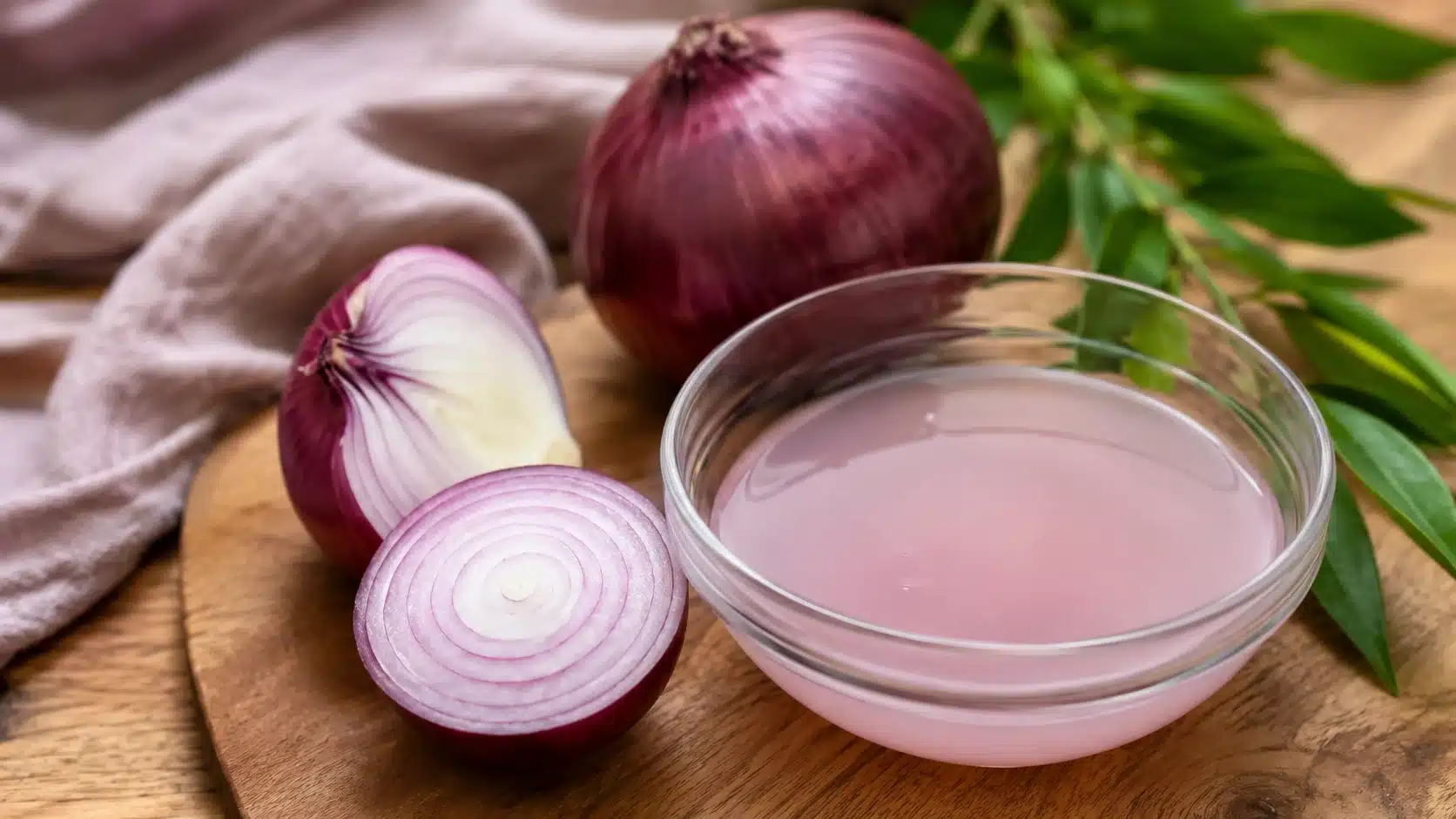
Step 2: Prepare fresh juice: Use one small onion, blend or grate it, then strain the liquid through a clean cloth or fine strainer. Fresh juice is easier to control and less likely to smell stale.
Step 3: Dilute if needed: Mix onion juice with water or aloe vera gel if your scalp tends to get dry or red easily. Start mild before trying a stronger ratio.
Step 4: Apply to the scalp only: Use cotton, a dropper, or clean fingers. Focus on thinning areas rather than the full hair length.
Step 5: Massage gently: Use light circular pressure for two to three minutes. Do not scratch or rub aggressively, especially on loose hairs.
Step 6: Rinse thoroughly: Wash with a mild shampoo. Repeat only if the odor stays strong. A simple scalp care routine that reduces product buildup can support this method without adding too many extra steps.
Note: Start by applying onion juice once or twice a week. Only increase frequency if your scalp tolerates it as more applications will not speed up results. Track progress by taking photos every two to four weeks and monitor scalp changes such as itching, flaking, or shedding separately from actual hair growth.
Tips to Reduce Onion Odor After Applying It
The smell is the reason most people stop using onion juice sooner than they expect. The good news is that odor can be managed. It comes down to three things: shorter contact time, thorough rinsing, and not overloading the scalp with heavy ingredients that trap the scent.
- Use less juice: A scalp soaked in juice takes much longer to rinse than one with a light, targeted application.
- Keep contact time short: Starting with 10 to 15 minutes makes rinsing far easier than trying to wash out juice left on for an hour.
- Shampoo at the scalp, not just the length: The smell stays close to the roots where the juice was applied. Work the shampoo into the scalp itself.
- Rinse with rose water after shampooing: A light rose water rinse can reduce the sharp onion scent. Home-remedy rinse routines that include gentle, plant-based rinses can also pair well with this approach.
- Avoid heat styling right after: Applying heat while any onion juice residue remains can make the smell stronger and harder to remove on the next wash.
Smell management is not just about comfort. It is about making the routine sustainable. A routine you can stick to consistently will always give better results than an intense one that lasts three days.
How to Make Onion Juice at Home
Making onion juice at home is simple, but the small details help get it right. Clean tools, a fresh onion, and proper straining make the juice easier to apply and safer to use on the scalp.
| Steps | Action |
| Select and Prepare Onion | Choose a small red or white onion, wash, and peel it. |
| Chop into Small Pieces | Cut into small pieces for faster blending and better juice extraction. |
| Blend or Grate | Blend or grate the pieces; add a small amount of water only if needed. |
| Strain the Pulp | Strain through a clean cloth or fine strainer, pressing gently to extract juice. |
| Use Fresh Juice Immediately | Apply the juice right away for best control and clean application. |
| Discard Leftover Juice | Do not store leftover juice; it increases odor and reduces safety. |
Fresh juice is always best for scalp application. Preparing only a small batch when needed reduces odor, ensures safe use, and helps you maintain a consistent routine, making it easier to keep up with your hair care plan and see meaningful results.
Mistakes to Avoid and Precautions to Take
Onion juice is simple but also strong. Most bad experiences come from using too much, leaving it on too long, skipping the patch test, or applying it to an already irritated scalp. A safe routine should feel uneventful, not painful.
- Skipping the patch test: This one step prevents the most common bad reactions. Test first, especially if your scalp reacts easily to new products.
- Leaving it on overnight: Prolonged contact significantly increases the risk of irritation. Short use is safer and much easier to rinse clean.
- Applying to cuts, sores, or broken skin: Raw onion juice stings badly on damaged skin and may worsen the condition. Wait until the scalp heals fully.
- Using it daily too quickly: Starting with daily use can dry or irritate the scalp before it adjusts. Begin with one to two times weekly and build slowly.
- Scrubbing the scalp during application: Rough rubbing loosens fragile hairs and can increase shedding. Use only gentle circular pressure.
- Mixing too many ingredients at once: If irritation starts, you need to know what caused it. Keep mixes simple and test one change at a time.
- Pushing through increased shedding: If shedding worsens sharply after starting onion juice, stop and reassess before continuing. Burning or irritation is a warning sign, not proof that the treatment is working.
Common hair care mistakes, including rough handling and product overload, can quietly worsen breakage and make it harder to judge whether onion juice is helping or hurting.
What You Can Mix With Onion Juice
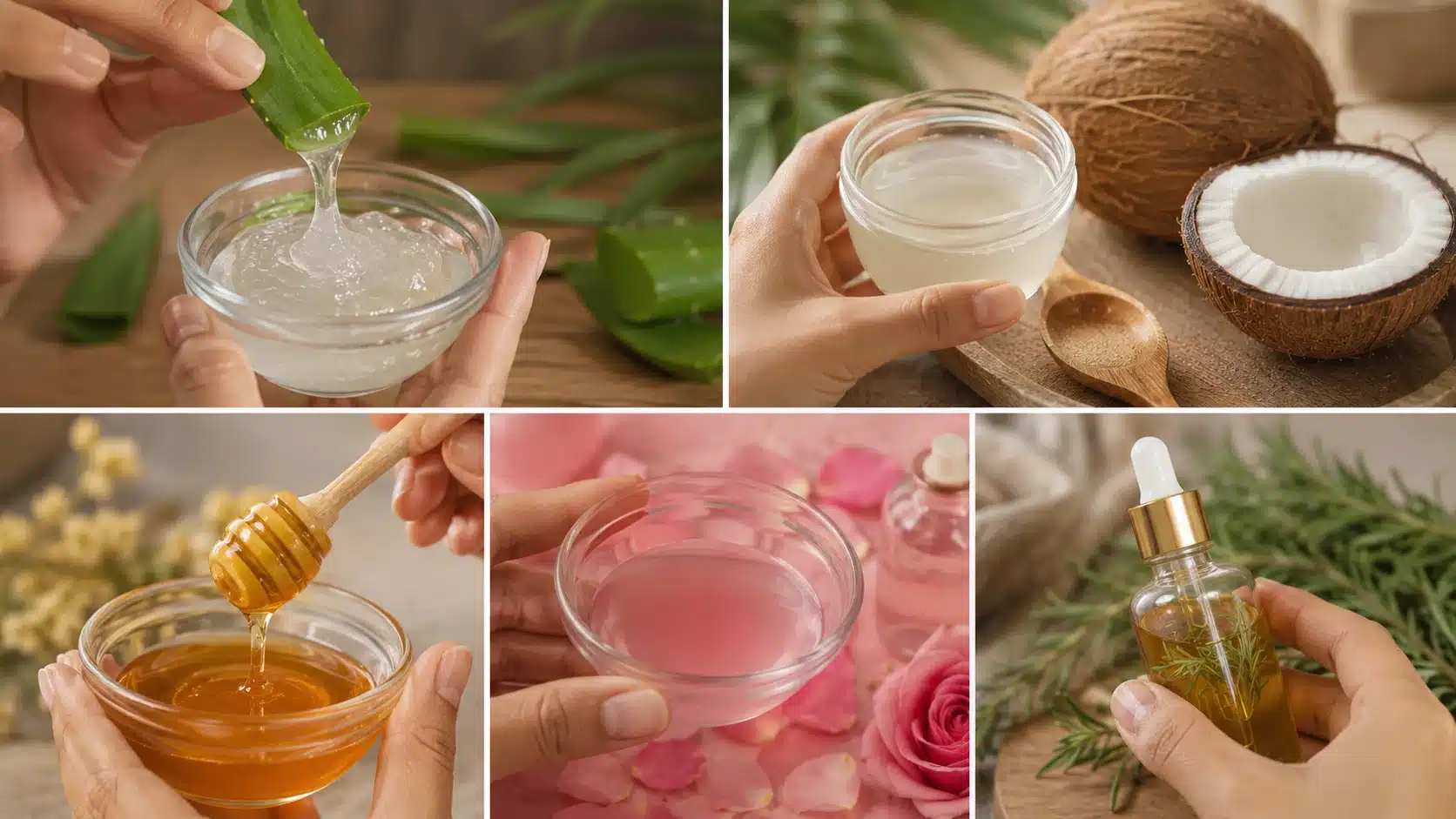
Mixing onion juice with the right ingredients can make it gentler on the scalp. The purpose is not to boost effectiveness but to reduce harshness, protect the scalp barrier, and make application and rinsing easier. Keep combinations simple and test gradually.
| Ingredient | Purpose | Tips / Notes |
| Aloe Vera Gel | Reduces dryness and tightness | Makes juice easier to spread and gentler on sensitive scalps |
| Coconut Oil | Moisturizes hair lengths | Use lightly, avoid trapping odor or buildup; better for dry hair than oily scalp |
| Honey | Softens texture | Use a very small amount and rinse thoroughly to avoid stickiness |
| Rose Water | Lightens smell and feel | Improves comfort, does not enhance hair growth directly |
| Rosemary Oil | Mild scalp stimulation | Dilute well; patch test first to avoid irritation, especially on sensitive scalps |
Do not mix too many ingredients at once. Test one combination at a time, and allow a few sessions before adjusting. This approach helps you identify what your scalp tolerates best while keeping the application simple, safe, and effective for regular use.
Onion Juice Results and When to See a Dermatologist
Onion juice does not have a fixed timeline for results, and what you notice depends on the cause of your hair loss, scalp condition, and consistency of use.
After the first one to two uses, you may feel tingling, mild dryness, or a slight change in scalp texture. Within two to four weeks, issues like flaking, itching, or mild inflammation may start improving, and four to eight weeks can show early visible changes in some cases, especially where scalp health was the main factor.
A realistic timeframe to assess hair density and shedding patterns is usually three months or more, and progress should be tracked separately from scalp condition.
It is important to know when to stop and seek help. See a dermatologist if hair loss is sudden, patchy, painful, or worsening, or if it affects your confidence or daily life. Onion juice is supportive, not a substitute for a proper diagnosis.
Frequently Asked Questions
Is red onion juice better than white onion juice for hair growth?
Red onions contain slightly higher levels of quercetin, an antioxidant, compared to white onions. Some people prefer red onion juice for this reason. However, no clinical study has directly compared the two for hair growth. Either variety may work similarly for scalp support.
Can onion juice cause more hair fall in the beginning?
Some people notice increased shedding in the first week or two. This can happen when a new scalp treatment loosens hairs already in the telogen or resting phase. If shedding slows down after that initial period and the scalp feels calmer, it may settle. If shedding increases sharply and stays high, stop and see a doctor.
Does the type of hair, curly, straight, or chemically treated, affect how onion juice should be used?
Yes. Chemically treated, bleached, or highly porous hair is more prone to dryness and irritation. If your hair is color-treated or relaxed, dilute onion juice more than usual and keep contact time shorter. Curly hair types may also want to avoid applying onion juice along the length since it can dry out already fragile strands.
Can men and women use onion juice the same way?
The application method is the same. However, the 2002 study noted that men showed a higher regrowth rate than women in the alopecia areata group. The reason is not fully clear. Women experiencing thinning related to hormonal changes or postpartum loss should get a diagnosis first since onion juice is unlikely to address hormonal hair loss on its own.
Final Thoughts
Hair care gets personal fast, especially when something as visible as thinning starts affecting how you feel day to day. If that is where you are, it makes sense to look for options that feel accessible and gentle before jumping to stronger interventions.
The honest version of onion juice for hair growth is this: it may support a healthier scalp, reduce some breakage, and help you build a more attentive hair care routine. Those are real benefits. They are just not the same as reversing pattern baldness or guaranteed regrowth for every type of hair loss. Patch test first, keep it simple, track what changes, and stop if your scalp reacts badly.
If you have tried this before, what did your scalp actually feel like after a few weeks? Drop your experience in the comments. Not the result you hoped for, but what actually happened. That kind of honest detail is exactly what helps someone else make a smarter, safer choice.