












Tired, wired, and running on empty; there’s an ancient herb that was made for exactly that. Like most people, I scrolled right past ashwagandha without a second thought.
It sounded like just another wellness buzzword. But the more I dug into it, the harder it was to ignore.
Science is finally catching up with what Ayurveda knew all along. It works quietly inside the body, touching everything from stress levels to sleep. It’s not magic; it’s just a plant that really does its job well.
If you’re interested in adding it to your routine, let me break it all down in the simplest way possible.
What is Ashwagandha?
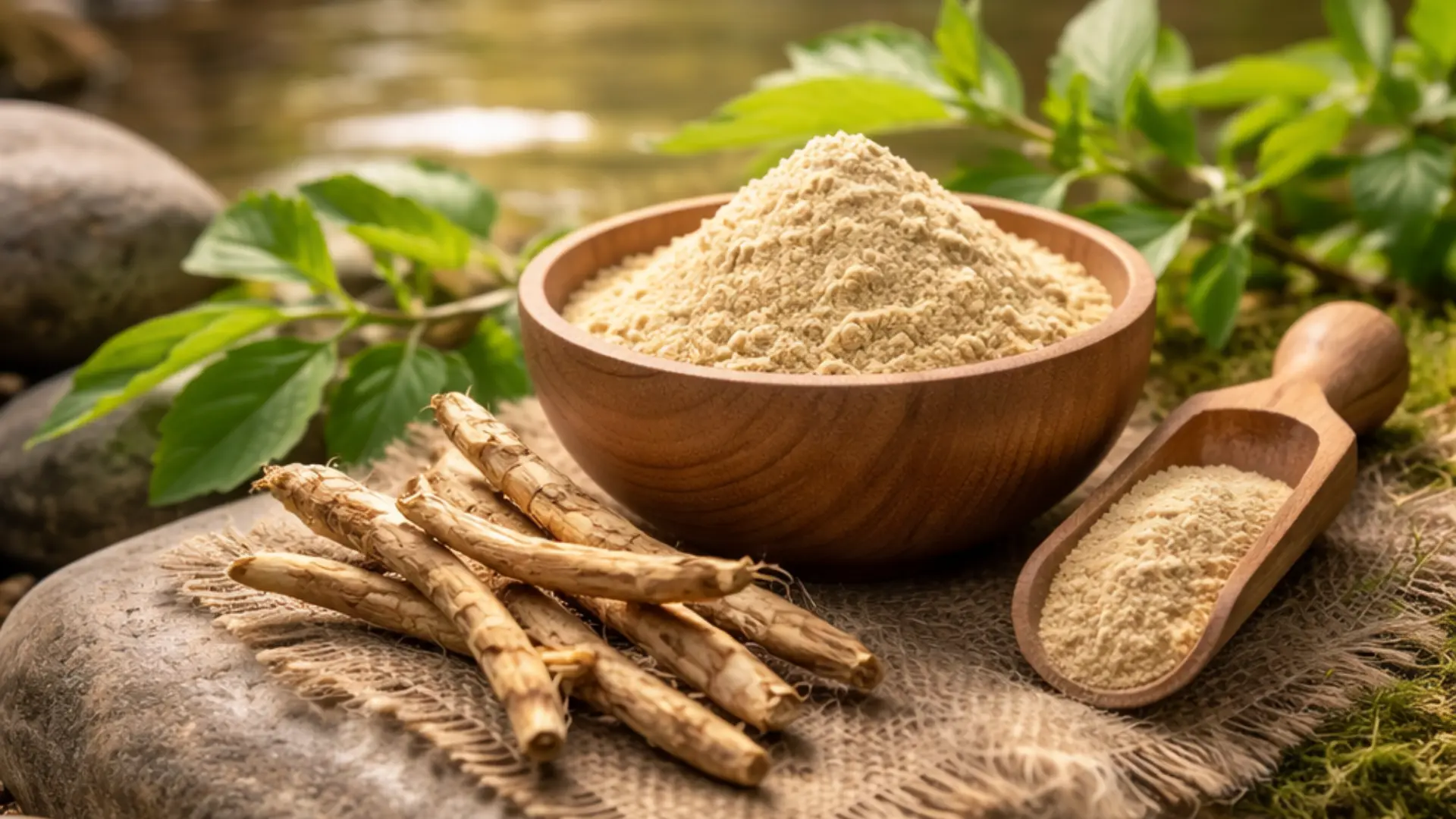
Ashwagandha (Withania somnifera) belongs to the Solanaceae family. It’s a small shrub native to India. For thousands of years, Ayurvedic healers used it to boost energy and calm the mind.
It also helped with sleep, joint pain, and overall strength. The plant’s roots and leaves hold the real power. Its key compounds are called withanolides. These are natural steroids that fight inflammation and stress.
Ashwagandha is also an adaptogen. That means it helps your body handle stress better. Think of it like a reset button for your nervous system. It brings your body back to balance if you’re tired or overwhelmed.
Health Benefits of Ashwagandha

I have seen people overlook ashwagandha, thinking it is just for stress. The reality is it goes well beyond that, supporting everything from hormonal balance to cognitive function, and research is increasingly pointing to the benefits of ashwagandha for skin as well. Here is a look at how it helps your body, mind, and overall health:
1. Physical Health Benefits
Ashwagandha has been used for centuries to keep the body strong and balanced. Modern research is now backing up what traditional healers always knew. Here’s how it supports your physical health:
- Cortisol control: It lowers cortisol, your body’s main stress hormone, helping you feel calmer.
- Immune boost: It strengthens immune cells, making your body better at fighting illness.
- More energy: It reduces fatigue and gives you steadier energy throughout the day.
These benefits make it a solid daily supplement for physical wellness. Small, consistent doses can go a long way over time.
2. Mental Health Benefits
Your brain needs support, too, and ashwagandha delivers. It works quietly in the background, keeping your mind sharp and clear. Here’s what it does for your mental health:
- Brain protection: It protects brain cells from damage, supporting better thinking and focus.
- Better memory: It improves memory recall, making it easier to retain new information.
- Less brain fog: It reduces brain fog, helping you stay focused for longer periods.
Many people notice a difference in clarity within just a few weeks. It’s one of the few natural herbs with real cognitive support behind it.
3. Other Benefits
Ashwagandha’s benefits go well beyond stress and brain health. It works deep inside the body to keep key systems running smoothly. Here are some other important benefits:
- Fights inflammation: It reduces inflammation in the body, easing pain and protecting organs.
- Thyroid support: It supports thyroid hormone production, especially in cases of low thyroid function.
- Hormonal balance: It helps balance estrogen and testosterone levels, which is especially helpful for women.
These extra benefits make ashwagandha a well-rounded herb for whole-body health. It’s rarely just one thing; it supports many systems at once.
How Does Ashwagandha Work in the Body?
Ashwagandha works by targeting your body’s stress response system directly. It connects with receptors in the brain that control cortisol production.
This slows down the stress signal before it gets out of hand. It also mimics GABA, a calming brain chemical, by binding to its receptors. This is why you feel more relaxed after taking it.
The National Institutes of Health notes that ashwagandha extracts may help reduce stress, anxiety, and cortisol levels, with clinical trials supporting its role in moderating the body’s stress response system.
Serotonin pathways get a boost, too, which affects your mood and sleep. Withanolides, its active compounds, are the ones doing most of this work. They interact with your endocrine system to keep hormones in check. It is basically a behind-the-scenes regulator for your whole stress system.
Different Forms of Ashwagandha Supplements
Ashwagandha comes in more forms than most people realize. Picking the right one can make a big difference in how well it works for you. Here’s a quick breakdown of the three most common forms:
|
Form |
Pros |
Cons |
Best For |
|
Powder |
Natural, easy to mix in food or drinks, and cost-effective |
Earthy taste can be strong, messy to measure |
People who like adding it to smoothies or warm milk |
|
Capsules |
Tasteless, easy to dose, convenient for daily use |
Slightly more expensive, slower absorption |
Busy people who want a no-fuss daily routine |
|
Tinctures |
Fast absorption, easy to adjust dosage |
Alcohol base may not suit everyone, with a strong taste |
People who want quick effects and flexible dosing |
Always check the withanolide content on the label before buying. A good supplement should have at least 5% withanolides for real potency. Cheap products often skip this, so quality really does matter here.
How to Take Ashwagandha

Taking ashwagandha the right way makes a real difference. The dose, timing, and combinations all play a role in how well it works. Here’s what you need to know:
- Start small: Begin with 300–500 mg daily and see how your body responds first.
- For stress and sleep: Take it at night since it has a calming effect on most people.
- For energy and focus: Take it with breakfast in the morning to power through your day.
- Pair it smartly: It works great with Shilajit for stamina and Turmeric for inflammation relief.
- Stay consistent: Take it daily for best results — skipping days slows down the process.
Most people are curious about ashwagandha’s time to work. It depends on your body and how consistent you are. Some feel a shift in two weeks, others need a full month.
Possible Side Effects and Precautions
Ashwagandha is safe for most people, but it’s still important to know the risks. Not everyone reacts the same way, so it’s worth being careful. Here’s what to watch out for:
- Gut issues: Some people experience nausea, loose stools, or an upset stomach, especially at higher doses.
- Drowsiness: It has a calming effect, so taking it in the morning may leave you feeling sluggish.
- Liver stress: In rare cases, high doses over a long period can put strain on the liver.
- Thyroid spikes: It can raise thyroid hormone levels, which is risky for people with thyroid conditions.
Pregnant women, breastfeeding mothers, and people with autoimmune conditions should avoid it completely. Always check with your doctor before starting, especially if you’re on any medication.
Ashwagandha for Specific Purposes
Ashwagandha isn’t a one-trick herb — it serves different people in different ways. Here’s a simple breakdown of how it helps with some of the most common health goals:
|
Purpose |
How It Helps |
Best Way To Use It |
|
Stress & Anxiety |
Lowers cortisol levels and calms an overactive stress response |
Take 300–500 mg daily, preferably in the evening |
|
Sleep |
Boosts GABA activity in the brain, helping you wind down naturally |
Take it 30–60 minutes before bed for best results |
|
Weight Loss |
Reduces stress-driven eating and supports a healthier metabolism |
Pair with a balanced diet and regular exercise routine |
|
Skin Health |
Fights oxidative stress and inflammation that speed up skin aging |
Use root powder in face masks or take it as a daily supplement |
|
Athletic Performance |
Improves VO2 max, muscular endurance, and post-exercise recovery |
600 mg/day, taken with a meal; especially useful on training days |
|
Hormonal Support (Women) |
May ease perimenopause symptoms, including mood swings, fatigue, and disrupted sleep, by supporting adrenal and endocrine function |
300–600 mg/day; combine with lifestyle support for best results |
Each purpose has its own sweet spot for dosage and timing. For weight loss, especially, timing your ashwagandha dose matters and can affect your results.
Combining Ashwagandha with Other Supplements
Ashwagandha plays well with other supplements when paired the right way. Some combinations can actually make it work even better.
Shilajit and ashwagandha are among the best pairings; together, they boost energy and stamina. Turmeric is another great match, as both help fight inflammation in the body. If sleep is your goal, try pairing it with magnesium at night.
For brain health, ashwagandha and lion’s mane make a solid team. Always start with one combination at a time. That way, you’ll know what’s working and what’s not. Don’t overstack supplements; keep it simple, and your body will thank you.
Final Words
Ashwagandha isn’t just another wellness trend; it’s a herb that actually delivers. I’ve walked you through what it is, how it works, and what it can do for you.
The benefits are real, and so are the precautions. It’s not a miracle, but it’s pretty close for a natural supplement. Start slow, stay consistent, and listen to your body along the way.
If it’s stress, sleep, or just feeling better day to day, ashwagandha is worth trying. Your health is worth showing up for every single day. Tried ashwagandha before? Drop your experience in the comments below!
Frequently Asked Questions (FAQs)
Can ashwagandha be taken long-term without a break?
Most experts recommend cycling it; taking it for three months, then pausing for a few weeks to reset your body’s response.
Does ashwagandha interact with caffeine?
It can counteract caffeine’s stimulating effects. If you drink coffee regularly, spacing out both by a few hours is generally advisable.
Can ashwagandha affect fertility?
Studies suggest it may positively support male fertility by improving sperm quality and count, though more research on female fertility is still ongoing.
Does ashwagandha expire or lose potency over time?
Yes, potency decreases after the expiration date. Always store it in a cool, dry place and avoid buying large quantities you cannot finish quickly.