













Managing blood sugar naturally is one of those topics where the advice is everywhere and the clarity is nowhere. Cinnamon keeps coming up in diabetes forums, nutrition blogs, and GP waiting rooms alike, and the claims range from genuinely promising to wildly overstated.
I have seen people dealing with prediabetes, type two diabetes, or simply wanting to keep glucose levels in check ask the same question repeatedly: how long does cinnamon take to lower A1C? It deserves a straight answer rather than another vague “it depends.”
What I cover here is exactly that: the biology, the clinical evidence, the realistic timeline, the dose that actually matters, and the honest limits of what cinnamon can and cannot do for your blood sugar.
What A1C Actually Measures and Why It Matters
Most blood sugar conversations focus on daily glucose readings, but A1C tells a more complete story than any single measurement can. A1C, or glycated hemoglobin, reflects your average blood sugar level across the previous 2–3 months rather than a snapshot of one moment.
That longer window is exactly what makes it the gold standard for diabetes management. The three ranges worth knowing: normal sits below 5.7%, prediabetes falls between 5.7–6.4%, and type 2 diabetes is diagnosed at 6.5% and above.
A reduction of even 0.5–1% in A1C is considered clinically meaningful, enough to significantly reduce the risk of nerve damage, kidney disease, and cardiovascular complications. For those managing blood sugar through diet, the appeal of cinnamon is obvious. It targets metabolic markers directly, and with calories in cinnamon sitting at virtually zero, it adds nothing unwanted to the equation.
How Cinnamon Actually Affects Blood Sugar
Cinnamon affects blood sugar through three distinct mechanisms; understanding each one explains why the timeline works the way it does.
- Improves insulin sensitivity: cinnamaldehyde activates insulin receptors and enhances glucose uptake directly into cells
- Slows gastric emptying: carbohydrates absorb more slowly, blunting post-meal blood sugar spikes before they peak
- Inhibits digestive enzymes: reduces carbohydrate breakdown in the intestine, moderating blood sugar response after eating
These mechanisms are well-documented in cell and animal studies: the clinical trials answer how meaningful they are in real humans at practical doses.
What the Clinical Trials Found
Research on cinnamon and blood sugar has produced mixed but generally encouraging results, and the pattern across studies points to a consistent dose and duration threshold.
Here is how the risk breaks down, according to a cinnamon blood sugar review of 24 randomized controlled trials:
| Study Factor | What the Research Shows | Practical Takeaway |
|---|---|---|
| Studies reviewed | 24 randomized controlled trials | Broad evidence base |
| Fasting blood glucose | Statistically significant reduction | Measurable improvement |
| A1C reduction | Statistically significant | Clinically relevant for most |
| Most effective dose | 1–6g per day | 1–2 teaspoons daily |
| Most effective duration | 8–16 weeks | Minimum 8 weeks to see results |
| Who benefits most | Higher baseline dysfunction | Prediabetes and early T2DM |
| Who benefits least | Well-controlled diabetes | Modest effect only |
A statistically significant A1C reduction is meaningful, but the effect is most pronounced in people at the lower end of the diabetes spectrum
How Long Does It Take for Cinnamon to Lower A1C?

Cinnamon can influence A1C, but the timeline depends on several moving parts. For anyone already on medication, understanding how cinnamon and statins interact adds another layer worth knowing before starting. Understanding what drives the results makes the process considerably more predictable.
General Timeline for Results
Research suggests cinnamon takes time to meaningfully move A1C numbers. Most clinical studies show early metabolic changes beginning around four to six weeks of consistent daily use.
However, A1C reflects average blood sugar over two to three months, meaning a genuine reduction in that number typically requires at least eight to twelve weeks of use before it shows up in a blood test.
Some studies report modest but measurable A1C reductions after three months of daily supplementation. Results vary based on starting A1C levels, overall diet, and if cinnamon is being used alongside other blood sugar management strategies.
Factors That Affect Timeline
Several variables determine how quickly cinnamon influences A1C. Here is what plays the biggest role:
- Baseline A1C level matters significantly, as those starting higher tend to see more noticeable shifts earlier than those already close to target.
- Diet and carbohydrate intake directly influence how much work cinnamon has to do alongside other blood sugar management strategies.
- Daily dosage and consistency are non-negotiable, as sporadic use produces little to no measurable effect on A1C over time.
- Exercise habits affect insulin sensitivity independently, and combined with cinnamon, the timeline for visible A1C improvement can shorten meaningfully.
No two people respond at exactly the same rate, and these four factors working together determine how quickly results become visible.
Dose and Form of Cinnamon
The form and dose chosen directly influences how quickly results appear and how safely they can be sustained. Here is how the most common options compare:
| Form | Typical Dose | Timeline Impact | Key Consideration |
|---|---|---|---|
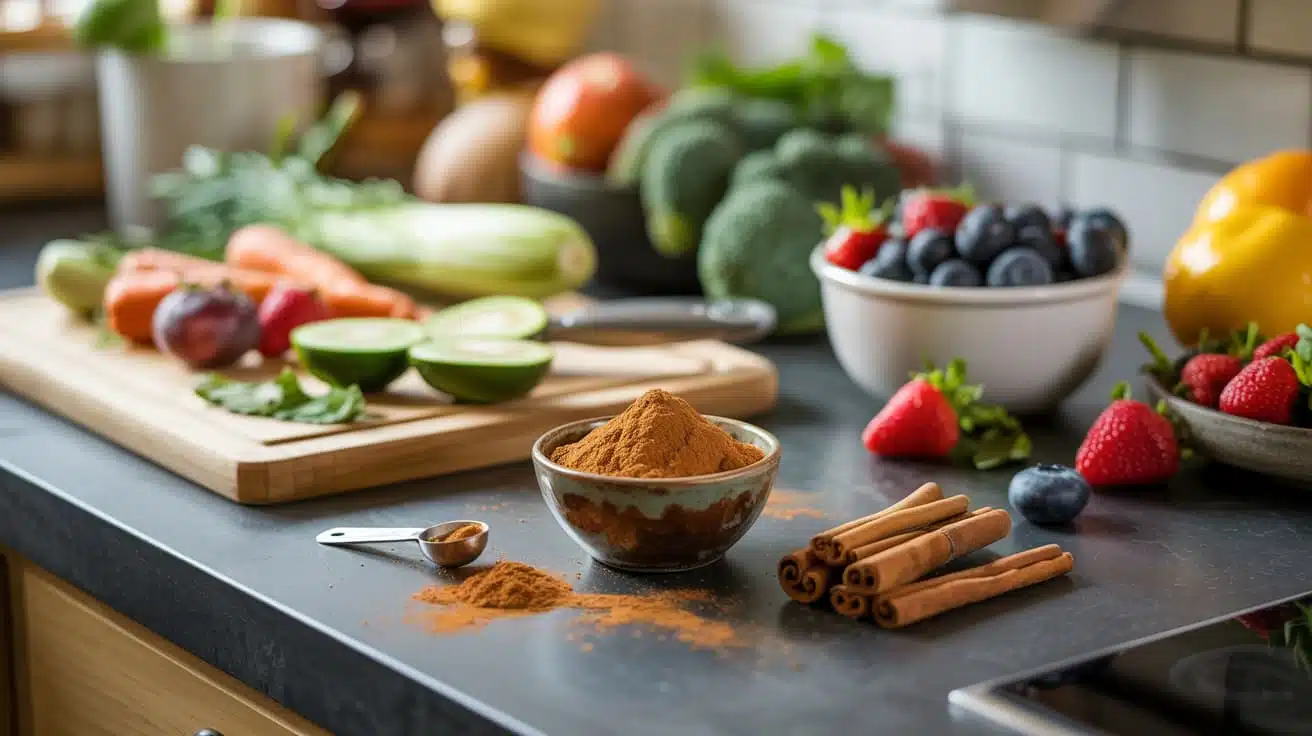
| Ceylon powder | 1 to 3g daily | Steady results over eight to twelve weeks | Safest for daily long-term use due to low coumarin |
| Cassia powder | 1 to 6g daily | Results may appear faster, but risk increases with dose | High coumarin content limits safe long-term use |
| Ceylon capsule | 500mg to 2g daily | Consistent absorption supports a steady timeline | Preferred form for therapeutic supplementation |
| Cassia capsule | 500mg to 3g daily | Faster metabolic response possible at higher doses | Coumarin accumulation is a real concern over time |
Ceylon in capsule form offers the most reliable balance of consistent dosing and long-term safety. Cassia may show faster early changes, but the coumarin load at therapeutic doses makes it a poor choice for sustained use.
What Cinnamon Cannot Do?
Understanding what cinnamon realistically delivers matters just as much as knowing what it can do, and the limits are worth being honest about. Cinnamon is not a medication replacement.
It cannot reverse diabetes independently, and treating it as a substitute for prescribed treatment, dietary changes, or physical activity is a mistake that carries real health consequences. The evidence shows modest but meaningful effects, and modest is the operative word.
Cinnamon works best as one layer of a broader blood sugar management strategy, not as the centerpiece of it. The additive logic is where its real value lies; a 0.5% A1C reduction from cinnamon, alongside dietary improvements and regular exercise, adds up to something genuinely meaningful over time.
Practical Tips for Using Cinnamon Every Day
Getting the most from cinnamon comes down to a few consistent habits, none of which require major changes to how you already eat.
- Be consistent: daily use over months produces measurable effects, occasional use does not accumulate
- Add to high-carbohydrate meals: this is where cinnamon has the most relevant effect on post-meal blood sugar
- Combine with fiber: Oatmeal with cinnamon is particularly well-studied for blood sugar management
- Track your own response: note post-meal glucose readings before and after adding cinnamon consistently
- Use your 3-month A1C: short-term readings give clues, but your next blood draw is the definitive answer
Cinnamon is a useful piece of the puzzle, but only when used consistently, at the right dose, and with the right type.
Final Thoughts
The answer to how long cinnamon takes to lower A1C is not complicated once you understand how A1C biology actually works. Eight to twelve weeks minimum, daily consistency, and the right type of cinnamon, that is the honest framework.
What I find most encouraging about this topic is that the barriers are genuinely low. Ceylon cinnamon is affordable, the doses are practical, and the habits fit into meals you are already eating.
You do not need a complicated supplement protocol to move your blood sugar markers; you need patience and consistency more than anything else.
Try one habit from this blog for the next few weeks and track what changes. If this helped you, share it with someone managing their blood sugar naturally.