



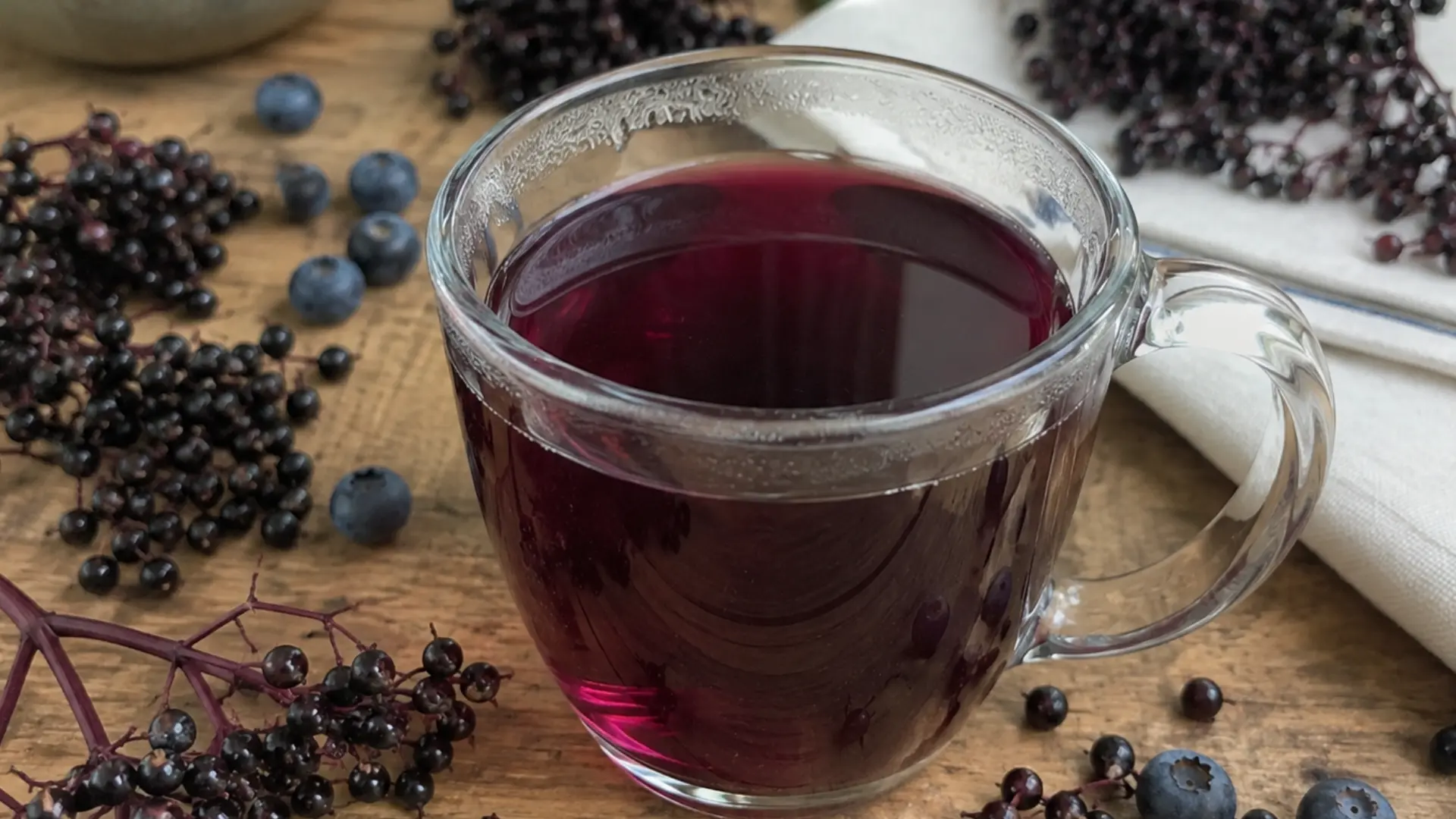





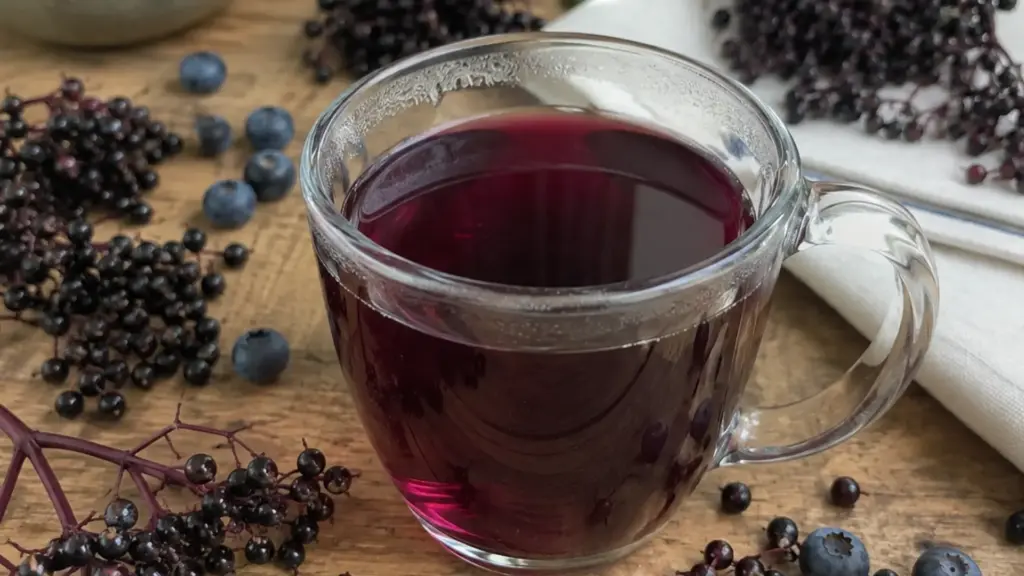
Imagine a small glass of deep-purple liquid, steam curling off the top, tasting like a cross between berries and warm spice.
That’s elderberry tea, and it’s been quietly working its magic in kitchens and apothecaries for centuries, long before “wellness routine” was even a phrase.
But what is elderberry tea good for, really? Is it just a pretty drink, or does it earn its spot in your cabinet?
This post breaks down the real elderberry tea benefits, from immune support to better sleep, plus how to brew a cup that actually tastes good.
Grab your mug. By the end, you’ll know exactly why this tiny berry has such a big reputation.
What exactly is the Elderberry Tea?
Elderberry tea comes from the Sambucus plant, most often the black elderberry, native to Europe but grown worldwide.
The tea is brewed by steeping dried elderberries or elderflowers in hot water, sometimes with a touch of honey or cinnamon.
Once a folk remedy tucked away in grandmothers’ kitchens, it’s now having a mainstream moment, thanks to growing interest in natural, immune-friendly drinks people can easily make at home.
Elderberry Tea Benefits You Should Know
From immunity to sleep, this little berry packs a punch. Here’s what elderberry tea brings to your cup.
1. Supports Immune Health
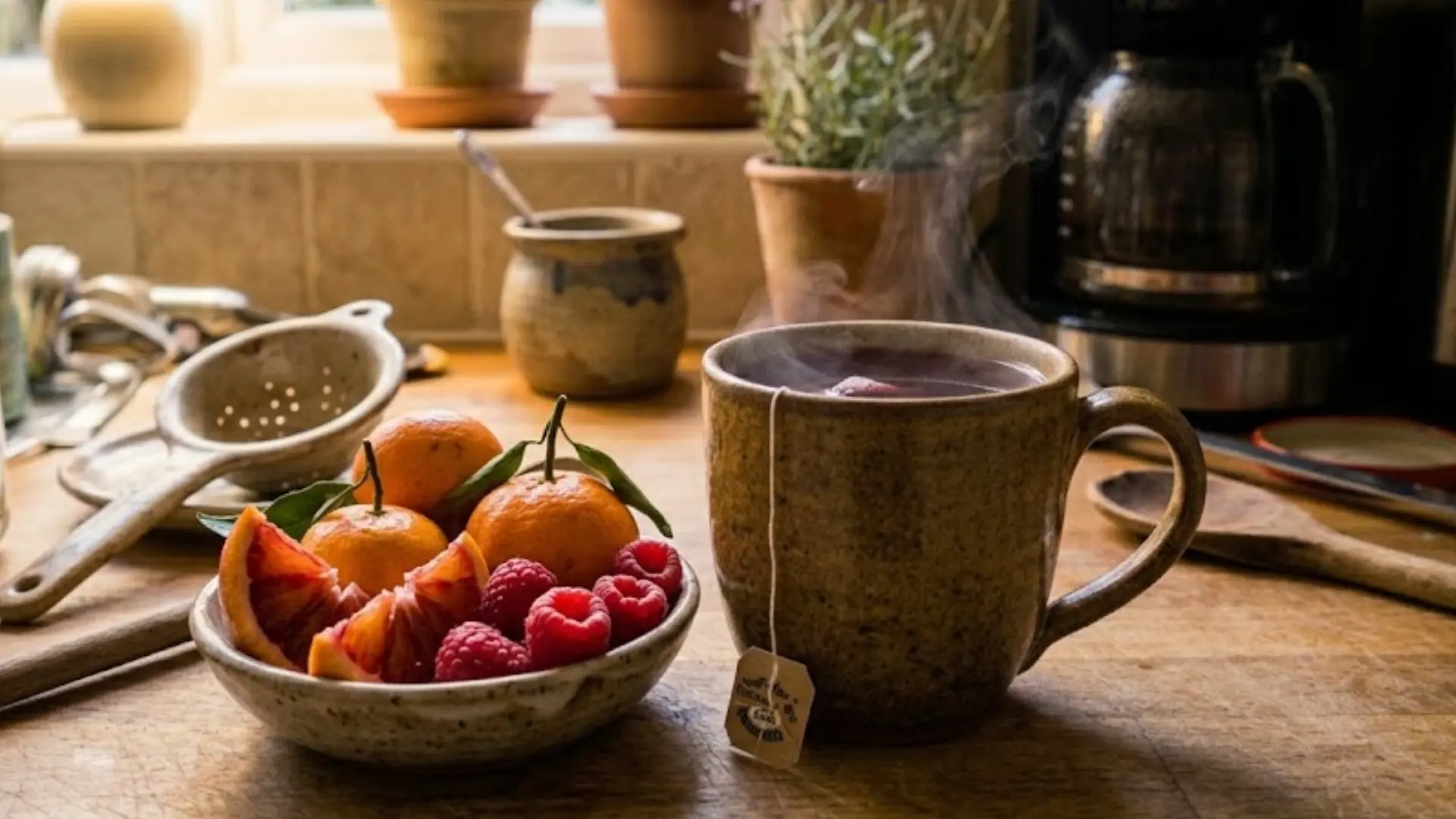
Elderberries are loaded with vitamin C and compounds known for their immune-boosting reputation. Many people reach for elderberry tea right as the seasons shift, using it as a gentle daily habit rather than a last-minute fix.
While it’s not a cure-all, regularly sipping this tea gives your body extra support during times when your immune system could use a helping hand, especially through busy, high-stress stretches or colder months when illnesses tend to spread more easily.
2. Packed With Antioxidants
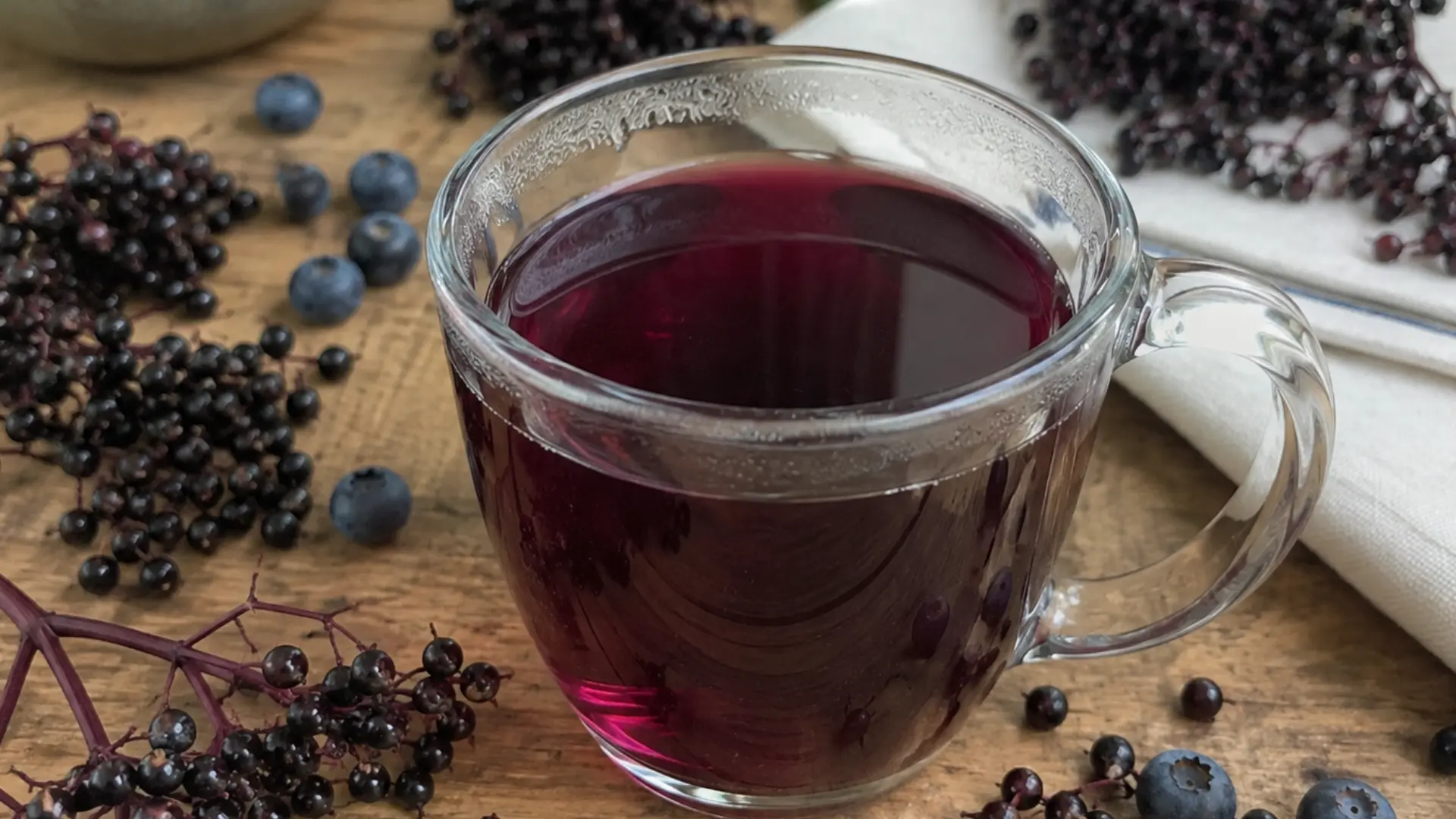
Elderberries rank among the most antioxidant-rich berries out there, thanks to high levels of anthocyanins, the pigments responsible for their deep purple color.
Antioxidants help your body fight off free radicals, unstable molecules linked to cell damage and aging.
Drinking elderberry tea regularly is a simple, low-effort way to add more of these protective compounds into your day, especially if you’re not already eating a wide variety of berries or colorful produce regularly.
3. May Ease Cold and Flu Symptoms
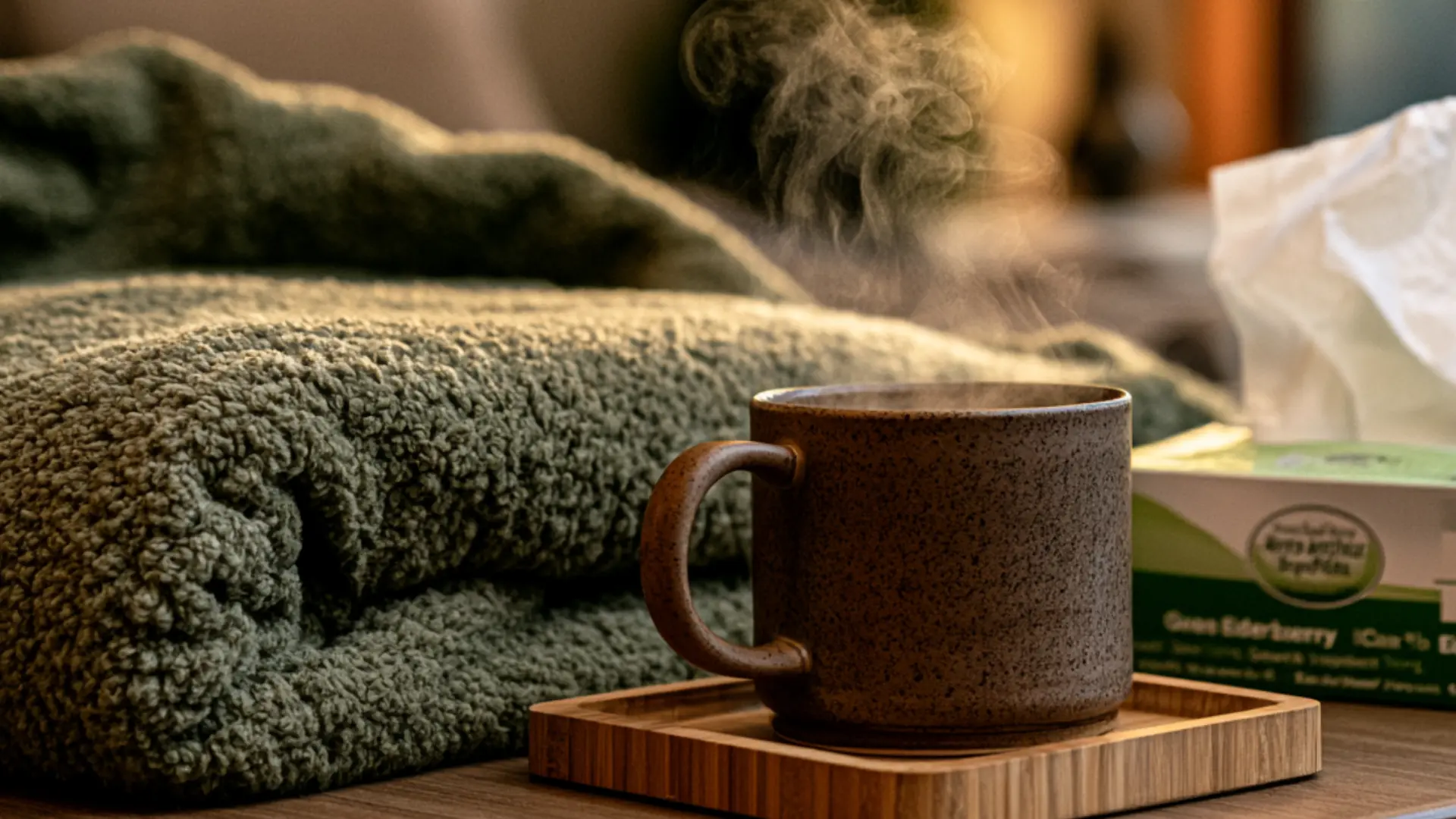
This is one of elderberry’s most well-known claims to fame. Some research suggests elderberry may help shorten the duration of cold and flu symptoms when taken early on.
A warm cup of elderberry tea at the first sign of a scratchy throat or stuffy nose has long been a go-to home remedy, offering comfort alongside its potential symptom-easing properties, making it a popular pick during cold and flu season for households everywhere.
4. Supports Heart Health
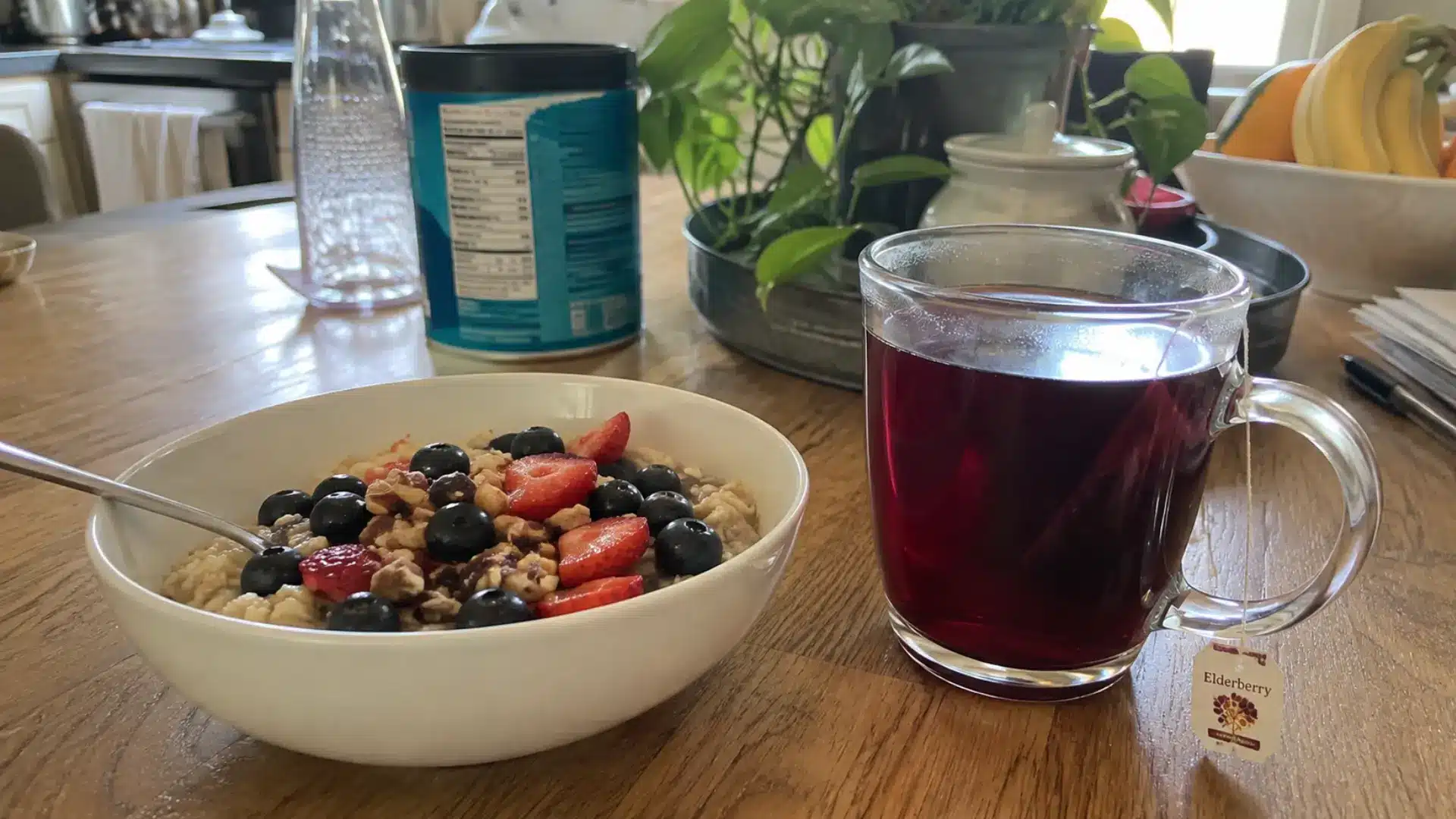
The flavonoids found in elderberries have been studied for their potential role in supporting healthy cholesterol levels and overall heart function.
While elderberry tea isn’t a substitute for a heart-healthy lifestyle, it can be a flavorful addition to one.
Pairing it with a balanced diet and regular movement may help give your cardiovascular system some extra everyday support, especially when it becomes part of a consistent, long-term wellness routine rather than an occasional treat.
5. May Support Healthy Skin
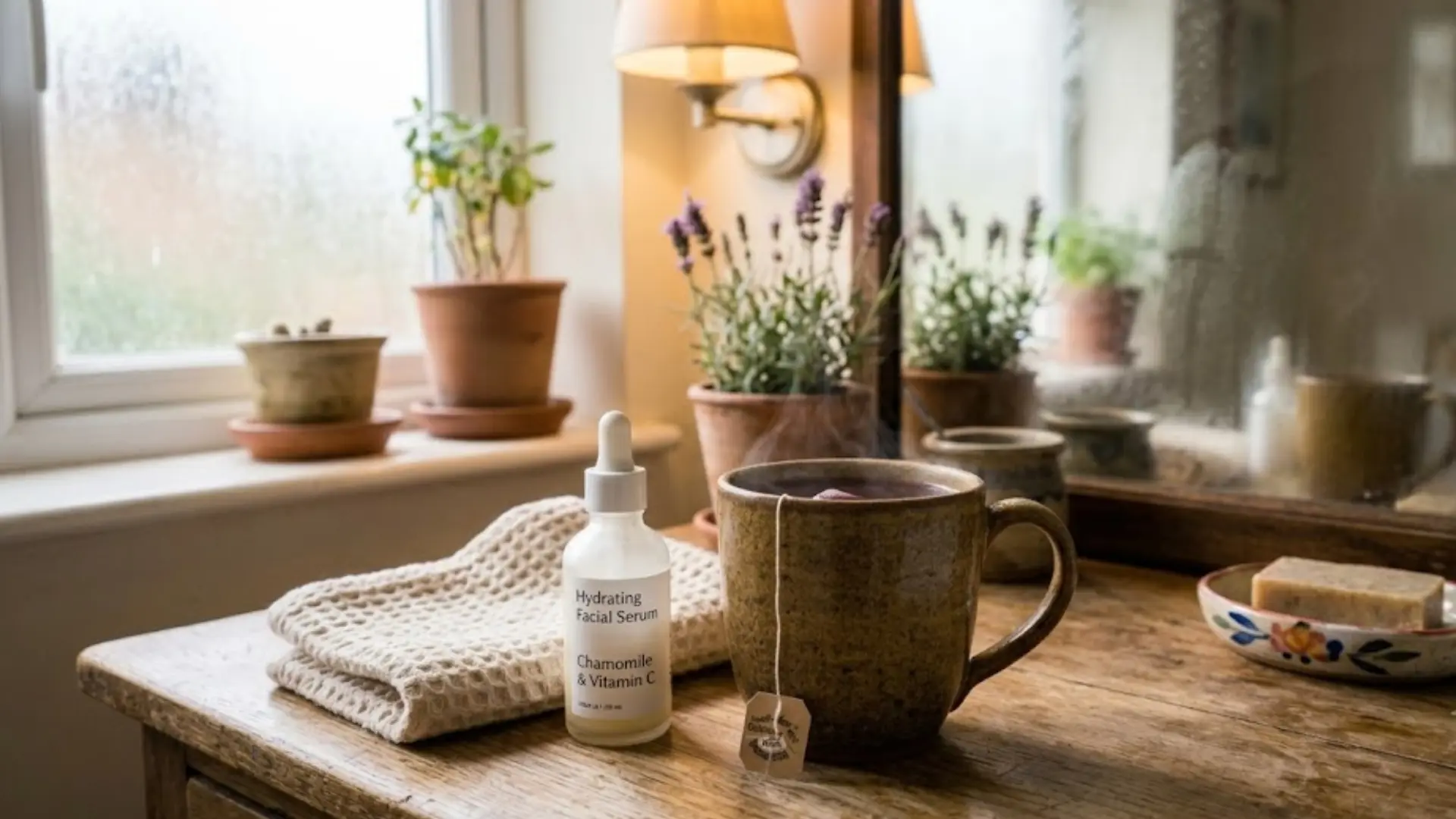
Thanks to its antioxidant and vitamin C content, elderberry tea may play a small role in supporting skin health from the inside out.
Vitamin C is linked to collagen production, which helps keep skin firm and resilient over time.
While a cup of tea won’t replace your skincare routine, it can complement it, especially when paired with good hydration habits and a diet rich in other skin-supporting nutrients throughout the week.
6. Can Help With Better Sleep
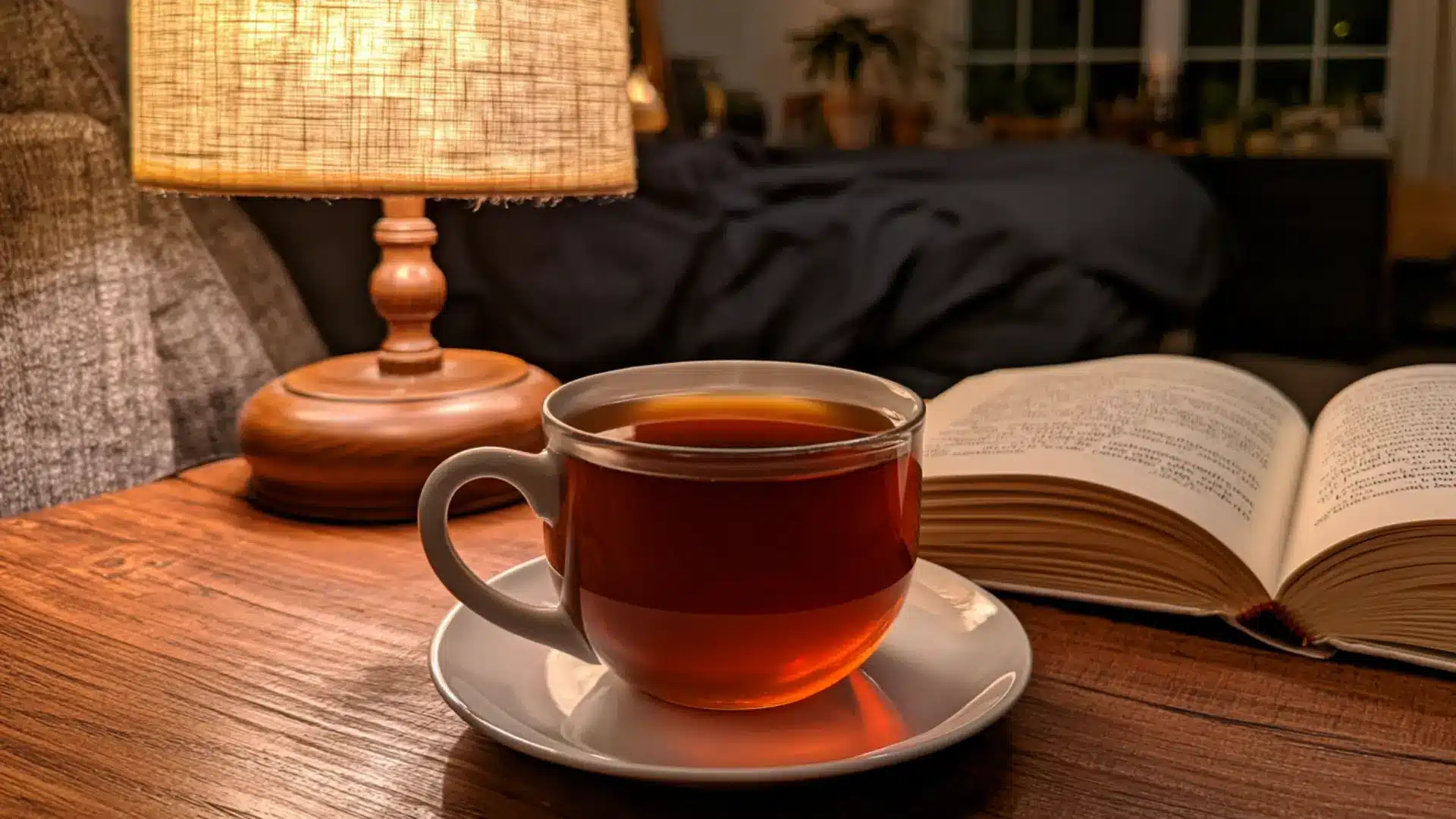
Many people enjoy elderberry tea in the evening as part of a calming wind-down ritual. Its warm, slightly sweet flavor makes it a soothing alternative to caffeinated drinks later in the day.
While it’s not a sedative, the simple act of sipping a warm cup can signal to your body that it’s time to relax, making it a cozy addition to any nighttime routine, especially when paired with dim lighting or a good book.
7. May Support Digestion
Elderberry tea has traditionally been used to help settle occasional stomach discomfort. Its gentle warmth alone can be soothing, and some believe its natural compounds may support healthy digestion when consumed regularly.
It’s often sipped after a heavy meal or during times of mild digestive upset, making it a comforting, low-key option for those looking for a simple, plant-based addition to their after-dinner routine.
What Is Elderberry Tea Good For?
At its core, elderberry tea is good for supporting your body during cold and flu season, adding a dose of antioxidants to your day, and winding down before bed.
It fits naturally into a broader wellness routine, whether that means sipping it each morning for a gentle immune boost or brewing a warm cup at night to relax.
Simple, versatile, and easy to love, it’s less a cure and more a comforting daily habit worth keeping around.
Types of Elderberry Tea
Elderberry tea isn’t a one-size-fits-all drink. Depending on what part of the plant is used and how it’s blended, you’ll find a few different variations worth knowing before you buy or brew.
1. Pure Elderberry Tea
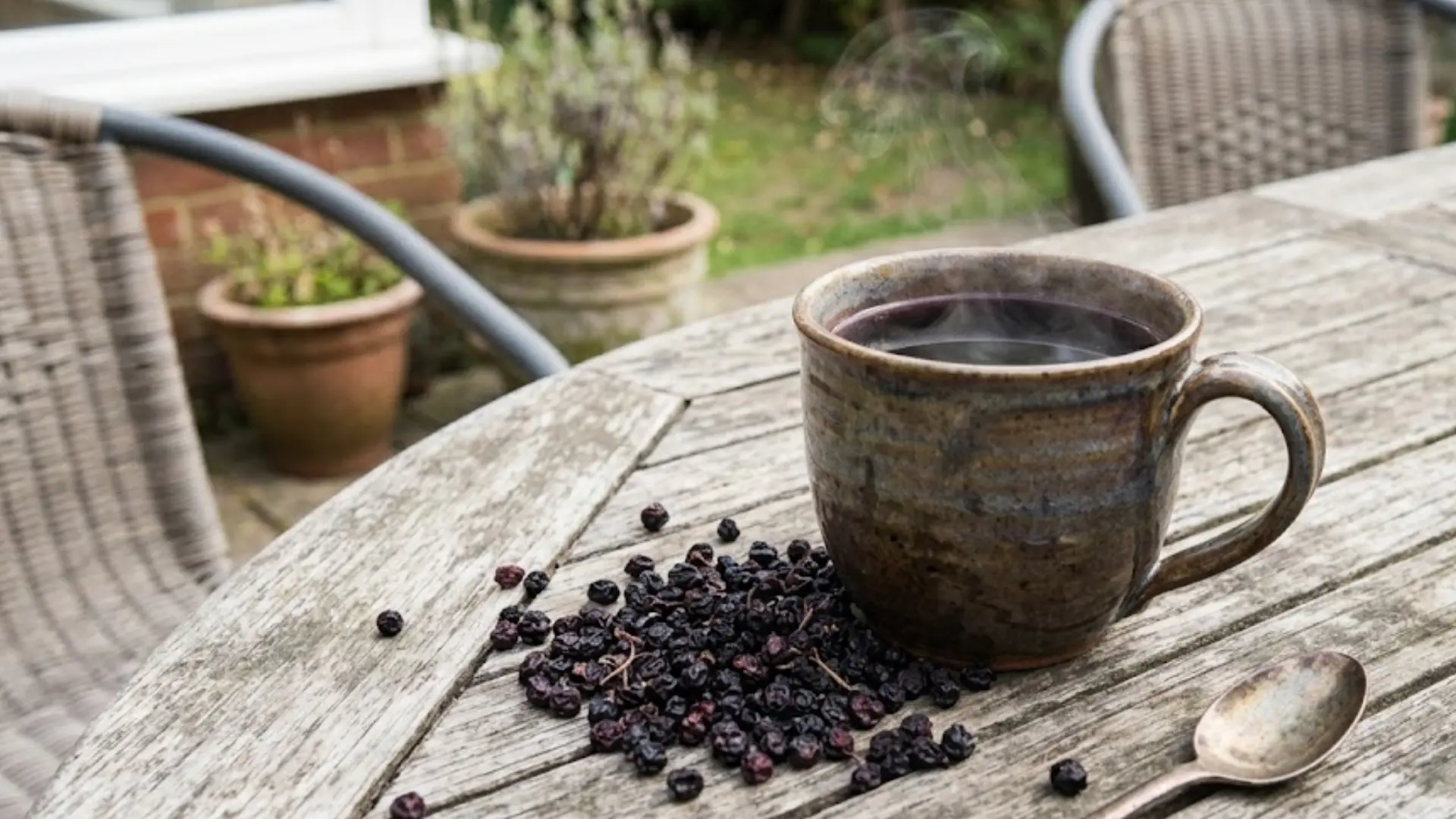
This version uses only dried elderberries, offering the most concentrated dose of the plant’s natural antioxidants and flavor. It has a deep, tart, slightly fruity taste that pairs well with a touch of honey.
Pure elderberry tea is a popular choice for those specifically seeking immune support or antioxidant benefits, without any additional herbs or flavors diluting the experience.
It’s often considered the most traditional and straightforward way to enjoy this berry in tea form.
2. Elderflower Tea
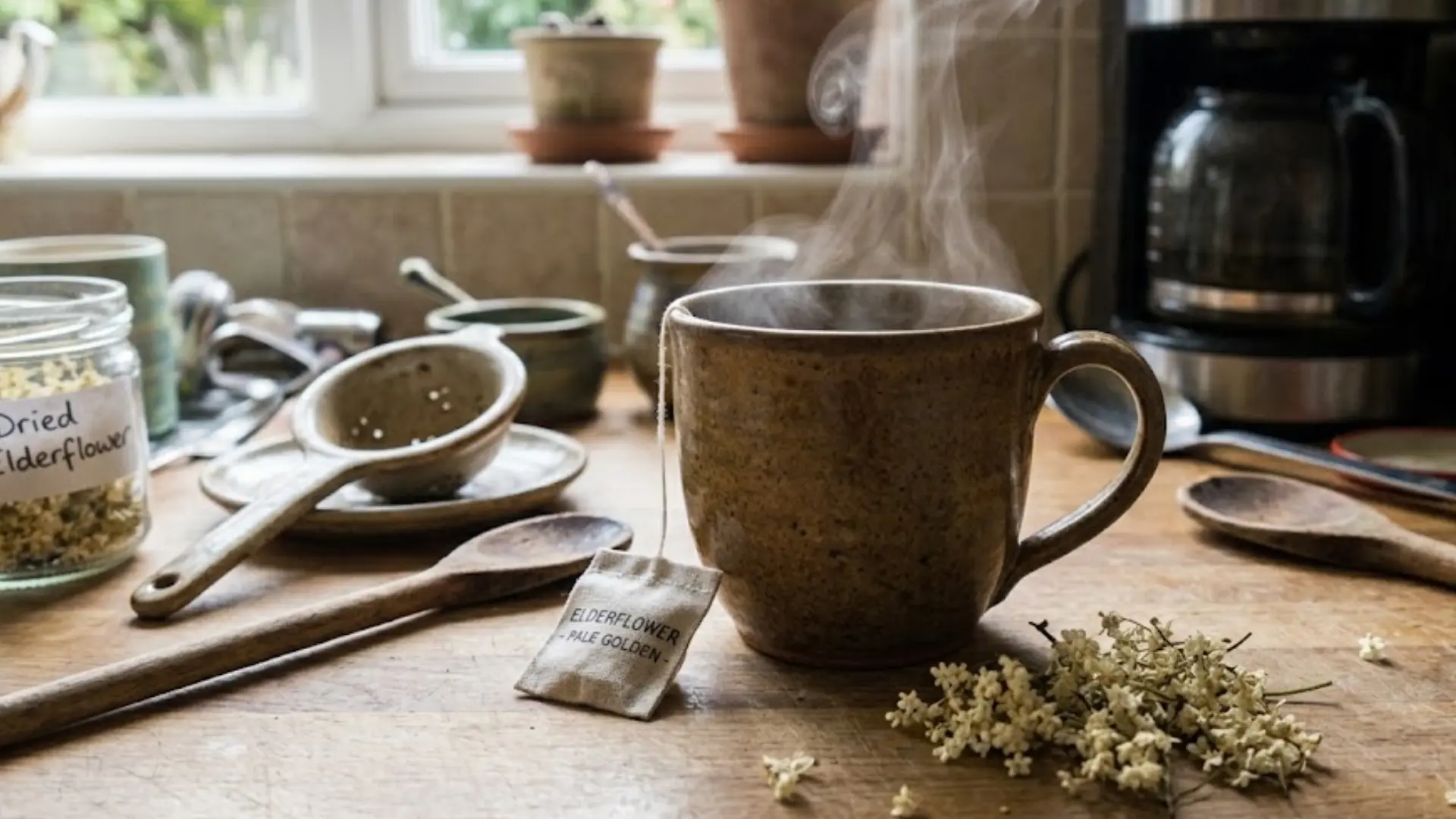
Made from the plant’s delicate white blossoms rather than the berries, elderflower tea has a lighter, more floral, slightly sweet flavor profile.
It’s traditionally used to support respiratory health and is often sipped during allergy season or when dealing with sinus discomfort.
While it shares the same plant origin as elderberry tea, its taste and use cases differ, making it a gentler, more fragrant alternative for those who prefer a milder cup.
3. Elderberry Herbal Blends
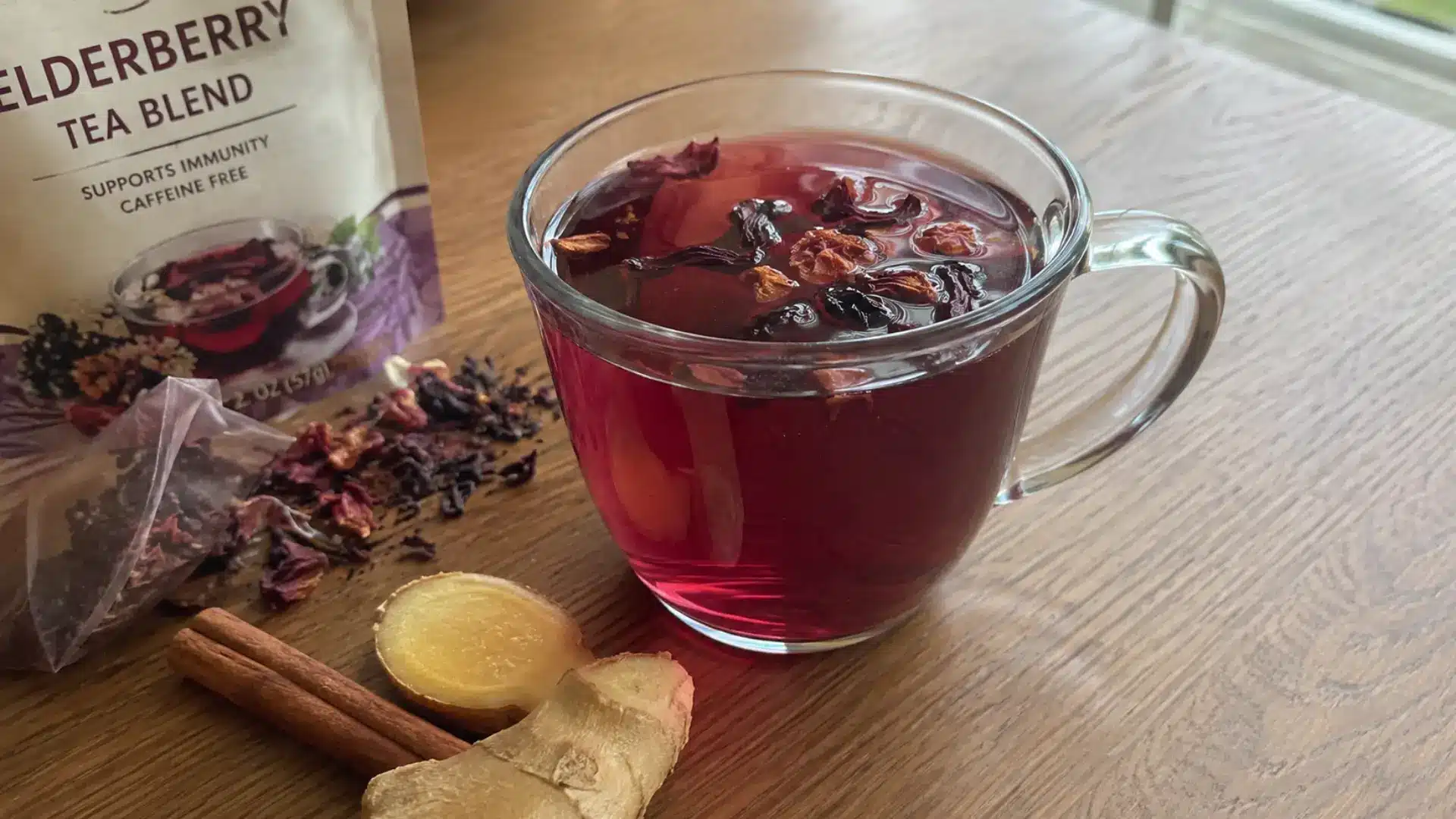
Many brands combine elderberries with other herbs like hibiscus, cinnamon, ginger, or echinacea to enhance flavor and boost specific benefits. ‘
These blends often taste more complex and vibrant compared to pure elderberry tea, appealing to those who want variety.
They’re a great option if you’re looking to combine elderberry’s benefits with the added properties of other well-loved herbs, all in one convenient, ready-to-brew tea bag or loose-leaf mix.
4. Decaf and Caffeine-Free Elderberry Tea
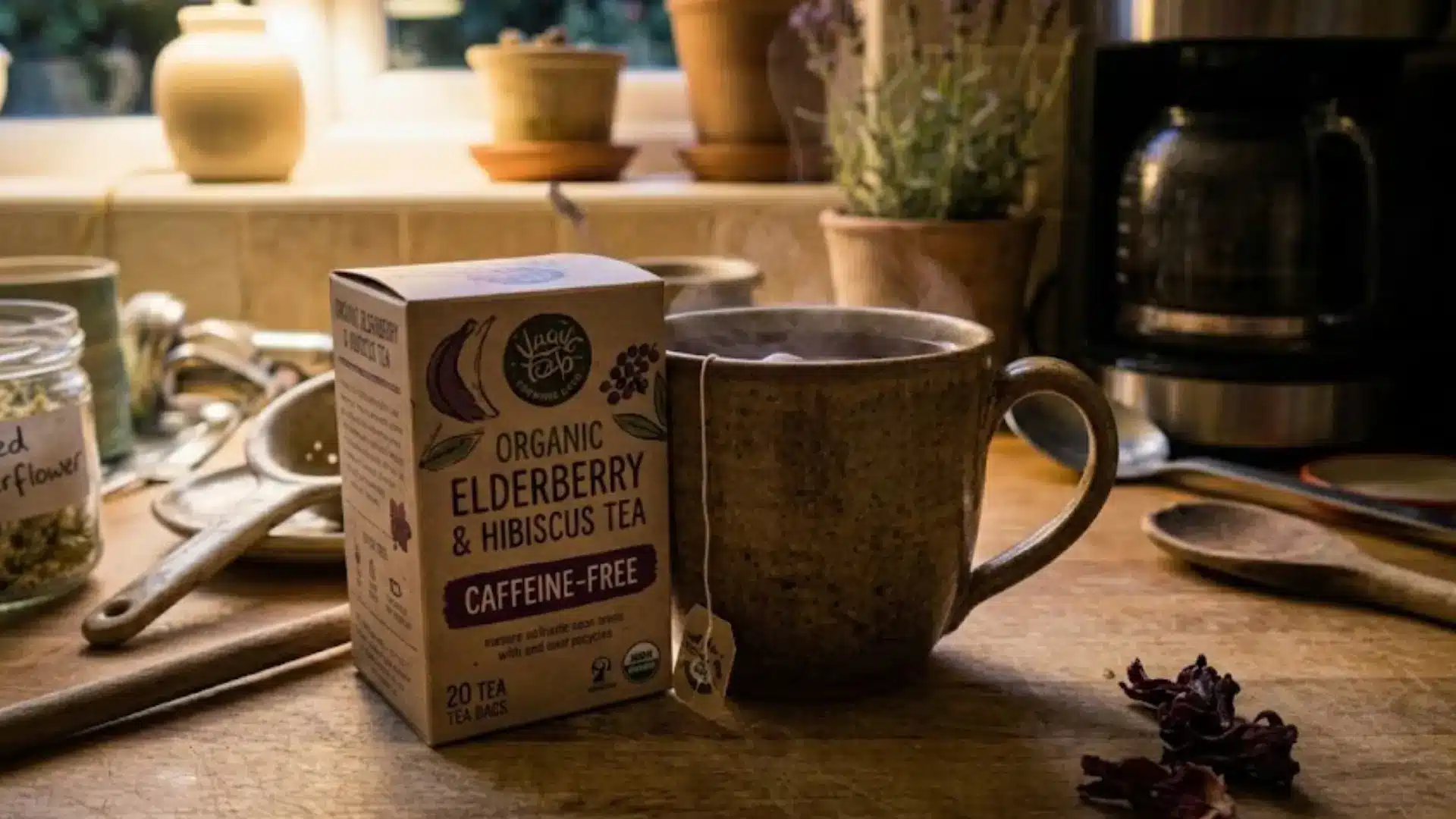
Since elderberry tea is naturally caffeine-free on its own, most versions are safe to drink any time of day without affecting sleep.
However, some blends mix in caffeinated ingredients like black or green tea for an energy boost.
If you’re specifically looking for a soothing, caffeine-free option, always double-check the label to ensure no additional caffeinated ingredients have been added to the blend.
How to Make Elderberry Tea at Home
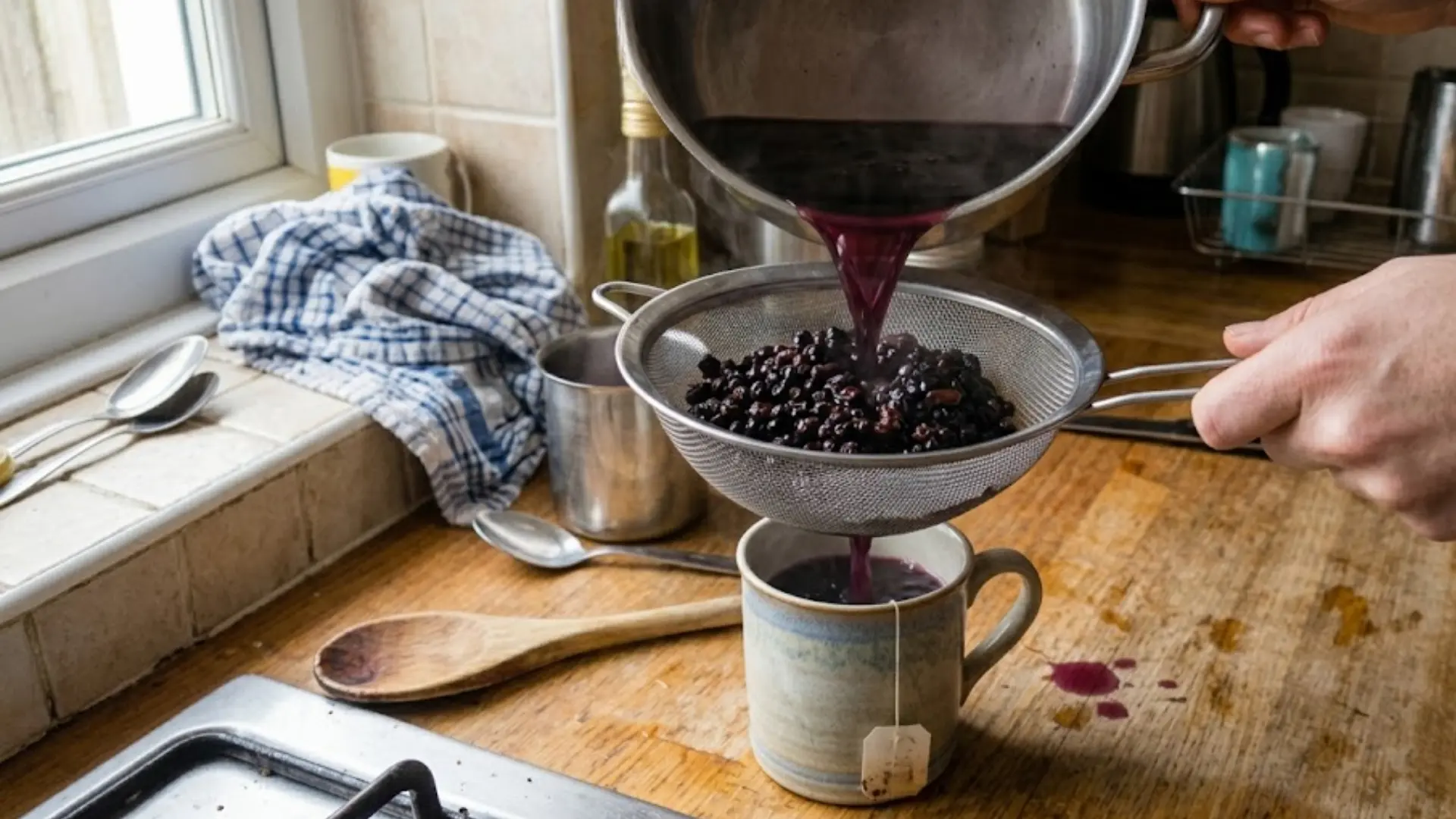
Making elderberry tea at home is refreshingly simple, no fancy equipment required.
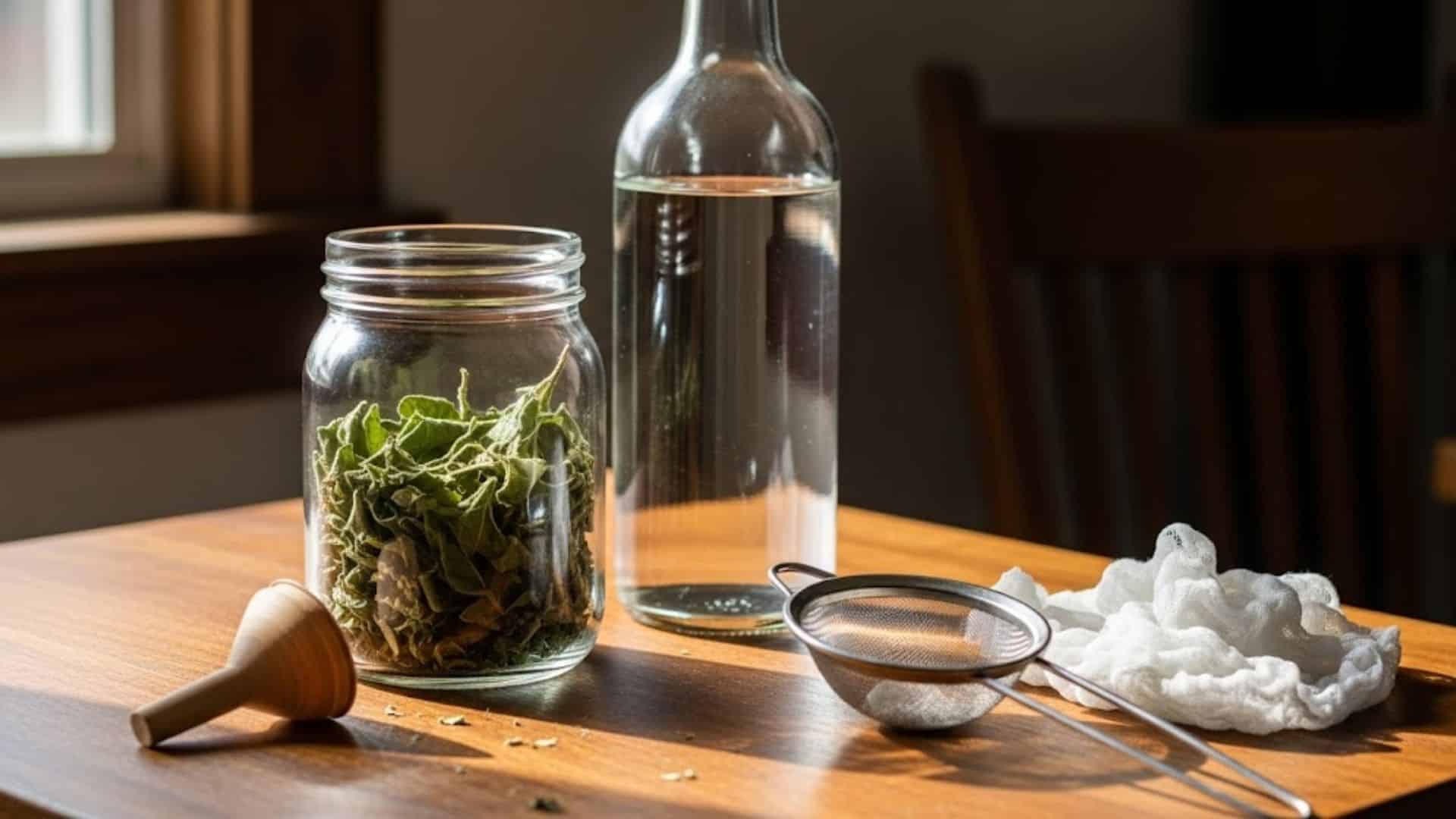
- Add 1 to 2 tablespoons of dried elderberries to a small pot of water (about 2 cups).
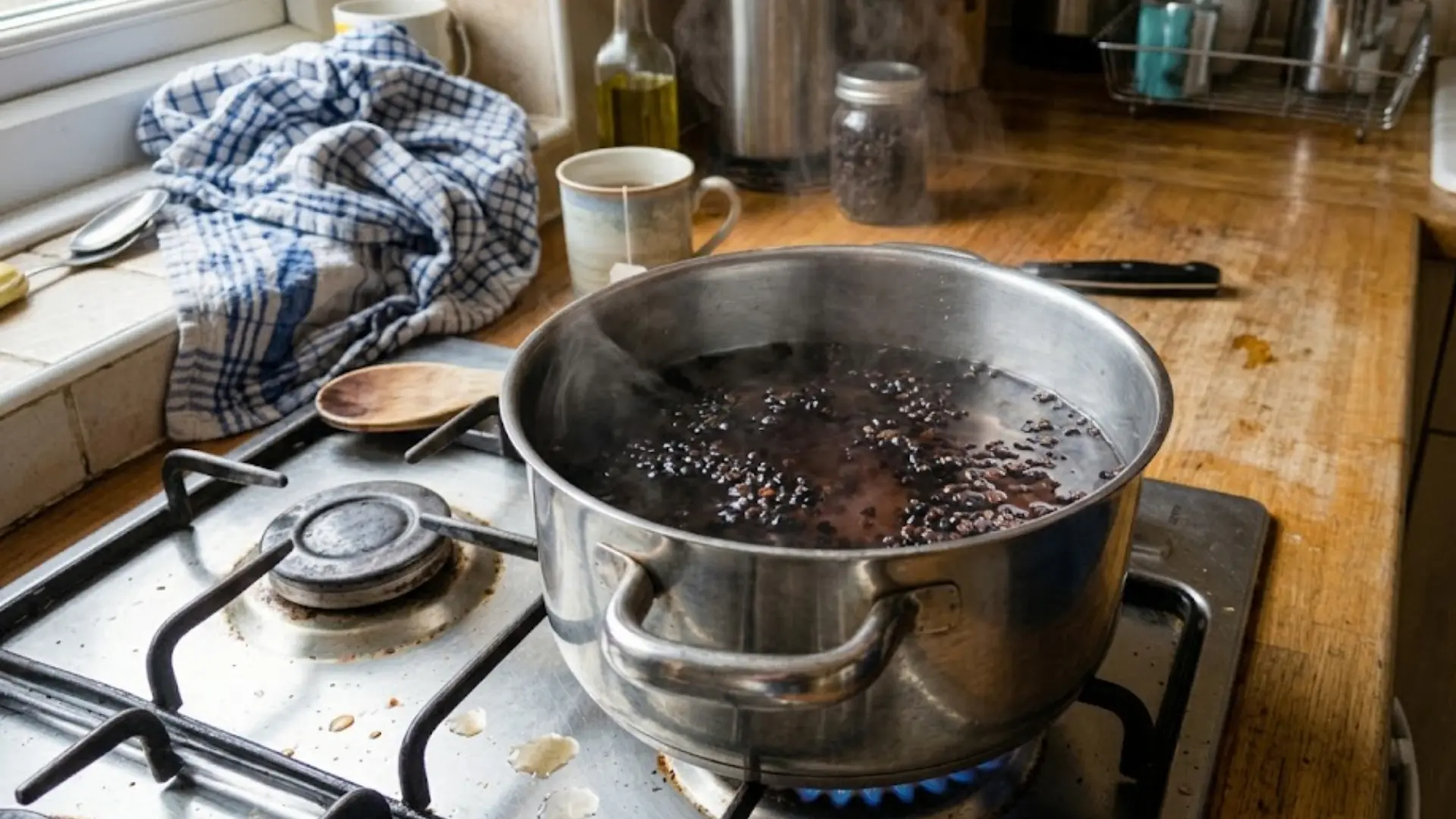
- Bring to a gentle boil, then reduce heat and simmer for 10 to 15 minutes.
- Strain out the berries using a fine mesh strainer.
- Stir in honey and a squeeze of lemon, if desired, for extra flavor.
- Pour into your favorite mug and enjoy warm.
That’s it: a cozy, homemade cup in under 20 minutes.
Best Time to Drink Elderberry Tea
There’s no single “right” time; it really depends on what you’re after. Morning cups work well if you want a gentle immune boost to start your day.
Evening cups are better suited for winding down, since the warmth and light sweetness make for a soothing bedtime ritual.
Seasonally, many people lean into elderberry tea most during fall and winter, when cold and flu season ramps up, using it as a comforting, consistent part of their routine.
Tips for Choosing Quality Elderberry Tea
Not all elderberry tea is created equal. A few simple checks can help you avoid low-quality blends and get the most out of every cup, whether you’re buying it or drying your own berries at home.
1. Choose Organic When Possible
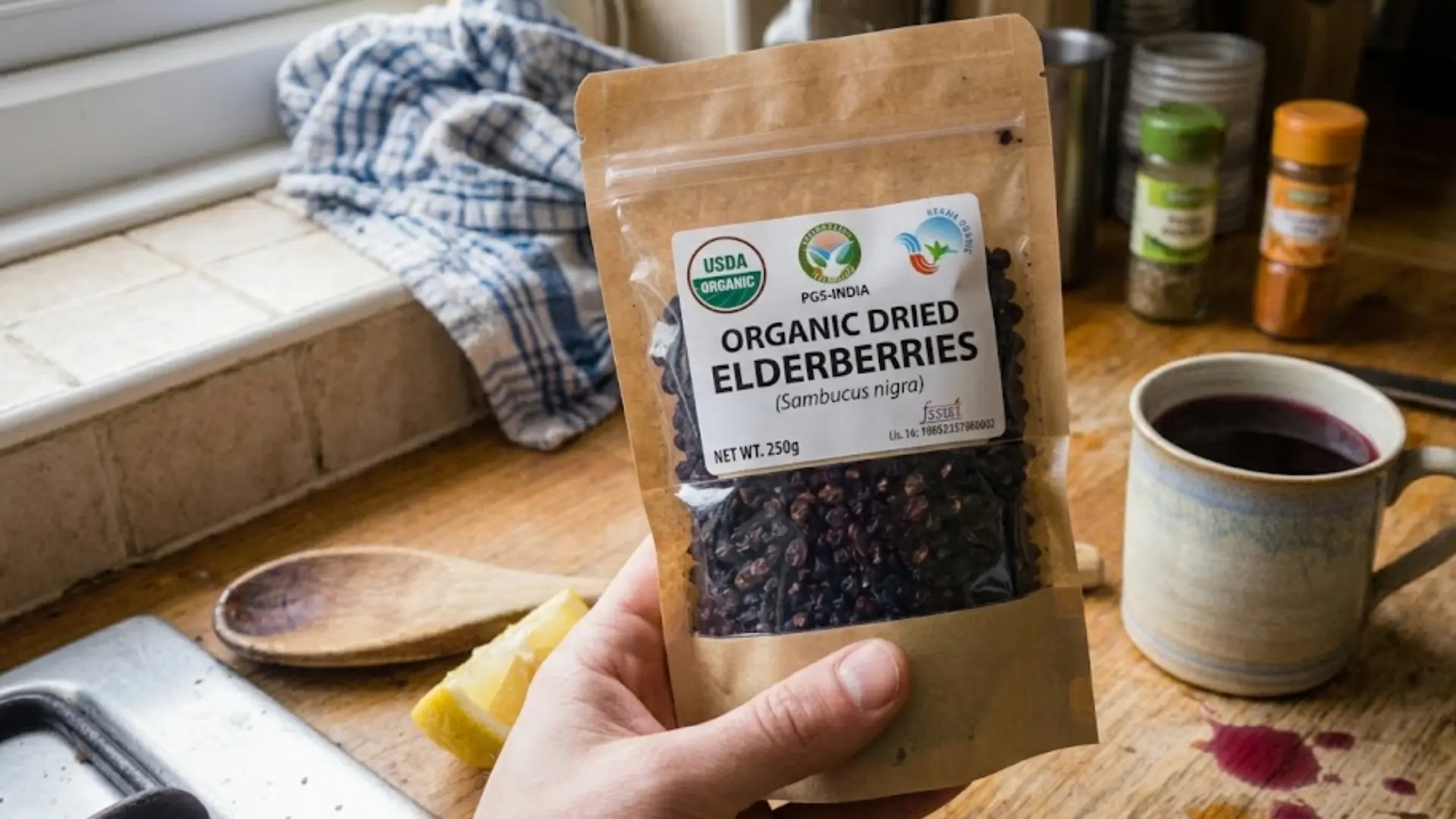
Elderberries are often grown using pesticides, so opting for organic versions helps you avoid unwanted chemical residue in your cup.
Organic farming practices also tend to prioritize soil health and sustainability, which can translate into a better-quality berry overall.
If organic isn’t available or fits your budget, look for suppliers who at least disclose their growing practices. A little research upfront can make a noticeable difference in the quality and purity of the tea you’re drinking regularly.
2. Check for Fillers and Additives
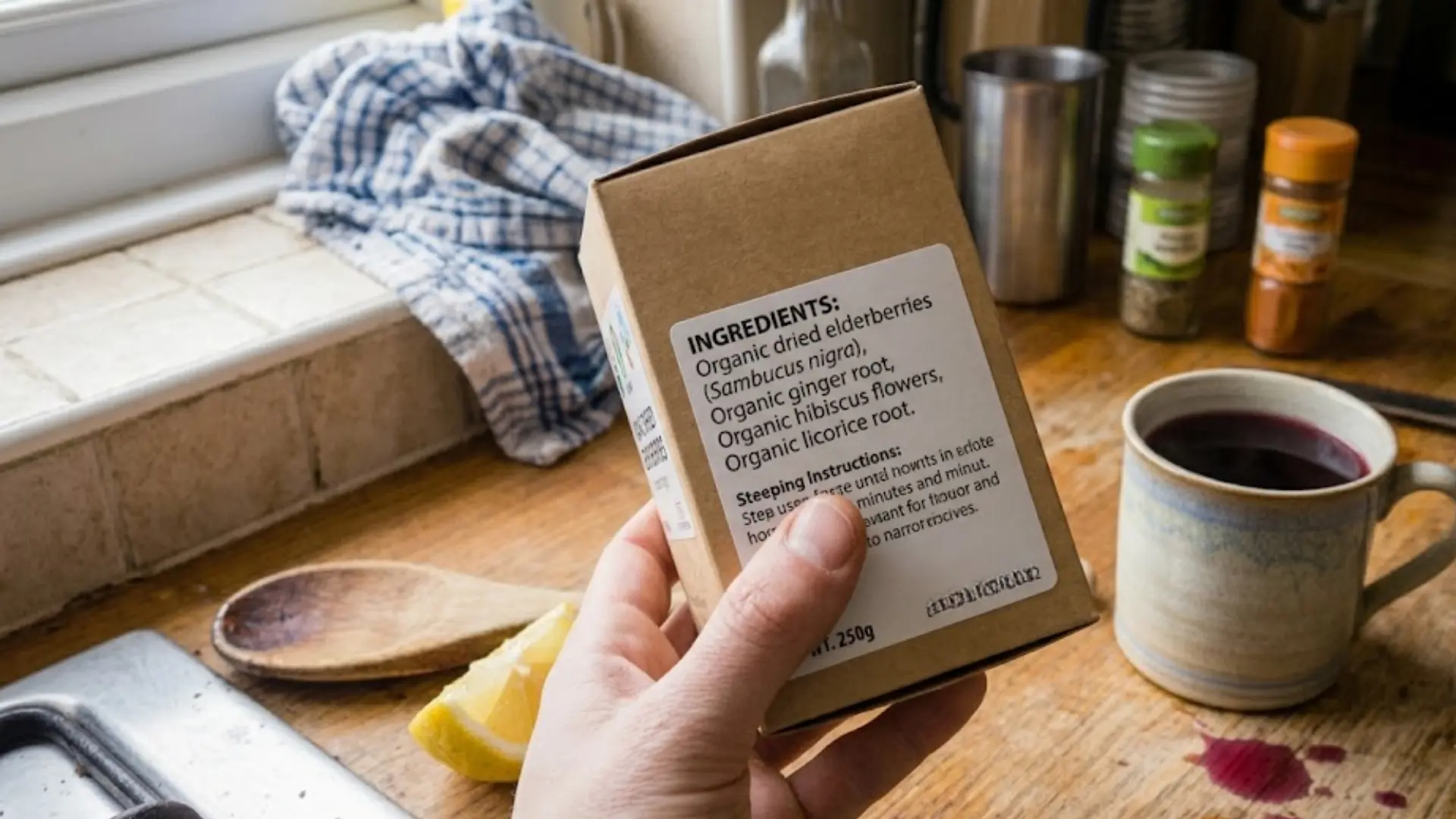
Some packaged elderberry teas bulk up their blends with fillers, artificial flavors, or added sugars that dilute the actual benefits.
Always scan the ingredient list before buying; ideally, it should just list elderberries, maybe alongside other natural herbs like hibiscus or cinnamon. Fewer ingredients usually means a purer, more effective cup.
If you see a long list of unfamiliar additives, it’s a sign to keep looking for a cleaner, more straightforward option instead.
3. Buy From Trusted, Transparent Brands
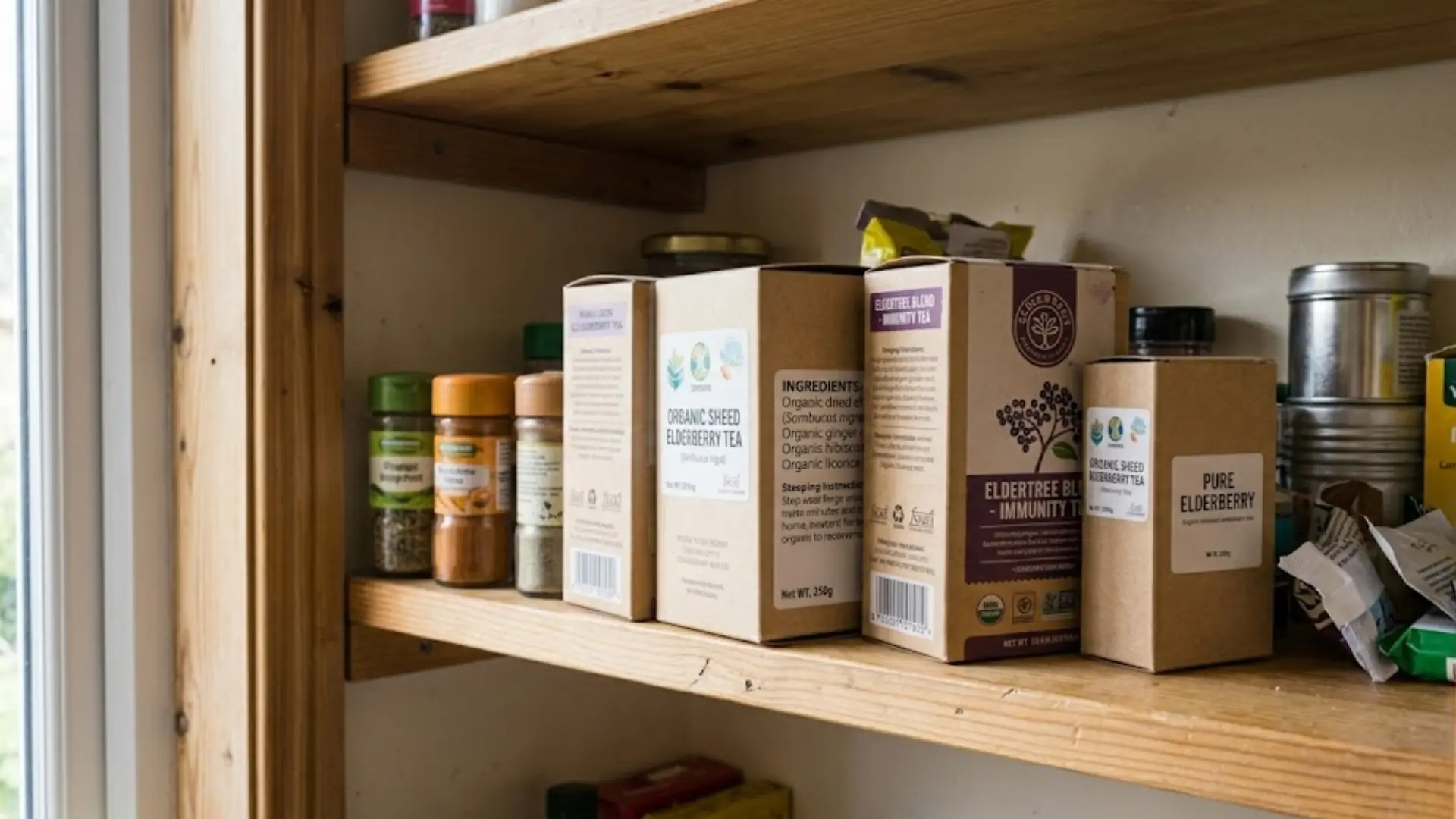
Sourcing matters, so look for brands that are upfront about where their elderberries come from and how they’re processed.
Third-party testing or certifications add an extra layer of trust, ensuring the tea is free from contaminants and accurately labeled. Reading reviews and checking a brand’s reputation can also help you avoid low-quality products.
A little transparency from the seller usually reflects a genuine commitment to quality, freshness, and consistency across every batch of tea produced.
4. Dry Your Own Berries the Right Way
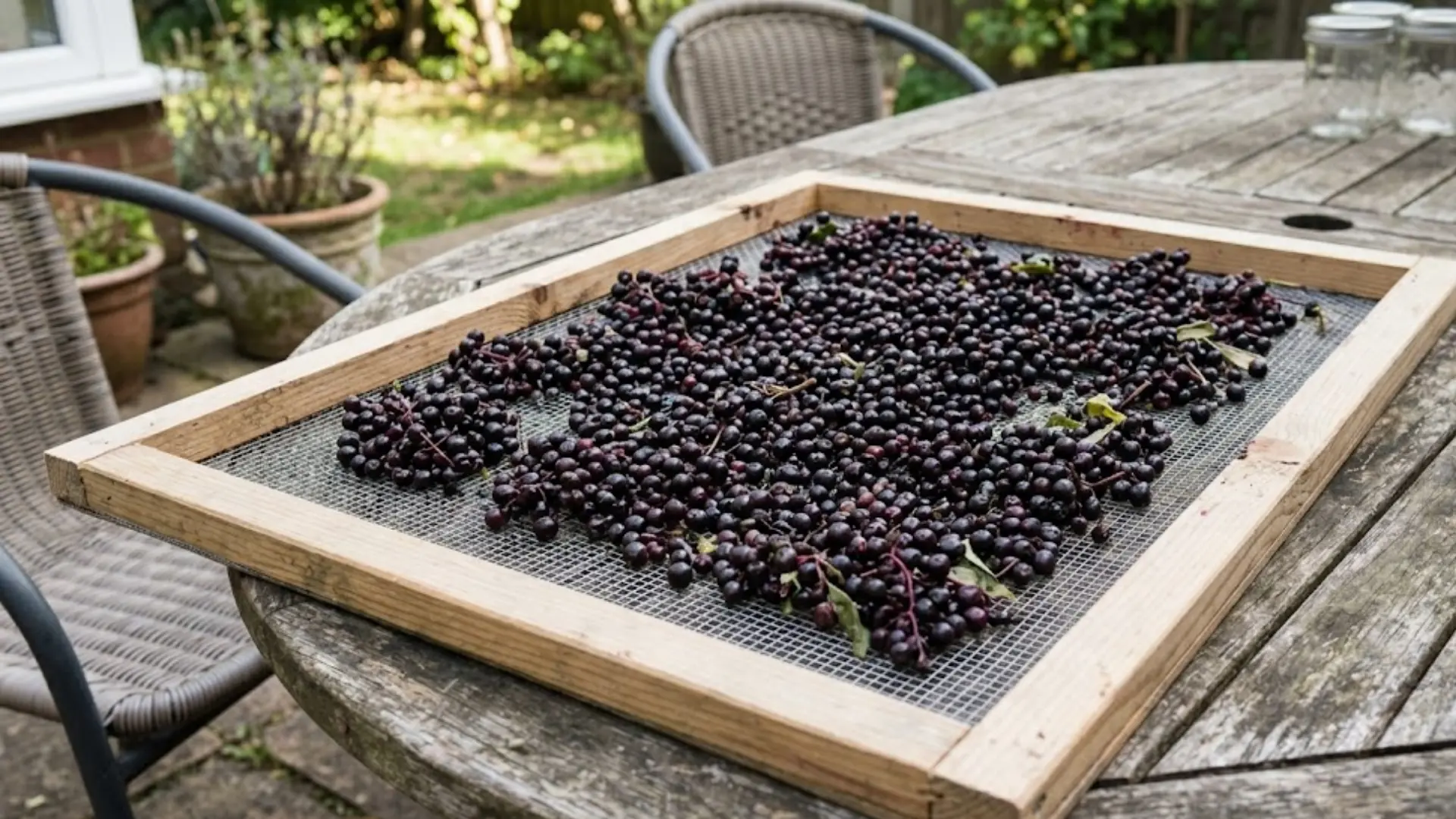
If you’re growing or foraging elderberries yourself, only use fully ripe, dark purple berries, never raw or underripe ones.
Dry them thoroughly using a dehydrator or a low-temperature oven until they’re completely moisture-free. Once dried, store them in an airtight container, away from direct sunlight and humidity, to preserve their potency.
Doing this correctly not only keeps your tea tasting fresh but also ensures you’re avoiding any of the digestive issues raw berries can cause.
Elderberry Tea Side Effects and Precautions
Elderberry tea is generally safe, but a few precautions are worth keeping in mind:
- Never eat raw or unripe elderberries; they contain compounds that can cause nausea or digestive upset. Always use properly dried or cooked berries.
- If you’re pregnant or breastfeeding, check with your doctor before adding elderberry tea to your routine.
- Those with autoimmune conditions should use caution, since elderberry may stimulate immune activity.
- Stick to moderate amounts rather than overdoing it daily.
- Skip it if you’re on immune-suppressing medication without medical guidance.
When in doubt, ask your healthcare provider first.
Conclusion
At the end of the day, elderberry tea is one of those simple pleasures that happens to be good for you too.
Whether you’re sipping it to support your immune system, unwind after a long day, or simply enjoy its deep, fruity warmth, it’s a small ritual that fits easily into any routine.
You don’t need anything fancy, just a few dried berries, some hot water, and a little patience. As with anything, moderation and quality matter, so choose good ingredients and listen to your body.
So go ahead, brew a cup, curl up, and let this centuries-old favorite remind you that sometimes the simplest habits are the most worthwhile.
Frequently Asked Questions
Can I Drink Elderberry Tea Every Day?
Yes, in moderate amounts, elderberry tea is generally safe for daily consumption as part of a balanced routine.
Does Elderberry Tea Taste Good?
It has a naturally tart, fruity flavor, often balanced with honey or lemon for a smoother, more pleasant taste.
Is Elderberry Tea Safe for Kids?
In small, properly prepared amounts,it’ss often fine, but check with a pediatrician before giving it to young children.
What’s the Difference Between Elderberry Tea and Syrup?
Tea is a lighter, brewed drink, while syrup is a concentrated, sweetened extract typically taken in small doses.
Can Elderberry Tea Interact With Medications?
Yes, it may interact with immune-suppressing drugs, so it’s best to consult a doctor if you’re on medication.