















When my search history started filling up with questions about which juice is good for kidney and liver support, it became clear that this topic matters to not just me but to a lot of people, and for good reason.
Your kidneys and liver work around the clock, filtering waste, processing toxins, and keeping your body in balance. The answer is clear: some juices offer real, science-backed benefits.
Others can do more harm than good, especially if you have an existing condition. Let me help you understand your organ health and live a life of comfort with the right juices. Here is what you need to know before pouring that first glass.
How Juices Support Kidney and Liver Health
Choosing the right juice starts with understanding what these two organs actually do, and where a well-chosen drink fits in. Your kidneys filter waste and regulate electrolytes around the clock, while your liver manages toxin breakdown, bile production, and blood sugar, performing over 500 functions daily.
Both organs are sensitive to what you put in your body. Supporting them comes down to reducing oxidative stress, staying hydrated, and consistently providing the right nutrients.
Antioxidants in juices reduce oxidative damage to kidney and liver cells, while compounds like betaine, bromelain, and curcumin ease cellular stress. Citrate in lemon juice reduces the risk of kidney stones by binding calcium in urine. Juice complements your hydration; it does not replace water.
Sugar content, potassium levels, and medication interactions are worth checking before making any juice a regular habit.
Juices That Support Kidney and Liver Health
Each option below offers specific, research-linked reasons to consider it, along with honest cautions so you can make an informed choice.
1. Lemon Juice

Lemon juice is one of the most well-studied options for kidney stone prevention thanks to its high citrate content, which binds to calcium in urine and reduces stone formation. The liver supports phase-one detoxification pathways and promotes bile production.
Always dilute it in water; straight lemon juice can erode tooth enamel. A half lemon in 8 oz of water each morning is a practical starting point.
2. Beet Juice
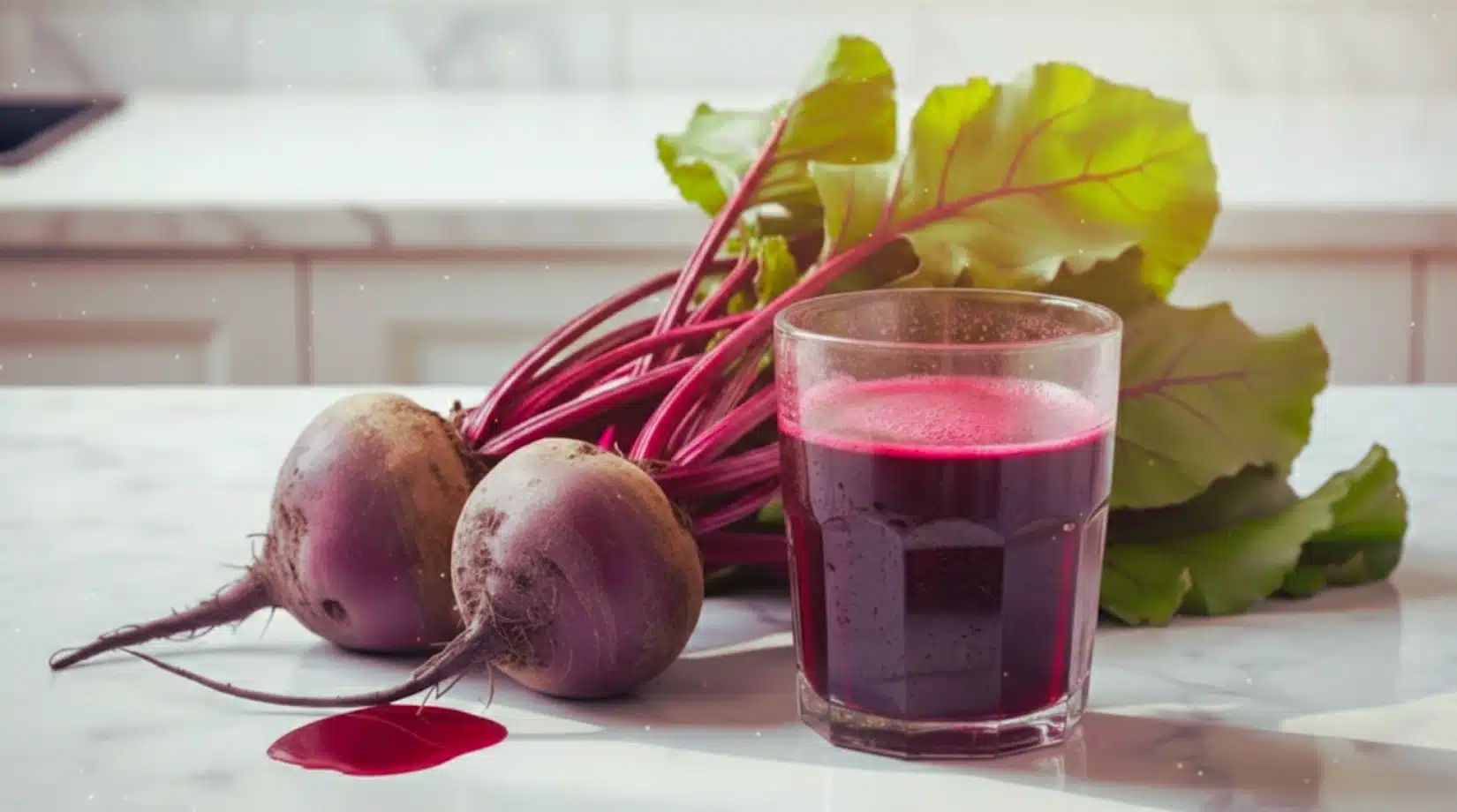
Betaine in beet juice helps protect liver cells from fat accumulation, making it useful for people managing fatty liver. Nitrates support blood flow to the kidneys by relaxing blood vessels.
Studies also link beet juice to reduced oxidative stress markers. One key caution: beets are high in potassium and oxalates, so anyone with chronic kidney disease or a history of oxalate stones should limit intake or check with their doctor first.
3. Cranberry Juice (Unsweetened)

Unsweetened cranberry juice contains proanthocyanidins, compounds that prevent bacteria from sticking to the urinary tract walls, directly supporting kidney health by reducing UTI risk. The liver’s antioxidant profile helps reduce oxidative load.
The catch is in the label: most commercial cranberry juices are loaded with added sugar, which cancels out the benefits. Look for 100% pure cranberry juice and dilute it if the tartness is too strong.
4. Watermelon Juice

Watermelon is about 92% water, making its juice one of the most hydrating options for kidney support. It contains citrulline, an amino acid that helps the liver process ammonia, a byproduct of protein metabolism, into urea for safe elimination.
It also has a mild diuretic effect that supports regular urine flow. Potassium levels are moderate, making it generally safe for most people, though those with late-stage kidney disease should still monitor intake.
5. Pomegranate Juice
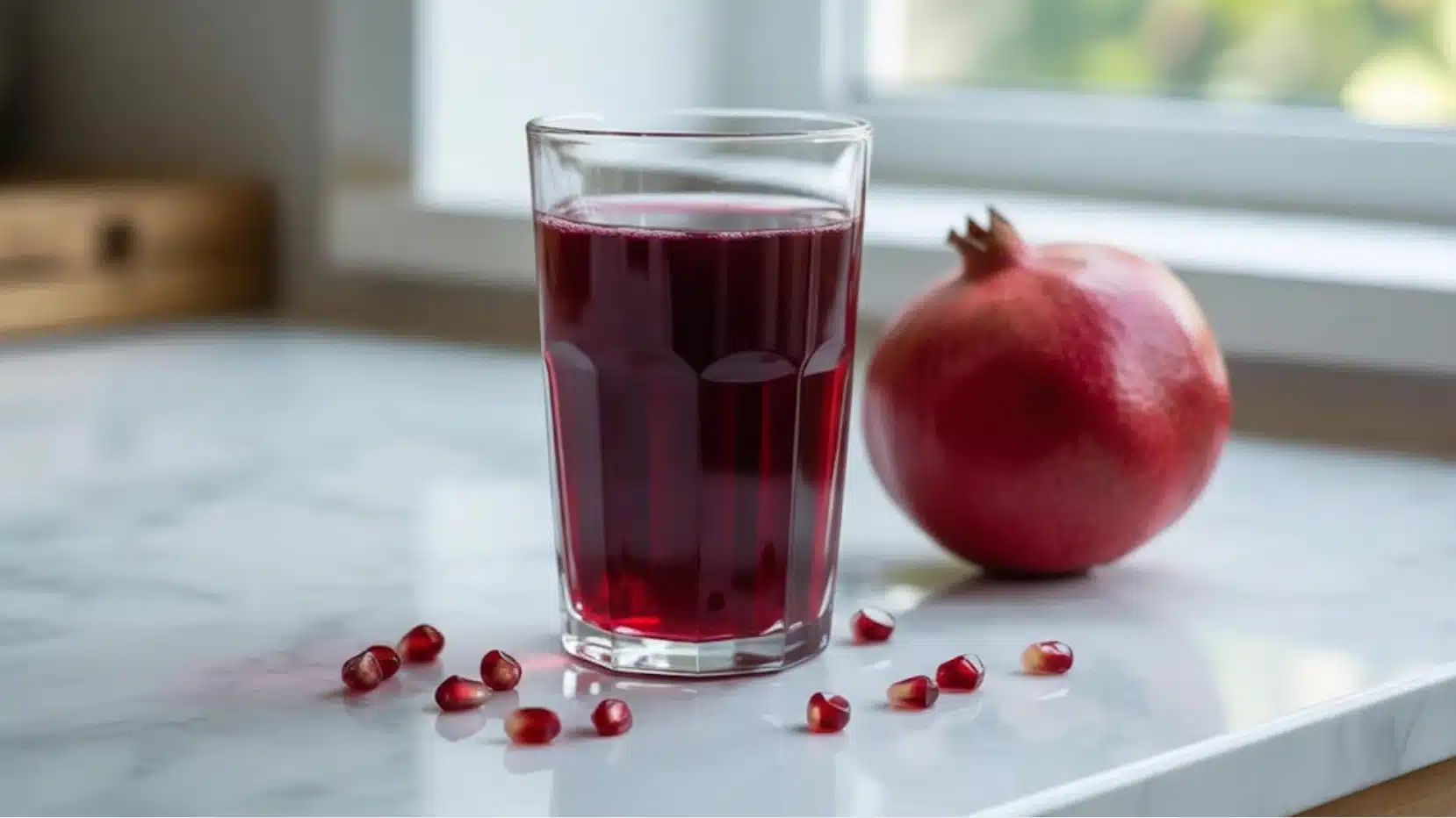
Pomegranate juice has one of the highest antioxidant concentrations among common fruit juices, with punicalagins and anthocyanins that reduce inflammation in both kidney and liver tissue. Research suggests it may help lower markers of kidney oxidative stress in patients with chronic kidney disease.
It is, however, moderately high in potassium, so people with CKD stage 3 or higher should factor that into their daily potassium budget and consult a renal dietitian.
6. Apple Juice (Fresh, Unsweetened)

Fresh apple juice contains pectin, a soluble fiber that helps move waste through the digestive tract, indirectly reducing the toxin load the liver processes. It is one of the lower-potassium fruit juice options, which makes it a safer choice for people monitoring kidney health.
Stick to unsweetened, fresh-pressed versions; bottled apple juice often contains as much sugar as soda. A small 4 oz serving with a meal works well without spiking blood sugar.
7. Carrot Juice

Beta-carotene in carrot juice converts to vitamin A in the body, which plays a role in liver cell repair and regeneration. Carrot juice also contains glutathione-supporting compounds that help the liver neutralize free radicals.
It is relatively low in potassium compared to many other vegetable juices, but it also provides a good dose of vitamin C. Drinking it fresh rather than from a carton preserves the most active nutrients.
8. Green Vegetable Juice (Celery, Cucumber, Spinach)
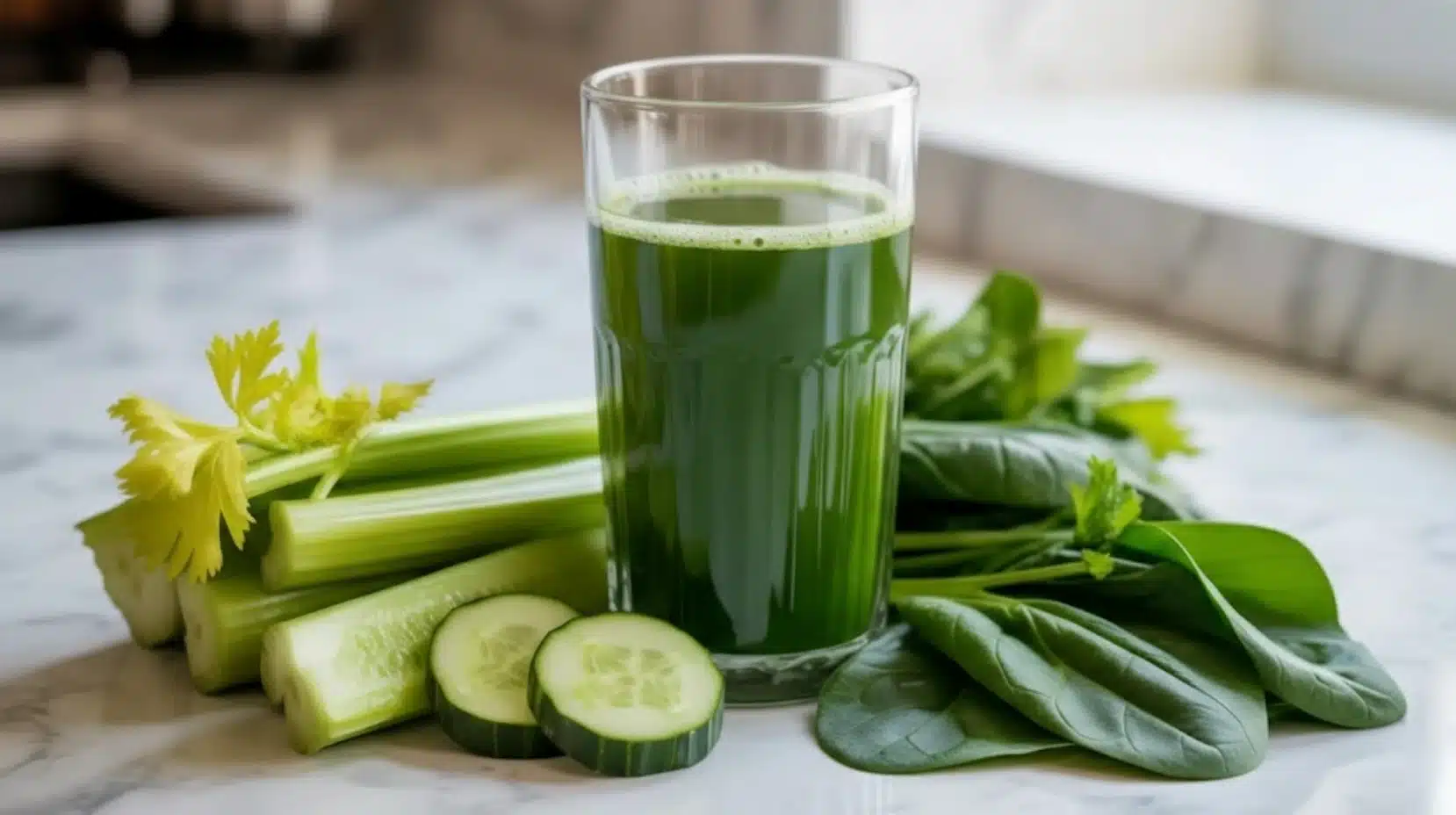
A combination of celery, cucumber, and spinach creates a hydrating, anti-inflammatory juice that supports both organs. Celery has long been associated with kidney health due to its natural diuretic properties.
Cucumber adds hydration. Spinach provides chlorophyll and folate to support the liver. The one caveat: spinach is high in potassium and oxalates, so this juice may not be suitable for people with kidney stones or advanced CKD without professional guidance.
9. Coconut Water

Coconut water provides natural electrolytes, potassium, magnesium, and sodium, which support kidney function by maintaining fluid balance without artificial additives. For the liver, it offers cytokinins, plant hormones with antioxidant properties.
The challenge is its heightened potassium content, which makes it a poor choice for people with kidney disease. For healthy individuals, one cup per day is a reasonable limit. Choose plain, unsweetened coconut water over flavored varieties.
10. Pineapple Juice

Pineapple juice contains bromelain, a natural enzyme with anti-inflammatory properties that may help reduce kidney and liver inflammation. Compared to orange juice, pineapple juice is lower in potassium, making it a more kidney-friendly citrus-adjacent option.
It also supplies vitamin C and manganese, both useful for antioxidant defense. Use fresh or cold-pressed pineapple juice and keep portions to about 4–6 oz to avoid excess sugar intake.
11. Grapefruit Juice

Grapefruit juice is rich in naringenin and naringin, antioxidants that have shown promise in supporting liver enzyme activity and reducing fat accumulation in the liver. For kidney health, its vitamin C content and hydration support are genuine benefits.
However, this juice carries a critical warning: grapefruit interacts with dozens of medications, including statins, blood pressure drugs, and immunosuppressants, by blocking enzymes that metabolize them. Always check with your doctor before adding it to your routine.
12. Parsley Juice (Diluted)

Parsley juice acts as a natural diuretic, increasing urine output and helping flush waste products from the kidneys. It also contains apigenin, a flavonoid with liver-protective properties shown in animal studies to reduce liver inflammation.
Because of its potent diuretic effect, parsley juice should be used for the short term and diluted, never in large quantities. It is not a substitute for medical treatment and should be avoided by people on blood-thinning medications like warfarin.
13. Turmeric and Ginger Juice

Curcumin from turmeric is one of the most well-researched anti-inflammatory compounds in food science, with studies showing it can reduce liver enzyme markers associated with inflammation. Gingerols in ginger add to this effect and support bile flow, which aids the liver in fat digestion.
Combining both with lemon and a pinch of black pepper, which increases curcumin absorption by up to 2000%, makes this one of the most potent functional juice options available.
Juices to Limit or Avoid for Kidney and Liver Problems
Not every juice that seems healthy is safe for everyone. A few categories deserve particular caution. Knowing which drinks to scale back can be just as important as knowing which ones to include, especially if you have a diagnosed condition.
High-Potassium and High-Sugar Juices You Should Limit
Some of the most commonly consumed juices carry potassium and sugar levels that can quietly strain your kidneys and liver over time. Here’s what to limit or avoid:
| Juice | Issue | Who Should Avoid |
| Orange Juice | High potassium, high sugar | CKD patients, diabetics |
| Prune Juice | Very high potassium | CKD stage 3–5 |
| Store-bought fruit punch | Excessive added sugar | Everyone with liver or kidney concerns |
| Tomato Juice | High potassium and sodium | Kidney and blood pressure patients |
| Grape Juice (sweetened) | High sugar, moderate potassium | Diabetics, fatty liver patients |
Signs of potassium imbalance include muscle weakness, irregular heartbeat, numbness, and fatigue. If you experience these, stop consuming high-potassium juices and seek medical advice.
Misleading “Detox” and Herbal Drinks You Should Avoid
Products marketed as kidney or liver cleanses rarely have clinical backing, and some carry risks that outweigh any perceived benefit. Here’s what to avoid:
| Product | Issue | Who Should Avoid |
| Commercial detox juice cleanses | Unregulated, often high sugar | Everyone, no clinical evidence |
| Alcohol-based herbal tonics | Directly harmful to liver cells | Anyone with liver concerns |
| Excessive beet juice blends | Oxalate and potassium overload | Kidney stone patients, CKD |
| Excess parsley or dandelion juice | Overdiuresis, drug interactions | People on warfarin or diuretics |
| Aloe vera juice (excess) | May cause kidney toxicity in high doses | Anyone with existing kidney issues |
These drinks often carry health claims not backed by clinical evidence. Marketing language such as “cleanse” and “flush” is unregulated and should be approached with skepticism.
How to Drink Juice Safely for Kidney and Liver Support
Adding the right juices to your diet requires a bit of structure. Too much of even the best option can cause problems, and how you drink matters just as much as what you drink. The following practical guidelines will benefit your kidneys or liver:
- Serving size: Keep portions to 4–8 oz; larger amounts add up in sugar and potassium fast
- Dilute: Mix with water at a 1:1 ratio to reduce sugar and potassium load without losing nutrients
- Timing: Citrus-based juices work well on an empty stomach in the morning; denser options like beet or carrot are better with meals
- Frequency: 4–5 days a week is more sustainable than daily, as it gives your kidneys room to process
- Go fresh: Cold-pressed or fresh-pressed juices retain more active compounds than pasteurized bottled versions
- CKD stage 3–5: Consult a renal dietitian before adding any juice; potassium and phosphorus limits at this stage are strict
- On medication: Check for interactions before drinking grapefruit, parsley, or high-vitamin K options like spinach-based juices
- Watch for symptoms: Fatigue, swelling, or changes in urine output after starting a new juice are worth discussing with your doctor
Consistency matters far more than intensity here. A small, well-chosen glass a few times a week, paired with adequate water intake and a balanced diet, does more for your organ health than any short-term concentrated regimen ever will.
Final Thoughts
Supporting your kidneys and liver does not have to be complicated. The right juice, chosen carefully and consumed in sensible amounts, can reduce oxidative stress, ease inflammation, and provide nutrients that help both organs function at their best.
From lemon and cranberry to pomegranate and turmeric-ginger, the options backed by real evidence are worth adding to your routine. High-potassium and sugary juices, on the other hand, deserve more caution than most people give them. Water remains the foundation; no juice replaces that.
Treat these drinks as supportive additions to a balanced diet, stay consistent, and always factor your personal health history into any change you make. Drop a comment below and share your thoughts with me.