



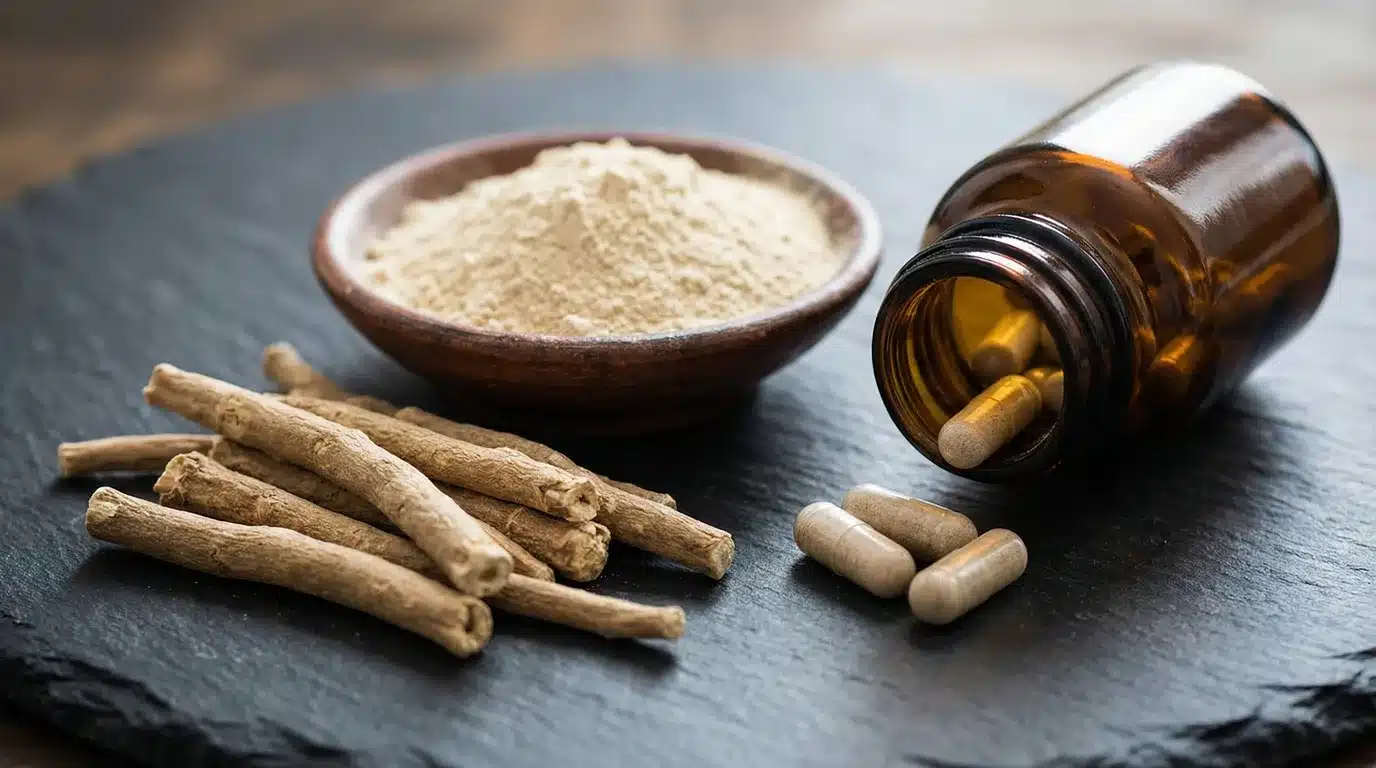









Starting a new supplement can feel uncertain. You read the label, take the capsule, and then wait, thinking if anything is happening.
From the research I’ve reviewed and the available clinical data, the most common mistake with ashwagandha is stopping too soon.
I’ll break down how long ashwagandha usually takes to work, what signs to look for, how to adjust your dosage and timing, and the safety considerations to keep in mind before starting.
When you understand the timeline, you stop expecting a dramatic shift and start noticing steady changes like calmer reactions, better sleep, and more stable energy. Those are the signals that matter, and they tend to reward patience.
How Long Does Ashwagandha Take to Work?

Results do not arrive on the same schedule for everyone, but clinical research and user data consistently point to a similar pattern. The timeline below covers what most people experience at each stage of consistent daily use.
Weeks 1–2: Subtle Early Shifts
The first two weeks are quiet. Most people notice very little, which is not a sign that it is not working. Subtle changes tend to appear first in sleep quality, where falling asleep feels slightly easier, or in daily stress, where sharp reactions to small triggers feel marginally less intense.
These early shifts are easy to miss if you are not paying attention, but they signal that the supplement is beginning to do its job.
Weeks 2–4: The First Real Changes
By weeks two to four, the changes become harder to ignore. Anxiety symptoms tend to soften noticeably. Focus sharpens during tasks that normally feel mentally draining.
Mood becomes more stable during stressful situations rather than swinging. Sleep quality improves, not just in how quickly you fall asleep, but in how rested you actually feel in the morning. This is the phase when most people realize the supplement is genuinely doing something.
Weeks 4–8: Full Benefit Builds
Most clinical trials that produce significant results run for at least 4 to 8 weeks, and there is a good reason for that. By this point, stress resilience is noticeably stronger, energy levels feel more balanced throughout the day, and sleep has stabilized rather than fluctuating.
For goals like hormone support or physical performance, this window is where measurable changes begin to appear. Everything before this phase is the bodybuilding leading up to it.
How Long Does It Take Based on Your Goal
Results vary depending on why you are taking ashwagandha. The table below maps the most common goals to expected timelines based on clinical data:
| Goal | Early Changes | Noticeable Improvement | Full Benefit |
| Stress Reduction | 2–3 weeks | 3–6 weeks | 6–8 weeks |
| Anxiety Support | 2–4 weeks | 4–8 weeks | Up to 12 weeks |
| Sleep Quality | 2–4 weeks | 4–6 weeks | 6–8 weeks |
| Energy & Stamina | 2–4 weeks | 6–8 weeks | 8–12 weeks |
| Hormone Support | 4–6 weeks | 8–10 weeks | 8–12 weeks |
Anxiety and hormone-related goals sit at the longer end of the range. If your primary reason for taking it is stress or sleep, you are likely to see results earlier than someone focusing on testosterone or physical performance.
Dosage and Timing: Getting It Right

Dosage and timing are where most people go wrong. Getting both right from the start puts you ahead of the majority who give up too soon.
How Much Ashwagandha Do You Actually Need
Most clinical research uses 300–600 mg daily of a standardized root extract with confirmed withanolide content. For stress and anxiety, 300–600 mg works well split across the day or taken at once.
Sleep support: 300–500mg in the evening, about an hour before bed. Energy and hormone support typically requires the full 600 mg, taken consistently for at least 8 weeks.
A standardized extract will outperform a non-standardized powder at twice the dose; quality matters more than quantity.
When to Take It for Best Results
The right window depends on your goal, but in my experience, consistency always matters more than precision. Here is a simple breakdown to help you find the best time for your routine:
| Timing | Best For | Key Benefit |
|---|---|---|
| Morning Dose | Those sensitive to supplements taken close to bedtime | Supports daytime focus and stress control throughout the day |
| Evening Dose | Those with a wind-down routine before bed | Pairs well with relaxation habits and supports sleep quality |
| Split Dose | Those who want steady levels throughout the day | Maintains consistent levels and aligns with most clinical study protocols |
I personally found that picking a window that fits my routine and sticking with it made the biggest difference. Give it a fair chance, and consistency will do the rest for you.
Signs Ashwagandha Is Starting to Work
Ashwagandha works subtly; its effects build slowly over weeks. Without tracking daily changes, you’ll likely miss real progress and quit too early:
- Track mental shifts first: Fewer racing thoughts, sharper focus on draining tasks, and calmer reactions to stress are often the earliest signs of it working.
- Watch your emotional baseline: A more stable mood, less irritability over minor frustrations, and reduced daily tension can appear before any physical changes do.
- Notice physical improvements next: Falling asleep faster, waking more rested, and steadier afternoon energy typically follow mental and emotional changes by a few weeks.
- Reassess at four to six weeks: If none of these signs appear after consistent use, review your dosage and the quality of the supplement before deciding it isn’t working.
Brief daily notes give you a reference point; without them, gradual progress stays invisible, and real results get dismissed too soon.
Factors That Affect How Fast It Works
Several variables influence how quickly results appear, and understanding them makes the waiting period feel less passive. Here’s a clear breakdown:
| Factor | Impact | What to Do |
| Consistency | Skipping doses breaks the cumulative effect | Take it daily without gaps |
| Supplement Quality | Generic powder is less reliable | Choose a standardized extract |
| Dosage | Too low produces no change | Stay within 300–600 mg daily |
| Baseline Stress Level | High cortisol may slow the early response | Allow extra time if stress is severe |
| Body Chemistry | Age and metabolism affect absorption | Start low, adjust over 2–3 weeks |
The single biggest factor, across all the research, is simply showing up every day. Ashwagandha does not work in bursts; it works in accumulation.
Safety Considerations Worth Knowing
Ashwagandha suits most people well, but a few safety considerations are worth reviewing before you begin taking it regularly. Here are some tips worth knowing:
- Avoid during pregnancy: unless a healthcare provider has specifically advised otherwise.
- Consult a doctor: if you have thyroid conditions, as ashwagandha can affect thyroid function.
- Check with your doctor: if you are on blood pressure medication, as it can affect levels.
- Take with food: to avoid mild digestive discomfort that some people notice on an empty stomach.
- Start at a low dose: increase gradually over a couple of weeks.
When in doubt, a quick conversation with your doctor keeps things safe and ensures ashwagandha is the right fit for you.
Final Thoughts
Ashwagandha rewards consistency and disappoints anyone expecting overnight results. Based on the research and clinical data, most people notice early changes between weeks two and four, with stronger, more stable benefits building through weeks six to eight.
In my experience, results depend on three things: the right dosage, a quality standardized extract, and daily use without skipping. When someone asks how long ashwagandha takes to work, my honest answer is simple.
It usually takes longer than you hope, but shorter than it feels when you track the right signs. Give it the full window. That is the approach I stand by. If you’ve tried it, share your experience in the comments below.