












If you love blueberries as much as I do, you’ve probably asked yourself whether blueberry carbs are high enough to derail your goals.
They taste sweet and bright, so it’s normal to wonder exactly how they affect your carb limit, and whether you can still enjoy them on keto.
So, do blueberries have carbs? Yes, and more than most low-carb berries. But that doesn’t automatically rule them out. The answer depends on your portion size, your daily carb target, and which form of blueberry you’re eating.
Today, you’ll learn exactly how many carbs in blueberries sit in each serving, how net carbs work, whether blueberries are high in sugar, and how to enjoy them without going over your target.
How Many Net Carbs in Blueberries?
Blueberries contain more carbs than raspberries, blackberries, or strawberries. This means you must watch your portion size if you want to stay within a tight carb limit. Here are the numbers most people look for:
| Serving Size | Total Carbs (g) | Fiber (g) | Net Carbs (g) |
| 1 cup blueberries (raw) | 21 | 3.5–4 | 17–18 |
| 1/2 cup blueberries | 10–11 | 1.7–2 | 8–9 |
| 1/4 cup blueberries | 5–6 | ~1 | 4–4.5 |
| 100 grams of blueberries | 14–15 | ~2 | 12–13 |
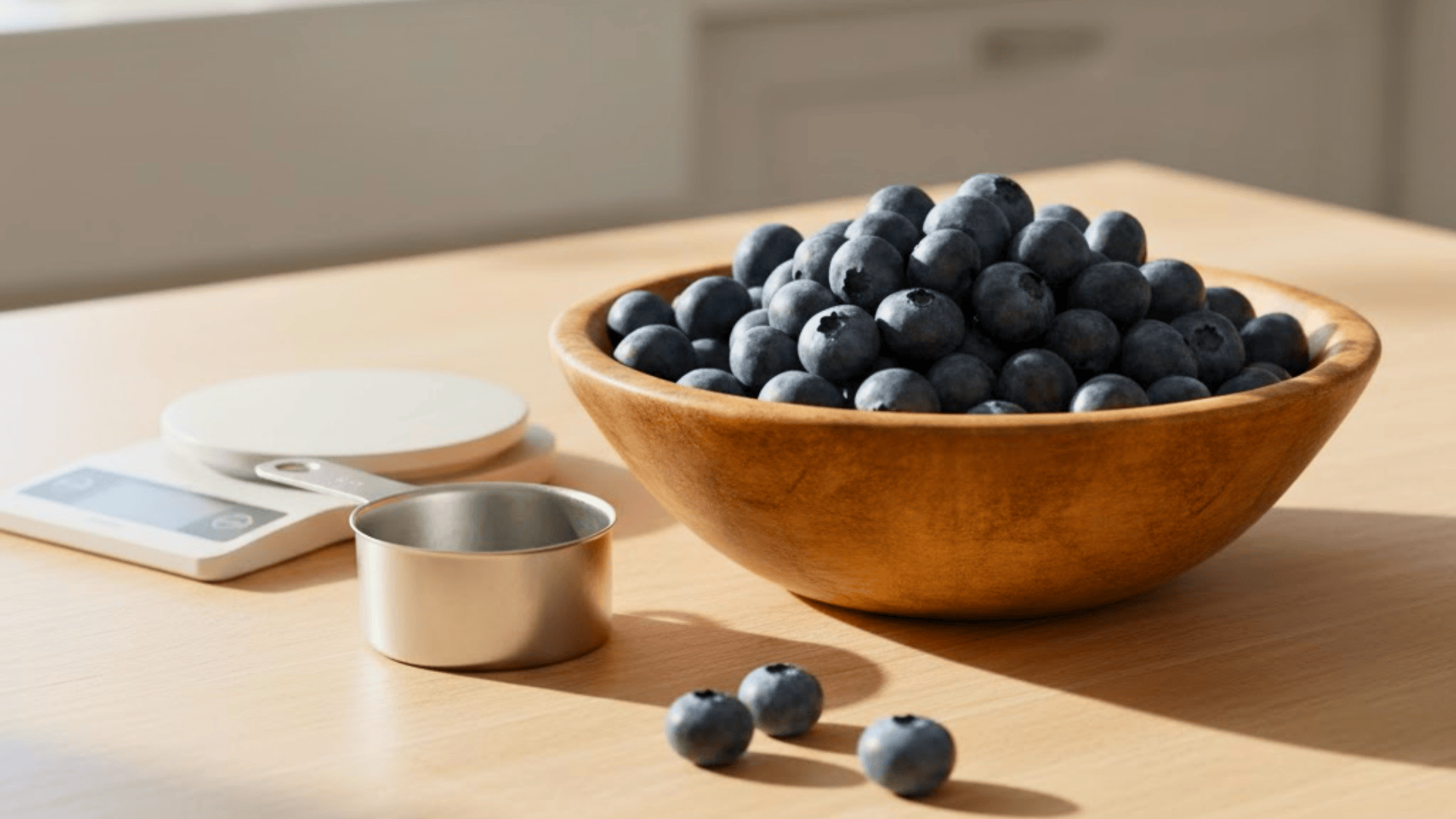
Understanding carbs in 1 cup of blueberries helps you see how each portion fits into your daily carb limit, so you can choose the serving size that works best for your plan.
Net carbs are total carbs minus fiber. Blueberries contain natural sugar, a small amount of fiber, and a moderate carb load per serving. This is why they taste sweet and feel satisfying in small amounts.
Total Carbs of Blueberry: Why It Matters
If you want to keep carbs low, it helps to understand the difference between total carbs and net carbs.
Total carbs show the full amount of carbs in a food, but not all of them affect blood sugar. Net carbs give you the portion your body will process. Here’s the difference:
| Carb Type | What It Means | Amount in 1 Cup of Blueberries |
| Total Carbs | Sugar + starch + fiber | 21 g |
| Sugar | Natural sugar found in fruit | 14–15 g |
| Fiber | Carbs that do not raise blood sugar | 3.5–4 g |
| Net Carbs | Total carbs minus fiber | 17–18 g |
Since fiber doesn’t raise blood sugar, subtracting it from total carbs gives you a clearer picture of how that food fits into your daily limit.
Their carb content is commendable; however, one should think twice before adding blueberries to their strict no-carb diet.
Blueberries contain natural sugar and a modest amount of fiber. Since the fiber level is small, the net carb number stays close to the total carb number. This is why portion control matters when using blueberries on a low-carb plan.
How to Calculate Net Carbs in Blueberries Yourself?
The formula is simple: Net carbs = total carbs – fiber. You can plug in the numbers for any serving size. Example with 1/2 cup blueberries: 10.5 grams total carbs – 1.8 grams fiber = about 8.7 grams net carbs.
This simple method helps you adjust servings and track the amount that fits into your day. If you stick to this formula, you’ll always know how much each portion adds to your carb count.
Carbs in Blueberries by Type and Preparation
Carb counts shift based on how blueberries are prepared. Some forms keep carbs moderate, while others raise them quickly.
These breakdowns help you understand which options fit into a low-carb plan and which ones are harder to use when your daily carb limit is tight.
1. Fresh Blueberries
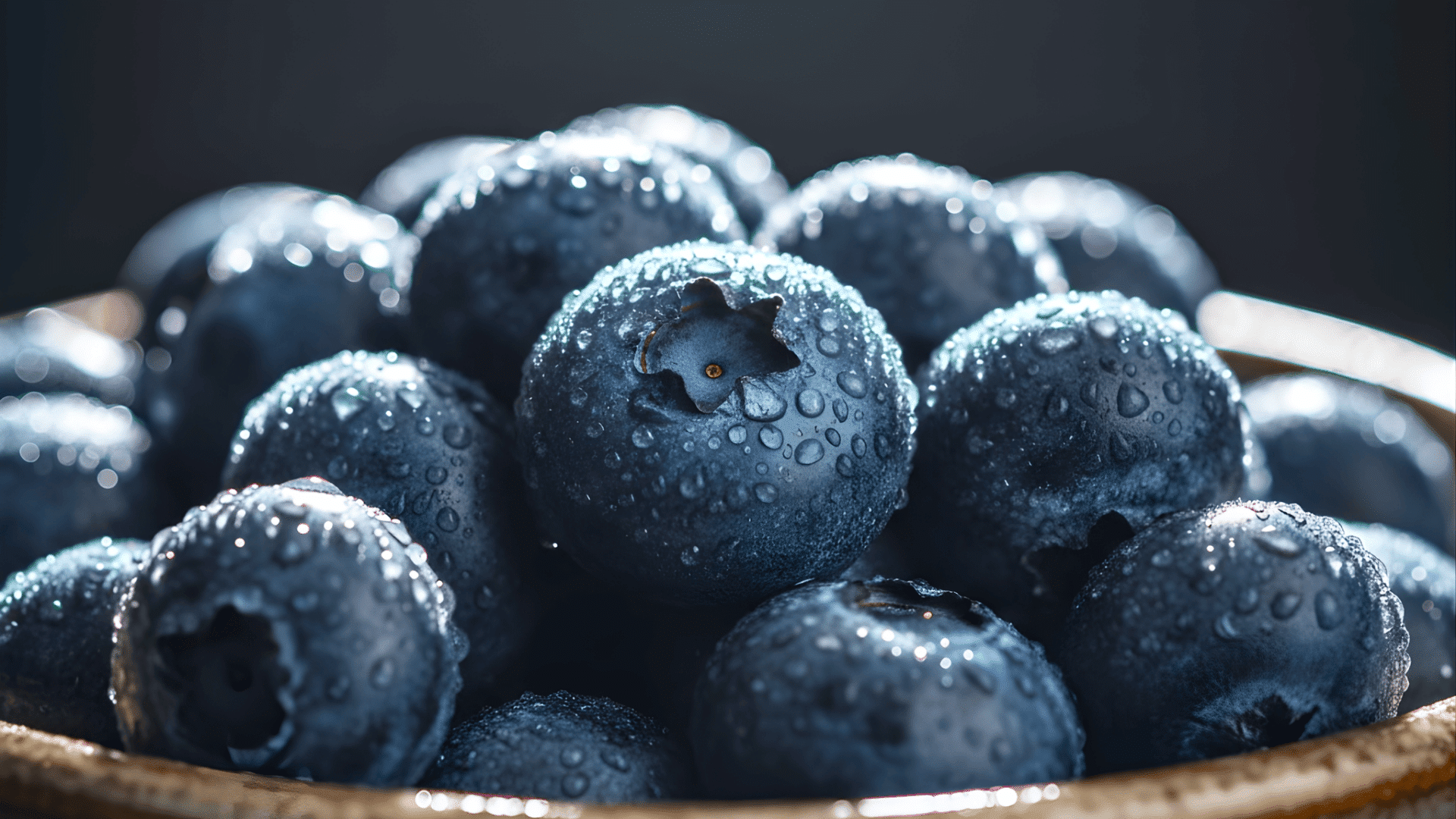
Approx. per 100g: ~14–15g total carbs, ~2g fiber, ~12–13g net carbs
Fresh blueberries carry a moderate carb load compared to other berry types. They’re easy to measure and track because the portions stay consistent.
Fresh berries work well in small servings and give you a predictable carb impact without added ingredients that might raise your total.
2. Frozen Blueberries
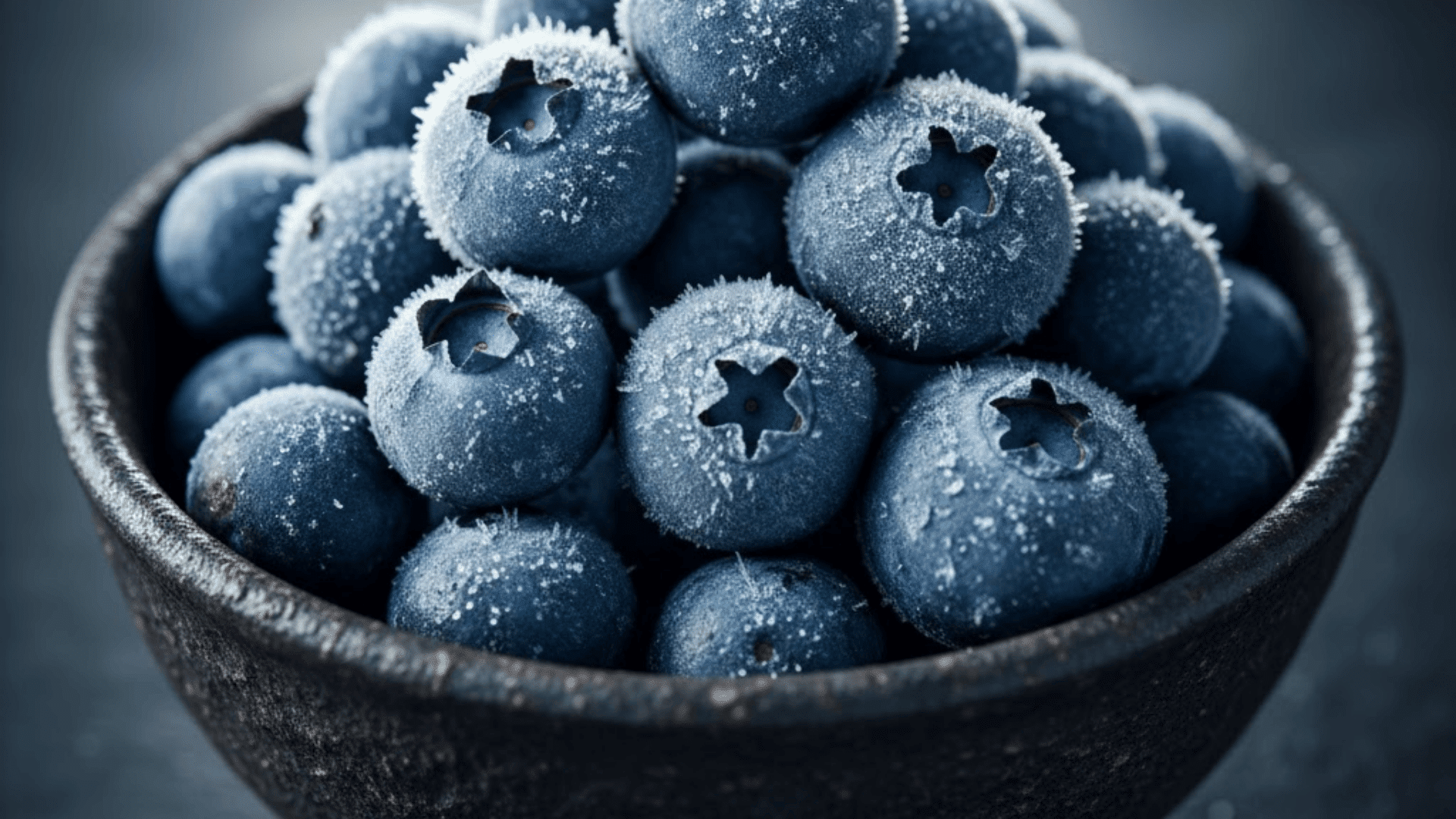
Approx. per 100g (unsweetened): ~14–15g total carbs, ~2g fiber, ~12–13g net carbs
Frozen blueberries have a similar carb impact to fresh berries when they’re unsweetened. The main thing to watch is the ingredient list, since some brands add syrup or sugar.
Plain frozen berries keep their natural carb profile and work well in cooked or blended dishes.
3. Dried Blueberries
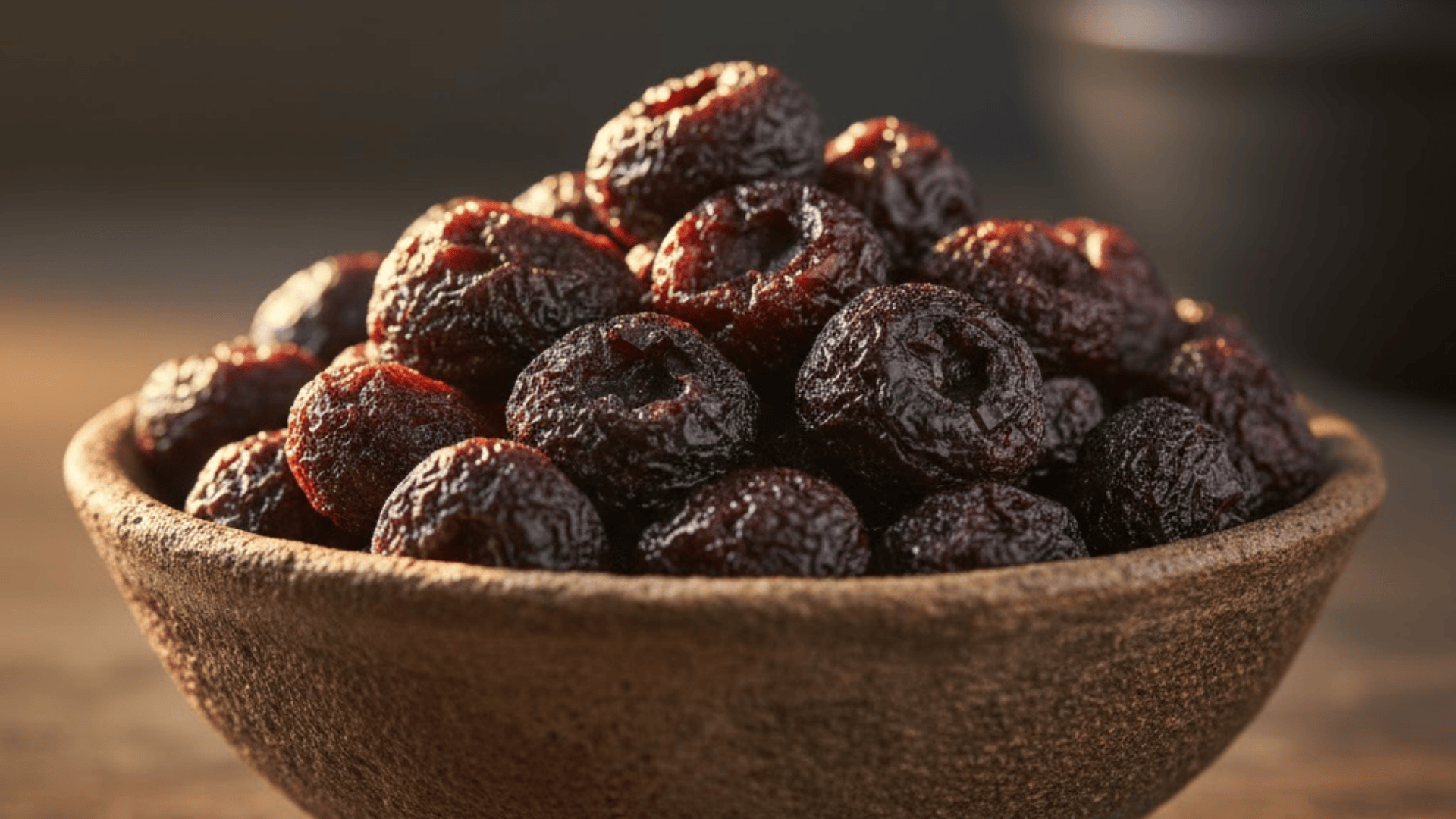
Approx. per 100g: ~75–80g total carbs, very low fiber, ~70g+ net carbs
Dried blueberries deliver a much higher carb impact because the water is removed, concentrating the natural sugar. Even small portions can quickly add up to your carb total.
They’re harder to fit into low-carb plans unless you keep the amount extremely small and track it carefully.
4. Blueberry Juice and Sauces

Approx. per 100g (juice): ~12–15g total carbs, almost zero fiber, ~12–15g net carbs
Sauces vary: usually higher due to added sugar and reduced liquid
Blueberry juice and sauces have a higher carb impact than whole berries because they lose nearly all fiber and often contain added sugar.
The carb load climbs fast in these forms, making them challenging to use when you want to keep daily carbs lower. Whole berries remain the better option.
Are Blueberries High in Sugar?
Are blueberries high in sugar compared to other fruits? Relative to most whole fruits, no, but compared to other berries, yes.
One cup of raw blueberries contains approximately 14–15 grams of natural sugar, primarily fructose and glucose. Here’s the full picture:
| Fruit (1 cup) | Sugar (g) | Notes |
| Blueberries | 14–15g | Higher than most berries |
| Strawberries | 7–8g | About half the sugar of blueberries |
| Raspberries | 5g | One of the lowest-sugar fruits |
| Blackberries | 7g | Low sugar, high fiber |
| Grapes | 23g | Much higher than blueberries |
| Banana (1 medium) | 14g | Similar sugar, far more starch |
| Mango (1 cup) | 23g | Much higher than blueberries |
So are blueberries high in sugar? They’re moderate, higher than other berries but lower than most other fruits.
The key distinction is that blueberry sugar is naturally occurring and paired with fiber, water, and antioxidants, which slow absorption compared to added sugars in processed foods.
Important context: The Dietary Guidelines for Americans recommend limiting added sugars to under 10% of daily calories.
The natural sugars in whole blueberries do not fall into this category and behave differently in the body than added sugars.
Are Blueberries Keto-Friendly?
Blueberries can fit into a keto plan, but only in small portions. Their net carb load rises fast, and eating too many blueberries can create issues beyond just carbs, so most people use them as a topping or mix-in rather than a full serving.
Blueberries add color and flavor, but can take up a big share of your daily carb limit. Smaller portions make it easier to stay on track while still enjoying the taste.
- Strict low-carb: very small spoonful
- Moderate low-carb: small handful
- Flexible low-carb: slightly larger portion if the rest of the day stays balanced
Small servings help you enjoy the berries without going over your limit. You can add blueberries as a light sprinkle on yogurt, stir a few into chia pudding, blend a small amount into a smoothie, or fold a tiny handful into low-carb baked dishes.
Many people enjoy them before or after exercise, or paired with protein and fat, which helps keep energy steady and supports smoother digestion.
Glycemic Index of Blueberries
The glycemic index (GI) measures how quickly a food raises blood sugar on a scale of 0–100.
This is a useful tool alongside net carb counts, especially for people managing blood sugar or following a keto diet. Here is a clear breakdown:
| Food | Glycemic Index | Classification |
| Blueberries | 53 | Low–Medium |
| Strawberries | 40 | Low |
| Raspberries | 32 | Low |
| White bread | 75 | High |
| Banana | 51 | Low–Medium |
| Watermelon | 72 | High |
With a GI of around 53, blueberries sit at the low-to-medium range. This means they cause a relatively gradual rise in blood sugar rather than a sharp spike.
Eating them alongside protein or fat (like Greek yogurt or nuts) further lowers the glycemic response.
Takeaway: Blueberries have a lower glycemic impact than their sugar content might suggest. Portion size and food pairing both affect how your blood sugar actually responds.
Wild vs. Cultivated Blueberries: Does It Change the Carb Count?
Most nutrition data you’ll find, including the USDA figures used throughout this guide, refers to cultivated (highbush) blueberries, the large ones sold in most grocery stores.
Wild (lowbush) blueberries are smaller, darker, and nutritionally different in a few meaningful ways:
| Feature | Cultivated Blueberries | Wild Blueberries |
| Size | Larger | Smaller, more concentrated |
| Net carbs per 100g | ~12–13g | ~9–11g (slightly lower) |
| Antioxidant (anthocyanin) content | Standard | 2x higher per gram |
| Fiber | ~2g per 100g | Slightly higher |
| Availability | Fresh, frozen, year-round | Mainly frozen or in specialty stores |
Wild blueberries tend to have a slightly lower carb count per serving and a higher antioxidant concentration, making them a marginally better choice for low-carb plans when available.
Frozen wild blueberries are widely available and hold their nutritional profile well.
How Blueberries Compare to Other Low-Carb Berries
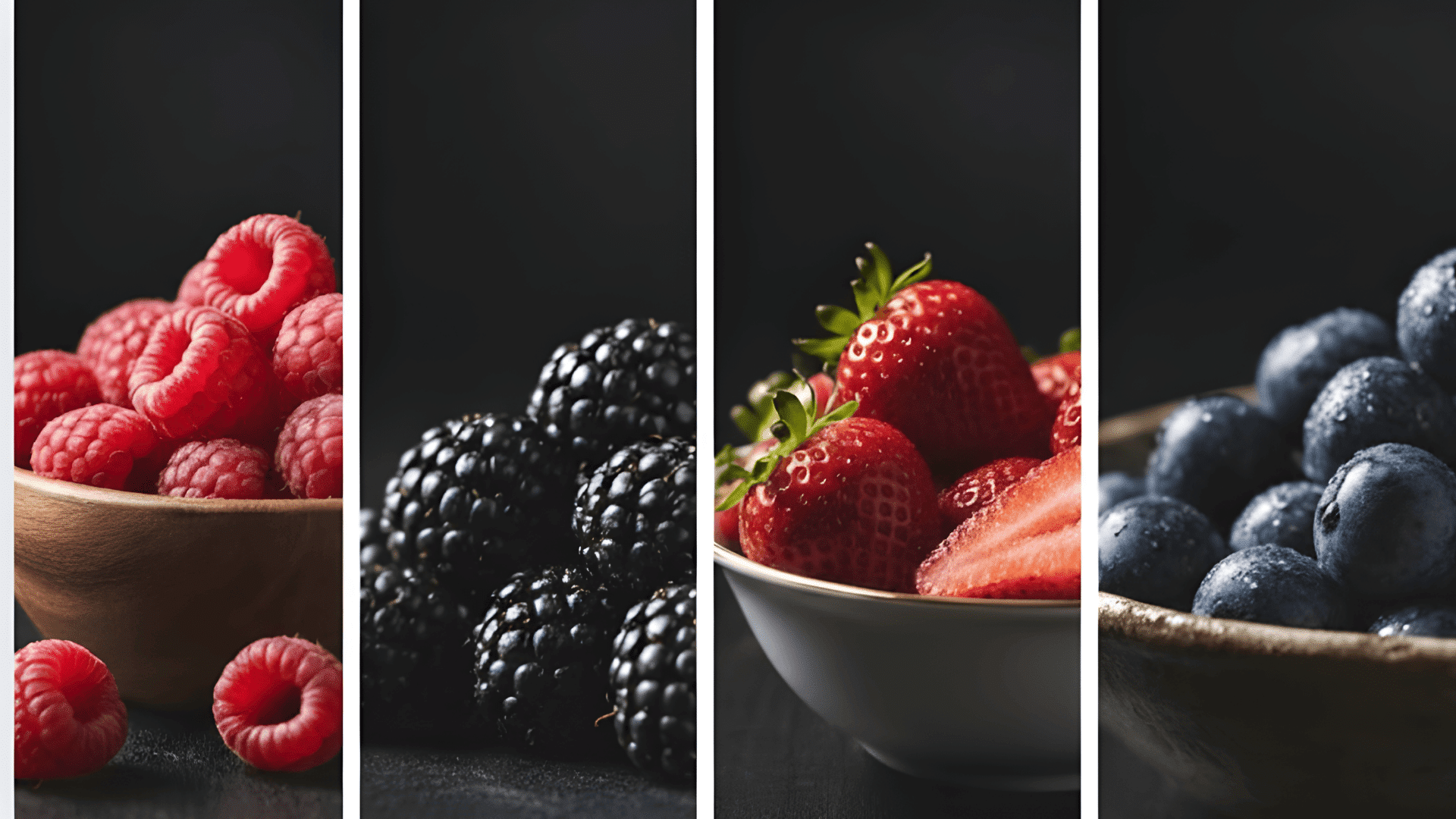
Not all berries carry the same carb load. Comparing them side by side helps you make smarter swaps and stretch your daily carb allowance further without giving up fruit entirely:
| Berry Type | Net Carbs (Per Cup) | Total Carbs (Per Cup) | Best For |
| Raspberries | ~5–7g | ~15g | Strictest keto budgets |
| Blackberries | ~6–7g | ~14g | High fiber, low sugar |
| Strawberries | ~8–9g | ~12g | Mild flavor, versatile use |
| Blueberries | ~17–18g | ~21g | Antioxidant boost in small portions |
Choosing the right berry depends on your carb goals. Lighter options help you enjoy larger portions, while blueberries work best in smaller amounts; the same logic applies to other high-carb fruits beyond berries, too.
Blueberries and Blood Sugar: What Diabetics Need to Know
If you’re managing type 2 diabetes or insulin resistance, blueberries are worth understanding beyond their carb count.
Their anthocyanin content, the pigment behind their deep blue color, has been studied for its role in reducing inflammation and supporting metabolic health.
A clinical study published in the Journal of Nutrition found that daily consumption of blueberry bioactives measurably improved whole-body insulin sensitivity in obese, insulin-resistant adults over 6 weeks, without changes in body weight.
To use blueberries safely, stick to ¼ to ½ cup portions, always pair them with a high-protein option like Greek yogurt or a low-carb fat like cream cheese to slow sugar absorption. Also, choose whole berries over juice, which strips fiber and spikes blood sugar faster.
Timing them after physical activity also helps lower the glucose response. This is general nutritional information; consult your doctor or dietitian before changing your fruit intake.
Health Benefits of Blueberries
Blueberries pack real nutritional value into small portions. Even a quarter cup adds useful nutrients to your meals with no prep needed and pairs well with most low-carb dishes. Here are some points:
- Antioxidants and brain support: Blueberries are rich in anthocyanins, natural compounds linked to long-term brain function and reduced oxidative stress. Add a small handful to breakfast yogurt for a daily cognitive boost with minimal carb cost.
- Fiber and heart support: Their natural fiber supports digestion, steady heart function, and balanced cholesterol levels. Mix a small serving into oatmeal or chia pudding to boost your daily fiber intake without adding many carbs.
- Vitamins and minerals: A single serving delivers Vitamin C, Vitamin K, and manganese, micronutrients that support immunity, bone health, and metabolism. No prep, no effort, and they work in smoothies, salads, or straight from the bowl.
You don’t need a large portion to benefit. A consistent small serving alongsidelow-fat cottage cheese or other meals that already support steady energy makes blueberries one of the most practical fruits to keep in any low-carb routine.
Summing Up
I hope this guide helped you feel confident about fitting blueberries into your daily plan. You now know exactly how many carbs in blueberries sit in each serving, how to calculate net carbs yourself, and how blueberries are keto-compatible, the answer being yes, with the right portion.
The key takeaways: a quarter cup is the safest low-carb serving, fresh and frozen plain berries are your best options, and pairing blueberries with protein or fat makes their sugar content far more manageable.
And while blueberries are high in sugar relative to other berries, yes, their natural sugar, fiber, and antioxidant profile make them a worthwhile addition in controlled amounts. Use the serving sizes that fit your day, keep things flexible, and enjoy the flavor you love without the stress.
If you want more easy tips and ideas, let me know in the comment section below.
Frequently Asked Questions
How many carbs are in 1 cup of blueberries?
When tracking blueberries’ carbs, one cup of raw blueberries contains approximately 21g total carbs, 3.5–4g fiber, and 17–18g net carbs. It also has about 84 calories and 14–15g of natural sugar.
Are blueberries high in sugar compared to other fruits?
Compared to other berries, yes, they have about twice the sugar of raspberries or blackberries. Compared to most other fruits like grapes, mangoes, or bananas, their sugar content is moderate. All sugar in blueberries is naturally occurring, not added.
Can eating too many blueberries kick you out of ketosis?
Yes. Eating a full cup or more in one sitting can push net carbs high enough to exit ketosis, depending on your individual threshold. Stick to ¼ to ½ cup and track your total daily carbs on days you eat blueberries.
Are frozen blueberries lower in carbs than fresh?
No, plain, unsweetened frozen blueberries have the same carb profile as fresh ones. The only difference comes from sweetened frozen varieties, which add sugar and significantly raise the carb count.
What is the lowest-carb way to eat blueberries?
Choose fresh or plain frozen berries in a ¼ cup portion, pair with protein or fat, and eat them around exercise when possible. Avoid dried blueberries, juice, jams, and flavored products; these have dramatically higher carb counts.