










You’ve probably used the leg press at some point and wondered where it really fits in your training. I used to question it too, especially when people kept arguing about labels.
So let’s answer it clearly: Is the leg press a Compound Exercise? Yes, it is, because both your knees and hips move during each rep. That already settles part of the debate.
But I know that’s not the only reason you’re here. You want to know what that means for your workouts.
Does it build a real size? Should you rely on it? How does it compare to squats? I’m going to break all of that down for you in simple terms so you can decide how to use it wisely.
Is the Leg Press a Compound Exercise?
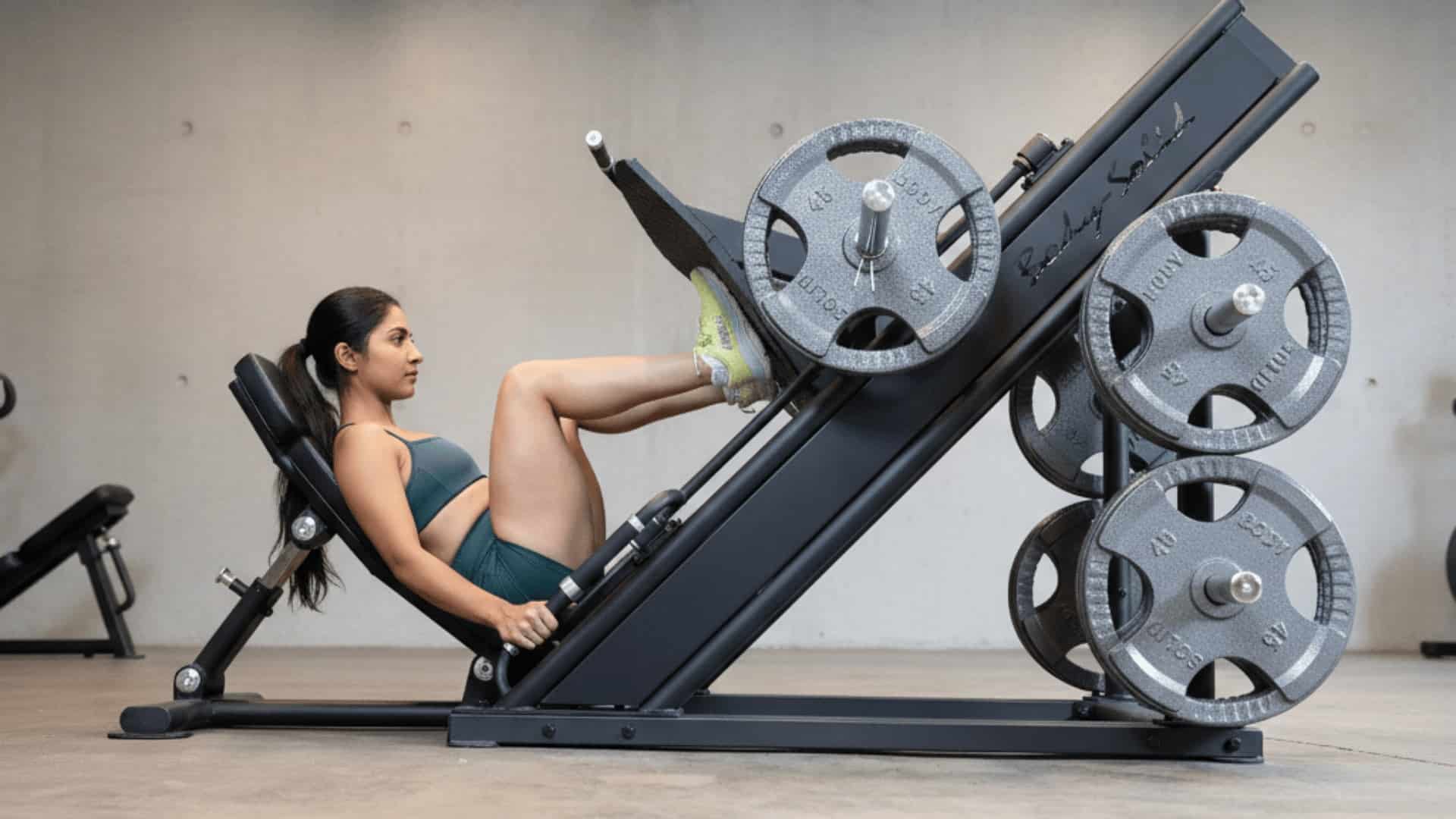
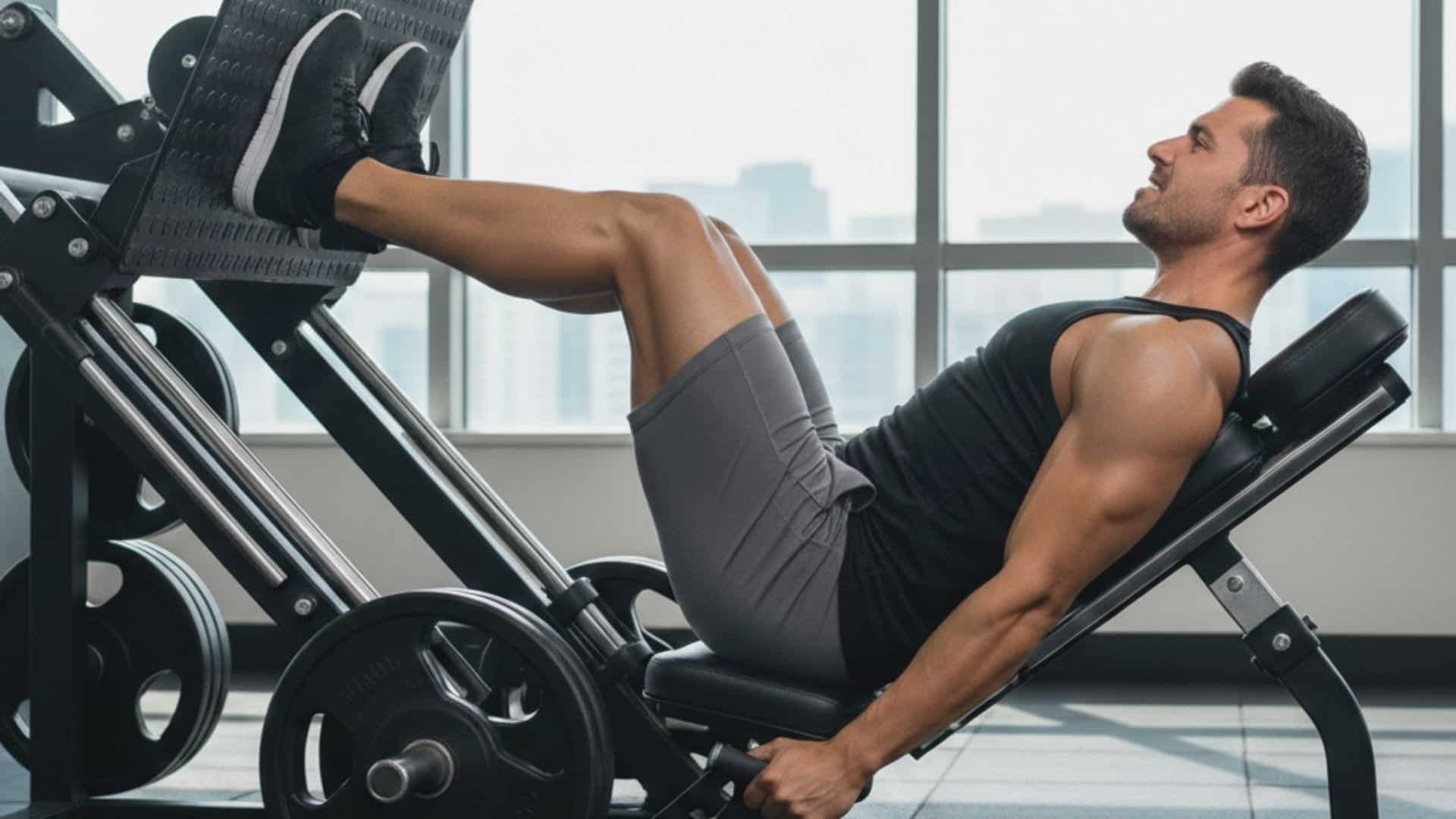
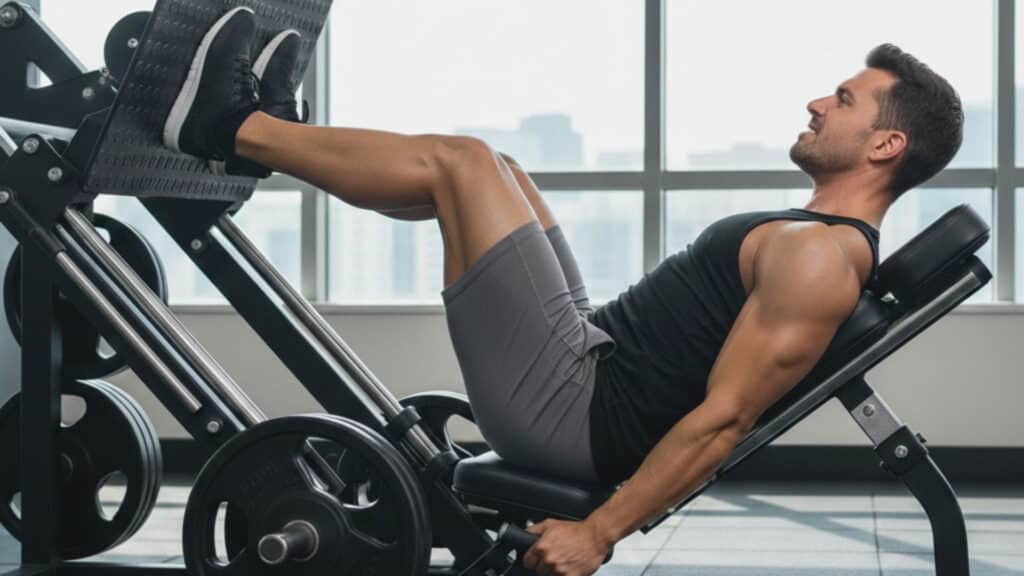
Yes, it is a compound exercise. A compound exercise simply means more than one joint moves at the same time. On the leg press, your knees and hips both bend and extend during each rep. That alone makes it compound. I know that might surprise you, especially if you’ve heard people argue about it at the gym.
The confusion usually comes from the fact that it’s a machine. Many people think only free weights count. But the definition has nothing to do with equipment. When you press the platform away, the movement pattern is very similar to a squat.
Your hips and knees drive the motion together. The main difference is that the machine supports your back and reduces the demands on your balance.
What Bodybuilders on Reddit Say About Leg Press vs. Squats
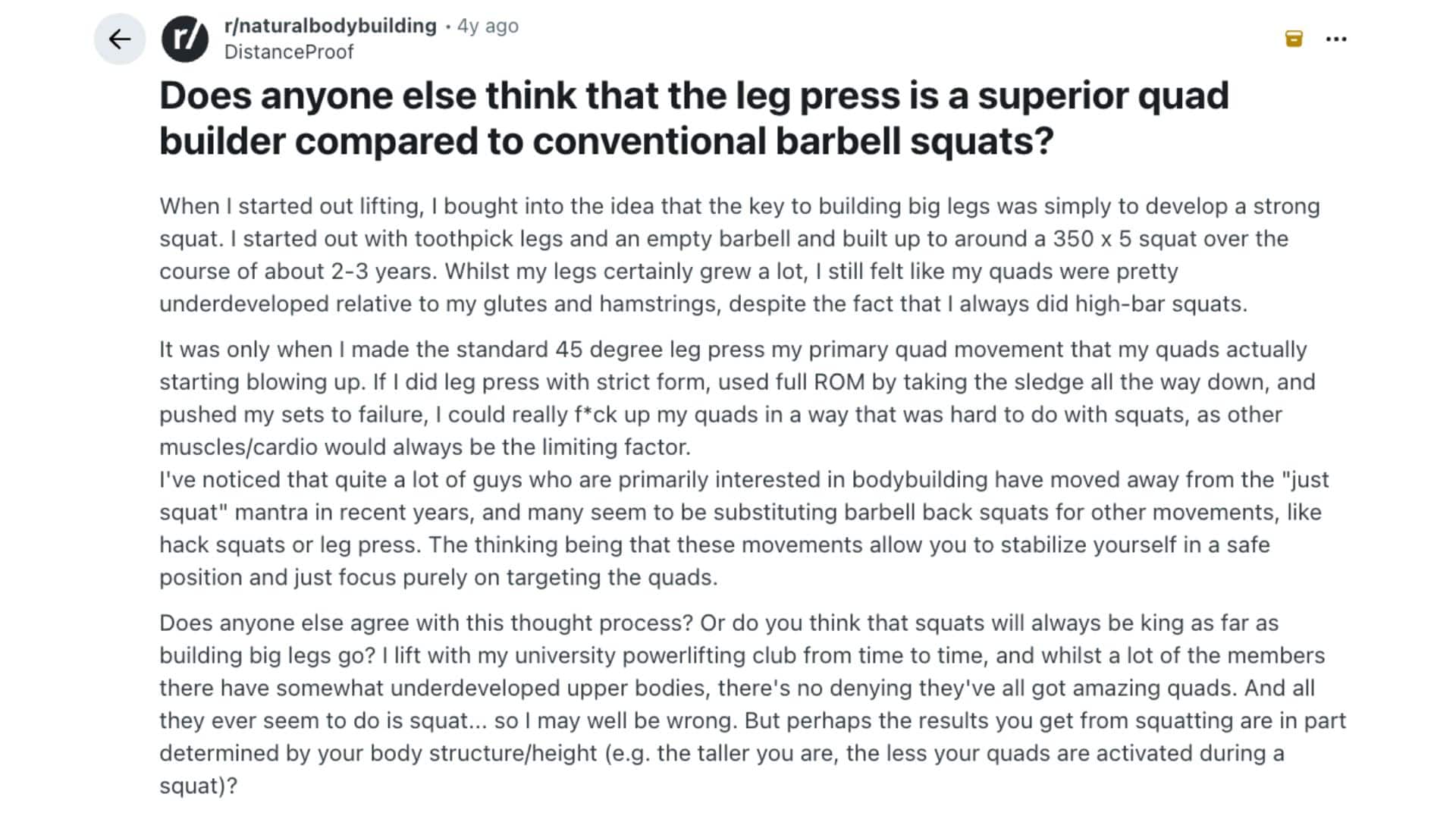
On r/naturalbodybuilding, DistanceProof shared that even after reaching a 350 × 5 squat, his quads still lagged. When he switched to making the 45-degree leg press his main quad lift and trained it hard with a full range of motion, his quad growth improved noticeably.
Pdbabb66, a 55-year-old lifter, said he now prefers the leg press because it feels safer and still builds strong quads. Mostlygroovy mentioned that back problems made the leg press a better long-term option for him.
At the same time, BatmanBrah pointed out that squat results often depend on body structure, like femur length and ankle mobility. That may explain why some lifters grow well from squats, while others see better quad gains from the leg press.
Leg Press vs. Squats: Which is Better?
The leg press targets several lower-body muscles, though not all equally. Some act as primary movers, others as secondary support.
| Factor | Leg Press | Squats |
|---|---|---|
| Stability | Machine-supported, fixed path | Free movement, self-stabilized |
| Core Involvement | Minimal | High |
| Spinal Loading | The lower back is supported | High, bar loads the spine |
| Muscle Activation | Quads, glutes, hamstrings | Quads, glutes, hamstrings, core, back |
| Skill Requirement | Low, easy to learn | High, takes time to perfect |
| Better for Beginners | Yes | Not always |
| Total-Body Strength | Limited | Superior |
Neither is universally better; the right choice depends on your goals, experience level, and what your body responds to.
What Muscles Do the Leg Press Work?
The leg press targets several lower-body muscles, though not all equally. Some act as primary movers, others as secondary support.
Quadriceps: The quads are the primary muscle group here. Every rep on the leg press drives knee extension, which is exactly what the quadriceps are built for. They take on the bulk of the load regardless of foot placement.
Glutes: The glutes act as primary movers during hip extension, particularly when the feet are placed higher on the platform. Lower foot placement significantly reduces glute involvement, shifting more demand back to the quads.
Hamstrings: The hamstrings play a secondary role, primarily stabilizing the knee and assisting with hip extension during each rep. They don’t get loaded the way they would in a Romanian deadlift or leg curl, but they’re far from inactive.
Calves: The calves serve as secondary stabilizers, helping anchor the foot to the platform throughout the movement. Their involvement is limited compared to an exercise like a standing calf raise, but foot angle and platform position can increase or decrease their engagement.
Is the Leg Press Worth Adding to Your Program?
The leg press has solid hypertrophy potential when taken close to failure with progressive overload, meaning consistently adding weight or reps over time.
Because the machine controls the movement path, it’s easier to push hard without form breaking down, which makes it particularly effective for high-volume training and bodybuilding-focused programs.
It works best as a primary movement for beginners still building confidence, as an accessory lift after squats, or as a squat substitute for anyone managing back issues.
The common myth that machine exercises don’t build real muscle doesn’t hold up; the leg press builds significant lower-body size when programmed with the same intention as any other compound lift.
When the Leg Press Might Not Be Enough
The leg press delivers for muscle building, but there are situations where it falls short on its own.
Athletic performance goals: Sports require explosive, controlled movements under load. Since the leg press doesn’t mimic that, free-weight squats and lunges are more applicable for the task athletes.
Core strength development: Because the machine supports the back throughout, the core stays largely disengaged. If building core strength is a priority, the leg press won’t contribute much toward it.
Functional strength needs: Everyday movements like lifting, climbing, or carrying a load require coordination across multiple muscle groups. The leg press builds isolated leg strength but doesn’t translate directly to real-world movement patterns.
Knowing these limitations doesn’t make the leg press a poor choice; it just helps you program around it more intelligently.
Common Leg Press Mistakes to Avoid
Small form errors on the leg press can limit results or lead to injury. These are the ones that come up most often.
| Mistake | Why It’s a Problem | Fix |
|---|---|---|
| Locking knees | Places stress directly on the joint, not the muscle | Stop just short of full extension on each rep |
| Too much weight | Forces reduced the range of motion and led to poor control | Drop the weight, prioritize full reps first |
| Shallow range of motion | Limits muscle activation across quads and glutes | Lower the platform until the knees reach roughly 90 degrees |
| Bad foot placement | Shifts load unevenly, increasing injury risk | Start feet shoulder-width apart, adjust intentionally based on the target muscle |
Fixing these before adding more weight will make a bigger difference than any programming change.
Final Thoughts
You now know that the leg press is a compound movement because your hips and knees work together with each rep.
I’ve shown you how it trains your quads, glutes, and supporting muscles, where it fits best, and where it falls short. You’ve also seen how body structure, injury history, and goals can change how useful it feels in your own routine.
If you want muscle size, the leg press can absolutely help when you train it with effort and good form. If you want more full-body strength, pairing it with squats makes sense.
Now I’m curious about you. Do you feel your quads more on the leg press or squats? Share your experience, and let’s keep the conversation going