











Yellow potatoes get dismissed as “just carbs” more often than they deserve. The USDA data tells a different story.
Yukon Golds deliver potassium, Vitamin C, fiber, and carotenoid antioxidants, all in a package that comes in under 80 calories per 100g.
This article covers what’s actually in yellow potatoes, how different cooking methods shift their calorie and carb content, and what the research says about their effects on heart health, digestion, and weight management.
What are Yellow Potatoes?
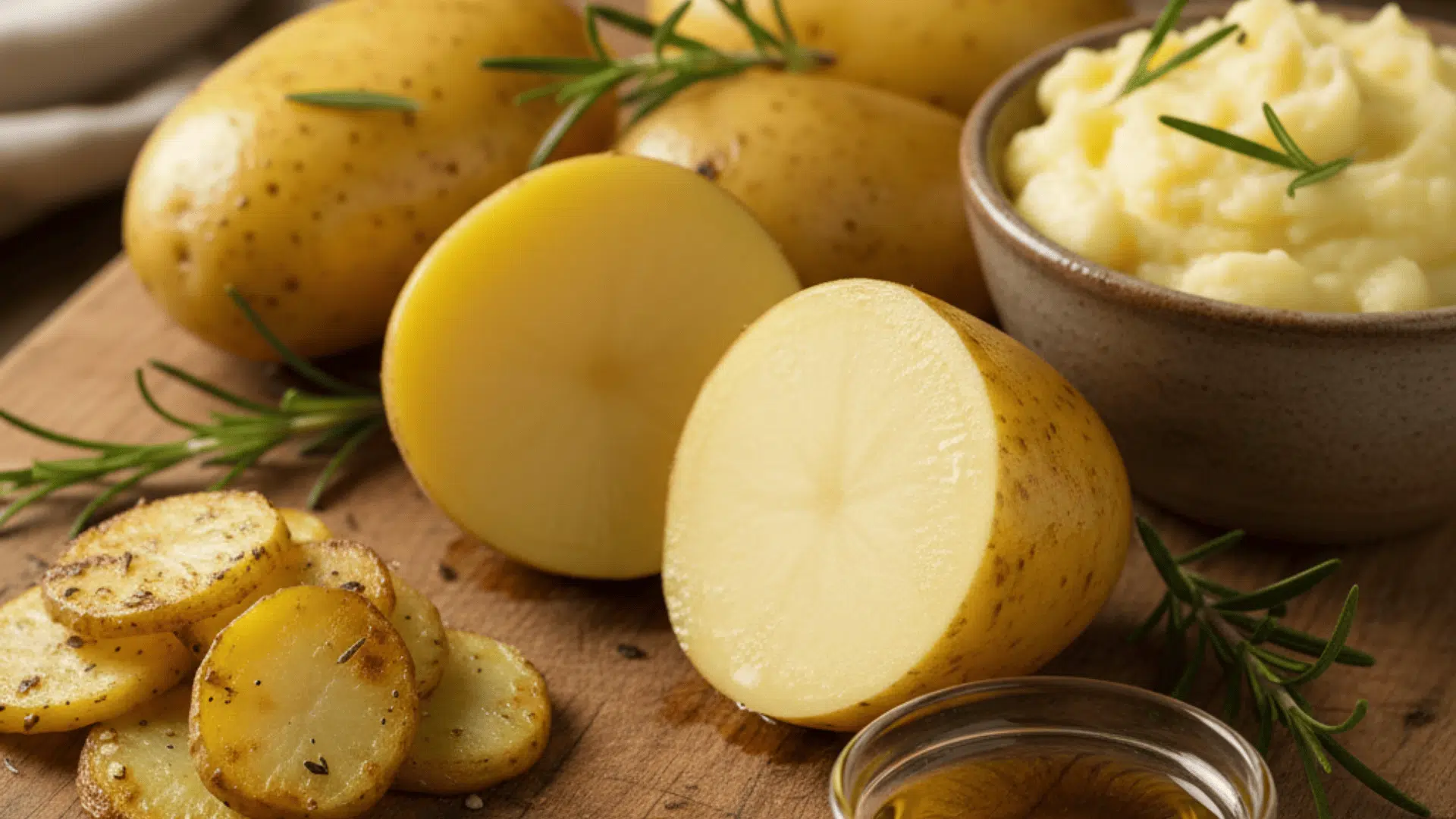
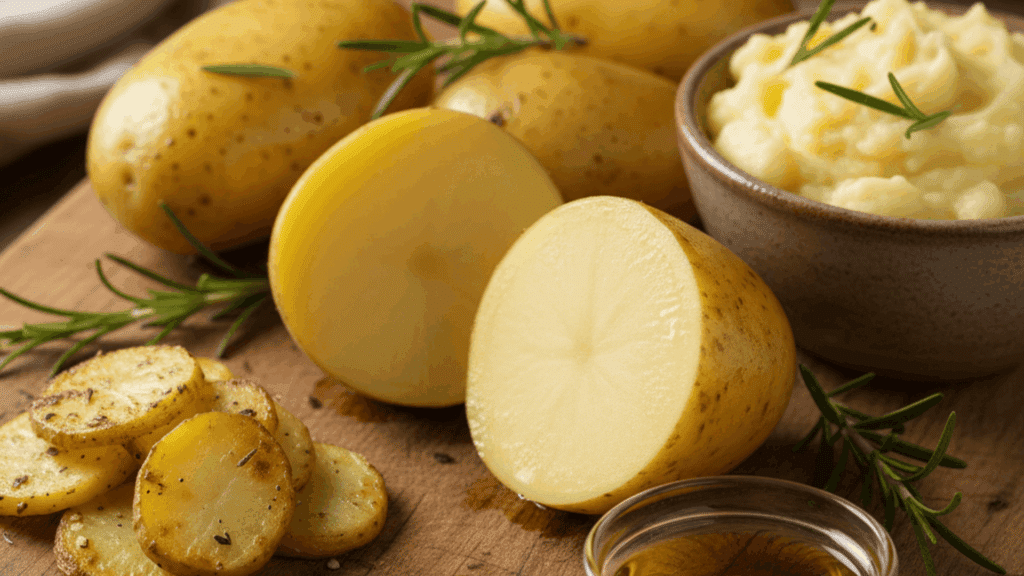
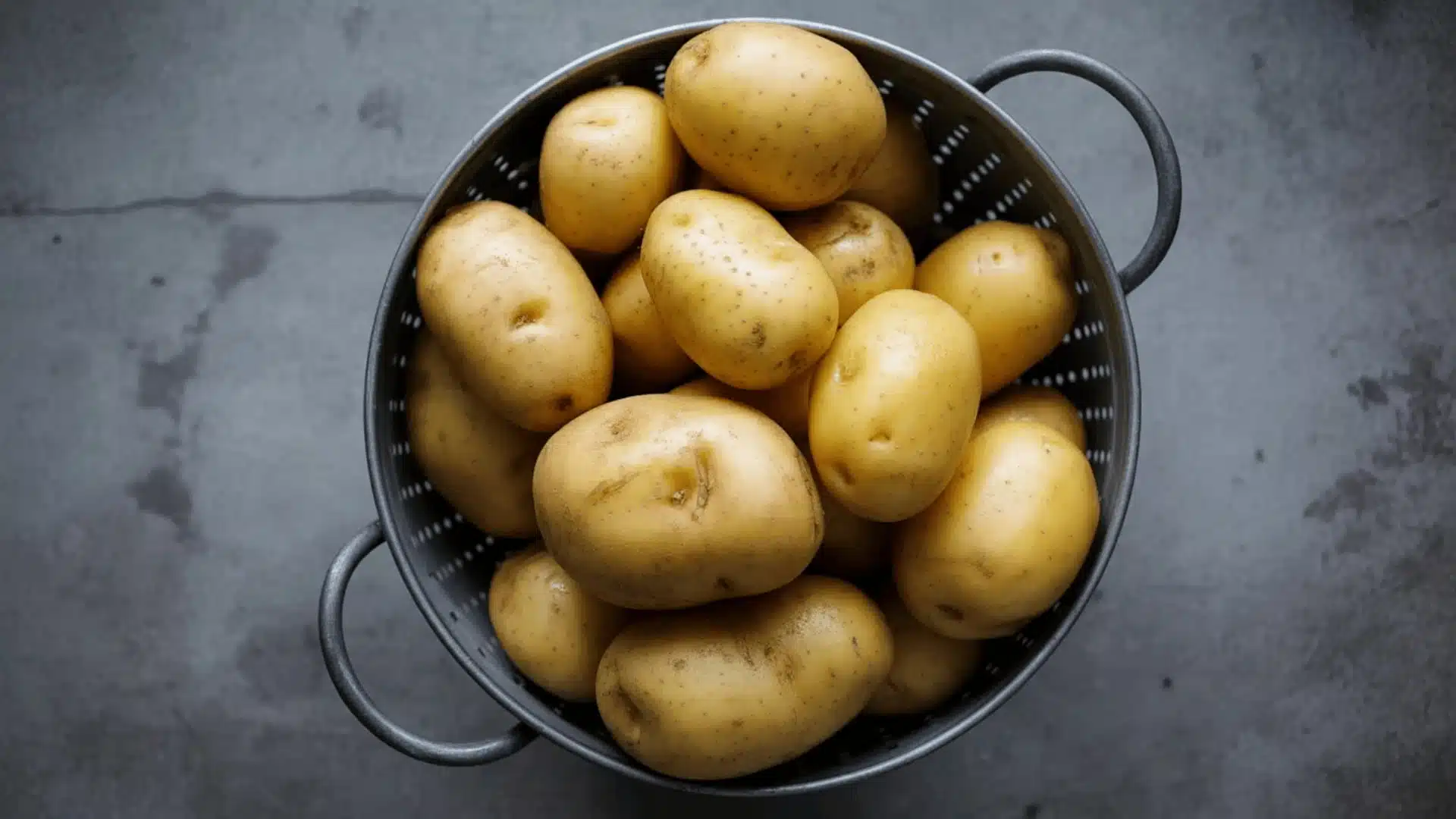
Yellow potatoes, most commonly the Yukon Gold variety, are known for their creamy texture and naturally buttery flavor. That golden color isn’t cosmetic. It signals the presence of lutein, a carotenoid antioxidant concentrated in yellow-fleshed potato varieties and largely absent from white-fleshed ones.[1]
The Yukon Gold was developed in the 1960s by breeder Garnet “Gary” Johnston at the University of Guelph in Ontario, Canada. The official cross was made in 1966, and the variety was released commercially in 1980.[2]
Johnston’s goal was to combine the texture of European yellow potatoes with the disease resistance and yield of North American varieties. The result became one of the most recognized potato varieties in North America.
Research published in the Journal of the American Society for Horticultural Science found that yellow-fleshed potato varieties contain significantly more carotenoids than white-fleshed ones, with lutein and zeaxanthin among the primary compounds identified.[3]
Yellow potatoes also adapt well to roasting, mashing, boiling, and grilling, making them one of the more versatile whole foods you can keep stocked.
Yellow Potato Nutrition Facts (Per 100g)
Yellow potato calories come mostly from complex carbohydrates, not fat or sugar. Here’s what one serving (per 100g) contains, based on USDA data:
| Nutrient | Amount |
|---|---|
| Calories | ~77 kcal |
| Carbohydrates | ~17g |
| Fiber | ~1.8g |
| Natural Sugars | ~1g |
| Protein | ~2g |
| Fat | ~0.1g |
| Potassium | ~440mg |
| Vitamin C | ~18mg |
| Vitamin B6 | Good source |
| Iron | Small amount |
| Magnesium | Small amount |
The potassium-to-calorie ratio is worth noting. At 440mg of potassium per 100g for just 77 calories, yellow potatoes are genuinely competitive with bananas, and they come with fiber, Vitamin C, and B6 that bananas don’t provide at the same density.
Health Benefits of Yellow Potatoes
1. Supports Heart Health
Yellow potatoes deliver around 440mg of potassium per 100g. Potassium helps counteract sodium’s effects on blood pressure, reducing strain on the heart and arteries over time.
Yellow potatoes also contain chlorogenic acid, a polyphenol antioxidant. A systematic review and meta-analysis of randomized clinical trials found that chlorogenic acid consumption was associated with reductions in both systolic and diastolic blood pressure.[4]
Separately, in vitro research has shown that chlorogenic acid can inhibit oxidation of LDL cholesterol, though these effects need further confirmation in larger human trials.[5]
The fiber content may also help support cholesterol levels. Together, these make yellow potatoes a reasonable whole-food contribution to a heart-healthy diet, though they are not a replacement for prescribed cardiovascular treatment.
2. Helps Maintain Healthy Digestion
The fiber in yellow potatoes, about 1.8g per 100g, supports regular digestion by adding bulk to stool and feeding beneficial gut bacteria.
Eating yellow potatoes with the skin on nearly doubles the fiber you get per serving; roughly half of the potato’s fiber sits in or just beneath the skin.
Cooking potatoes and then cooling them in the refrigerator also increases their content of resistant starch (Type 3), a form of starch that resists digestion in the small intestine and reaches the colon largely intact, where it acts as a prebiotic.[6]
A randomized controlled trial found that resistant potato starch supplementation stimulated growth of beneficial bacteria, including Bifidobacterium and Akkermansia, and improved bowel consistency compared to placebo.[7]
Worth noting: reheating yellow and red potato varieties after chilling does not substantially reduce their resistant starch content, unlike russet varieties.[8]
3. Provides Natural Energy
Yellow potatoes are built around complex carbohydrates, which digest more slowly than simple sugars and release glucose more steadily into the bloodstream.
They also contain Vitamin B6, which plays a direct role in energy metabolism at the cellular level, and choline, a nutrient that supports nerve signaling and brain function.
4. Contains Antioxidants
Yellow potatoes get their color from carotenoids, specifically lutein and zeaxanthin. These compounds are concentrated in the retina and have been studied for their role in eye health.
A meta-analysis of six longitudinal cohort studies found that higher dietary intake of lutein and zeaxanthin was associated with a reduced risk of late-stage age-related macular degeneration (AMD), though no significant association was found for early AMD.[9]
Lutein supplementation has also been associated with improvements in macular pigment optical density and visual acuity in AMD patients across multiple randomized controlled trials.[10]
Most people associate lutein with leafy greens. Yellow-fleshed potato varieties are an underappreciated source of the same compound.
Yellow potatoes also contain Vitamin C and chlorogenic acid, which act as antioxidants and may help reduce oxidative stress over time.
5. Helps Maintain Electrolyte Balance
Potassium and magnesium, both present in yellow potatoes, are electrolytes that regulate fluid balance, nerve signaling, and muscle contractions.
A boiled Yukon Gold eaten after exercise can help replenish potassium, magnesium, and carbohydrates from a single whole food, without the added sugars found in many commercial sports drinks.
Yellow Potatoes vs. Other Potato Varieties
Yellow potatoes are often compared with russet, red, and white varieties. Each type differs in texture, flavor, and best cooking use:
| Potato Type | Texture | Flavor | Best Uses |
|---|---|---|---|
| Yellow Potatoes | Creamy, smooth | Buttery | Roasting, mashing, and soups |
| Russet Potatoes | Fluffy, dry | Mild | Baking, frying |
| Red Potatoes | Firm, waxy | Slightly sweet | Salads, roasting |
| White Potatoes | Medium, smooth | Mild | Boiling, steaming |
Yellow potatoes stand out for their naturally buttery flavor and creamy texture, making them well-suited for dishes that require rich taste and smooth consistency.
Are Yellow Potatoes Good for Weight Loss?
Yellow potatoes can fit into a weight management plan when eaten mindfully.
A 1995 study at the University of Sydney developed a Satiety Index by feeding 240-calorie portions of 38 different foods to volunteers and tracking hunger responses. Boiled potatoes ranked first, with a satiety index score of 323%, seven times higher than the lowest-scoring food tested and more than three times higher than white bread.[11]
One medium potato at around 110 calories provides fiber, potassium, and slow-digesting carbohydrates that curb hunger without excess calories.
A plain baked or boiled potato is a very different food from a loaded, buttered mash. Paired with lean protein and non-starchy vegetables, yellow potatoes can be a practical way to manage hunger. Portion size and preparation method remain the key variables.
How to Get the Most from Yellow Potatoes in Your Diet
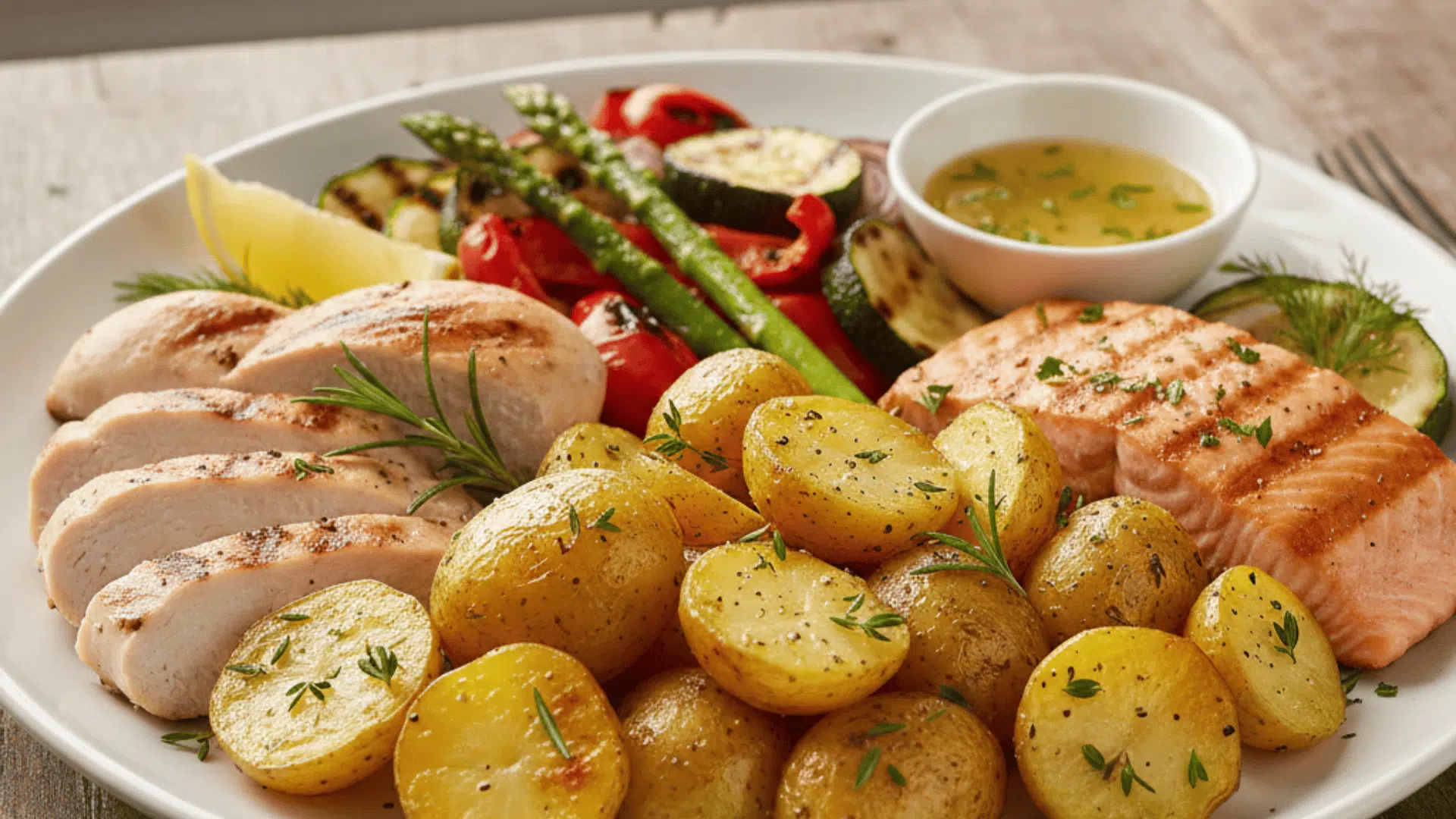
Yellow potatoes are easy to work into daily meals. A few practical notes on getting the most from them:
- For maximum nutrients: Bake or steam with skin on. Boiling leaches some water-soluble vitamins, including Vitamin C, into the cooking water. If you boil them, using that water in soups or sauces recovers some of those nutrients.
- For blood sugar management or gut health: Cook, cool completely in the fridge, then eat cold or gently reheated. The resistant starch formed during cooling slows digestion and acts as a prebiotic for gut bacteria.[6]
- For balanced meals: Combine yellow potatoes with a protein source (chicken, fish, legumes) and a non-starchy vegetable to reduce the meal’s overall glycemic impact.
- Flavor pairings: Garlic, rosemary, olive oil, and lemon complement their natural flavor without adding significant calories.
Cooking Method Calorie Guide
| Preparation | Approx. Calories (per 100g) |
|---|---|
| Boiled / Baked (plain) | ~77 kcal |
| Mashed with milk and butter | ~120 kcal |
| Roasted with 1 tsp olive oil | ~115 kcal |
| Deep fried (fries) | ~300+ kcal |
How to Choose and Store Yellow Potatoes

- Choose firm potatoes: Look for smooth, heavy potatoes with tight skin and no soft spots, cuts, or wrinkles.
- Avoid green patches: Green skin signals solanine buildup from light exposure. Trim heavily affected areas or skip them entirely.
- Store cool and dark: A pantry or cupboard away from light and heat prevents early sprouting. A ventilated paper bag or mesh basket works better than a sealed plastic bag.
- Don’t refrigerate raw: Cold temperatures alter starch structure and can affect flavor. Once cooked, however, refrigerating yellow potatoes is beneficial for resistant starch content.
Potential Downsides of Eating Too Many Potatoes
Yellow potatoes are nutritious, but portion size and preparation method matter. A few things to keep in mind:
- Glycemic load in large servings: Large portions can raise blood sugar more quickly, especially when eaten without protein, fat, or fiber. Anyone managing diabetes or insulin sensitivity should pay attention to portion size and meal composition at each sitting. Consult a healthcare provider or dietitian for personalized guidance.
- Calorie creep: One medium potato sits around 110 calories, but portions can easily double. Toppings like butter, cheese, and sour cream add significant calories and sodium on top of that.
- Frying changes the profile entirely: The potato itself is not high in fat. Deep frying pushes that same 77 kcal food past 300 kcal and adds substantial saturated fat.
- Nutritional gaps if over-relied upon: Yellow potatoes are low in calcium, healthy fats, and fat-soluble vitamins. They work best as part of a varied diet rather than as a dietary staple on their own.
Conclusion
The fear around potatoes, mostly driven by carb-phobia, isn’t supported by the actual nutrient profile.
Yellow potatoes deliver steady energy, heart-supporting potassium, Vitamin C, digestive fiber, and lutein-rich carotenoids in one affordable whole food.
The most practical approach: keep a batch of boiled Yukon Golds in the fridge. Eat them cold or gently reheated. You get the resistant starch benefit, the potassium, and real satiety.
If you’re managing blood sugar or have specific dietary concerns, talk to a registered dietitian about how potatoes fit into your individual plan.
References
- Lu, W., Haynes, K., Wiley, E. R., & Clevidence, B. A. (2001). Carotenoid content and color in diploid potatoes. Journal of the American Society for Horticultural Science, 126(6), 722–726. https://doi.org/10.21273/JASHS.126.6.722↑
- University of Guelph. (2019, October 3). Yukon Gold potato’s U of G history makes headlines. U of G News. https://news.uoguelph.ca/2019/09/yukon-gold-potatos-u-of-g-history-makes-headlines/↑
- Haynes, K. G., et al. (2011). Inheritance of carotenoid content in tetraploid × diploid potato crosses. Journal of the American Society for Horticultural Science, 136(4), 265–272. [Summarized in USDA ARS AgResearch Magazine, October 2012.] https://agresearchmag.ars.usda.gov/2012/oct/fruits↑
- Onakpoya, I., Spencer, E., Heneghan, C., & Thompson, M. (2015). The effect of chlorogenic acid on blood pressure: a systematic review and meta-analysis of randomized clinical trials. Journal of Human Hypertension, 29(2), 77–81. https://doi.org/10.1038/jhh.2014.46↑
- Kasim, N. A. M., et al. (2023). Chlorogenic acid inhibits non-enzymatic glycation and oxidation of low density lipoprotein. BMC Complementary Medicine and Therapies. https://pmc.ncbi.nlm.nih.gov/articles/PMC10393688/↑
- Birt, D. F., et al. (2013). Resistant starch: promise for improving human health. Advances in Nutrition, 4(6), 587–601. As summarized in: Hamaker, B. R., & Tuncil, Y. E. (2014). Resistant starch and the gut microbiome. PMC. https://pmc.ncbi.nlm.nih.gov/articles/PMC10819196/↑
- Dahl, W. J., et al. (2023). Consumption of Solnul™ resistant potato starch produces a prebiotic effect in a randomized, placebo-controlled clinical trial. Nutrients, 15(7), 1582. https://doi.org/10.3390/nu15071582↑
- Patterson, M. A., Maiya, M., & Stewart, M. L. (2020). Resistant starch content in foods commonly consumed in the United States: a narrative review. Journal of the Academy of Nutrition and Dietetics, 120(2), 230–244. As summarized at: Johns Hopkins Patient Guide to Diabetes. https://hopkinsdiabetesinfo.org/what-is-resistant-starch/↑
- Ma, L., Dou, H. L., Wu, Y. Q., Huang, Y. M., Huang, Y. B., Xu, X. R., Zou, Z. Y., & Lin, X. M. (2012). Lutein and zeaxanthin intake and the risk of age-related macular degeneration: a systematic review and meta-analysis. British Journal of Nutrition, 107(3), 350–359. https://doi.org/10.1017/S0007114511004260↑
- Fang, I. M., Yang, C. H., Yang, C. M., & Chen, M. S. (2020). Effects of lutein supplementation in age-related macular degeneration. PLOS ONE, 15(1), e0227048. https://doi.org/10.1371/journal.pone.0227048↑
- Holt, S. H., Miller, J. C., Petocz, P., & Farmakalidis, E. (1995). A satiety index of common foods. European Journal of Clinical Nutrition, 49(9), 675–690. https://pubmed.ncbi.nlm.nih.gov/7498104/↑