










If you’ve been dealing with a rotator cuff injury, I know how frustrating it is to decide whether to move your shoulder or just rest it completely.
The good news is that finding safe exercises with rotator cuff injury doesn’t have to be complicated. In fact, the right movements can speed up your recovery, reduce pain, and help you get back to doing what you love.
I’m going to walk you through the safest exercises you can do with a rotator cuff injury, broken down by category, from gentle mobility moves to light strengthening exercises. Let’s get your shoulder moving in the right direction.
Important Safety Note: These exercises are for general guidance only. Stop immediately if pain, numbness, weakness, or worsening leg symptoms occur and consult a healthcare professional.
Quick Answer: What are Safe Exercises With Rotator Cuff Injury?
The safest movements focus on light mobility, controlled muscle activation, and stability without heavy load or overhead strain.
So if you’re recovering from a rotator cuff injury, you don’t need to stop moving completely. The key is choosing exercises that protect the healing tissues while keeping your shoulder gently active.
Here are safe exercises you can perform during recovery:
- Gentle pendulum swings
- Wall crawls (finger walks)
- Isometric shoulder rotations
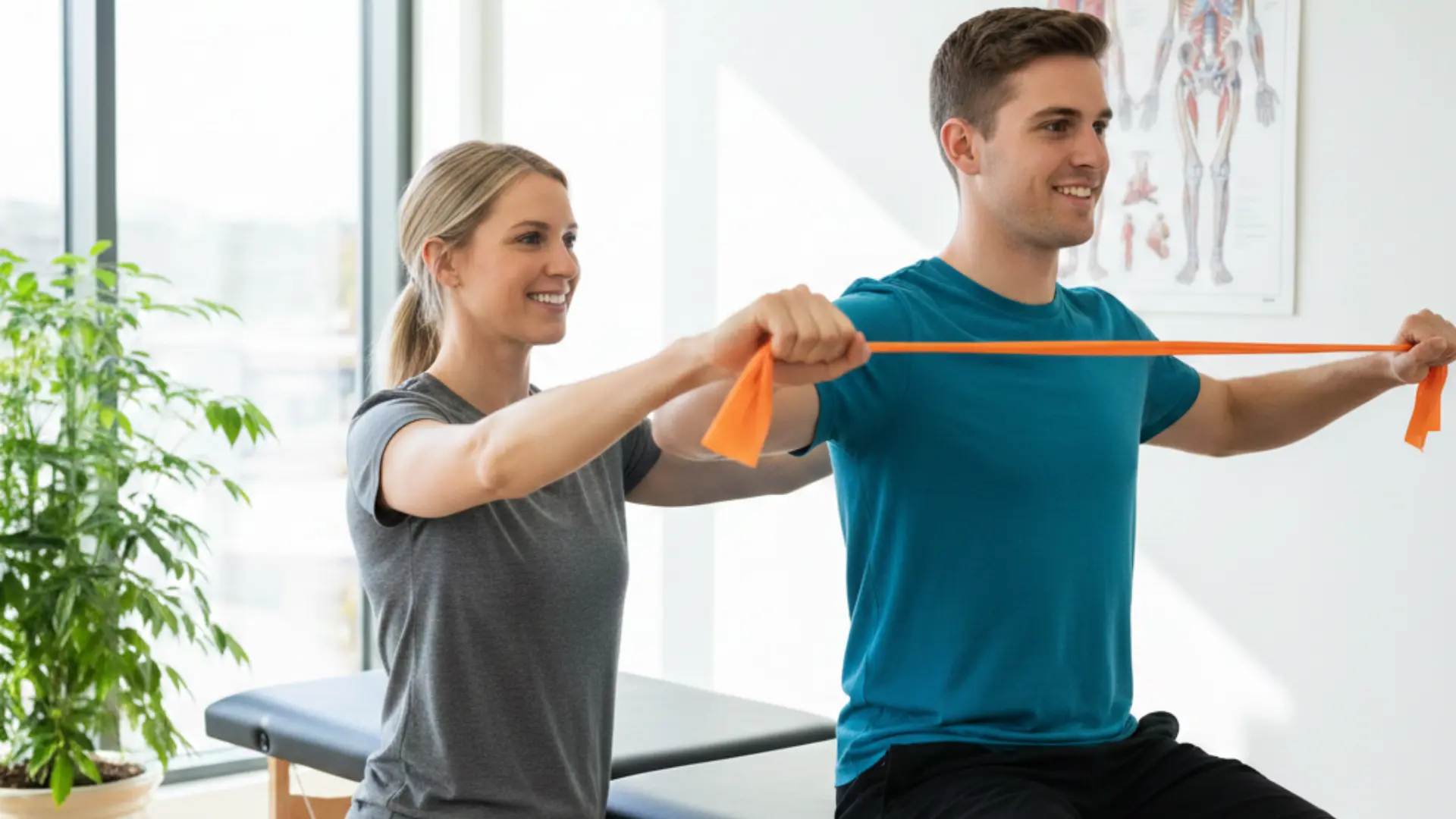
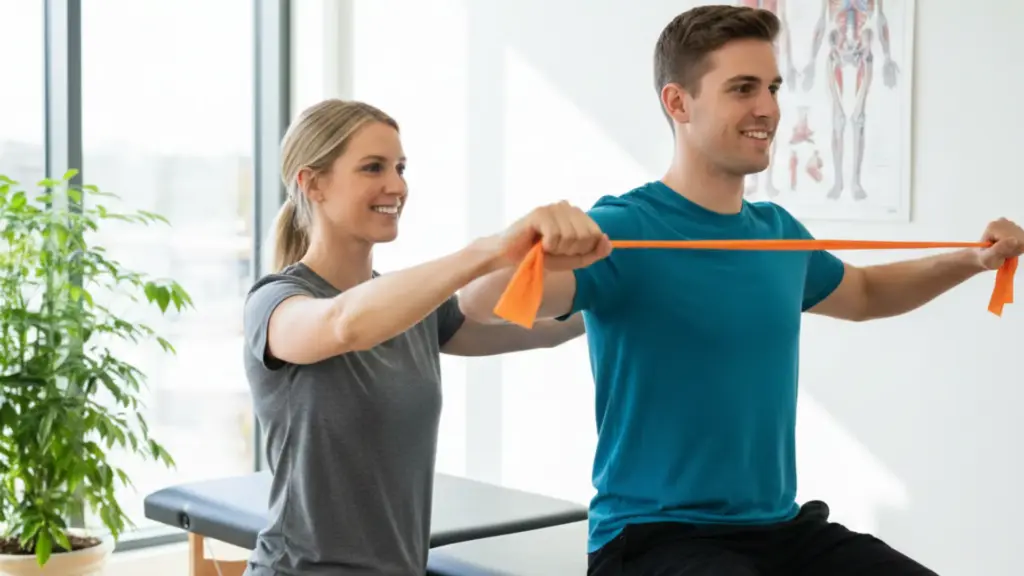
- Light resistance band external and internal rotations
- Scapular stabilization drills
- Lower body training that does not strain the shoulder
All exercises must stay within a completely pain-free range of motion. If you feel sharp pain, increasing discomfort, weakness, or catching sensations, stop immediately and reassess before continuing.
Understanding Rotator Cuff Injury

The rotator cuff is a group of four small muscles and tendons that surround your shoulder joint and keep the arm stable during movement.
A rotator cuff injury happens when these tissues become irritated or damaged. Common types include tendinitis (inflammation from overuse), partial tears (small damage to the tendon), and full tears (complete tendon rupture).
These injuries often cause pain, weakness, and limited motion in the shoulder. During recovery, the right exercises matter because they help maintain mobility, improve blood flow, and gradually rebuild strength without putting too much stress on the healing tissues.
Is It Safe to Exercise With a Rotator Cuff Injury?
In many cases, gentle exercise is safe and even helpful during rotator cuff recovery, but timing matters. Rest is important in the early phase, especially if you have sharp pain, significant swelling, or a recent tear.
You may be ready to start moving when your pain is mild, your shoulder can handle small daily tasks, and your doctor or therapist has cleared you. The most important rule is to stay within a pain-free range of motion.
Mild discomfort or stretching is usually okay, but sharp or worsening pain is a sign to stop. Moving carefully and gradually helps prevent stiffness while protecting the healing shoulder.
Gentle Mobility Exercises (Early Stage)
These early-stage movements focus on reducing stiffness and restoring comfortable motion without placing a heavy load or strain on the healing rotator cuff tissues.
1. Pendulum Swing
This gentle movement helps reduce shoulder stiffness and improve circulation, making it one of the safest early exercises for maintaining mobility during rotator cuff recovery.
Steps:
- Stand beside a table and support your body with the uninjured arm.
- Let the injured arm hang relaxed toward the floor.
- Gently sway your body to create small arm circles.
- Move clockwise and counterclockwise for 30–60 seconds.
- Repeat 2–3 times daily.
Avoid actively lifting the arm or making large, fast swings. Keep the movement small and relaxed for the best results.
2. Wall Crawl (Finger Walk)
This exercise gradually restores shoulder range of motion while keeping strain low, helping your arm relearn safe upward movement without forcing the joint.
Steps:
- Stand facing a wall at arm’s length.
- Place your fingertips on the wall at waist height.
- Slowly walk your fingers upward as high as comfortable.
- Pause briefly, then slowly walk the fingers back down.
- Repeat 8–10 times.
Progress gradually by reaching slightly higher over time without forcing through pain or shrugging the shoulder.
3. Crossover Arm Stretch
This stretch relieves tightness in the back of the shoulder and improves flexibility, which can ease discomfort and support smoother daily arm movements.
Steps:
- Stand or sit tall with shoulders relaxed.
- Gently bring the injured arm across your chest.
- Use the opposite hand to lightly support the arm.
- Hold the stretch for 15–20 seconds.
- Repeat 3–5 times.
Use this stretch when the shoulder feels tight, but avoid pulling into sharp pain or lifting the shoulder upward.
Rotator Cuff Strengthening Exercises (Recovery Stage)
Once basic motion feels comfortable, these exercises help rebuild rotator cuff strength safely while keeping the shoulder joint stable and well-supported.
4. External Rotation With Resistance Band
This movement strengthens key rotator cuff muscles that stabilize the shoulder, helping reduce injury risk and improve controlled arm rotation during recovery.
Steps:
- Attach a light resistance band to a stable object.
- Keep your elbow bent at 90 degrees and tucked to your side.
- Hold the band and slowly rotate your forearm outward.
- Return with control to the starting position.
- Perform 2 sets of 10–15 reps.
Use very light tension at first and avoid letting the elbow drift away from your body during the movement.
5. Internal Rotation With Band
This exercise builds strength in the front shoulder stabilizers, supporting balanced rotator cuff function and helping protect the joint during everyday pushing movements.
Steps:
- Stand sideways to the band anchor point.
- Keep your elbow bent and pressed gently into your side.
- Pull the band slowly inward across your body.
- Return with control to the start position.
- Perform 2–3 sets of 10–15 reps.
Focus on smooth motion and stop if you feel pinching in the front of the shoulder.
6. Isometric Shoulder Press
This low-movement exercise safely activates shoulder muscles, making it ideal when pain is present and helping maintain strength without stressing the healing tissues.
Steps:
- Stand beside a wall with your elbow bent at 90 degrees.
- Press your palm gently into the wall without moving the arm.
- Hold the gentle pressure for 5–10 seconds.
- Relax and repeat 8–10 times.
- Perform once or twice daily.
Progress when this feels completely pain-free, and you can maintain steady, gentle pressure.
7. Scapular Squeeze
This simple drill improves posture and shoulder blade control, which reduces unnecessary strain on the rotator cuff during both exercise and daily activities.
Steps:
- Stand or sit upright with arms relaxed at your sides.
- Gently pull your shoulder blades back and slightly downward.
- Hold the squeeze for 5 seconds without shrugging.
- Relax slowly and repeat.
- Perform 10–15 reps, 2–3 times daily.
Focus on controlled shoulder blade movement rather than forcing the chest forward.
Supporting Shoulder Exercises (Advanced Recovery)
These movements strengthen the surrounding muscles that support the shoulder, helping improve long-term stability and reduce the risk of future irritation.
8. Standing Resistance Band Row
This exercise strengthens the upper back muscles that support the shoulder, improving overall joint stability and helping prevent future rotator cuff irritation.
Steps:
- Anchor a resistance band at chest height.
- Hold the band with both hands, arms extended forward.
- Pull your elbows back while squeezing your shoulder blades together.
- Slowly return to the starting position.
- Perform 2–3 sets of 12 reps.
Progress by using slightly more tension only when you can maintain perfect posture throughout the movement.
9. Wall Push-Ups
This beginner push exercise builds chest and shoulder strength safely, allowing a gradual return to pushing movements without placing excessive load on the injured rotator cuff.
Steps:
- Stand facing a wall with hands placed at shoulder height.
- Keep your body straight and step slightly back.
- Bend your elbows to slowly lower your chest toward the wall.
- Push back to the starting position with control.
- Perform 2 sets of 10–15 reps.
Move to incline push-ups only when wall push-ups feel completely pain-free and controlled.
Lower Body and Core Exercises You Can Still Do
Just because your shoulder is healing doesn’t mean your entire workout has to stop. You can still train safely and maintain strength by focusing on movements that don’t place stress on the injured shoulder.
Here are safe options to keep your body active:
- Squats
- Lunges
- Leg press
- Stationary cycling
- Core exercises without shoulder loading
These movements allow you to maintain lower body strength, improve circulation, and support overall fitness while protecting your shoulder. Stay mindful of your arm position, avoid gripping heavy weights unnecessarily, and always move in a controlled, pain-free range.
Exercises to Avoid With a Rotator Cuff Injury
I’ve learned that avoiding certain high-stress shoulder movements early on can prevent setbacks and help the rotator cuff heal properly.
- Heavy overhead presses: Place a significant load on the shoulder joint and can compress healing tendons, increasing the risk of irritation or delayed recovery.
- Behind-the-neck movements: Force the shoulder into an unsafe position that may increase impingement risk and strain vulnerable rotator cuff tissues.
- Upright rows (high and heavy): Can narrow the shoulder space and trigger impingement, especially when performed with heavy weights or poor form.
- Heavy bench press early on: Places excessive forward stress on the shoulder, which may aggravate symptoms before adequate stability and strength return.
- Sudden jerking motions: Rapid, uncontrolled movements can overload healing tissues and increase the chance of reinjury or inflammation.
I always avoid these risky movements until my shoulder feels strong, stable, and pain-free, which supports safer, smoother long-term recovery.
How to Progress Safely?
As your shoulder improves, progress should feel steady and controlled, not rushed. I always remind myself that healing tissue needs gradual loading, not sudden increases in stress.
Start by increasing repetitions before adding any resistance. When you can complete all reps comfortably with good form, then introduce slightly more resistance. Add resistance slowly and in small increments rather than making big jumps.
Stay completely pain-free during the movement and afterward. Mild muscle fatigue is fine, but sharp pain or increased soreness the next day means you progressed too quickly.
Monitor how your shoulder responds within 24 hours. Most importantly, follow your physical therapist’s guidance and adjust based on your specific injury and recovery stage.
Final Thoughts
Recovering from a rotator cuff injury takes time, and I hope this guide to safe exercises has made the process feel less overwhelming. The key is to stay consistent and always listen to your body.
If something hurts, stop. If you’re unsure if an exercise is right for your specific injury, reach out to a physical therapist or orthopedic specialist before starting.
Small, steady progress adds up faster than you think. Stick with these movements, respect your limits, and give your shoulder the patience it needs to heal properly.
Found this helpful? Comment below and let me know which exercise worked best for you. I’d love to hear about your progress!