



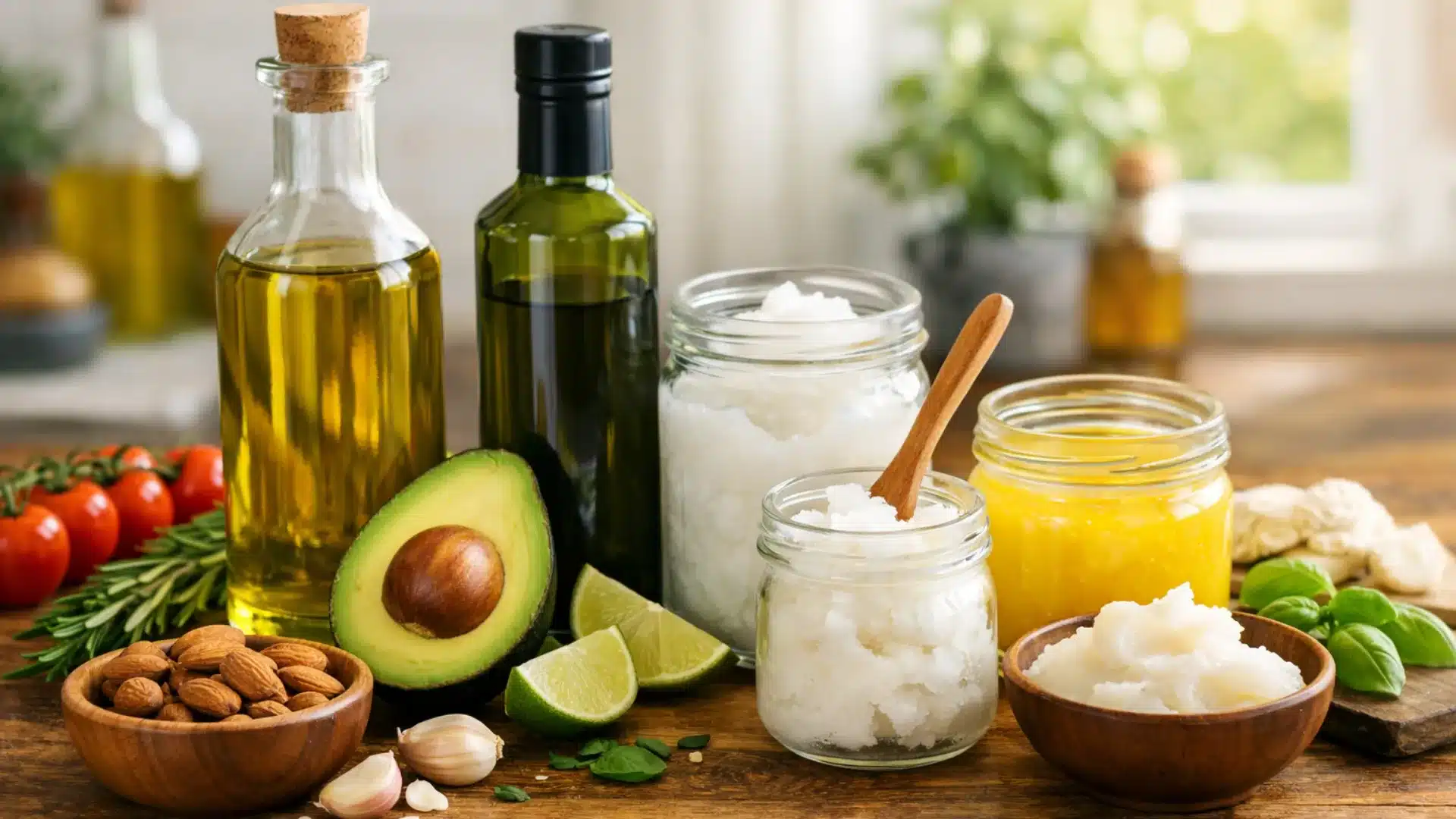








That bottle of vegetable oil sitting on your kitchen shelf might not be doing your health any favors. Most of us grew up cooking with highly processed seed oils without ever questioning them, but that is starting to change, and for good reason.
Non-seed oils like olive, avocado, coconut, ghee, and animal fats are making a strong comeback, not just for their rich flavor but for what they actually bring to the table nutritionally. The differences are worth understanding, and switching may be simpler than you think.
This guide walks you through everything, from what non-seed oils are to their health benefits and best uses in the kitchen, so you can make confident, informed choices without wading through confusing nutrition advice.
Understanding Non-Seed Oils
Non-seed oils are fats that don’t come from plant seeds. Unlike common seed oils such as canola, sunflower, or soybean, these oils are often minimally processed and retain more of their natural nutrients.
They usually have a better balance of fats, with lower levels of omega-6 fatty acids, making them a popular choice for health-conscious cooking.
Some examples include olive oil, ideal for drizzling or light sautéing; avocado oil, which holds up well at high heat; coconut oil, great for baking and medium-heat cooking; and animal-based fats like butter, ghee, tallow, and lard, which are stable for frying and roasting.
Using non-seed oils can help reduce processed fats in your diet while adding flavor and nutrients to your meals.
Top Non-Seed Oils to Replace Seed Oils
Each non-seed oil has its own flavor and strengths in the kitchen. Knowing what works best can make cooking easier and more delicious.
1. Avocado Oil: Mild and Versatile
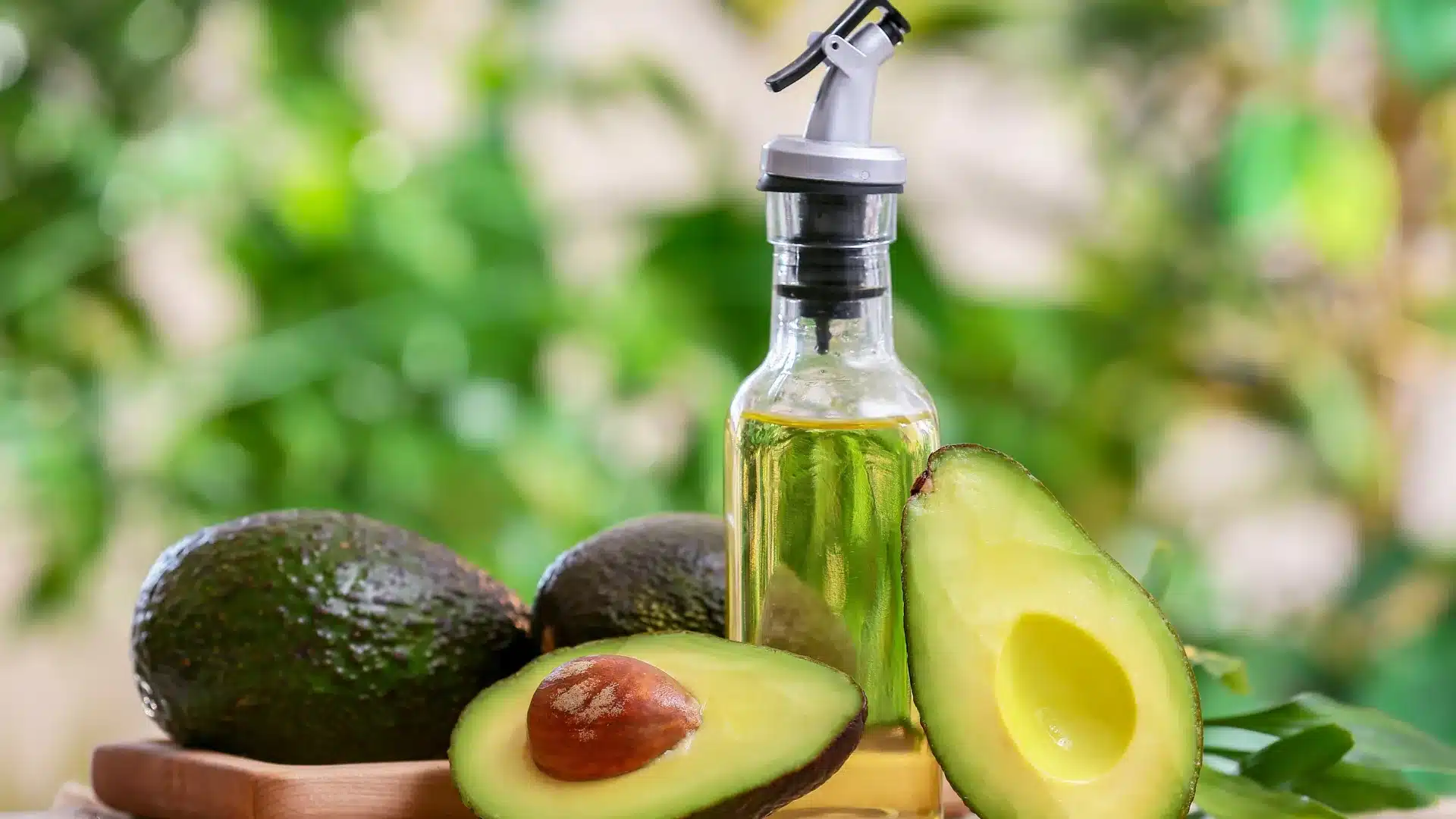
Avocado oil is a versatile non-seed oil with a neutral taste and an extremely high smoke point, making it ideal for frying, roasting, grilling, and sautéing without breaking down at high heat.
Key Facts
- Best for: Frying, roasting, grilling, and searing
- Smoke point: ~520°F (271°C)
- Flavor profile: Mild and neutral
- Healthy fats: Monounsaturated fats and vitamin E
- Sustainability: Often sustainably grown with widely available organic options
Its neutral flavor lets ingredients shine while delivering stable fats that support cooking performance and nutritional balance in everyday meals.
2. Coconut Oil: Slightly Sweet and Tropical
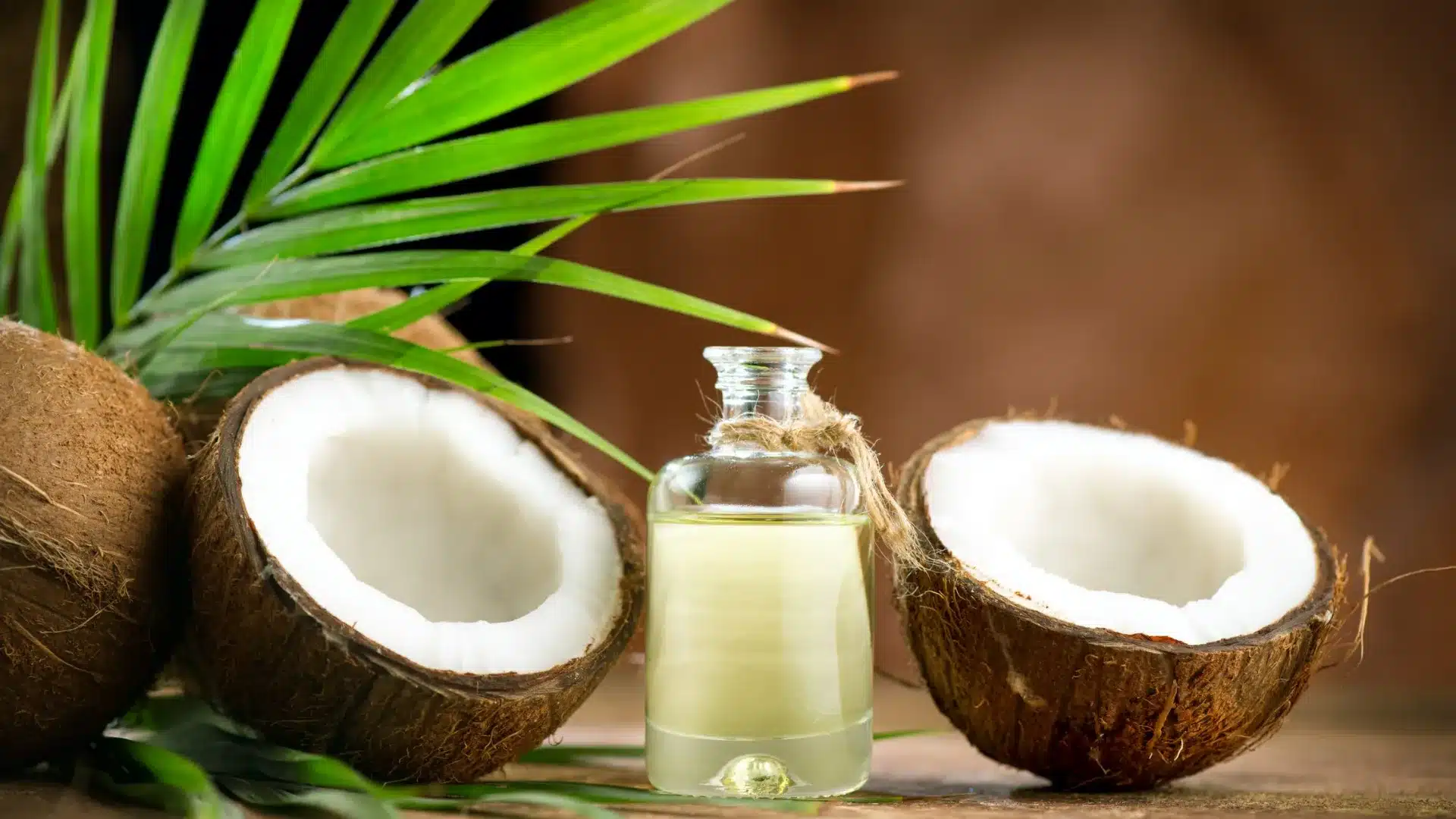
Coconut oil adds gentle sweetness and tropical aroma to cooking while offering stable fats suitable for baking, stir-frying, and medium-heat cooking methods in many traditional and modern recipes.
Key Facts
- Best for: Baking, medium-heat cooking, and stir-fries
- Smoke point: ~350°F (177°C)
- Flavor profile: Mildly sweet and tropical
- Healthy fats: Saturated fats (MCTs)
- Sustainability: Choose organic and ethically sourced brands
Its distinctive taste works well in desserts, baked goods, and light cooking while delivering stable fats that hold up under moderate heat.
3. Olive Oil: Fruity and Rich
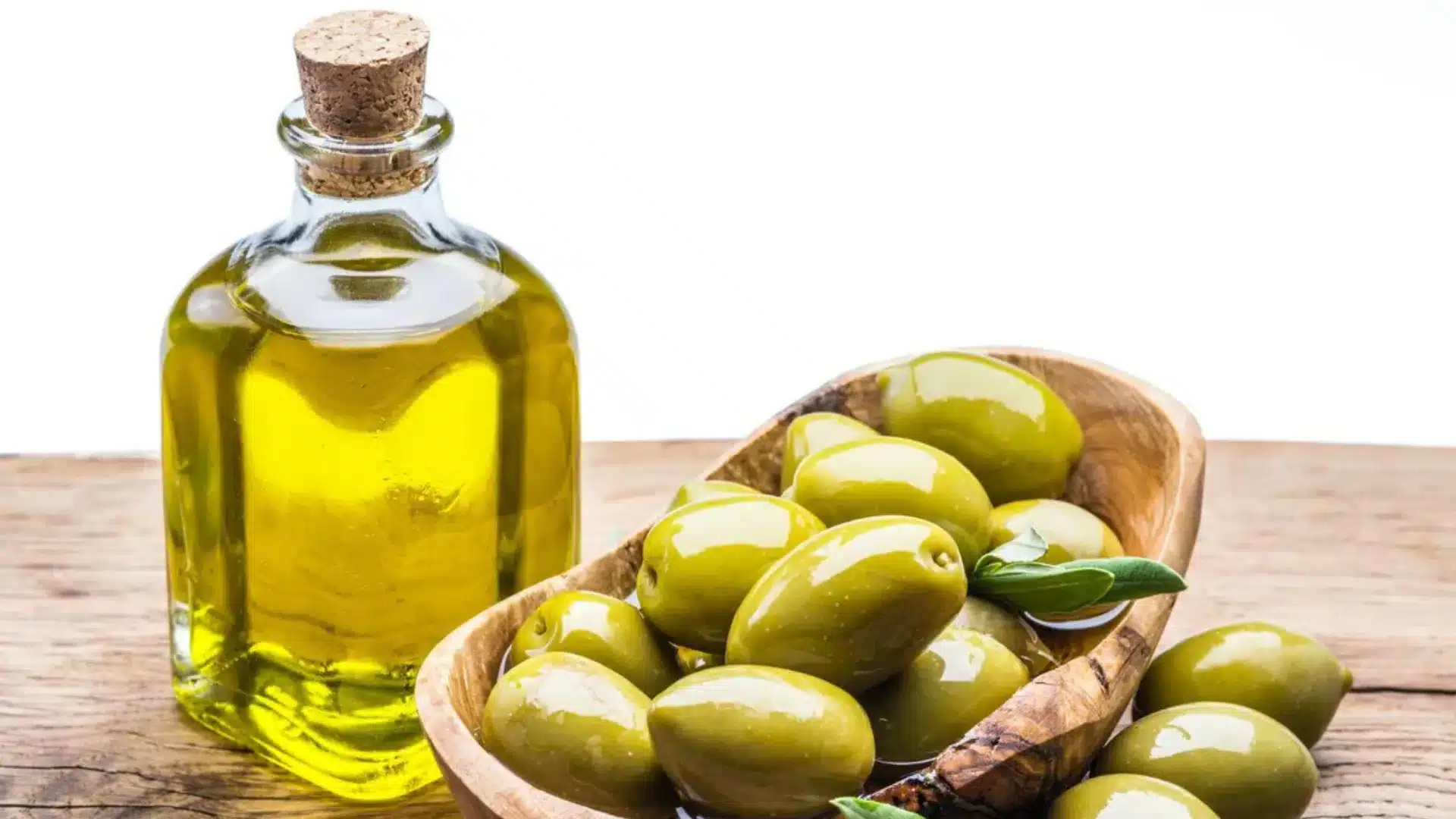
Olive oil is a widely used non-seed oil known for its fruity flavor and healthy fat profile, commonly used in salad dressings, light sautéing, and finishing dishes.
Key Facts
- Best for: Salad dressings, light sautéing, finishing dishes
- Smoke point: ~375°F (190°C)
- Flavor profile: Fruity and slightly peppery
- Healthy fats: Monounsaturated fats and antioxidants
- Sustainability: Choose organic and cold-pressed varieties
Olive oil enhances the flavor of many dishes while supporting heart health through its natural antioxidants and beneficial monounsaturated fatty acids.
4. Ghee: Buttery and Nutty
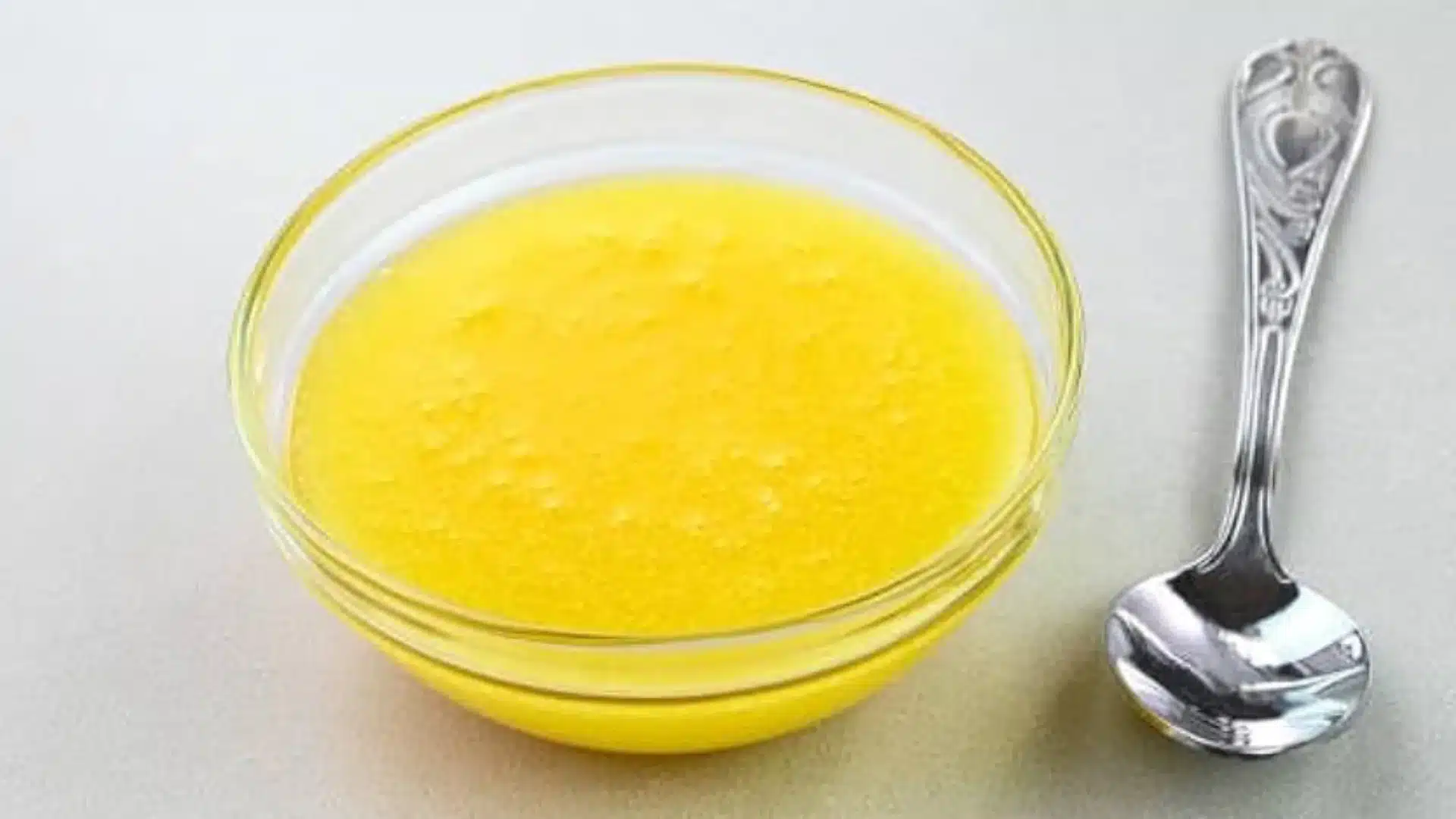
Ghee is clarified butter known for its rich flavor and high heat stability, making it excellent for roasting, frying, and sautéing without burning easily.
Key Facts
- Best for: High-heat cooking, sautéing, roasting
- Smoke point: ~485°F (252°C)
- Flavor profile: Rich, nutty, buttery
- Healthy fats: Saturated fats with vitamins A, D, E, and K
- Sustainability: Best sourced from grass-fed dairy
Ghee combines strong cooking performance with valuable fat-soluble nutrients that support immune function, bone health, and overall nutrition.
5. Macadamia Oil: Mild Flavor & High Smoke Point
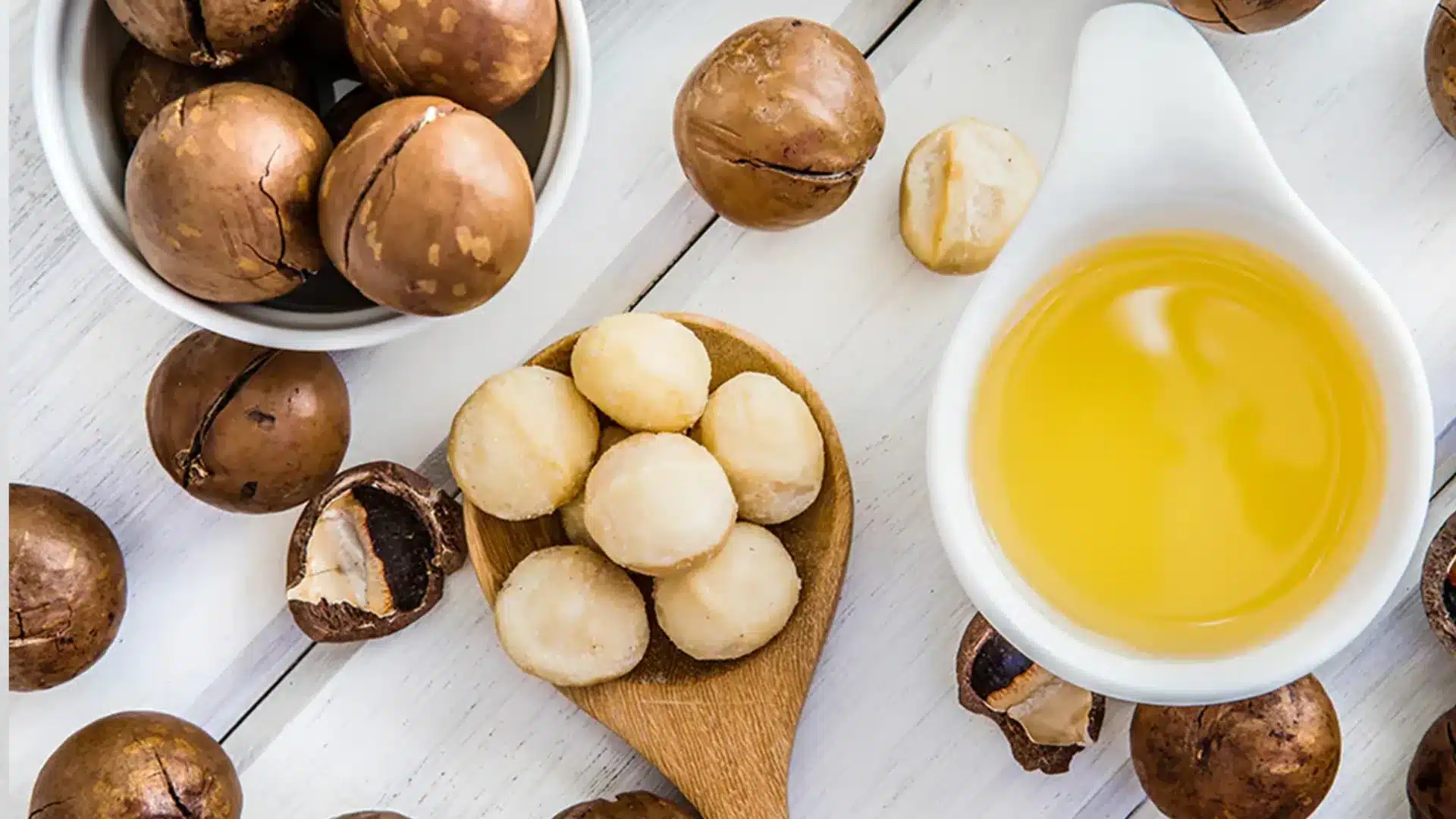
Macadamia oil is a premium non-seed oil valued for its buttery taste and excellent heat stability, making it suitable for sautéing, roasting, and salad dressings.
Key Facts
- Best for: Sautéing, roasting, and salad dressings
- Smoke point: ~410°F (210°C)
- Flavor profile: Mild, buttery, slightly nutty
- Healthy fats: High monounsaturated fats
- Sustainability: Often sustainably farmed; check for cold-pressed oils
Its smooth texture and healthy fat profile make it a great option for both cooking and finishing dishes.
6. Beef Tallow: Neutral and Heat-Stable
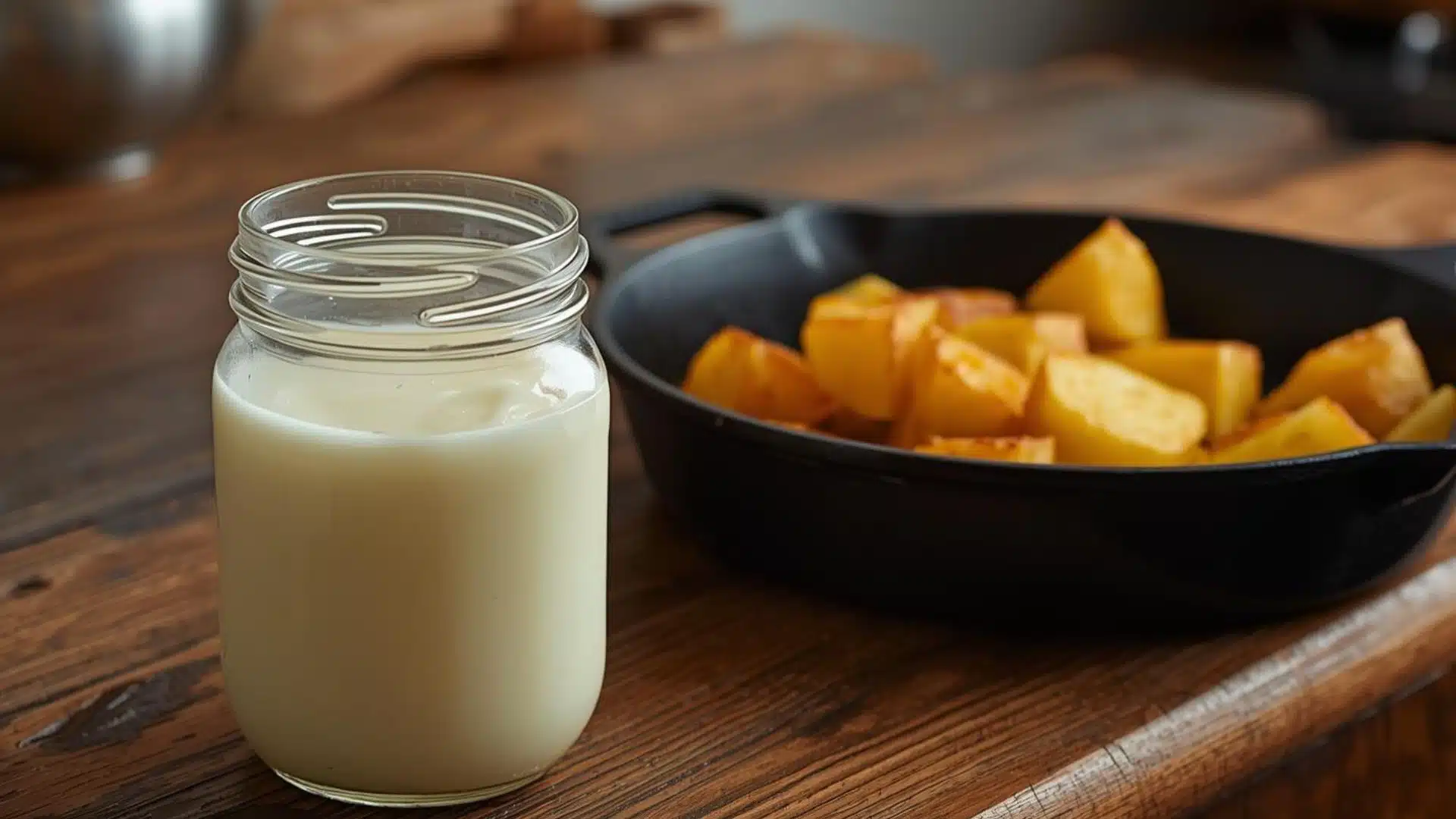
Beef tallow is rendered cattle fat traditionally used for frying and roasting due to its excellent heat stability and savory flavor profile.
Key Facts
- Best for: Deep frying, roasting vegetables, searing meats
- Smoke point: ~420°F (216°C)
- Flavor profile: Neutral and savory
- Healthy fats: Saturated and monounsaturated fats
- Sustainability: Prefer grass-fed and pasture-raised sources
Tallow provides strong cooking performance while adding subtle savory flavor to meats, vegetables, and crispy roasted dishes.
7. Duck Fat: Rich and Flavorful
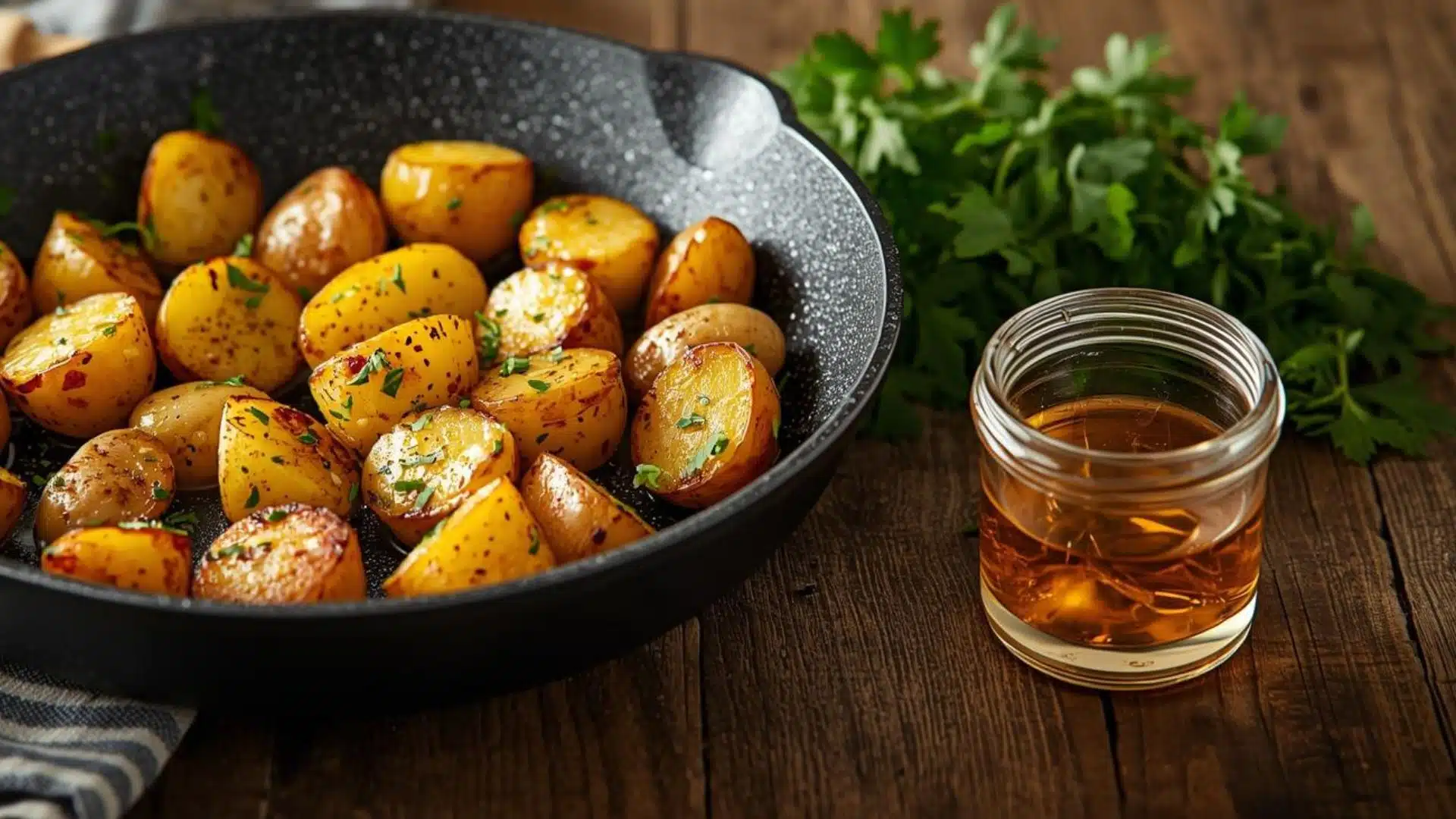
Duck fat is valued in culinary traditions for its deep flavor and smooth texture, commonly used for roasting vegetables and creating crispy potatoes.
Key Facts
- Best for: Roasting vegetables and frying foods
- Smoke point: ~375–400°F (190–204°C)
- Flavor profile: Rich and savory
- Healthy fats: Monounsaturated and saturated fats
- Sustainability: Often sourced from pasture-raised poultry
Its rich flavor improves simple dishes while maintaining stability at cooking temperatures used for roasting and sautéing.
8. Almond Oil: Light and Nutty
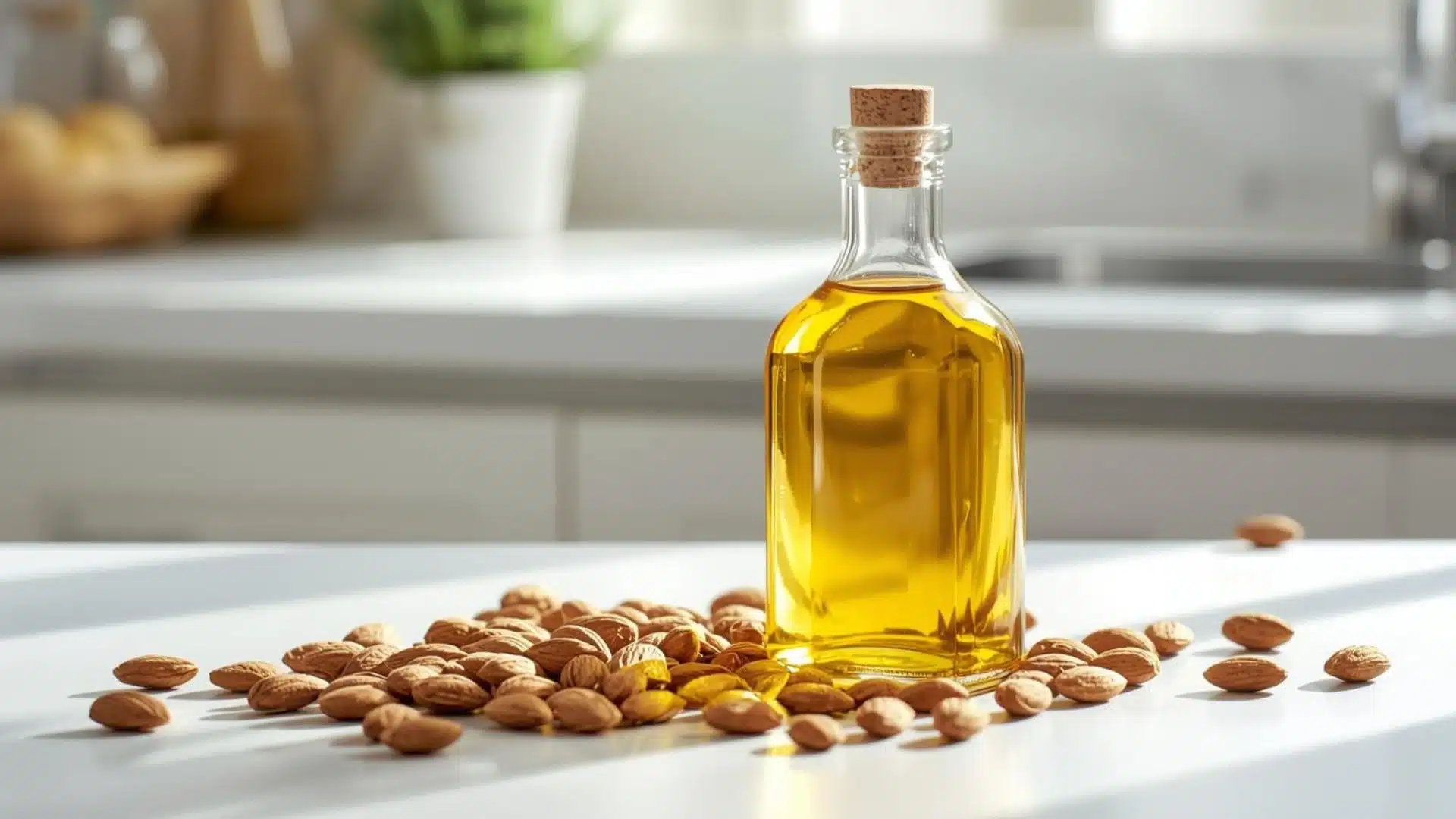
Almond oil offers a light nutty flavor and is commonly used for low-heat cooking or finishing dishes like salads and roasted vegetables.
Key Facts
- Best for: Salad dressings and light cooking
- Smoke point: ~420°F (216°C)
- Flavor profile: Light and nutty
- Healthy fats: Monounsaturated fats and vitamin E
- Sustainability: Often cold-pressed from sustainably grown almonds
Its delicate flavor and nutrient profile make it a good finishing oil for salads, vegetables, and grain dishes.
9. Walnut Oil: Deep and Earthy
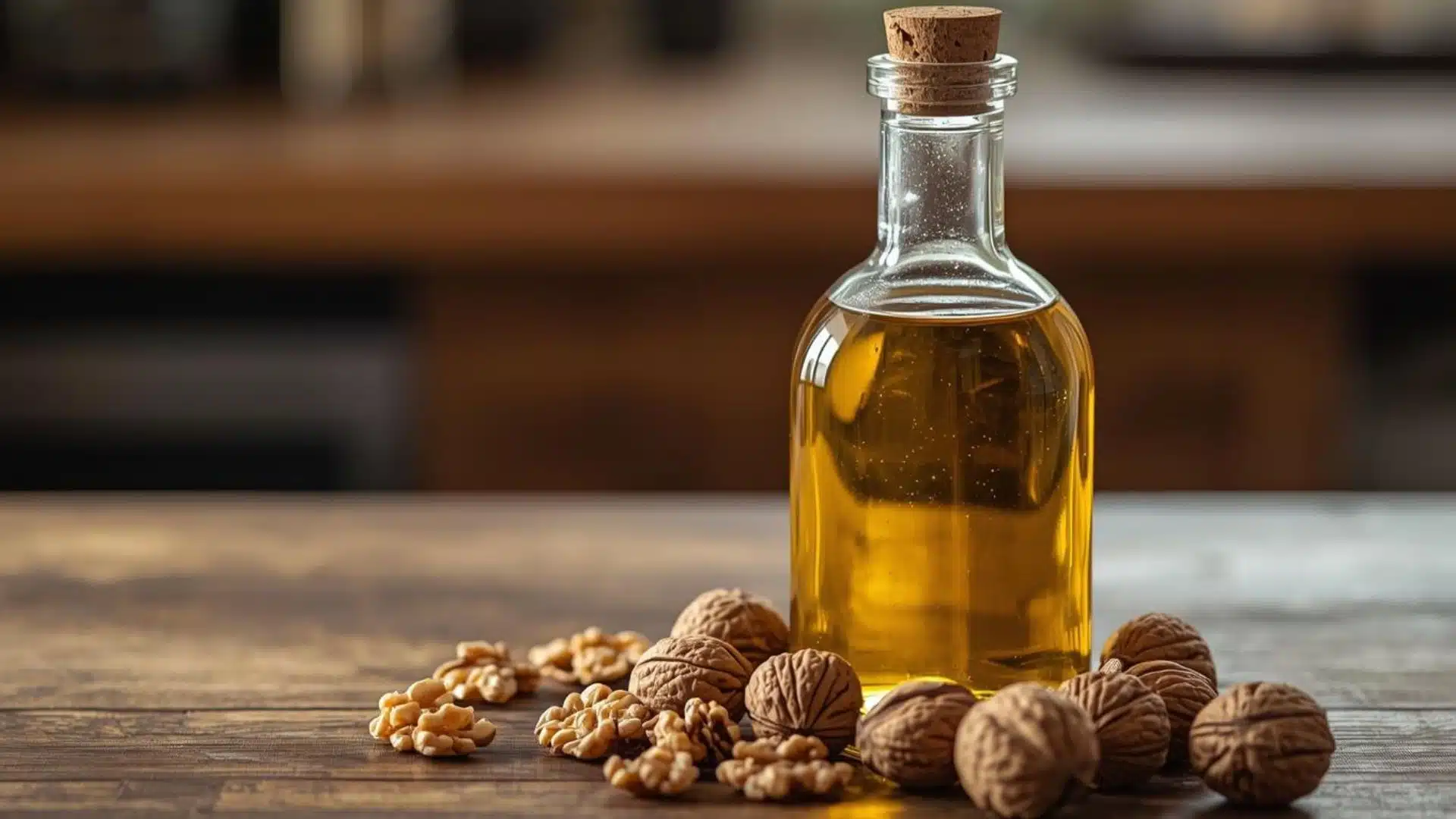
Walnut oil is known for its earthy flavor and omega-3 fatty acids, making it a popular finishing oil for salads, vegetables, and grain bowls.
Key Facts
- Best for: Salad dressings and finishing dishes
- Smoke point: ~320°F (160°C)
- Flavor profile: Deep and earthy
- Healthy fats: Omega-3 fatty acids
- Sustainability: Often produced from cold-pressed walnuts
Because heat can damage its nutrients, walnut oil is best used raw or lightly drizzled over prepared foods.
Health Benefits of Non-Seed Oils
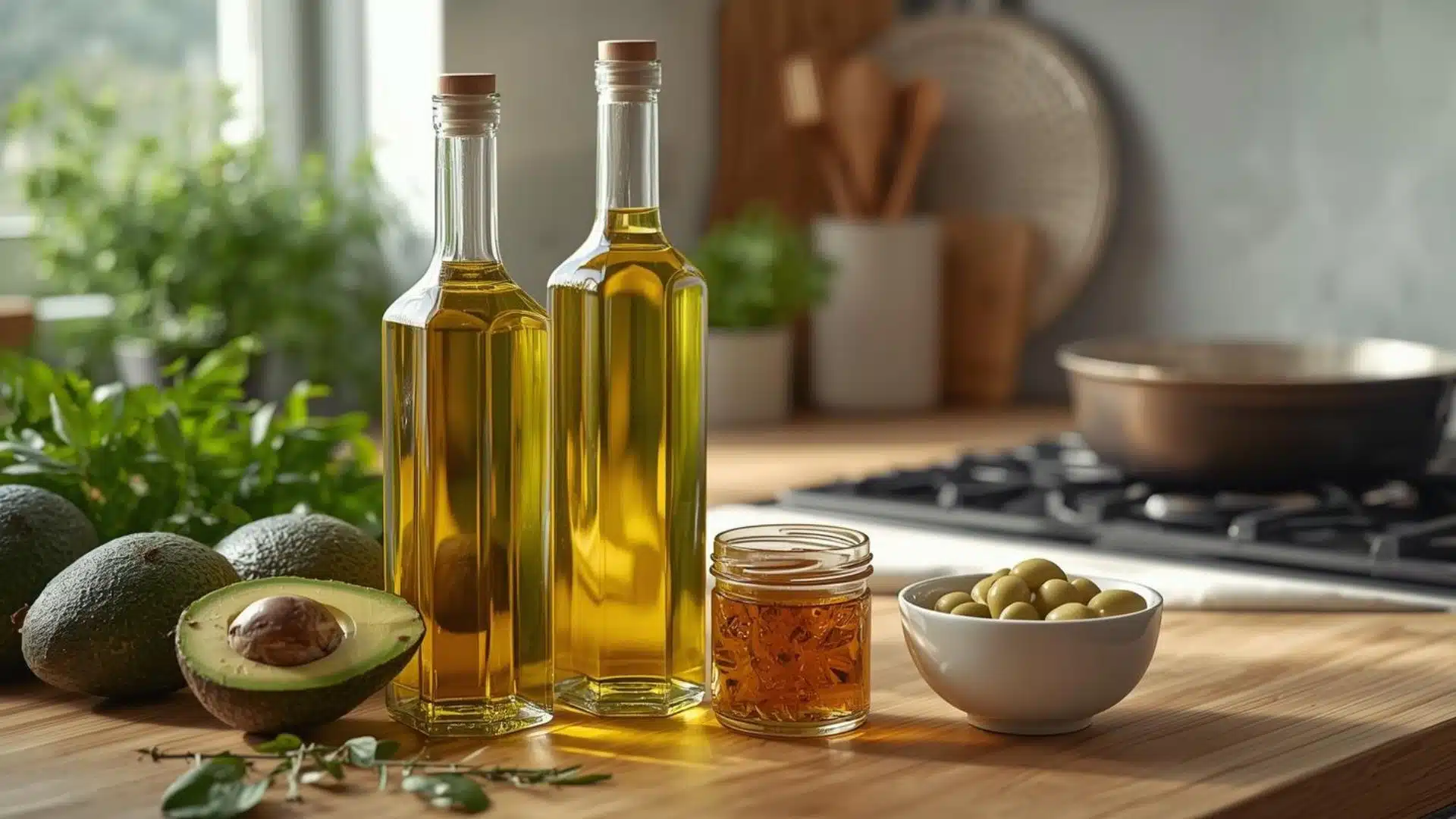
Non-seed oils offer several advantages over seed oils, including improved fat balance, stability for cooking, and nutrient support.
1. Lower Inflammation
Non-seed oils help maintain a healthier balance between omega-6 and omega-3 fats. Excess omega-6 from seed oils can contribute to inflammation, while omega-3s support heart, brain, and joint health.
By using oils like olive, avocado, or animal fats, you reduce overconsumption of omega-6, helping your body manage inflammatory responses naturally. This balance supports overall well-being without eliminating essential fats.
2. Better for High-Heat Cooking
Many non-seed oils are stable at high temperatures due to their composition and higher smoke points. Avocado oil, ghee, tallow, and refined coconut oil can withstand frying, searing, or roasting without breaking down or forming harmful compounds.
This makes them safer choices for everyday cooking, as they maintain their structure and nutrients even under intense heat, unlike some seed oils that oxidize easily.
3. Nutrient Support
Non-seed oils often contain natural nutrients like vitamin E, antioxidants, and fat-soluble vitamins A, D, and K. For example, olive oil and avocado oil provide antioxidants that help protect cells from damage.
Butter, ghee, and animal fats carry fat-soluble vitamins that support bone, immune, and eye health. Minimal processing preserves these nutrients, so you get both cooking functionality and added dietary benefits.
4. Heart & Metabolic Health
Non-seed oils can support cardiovascular and metabolic health when used wisely. Monounsaturated fats in olive and avocado oil may help lower LDL cholesterol and support heart function.
Animal fats like tallow and ghee provide stable fats for energy and cooking. By reducing reliance on highly processed seed oils and balancing omega-6 intake with omega-3s, these oils can contribute to improved metabolism and overall heart health.
Which Non-Seed Oil Should You Use?
Choosing the right non-seed oil depends on how you cook, the flavor you prefer, and the temperature your cooking method requires. Some oils work best for high-heat cooking, while others shine as finishing oils for salads or prepared dishes.
For example, avocado oil and ghee handle high temperatures well, making them great for frying, roasting, or searing. Olive oil is often used for dressings, light sautéing, and drizzling over finished meals.
Coconut oil adds a slightly sweet flavor that works well in baking and stir-fries. Nut oils like walnut or almond are better suited for low-heat cooking or finishing dishes.
By matching the oil to your cooking method, you can improve flavor, stability, and overall nutrition in your meals.
Common Myths About Non-Seed Oils
Understanding common myths about cooking oils helps you make better food choices and avoid confusion around nutrition and cooking practices.
| Myth | Fact |
|---|---|
| Butter is unhealthy | Grass-fed butter contains fat-soluble vitamins and beneficial fatty acids when consumed in reasonable amounts. |
| Olive oil cannot be used for cooking | Extra virgin olive oil has a smoke point around 375°F, making it suitable for sautéing and light frying. |
| All seed oils are bad, and all non-seed oils are perfect | Oil choice depends on cooking temperature, flavor preference, and nutritional balance rather than broad categories. |
Recognizing these misconceptions helps you select cooking oils more confidently and focus on balanced nutrition rather than common dietary myths.
Non-Seed Oils Beyond Cooking
Non-seed oils aren’t just for the kitchen; they can be useful in your daily life in a variety of ways.
Coconut oil works beautifully as a natural moisturizer for skin, helping to lock in hydration, while olive oil can be applied in DIY hair masks to nourish and add shine.
Beyond personal care, non-seed oils have practical household uses, such as in soap-making or homemade candles, adding a natural and gentle touch.
For everyday convenience, keeping a small jar of coconut or olive oil on hand lets you quickly tackle simple skincare needs or small household projects.
Integrating these oils into daily routines can save money, reduce chemical exposure, and make everyday self-care more natural and enjoyable.
Conclusion
Non-seed oils can be surprisingly versatile, supporting everything from high-heat cooking to simple self-care routines at home.
By choosing oils like avocado for frying, coconut for baking, or olive oil for salads, you can enjoy a better balance of fats, natural nutrients, and stable cooking.
Even small changes, like swapping seed oils in everyday recipes, can make your meals healthier and more flavorful. You can experiment in ways that fit your tastes and lifestyle.
Try one new oil this week, test it in a favorite dish, and see how it works for you. Share your experiences, favorite recipes, or tips in the comments; it’s all about learning and enjoying the process together.