










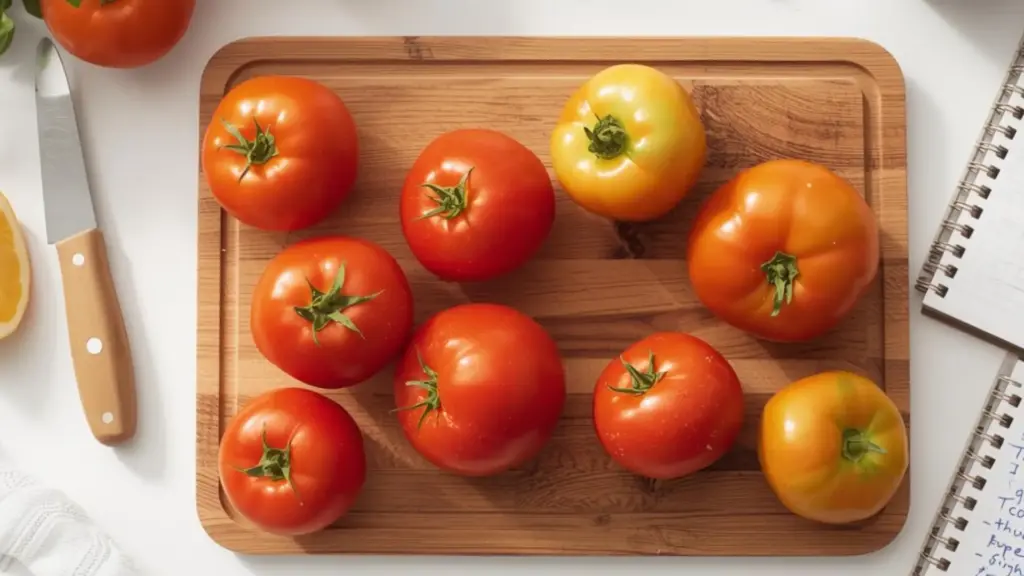

Ever eaten tomatoes and felt fine one day, but uncomfortable the next? I’ve seen this happen a lot, especially when you’re trying to follow a low-FODMAP diet and still enjoy everyday foods.
If you’re thinking if tomatoes are low FODMAP, you’re likely trying to avoid bloating, cramps, or sudden digestive issues without cutting out foods you like.
The confusion usually comes from portion size, type, and how tomatoes are prepared. Small changes can completely affect how your body reacts.
Here, you’ll get clear answers on safe serving sizes, which tomato types work best, and how to include them without triggering symptoms.
Are Tomatoes Low FODMAP?
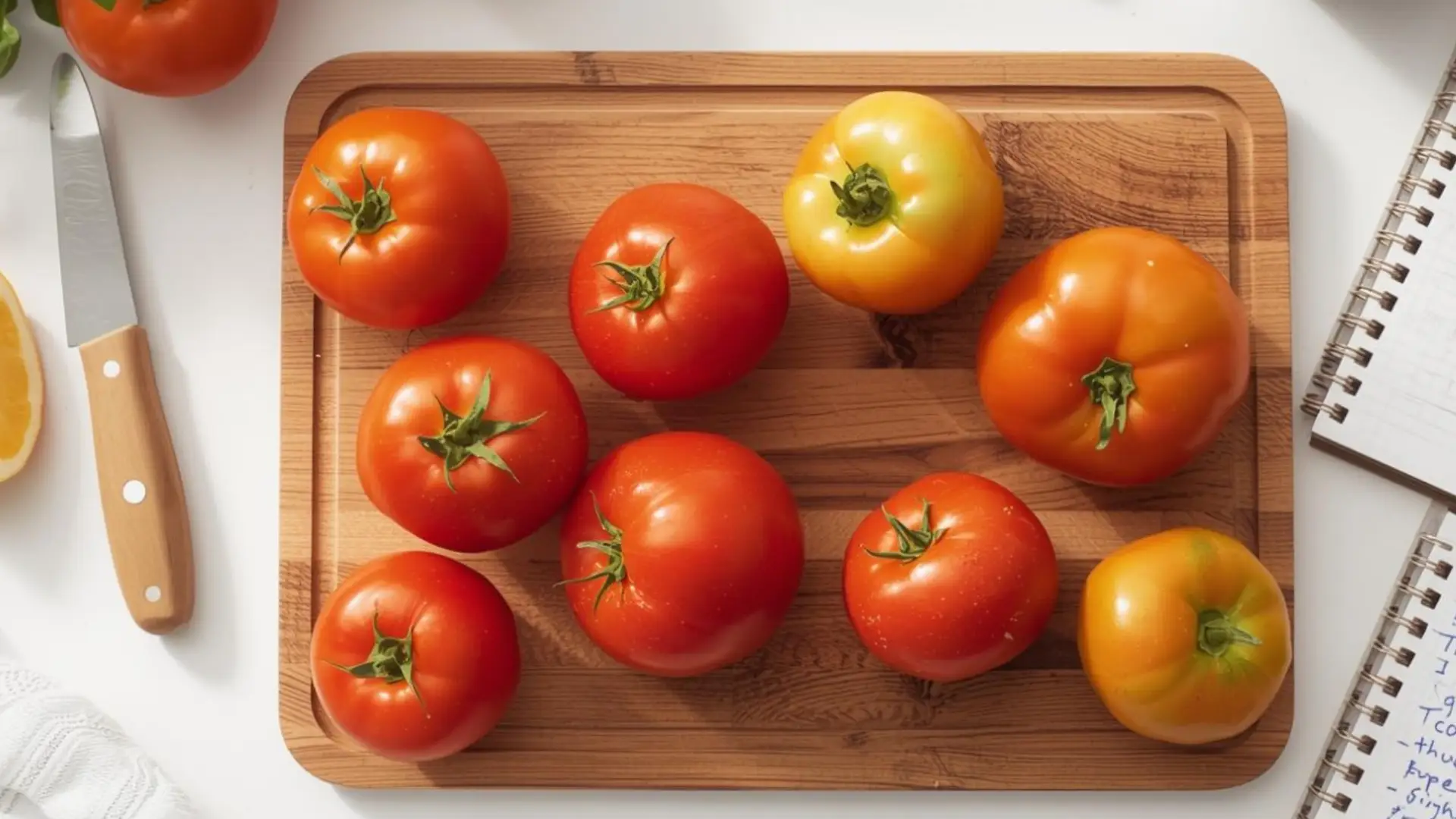
Yes, tomatoes can fit into a low FODMAP diet, but portion size and type matter. Fresh tomatoes, like cherry, Roma, and common varieties, are generally safe in small servings.
For example, cherry tomatoes are low FODMAP at around 45 grams (about 3–5 tomatoes), while Roma and common tomatoes are safe at roughly half a small tomato. Larger servings can increase fructose levels, potentially triggering digestive discomfort.
If you notice sensitivity, it may be due to natural food chemicals like salicylates rather than FODMAPs. Starting with small amounts and observing your body’s response is the safest approach.
Real Experiences from the IBS Community
Real people with IBS often share how tomatoes affect them differently. Their experiences highlight how portion size, preparation, and personal tolerance can change outcomes. Let’s look at what they’ve reported.
Tomato Soup Caused Frequent Bathroom Trips for One IBS User
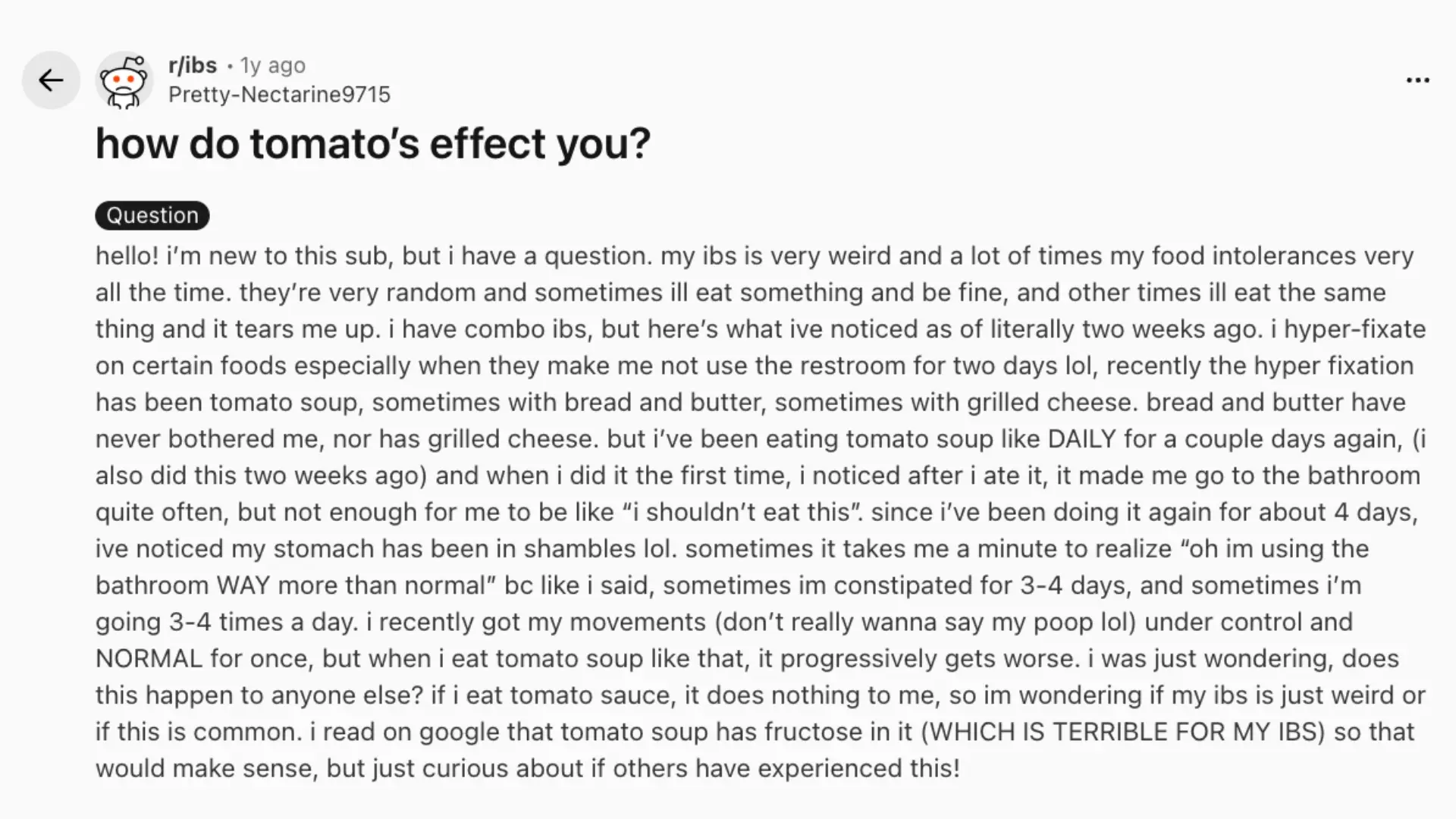
One Reddit user in r/IBS shared that tomato soup seemed much harder to tolerate than tomato sauce.
After eating tomato soup daily for several days, they noticed more bathroom trips, indigestion, and gas, even though bread, butter, and grilled cheese did not seem to be the issue.
Their experience suggests that repetition, portion size, and soup ingredients may make tomato-based foods more difficult for some people with IBS.
Small Portions and Preparation Changed Tolerance for One FODMAP User
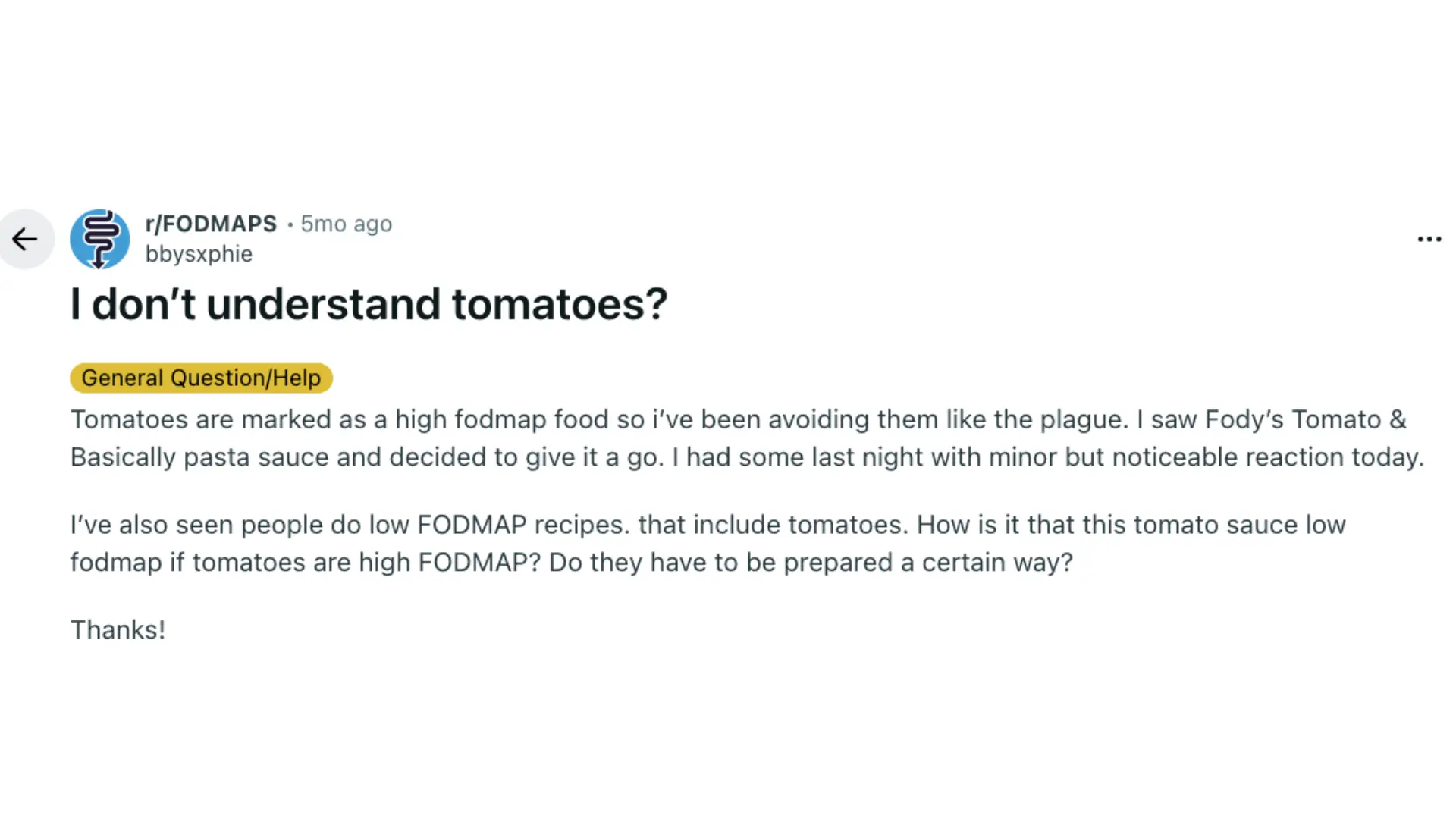
In the r/FODMAPS discussion, one user was confused after reacting to a low-FODMAP tomato sauce even though tomatoes appeared in many low-FODMAP recipes.
Other commenters explained that tomatoes mainly become an issue because of fructose, portion size, and added ingredients like onion or garlic.
Some users also pointed out that skins, acidity, and the difference between raw and cooked tomatoes can matter. Their shared experience showed that tolerance often depends on serving size, preparation, and individual response.
Why Tomato FODMAP Ratings Have Changed
Tomato FODMAP ratings have evolved because labs like Monash University regularly retest foods to improve accuracy.
Advances in testing methods reveal that FODMAP levels can be higher or lower than previously thought, so serving sizes are now more precise.
Seasonal factors, such as ripeness, sunlight, and storage conditions, also affect sugar content, which influences fructose levels.
Regional differences, including soil type and cultivation practices, can change a tomato’s natural carbohydrate profile. These shifts are normal and reflect better scientific understanding rather than a problem with the food itself.
By paying attention to updated guidelines and testing small portions, you can safely enjoy tomatoes while managing digestive comfort.
Understanding Fructose vs. Glucose in Tomatoes
Tomatoes contain both fructose and glucose. Small servings are usually safe because glucose helps absorb fructose. Excess fructose, when larger portions are eaten, can trigger digestive symptoms.
| Tomato Type | Low FODMAP Serve | Excess Fructose Risk | Maximum Safe Portion | Portion Tip |
|---|---|---|---|---|
| Cherry | 45 g (3–5 tomatoes) | High if >60 g | 60 g (6–7 tomatoes) | Count tomatoes rather than estimating weight. |
| Roma | 48 g (⅓ small) | High if >75 g | 75 g (½ small) | Slice and measure before adding to meals. |
| Common | 65 g (½ small) | High if >90 g | 90 g (⅔ small) | Stick to half a tomato per serving. |
| Truss/On the Vine | 69 g (½ medium) | High if >93 g | 93 g (⅔ medium) | Use a kitchen scale for accurate portioning. |
Eating beyond these recommended portions may increase fructose load, potentially causing bloating, gas, or discomfort in sensitive individuals.
Acid, Histamine, or FODMAP: How to Tell
Tomatoes can cause discomfort for reasons other than FODMAPs. Acid-sensitive individuals may experience heartburn or reflux, while those sensitive to histamine might notice headaches, hives, or flushing.
| FODMAP reactions often show as bloating, cramps, gas, or diarrhea. Tracking symptoms can help identify the cause: burning sensations often point to acidity, while bloating and loose stools suggest FODMAPs. |
To reduce discomfort, try cooked or peeled tomatoes, which lower acidity, or choose low-acid varieties. Keeping a food and symptom diary helps you identify triggers, so you can enjoy tomatoes safely without unnecessary restrictions.
How to Safely Eliminate and Reintroduce Tomatoes
Following a structured approach can help you enjoy tomatoes without triggering IBS symptoms.
Elimination Phase: Begin by strictly following low-FODMAP serving sizes for all tomato products. Avoid larger portions, tomato-based sauces with garlic or onion, and concentrated products like tomato paste until your gut has stabilized. This phase usually lasts 2–6 weeks, depending on individual symptom patterns.
Reintroduction Phase: Slowly test larger portions or different tomato varieties. Start with one type at a time, monitor how your body responds over 24–48 hours, and increase gradually if tolerated.
Personalization Phase: Adjust serving sizes based on your tolerance and symptom responses. Keep a detailed food and symptom diary to guide safe and mindful reintroduction.
Fresh vs. Processed Tomatoes: What You Need to Know
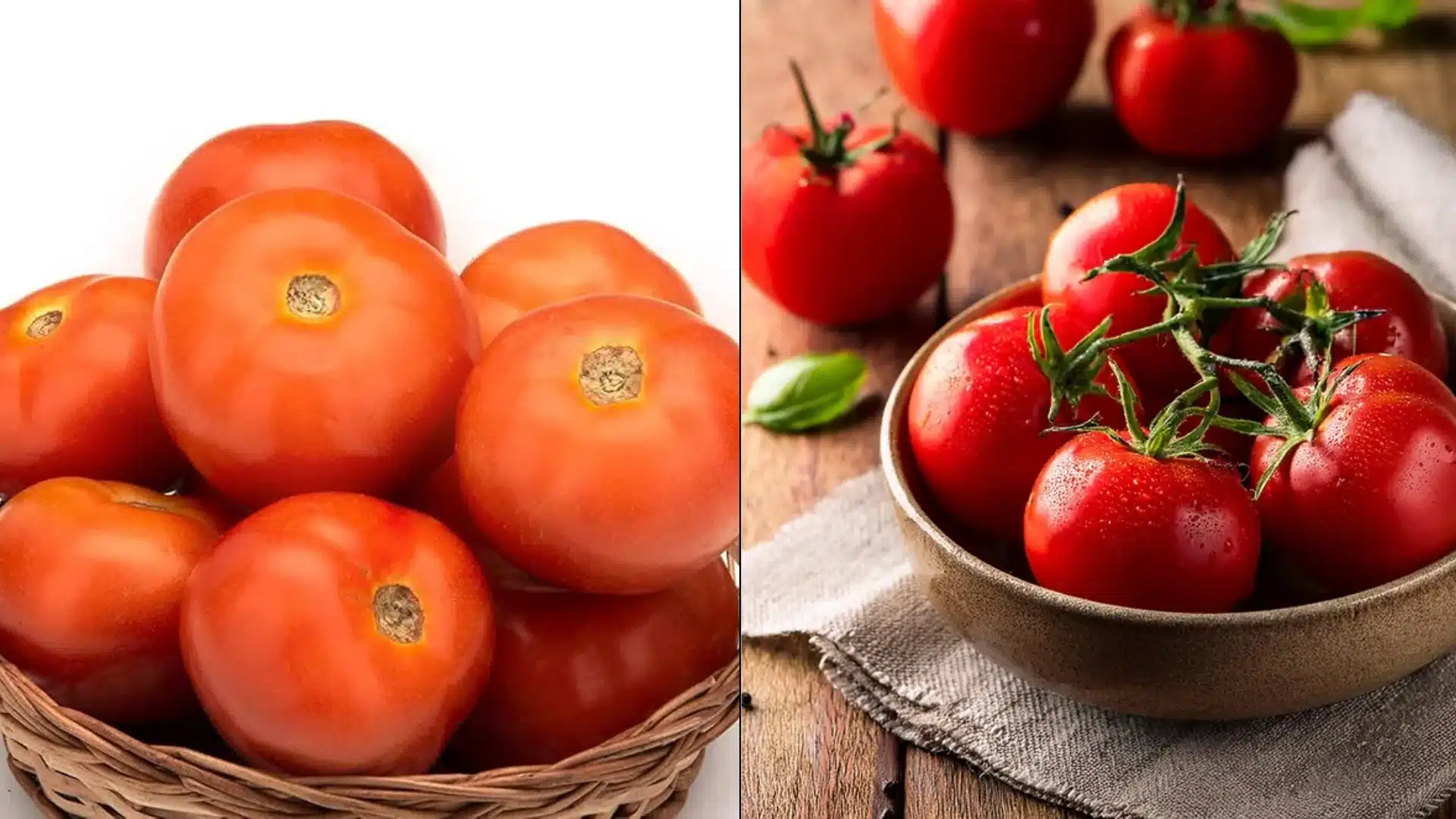
Tomatoes vary in FODMAP content depending on whether they are fresh or processed.
Fresh tomatoes like cherry, Roma, or common varieties contain a natural balance of fructose and glucose, making small servings generally well tolerated on a low-FODMAP diet.
Canned tomatoes and tomato paste have concentrated sugars, including fructose and fructans, which can quickly increase FODMAP load, even in moderate amounts.
Processing removes water and concentrates natural sugars, making portion control essential for digestive comfort.
To enjoy tomato flavor without triggering symptoms, stick to recommended serving sizes, combine with low-FODMAP ingredients, or try alternatives like roasted red peppers or small amounts of fresh tomatoes in sauces.
Nightshade Sensitivity: Is It You or FODMAPs?
Some people react to tomatoes not because of FODMAPs but due to nightshade sensitivity, which involves compounds like alkaloids that can irritate the gut.
Symptoms may include bloating, cramps, joint discomfort, or skin reactions, which can overlap with FODMAP-triggered IBS symptoms.
To tell the difference, try an elimination test: remove all nightshades for 1–2 weeks while keeping other low-FODMAP foods constant. If symptoms improve, gradually reintroduce small portions of nightshades, including tomatoes, and monitor reactions.
Keeping a food and symptom diary helps identify whether tomatoes trigger discomfort due to FODMAP content or nightshade compounds.
Label Reading: Avoid Hidden Triggers
Before buying tomato products, check labels carefully. Look for high-FODMAP ingredients and additives that may trigger IBS symptoms.
Tips for shopping:
- Avoid onion powder, garlic powder, high-fructose corn syrup (HFCS), inulin, and “natural flavors.”
- Choose products with simple ingredients.
- Stick to low-FODMAP certified sauces when possible.
After reading labels, you can confidently select tomato products that won’t unexpectedly increase FODMAP load, keeping meals gut-friendly and safe.
Who Should Be Extra Careful with Tomatoes
Certain groups should approach tomatoes with caution to avoid triggering symptoms.
Fructose-sensitive individuals may experience gas or bloating from the natural sugars in tomatoes, especially with larger servings.
GERD sufferers can experience heartburn or acid reflux due to tomatoes’ high acidity, particularly in sauces and soups. Those with histamine intolerance should note that tomatoes, especially when leftover or overripe, can worsen reactions.
Finally, anyone in the early elimination phase of a FODMAP or IBS diet should monitor tomato intake closely, testing small portions first to identify personal tolerance before reintroducing larger amounts.
When to See a Dietitian
Before making major dietary changes, especially with tomatoes or other high-FODMAP foods, it’s important to know when professional guidance is needed.
- Red Flags: persistent pain, severe bloating, unexplained weight loss, or frequent diarrhea/constipation. Seek professional guidance promptly.
- Testing First: Avoid permanently eliminating key foods without proper assessment to prevent nutrient deficiencies and ensure safe diet adjustments.
Conclusion
Now you know the answer to “Are tomatoes low FODMAP?” and how to enjoy them wisely. You’ve learned safe portion sizes, the best tomato varieties, and tips for fresh versus processed options to fit your low-FODMAP plan.
I hope this clears up any confusion and gives you confidence when including tomatoes in your meals. Remember that testing your own tolerance matters more than completely avoiding tomatoes.
Tomatoes can be part of your low-FODMAP diet when prepared and portioned correctly. Use the guidance here to add flavor without triggering digestive discomfort.
Want more helpful tips for a gut-friendly diet? Check out my other guides and see which foods work best for you!