











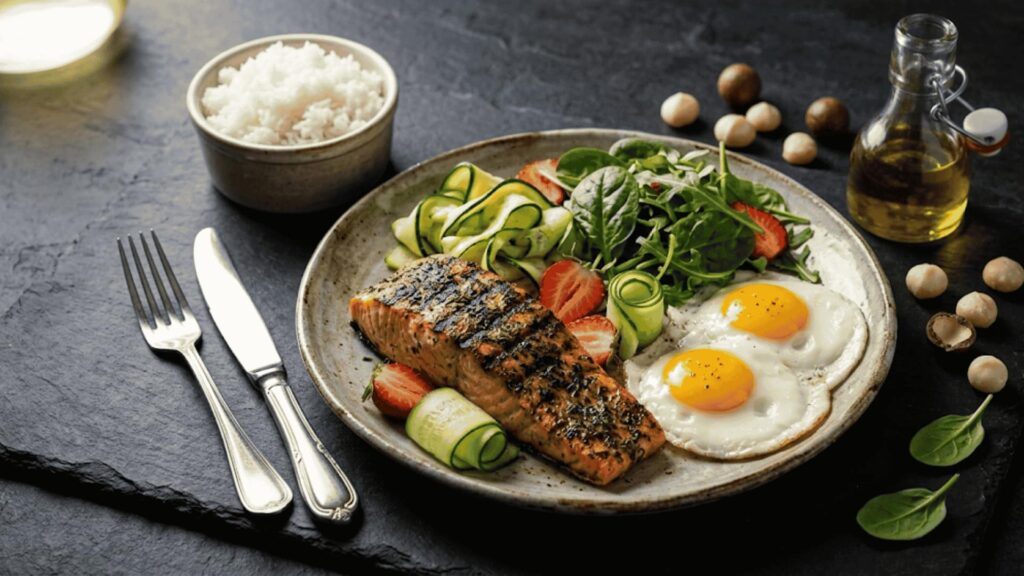

Your gut has been trying to tell you something. The bloating, gas, and uncomfortable fullness after a normal meal are not random; for many people, Small Intestinal Bacterial Overgrowth (SIBO) is behind them.
What you eat every day plays a bigger role in how you feel than you might realize. A well-structured SIBO diet food list can make a real difference, not just in easing symptoms but in rebuilding gut health from the ground up.
This covers exactly which foods to eat, which to avoid, diet types, a simple meal plan, and practical tips to help you follow through; all in one place.
What is SIBO?
SIBO, or Small Intestinal Bacterial Overgrowth, happens when too much bacteria builds up in the small intestine. This throws off your gut’s natural balance, making it hard for your body to digest food and absorb nutrients properly.
Common causes include poor gut motility, low digestive enzymes, and conditions like IBS, Crohn’s disease, or celiac disease. These issues create the perfect environment for bacteria to grow where they shouldn’t.
The most common symptoms include bloating, gas, abdominal pain, diarrhea, and constipation. Some people also experience nutrient deficiencies over time.
Doctors typically diagnose SIBO using a hydrogen breath test, which measures gas produced by bacteria in the small intestine after drinking a sugar solution.
How Different Diets Play a Role in Managing SIBO
What you eat directly affects bacterial activity in your small intestine. The right diet can reduce fermentation, ease symptoms, and support recovery.
- Low FODMAP Diet: Limits fermentable carbohydrates that feed bacteria in the small intestine, helping reduce gas, bloating, and discomfort.
- SIBO-Specific Diet: Targets bacterial overgrowth directly by cutting foods that trigger fermentation and worsen symptoms.
- Easily Digestible Foods: Focuses on simple, gut-friendly foods that move through the small intestine quickly without feeding excess bacteria.
- Limit Fermentable Foods: Reducing high-fermentation foods like onions, garlic, and legumes helps prevent the gas production that causes bloating and pain.
Making these dietary shifts is one of the most effective ways to manage SIBO symptoms and support long-term gut healing.
SIBO Diet Food List (Foods You Can Eat)
Not every food triggers cause a reaction. These options are generally low in fermentable carbs, easier on the gut, and a good starting point when building meals around SIBO management.
1. Protein Foods
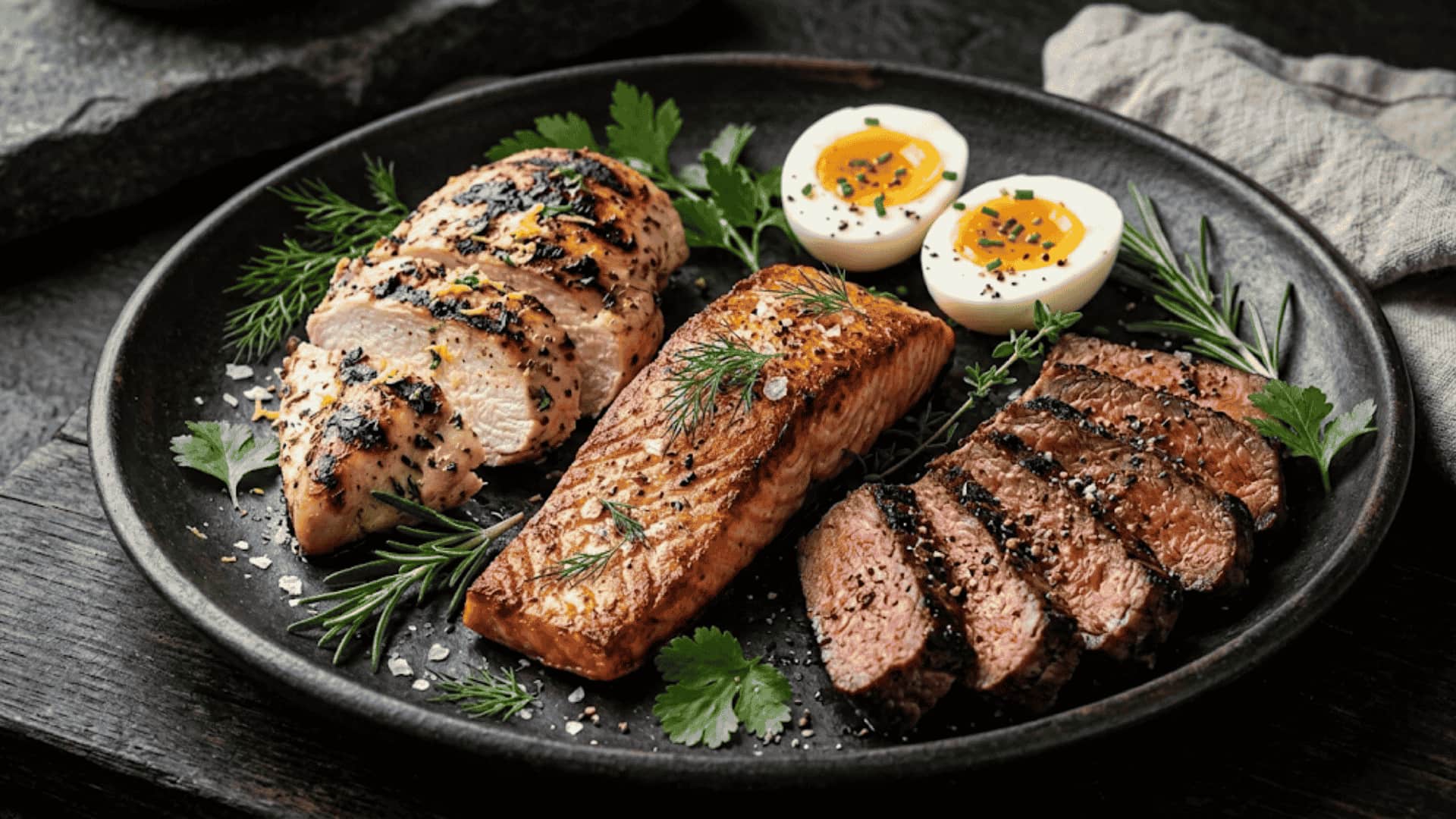
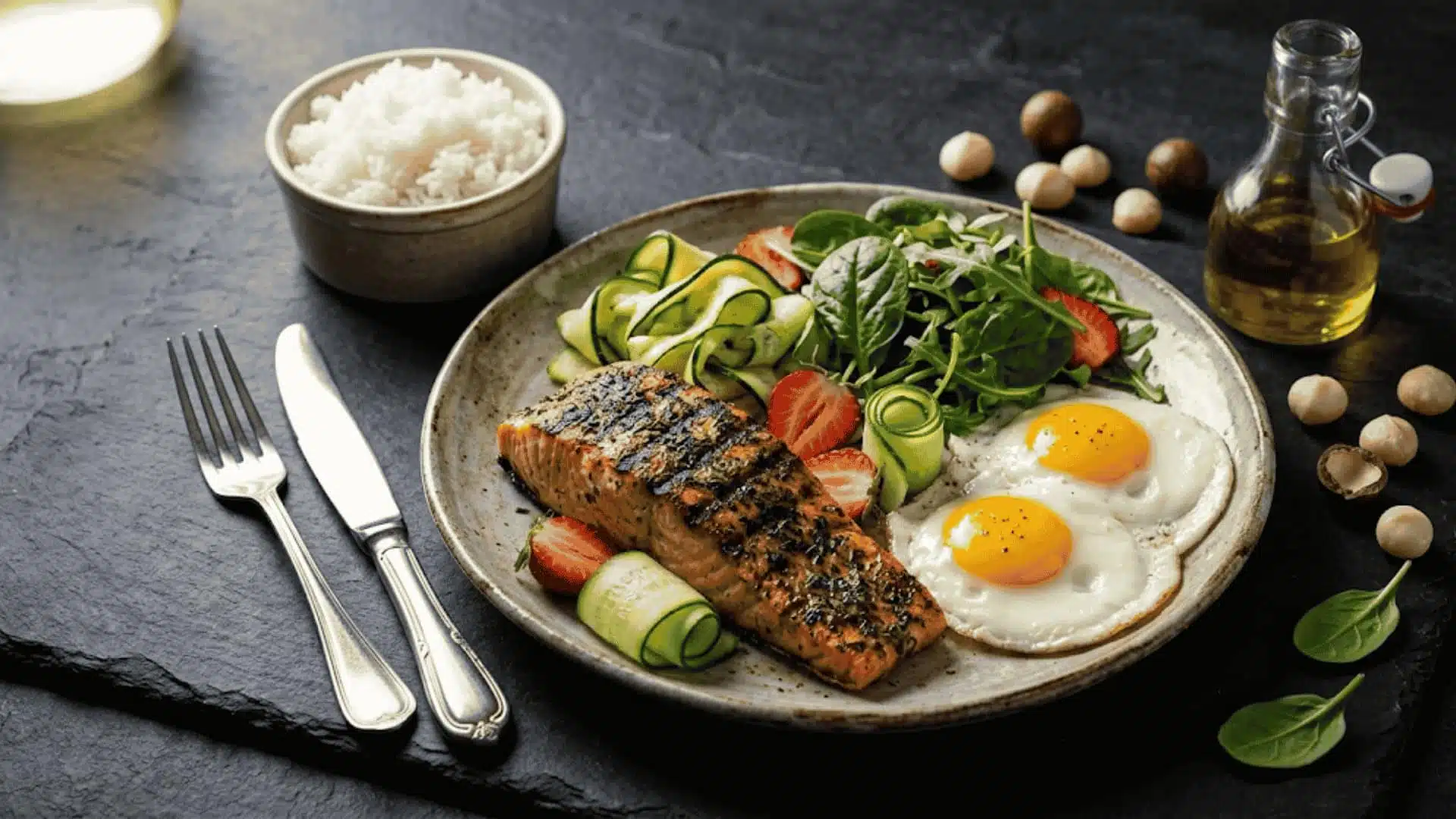
Protein is one of the safest food groups with SIBO. It doesn’t ferment in the small intestine, so it rarely triggers symptoms. Good options include:
- Chicken: A lean, easy-to-digest protein that works well in simple, gut-friendly meals.
- Turkey: A mild, low-fat option that sits comfortably in the gut.
- Beef: Naturally free of fermentable carbs, making it a safe and satisfying choice.
- Lamb: A flavorful alternative that is gentle on digestion when prepared simply.
- Fish: Light and easily digestible, best enjoyed grilled or steamed.
- Eggs: Quick to prepare and rarely cause any digestive discomfort.
These can be eaten at most meals without much worry. Just keep preparation simple; grilled, baked, or steamed works best. Avoid heavy marinades or sauces that may contain high-FODMAP ingredients.
2. Low-Fermentation Vegetables
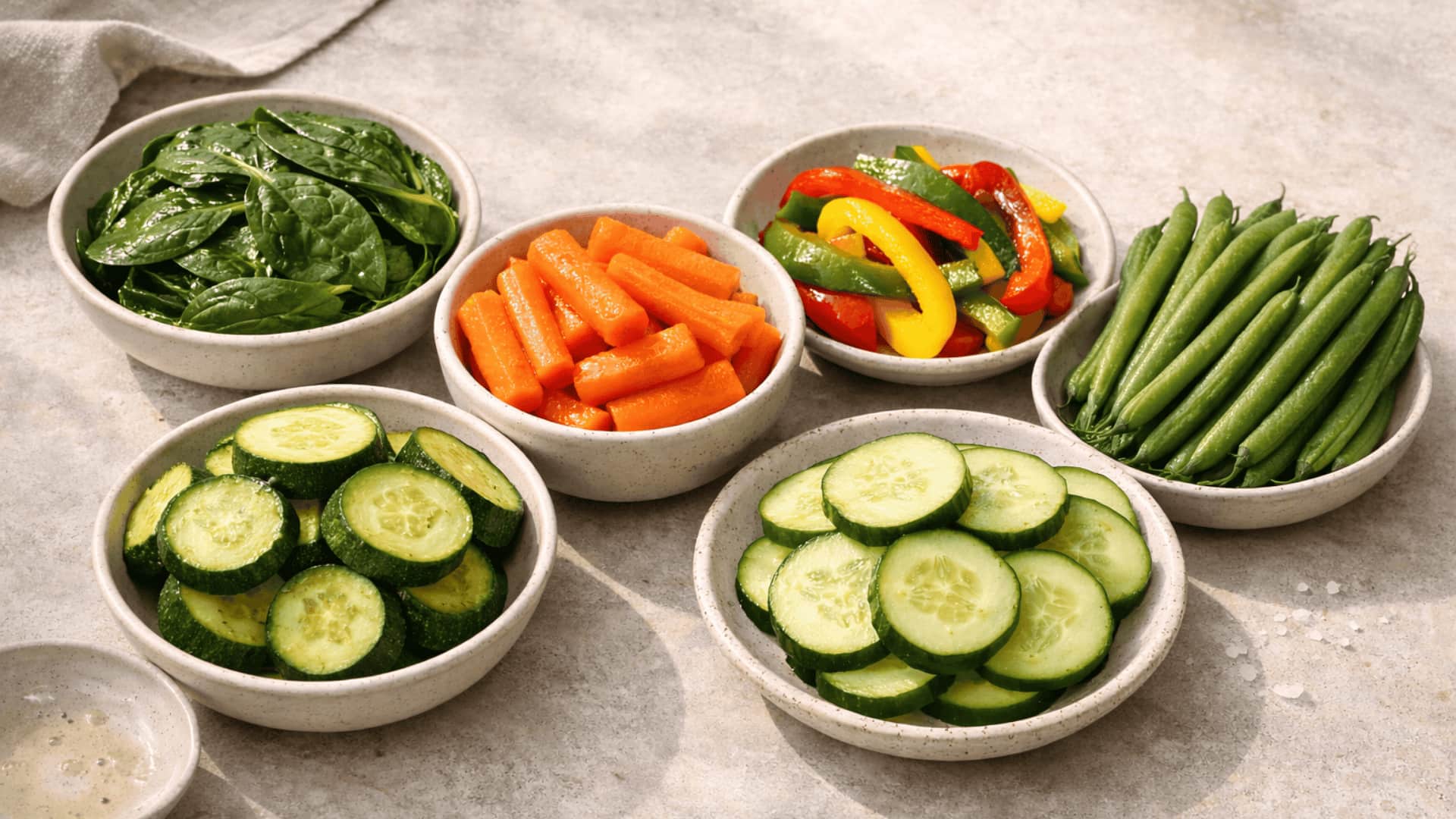
Some vegetables are much easier to tolerate than others. Cooking them breaks down fibers that can otherwise ferment, making them gentler on the gut.
- Zucchini: Mild and easy to digest, especially when cooked soft.
- Carrots: Naturally sweet and well-tolerated, best enjoyed steamed or roasted.
- Spinach: A nutrient-rich leafy green that sits comfortably when lightly cooked.
- Cucumber: Gentle on the gut, best eaten in moderate portions.
- Lettuce: A safe raw option that rarely triggers symptoms.
- Bell Peppers: Colorful and flavorful, they hold up well to cooking.
Stick to moderate portions and start slow before adding variety. Raw vegetables can worsen symptoms, so cooked is usually the safer choice.
3. Fruits That Are Usually Better Tolerated
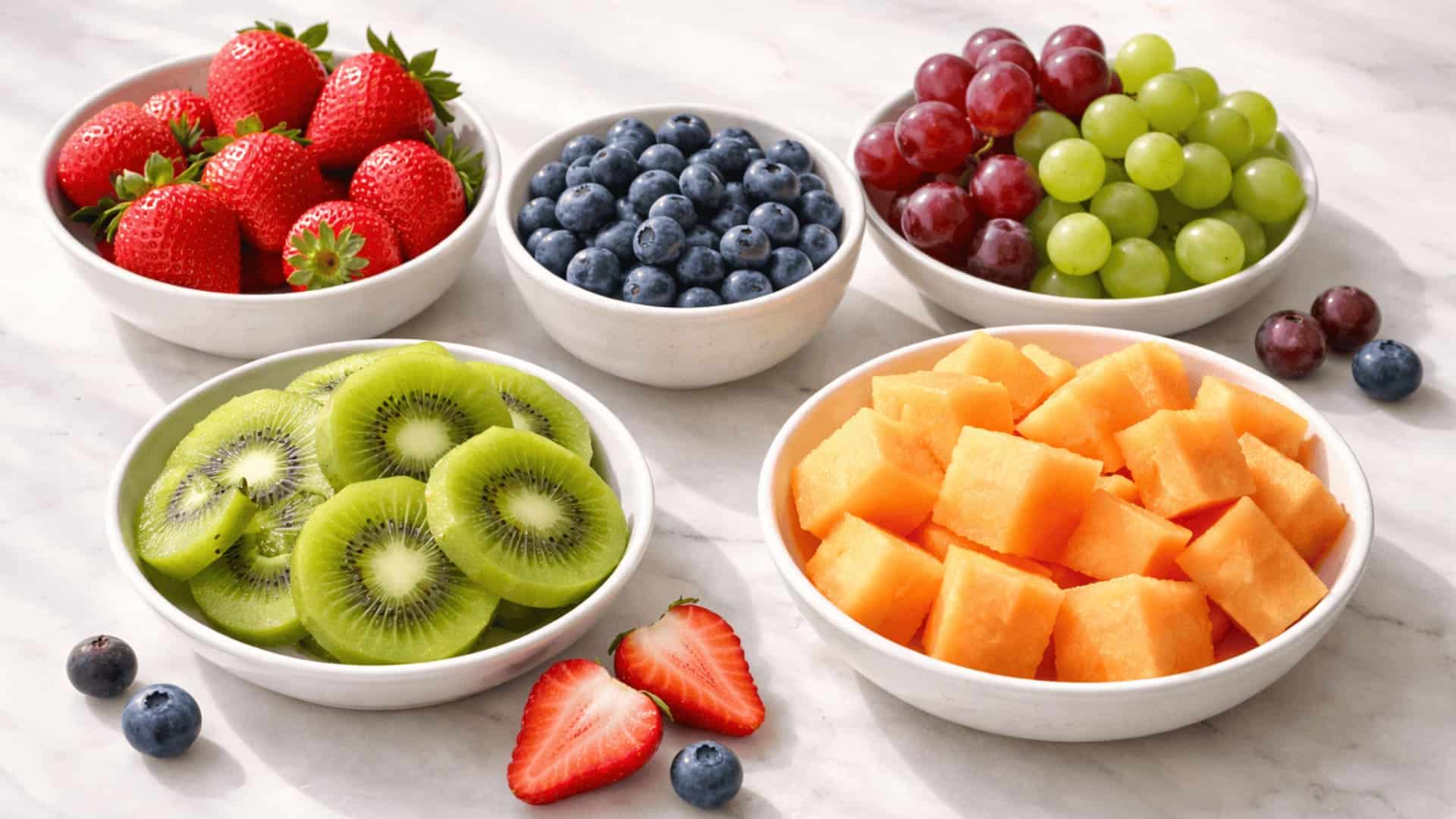
Fruit can still have a place in a SIBO diet, but portion size matters. Keep servings to around half a cup to avoid fructose overload.
- Strawberries: Low in fructose and generally well tolerated in small amounts.
- Blueberries: A gut-friendly antioxidant option when kept to half a cup.
- Kiwi: Naturally digestive-friendly and easy on a sensitive gut.
- Grapes: Fine in small portions, but easy to overdo, so watch the serving size.
- Cantaloupe: A hydrating, low-FODMAP fruit that works well as a light snack.
Fresh is always better than dried. Dried fruit is far more concentrated in sugar and much harder on a sensitive gut.
4. Grains and Starches
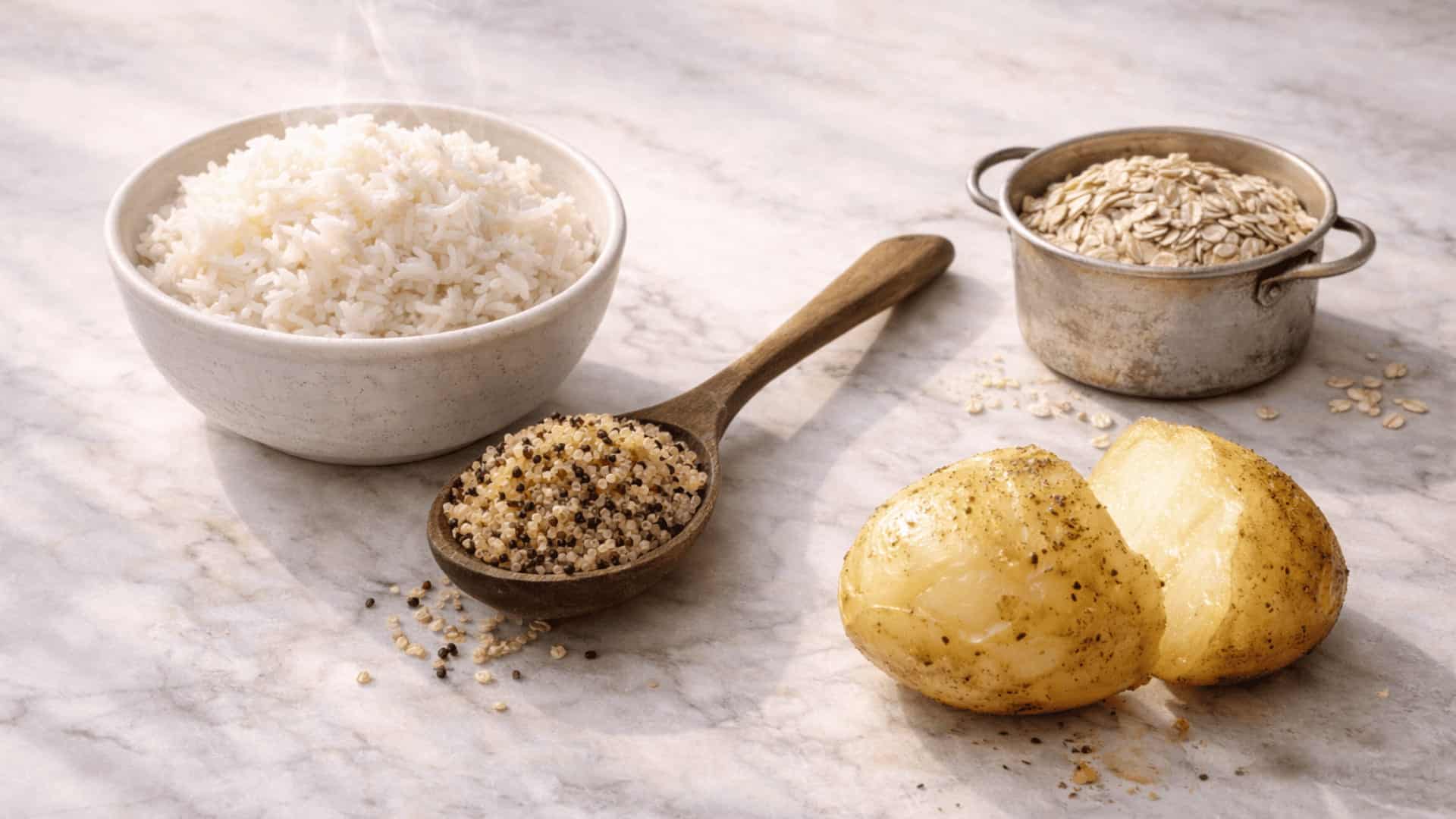
Not all grains are created equal when it comes to SIBO. Choosing the right type and keeping portions under control make a real difference in how your gut responds.
- Jasmine Rice: Contains less resistant starch than sushi rice, making it easier to tolerate.
- Basmati Rice: Another low-resistant-starch option that works well in simple, gut-friendly meals.
- Cooked Grains (½ cup per meal): Portion control is key; starting with half a cup helps avoid overloading the gut.
Avoid adding high-FODMAP sauces or toppings that could undo the benefit of choosing the right grain.
5. Healthy Fats
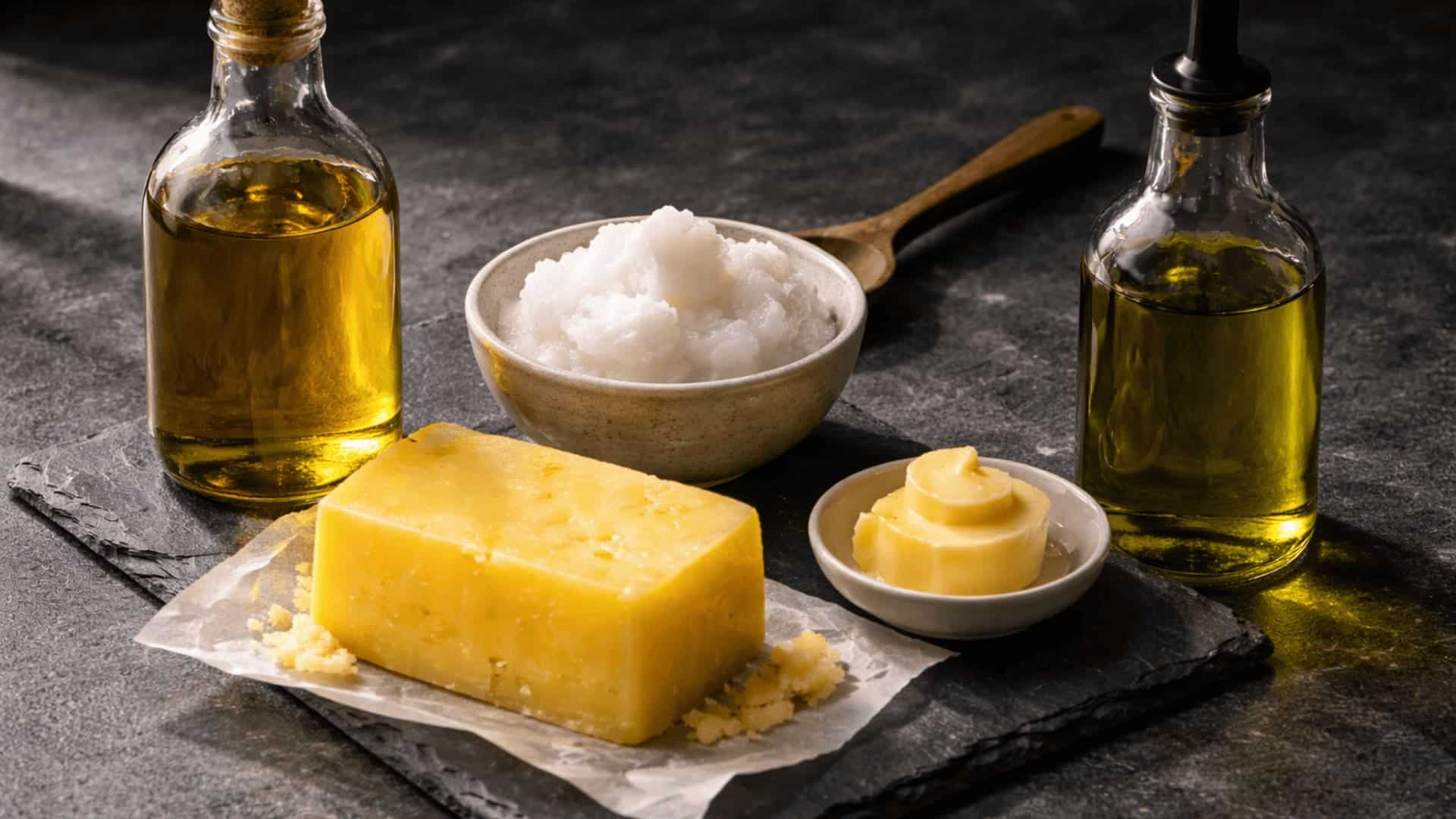
Fats don’t ferment, which makes them a reliable part of any SIBO-friendly eating plan. They also support satiety without increasing the risk of symptoms.
- Olive Oil: A versatile, gut-safe fat that works well for cooking and dressings.
- Coconut Oil: Naturally antimicrobial and easy to cook with at higher temperatures.
- Ghee: A clarified butter that is lactose-free and gentle on digestion.
- Butter: A simple, clean fat that works well in small amounts.
- Avocado Oil: Safe for cooking, though the whole fruit should be limited to one-eighth to stay low-FODMAP.
Use them for cooking or as a simple dressing over safe vegetables. Just watch your avocado portions — the oil is fine, but more than one-eighth of the whole fruit crosses into high-FODMAP territory.
6. Nuts and Seeds
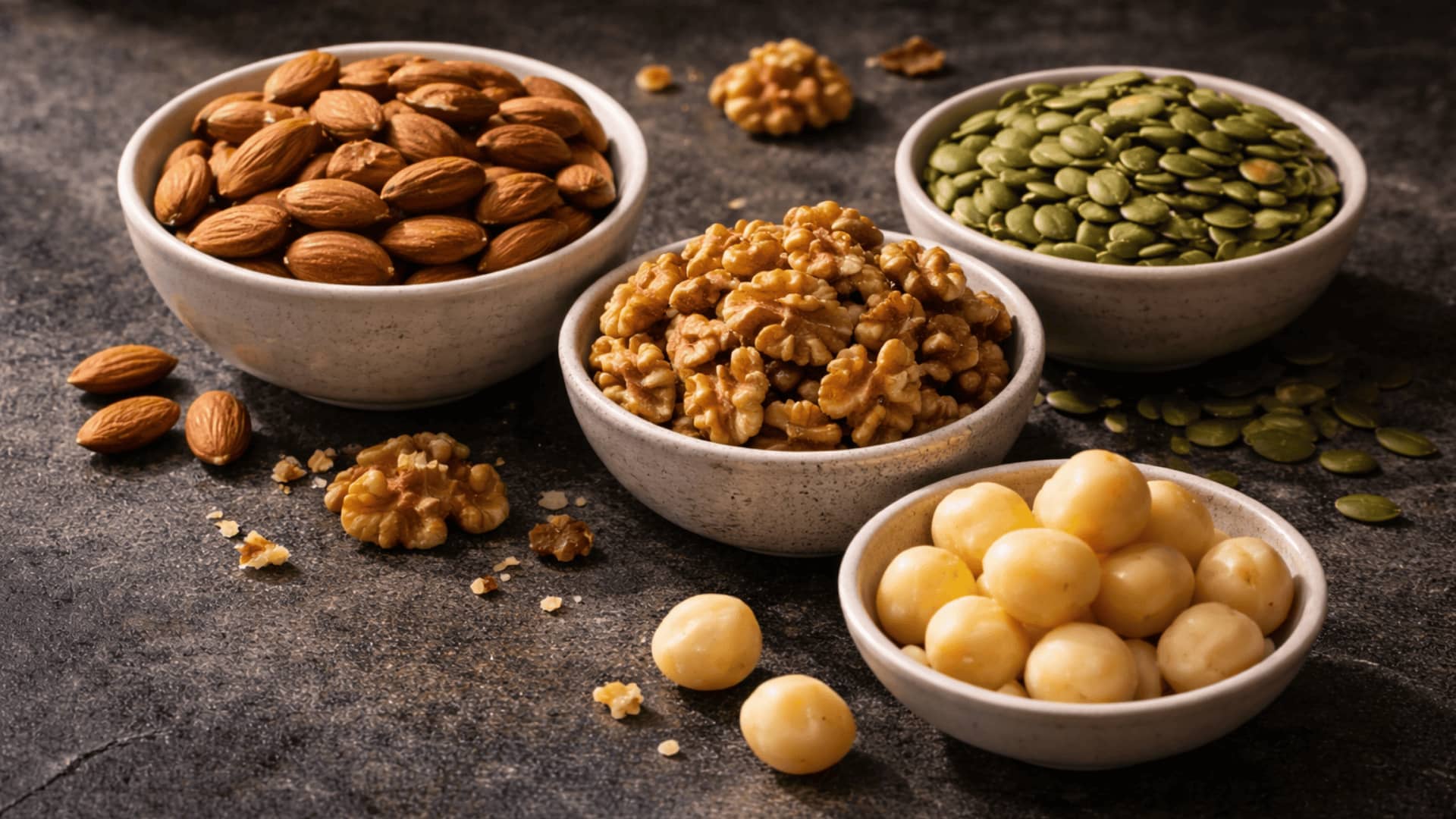
Nuts and seeds can work well with SIBO when kept to small amounts. A handful as a snack is usually fine without triggering a flare.
- Almonds: Well tolerated in small portions, best raw or lightly roasted without seasoning.
- Walnuts: A gut-friendly option rich in healthy fats when eaten in moderation.
- Macadamia Nuts: One of the easier nuts to digest, making them a safe snack choice.
- Pumpkin Seeds: Low in fermentable carbs and easy on the gut when served in small amounts.
Avoid large quantities in one sitting, as fat and fiber can add up quickly. Nut butters in small portions can work too, just keep it simple and unseasoned.
Foods to Avoid on a SIBO Diet
Certain foods feed bacteria in the small intestine, worsening SIBO symptoms. Cutting these out is just as important as knowing what to eat.
| Category | Avoid | Why |
|---|---|---|
| Vegetables | Onions, garlic, cauliflower, broccoli, mushrooms | High in fermentable carbs that trigger bloating and gas |
| Fruits | Apples, pears, peaches, watermelon, dried fruit | Fructose ferments quickly and causes flares |
| Grains | Wheat, rye, barley, bread, pasta | Fructans directly feed SIBO bacteria |
| Dairy | Milk, yogurt, soft cheeses, ice cream | Lactose ferments and worsens symptoms |
| Sweeteners | Honey, agave, sorbitol, xylitol, HFCS | Ferment heavily and hide in packaged snacks |
Consistently avoiding these gives your gut the best chance to heal. Always check labels since many triggers hide in processed products.
Tips for Following a SIBO Diet
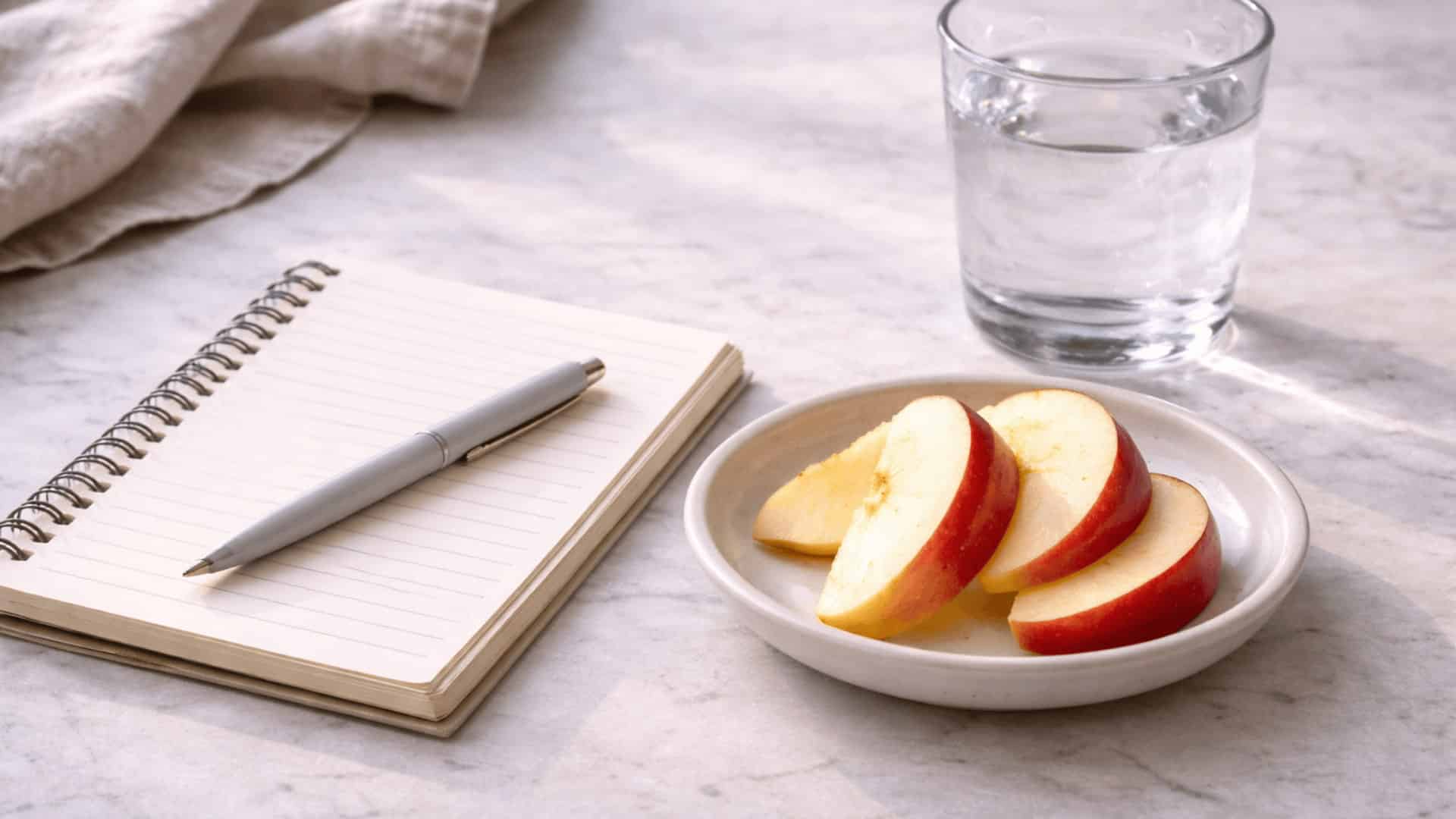
Small habits make a big difference when managing SIBO through food. These practical tips help get more out of the diet and reduce the chance of accidental flare-ups.
- Cook vegetables thoroughly: Raw vegetables hold onto fibers that ferment easily; steaming or roasting them until soft makes them far gentler on the gut.
- Eat smaller meals: Large meals slow digestion and give bacteria more time to ferment food. Smaller, well-spaced portions keep things moving more efficiently.
- Leave 3–5 hours between meals: The gut’s Migrating Motor Complex (MMC), a natural cleaning cycle, only activates between meals, and constant snacking shuts it down completely.
- Track symptoms: Keeping a simple food-and-symptom log helps quickly identify personal triggers. What bothers one person may be totally fine for another.
- Be careful with Probiotics: While usually ‘healthy,’ adding more bacteria to an area with an overgrowth can sometimes backfire.
Sample 1-Day SIBO Meal Plan
Having a simple day mapped out makes it easier to get started. This plan uses foods from the safe list with clear reasoning behind each choice.
| Meal | What to Eat | Dietary Reasoning |
|---|---|---|
| Breakfast | 2 scrambled eggs + spinach + ½ cup Jasmine rice | Zero-fermentation protein paired with an easy-to-digest starch. |
| Lunch | Grilled chicken + steamed zucchini (no skin) | Cooking and peeling vegetables significantly reduces fermentable fiber. |
| Dinner | Baked salmon + ½ roasted potato (peeled) | Omega-3s reduce inflammation; peeled potatoes are a safe, low-fermentation starch. |
| Snack | 5–10 macadamia nuts | High-fat, low-carb diets leave little for bacteria to feed on. |
This is a starting point, not a strict prescription. Adjust portions based on individual response and expand the variety gradually as symptoms improve over time.
When to Reintroduce Foods
Reintroducing foods too soon is one of the most common SIBO mistakes. Timing and method both matter.
The elimination phase usually lasts two to six weeks. High-fermentation foods are completely cut out to reduce bacterial activity and allow the gut to settle. Rushing this phase often leads to symptoms returning quickly.
Testing foods again should happen one at a time, in small amounts, with a few days between each trial. A symptom log during this period removes much of the guesswork.
Working with a doctor through reintroduction is strongly recommended. SIBO recovery isn’t one-size-fits-all, and professional guidance helps avoid setbacks. A healthcare provider can also confirm whether the overgrowth has been treated effectively before reintroduction begins.
When to Consult a Healthcare Provider
A SIBO diet can ease symptoms, but it is not a cure on its own. Persistent or worsening bloating, pain, or digestive issues despite dietary changes are clear signals to seek medical advice.
A healthcare provider can identify underlying causes, run diagnostic tests, and build a comprehensive treatment plan that may include antibiotics or probiotics tailored to your condition.
Self-managing through diet alone is risky when symptoms are severe, recurring, or interfering with daily life. Early medical intervention often leads to faster, more effective recovery.
Think of dietary changes as a supportive tool, not a standalone solution, and always prioritize professional guidance when your body signals that something is wrong.
Summing Up
Managing SIBO through food doesn’t have to feel restrictive or confusing. At its core, it comes down to understanding which foods calm bacterial activity and which ones fuel it.
From building a plate around low-fermentation proteins and vegetables, to avoiding high-fructose fruits and problematic grains, every small choice adds up over time.
The different diet approaches, meal timing tips, and reintroduction guidance covered here are all tools, not rules set in stone. Everyone’s gut responds differently, and that’s completely normal.
Following a well-structured SIBO diet food list is a strong first step toward better gut health. If any of this resonated, drop a comment below. I would love to hear what’s been working for you.