











I still remember biting into an Asian pear for the first time and noticing how crisp and refreshing it felt. That curiosity led me to look deeper into Asian pear nutrition and what this fruit actually offers your body.
If you’ve ever wondered how many calories an Asian pear has, what nutrients it contains, or whether it fits into a healthy diet, you’re in the right place.
I walk you through the nutrition facts, vitamins, fiber content, and key health benefits in clear, simple terms.
You’ll also learn how Asian pears support digestion, hydration, and balanced eating. By the end, you’ll know how this fruit can fit easily into your daily meals.
Asian Pear Overview (Quick Facts)
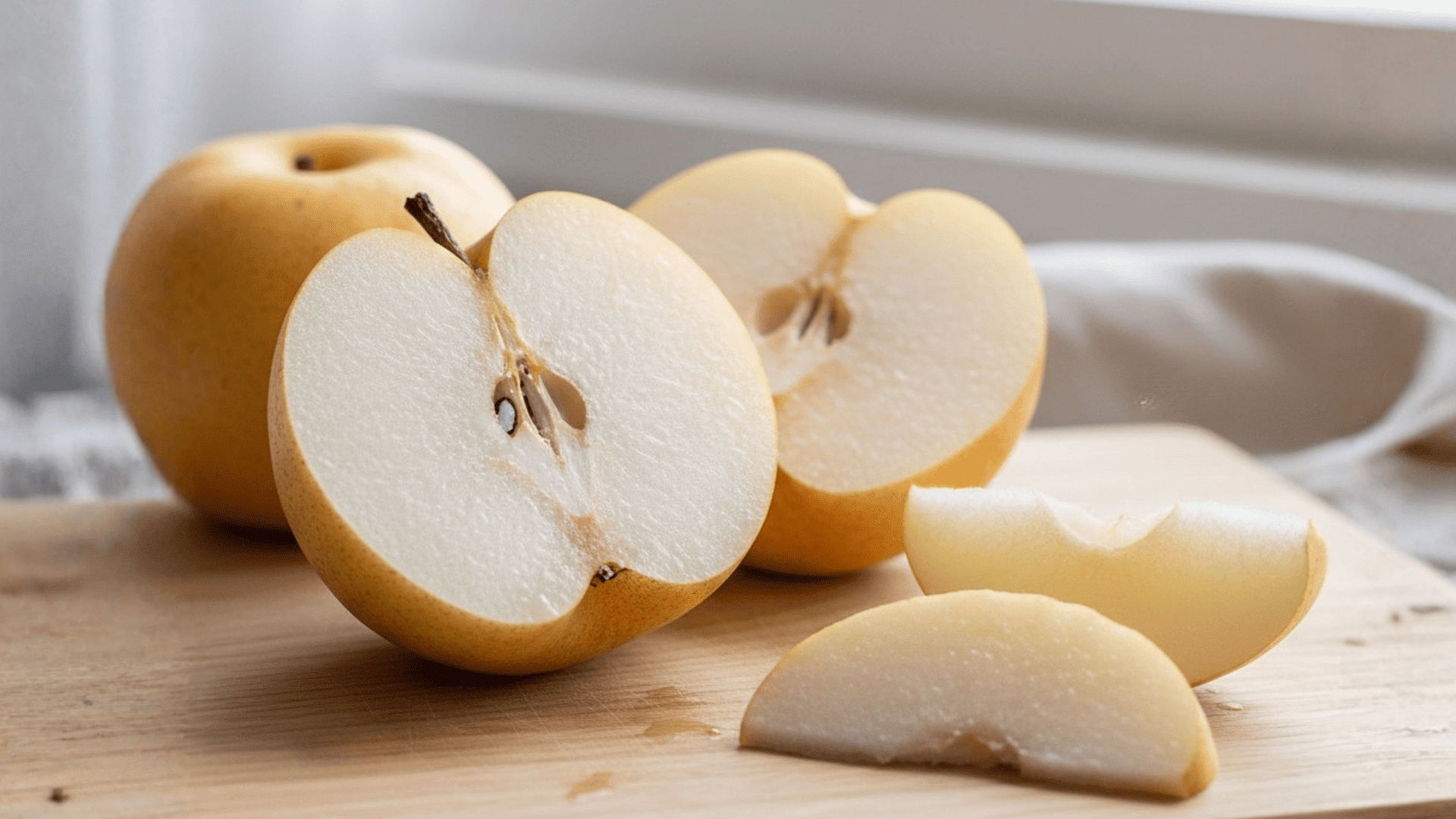
Asian pears are round, crisp fruits that look a bit like an apple but taste like a mild, sweet pear. They are also called Nashi pears or apple pears in some places. Most Asian pears have pale yellow or light brown skin, a juicy bite, and a clean, refreshing flavor.
People often eat them raw because they stay crunchy, even when fully ripe. They are high in water, naturally low in fat, and a simple way to add fruit to meals.
Asian pears are commonly enjoyed as snacks, sliced into salads, or added to fruit bowls. You can also use them in smoothies, light desserts, or savory dishes for natural sweetness.
Asian pears are native to East Asia — particularly China, Korea, and Japan — and are in season from late August through November. Unlike European pears, they do not soften as they ripen, so a firm texture is a sign of ripeness, not unripeness. They also keep in the refrigerator for several weeks longer than most other fruits.
Asian Pear Nutrition Value (1 Medium Asian Pear ~230g)
Understanding the nutrition in one medium Asian pear helps you see how this fruit provides natural energy, hydration, and fiber while staying light and easy to include in daily meals.
| Nutrient | Amount | Why It Matters |
|---|---|---|
| Calories | ~95–120 kcal | Low-calorie fruit that fits well in daily diets |
| Carbohydrates | ~25–29 g | The main energy source, mostly from natural sugars |
| Dietary Fiber | ~8–10 g | Supports digestion and helps you feel full longer |
| Natural Sugar | ~17–19 g | Naturally sweet without added sugars |
| Water Content | ~84–88% | Helps keep the body hydrated and refreshed |
| Vitamin C | ~10–12 mg | Supports immunity and skin health |
| Potassium | ~270–330 mg | Helps support heart and muscle function |
| Folate | ~22 mcg | Supports cell production and is especially important during pregnancy |
| Vitamin K | ~12 mcg | Supports bone health and normal blood clotting |
| Fat | 0 g | Naturally fat-free |
| Protein | ~1 g | Small amount, mainly a carb-based fruit |
| Glycemic Load | Low (~7–8) | Causes a slower rise in blood sugar |
Nutrition data sourced from USDA FoodData Central. Values are approximate and vary by pear size and variety.
These nutrition facts explain why Asian pears are refreshing and filling, making them a smart fruit choice for balanced, everyday eating.
Health Benefits of Asian Pears

Asian pears offer many health benefits, and this section explains how they support digestion, hydration, heart health, weight control, and immunity.
1. Digestive Health Support
Asian pears contain dietary fiber that supports healthy digestion and helps maintain regular bowel movements. Fiber adds bulk to the diet, allowing food to move through the digestive system more smoothly.
Much of the fiber in Asian pears is pectin, a soluble fiber that acts as a prebiotic feeding beneficial gut bacteria. Pectin also binds to bile acids in the colon, helping the body excrete them and supporting healthy cholesterol levels.
Research suggests that diets rich in pectin fiber may offer some protection against colon cancer by binding to potential carcinogens in the digestive tract.
The natural water content in Asian pears also supports hydration, which works together with fiber to promote comfortable digestion. Eating fiber-rich fruits regularly may help support gut health and maintain digestive balance.
Adding sliced Asian pears to meals or snacks can be a simple way to support daily digestive function.
2. Supports Hydration
Asian pears have a high water content, which helps support hydration throughout the day. Staying hydrated is important for many body functions, including circulation, digestion, and temperature regulation.
Because Asian pears are naturally juicy and refreshing, they can contribute to daily fluid intake while also providing small amounts of vitamins and minerals.
Including water-rich fruits like Asian pears in meals or snacks can be a simple way to stay refreshed while also enjoying natural flavor and light nutrition.
3. Heart Health Support
Asian pears provide potassium and beneficial plant compounds that support heart health. Potassium helps regulate fluid balance and supports normal muscle function, including the heart, and may help offset the blood pressure-raising effects of sodium in the diet.
Asian pears also contain arbutin and quercetin — two plant compounds that are relatively rare in common fruits. Quercetin is a flavonoid antioxidant that research has linked to reduced cardiovascular disease risk and anti-inflammatory effects. Arbutin may offer additional cell-protective benefits.
Asian pears are also notably rich in polyphenols, with roughly 2,000 mg per cup serving — a significant amount compared to most common fruits. Most of these polyphenols are concentrated in the skin, making it worthwhile to eat the pear unpeeled.
4. Light and Filling Snack
Asian pears can work well as a light and satisfying snack because they contain fiber and natural carbohydrates. Fiber slows digestion and can help maintain a feeling of fullness between meals.
The crisp texture also encourages slower eating, which may help improve portion control. Because Asian pears are naturally low in fat and moderate in calories, they can be an easy fruit option when looking for a refreshing snack.
Pairing them with nuts or yogurt can create a more balanced and filling snack.
5. Immune and Skin Health
Asian pears provide vitamin C, an antioxidant that supports the immune system and plays a role in collagen production for healthy skin. Regular intake of vitamin C from whole fruit sources also helps neutralize free radicals, which contribute to cellular aging and oxidative stress.
The antioxidant content in Asian pears — including polyphenols and vitamin C — is notably high. Some sources report antioxidant levels more than four times that of apples and oranges, which makes the skin an especially valuable part of the fruit to eat.
6. Bone Health
Asian pears contain vitamin K, a nutrient that plays a direct role in bone mineralization and helps regulate calcium in the body. Diets that consistently include vitamin K-rich foods are associated with better bone density over time. One medium Asian pear provides a meaningful contribution toward daily vitamin K needs.
7. Folate for Cell Health and Pregnancy
Asian pears are a good source of folate, a B-vitamin that the body uses to build and repair DNA and produce new cells. Folate is particularly important during pregnancy, as it supports healthy fetal development and is routinely recommended by doctors as part of prenatal care. Including folate-rich whole foods like Asian pears alongside a prenatal supplement can support adequate daily intake.
Asian Pear vs. Regular Pear
Understanding the differences between Asian pears and regular pears helps you choose the right fruit for taste, texture, and nutrition.
| Feature | Asian Pear | Regular Pear |
|---|---|---|
| Texture | Crisp and crunchy, similar to an apple | Soft and buttery when ripe |
| Flavor | Mildly sweet and refreshing | Sweet with a slightly floral taste |
| Calories | Around 50–60 calories per 100g | Around 55–60 calories per 100g |
| Water Content | Very high, making it juicy and refreshing | High but slightly lower than Asian pears |
| Ripeness cue | Stays firm when ripe — do not wait for it to soften | Softens near the stem when ripe |
| Shelf life | Refrigerates well for several weeks | Best eaten within a few days of ripening |
| Best Uses | Salads, fresh snacks, and light desserts | Baking, poaching, smoothies, and snacking |
Both fruits offer fiber, vitamins, and hydration, making them healthy choices that fit well into balanced meals and snacks.
Best Ways to Eat Asian Pears in Your Diet
This section shares simple, effective ways to eat Asian pears so they stay crunchy, fresh, and nutritious in everyday meals.
- Raw eating tips: Wash well, slice thin, and eat fresh. Asian pears lose their crunch after long storage, so serve them right away.
- Best time to eat Asian pears: I like them in the morning or afternoon. They feel light, boost hydration, and help stop cravings between meals.
- With or without skin: Keep the skin on. Most of the polyphenols and a significant portion of the fiber are concentrated in the skin, so peeling an Asian pear removes much of its antioxidant and digestive benefits. Just scrub gently to remove wax or dirt.
- Smart add-ons for better balance: Add Asian pear to salads, oatmeal, or chia bowls. This adds texture and helps slow digestion without extra sugar.
- In savory dishes: Thin slices of Asian pear work well in grain bowls, cheese plates, and even light stir-fries. Their firm texture holds up better under heat than regular pears.
- Storage tip: Store Asian pears in the refrigerator. They can stay fresh for several weeks longer than most fruits, which makes them a practical item to keep on hand.
With the right timing and prep, Asian pears fit easily into daily eating. These small choices help keep nutrition and texture intact.
Who Should Be Careful Eating Asian Pears?
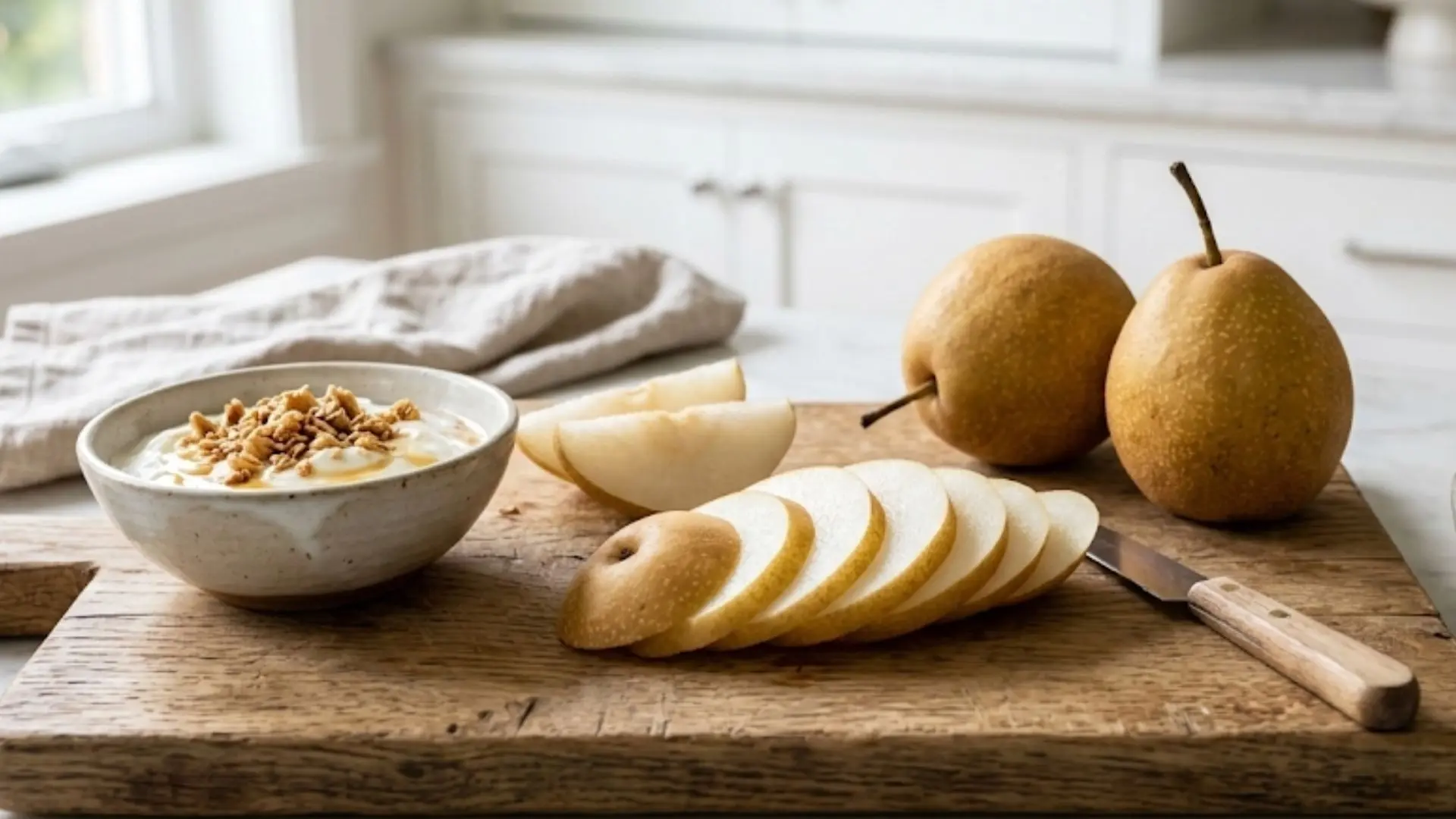
Asian pears are generally safe for most people, but some individuals may need to eat them in moderation.
Because they contain natural sugars and carbohydrates, people managing blood sugar levels should watch portion sizes and avoid eating large amounts at once.
People following a low-FODMAP diet should be cautious. Asian pears contain fructose and sorbitol, which can cause digestive discomfort, including bloating and gas, in people with irritable bowel syndrome (IBS) or FODMAP sensitivity.
People on a strict ketogenic diet should also be aware that a medium Asian pear contains approximately 13–15 grams of net carbohydrates, which can take up a significant portion of the daily keto carb limit. A smaller portion eaten alongside fat or protein may fit a moderate low-carb plan, but a full medium pear may not suit strict keto.
Those with sensitive digestion may also notice mild discomfort if they consume too much fiber in one sitting. In rare cases, individuals with fruit allergies could react to pears, especially if they are sensitive to related fruits like apples.
Eating one medium Asian pear and pairing it with other foods, such as protein or healthy fats, can help maintain balance and reduce potential digestive or blood sugar concerns.
Final thoughts
After looking closely at Asian pear nutrition, I can see why this fruit is a refreshing and practical choice.
After looking closely at Asian pear nutrition, this is a fruit that offers more than most people realize. Beyond its crisp texture and refreshing taste, it provides a notable polyphenol count, useful amounts of folate and vitamin K, and fiber in the form of pectin that actively supports gut health and cholesterol management.
You’ve learned how Asian pears provide natural carbohydrates, fiber, vitamin C, potassium, and high water content that support hydration. I also explained how they may help with digestion, heart health, and everyday snacking.
You now understand how Asian pears compare with regular pears, the best ways you can eat them, and who may need to enjoy them in moderation.
If you’re looking for a light fruit that adds flavor and nutrition to meals, you might try adding Asian pears to your snacks, salads, or fruit bowls. If you’ve already tried them, share how you like to eat them.