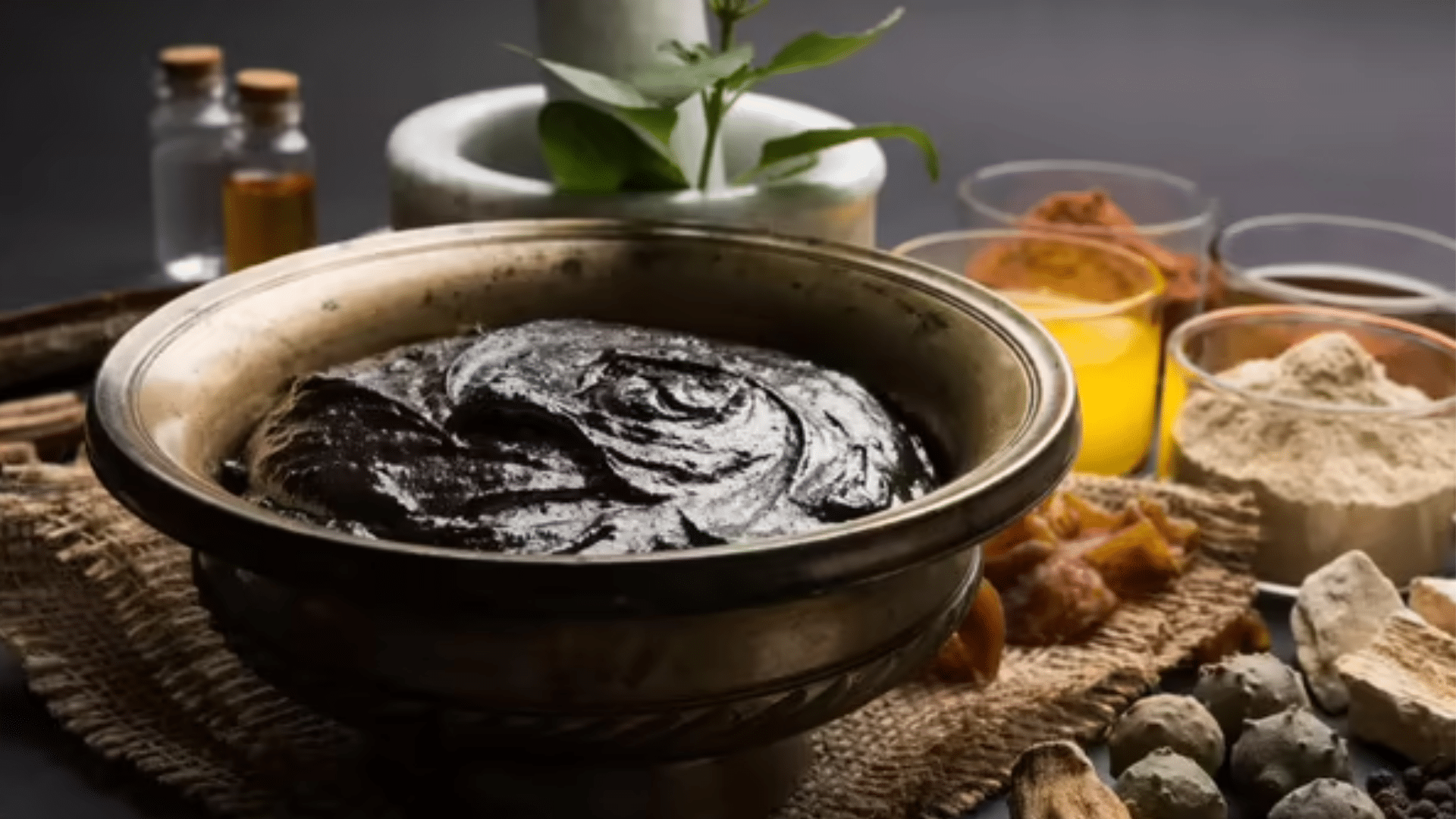















If you’ve been feeling puffy, tired, or like your body just can’t shake off that sluggish feeling, I know how frustrating that can be.
A lot of the time, the lymphatic system doesn’t get the attention it deserves, and that can leave you feeling off without really knowing why. The good news is your body already has systems designed to keep things moving.
I’m going to walk you through everything you need to know about how to detox your lymphatic system naturally, from easy movement habits and breathing techniques to the best foods, drinks, herbs, and daily routines.
No complicated plans, no expensive treatments. Just practical steps you can start today.
Overview of the Lymphatic System
The lymphatic system is an important part of your body’s immune and detox system. It is a network of vessels, tissues, and organs that help move a fluid called lymph throughout the body.
This fluid carries white blood cells, which help fight infections and remove waste, toxins, and excess fluids from tissues.
The lymphatic system includes lymph nodes, lymph vessels, the spleen, tonsils, and the thymus. Together, these parts help protect your body from harmful bacteria, viruses, and other pathogens.
It relies on body movement, breathing, and muscle contractions to keep lymph fluid moving properly. When the lymphatic system works well, it supports immunity, fluid balance, and overall health.
Signs Your Lymphatic System May Be Sluggish
Your lymphatic system helps remove waste and support your immune system. When it slows down, your body may show certain signs that indicate lymph fluid isn’t moving efficiently.
- Swelling or puffiness: You may notice swelling in areas like the face, hands, legs, or ankles due to fluid buildup.
- Fatigue and brain fog: Poor lymph circulation may leave you feeling tired, sluggish, or mentally unfocused.
- Frequent colds or infections: A slow lymphatic system can make it harder for your body to fight off germs effectively.
- Skin issues and bloating: Conditions such as dull skin, acne, or abdominal bloating can sometimes be linked to poor lymph drainage.
Noticing these signs doesn’t always mean something serious, but supporting healthy lymph flow through movement, hydration, and balanced habits can help your body function better.
Can You Detox Your Lymphatic System Naturally?
The body already has natural detox systems, and the lymphatic system is one of them. It helps move waste, toxins, and excess fluids away from tissues so the body can remove them.
Unlike the circulatory system, the lymphatic system does not have a pump like the heart. Instead, it relies on daily movement and breathing to keep lymph fluid circulating.
Lifestyle habits play a key role in supporting this process. Eating nutrient-rich foods, reducing highly processed foods, and maintaining a balanced diet can help the body function more efficiently.
Hydration is also essential because lymph fluid is mostly water, and proper fluid intake supports smooth circulation. Regular movement, such as walking, stretching, or light exercise, helps stimulate lymph flow and supports the body’s natural cleansing process.
Best Foods to Detox Your Lymphatic System Naturally
Eating the right foods can naturally support your lymphatic system. Incorporating nutrient-rich options helps improve circulation, hydration, and detox, keeping your body healthy and energized.
1. Leafy Greens (Spinach, Kale, Arugula)
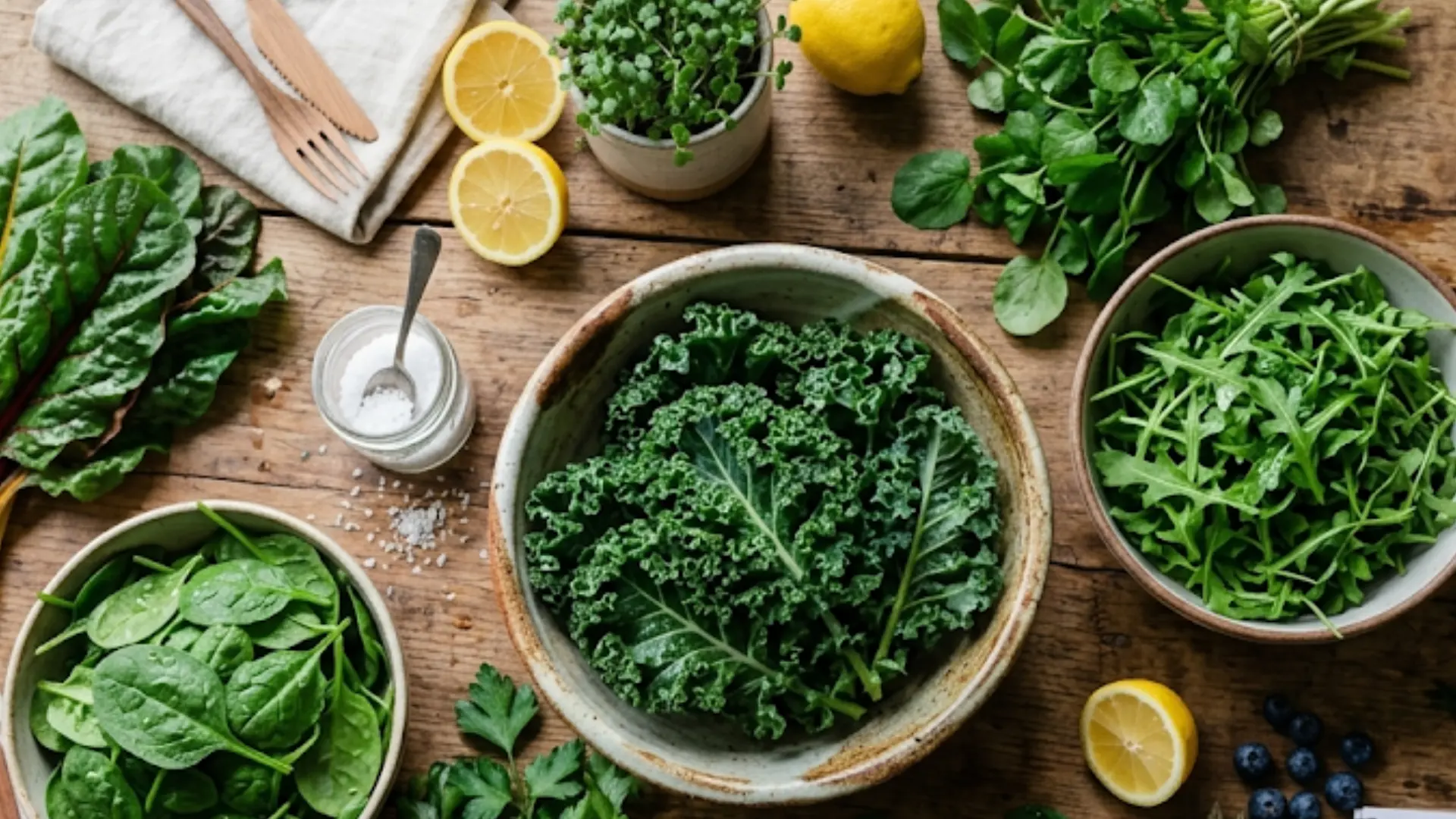
Leafy greens are some of the best foods you can eat for lymphatic health. They’re packed with antioxidants and chlorophyll, which help neutralize toxins and support the body’s natural detox pathways.
They also contain magnesium, which supports circulation and keeps lymph fluid moving smoothly. Add a handful to your smoothie, salad, or stir-fry every single day.
2. Citrus Fruits (Oranges, Lemons, Grapefruit)

Citrus fruits are loaded with vitamin C, one of the most important nutrients for a healthy lymphatic system. Vitamin C helps build strong lymphatic vessel walls, stimulates immune function, and reduces inflammation.
Starting your morning with warm lemon water is one of the easiest habits you can build. It hydrates you, supports digestion, and gives your lymph system an early boost.
3. Berries (Blueberries, Strawberries, Raspberries)

Berries are rich in antioxidants called flavonoids, which protect your cells from damage and help your body clear out waste more efficiently.
They also have anti-inflammatory properties that keep your lymph nodes from becoming congested. Fresh or frozen, they’re easy to toss into oatmeal, yogurt, or smoothies. A small handful daily goes a long way for lymphatic and overall immune health.
4. Garlic and Ginger

Garlic and ginger are two of the most powerful natural anti-inflammatory foods available. Garlic contains allicin, a compound that supports circulation and helps the body fight off infections, taking pressure off your lymphatic system.
Ginger improves digestion and stimulates blood and lymph flow. Use them fresh in cooking, brew them into tea, or take them as a daily supplement.
5. Turmeric

Turmeric contains curcumin, a well-studied anti-inflammatory compound that supports immune health and helps reduce swelling in lymphatic tissue.
Chronic inflammation is one of the biggest reasons the lymphatic system gets sluggish, and turmeric directly counteracts it. Add it to warm milk, soups, or rice dishes. Pair it with black pepper to improve absorption and get the most benefit from every serving.
6. Avocados
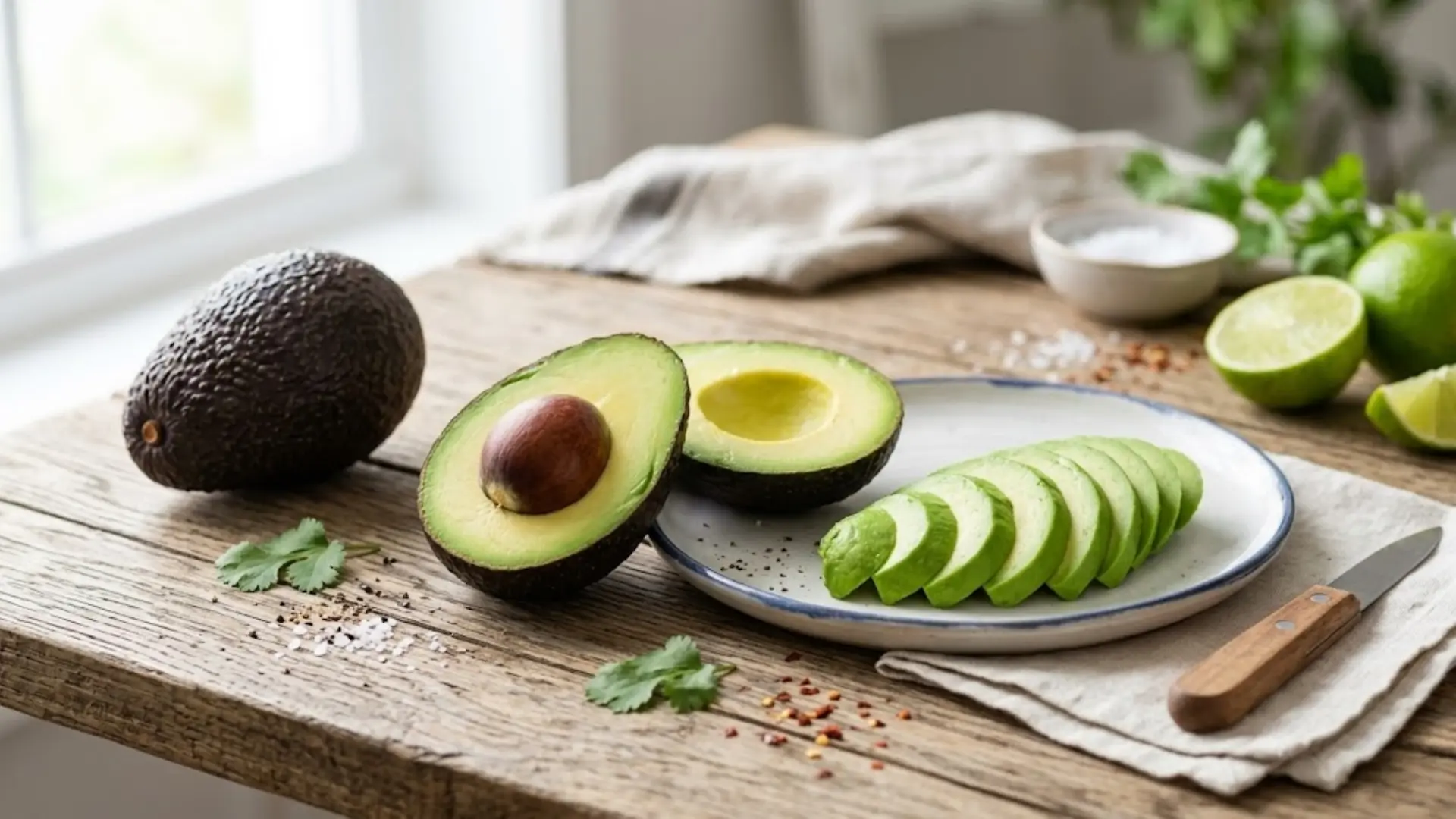
Avocados are rich in healthy monounsaturated fats that support cell membrane health and help your body absorb fat-soluble vitamins more efficiently. They also contain glutathione, one of the body’s most important antioxidants for detoxification.
Healthy fats are essential for lymphatic function since the lymphatic system absorbs dietary fats directly from the gut. Half an avocado a day is a simple, delicious addition.
7. Cucumbers

Cucumbers are made up of about 95% water, making them one of the best hydrating foods for lymphatic health. Hydrating foods like cucumbers help support healthy lymph fluid movement.
Cucumbers also contain silica and antioxidants that support tissue health. Snack on them raw, add them to water, or slice them into salads for an easy daily boost.
8. Protein-Rich Foods (Eggs, Legumes, Nuts, Seeds)

Protein is often overlooked in discussions of lymphatic health, but it’s essential. Your lymphatic system relies on proteins to maintain the fluid balance between your blood and tissues.
Without enough protein, fluid can accumulate, leading to swelling. Eggs, lentils, chickpeas, almonds, and pumpkin seeds are all great options. Aim to include a high-quality protein source at every meal to support proper lymphatic function.
Regularly including these foods in your diet supports healthy lymphatic function, encourages natural detoxification, and helps maintain overall wellness, energy, and immune system strength.
Natural Herbs and Supplements for Lymphatic Health
Food and movement are the foundation of lymphatic health, but certain herbs and supplements may offer additional support for circulation, detoxification, and immune function.
Best Herbs for Lymphatic Support
Certain herbs have been used to support lymphatic flow, reduce congestion, and promote healthy detox and immune functions.
- Manjistha: A traditional Ayurvedic herb known for supporting lymphatic circulation and helping the body clear toxins.
- Red Clover: Rich in antioxidants and commonly used to support lymphatic drainage and blood purification.
- Cleavers: A classic lymphatic herb that helps move stagnant fluid and may reduce swollen lymph nodes.
- Dandelion Root: Supports both the liver and lymphatic system, helping the body filter and eliminate waste.
- Echinacea: Known for immune support and may help reduce inflammation in lymph nodes.
These herbs are used in natural wellness to support lymphatic circulation and detox when combined with healthy habits.
Key Supplements to Consider
Some supplements, along with herbs, may support lymphatic health by reducing inflammation, boosting immunity, and aiding detoxification.
| Supplement | Benefit | Product Recommendation |
|---|---|---|
| Vitamin C | Supports lymphatic vessels, helps reduce inflammation, protects cells from oxidative stress, and strengthens immune function. | Nature Made Vitamin C 1000 mg Tablets |
| Zinc | Important for immune health, helping the body fight infections while supporting overall cellular and lymphatic function. | Nature Made Zinc 30 mg Tablets |
| Proteolytic Enzymes (Bromelain, Serrapeptase) | Help break down proteins, reduce inflammation, and may support lymphatic drainage and circulation. | Doctor’s Best Proteolytic Enzymes |
Important: Always consult a healthcare professional before starting new herbs or supplements, especially if you are pregnant, taking medication, or managing a health condition.
Foods That May Slow Lymphatic Function
Avoiding certain foods can help reduce inflammation, prevent fluid retention, and keep your lymphatic system functioning properly.
- Highly Processed Foods: Packaged snacks, fast food, and ready-made meals often contain additives, preservatives, and unhealthy fats that increase inflammation and slow lymphatic flow.
- Excess Sugar: Excess sugar weakens immune function and promotes inflammation, hindering waste removal by the lymphatic system.
- High-Sodium Foods: Salty foods like chips, processed meats, and canned soups can cause water retention and swelling, slowing lymph flow.
- Fried and Trans Fat Foods: Deep-fried foods and trans fats increase inflammation, harm circulation, and strain the lymphatic system.
- Refined Carbohydrates: Foods like white bread, pastries, and sugary cereals can spike blood sugar and cause inflammation, possibly disrupting lymphatic function.
Limiting these foods while focusing on whole, nutrient-dense options can help keep your lymphatic system functioning smoothly and support overall health.
Simple Daily Routine to Support Lymphatic Health
A simple daily routine can help keep your lymphatic system active. These habits support circulation, hydration, and healthy lymph flow throughout the day.
| Time of Day | Habit | Purpose |
|---|---|---|
| Morning | Warm lemon water + light stretching | Hydrates body and gently stimulates lymph movement |
| Midday | Short walk or light activity | Encourages circulation and lymph flow |
| Afternoon | Hydrating foods (cucumber, fruits) | Supports fluid balance and detox |
| Evening | Deep breathing or gentle yoga | Promotes relaxation and lymph drainage |
Following small habits like these daily can support lymph circulation and help your body maintain natural detox and immune balance over time
When to See a Doctor
Occasional fatigue or mild swelling can happen for many reasons, but some symptoms should not be ignored.
If you notice persistent swelling, especially in the arms, legs, or face, it may indicate fluid buildup that needs medical evaluation.
Chronic fatigue that does not improve with rest can also signal that your body is struggling with inflammation, infection, or another underlying issue.
Another important sign is repeated infections, which may mean your immune system needs attention or further testing. If these symptoms continue for several weeks or worsen over time, it’s important to speak with a healthcare professional.
A doctor can examine your symptoms, rule out serious conditions, and recommend the right treatment or lifestyle adjustments to support your lymphatic and overall health.
Final Thoughts
Supporting your lymphatic system doesn’t require complicated routines or expensive treatments.
Learning how to detox your lymphatic system naturally often begins with simple habits like staying hydrated, eating nutrient-rich foods, moving your body regularly, and practicing techniques such as deep breathing or dry brushing.
Over time, small and consistent lifestyle changes can bring noticeable improvements in energy, swelling, and overall well-being.
Your body already has a natural detox process, and your role is to support it through balanced nutrition, regular movement, and mindful daily habits.
Start by adding one or two of these practices to your routine and build from there. If you try these tips, pay attention to how your body responds and share your experience in the comments.