



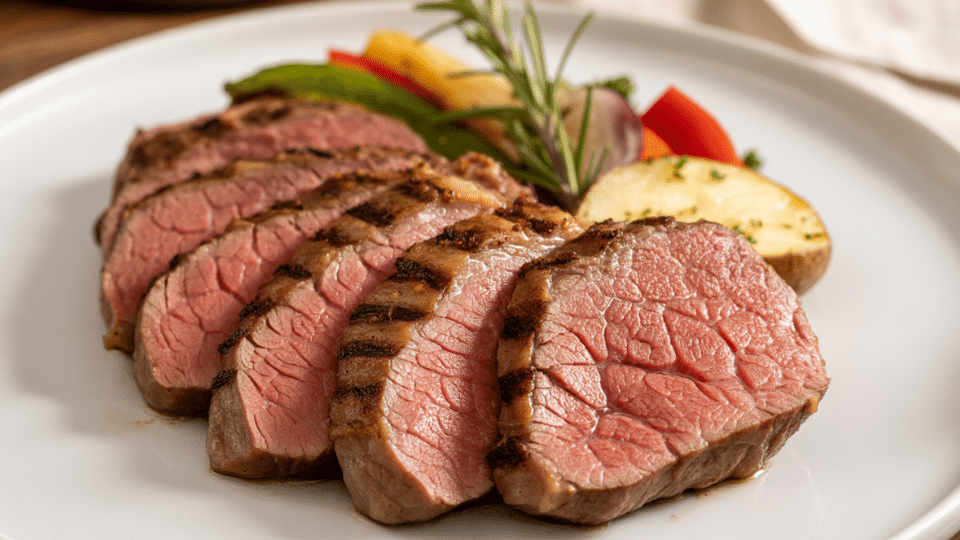








Most people think low-calorie meats are the key to weight loss, but from what I’ve seen, it’s how you use them that makes the real difference.
In my experience, meals built only around lean protein often fall short because they miss the balance needed to keep you full and consistent. That’s where combining the right foods starts to matter, especially when you also include low-calorie foods to build better meals.
Here, I’ve put together foods that work well with low-calorie meats to help you build meals that feel satisfying without pushing calories too high.
You’ll find lean meats and seafood, along with vegetables, fruits, dairy, and plant proteins that support better meal structure.
I focus on keeping meals simple, balanced, and practical so you can stay consistent without feeling restricted.
The Case for Eating More, Not Less
Most weight loss advice pushes for smaller portions and constant hunger. That approach? Rarely sustainable.
The smarter strategy is to eatmore food with fewer calories. That’s where low-calorie meats like chicken breast, white fish, and lean turkey become game-changers, but only when paired with high-volume vegetables, fruits, and smart proteins.
A plate loaded with grilled chicken, roasted broccoli, zucchini noodles, and berries can easily clock in under 400 calories while feeling like a full dinner. Compare that to a small burger and fries that hits 800+ calories but leaves you hungry an hour later.
Volume is the difference between feeling deprived and feeling satisfied. When meals are built around naturally low-calorie foods, portion sizes grow without guilt. That’s how sustainable weight loss actually works.
What Are Low-Calorie Meats?
Low-calorie meats are protein-rich foods that provide high protein with relatively low fat and calories. Most fall within the range of 80 to 160 calories per 100 grams, depending on the cut and cooking method.
These meats are useful for weight loss because they help you stay full without increasing calorie intake too much. Options like chicken breast, white fish, and turkey are common choices since they are lean, easy to cook, and fit into most meal plans.
Leanest Protein for Strict Diets (Under 130 kcal)
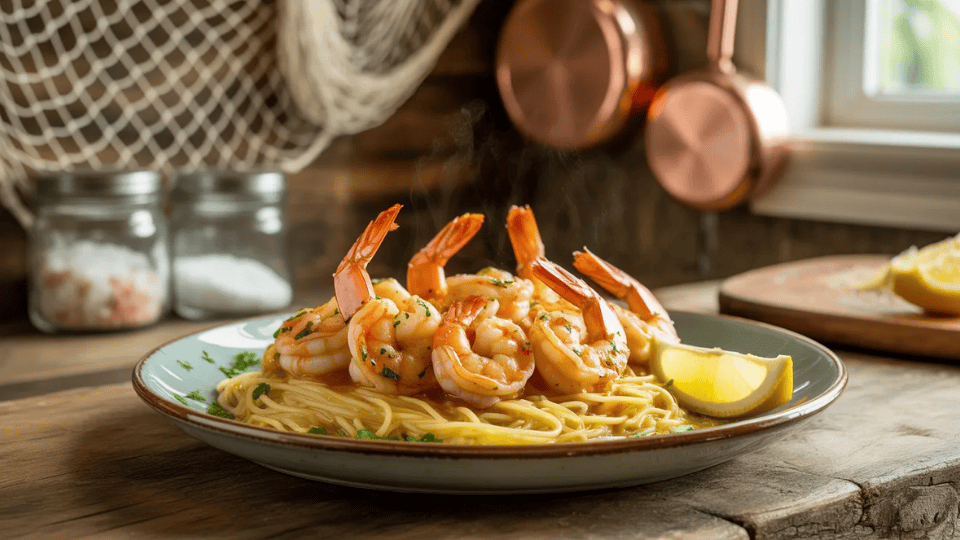
If you want to keep calories as low as possible, these meats give you high protein with very little fat, making them ideal for tight calorie goals. To keep meals satisfying between meals, pairing them with 200-calorie snacks can help maintain energy and prevent overeating.
1. White Fish (Cod, Tilapia)
White fish is one of the cleanest protein sources you can include when you want to keep meals light and easy to manage. It has a soft texture and mild taste, so you can eat it often without feeling heavy.
It also provides minerals such as selenium and small amounts of omega-3 fatty acids, which support basic health. When you bake, steam, or grill it with simple seasoning, it stays low in calories and is easy to digest.
- Calories: ~90 kcal per 100g
- Protein: ~20g
- Fat: ~1g
2. Shrimp
Shrimp works well when you want a protein-rich option that does not increase your calorie intake too much. It contains essential nutrients such as selenium, iodine, and vitamin B12, which support body functions.
It cooks very quickly, making it practical for daily meals. When you boil, grill, or stir-fry it with very little oil, it stays light while still satisfying.
- Calories: ~100 kcal per 100g
- Protein: ~24g
- Fat: ~1–2g
3. Turkey Breast (Skinless)
Turkey breast is a lean, steady protein choice that helps you stay full longer. It contains nutrients like vitamin B6 and niacin, which support your body’s energy metabolism.
The texture stays firm and filling when cooked properly. When you roast or grill it using simple spices instead of heavy sauces, you keep the calories low and the meal balanced.
- Calories: ~110 kcal per 100g
- Protein: ~24g
- Fat: ~1–2g
4. Chicken Breast (Skinless)
Chicken breast is one of the most reliable options for a high-protein meal without adding excess fat. It contains nutrients like niacin and phosphorus, which support energy and bone health.
It also fits easily into many types of meals. When you grill, bake, or air-fry it without using much oil, it stays lean and helps you stay within your calorie limits.
- Calories: ~120 kcal per 100g
- Protein: ~26g
- Fat: ~2–3g
5. Tuna (Canned in Water)
Tuna is a simple option when you need a quick meal that does not require cooking. It provides omega-3 fatty acids and vitamin D, which support overall health.
It is easy to combine with other foods, making it useful for busy days. When you use water-packed tuna and pair it with light ingredients, it stays low in calories while still being filling.
- Calories: ~110 kcal per 100g
- Protein: ~25g
- Fat: ~1g
6. Crab Meat
Crab meat is light and slightly sweet, which makes it a good change from heavier meats. It contains nutrients like zinc and vitamin B12, which support immune and nerve function.
The texture is soft and easy to eat, especially in simple meals. When you steam it or add it to soups and salads without heavy sauces, it stays low in calories.
- Calories: ~95 kcal per 100g
- Protein: ~19g
- Fat: ~1g
7. Egg Whites
Egg whites are almost entirely protein, which makes them one of the lowest-calorie options you can include in your meals.
They also contain small amounts of potassium and sodium that support normal body functions. They are easy to cook and combine with other foods. When you prepare them as a scramble or omelette without butter or oil, they stay very light.
- Calories: ~50 kcal per 100g
- Protein: ~11g
- Fat: ~0g
Low-Calorie Meats for Balanced Diet (130-160 kcal)
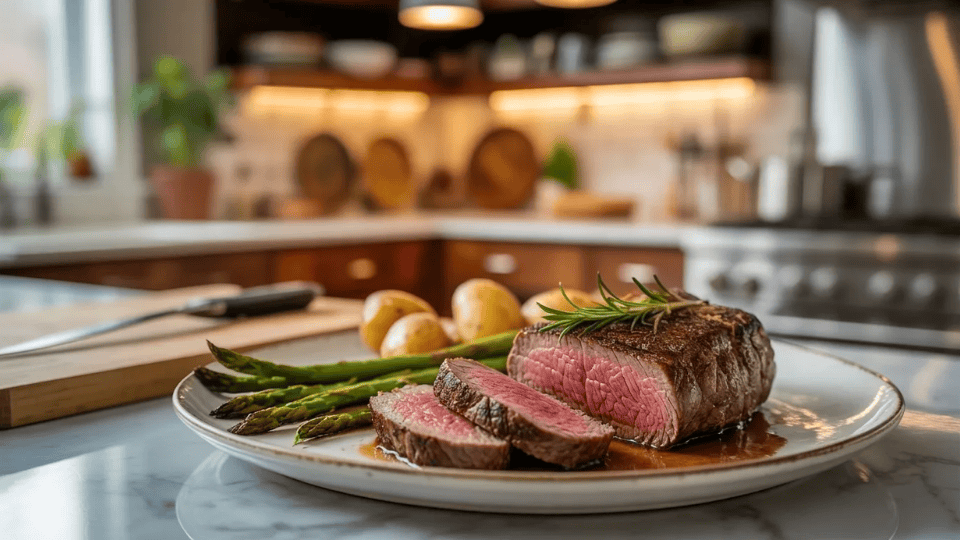
If you want more variety without going too high in calories, these meats give you solid protein with a bit more fat, making meals feel more filling.
8. Lean Pork Tenderloin
Pork tenderloin is one of the leanest cuts of pork, even though many people assume pork is always high in fat. It gives you a good balance of protein while keeping fat moderate.
It also contains nutrients like thiamine and zinc, which support energy and immune function. When you roast or grill it with simple seasoning, it stays within a controlled calorie range.
- Calories: ~140 kcal per 100g
- Protein: ~22g
- Fat: ~4g
9. Lean Beef (Eye of Round, Sirloin)
Lean beef cuts like eye of round or sirloin offer a strong protein source along with important nutrients like iron and vitamin B12.
These help support energy levels and red blood cell function. Even though it’s red meat, trimming visible fat keeps it within a moderate calorie range. Grilling or pan-searing with minimal oil helps maintain its balance.
- Calories: ~150 kcal per 100g
- Protein: ~26g
- Fat: ~5–7g
10. Bison
Bison is a lean alternative to regular beef, with less fat, while still offering a rich taste. It provides protein along with nutrients like iron and vitamin B12.
The texture is slightly firmer, but it cooks well without needing much added fat. When you grill or cook it as patties on a flat surface, it stays within a controlled calorie range.
- Calories: ~140 kcal per 100g
- Protein: ~24g
- Fat: ~4–5g
11. Venison (Deer Meat)
Venison is naturally lean and high in protein, making it a strong option for calorie-controlled diets. It also contains nutrients like iron and zinc, which support overall body function.
Because it has very little fat, it cooks quickly and can become tough if overcooked. Grilling or slow cooking it in light preparations helps keep it tender and balanced.
- Calories: ~135 kcal per 100g
- Protein: ~26g
- Fat: ~3g
12. Chicken Thigh (Skinless)
Chicken thigh without skin offers more flavor than chicken breast while still staying within a moderate calorie range. It contains slightly more fat, which helps improve taste and meal satisfaction.
It also provides iron in higher amounts compared to breast meat. When you bake or grill it without heavy oils, it remains suitable for a calorie-conscious diet.
- Calories: ~150 kcal per 100g
- Protein: ~24g
- Fat: ~7–8g
13. Canned Chicken (in Water)
Canned chicken is a practical option when you want a ready-to-eat protein source without spending time cooking. It offers a similar nutritional profile to fresh chicken breast while keeping fat levels low.
It also contains nutrients like phosphorus and niacin, which support energy use and bone health. When you choose water-packed versions and mix them with simple ingredients, they stay light and easy to include in quick meals.
- Calories: ~110 kcal per 100g
- Protein: ~23g
- Fat: ~2g
Flavorful Proteins with Healthy Fats (160-200 kcal)
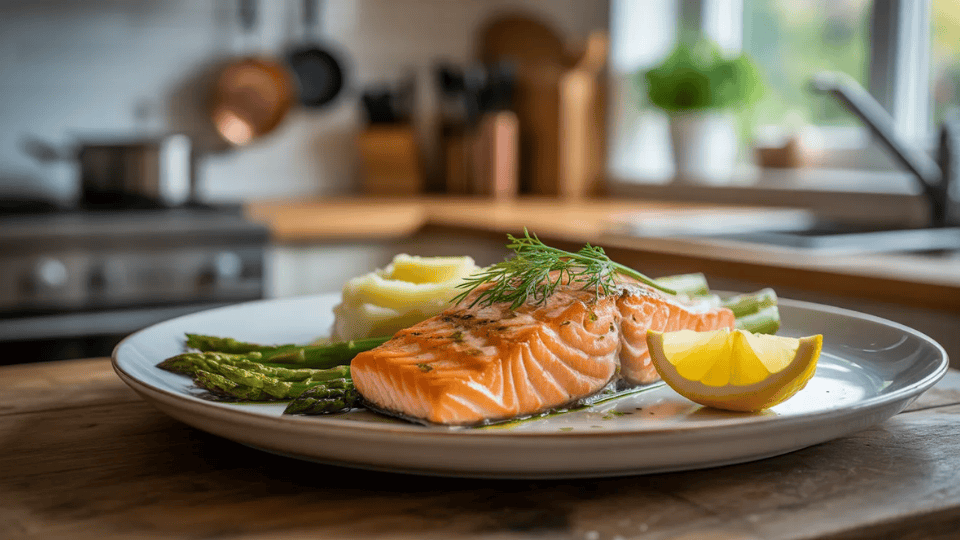
If you’re okay with slightly higher calories, these meats offer richer taste and useful nutrients while still fitting into a controlled diet when portions are managed.
14. Salmon
Salmon stands out because it provides more than just protein, offering a higher amount of fat that mainly comes from omega-3 fatty acids. These fats support heart and brain health, making it a strong nutritional choice.
It also contains vitamin D and B12. When you bake or grill it using simple seasoning and avoid heavy sauces, it stays balanced while still feeling satisfying and complete as a meal.
- Calories: ~180–200 kcal per 100g
- Protein: ~22g
- Fat: ~10–12g
15. Chicken Thigh (With Skin)
Chicken thigh with skin has a richer texture and more intense flavor compared to lean cuts like breast. The added skin increases fat content, which raises calories but also makes meals feel more filling and satisfying.
It also contains nutrients like iron and zinc. When you bake or grill it and allow the excess fat to drain during cooking, you can keep the calorie impact under control.
- Calories: ~190–200 kcal per 100g
- Protein: ~23g
- Fat: ~13–15g
16. Duck Breast (Skinless)
Duck breast offers a deeper, more distinct flavor than most poultry, making it useful when you want variety in your meals. Even without the skin, it still contains more fat than chicken or turkey, which increases its calorie count.
It also provides iron and B vitamins. Cooking it slowly on a pan and removing excess fat helps keep it within a moderate calorie range.
- Calories: ~180 kcal per 100g
- Protein: ~22g
- Fat: ~9–10g
17. Lamb (Lean Cuts)
Lean cuts of lamb can still fit into a calorie-controlled diet when eaten in proper portions and prepared carefully. It provides a good amount of protein, along with nutrients such as iron, zinc, and vitamin B12, which support overall health.
The fat content is higher than that of poultry, which gives it a stronger taste. Grilling or roasting trimmed cuts helps reduce extra fat while keeping the meal balanced.
- Calories: ~190–200 kcal per 100g
- Protein: ~25g
- Fat: ~13–15g
18. Turkey Mince (Extra Lean)
Extra-lean turkey mince is a versatile option that works well across different meals while still keeping calories in check.
It provides a good amount of protein, along with nutrients such as vitamin B6 and selenium, which support metabolism and immune function.
Since fat content can vary, choosing extra-lean versions is important. When you cook it on a pan without added oil or use it in simple dishes, it stays within a moderate calorie range.
- Calories: ~130–150 kcal per 100g
- Protein: ~22–24g
- Fat: ~5–7g
19. Ground Chicken (Lean)
Ground chicken offers more flexibility than whole cuts and works well in everyday recipes like wraps, bowls, or patties. It contains protein, along with nutrients such as niacin and phosphorus, which support energy and bone health.
The calorie content depends on how lean it is, so choosing lower-fat versions helps. When you cook it with minimal oil and avoid heavy sauces, it stays suitable for a calorie-conscious plan.
- Calories: ~140–160 kcal per 100g
- Protein: ~22–25g
- Fat: ~6–9g
20. Sardines
Sardines are small fish that offer more than just protein, making them a nutrient-dense option despite their higher fat content. They are rich in omega-3 fatty acids, along with calcium and vitamin D, which support bone strength and heart health.
Because they are naturally oily, portion control matters. When you grill them or choose water-packed versions, they remain suitable for a balanced and controlled diet.
- Calories: ~180–200 kcal per 100g
- Protein: ~24g
- Fat: ~10–11g
Cooking Methods That Affect Your Calorie Intake
How you cook meat can change its calorie count more than the meat itself, especially when you add fats like oil, butter, or sauces.
| Cooking Method | Impact on Calories |
|---|---|
| Grilling | Keeps calories low as excess fat drips away during cooking, and little to no oil is used. Grilled chicken stays near base calories, while oil cooking raises it. |
| Baking | Uses less fat, helping control calories. Adding butter, cheese, or heavy toppings increases calories quickly. Plain baked fish stays light. |
| Steaming | Uses no added fat, so calories remain close to raw meat. Works best for fish and seafood, keeping meals light. |
| Deep Frying | Raises calories as meat absorbs oil, making even lean meat high in fat. Fried chicken can nearly double in calories. |
| Heavy Sauces | Adds hidden calories through cream, butter, or sugar. Can turn a low-calorie meal into a high-calorie one quickly. |
Simple cooking with less added fat helps you keep meals low in calories without changing the type of meat you eat.
Which Low-Calorie Meat Is Best for Weight Loss?
The best low-calorie meat depends on your goal, but some options stand out for consistency and results.
- Best overall: Chicken breast and white fish, because they are lean, filling, and easy to include in daily meals
- Best for strict calorie control: Egg whites, shrimp, and cod, since they are very low in fat
- Best for satiety: Lean beef and salmon in moderate portions, as they keep you full longer
In most cases, sticking to simple, lean options works better than rotating too many types.
Incorporating Balance in Your Diet Plan
If you want results, you need more than just a list of meats. You need a simple way to structure your meals so your calories stay under control and your protein stays high.
Before you choose meats, fruits, or other foods and start making healthy decisions without proper knowledge, make sure your diet plan supports your goal of weight loss, muscle gain, or healthy living.
- Set your daily calories and protein. For weight loss, most need 1500–2000 kcal daily , depending on body size and activity level. Protein should be 1.2 to 1.6 grams per kgto maintain muscle and curb hunger.
- Divide protein across 2–3 meals instead of one, aiming for 20–40 grams each with low-calorie meats like chicken, fish, or turkey. This keeps you fuller longer and maintains steady energy.
- Build each meal around 100–150 grams of cooked lean meat, then add vegetables and a small carb like rice, roti, or potatoes. For example, grilled chicken with vegetables and a small serving of rice makes a balanced, low-calorie meal.
- Choose cooking methods like grilling, baking, or steaming instead of frying. One tablespoon of oil adds 120 calories , which can disrupt your daily goal. Simple cooking helps you stay consistent without having to track every detail.
- Use simple meal combinations like chicken with vegetables, shrimp salad, turkey wraps, or fish with rice. They are easy to repeat and help you stay within calorie limits without overthinking.
- Adjust Portions Based on Progress. If weight loss slows, slightly reduce portion sizes instead of removing foods entirely. For example, lowering rice or meat by 20–30 grams helps without making meals restrictive.
3-Day Sample Low-Calorie Meat Diet Plan
This sample plan shows how you can include low-calorie meats throughout the day while keeping calories in check and protein high.
| Day | Breakfast | Lunch | Snack | Dinner | Approx Calories |
|---|---|---|---|---|---|
| Day 1 | Egg white omelette (4–5 whites) + 1 toast | Grilled chicken (120g) + veggies + small rice | Tuna salad (water-packed) | Steamed white fish (120g) + veggies | ~1500–1700 kcal |
| Day 2 | Boiled egg whites (4–5) + small oats | Turkey breast (120g) + 1–2 roti + veggies | Shrimp salad | Grilled chicken thigh (120g, skinless) + veggies | ~1600–1800 kcal |
| Day 3 | Egg white scramble + vegetables | Lean beef (100–120g) + small rice + salad | Canned chicken wrap (whole wheat) | Grilled salmon (100g) + veggies | ~1700–1900 kcal |
Quick tip: Keep oil limited to 1–2 teaspoons per meal and adjust portion size based on your calorie target.
How Much Low-Calorie Meat Should You Eat Per Day?
Most people do well with 100 to 150 grams of cooked meat per meal, depending on their calorie and protein needs.
For weight loss, daily protein intake usually falls between 1.2 to 1.6 grams per kg of body weight. This helps maintain muscle and control hunger.
Eating too much meat without balance can increase calories, so it’s better to combine it with vegetables, fruits, and other foods rather than relying on protein alone.
Common Mistakes That Increase Calories
Small mistakes in how you choose or prepare meat can quietly increase your calorie intake, even when you think you are eating healthy.
- Cooking oil overload: Extra oil adds calories fast. Just one tablespoon can add over 100 calories without making you feel fuller.
- Sauces (hidden calories): Creamy or sugary sauces can turn a light meal into a high-calorie one without you noticing.
- Eating skin: Skin contains high levels of fat, which increases total calories. Removing it keeps meals leaner.
- Choosing wrong cuts: Fatty cuts have more calories than lean ones. Always pick trimmed, low-fat options.
Keeping these small factors in check helps you stay within your calorie limit without changing your meals too much or making your diet harder to follow.
Frequently Asked Questions
Can you eat meat every day and lose weight?
Yes, you can eat meat daily and still lose weight if your total calorie intake stays controlled. The key is choosing lean cuts and balancing meals with vegetables and other low-calorie foods.
Which meat has the most protein and the fewest calories?
Chicken breast, tuna, and turkey breast offer some of the best protein-to-calorie ratios. They provide high protein with low fat, making them effective for maintaining muscle while controlling calories.
Are low-calorie meats good for fat loss?
Low-calorie meats support fat loss because they provide protein that helps control hunger and maintain muscle. However, results depend on overall diet, portion size, and consistency, not just the meat itself.
What is the lowest-calorie meat?
Egg whites are the lowest in calories, followed by white fish like cod and tilapia. These options provide high protein with almost no fat, making them ideal for strict calorie control.
Is chicken the lowest-calorie meat?
Chicken breast is one of the lowest-calorie meats, but not the absolute lowest. Egg whites and some seafood options like shrimp and cod have fewer calories per serving.
The Bottom Line
Building meals around these foods changed how I approach weight loss in a more practical and sustainable way.
The shift came from understanding that low-calorie meats work best when paired with the right foods. High-volume vegetables, balanced protein sources, and fruit help create meals that feel complete and keep you full without increasing calorie intake.
Lean poultry and white fish form a strong base, but they work better when combined with foods like spinach, cauliflower, berries, Greek yogurt, and beans. These additions improve both volume and overall nutrient balance.
Cooking methods also matter. Grilling, baking, and air-frying help control added fat, while simple seasoning keeps meals easy to repeat and maintain over time. Comment your thoughts down below!