










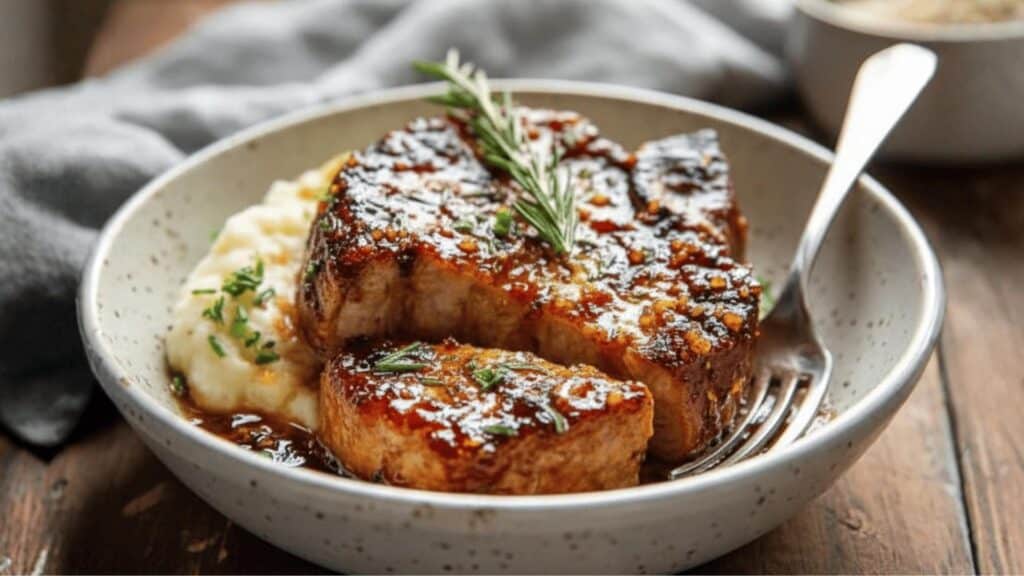

Figuring out the calories in a pork chop does not have to feel confusing. The cut you pick and how you cook it both make a big difference.
A lean grilled chop is a very different meal from a breaded fried one. I put this together so you can make smarter choices without giving up flavor.
You will learn about different cuts, cooking methods, portion sizes, and nutritional value. Each section breaks things down in a simple and straightforward way.
No complicated charts or confusing numbers. Just clear, useful information you can actually apply. By the end, you will know exactly what works best for your goals.
Pork Chop Basics: Cuts and Why They Matter for Calories
A pork chop is a cut of meat taken from the loin section of a pig, sliced perpendicular to the spine. It can be boneless or bone-in, depending on whether the rib or vertebrae are removed.
The cut name tells you a lot about what you are getting nutritionally. The most common cuts you will encounter, and their calorie implications, are:
- Sirloin chop: Cut from near the hip, lean, slightly firmer texture. Lowest fat among common cuts.
- Center-cut loin chop: The benchmark “lean” chop most nutrition labels reference. Reliable protein-to-calorie ratio.
- New York / top loin chop: Similar to center-cut but boneless; slightly higher fat than sirloin.
- Rib chop: Cut from the rib section, more marbling, richer flavor, noticeably higher fat content.
- Porterhouse / T-bone pork chop: Contains both loin and tenderloin muscle; moderate fat, large cut, often sold at 8oz+.
- Blade/shoulder chop: Highest fat content of the common cuts; most flavorful but most calories per ounce.
Understanding these differences matters because the location of the cut directly impacts calorie content. A blade chop and a sirloin chop of the same weight can differ by 60–80 calories per serving.
Pork chops are versatile enough to be grilled, baked, fried, or pan-seared. What makes them popular for meal planning is their high protein content, relatively quick cooking time, and ability to pair well with countless seasonings and side dishes.
Calories in Different Pork Chop Cuts
The type of pork chop you choose significantly impacts your calorie intake. From lean cuts to breaded versions, here’s what you need to know about each variety.
1. Lean Pork Chops
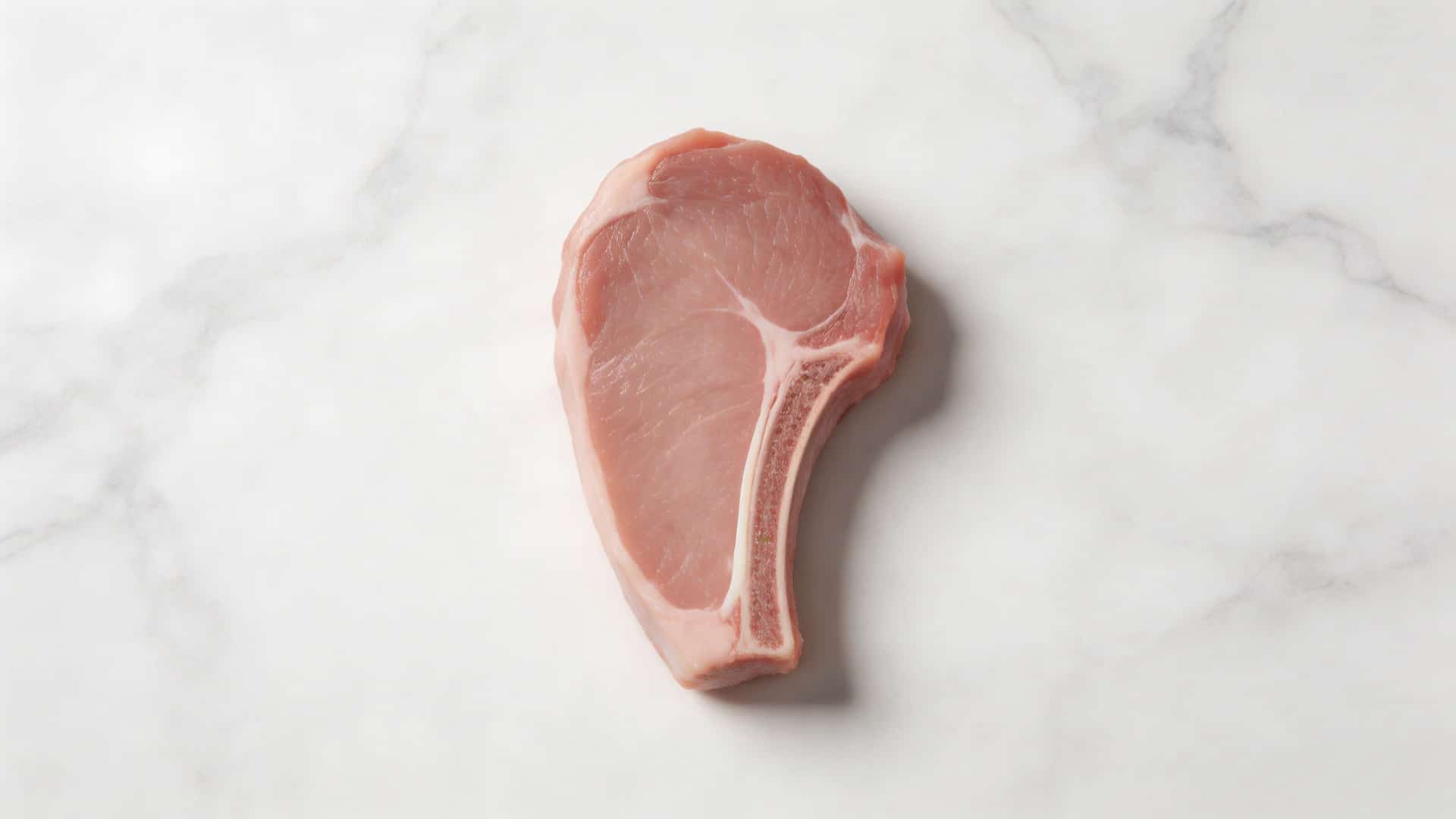
Lean pork chops contain around 160-180 calories per 3-ounce cooked serving. These cuts have minimal visible fat and offer higher protein content relative to their calorie count. Center-cut loin and sirloin chops fall into this category.
They’re ideal for weight management and muscle building. When cooked using low-fat methods like baking or grilling, lean chops deliver solid nutrition without excess calories, making them a smart choice for health-conscious eaters.
2. Regular or Fattier Pork Chops
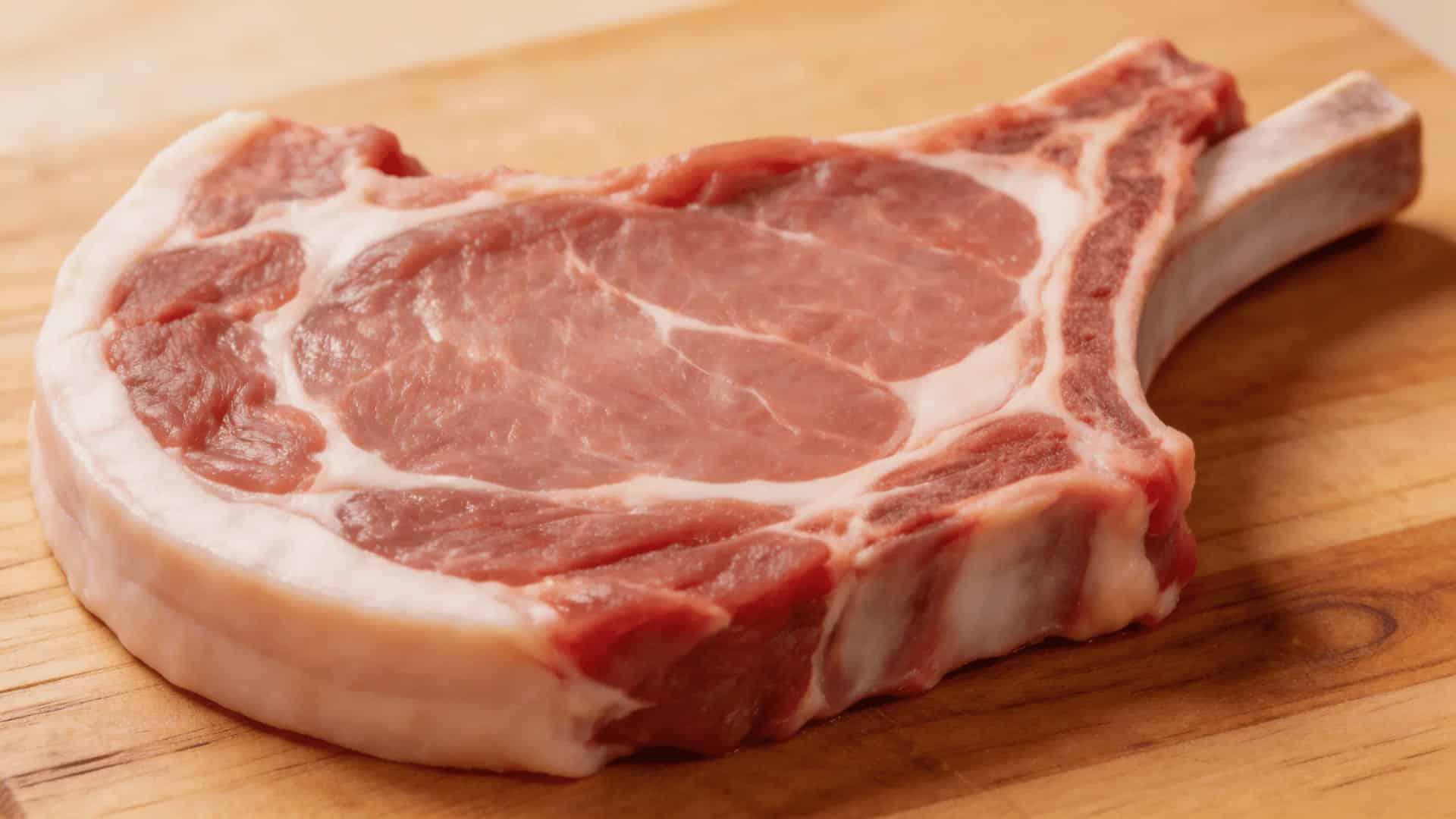
Regular or fattier pork chops contain 210-250 calories per 3-ounce cooked serving due to higher fat content and increased marbling. Rib chops, blade chops, and shoulder cuts typically fall into this category.
The extra fat provides richer flavor and juiciness, but it also adds more calories and saturated fat. While they’re delicious, consuming these frequently may impact cholesterol levels. If you choose fattier cuts, trim visible fat before cooking to reduce calories by 30-40 per serving.
3. Bone-In vs Boneless Pork Chops
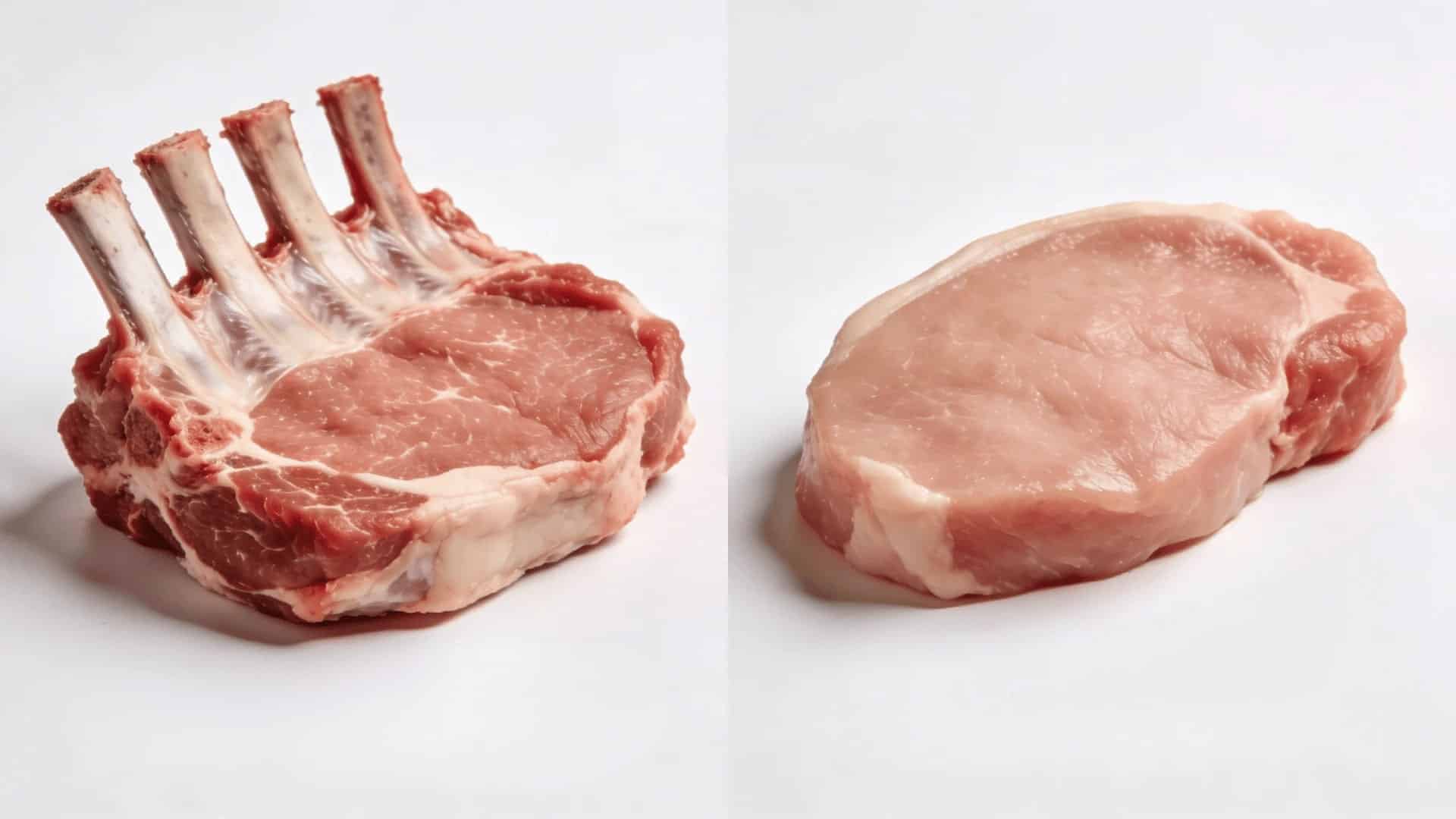
Bone-in pork chops have slightly lower edible calories per serving since you’re not eating the bone weight. However, the meat surrounding the bone often contains more fat, which can offset this difference.
A 6-ounce bone-in chop might yield only 4 ounces of actual meat. Bone-in cuts provide excellent flavor during cooking as the bone conducts heat and adds richness. When tracking calories, weigh only the edible meat portion, not the bone.
4. Broiled or Grilled Pork Chops
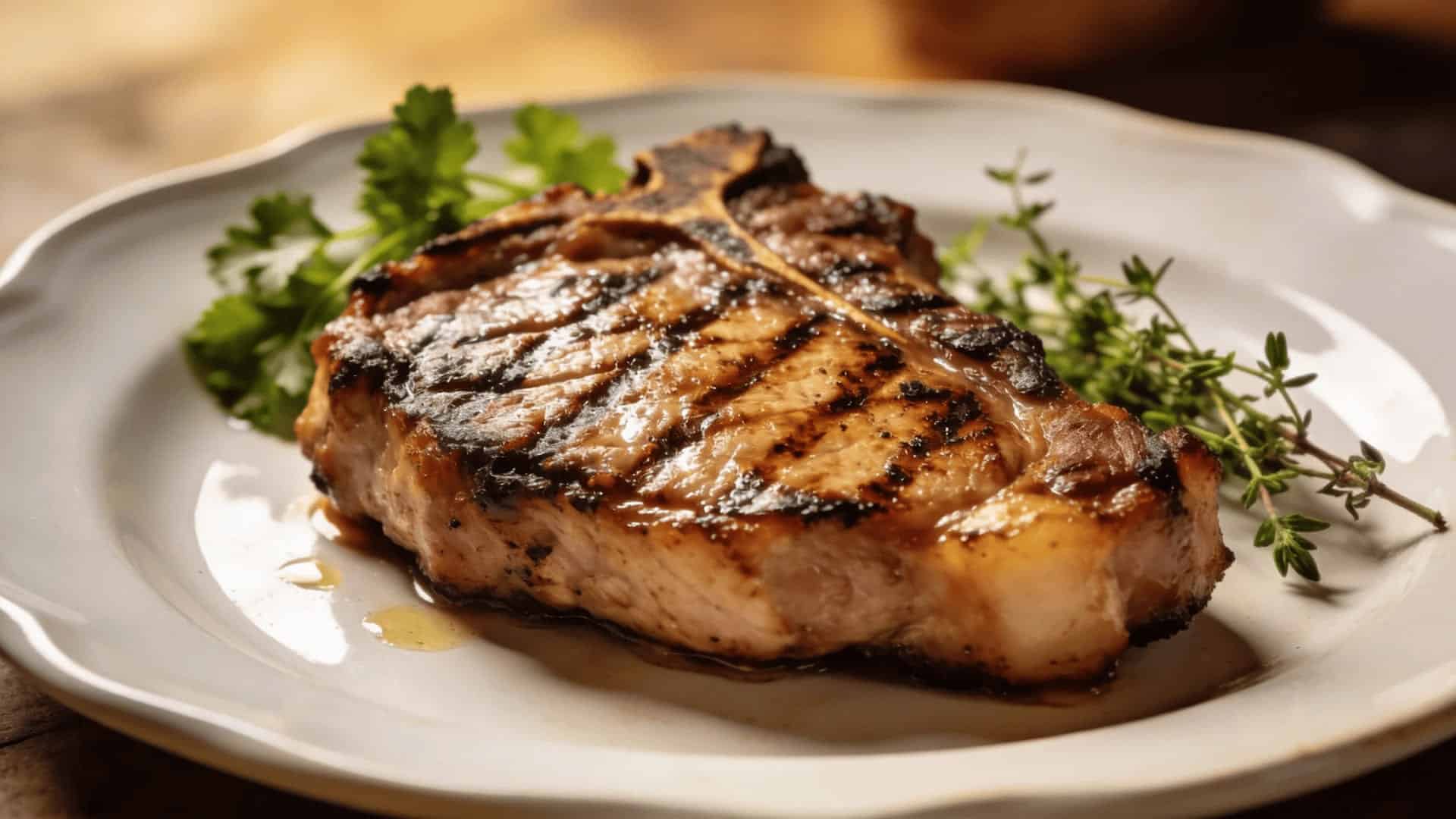
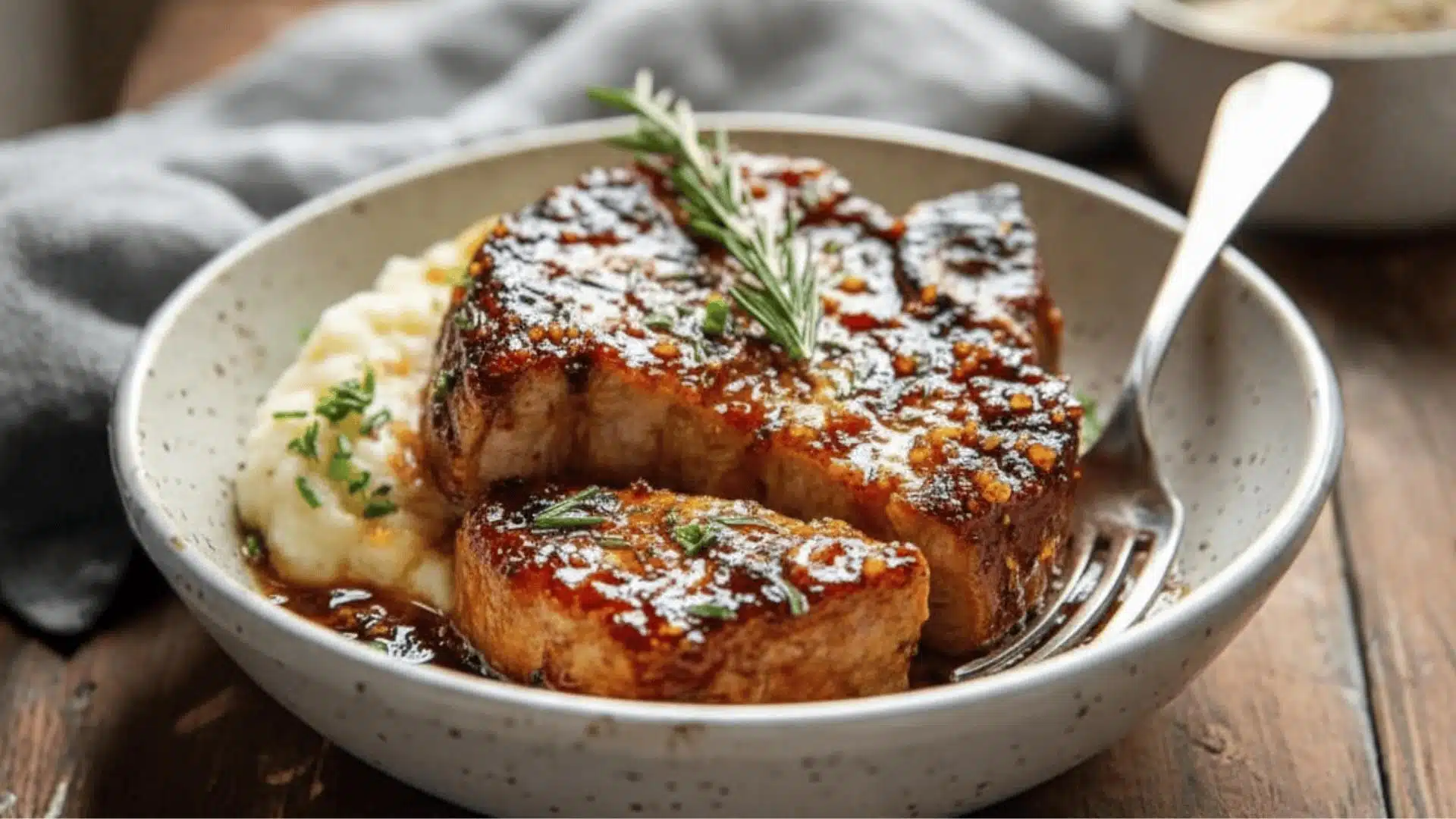
Broiled or grilled pork chops are among the healthiest preparation methods, adding minimal extra fat. A 3-ounce serving ranges from 160 to 200 calories, depending on the cut. These dry-heat cooking methods allow natural fats to drip away while creating flavorful char and caramelization.
The high heat seals in moisture without the need for oil or butter. Use a light coating of cooking spray if needed, and enhance flavor with dry rubs, herbs, or citrus marinades.
5. Pan-Fried or Breaded Pork Chops
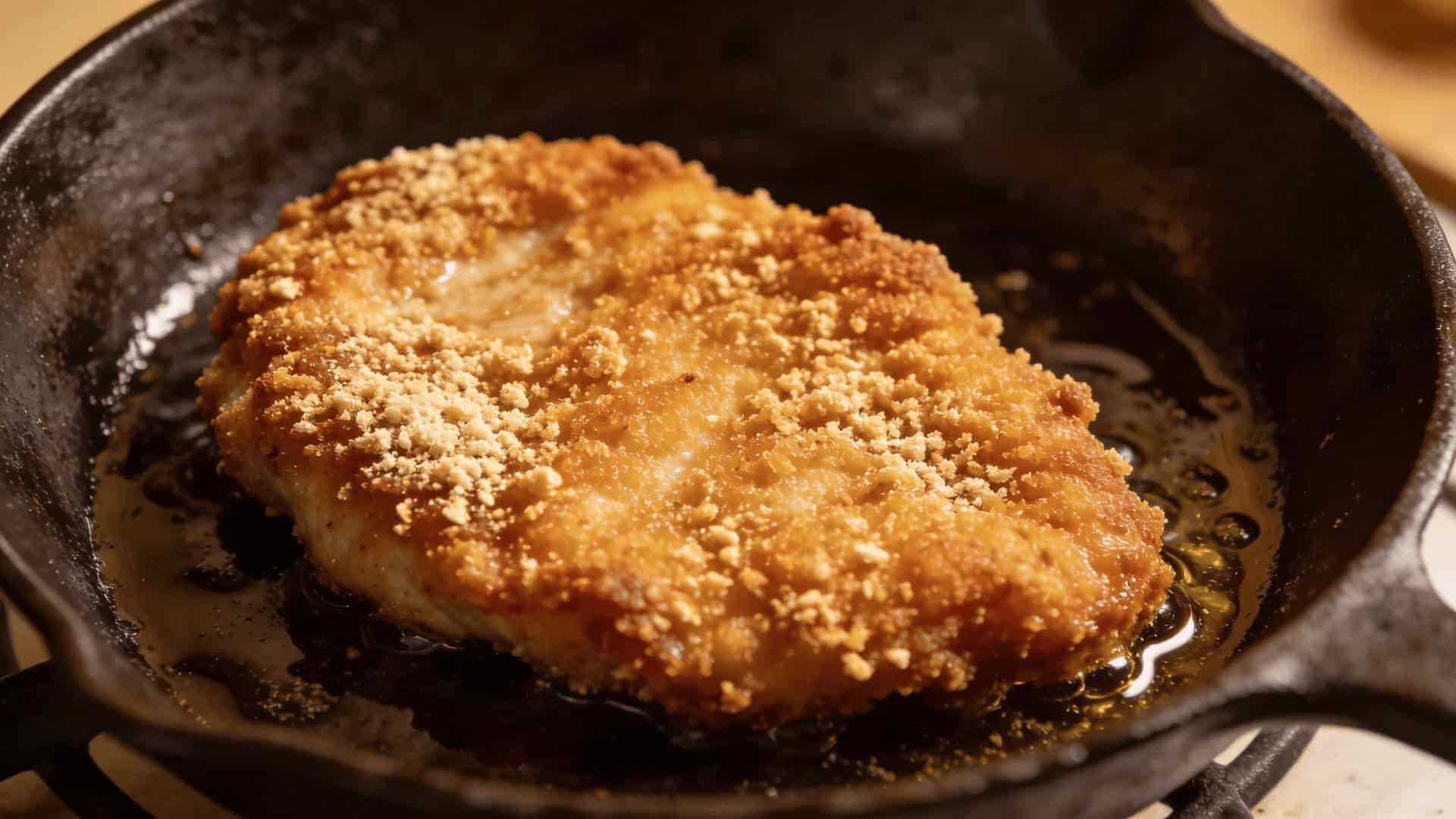
Pan-fried or breaded pork chops can range from 250 to 350 calories per 3-ounce serving, depending on added cooking oil, breading, and sauces. The breading absorbs oil during frying, significantly increasing fat and calorie content.
A simple flour coating adds about 50 calories, while a thicker breadcrumb coating can add 100+ calories. Deep frying is even worse, potentially doubling the original calorie count. If you crave that crispy texture, try oven-baking breaded chops with cooking spray instead.
6. Air Fryer Pork Chops
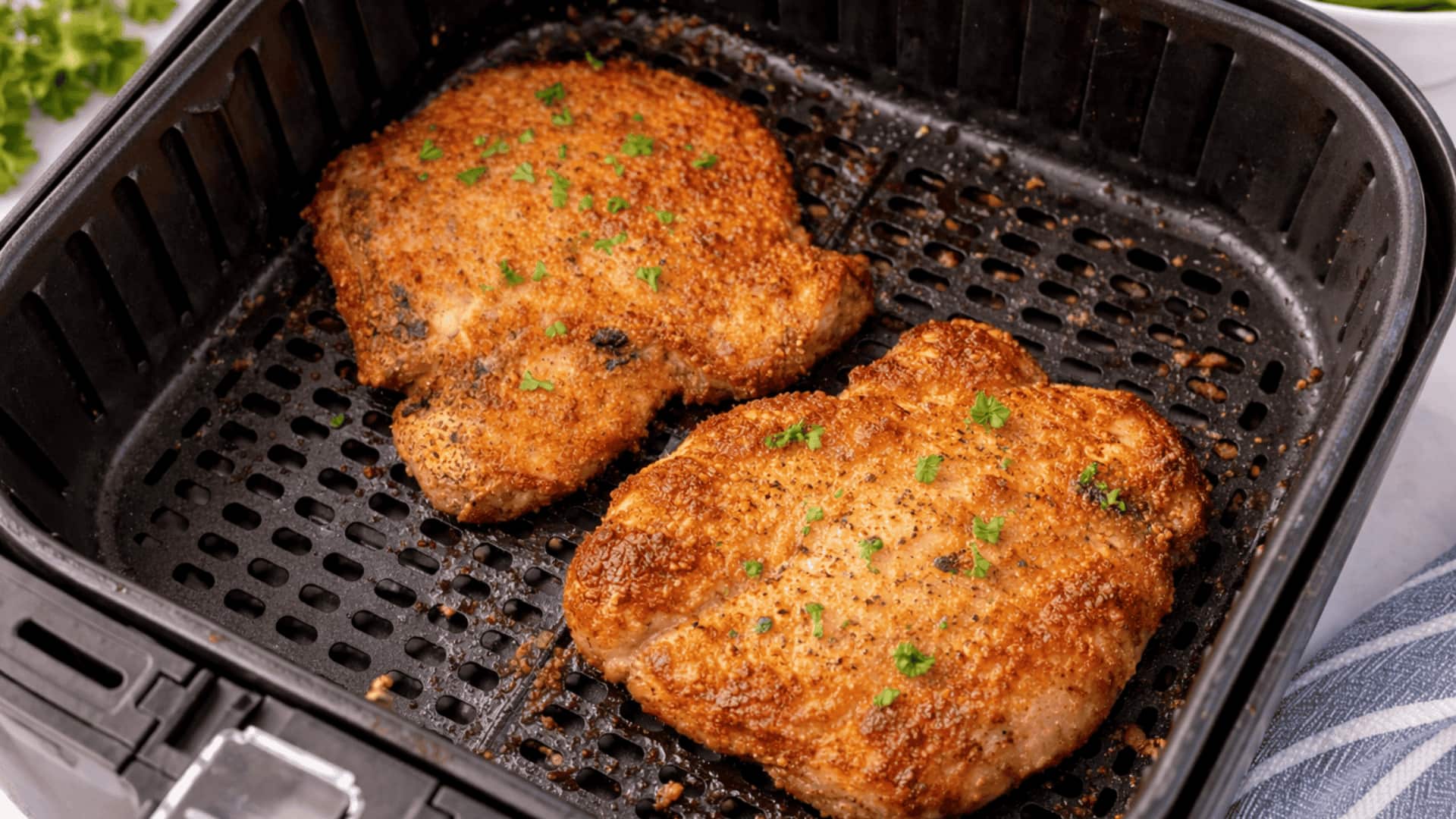
Air fryer pork chops have become one of the more practical swaps I recommend to patients who want the texture of a fried chop without the calorie cost.
A 3-ounce serving cooked in an air fryer comes in at roughly 170–200 calories, comparable to grilling, because the circulating hot air crisps the exterior without requiring oil submersion.
The key is to keep the breading light, if you use it at all. A thin seasoned coating stays well under 50 extra calories and delivers a noticeably satisfying crunch.
For clients who find plain grilled chops too dry or boring to stick with, the air fryer often becomes the method they actually use consistently, which matters more than the theoretically optimal method.
Raw vs. Cooked: Why Your Calorie Count May Be Off
This is the section I wish more food blogs included, because it is the source of more calorie tracking confusion than almost anything else I see in practice.
Meat loses approximately 20–25% of its weight during cooking due to water and fat loss. That means a 4-ounce raw pork chop will weigh roughly 3 to 3.2 ounces after grilling or baking.
If you weigh your chop after cooking and look up “4-ounce pork chop” in a nutrition database, you are significantly underestimating your intake.
Most nutrition databases, including USDA FoodData Central, list values for cooked weight. Weigh your chop after cooking, and match the measured weight to the cooked value in the database you are using. If you weigh it raw, use the raw entry. Mixing the two is where errors creep in.
A patient once told me she had been logging a 6-ounce raw chop as a 6-ounce cooked chop for months, unknowingly under-logging by nearly 80 calories per meal. Over five meals a week, that adds up.
For casual eating, it rarely matters. For anyone actively tracking calories or macros, this one detail is worth getting right.
Pork Chop Calories vs. Chicken Breast and Beef
One question I hear regularly is whether pork chops are a better or worse calorie choice than chicken or beef. The honest answer is: it depends on the cut and preparation, but lean pork compares well.
| Meat (3 oz cooked, lean) | Calories | Protein | Total Fat |
|---|---|---|---|
| Lean pork loin chop | ~165 | ~26g | ~6g |
| Skinless chicken breast | ~140 | ~26g | ~3g |
| Lean beef sirloin | ~180 | ~26g | ~8g |
| Rib pork chop (untrimmed) | ~225 | ~22g | ~14g |
A trimmed lean pork chop sits between chicken breast and beef in both calories and fat, closer to chicken than most people assume.
Where pork has a distinct advantage over chicken is in B vitamin content, particularly thiamine. Where beef has the edge is iron. Each has a place in a well-rounded diet; none of them needs to be avoided.
Nutritional Benefits of Pork Chops
Beyond calories, pork chops offer impressive nutritional value, including a range of essential vitamins and minerals. A single 3-ounce serving delivers a strong lineup of nutrients that support everything from immunity to bone health. Here is a closer look at what you get in every serving:
| Nutrient | Amount | Daily Value % | Food Pairing |
|---|---|---|---|
| Protein | 22–26g | 44–52% | Pairs well with quinoa or lentils |
| Thiamin (Vitamin B1) | 0.5mg | 42% | Pairs well with whole-grain bread |
| Niacin (Vitamin B3) | 6.3mg | 39% | Pairs well with brown rice |
| Vitamin B6 | 0.4mg | 25% | Pairs well with sweet potatoes |
| Selenium | 27mcg | 49% | Pairs well with broccoli |
| Zinc | 2.9mg | 26% | Pairs well with pumpkin seeds |
| Phosphorus | 211mg | 30% | Pairs well with dairy or leafy greens |
When incorporating pork chops into your diet, choose lean cuts and pair them with vegetables and whole grains. This combination ensures balanced nutrition with adequate fiber and micronutrients.
A note on cholesterol and sodium:
A 3-ounce cooked lean pork chop contains approximately 65–70mg of cholesterol and 55–70mg of sodium in its plain, unseasoned form.
Both are well within moderate ranges for most healthy adults. Where sodium climbs is in marinated, brined, or pre-seasoned packaged chops, some of which can carry 400–600mg per serving before you add anything.
Checking the label on packaged pork chops is worth the ten seconds it takes, especially for anyone monitoring blood pressure.
Are Pork Chops Good for Keto or Low-Carb Diets?
Pork chops are naturally zero-carb when prepared without breading, glazes, or sugary marinades, which makes them a straightforward fit for ketogenic and low-carb eating plans.
The fat content varies enough by cut that keto dieters can choose accordingly: lean loin chops for a high-protein, moderate-fat approach; rib or blade chops for a higher-fat profile when that fits daily macros better.
The one preparation trap to watch on keto is pre-marinated packaged chops. Many carry hidden sugars. Check the label for any variation of “sugar,” “honey,” “corn syrup,” or “dextrose” in the ingredients.
A plain chop with salt, pepper, garlic, and rosemary is just as flavorful and keeps the carb count at zero.
Portion Size Considerations
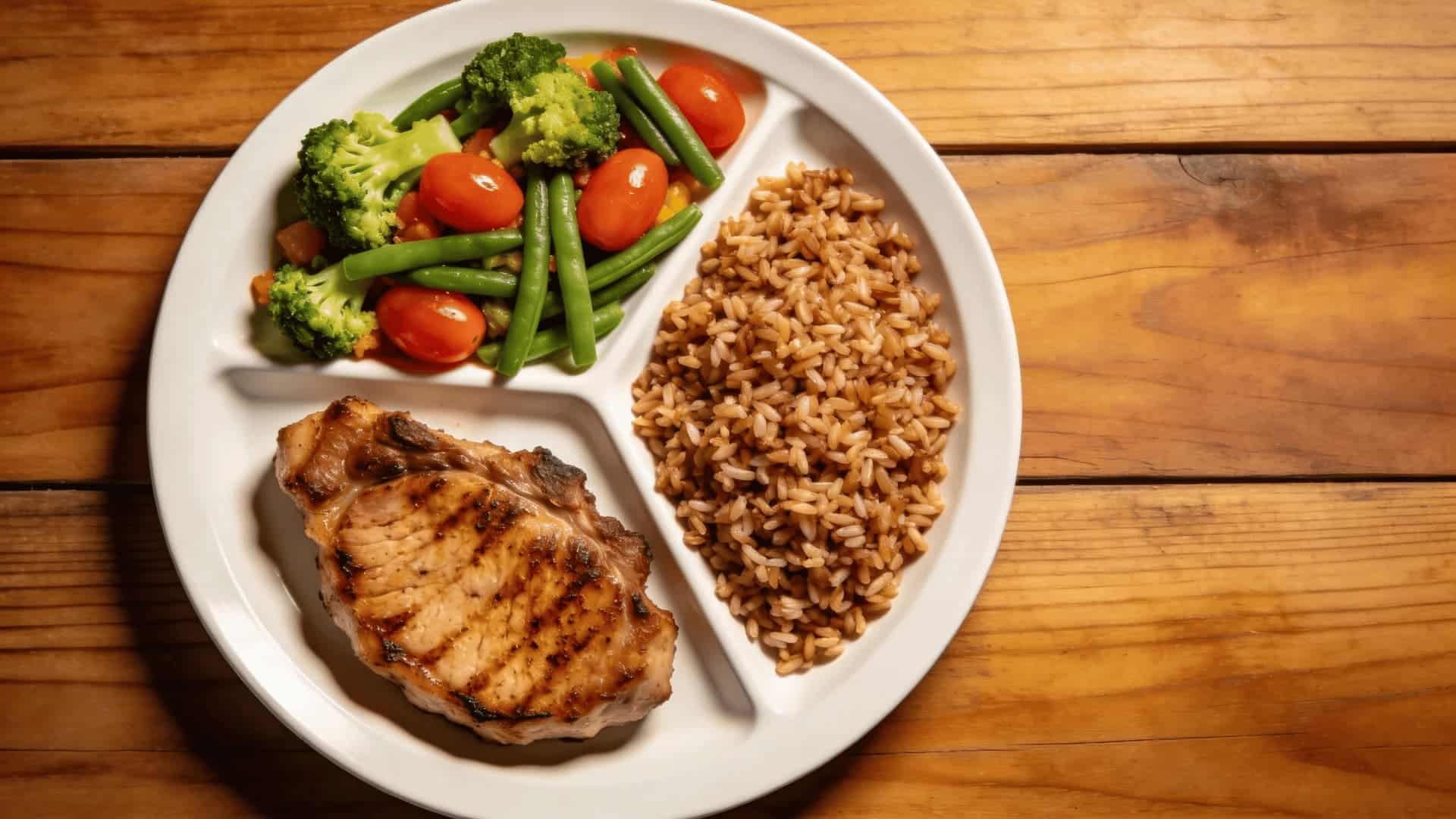
Getting portion sizes right is crucial for managing calories without feeling deprived. The recommended serving size for pork chops is 3-4 ounces of cooked meat, roughly the size of a deck of cards or the palm of your hand. This provides adequate protein while keeping calories in check.
Balance your plate by filling half with non-starchy vegetables like broccoli, green beans, or salad. Add a quarter portion of whole grains, such as brown rice or quinoa, leaving the final quarter for your pork chop. This approach keeps you satisfied while helping you control your calorie intake.
To avoid overeating, use a kitchen scale initially until you can eyeball portions accurately. Pre-portioning meat before cooking also helps prevent the temptation to eat more than planned.
One practical note I give clients is to always weigh after cooking if you’re using a cooked-weight calorie reference, which is what most nutrition apps default to. Weighing raw and logging as cooked is one of the most common and avoidable tracking errors I see.
Safe Internal Temperature for Pork Chops
The USDA recommends cooking pork chops to a minimum internal temperature of 145°F (63°C), then allowing a 3-minute rest. At this temperature, the meat is safe to eat and still slightly pink at the center, which surprises many people who grew up being told pork must be cooked completely through.
Cooking to 145°F rather than the old standard of 160°F preserves more moisture, reducing the need for butter or heavy sauces to compensate for dryness.
From a calorie-management standpoint, this is a practical tip worth knowing: a properly cooked pork chop at 145°F needs far less added fat to taste good than an overcooked one does.
An instant-read meat thermometer is the only reliable way to consistently hit this temperature, and they cost under $15.
I recommend one to almost every patient who says their pork chops come out dry, overcooked meat, not lean cuts, is almost always the actual problem.
Healthy Tips for Cooking Pork Chops
Making small adjustments to how you prepare pork chops can significantly reduce calories while maintaining flavor. These simple tips help you enjoy delicious meals without sacrificing your health goals.
- Trim visible fat before cooking: Removing excess fat can save 30-50 calories per serving without sacrificing much flavor.
- Use herbs and spices for flavor: Season with rosemary, garlic, paprika, or cumin instead of heavy sauces to add bold taste without extra calories.
- Opt for broiling, grilling, or baking: These cooking methods require minimal added fat and allow natural fats to drip away. The air fryer in particular is underrated. It delivers a satisfying texture without the oiliness of pan-frying, and most patients find it easier to use consistently than a grill.
- Pair with fiber-rich sides: Serve alongside vegetables, whole grains, or leafy greens to create balanced, satisfying meals that keep you full longer.
- Let meat rest after cooking: Resting for 3-5 minutes helps retain natural juices, reducing the need for high-calorie sauces or gravies.
- Use cooking spray instead of oil: Switching from tablespoon measures of oil to spray can cut 40-100 calories per serving.
- Watch packaged, pre-marinated chops: These often contain high sodium and hidden sugars that inflate calories and undermine blood pressure benefits. A plain chop you season yourself is almost always the better nutritional choice.
These simple strategies make it easier to enjoy pork chops regularly without derailing your nutrition goals. Small changes add up to significant calorie savings over time while keeping meals satisfying.
Wrapping Up
Calories in a pork chop are easier to manage than most people think. The cut you choose, the way you cook it, and the portion size all play a role.
And if you take one practical piece away from this: always match your weighing point, raw or cooked, to the calorie entry you are using. That single habit closes most of the tracking errors I see in practice.
Lean pork chops cooked simply, grilled, baked, or air fried, are a genuinely competitive protein choice that holds up against chicken and beef for most nutrition goals.
The reputation for being “fattening” usually comes down to cut choice and cooking method, not the meat itself.
You do not need to give up a food you enjoy just to eat well. Every smart choice you make in the kitchen adds up.
Start with one change this week and build on it gradually. Try one of these tips and share your experience in the comments below.