












I used to love my morning coffee, until that burning sensation in my chest started showing up like clockwork. If you’re wondering whether your favorite brew is behind that uncomfortable heartburn, you’re not alone.
Does coffee cause heartburn? It’s a question thousands of coffee lovers ask themselves every day, and the answer is yes, coffee can cause heartburn.
What matters more is understanding why it happens, recognizing if you’re more vulnerable than you used to be, and discovering practical ways to keep enjoying your coffee without the burn.
Let me walk you through what’s really going on and how to fix it.
Does Coffee Cause Heartburn?
Yes, coffee can cause heartburn.
When coffee enters your stomach, caffeine relaxes the lower esophageal sphincter (LES), the muscular valve separating your esophagus from your stomach.
This allows acidic contents to flow backward into the esophagus. Simultaneously, coffee stimulates gastrin production, increasing hydrochloric acid secretion.
Combined with coffee’s natural acidity (pH 4.8-5.1), these factors create ideal conditions for reflux.
If coffee recently started causing symptoms after years of tolerance, the most likely explanations are age-related LES weakening. Lifestyle changes, such as weight gain or increased stress, may also play a role.
A shift in brewing method, for example, switching to a French press, could be a factor. New high-fat creamers that delay gastric emptying might also contribute.
An underlying condition that has developed independently of your coffee habit is another possible cause.
Why Your Brewing Method Matters More Than You Think
This is the most overlooked factor in coffee-related heartburn, and one I raise regularly with clients who’ve already tried switching roasts without relief.
| Brewing Method | Oil Level (Cafestol/Kahweol) | Relative Acidity | Heartburn Risk |
|---|---|---|---|
| Paper-filtered drip / Pour-over | Very low (95% filtered) | Medium | Low–Medium |
| Cold Brew | Low | Very Low (up to 67% less) | Low |
| Espresso | High | Medium (short extraction) | Medium–High |
| French Press | Very High (unfiltered) | Medium | High |
| Moka Pot | High | Medium–High | High |
Switching from French press to paper-filtered drip or cold brew resolves symptoms for a meaningful portion of patients who thought they were simply “coffee-intolerant.”
The brewing method is often a bigger variable than the roast. If you haven’t tried this swap yet, it’s worth doing before concluding that coffee itself is the problem.
How to Prevent Heartburn from Coffee

You don’t have to quit coffee entirely. These practical adjustments can help you enjoy your brew without the burn.
1. Drink Coffee with Food
Never drink coffee on an empty stomach if you’re prone to heartburn. Food acts as a buffer, absorbing some of the stomach contents and slowing the rate at which coffee reaches your digestive system.
Having coffee with breakfast or a snack reduces direct contact between coffee’s acids and your stomach lining, minimizing irritation and reducing the risk of reflux.
2. Switch to Dark Roast
Dark roast coffee contains less acid than light roast varieties. The longer roasting process breaks down more of the compounds that contribute to refluxity.
While the caffeine content remains similar, the lower acidity makes a dark roast gentler on your stomach.
Dark roasts also contain higher levels of N-methylpyridinium (NMP), a compound that actually suppresses stomach acid secretion, which is part of why many GERD sufferers tolerate dark roast better than light roast, even at similar caffeine levels.
Look for beans labeled French roast, Italian roast, or espresso roast for the mildest options.
3. Try Cold Brew
Cold brew coffee is up to 70% less acidic than hot-brewed coffee. The cold water extraction process pulls out fewer acidic compounds from the beans.
This brewing method creates a smoother, less harsh drink that’s significantly easier on sensitive stomachs. You can make it at home or find it at most coffee shops.
4. Reduce Portion Size
Sometimes the problem isn’t the coffee itself but how much you’re drinking. A smaller serving means less caffeine to relax your esophageal sphincter and less liquid volume pushing against your stomach.
Try cutting your usual portion in half and see if symptoms improve. You might find that one small cup works fine while two larger ones trigger heartburn.
5. Switch to Decaf
Decaffeinated coffee significantly reduces the risk of heartburn because caffeine is the primary culprit behind LES relaxation. Decaf still contains some caffeine, but typically 97% less than regular coffee.
While it won’t eliminate coffee’s natural acidity, removing most of the caffeine takes away the biggest trigger. Choose a water-processed decaf for the cleanest flavor.
6. Avoid Late-Day Coffee
Drinking coffee in the afternoon or evening increases the risk of nighttime heartburn. Caffeine stays in your system for 5-6 hours, continuing to affect your esophageal sphincter long after you’ve finished your cup.
Set a cutoff time of 2 PM for coffee consumption. This gives your body enough time to process the caffeine before you lie down to sleep.
7. Adjust Your Posture After Drinking
Stay upright for at least 30 minutes after drinking coffee. Lying down or slouching allows stomach contents to flow more easily from your stomach into your esophagus.
Sitting or standing keeps gravity working in your favor, helping keep stomach contents where they belong. If you must recline, prop yourself up with pillows at a 45-degree angle.
8. Switch to Paper Filters
If you currently use a French press, metal filter, or espresso machine and experience heartburn, switching to paper-filtered drip coffee or a pour-over is one of the simplest, most underrated fixes available.
Paper filters remove the cafestol and kahweol oils that irritate the stomach lining in sensitive individuals, without changing your roast, your timing, or anything else about your routine.
Best Coffee Options At a Glance If You Have Acid Reflux
Not all coffee affects your stomach the same way. Some types are easier to digest and may lower your risk of heartburn while still allowing you to enjoy your routine.
| Coffee Type | Acidity Level | Caffeine Content | Heartburn Risk |
|---|---|---|---|
| Regular (Hot) | High (pH 4.8–5.1) | High (95mg/8oz) | High |
| Dark Roast | Medium–Low (pH 5.5–6.0) | High (95mg/8oz) | Medium |
| Cold Brew | Low (pH 6.0–6.5) | Medium–High (100mg/8oz) | Low |
| Decaf | Medium (pH 5.0–5.5) | Very Low (2–5mg/8oz) | Low–Medium |
| Low-Acid Brands | Very Low (pH 5.5–6.5) | Varies | Very Low |
| Mushroom Coffee | Low (pH 6.0–6.2) | Medium (50mg/8oz) | Low |
| Chicory | Low (pH 6.0) | None | Very Low |
| Herbal Alternatives | Neutral (pH 6.5–7.0) | None | Very Low |
Choosing the right option depends on what triggers your symptoms most. If caffeine is the issue, decaf or caffeine-free options may help. If reflux is the problem, cold brew or low-acid blends may be easier on your stomach.
How to Test If Coffee is Your Trigger: Step-by-Step Plan
If you’re unsure whether coffee is actually causing your heartburn, this elimination test will give you clear answers within two weeks.
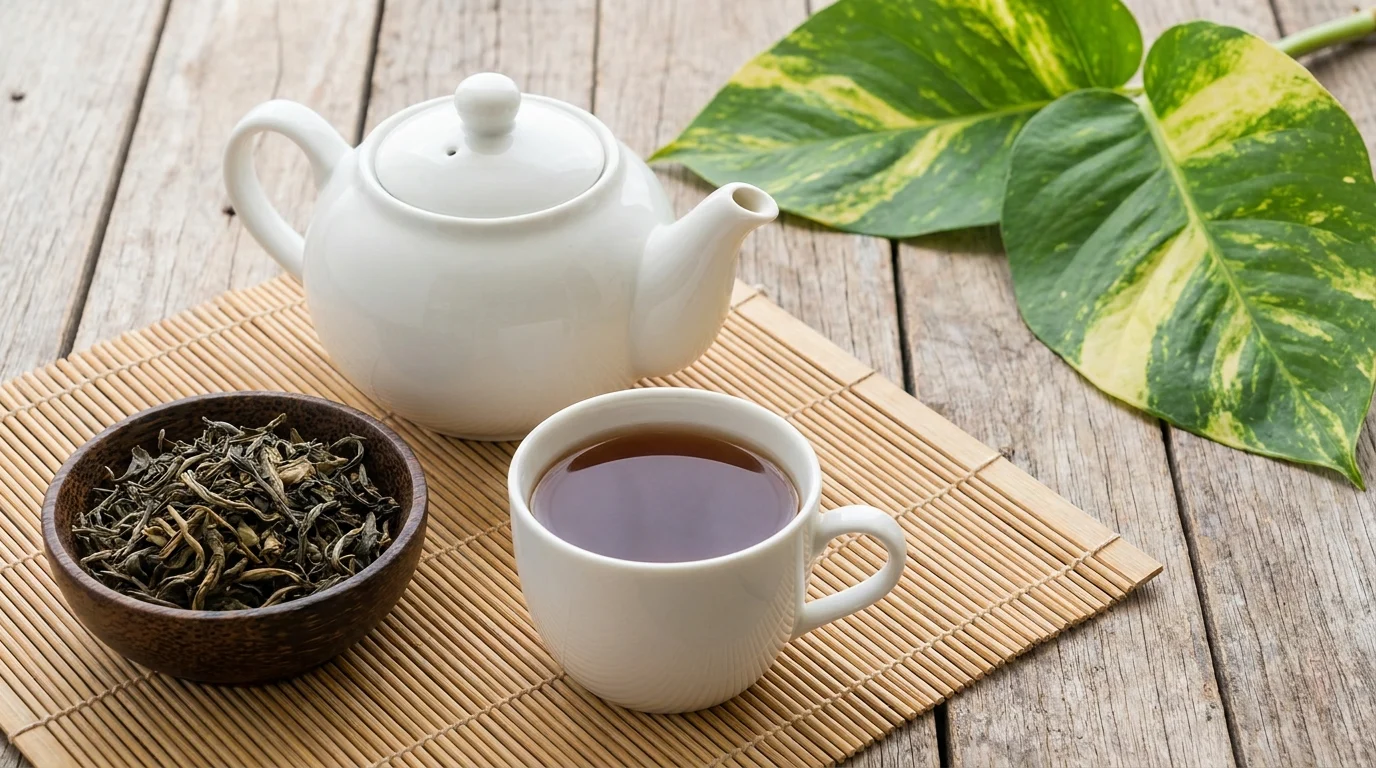
- Take a 7-Day Break: Completely eliminate all coffee, including decaf, espresso, and coffee-flavored foods, and replace it with herbal tea or water to give your digestive system time to recover.
- Track Your Symptoms Daily: Keep a simple journal noting heartburn frequency, severity, and timing, rating discomfort on a 1-10 scale to build a clear baseline for comparison.
- Reintroduce Coffee Slowly: On day eight, start with half a cup alongside food and gradually increase to your normal amount over 3-4 days to identify your tolerance threshold.
- Monitor Timing and Triggers: Pay attention to when heartburn occurs and whether factors like drinking on an empty stomach or coffee type make a noticeable difference.
- Compare Before and After: Review your symptom journal from both periods. If heartburn disappeared during the break and returned with coffee, you’ve confirmed the connection
- Reintroduce Variables One at a Time: If symptoms return, don’t assume it’s the coffee. Remove your creamer first and test for 3 days. Then try switching from a French press to a paper filter. Isolate each variable before concluding coffee itself is the culprit.
I’ve walked many clients through this protocol, and the result is often surprising: heartburn disappears during the break, returns with coffee, but then disappears again when they switch to cold brew or paper-filtered dark roast.
That tells us it wasn’t coffee they needed to eliminate; it was a specific combination of factors. The elimination protocol is only useful if you also systematically reintroduce variables, not just coffee as a whole.
What Stops Heartburn Fast After Coffee?
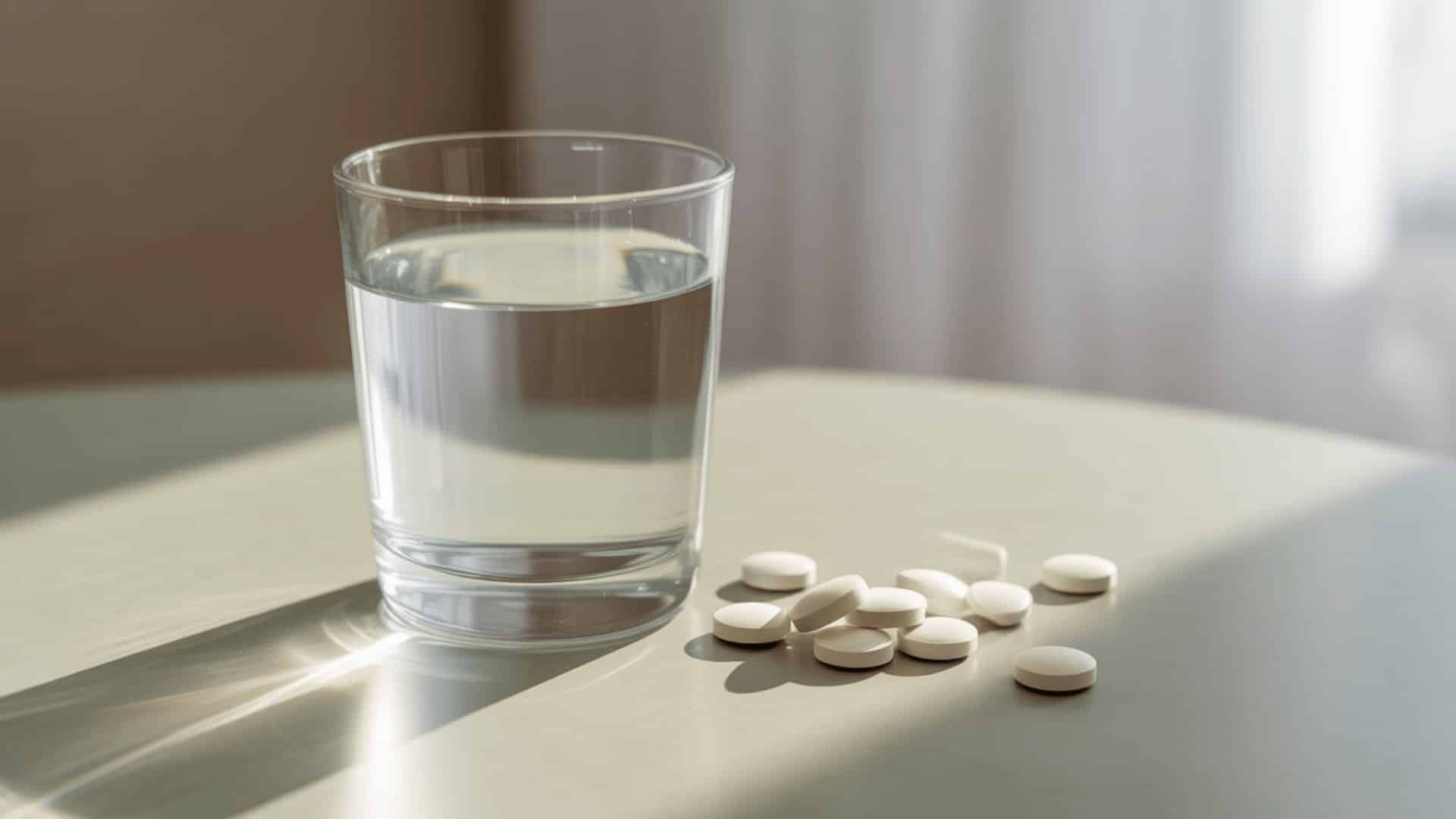
If heartburn strikes after your morning cup, these quick remedies can provide relief within minutes and prevent symptoms from worsening.
- Antacids: Take over-the-counter antacids like Tums or Rolaids to neutralize stomach contents immediately
- Try Natural Soothers: Ginger tea speeds stomach emptying, chamomile reduces acidity, and aloe vera juice soothes esophageal irritation, all without medication.
- Water: Drink a full glass of water to dilute stomach irritation and wash it back down
- Upright Posture: Sit or stand straight to use gravity to keep irritation in your stomach
- Avoid Lying Down: Stay vertical for at least 30 minutes to prevent acid from flowing backward
- Small Walk: Take a gentle 5-10 minute walk to aid digestion and keep acid moving downward
- Loosen Tight Clothing: Unfasten belts or waistbands that put pressure on your stomach and push acid upward
- Unsweetened almond or oat milk: A small amount of an alkaline non-dairy milk can help neutralize residual acidity in the stomach without the reflux risk of high-fat dairy.
These are temporary fixes. If heartburn persists frequently, the prevention strategies discussed earlier offer better long-term solutions for managing coffee-related reflux.
Other Foods That Trigger Heartburn
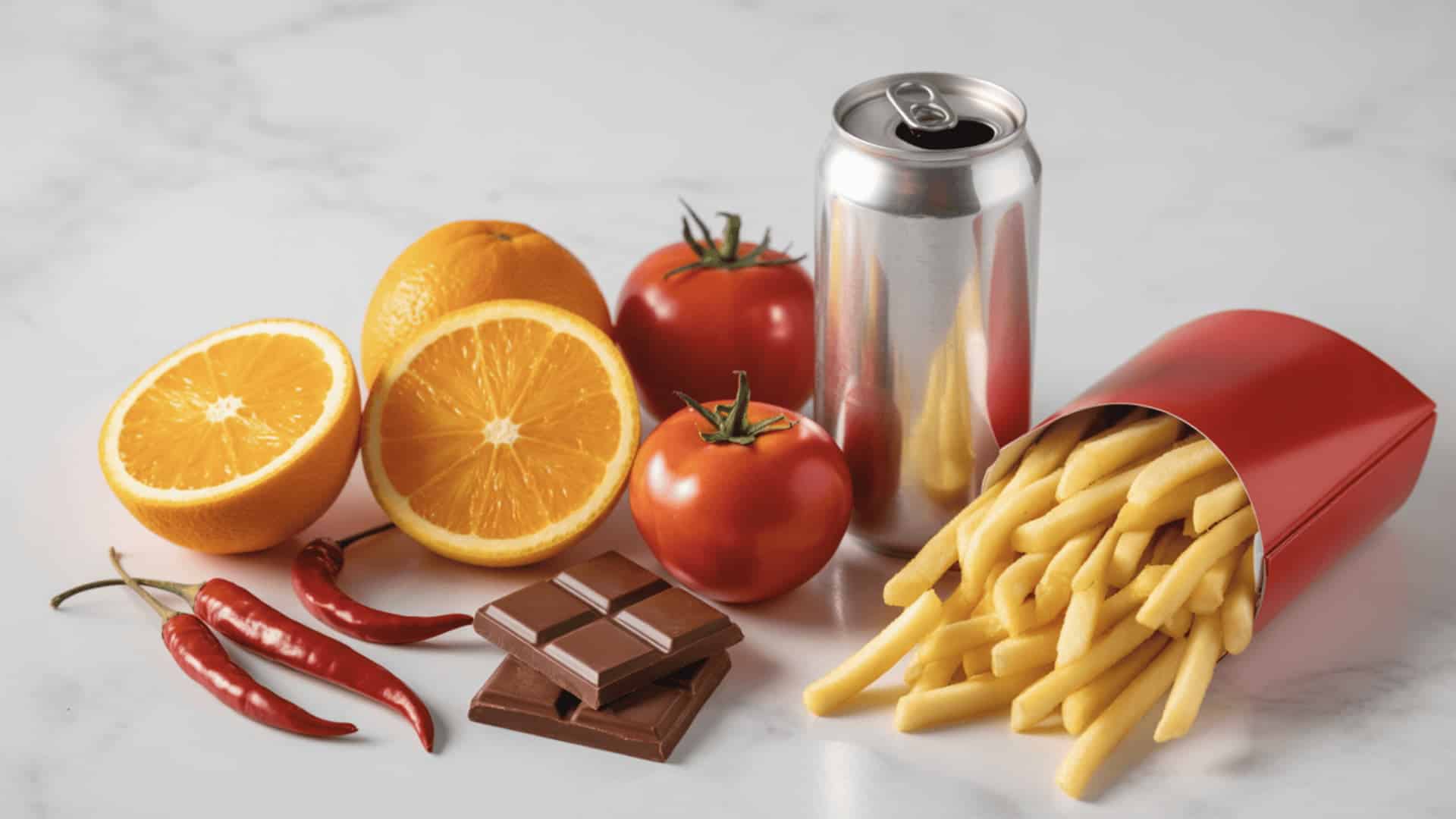
Coffee isn’t the only culprit behind heartburn. Several common foods and beverages can relax your lower esophageal sphincter or increase stomach acid production.
- Citrus fruits and juices are highly acidic and directly irritate the esophagus.
- Tomatoes and tomato-based products, such as pasta sauce, contain similar acids.
- Chocolate contains compounds that relax the LES, much like caffeine does.
- Spicy foods stimulate acid production and can inflame your digestive tract.
- Fatty and fried foods slow digestion, keeping acid in your stomach longer.
- Alcohol weakens the esophageal sphincter while increasing acid production.
- Carbonated beverages create pressure that forces acid upward. If coffee triggers your heartburn, these foods likely will too.
From a dietary pattern standpoint, heartburn is rarely about a single food. It’s usually about a cluster of triggers hitting simultaneously.
If you regularly combine coffee with a fatty breakfast, citrus juice, and a lie-down afterward, coffee may get the blame, but it was the combination that caused the problem.
Managing heartburn often means examining the whole meal pattern, not just singling out one ingredient.
When to See a Doctor?
See a healthcare provider if you experience heartburn more than twice weekly, as this may indicate GERD.
Also seek evaluation if you’ve made multiple dietary modifications, switching roasts, changing brewing methods, eliminating creamers, and symptoms persist without improvement.
This suggests the issue may be structural (hiatal hernia, LES dysfunction) or microbial (H. pylori infection) rather than dietary, and dietary modification alone will not resolve it.
Final Thoughts
Living with coffee-induced heartburn doesn’t mean giving up what you love; it means making smarter choices.
I’ve answered the question ‘Does coffee cause heartburn?’ and shown you exactly why, from the science behind LES relaxation to practical fixes like switching to cold brew or adjusting your timing.
You now have a clear testing method, quick relief strategies, and alternatives that won’t sacrifice your morning ritual.
Start with one change, maybe drinking coffee with breakfast or trying a dark roast, and see what works for your body.
Everyone’s tolerance is different, so experiment until you find your sweet spot. What’s your biggest coffee struggle? Drop a comment below.