













Could a small, humble tomato really be one of the most powerful foods on your plate? Roma tomatoes have been a staple in kitchens around the world for centuries, bringing bold flavor, incredible versatility, and surprising health benefits to every meal.
In this blog, I’ll walk you through everything you need to know about Roma tomatoes, from their health perks to the best ways to store and preserve them.
If you’ve ever searched for Roma tomato calories or thought about how they fit into a balanced diet, you’re in the right place. Keep reading to find out more!
Roma, Italy’s Gift to Your Kitchen
Roma tomatoes, also known as plum tomatoes, are a popular choice for cooking, especially in sauces, salsas, and stews due to their meaty texture and low moisture content.
Originating in Italy, they take their name from the city of Rome and have long been a staple of Italian cuisine, later spreading to Mexico and the United States through agricultural trade.
Believed to have been developed through selective breeding, their thick walls and few seeds make them ideal for rich tomato pastes and sauces.
If you’re following a keto, Mediterranean, or vegan diet, Roma tomatoes are a flavorful and versatile addition to your meals.
Roma Tomato Nutritional Facts
Roma tomatoes are packed with nutrients like potassium, vitamin C, and lycopene, making them a great addition to your diet.
| Nutrient | Amount per 1 Medium Roma Tomato (62g) | % Daily Value (DV) |
|---|---|---|
| Calories | 11 | – |
| Carbohydrates | 2g | 1% |
| Protein | 1g | 2% |
| Fats | 0.1g | 0.2% |
| Fiber | 1g | 3% |
| Sugars | 2g | – |
| Potassium | 147mg | 3% |
| Vitamin C | 8mg | 9% |
| Lycopene | 1595μg | – |
| Calcium | 6mg | 1% |
| Iron | 0.2mg | 2% |
| Magnesium | 7mg | 2% |
| Folate (B9) | 9μg | 2% |
| Vitamin A | 26μg | 3% |
| Vitamin K | 5μg | 4% |
Health Benefits of Roma Tomatoes
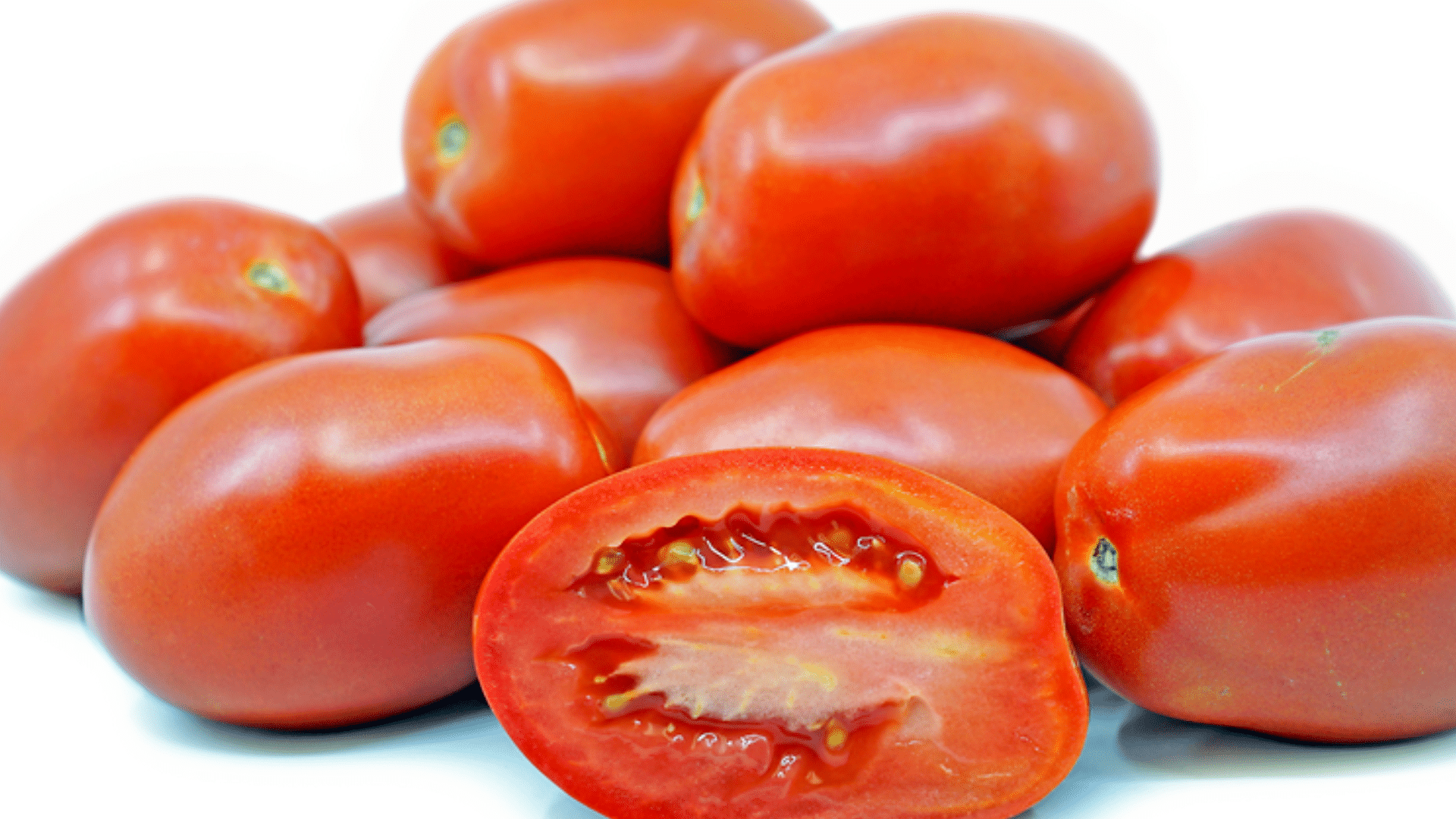
Roma tomatoes have a unique nutritional profile compared to other tomato varieties like cherry and beefsteak tomatoes.
1. Lycopene: A Powerful Antioxidant for Protection
Lycopene, a powerful antioxidant found in Roma tomatoes, helps protect the body from heart disease, skin damage, and certain cancers. It neutralizes free radicals, reducing oxidative stress and inflammation.
Research, including studies like “Lycopene and prostate cancer: a review of the literature” (Journal of the National Cancer Institute), suggests that lycopene may lower the risk of prostate cancer and heart disease by improving blood circulation and reducing harmful cholesterol levels.
Adding Roma tomatoes to your diet boosts antioxidant intake naturally.
2. Boost Immunity and Heart Health
Roma tomatoes are an excellent source of vitamin C and potassium, both vital for your health. Vitamin C strengthens the immune system, helping the body fight off infections and promoting healthy skin.
Potassium, on the other hand, supports heart health by regulating blood pressure and maintaining fluid balance in the body.
Together, these nutrients help reduce the risk of stroke, heart disease, and hypertension, while also supporting overall immune function.
3. Weight Management
Roma tomatoes are low in calories and rich in fiber, making them perfect for anyone looking to manage their weight. A single Roma tomato contains only about 11 calories and 1g of fiber, which helps promote satiety and digestive health.
Their high water content, around 94–95%, contributes to satiety, making them a staple in volume-eating approaches. At under 35 calories per cup, Roma tomatoes are one of the most satiating low-calorie foods available.
The fiber content slows down digestion, helping you feel full longer and preventing overeating. By incorporating Roma tomatoes into your meals, you can enjoy a filling, nutritious, and low-calorie option to support your weight management goals.
4. Protecting Vision
Roma tomatoes contain beta-carotene and lutein, two nutrients that are crucial for maintaining eye health. Beta-carotene, a form of vitamin A, helps prevent vision issues such as night blindness and supports the health of the retina.
Lutein, found in high concentrations in the eyes, protects against harmful light and reduces the risk of age-related macular degeneration (AMD). Regularly consuming Roma tomatoes can provide these essential nutrients, promoting healthy vision as you age.
How to Incorporate Roma Tomatoes into Your Diet
Roma tomatoes are incredibly versatile and can be easily added to various diets and meals. They are perfect for keto diets due to their low-carb and high-fiber content, making them ideal for those limiting carbohydrate intake.
They also fit beautifully into the Mediterranean diet, known for its focus on antioxidant-rich foods, offering heart-healthy benefits.
For vegan and low-carb diets, Roma tomatoes are a staple, providing essential nutrients while keeping meals plant-based.
Incorporating Roma tomatoes into meals is easy:
- Use them in homemade pasta sauces or salsas,
- Roast or grill them to add depth to vegetable dishes, or
- Toss them into omelets and scrambled eggs for extra flavor and nutrients
Selecting and Storing Roma Tomatoes

Selecting Roma Tomatoes
Choosing the right Roma tomatoes is key to getting the best flavor and quality in your recipes. When shopping, look for firm, heavy-for-their-size tomatoes with a deep red color and no visible blemishes.
Gently press the tomato; a slight give indicates perfect ripeness without being too soft.
Taking a little extra time to carefully select tomatoes with these qualities ensures consistently fresh, flavorful results in every dish you prepare.
Storing Roma Tomatoes
Knowing how to store Roma tomatoes properly helps them stay fresh and flavorful longer.
- Keep Roma tomatoes at room temperature for 3–4 days, as this is the ideal condition for maintaining their natural flavor and freshness.
- Store them in a cool, dry place, away from direct sunlight or heat sources, to prevent over-ripening.
- In case refrigeration is needed, place them in the warmest part of the fridge and bring them back to room temperature before use for the best flavor.
- Use a breathable bowl or basket for storage, allowing air circulation to keep the tomatoes firm and fresh for longer.
How to Preserve Roma Tomatoes
Preserving Roma tomatoes allows you to enjoy their rich flavor year-round.
- Freezing: Blanch Roma tomatoes, remove skins, and freeze them in airtight bags or containers for future use in cooking. Freezing preserves Roma tomatoes for easy access during off-season cooking.
- Canning: Follow proper canning methods by sterilizing jars and boiling Roma tomatoes for long-term storage of homemade sauces. Canning allows you to enjoy homemade Roma tomato sauces year-round.
- Drying: Slice Roma tomatoes and dry them in a dehydrator or under the sun to create sun-dried tomatoes for storage. Drying offers a flavorful, long-lasting preservation method for Roma tomatoes.
Roma Tomato vs. Other Tomato Varieties
Roma tomatoes have a unique nutritional profile compared to other tomato varieties like cherry and beefsteak tomatoes.
| Tomato Variety | Calories (per 100g) | Carbs | Protein | Fiber | Sugar |
|---|---|---|---|---|---|
| Roma Tomato | 18–20 | 2g | 1g | 1g | 2g |
| Cherry Tomato | 18–20 | 3.9g | 0.9g | 1.2g | 3.2g |
| Beefsteak Tomato | 20–25 | 4.8g | 1.1g | 1.3g | 3.5g |
Roma tomatoes are lower in sugar and higher in fiber, making them ideal for cooking, especially in sauces.
Wrapping Up
You’ve learned all about the nutritional value of Roma tomatoes, from their immune-boosting vitamin C to their heart-healthy potassium.
You now know how to easily incorporate them into various diets, like keto and Mediterranean, and you’ll learn helpful tips for preserving them year-round.
Roma tomatoes are low in calories and nutrient-dense, making them a versatile addition to a variety of dishes.
Now that you have the knowledge, why not give Roma tomato calories a try in your next recipe? I’d love to hear how you use them in your meals, share your thoughts, or favorite recipes in the comments below!
Let’s inspire each other with fresh and healthy ideas.