



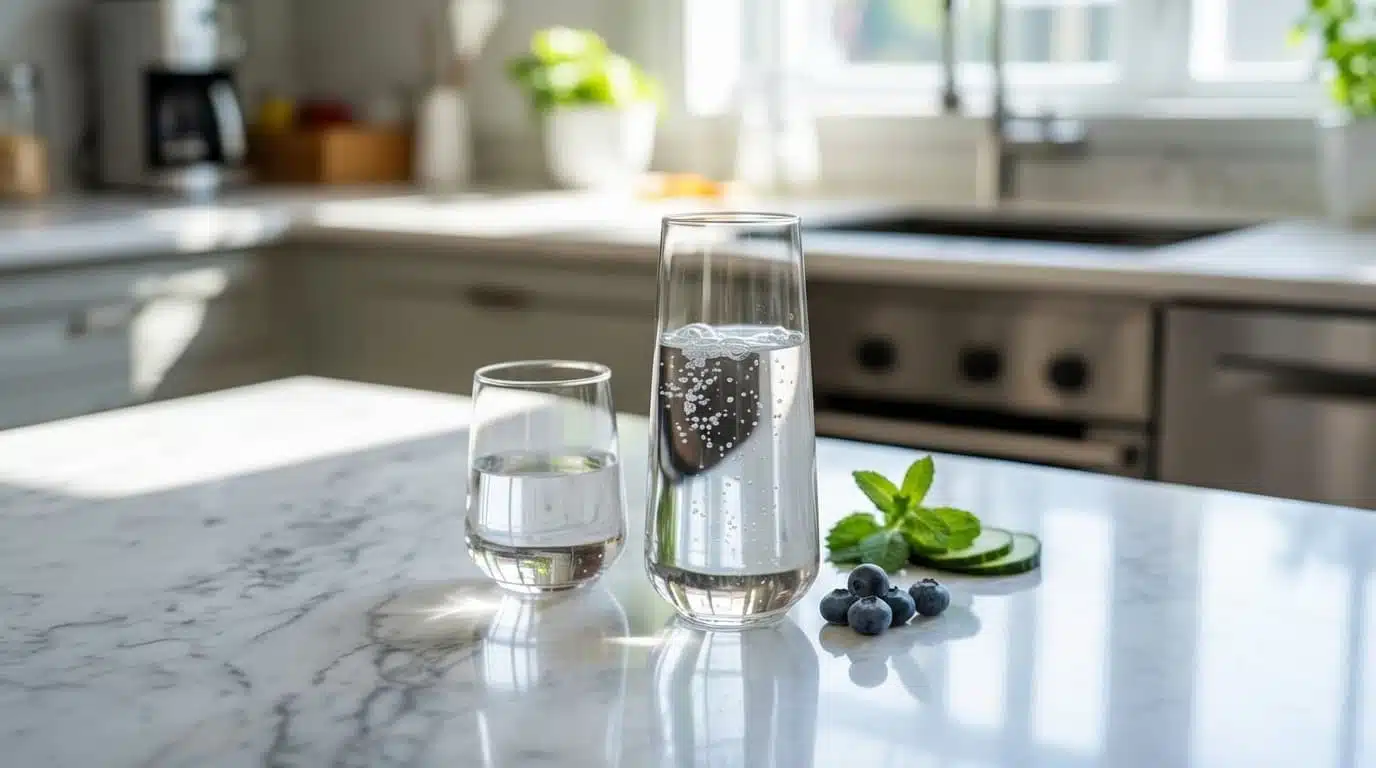









Sparkling water feels like it should be the safe choice, and honestly, I thought the same thing before looking into it properly. No sugar, no caffeine, no obvious triggers, just water with bubbles.
But if you have SIBO, the bubbles are exactly the part worth questioning. Carbonated water affects SIBO symptoms very differently from person to person, and understanding why makes the difference between cutting it out unnecessarily and drinking it with confidence.
The answer depends on more than just the carbonation itself, where the SIBO is, how severe it is, and what the gut is already managing. By the end, you will have a clear enough answer to make that call for yourself.
What Is SIBO and Why Does Your Diet Matter?
Your small intestine is supposed to be relatively low in bacteria; that’s just how a healthy gut is designed. When bacteria from your large intestine migrate upward and multiply where they shouldn’t, that’s Small Intestinal Bacterial Overgrowth, SIBO.
And because those bacteria feed on what you eat, every dietary choice you make directly influences how your symptoms behave day to day.
The reason diet feels so loaded with SIBO is simple: the wrong foods don’t just cause discomfort, they actively fuel the overgrowth. That’s why understanding a few key mechanisms behind SIBO makes managing it feel far less overwhelming.
What Carbonation Actually Does in Your Gut
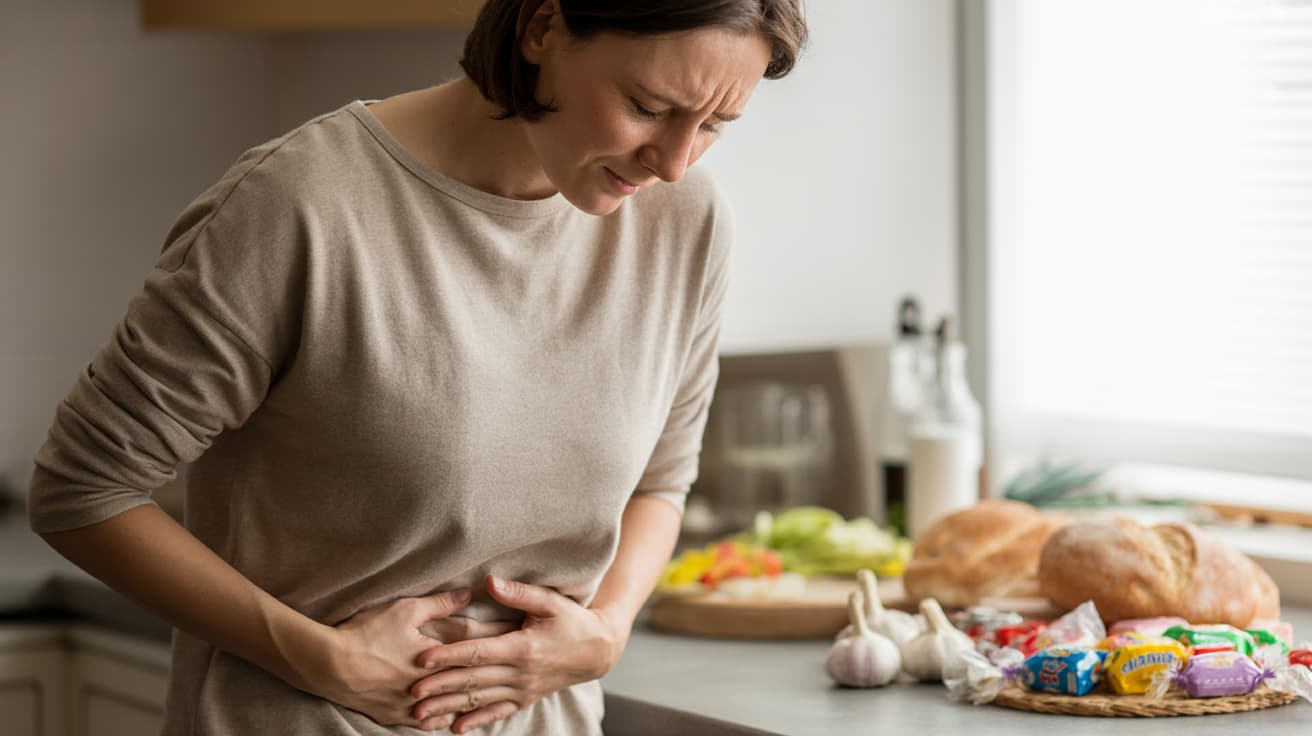
Sparkling water seems harmless, but those CO2 bubbles do have a story to tell once they’re inside your digestive system. Those interested in Sparkling Ice’s health effects will find that the added ingredients alter how your gut responds beyond just carbonation.
- Hits your stomach: bubbles release instantly, causing familiar pressure and fullness.
- Most exits through belching: the majority of CO2 leaves before traveling any further.
- Some are absorbed into your bloodstream, cross your gut lining, and trigger lingering bloating in sensitive guts. This is why people debating the pros and cons of carbonated waterare often caught off guard by flavored varieties.
- Minimal CO2 reaches your small intestine: barely enough left to cause real disruption.
CO2 from sparkling water isn’t the same gas SIBO bacteria produce. It doesn’t feed your bacteria, just creates temporary discomfort.
For a sensitive SIBO gut, even that brief journey is enough to make a noticeable difference.
Can Sparkling Water Worsen Your Symptoms?
For most people with mild or stable SIBO, sparkling water is unlikely to cause significant trouble. But if you are dealing with severe bloating, active flare-ups, or gas-dominant SIBO, carbonation can absolutely make your symptoms feel worse, especially when other drinks impact kidney health and add pressure on an already sensitive system.
It comes down to where your gut is right now. Small sips alongside a managed diet? Probably fine. Large amounts during a flare with no dietary protocol in place? Your gut will likely push back.
Research doesn’t provide a definitive answer; no clinical studies have directly examined sparkling water and SIBO. Carbonation may speed gastric emptying, but whether that meaningfully worsens symptoms remains theoretical.
Sparkling Water Might Actually Work in Your Favor
Sparkling water can actually work in your favor: not as a treatment, but these indirect benefits are worth knowing.
- Hydration Boost: Fizzy water gets you drinking more fluids, a genuine win when SIBO treatment is already stressing your gut.
- Improves Gut Transit: Faster transit means less time for bacteria to ferment food, helpful for constipation-dominant SIBO.
- Supports Treatment: If sparkling water hits your daily fluid intake, it’s quietly doing important work.
- Reduces Overeating: That fuller feeling means smaller portions and less fermentable food for bacteria to work with.
These benefits are modest but real. How sparkling water affects your SIBO ultimately comes down to your current symptoms.
Practical Guidance for SIBO Patients
Your symptoms are the compass here. The same glass of sparkling water that’s fine on a stable day can completely derail you during a flare.
| Factor | Avoid | Use Caution | Generally Fine |
|---|---|---|---|
| Type of Water | Flavored sparkling water | Plain sparkling water | Still water |
| Ingredients | Added sweeteners or citric acid | Natural flavourings | No additives |
| Timing | Sparkling water on an empty stomach | Sparkling water with light meals | Still water anytime |
| Quantity | Large amounts at once | Small amounts slowly | Sipping steadily through the day |
| Symptom State | During active flares | During mild or stable symptoms | During treatment protocols |
| Food Pairing | With high-FODMAP meals | With low-FODMAP meals | With broths or herbal teas |
| SIBO Type | Active hydrogen-dominant SIBO flare | Stable hydrogen SIBO, plain water only | Constipation-dominant methane SIBO (may help motility) |
When in doubt, still water is always the safer call. Sparkling water isn’t off the table permanently; it just needs the right timing and the right form.
Sparkling Water Is the Least of Your Worries
Before obsessing over sparkling water, zoom out. There are bigger dietary factors driving your SIBO symptoms that deserve your attention first.
- Fermentable Carbohydrates (FODMAPs): Directly feed gut bacteria. Managing this moves the needle more than any drink choice.
- Fiber Type and Quantity: Certain fibers fuel bacterial overgrowth. Far more impactful than sparkling versus still water.
- Gut Motility: Poor motility gives bacteria more time to ferment. Bigger priority than what’s in your glass.
- Then, Sparkling Water: A minor variable. Worth monitoring, nothing more.
Talk to Your Dietitian: SIBO management is deeply individual. A dietitian can build a protocol that actually fits your gut.
Sparkling water is worth being mindful of, but it’s a footnote in your SIBO management, not a headline.
When to Consult a Healthcare Professional
Sparkling water is one decision, but SIBO management is a much larger one. Some situations genuinely call for professional input rather than self-guided trial-and-error.
Persistent bloating and gas often signal an overgrowth that needs direct treatment, not just trigger avoidance.
A SIBO breath test requires careful preparation to produce accurate results, and getting that wrong means starting over.
Building a safe beverage list is harder than it sounds because multiple variables interact differently from person to person.
Following a low-FODMAP or elimination diet without structure can create significant nutritional gaps. And a shifting symptom pattern always warrants a medical review before any further self-managed adjustment.
Managing SIBO alone is possible up to a point. Beyond that, the right guidance makes everything faster and safer.
The Bottom Line
Sparkling water won’t worsen your SIBO at a bacterial level, but it can make your symptoms feel louder when your gut is already struggling.
I know how exhausting it is to second-guess every little thing, so here’s what actually matters: still water during flares, plain sparkling water in small sips when you’re stable, and always skip anything with added sweeteners or citric acid.
Managing SIBO is deeply personal, and your body’s response is always the most honest guide you have. The tips in this blog are a starting point; your gut tells the rest of the story.
Found this helpful? Share it with someone guiding SIBO, or check out my related blogs on gut-friendly diets.
Frequently Asked Questions
Does sparkling water affect SIBO medications?
No direct interference is documented, but taking supplements with still water removes any unnecessary variable during an already sensitive period.
Can sparkling water trigger a SIBO relapse?
Carbonation alone cannot trigger a relapse; bacterial overgrowth returns through motility issues or dietary patterns, not beverage choice.
Does water temperature matter with SIBO?
Cold carbonated water may slightly slow gastric motility; lukewarm or room-temperature water is generally easier on a sensitive gut.