














| Drink | Serving | Calories | Sugar | Potassium | Vitamin C | Key Compound |
| Unsweetened cranberry juice | 240 ml (1 cup) | ~116 kcal | ~31 g | ~195 mg | ~26 mg (29% DV) | Proanthocyanidins (PACs) |

Nutritional values based on USDA FoodData Central data. Individual values may vary by brand, preparation method, and serving size.
| Medical Disclaimer: This article is for informational purposes only and does not constitute medical advice, diagnosis, or treatment. The information provided is not a substitute for professional medical consultation. If you have a medical condition, are pregnant, or are taking medications, consult your healthcare provider before making any dietary or supplement changes. Individual results vary. |
Cranberry juice may support urinary tract health for some people, but whether it is good for your kidneys depends entirely on your kidney function, medical history, and what type of cranberry juice you are drinking.
Here is what the evidence actually shows, and where it falls short.
Is Cranberry Juice Good for Your Kidneys?
The honest answer is: indirectly, and only in certain situations. Cranberry juice does not cleanse the kidneys, reverse kidney damage, or improve kidney function. What it may do is reduce the risk of certain urinary tract infections, which matters for kidney health because untreated UTIs can travel upward and reach the kidneys.
Cranberries contain proanthocyanidins (PACs), compounds that interfere with the ability of specific bacteria, particularly E. coli, to adhere to the walls of the urinary tract. When bacteria cannot attach, they are flushed out of the body in urine before they cause infection.
The National Center for Complementary and Integrative Health notes that cranberry products may reduce UTI risk by roughly one-third in people with recurrent infections, though results vary among individuals and products.
That UTI-prevention effect is where the kidney connection comes in. A UTI that stays in the bladder is one problem. A UTI that spreads to the kidneys is much more serious.
Reducing the risk of infections reaching the kidneys is the primary way cranberry juice could be called kidney-supportive. It does not directly affect how your kidneys filter waste, regulate fluid, or manage minerals. Your kidneys handle all of that without any help from juice.
| Note: Whether cranberry juice is appropriate for you depends on several factors: kidney function stage, potassium levels, blood sugar management, fluid restrictions, history of kidney stones, and the sugar content of the specific product you choose. |
Key Nutrients in Cranberry Juice
Understanding what cranberry juice actually contains makes it easier to assess its role in a kidney-supportive diet.
| Nutrient | Amount per 1 cup (240 ml) | % Daily Value |
|---|---|---|
| Calories | ~110-116 kcal | ~6% |
| Vitamin C | ~23-26 mg | ~26-29% |
| Potassium | ~190-200 mg | ~4-5% |
| Sodium | ~2-5 mg | ~0.1-0.2% |
| Total Sugar (natural) | ~30-31 g | No official DV |
| Polyphenols | ~350-450 mg | No official DV |
| Proanthocyanidins (PACs) | ~30-40 mg | No official DV |
The PAC content is the most relevant number for anyone asking about cranberry juice and kidney health. That 30-40 mg per cup is the compound responsible for the anti-adhesion effect in the urinary tract.
The sugar content, at roughly 31 g per cup, is the number that concerns most clinicians working with CKD or diabetic patients. These two figures are in direct tension, and how you resolve that tension depends on your health situation.
Potential Benefits of Cranberry Juice for Kidneys
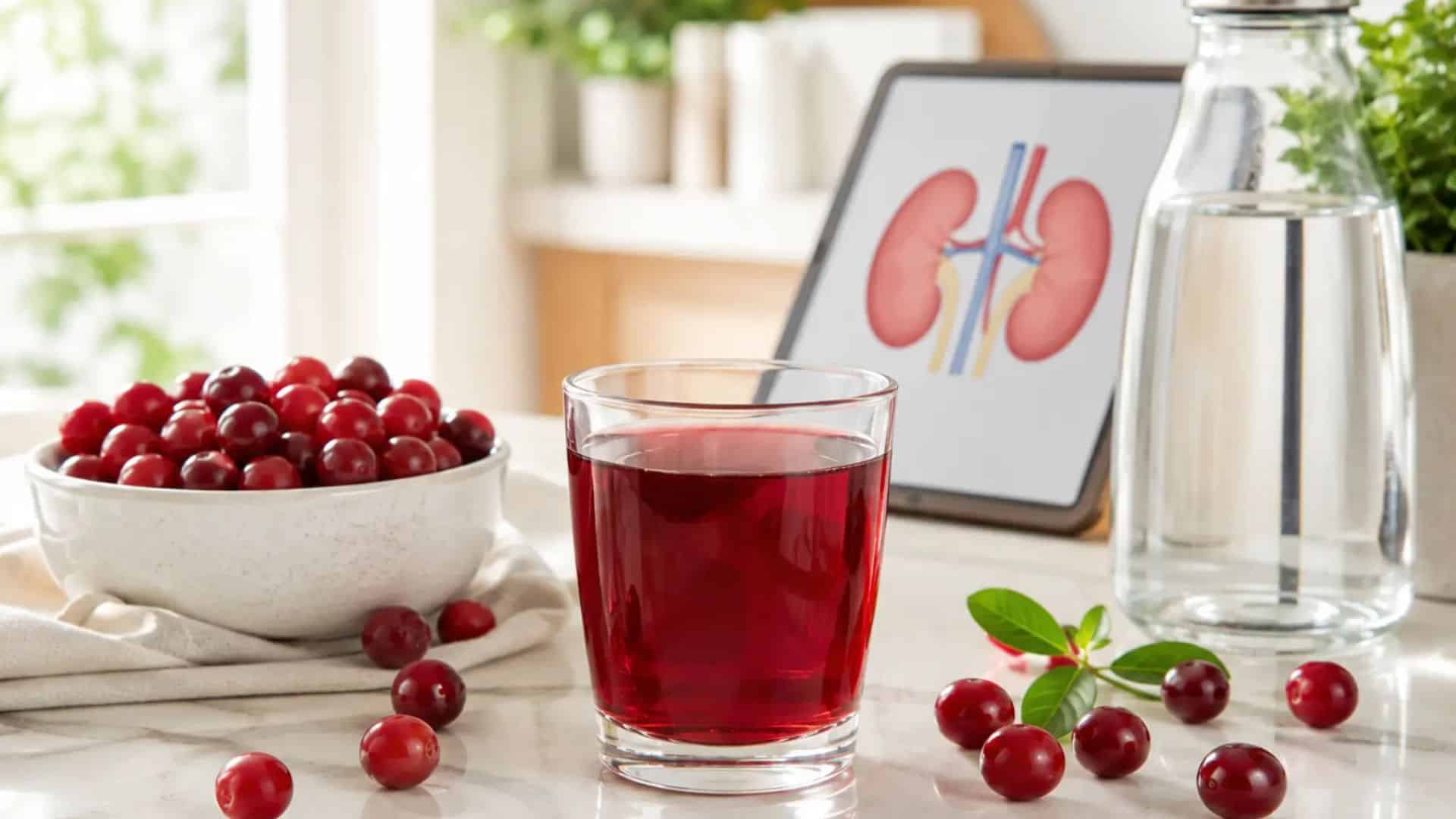
Most of the benefits are indirect, routed through the urinary tract rather than the kidneys themselves. Here is where the evidence holds up.
1. Reduces Bacterial Adhesion in the Urinary Tract
Healthy kidneys depend on a clean urinary system. When bacteria, particularly E. coli, cannot bind to the lining of the bladder or ureter walls, the body flushes them out naturally through urination.
Proanthocyanidins in cranberry juice appear to block specific binding sites that E. coli uses to anchor itself. This mechanism is well-described in the literature and is the most evidence-supported reason to include cranberry juice in a urinary health strategy.
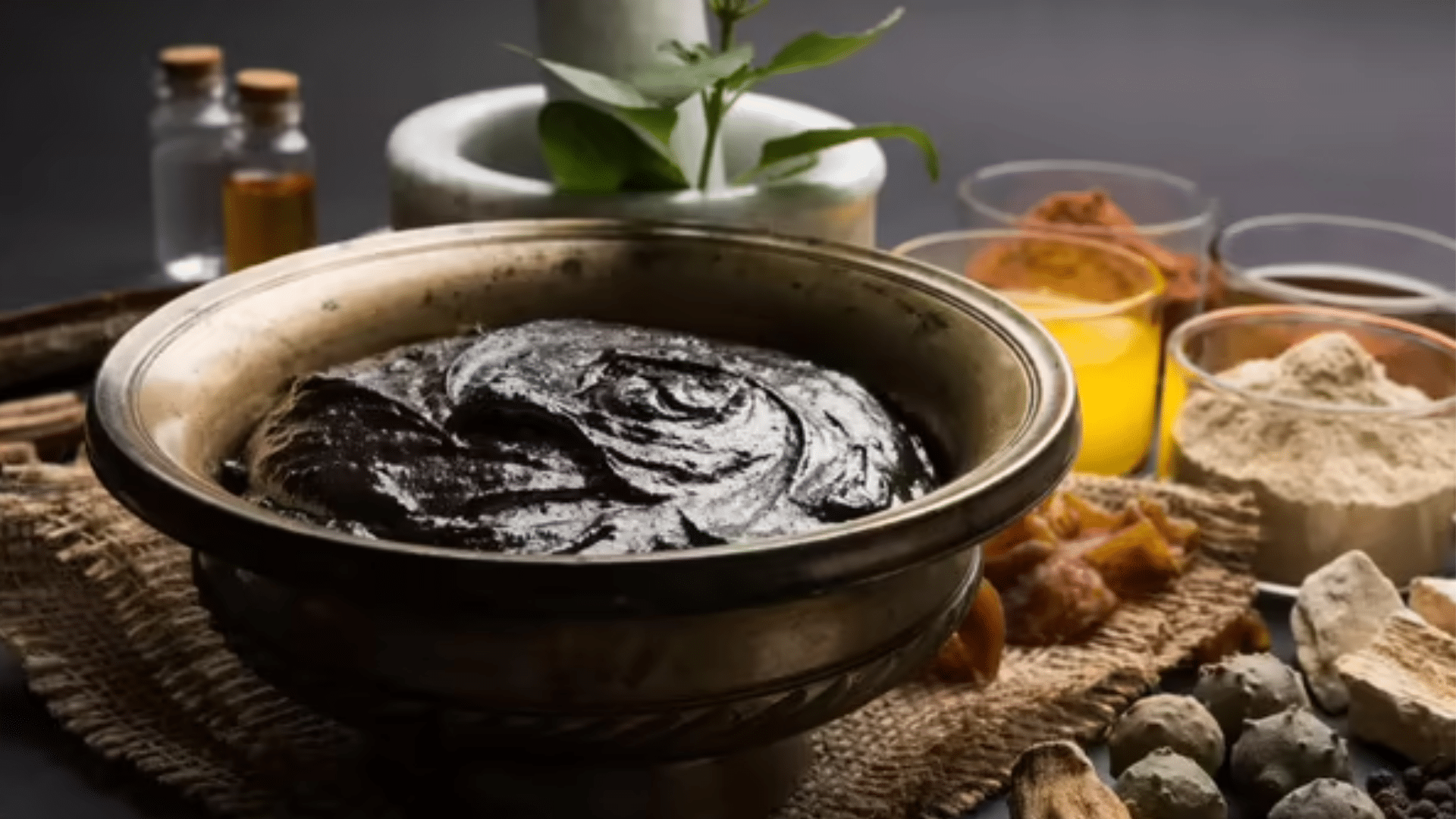
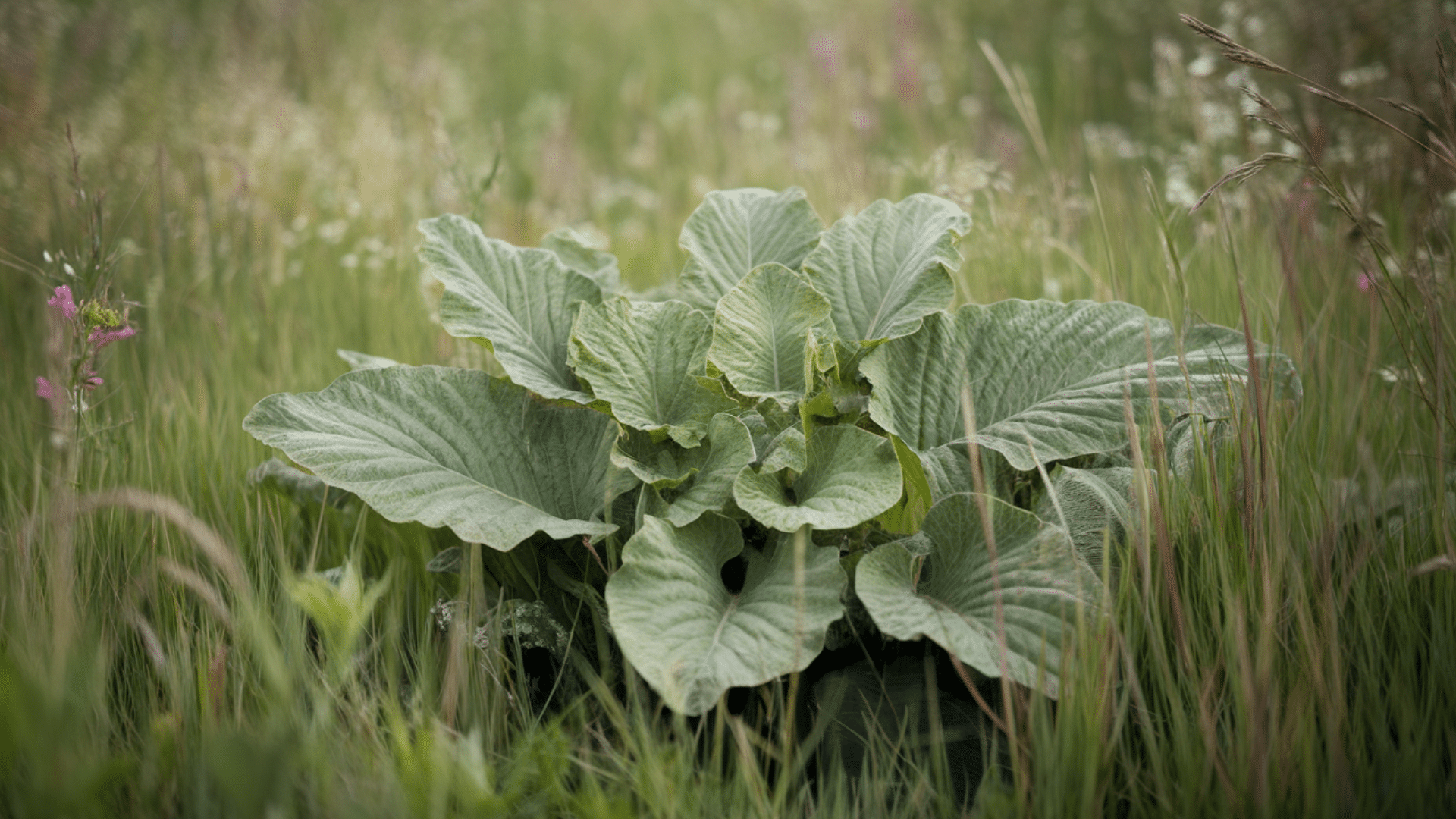
Some people also use Gokshura for urinary health, an Ayurvedic herb with a long history of use for bladder and kidney support, alongside dietary approaches like cranberry.
The practical implication: cranberry juice may be most useful as a preventive measure for people who experience recurrent UTIs rather than as a treatment for an active infection.
2. Provides Antioxidants That May Protect Kidney Tissue
Cranberries contain roughly 350-450 mg of polyphenols per cup, including PACs, quercetin, and anthocyanins. These compounds have antioxidant properties that help neutralize free radicals.
Oxidative stress is one pathway through which kidney tissue can sustain cellular damage over time. Consuming antioxidant-rich foods and beverages in moderation is a reasonable component of a diet designed to protect kidney function, though no specific study ties cranberry juice consumption directly to improved kidney filtration rates.
Other juice options like carrot juice also carry antioxidant polyphenols and tend to be lower in oxalates, which makes them a less complicated choice for people managing kidney conditions.
3. May Lower the Risk of Infections Spreading to the Kidneys
This is the clearest kidney-related argument for cranberry juice. Untreated or recurrent bladder infections can ascend the urinary tract and cause pyelonephritis, a kidney infection that, in serious cases, leads to scarring and reduced function.
If cranberry products help keep the bladder environment less hospitable to pathogenic bacteria, they may reduce the frequency of UTIs that could otherwise progress. This is a plausible mechanism, but research specifically on preventing kidney infections with cranberry juice is limited.
That protective pathway is meaningful for people with recurrent UTIs. For everyone else, the kidney benefit is more theoretical than demonstrated.
Possible Risks of Cranberry Juice for People with Kidney Concerns
The risks depend almost entirely on how much you drink, what brand you choose, and what your underlying health conditions are. Here is the breakdown by risk level.
| Risk | Level | Details |
|---|---|---|
| High Oxalate Content | Moderate | May bind with calcium and contribute to kidney stone formation in susceptible individuals. |
| Potassium Load | Moderate to High (CKD) | At 190-200 mg per cup, it is lower than orange or tomato juice, but volume matters when kidney clearance is reduced. |
| Added Sugar | High (cocktail varieties) | Many commercial cranberry juices are cocktails, not pure juice. Added sugar complicates blood sugar management and is a concern for diabetic kidney disease. |
| Increased Urine Acidity | Low | Regular intake can make urine more acidic, which may cause irritation for some people. |
| Drug Interactions | High (warfarin users) | Documented interaction with warfarin. Cranberry products can increase bleeding risk. Always check with your prescribing physician. |
None of these risks make cranberry juice off-limits for everyone. They do mean that serving size and product selection matter significantly, particularly for people with CKD, kidney stones, diabetes, or anyone on blood-thinning medication.
Is Cranberry Juice Safe for People with Kidney Disease?

This depends on the stage of kidney disease and the specific restrictions in place. The guidance shifts considerably between early-stage CKD and dialysis.
Chronic Kidney Disease (CKD)
If you have chronic kidney disease, small amounts of unsweetened cranberry juice may fit into your diet, but it is not a free pass. CKD management typically involves monitoring potassium, phosphorus, sodium, fluid intake, and sugar carefully.
The National Kidney Foundation notes that potassium management becomes increasingly important as kidney function declines, and while cranberry juice is lower in potassium than orange, prune, or tomato juice, serving size still adds up.
The more pressing concern in early CKD is often sugar. Cranberry juice is naturally tart, and most commercial products compensate with significant sweetener additions.
For someone managing both diabetes and CKD, a cranberry cocktail is usually not a smart choice. A half-cup (120 ml) of 100% pure, unsweetened cranberry juice, checked against your personal potassium and fluid targets, is a more defensible option.
Before making cranberry juice a regular part of your diet with CKD, review it with your renal dietitian. Potassium content varies enough between brands that label reading is not optional.
Dialysis Patients
If you are on dialysis, every beverage you drink counts toward your daily fluid allowance, and that allowance is tight. Exceeding it causes fluid to accumulate between sessions, which creates serious cardiovascular strain. A quarter-cup (60 ml) or less of unsweetened cranberry juice is the upper limit most renal dietitians would consider, and only if it fits within your total fluid budget that day.
Added sugar is the second issue. Most dialysis patients are already managing multiple dietary restrictions, and a high-sugar cranberry cocktail adds unnecessary complications for blood glucose and caloric balance. If cranberry juice appeals to you, bring the specific brand and serving size you are considering to your next appointment with your care team.
Cranberry Juice and Kidney Stones
Cranberry juice is not recommended as a kidney stone prevention strategy, and for people with a history of calcium oxalate stones, it may actually increase risk.
Kidney stones form when minerals and salts crystallize in concentrated urine. Calcium oxalate stones are the most common type, and cranberries contain oxalates that can contribute to this crystallization process in susceptible individuals.
Research has found that cranberry juice consumption increases urinary oxalate excretion, which is problematic specifically for people prone to calcium oxalate stones.
Water remains the most effective preventive measure for all stone types. If you have a history of kidney stones, discuss cranberry juice with your urologist before adding it to your routine. Stone composition and individual urine chemistry determine whether cranberry juice is neutral, helpful, or harmful for your specific situation.
| Safety Note: If you have a history of calcium oxalate kidney stones, limit cranberry juice to no more than 4 oz (120 ml) per day and prioritize water intake. People with stage 3 or higher CKD should confirm serving sizes with a renal dietitian before adding any juice regularly. |
How to Choose Cranberry Juice for Kidney Health
Product selection makes a significant difference. Here is what to look for and what to avoid.
Choose 100% pure unsweetened cranberry juice over cranberry juice cocktails. Cocktails typically contain a small percentage of actual cranberry juice and a large amount of added sugar or high-fructose corn syrup. The anti-adhesion effect comes from PACs in real cranberry, not from sweeteners. If pure cranberry juice is too tart, dilute it with water rather than switching to a cocktail version.
Compare potassium values between brands before purchasing, particularly if you have CKD. Nutrient content varies more than most people expect across different manufacturers and formulations.
Keep serving sizes realistic. A four-ounce (120 ml) pour with a meal is a practical starting point for most adults without kidney disease. For CKD or dialysis, half that amount is a better ceiling until your care team says otherwise.
Avoid products marketed as cranberry drinks or blends with very little actual cranberry juice content. The PAC concentration in these products is typically too low to produce any urinary health effect, while the sugar content remains high.
How Much Cranberry Juice is Safe to Drink?
| Group | Suggested Daily Amount | Key Consideration |
|---|---|---|
| Healthy Adults | 1 cup (240 ml) | 100% unsweetened only; count toward daily sugar intake. |
| People with CKD | Half cup (120 ml) | Monitor potassium; stay within dietitian’s fluid limits. |
| Dialysis Patients | Quarter cup (60 ml) or less | Counts toward daily fluid allowance; confirm with care team. |
| History of Kidney Stones | Half cup (120 ml) max | High oxalate content may raise stone risk beyond this amount. |
| Diabetics | Half cup (120 ml) | Avoid cocktail varieties; natural sugar per cup is ~31 g. |
| Children (6-12 years) | Half cup (120 ml) | Dilute with water; limit total daily added sugar to under 25 g. |
These figures are general guidelines, not personal prescriptions. If you have any of the conditions listed above, run your specific serving plan past a healthcare provider or registered dietitian before making cranberry juice a daily habit.
Who Should Avoid Cranberry Juice?
Some people need to limit or skip cranberry juice entirely, regardless of the potential benefits.
- People prone to calcium oxalate kidney stones should be cautious. The oxalate content in cranberry juice can increase urinary oxalate levels, raising crystallization risk in already-susceptible individuals.
- People taking warfarin or other blood thinners should check with their prescribing physician first. The interaction between cranberry products and warfarin is well-documented and can increase bleeding risk.
- People with advanced CKD or on dialysis need to work within strict fluid, potassium, and sugar limits that may not leave room for cranberry juice at all.
- People managing both diabetes and kidney disease should prioritize unsweetened options and count the juice’s natural sugar toward daily intake targets.
If you are experiencing active UTI symptoms, such as burning during urination, fever, chills, nausea, or pain in your back or side, see a healthcare provider. Cranberry juice is not a treatment for an existing infection. Kidney infections require prompt medical evaluation and, in most cases, antibiotics.
Better Kidney-Friendly Drinks to Consider
Water is the single most effective beverage for kidney health. It supports filtration, dilutes waste products, and reduces stone formation risk without adding sugar, potassium, or calories. For most people with kidney concerns, water should be the primary drink, and other beverages should be chosen carefully around it.
Herbal teas (non-sweetened, low-potassium varieties), lemon water, and diluted cranberry juice are options some people rotate in for variety. Not all natural drinks are kidney-friendly, though.
Coconut water, high-potassium vegetable juices, and smoothies with bananas or oranges can be problematic for CKD patients. A renal dietitian is the right person to help you build a beverage list that fits your specific lab values and dietary restrictions.
Similarly, diet choices that include foods that lower creatinine alongside appropriate beverages are a more complete approach than focusing on any single drink. A renal dietitian is the right person to help you build a beverage list that fits your specific lab values and dietary restrictions
Frequently Asked Questions
Does cranberry juice flush or cleanse the kidneys?
No. “Kidney cleanse” and “kidney flush” are marketing terms with no clinical basis. Your kidneys filter waste continuously through glomerular filtration, and they do not need a beverage to trigger that process. Water supports kidney function far more effectively than any juice. Cranberry juice’s role is limited to the lower urinary tract, not the kidneys themselves.
Can cranberry juice treat a kidney infection?
No. Cranberry juice cannot treat a kidney infection (pyelonephritis). Kidney infections require antibiotics and, depending on severity, may require hospitalization. If you have symptoms such as fever, chills, back or flank pain, nausea, or vomiting, along with urinary symptoms, see a doctor promptly. Cranberry products are a preventive strategy for some people, not a treatment for an active infection.
Is cranberry juice good for your kidneys if you have CKD?
It may be acceptable in small amounts, but it requires careful management of potassium, sugar, and fluid intake. Half a cup (120 ml) of 100% unsweetened cranberry juice is a reasonable starting point to discuss with your renal dietitian. The key variable is which CKD stage you are at and what your current lab values look like.
Are cranberry supplements better than juice for kidney health?
For people with CKD, dialysis restrictions, or diabetes, cranberry supplements standardized to at least 36 mg of PACs per serving may be preferable because they deliver the active compound without added sugar, fluid, or potassium. That said, supplements are not regulated as tightly as pharmaceuticals. Look for third-party tested brands and confirm compatibility with your medications before starting.
Can cranberry juice interact with medications?
Yes, most notably with warfarin. Cranberry products can increase the anticoagulant effect of warfarin, raising bleeding risk. This applies to juice and supplements. Anyone on warfarin or another blood thinner should confirm with their prescribing doctor before adding cranberry to their routine. Other medication interactions are less well-established but worth discussing with a pharmacist if you take multiple prescriptions.
Does cranberry juice help prevent recurring UTIs?
The evidence suggests it may reduce UTI recurrence in some people, particularly women who experience two or more confirmed UTIs within six months. A review published in Advances in Nutrition found PAC-containing cranberry products to be most effective in this population. Results are not universal, and the benefit depends on using products with adequate PAC content, not diluted cocktail blends.
How does cranberry juice affect kidney stones?
It depends on the stone type. For calcium oxalate stones, the most common type, cranberry juice may increase risk by raising urinary oxalate levels. For uric acid stones, the modest acidifying effect on urine may actually be counterproductive. The safest approach for anyone with a stone history is to discuss cranberry juice specifically with their urologist before including it regularly.
Can I drink cranberry juice every day?
Most healthy adults can drink up to one cup of 100% unsweetened cranberry juice daily without issue. For people with CKD, kidney stones, diabetes, or fluid restrictions, daily use requires more careful calibration. The sugar load of 31 g per cup adds up over time even for healthy adults, so moderation is the practical rule regardless of health status.
Final Verdict
Now you have a clearer picture of whether cranberry juice is good for your kidneys. I’ve learned that it can be helpful in some situations, especially for supporting urinary health and lowering the risk of certain infections.
But it is not a cure for kidney problems, and it may not be safe for everyone. People who are prone to kidney stones or have advanced kidney disease should be careful with how much they drink.
The key is moderation and choosing the right type of juice. In small amounts, unsweetened cranberry juice may fit into a healthy diet for many people.
If you’re dealing with kidney issues, I always suggest speaking with a doctor first. And if you want simpler health guides like this, keep reading my blog for helpful tips.
Sources
National Center for Complementary and Integrative Health, “Cranberry.” https://www.nccih.nih.gov/health/cranberry
National Kidney Foundation, “Hyperkalemia (High Potassium).” https://www.kidney.org/kidney-topics/hyperkalemia-high-potassium
Journal of Renal Nutrition, “Cranberry Products and Prevention of Urinary Tract Infections.” Accessed via https://www.jrnjournal.org/article/S1051-2276(16)30153-4/fulltext
Cochrane Database of Systematic Reviews, “Cranberries for Treating Urinary Tract Infections,” 2023. https://pmc.ncbi.nlm.nih.gov/articles/PMC7025796/
USDA FoodData Central, Cranberry juice nutritional data. https://fdc.nal.usda.gov
Jepson RG, et al., “Cranberries for preventing urinary tract infections,” Advances in Nutrition, 2016.